



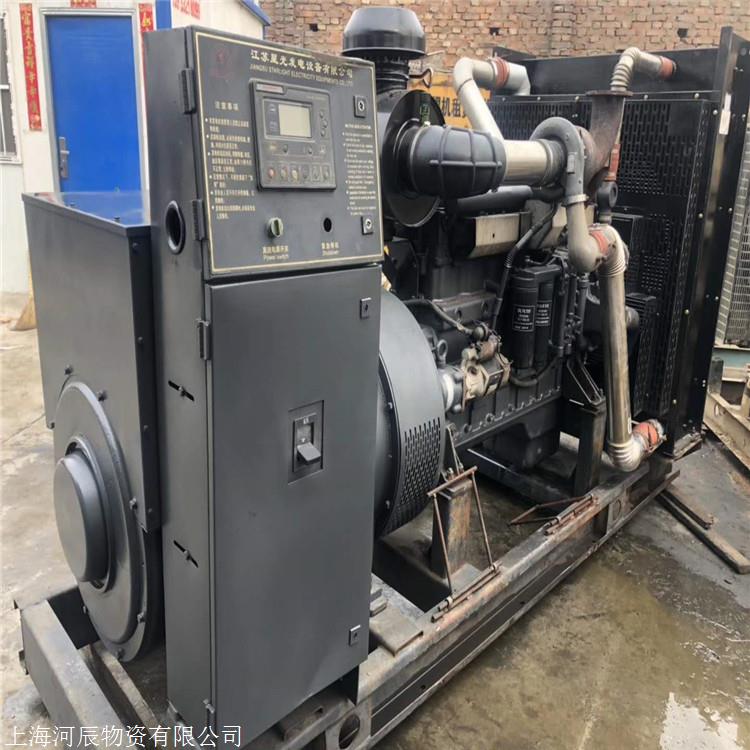
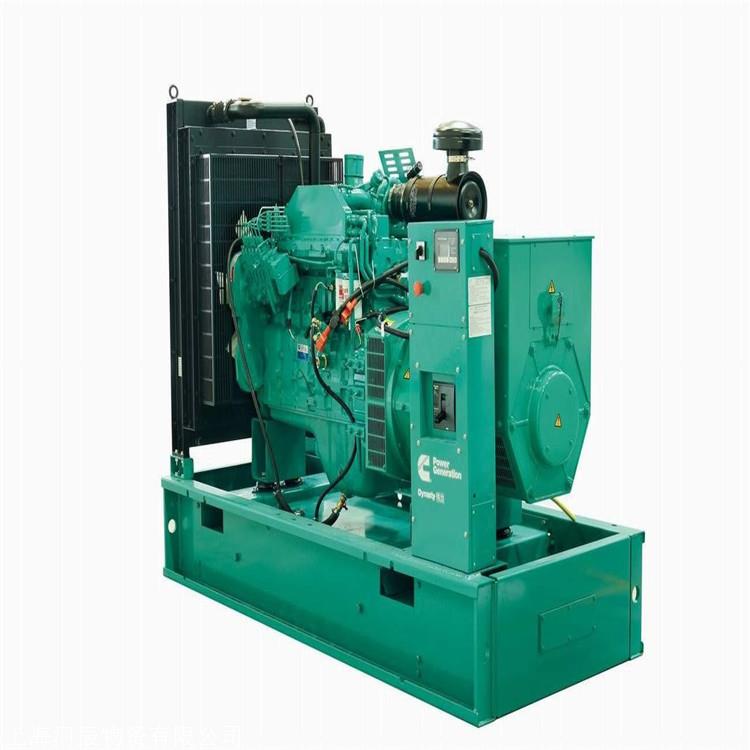













Jiangsu Suzhou diesel generator acquisition, Shaoxing Shengzhou Caterpillar generator set recycling

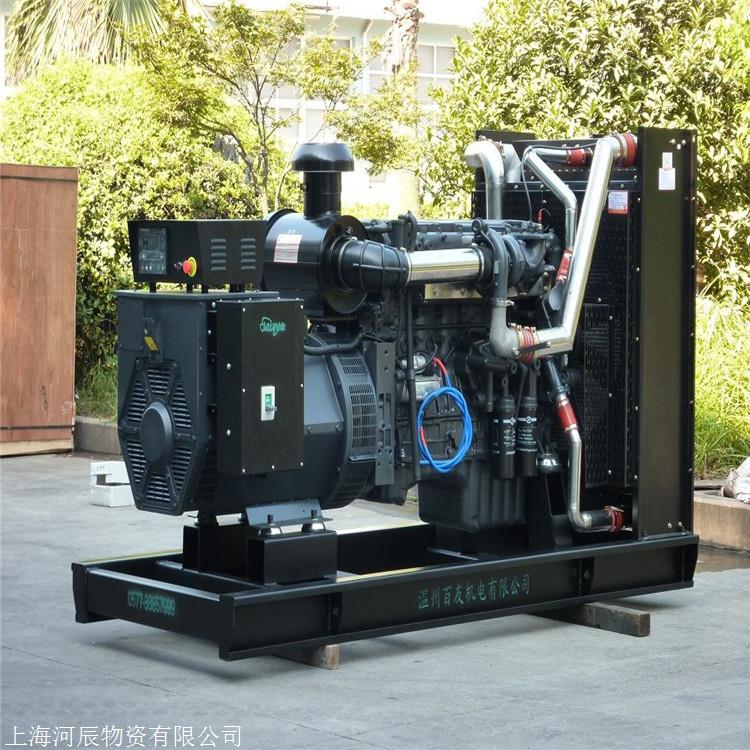
Diesel Generator Recovery Services Include: - Generator Recovery: Long-term recovery of diesel, steam, water turbine, wind, hydro, and thermal power generation sets, as well as synchronous, asynchronous, single-phase, and three-phase generators; used in elevators, vehicles, and marine applications. - Brands include Cummins, Volvo, Perkins, Caterpillar, Mitsubishi, Yamaha, Daewoo, MTU/Benz, Kubota, Yuchai, Shangchai, Weichai, Xichai, Jichai, Quanchai, Tongchai, Changchai, Tige, Taihao, and Kepu, among both imported and domestic generators.
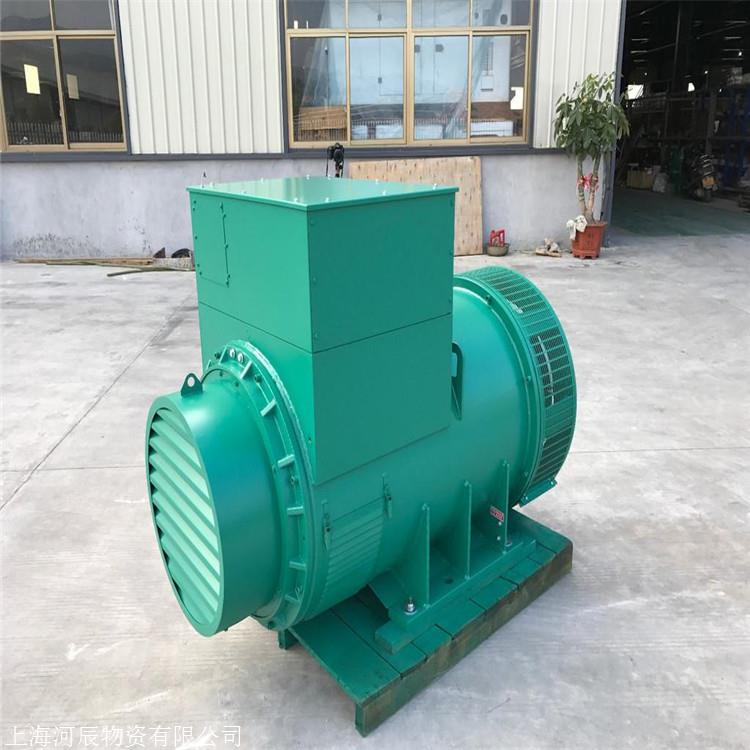
Diesel Generator Set: Matching: To ensure the generator set meets all technical specifications, it is essential for the diesel engine and generator to be well-matched during design and manufacturing, encompassing both power and speed aspects. The power of the diesel engine refers to the effective power it can achieve during continuous 12-hour operation at rated speed. The power of the synchronous generator is the rated electrical power obtained at the output terminal when operating at rated speed over a long period. The ratio of the rated power (horsepower) of the diesel engine to the rated power (kilowatts) of the synchronous generator is typically referred to as the matching ratio. Generator sets used on plains usually require a matching ratio of 1.6:1; for higher-grade mobile power stations, a matching ratio of 2:1 is preferred. The matching requirements for speed are also stringent. Speed is closely related to the power, frequency, and voltage of the generator set, thus the diesel engine must be equipped with a performance-oriented and reliable governor to ensure the generator reaches its rated speed quickly and maintains stable operation. It must also meet the governor's requirements when the load changes.
Diesel Generator Sets Features: Compared to steam turbine generator sets, diesel generator sets have the following characteristics: 1. Smaller volume and weight per unit of power output, simpler system, and are generally supplied as a complete set, allowing for rapid construction of diesel power stations. 2. Higher thermal efficiency in diesel generators, with minimal change in fuel consumption per unit of power output under partial or light load conditions. 3. Shorter start-up, load-bearing, and shutdown times, making them highly suitable for emergency power supply. 4. Simpler and more convenient operation and maintenance compared to steam turbine generator sets. However, diesel generator sets also have some drawbacks: 1. They can only use liquid fuel, which is more expensive, leading to higher electricity costs. 2. Diesel engines have greater wear and a shorter lifespan, requiring more frequent maintenance. Their stability and overload capacity are inferior to steam power plants. 3. Higher vibration and noise during operation, and poorer working conditions for operators. 4. The generator's magnetic pole surface must be equipped with a braking coil for easier start-up and shutdown. (GB-3096-82) Second-class area standard, as tested on-site, daytime noise ≤55dB(A), nighttime noise ≤45dB(A), achieving the goal of noise pollution control.




















