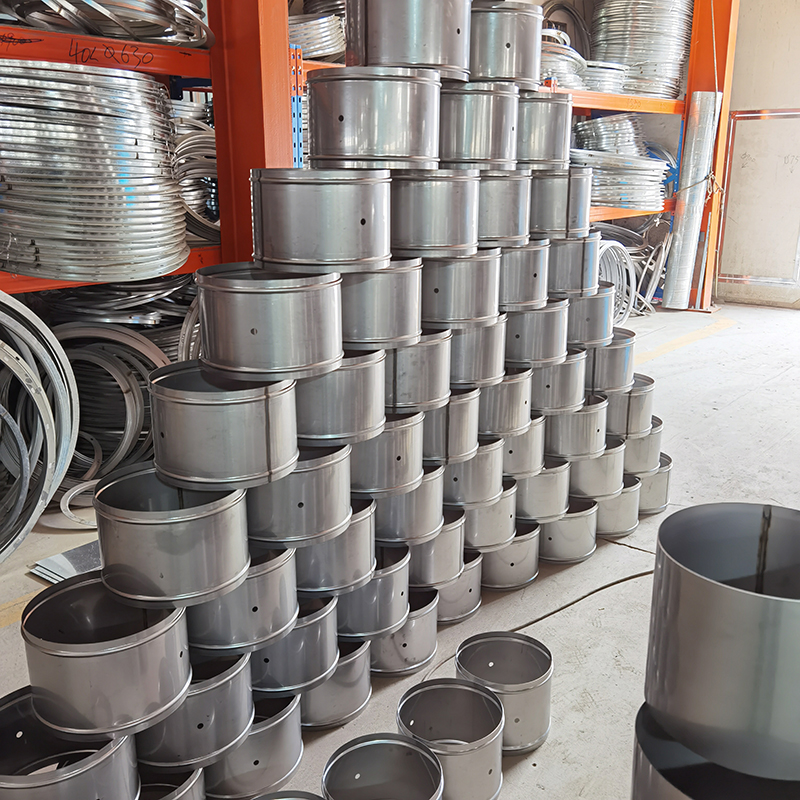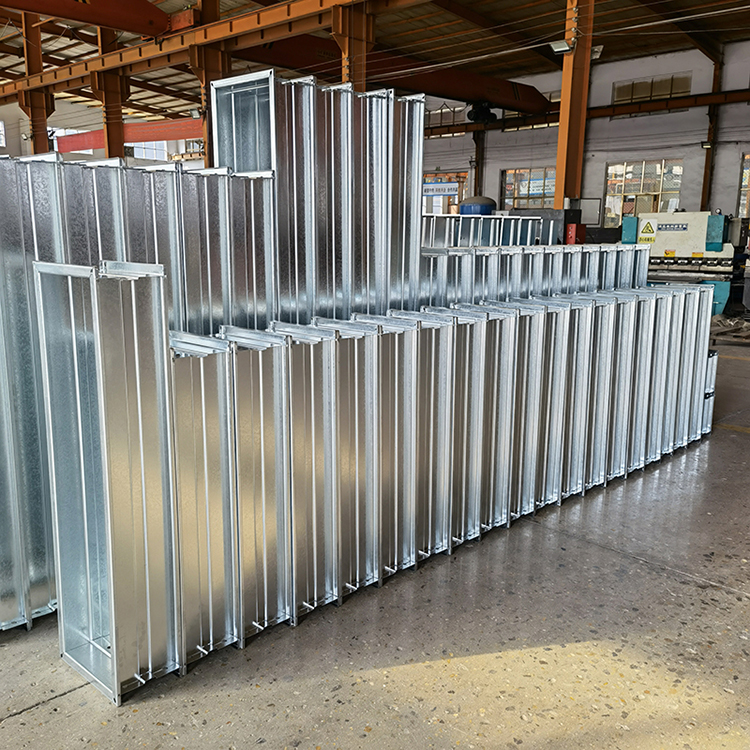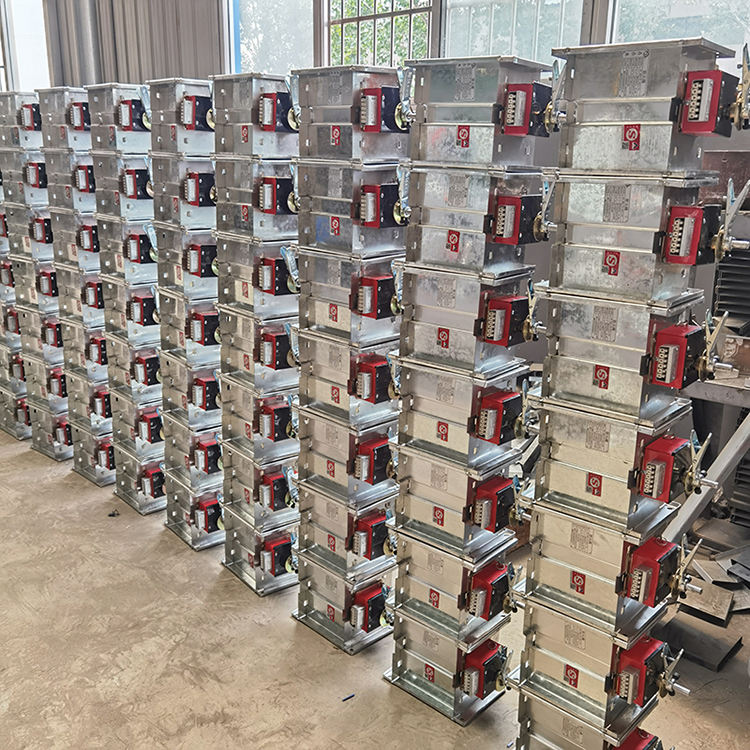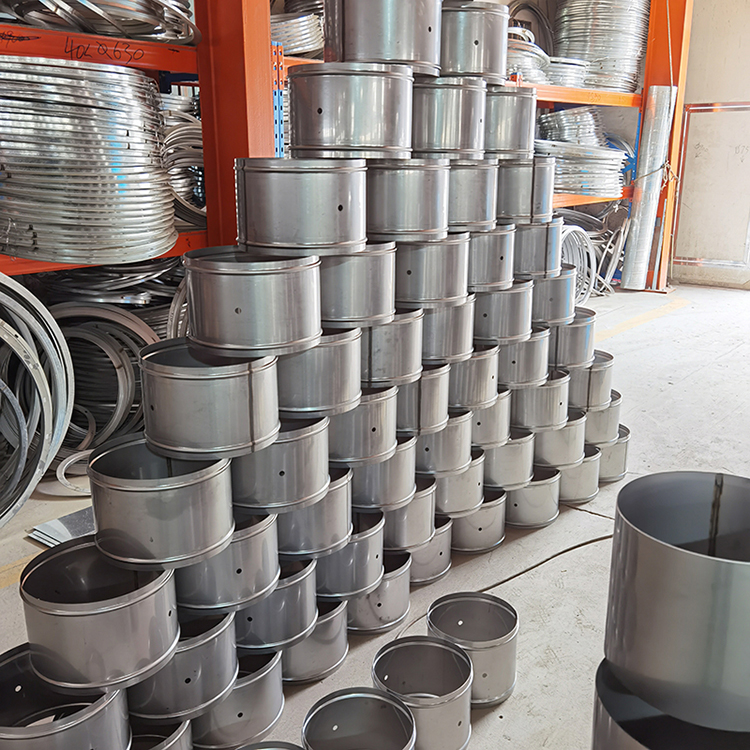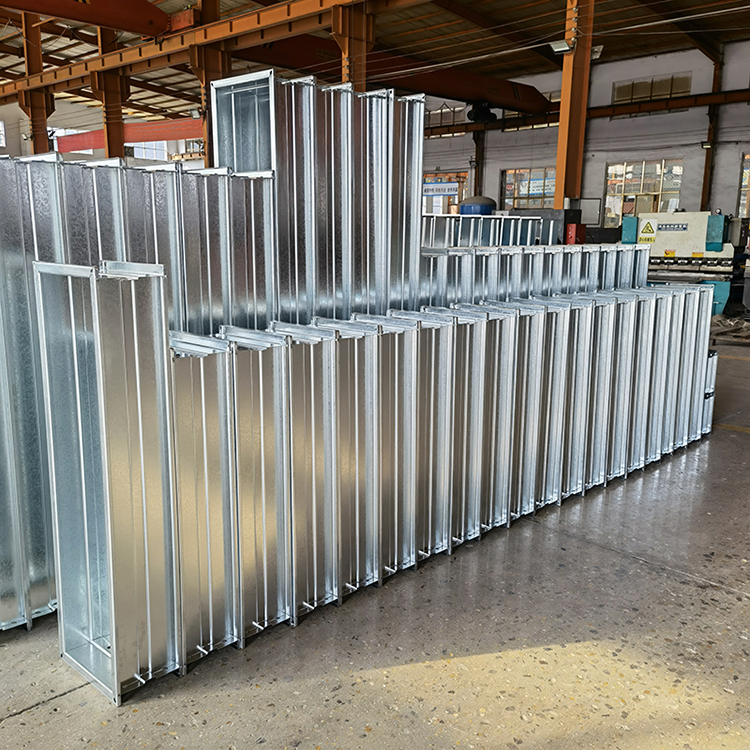

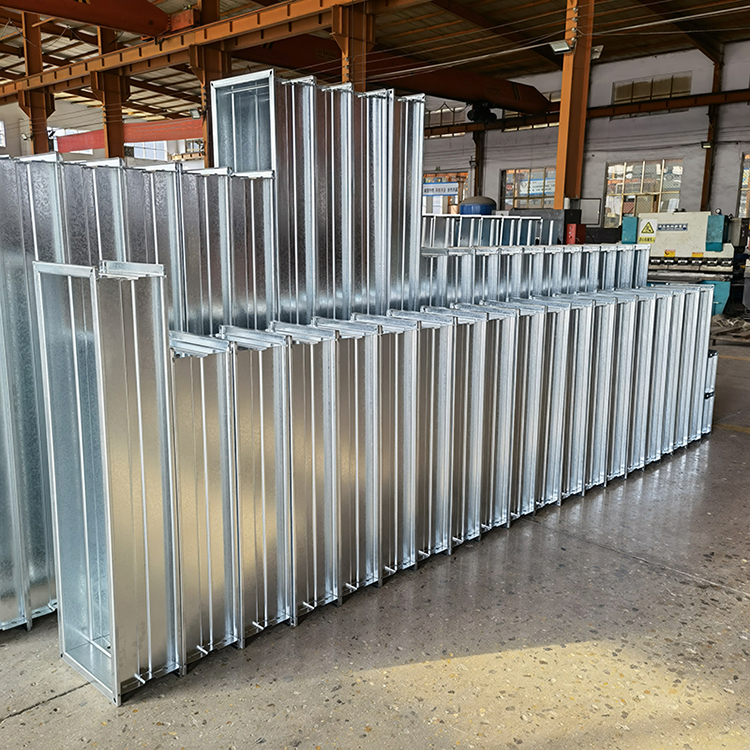
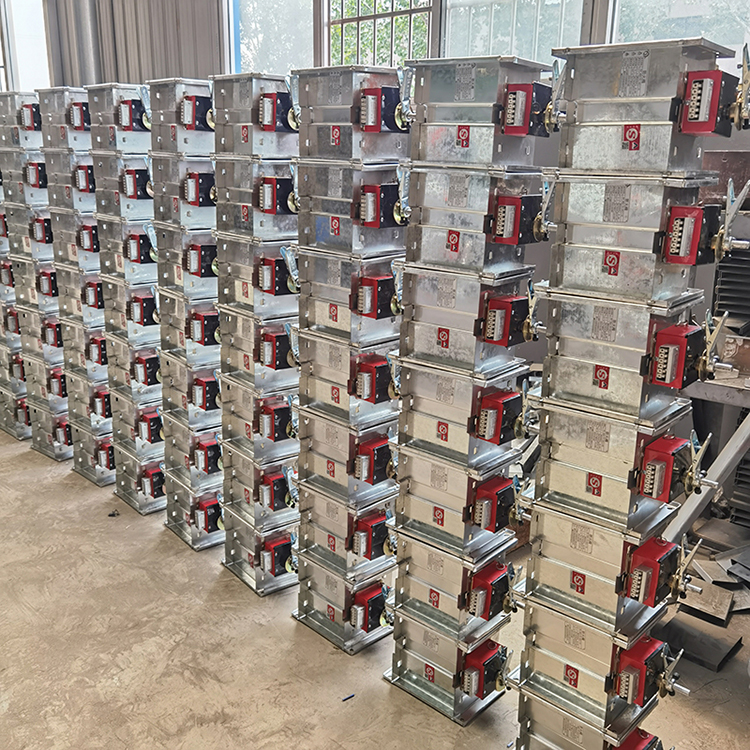
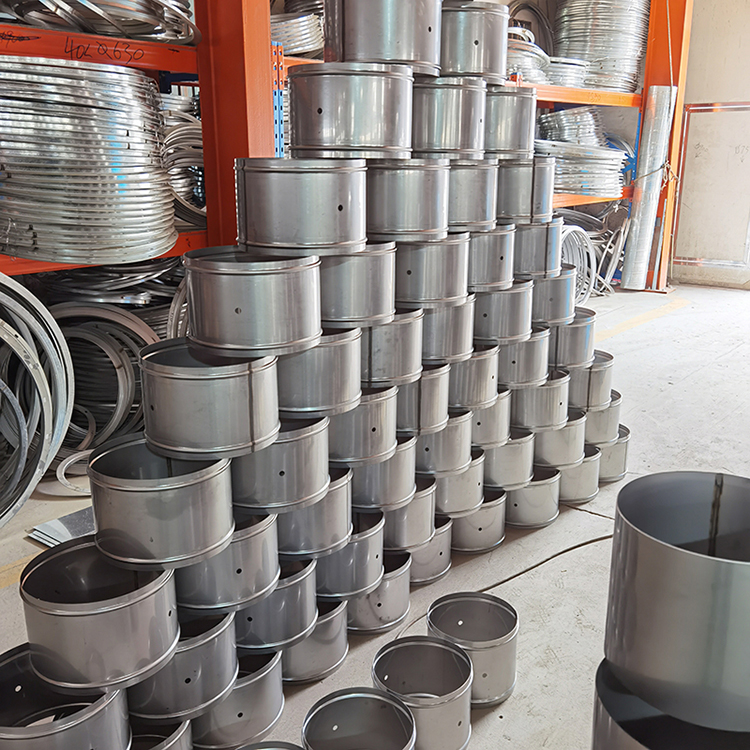














A fire damper is a type of temperature control utilizing a shape-memory alloy that closes through the force of gravity and a spring mechanism. The new products also include those that use the shape-memory alloy to deform and close the valve.
Its function is: when the smoke temperature reaches 280°C, people are mostly evacuated, and smoke exhaust has no practical significance. At this point, the smoke is already on fire, and the valve automatically closes to prevent the fire from spreading.
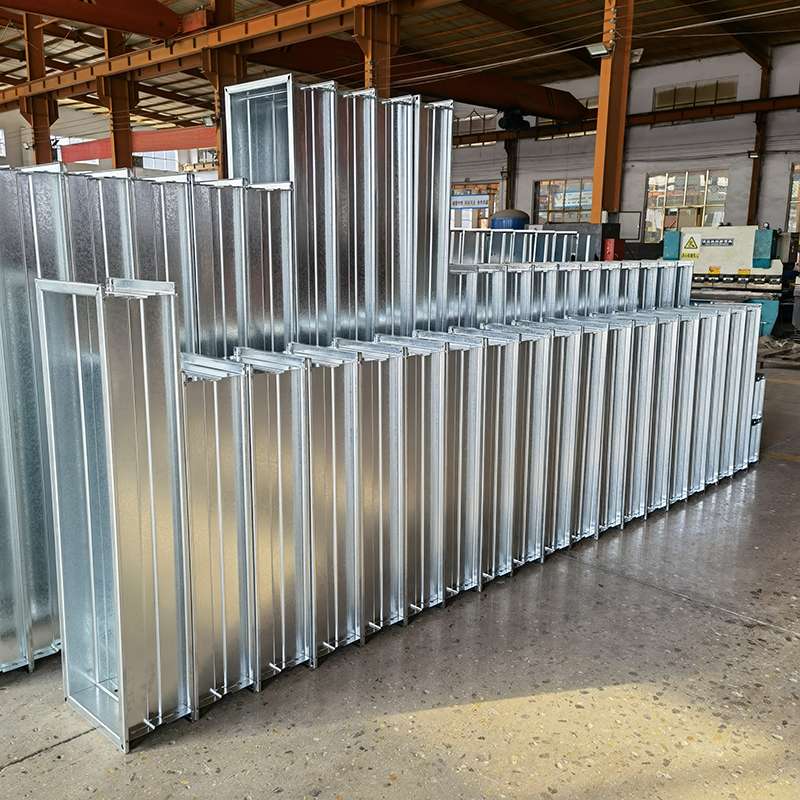
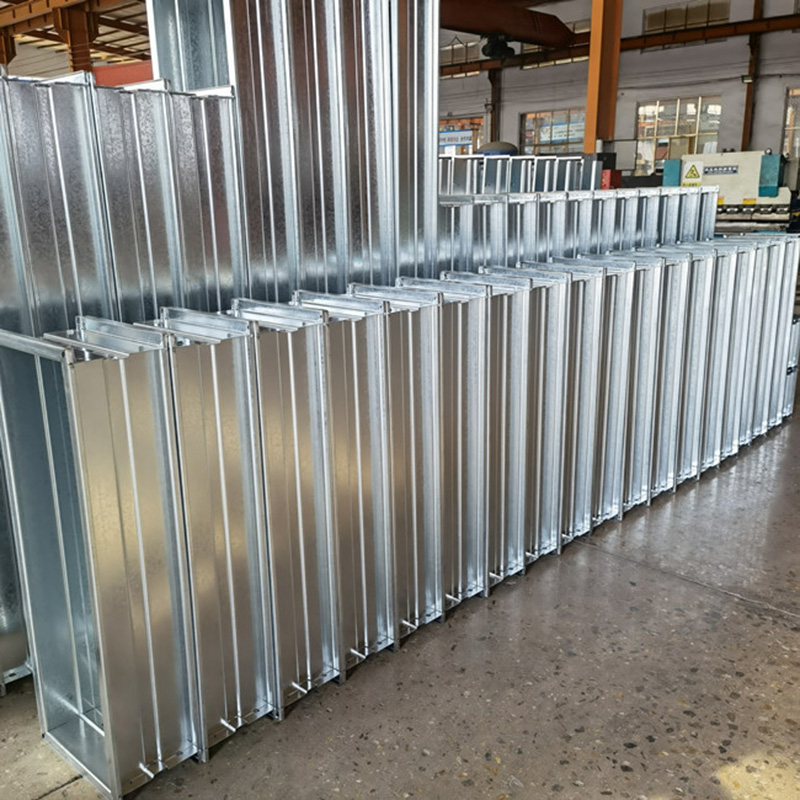
Fire dampers can be categorized by their functions into various types, such as smoke exhaust dampers, smoke and fire dampers, fire regulating dampers, and smoke and fire regulating dampers, among others.
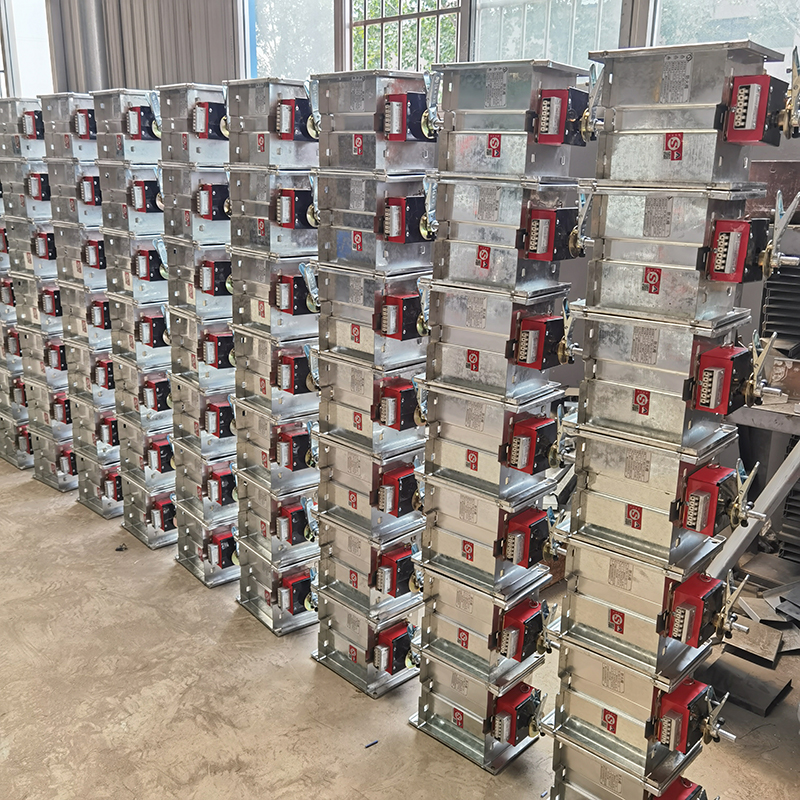
Draught valve
Smoke exhaust valves are installed on the piping of smoke exhaust systems in high-rise and underground buildings. Their basic functions include: temperature (smoke) electric signal linkage, simultaneous operation of the smoke exhaust fans; manual opening of the valve with simultaneous start of the smoke exhaust fans; output of valve opening signal.
Smoke and fire damper
The smoke and fire dampers are installed on the exhaust and fire-resistant ducts of the exhaust system (mounted on the ducts at the intake of the exhaust fan), serving basic functions beyond those of a regular smoke damper. They are designed to melt and close the valve, and simultaneously shut down the exhaust fan, when the smoke temperature exceeds 280℃.
Fire damper valve
Fire dampers are installed on ventilation and air conditioning system pipes that meet fire prevention requirements (to prevent the spread of fire along the ducts). Their functions include: the temperature fuse breaks at 70℃ to close the valve; a valve closure signal is output, causing the ventilation and air conditioning system's fan to shut down; and the volume of air can be infinitely adjusted.
Smoke and fire dampening valve
The smoke and fire prevention regulating valve is installed on ventilation and air conditioning system pipes with smoke and fire prevention requirements (to prevent the spread of fire and smoke). Its functions include: smoke (temperature) detection electric signal linkage to close the valve and stop the ventilation and air conditioning system fan; manual closure of the valve and fan shutdown; a temperature fuse breaking at 70℃ to close the valve; outputting a valve closure signal; and stepless adjustment of air volume with 90° five-way division.