











Engineering Nature: Outpatient, Medical Technology, and Ward Comprehensive Building
Design Time: 2009
Project Progress Stage: Completed
Construction Location: Guangdong · Foshan
Floor Area: 115,292 sqm
Number of beds: 800
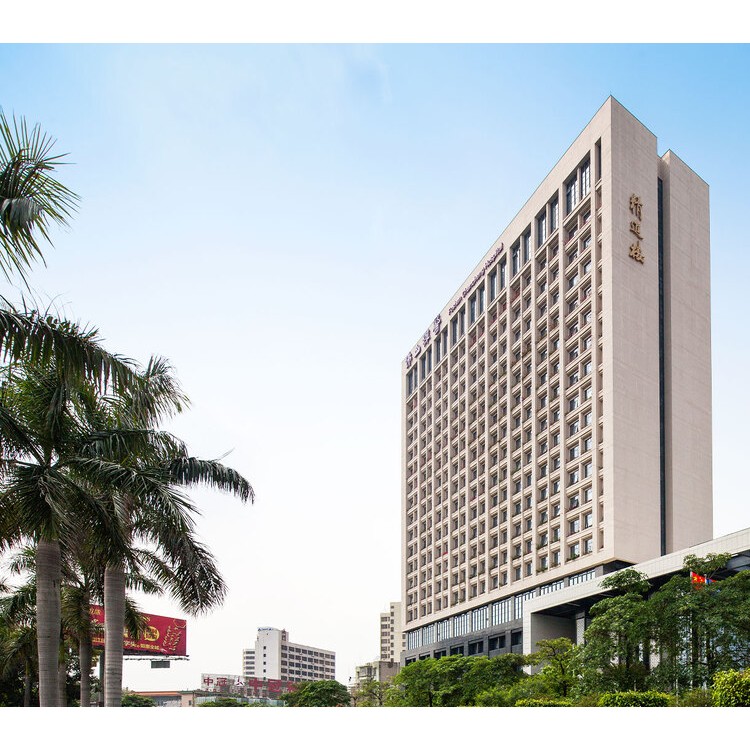
Foshan Chancheng Central Hospital is located in the heart of Chancheng District, Foshan.
A level-III A-grade hospital, serving as the medical, preventive, health care, rehabilitation, and teaching & research center for the entire district. Faced with a shortage of land resources, the hospital needs to enhance its service capabilities, integrate medical resources, strengthen regional ties, and improve the greening environment by constructing a medical building under the existing land conditions. In summary: many constraints, high requirements.
This engineering design is characterized by distinct features, fully considering the southern climate and the local cultural characteristics of Foshan; at the same time, the project site has limited area and many constraints. Communication with the client was thorough, and the solutions were handled appropriately, earning the client's praise.
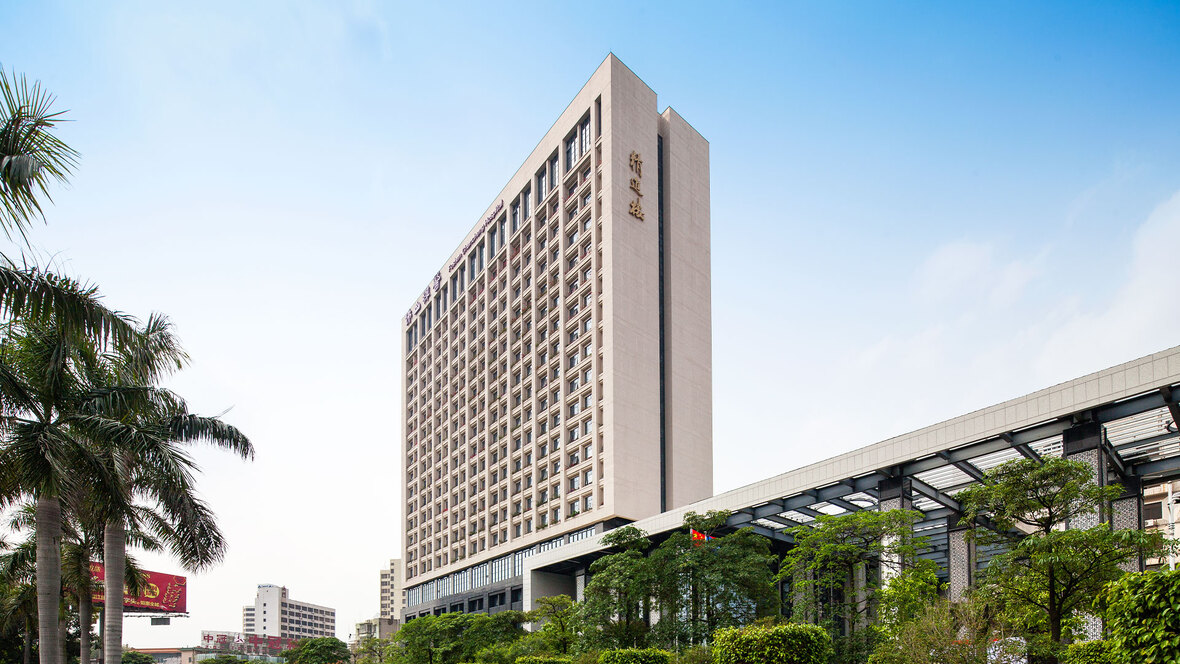
Party A proposes using the character "Chan" as the core of the design, embodying the spirit of "Chan Medicine." The design style of the medical building gives an impression of simple aesthetic beauty, calmness, and stability, endowing the structure with a sense of "Chan."
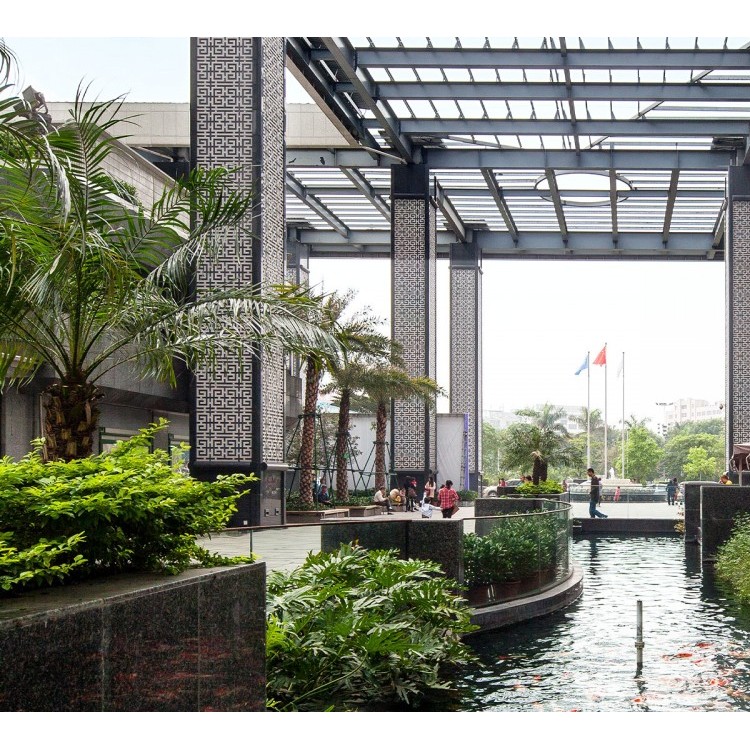
The architectural entrance serves as a bridge between the hospital and the city, offering both a sense of care and the essence of Zen medicine culture. Upon entering the hospital, one does not see the cold, solid facade of the building, but rather a Zen-inspired space with trees, flowing water, and artificial hills. Through the transition of space, the architecture seamlessly integrates with the Shiwan Plaza.
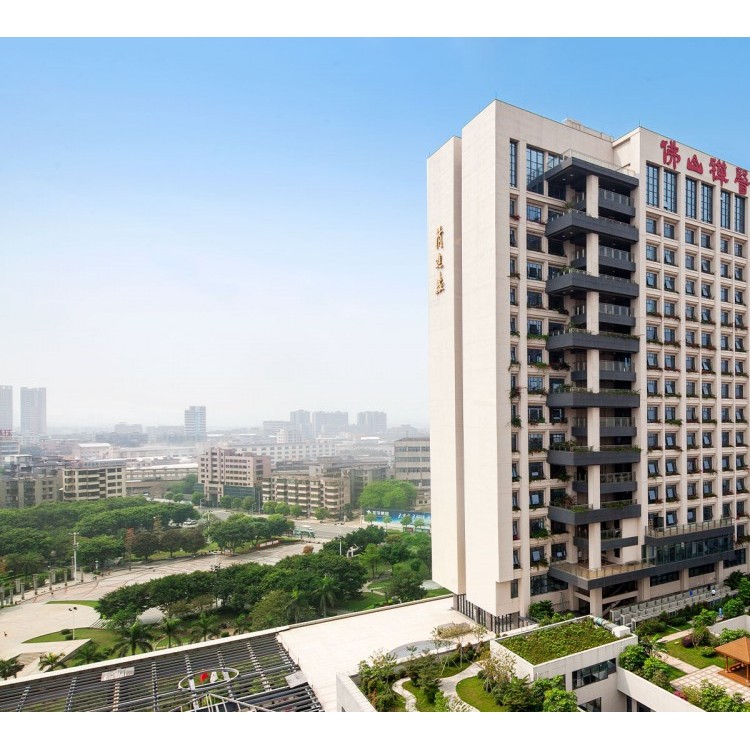
The building facade incorporates a grid of windows, creating a contrast between the real and the virtual through light and shadow changes. It integrates greenery on window sills, extending the greenery from Shiwan Square into the upper space, making the building itself part of the environment. The mountain-facing wall features three levels of projecting platforms: enclosed, semi-enclosed, and open, combined with greenery to create a blurred space between the interior and exterior, softening the sharpness of the mountain wall. Within the areas where the building can release, there are breathable courtyards, combined with vertical greening, to create a landscape area rich in light and shadow and with good ventilation.
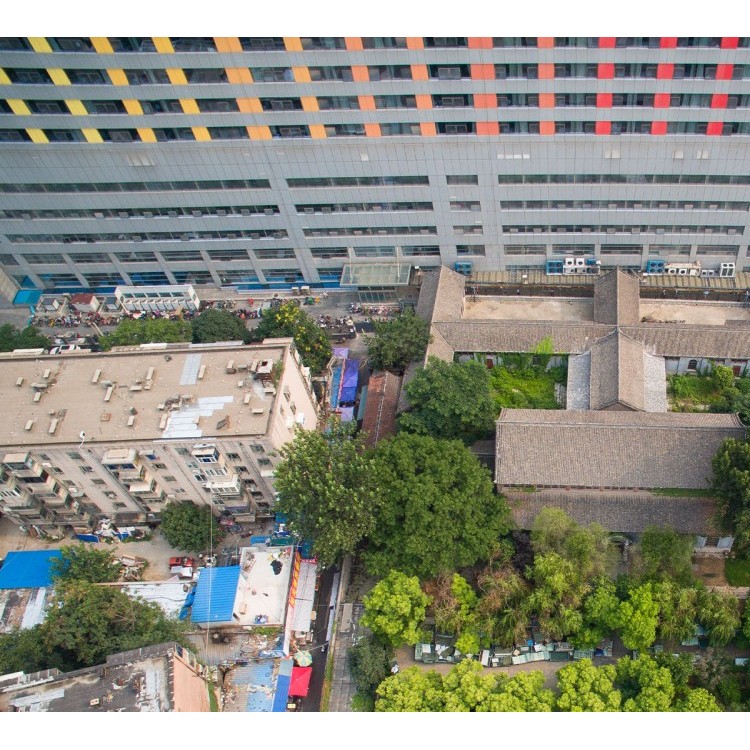
The volume differences between new and old buildings are significant. In considering the integration of new and old structures, the approach of subtly blending the old into the new is taken, maximizing the street-facing display area of the new building, and diminishing the impact of the old building on the exterior facade.
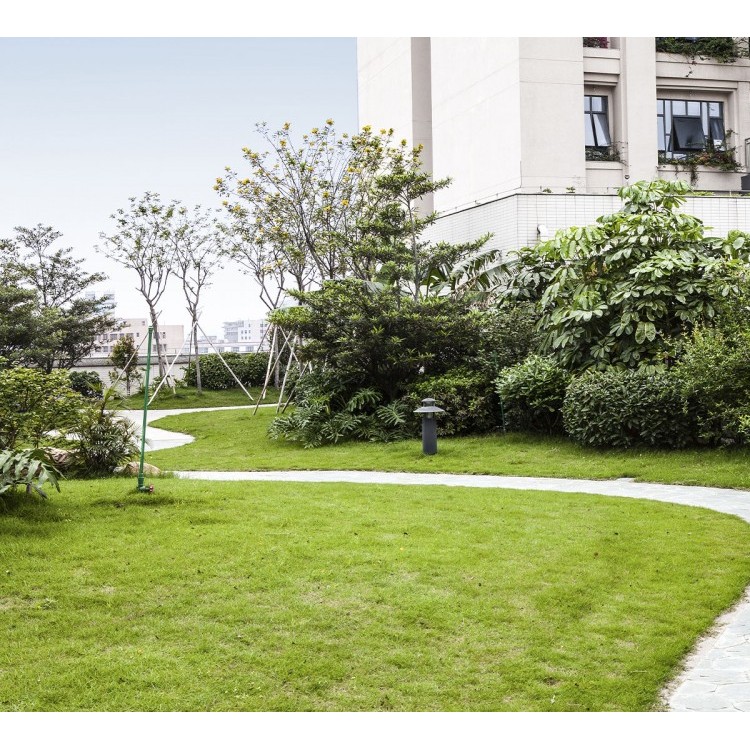
Enhanced building green coverage, with distinct treatments for balcony plants, rooftop plants, and courtyard plants at three levels, endowing the structure with a powerful appeal.