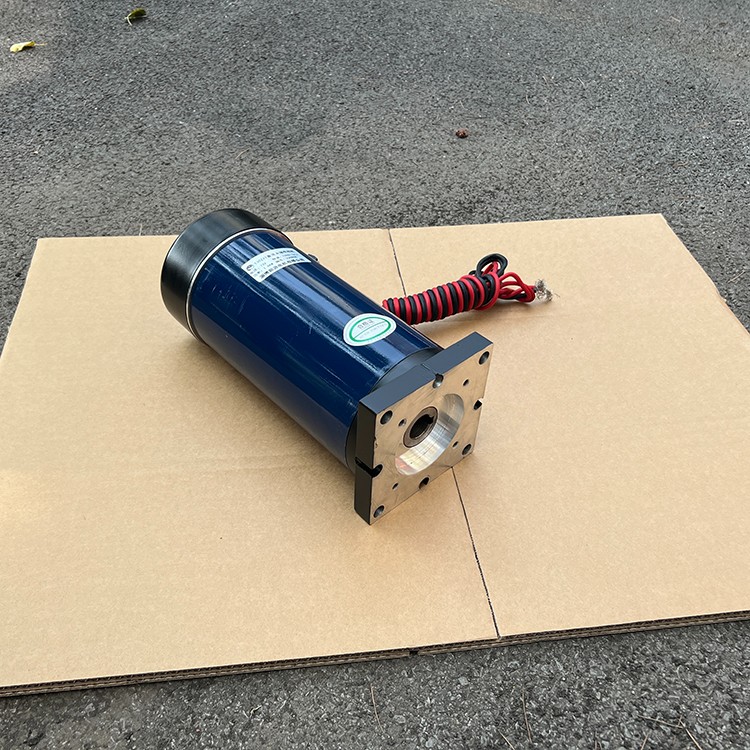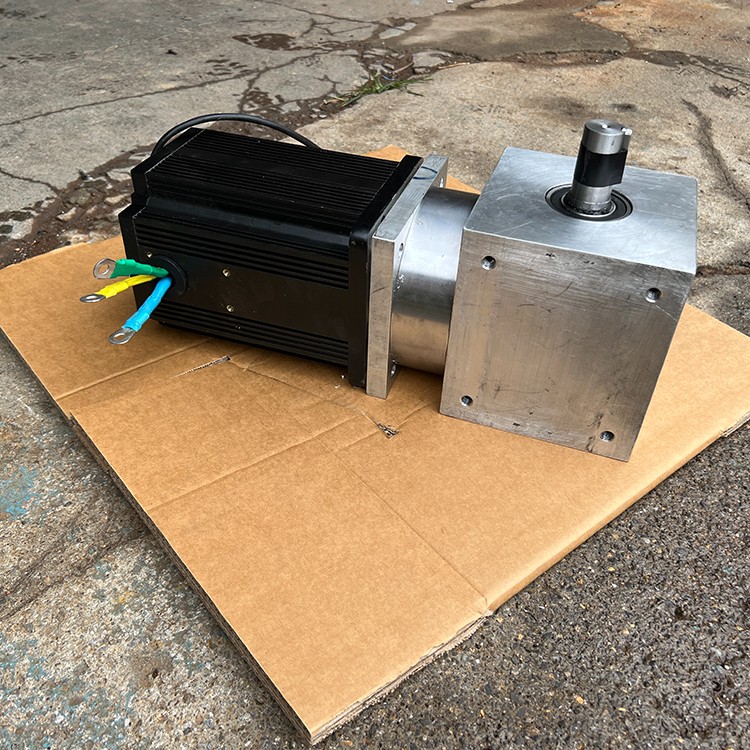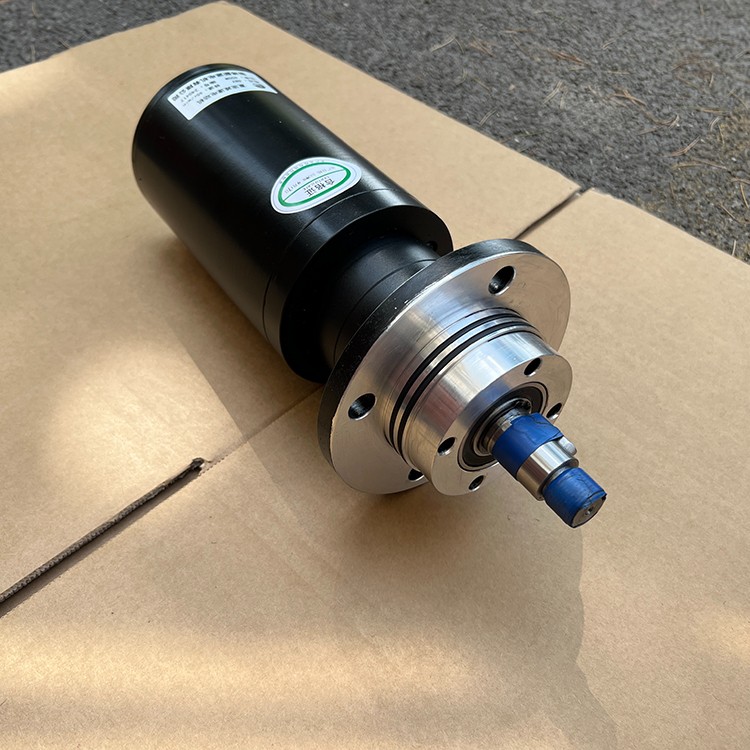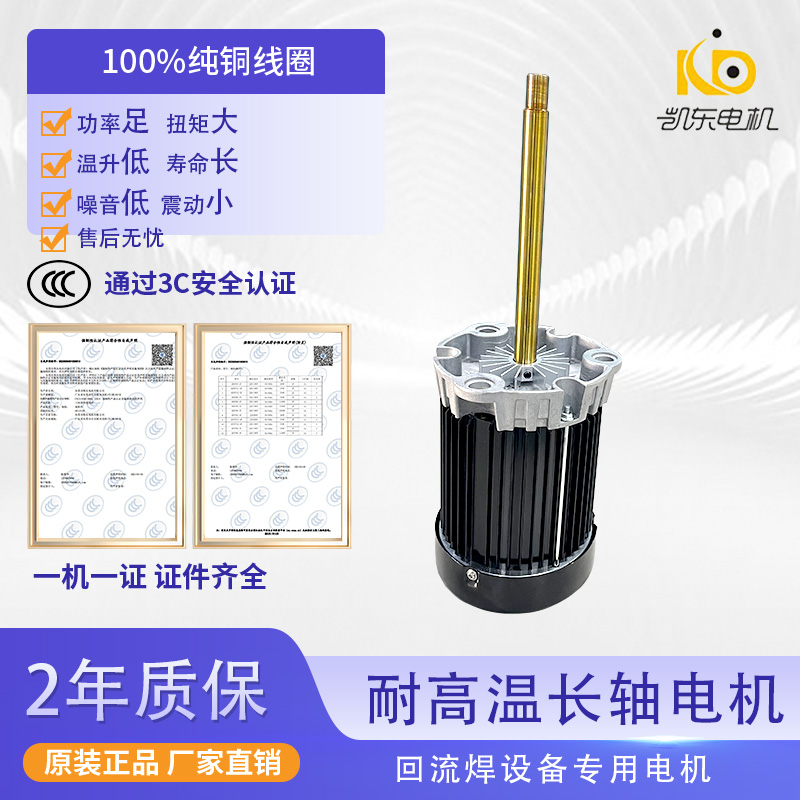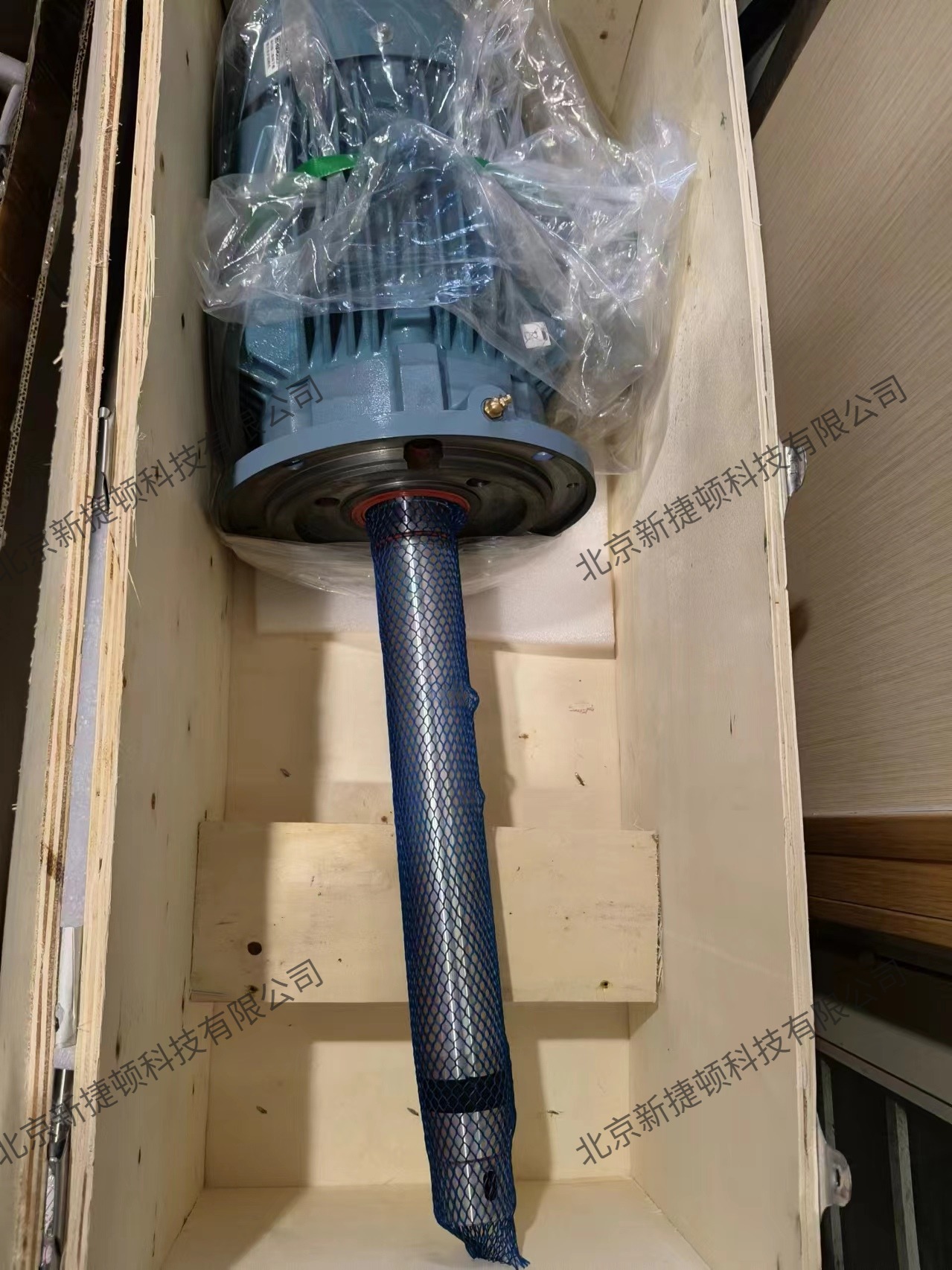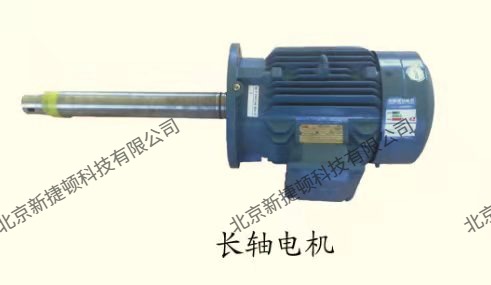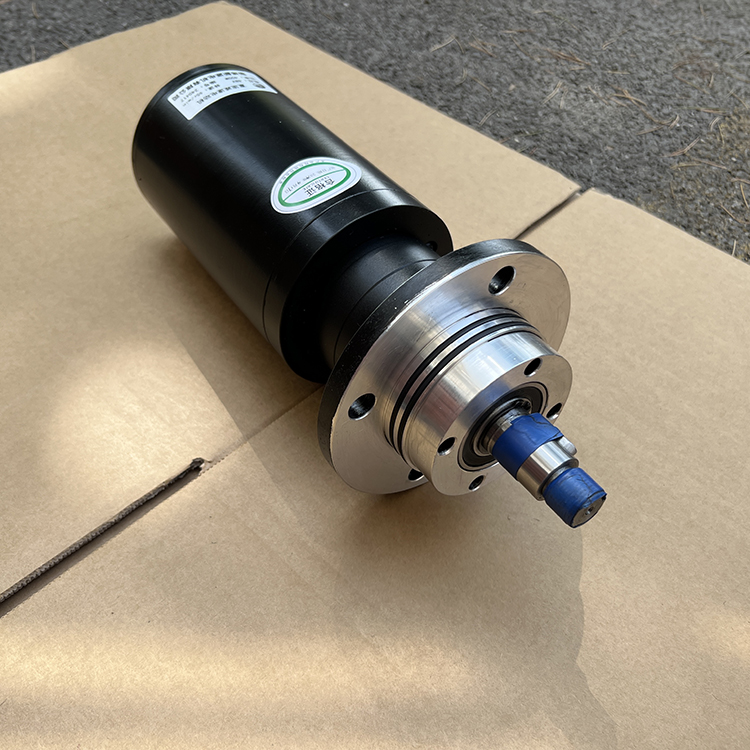
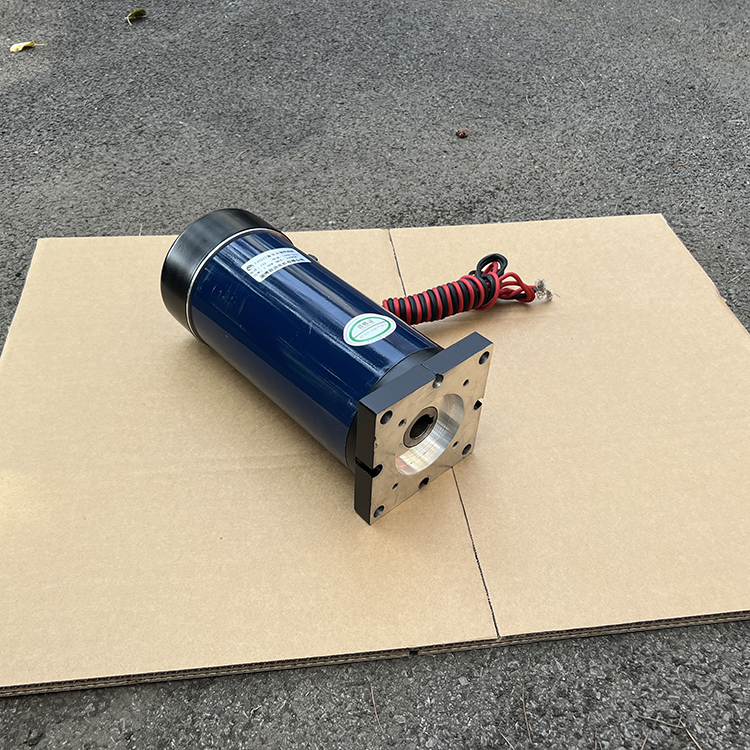
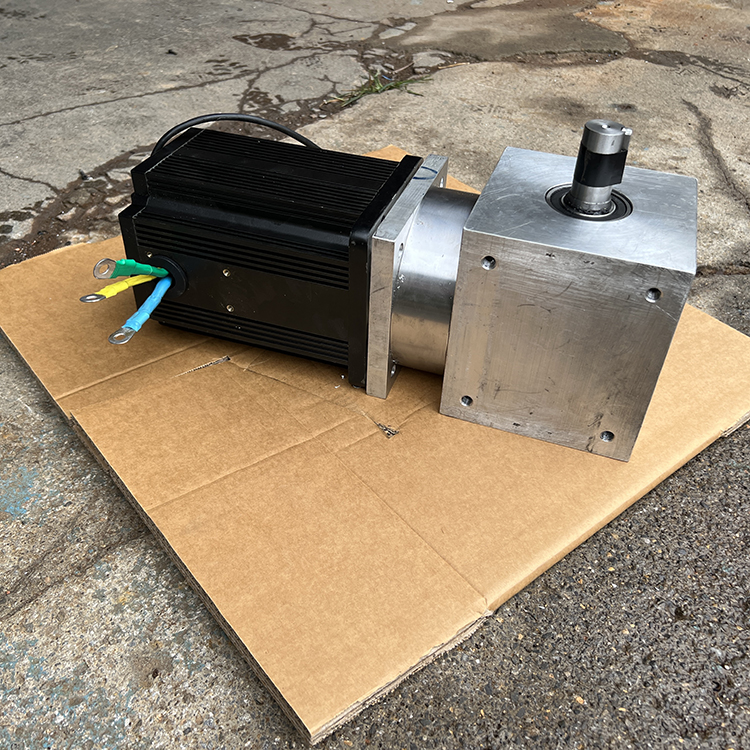


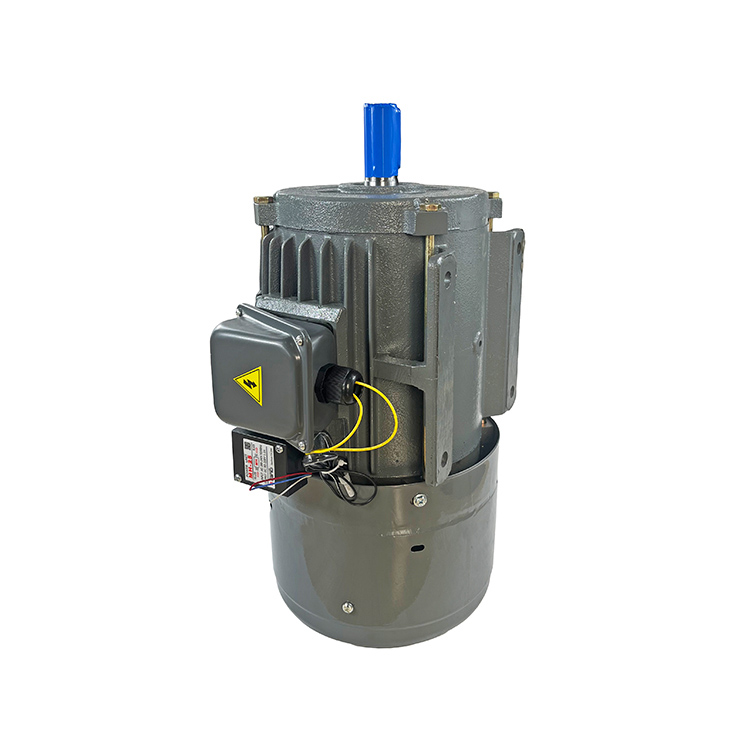
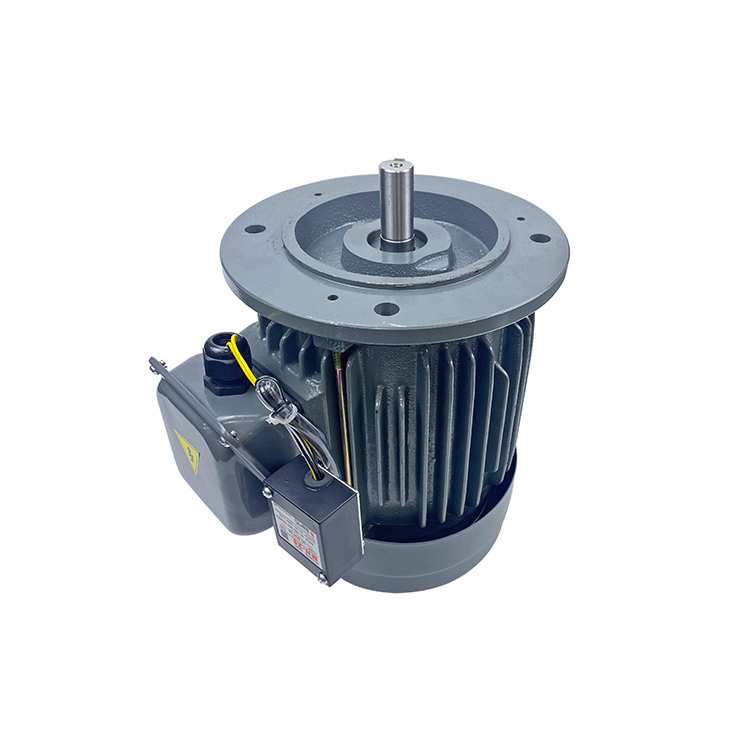
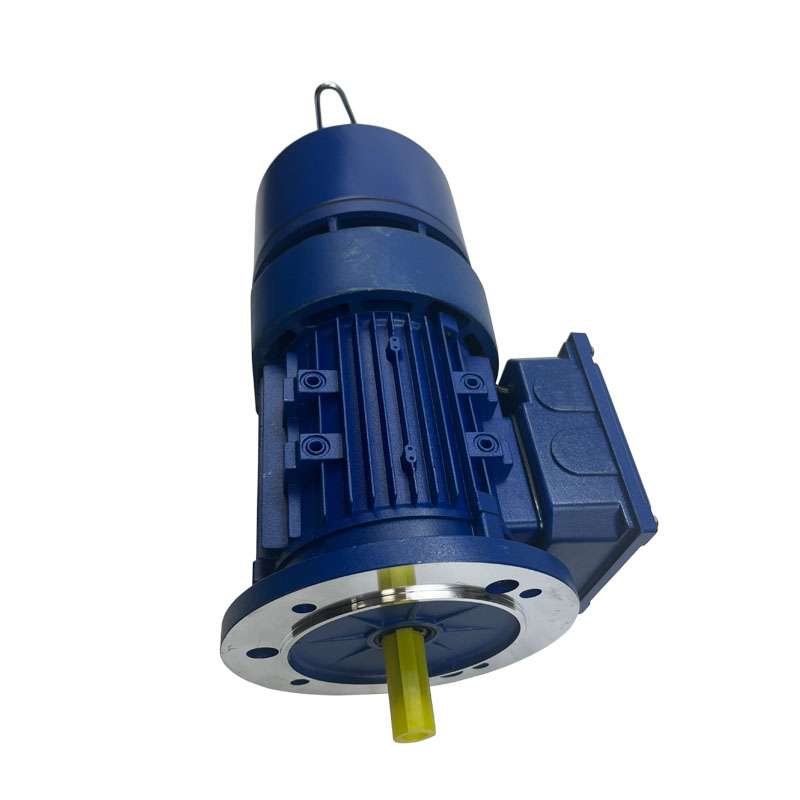






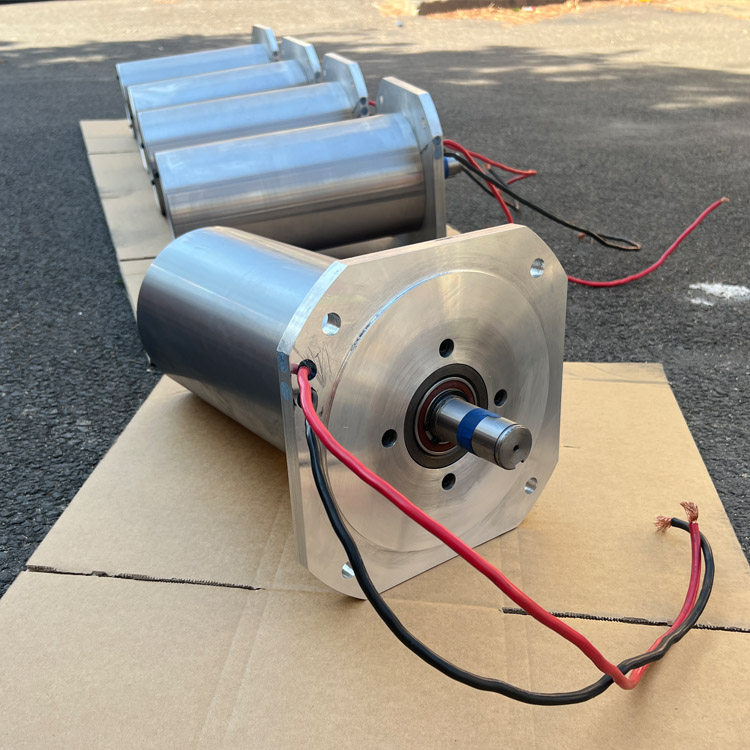
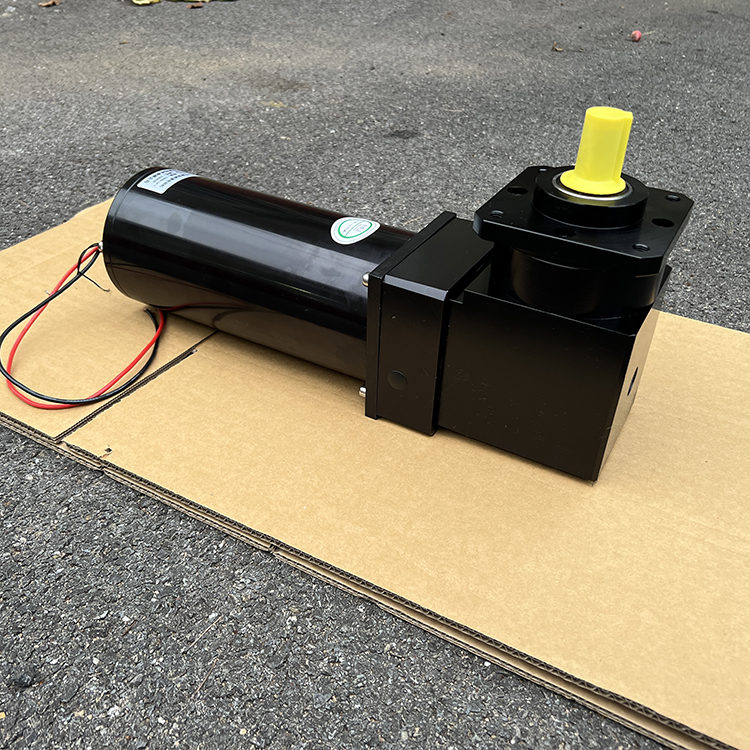

Custom-shaped Electric Motors
Preparation before Welding
Prior to welding, the fractured section of the hard tooth surface gear reducer shaft should be machined flat. To reduce welding stress, measures should be taken in the design of the welding groove. Firstly, design an U-shaped groove based on the fracture condition and part diameter. To ensure uniformity in the groove shape, machine the end face of the fracture section flat and then use a profiling lathe to process the groove. To avoid stress concentration, each part of the groove should be circular to reduce the ratio of base material to weld metal, preventing welding cracks. The welding gap also has a significant impact on welding quality. If the gap is too small, defects such as incomplete welding or excessive weld buildup may occur, while a gap that is too large can easily burn through.
Section II: Cleanliness
Before welding, the rust, oil, moisture, and oxide scales on the bevel and chamfer surfaces of the shaft welding part should be removed. Water and oil should first be baked with a flame, then polished and rust removed by hand sandpaper or a grinder. Scale can be directly ground with a grinder. What are the conditions for using the motor?
The installation environment for the motor requires good ventilation. The surrounding temperature should be between -5℃ and 40℃. Do not use the motor in explosive or corrosive environments. Do not force bend, pull, or pinch the power, cable, or motor wires. After the motor is installed, ensure a good ground connection using the ground wire. Installation, connection, and inspection should be performed by professional technicians. Gear reduction motors must be installed on a flat and sturdy base.
4. Usage
Electric motors are widely used in the reduction transmission mechanisms of various general mechanical equipment such as metallurgy, mining, lifting, transportation, cement, construction, chemical industry, textiles, dyeing and printing, pharmaceuticals, etc. Their use is also quite extensive in various industries. When using a device, it must be operated according to standards and not arbitrarily used; there are certain standards for its use. Only when the conditions for use are met can it be used normally. What are the inspection tasks before using the motor?
1. The width and depth, or diameter, of the oil return groove should be moderate for smooth lubricant return. The cross-sectional area of the oil return groove can be slightly larger without compromising the strength of the reducer housing.
2. When using spiral sealing, the direction of the spiral should match the rotation of the reducer's gear shaft. When the reducer is used for bidirectional transmission, avoid using spiral sealing structures and opt for labyrinth sealing instead.
3. Enhance the sealing effect at all moving parts of the motor to ensure the cleanliness of the lubricating oil.
4. The gaps in the sealed channels should be controlled at 0.20-0.30mm.