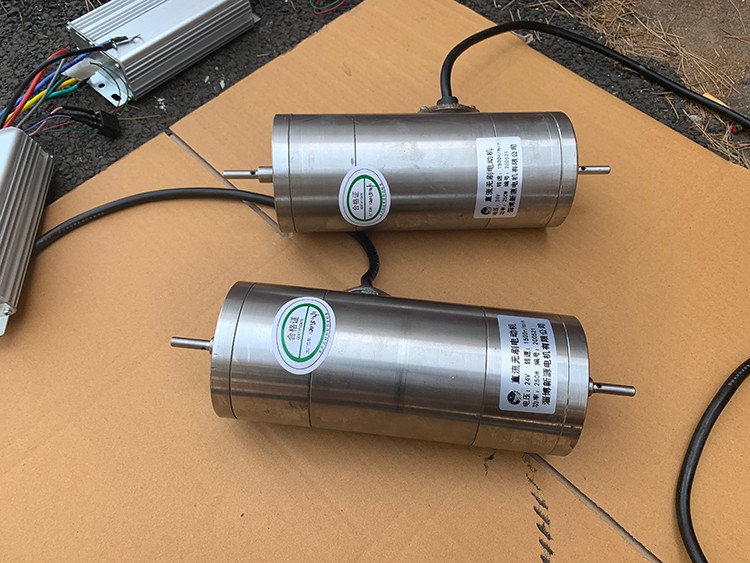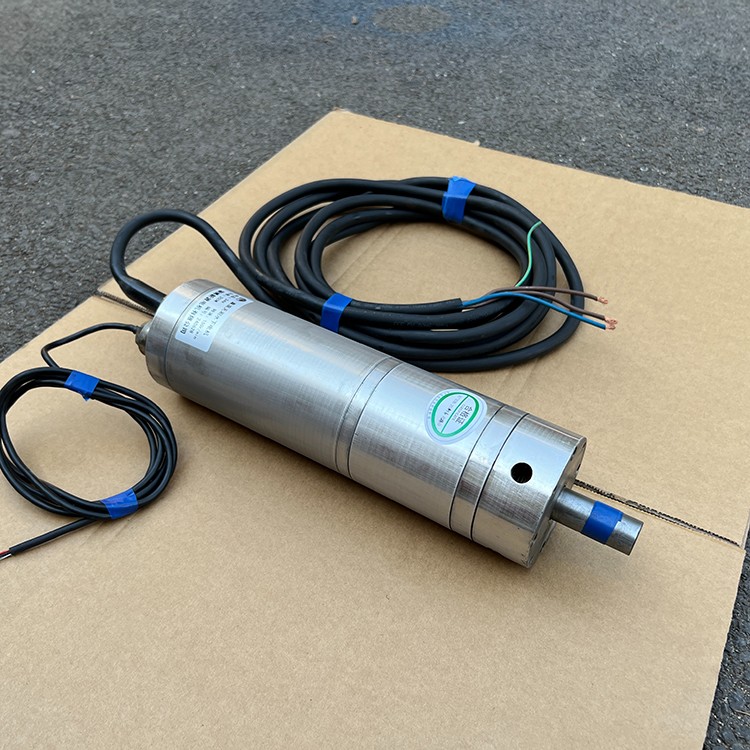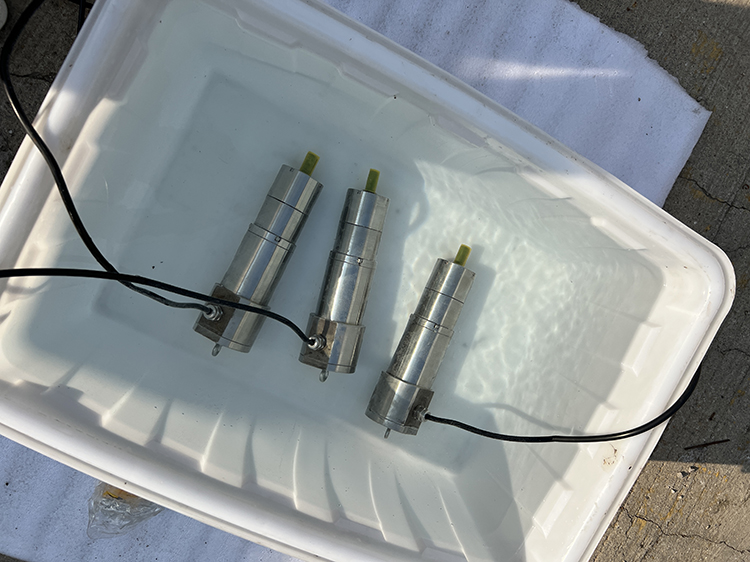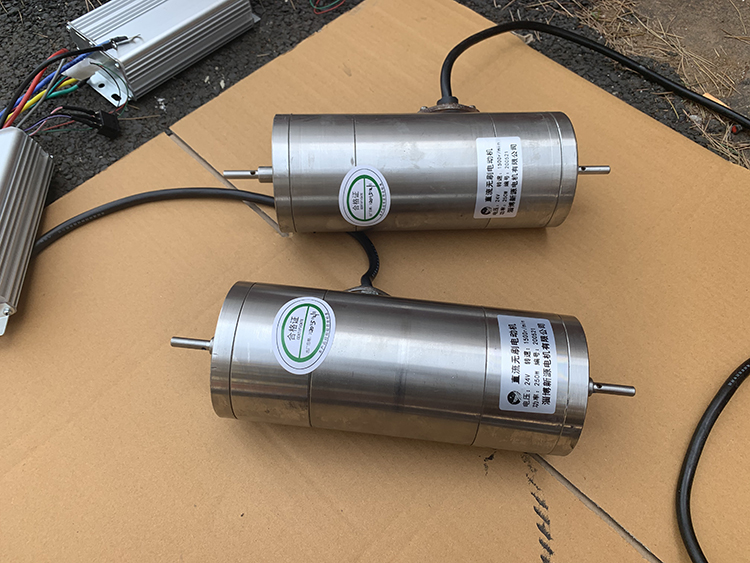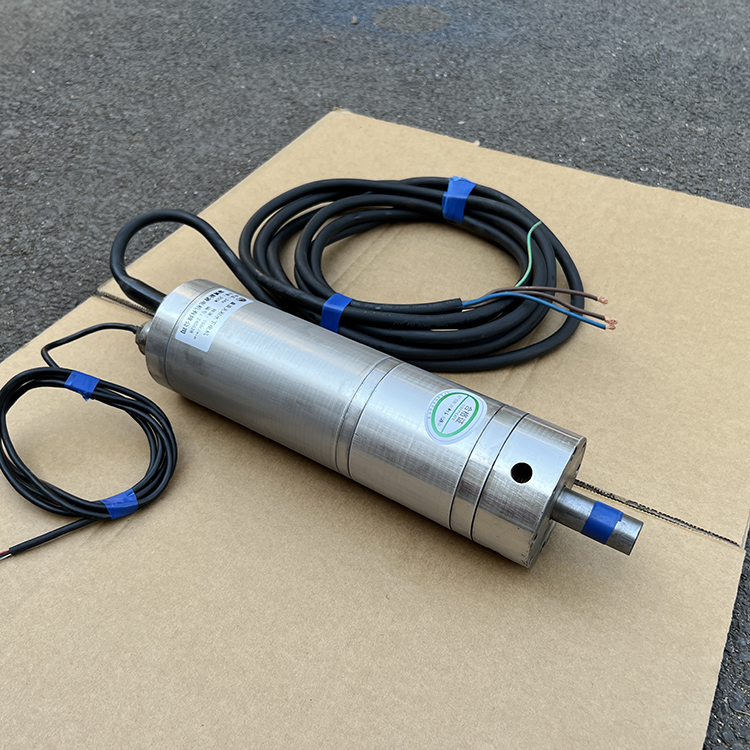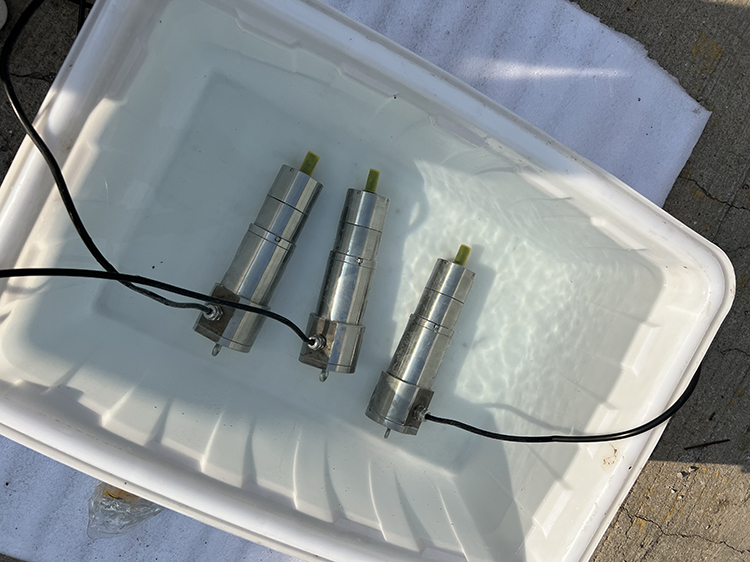




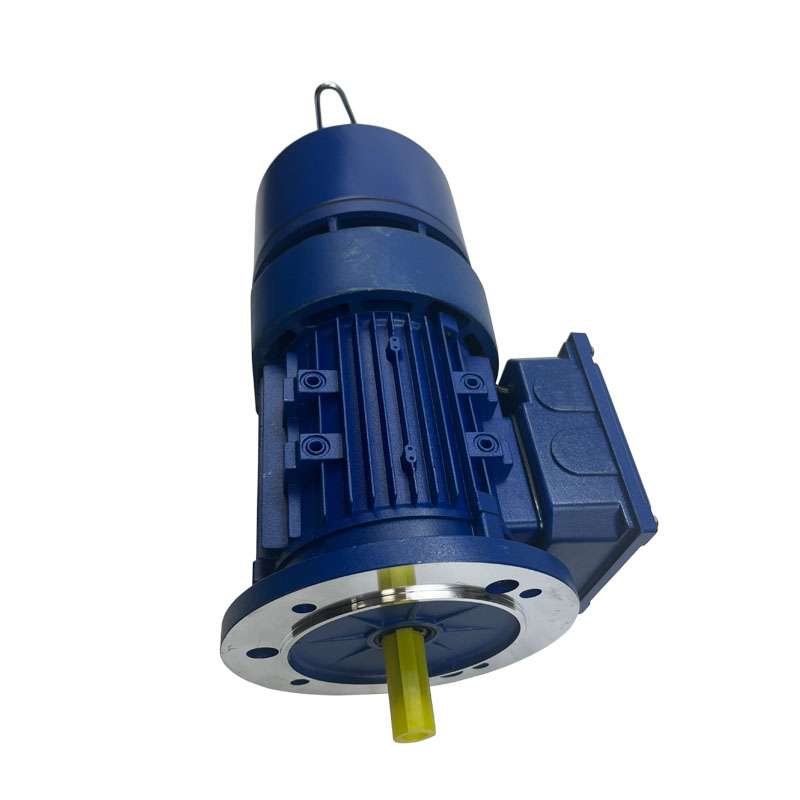






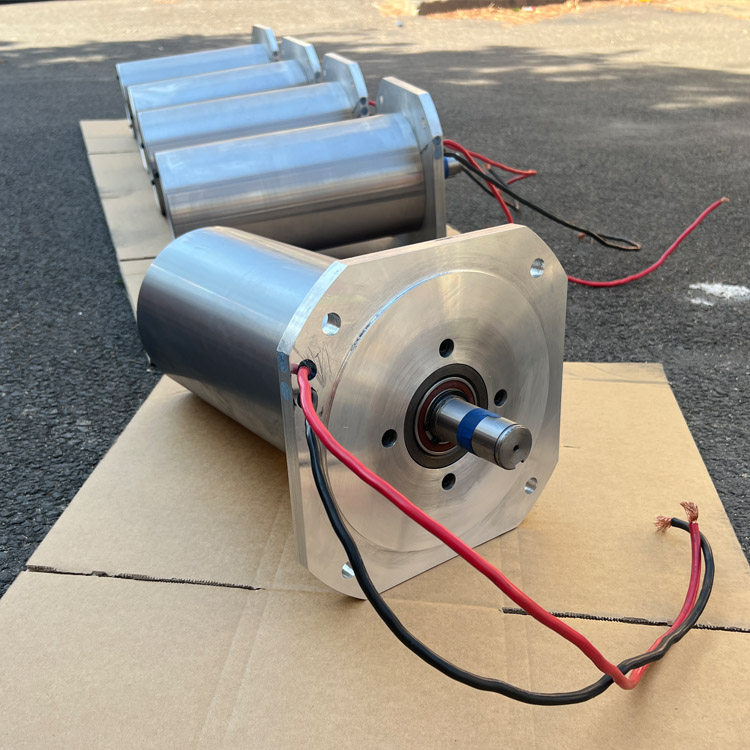
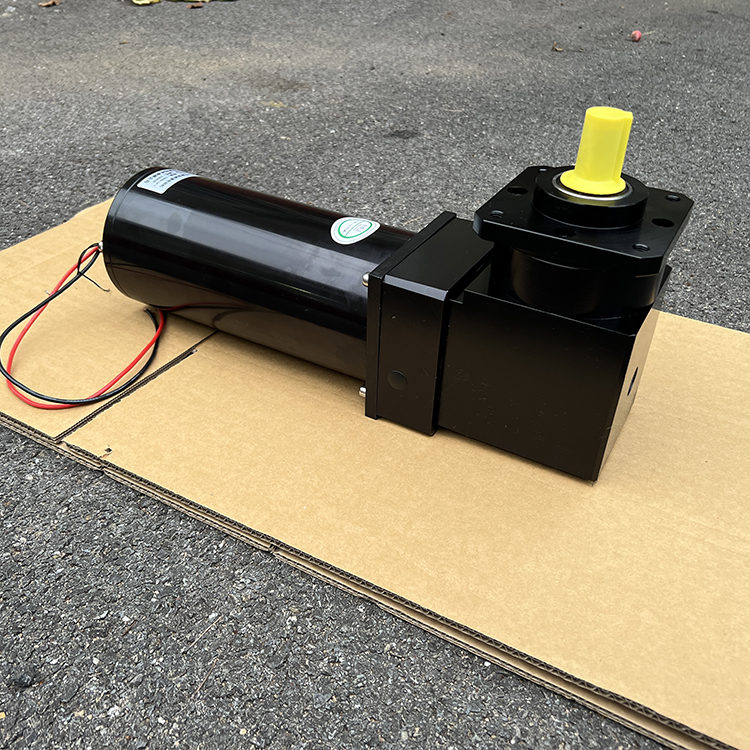
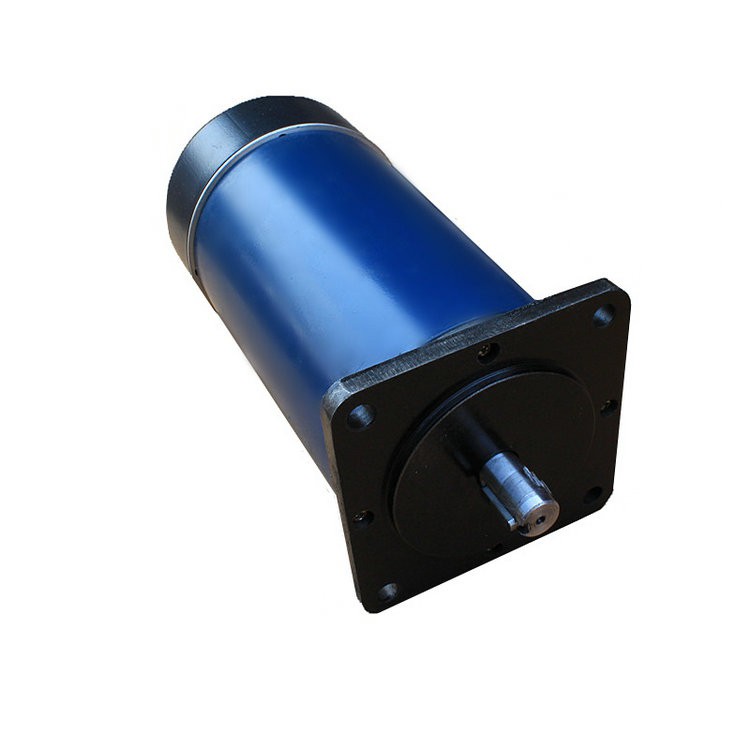
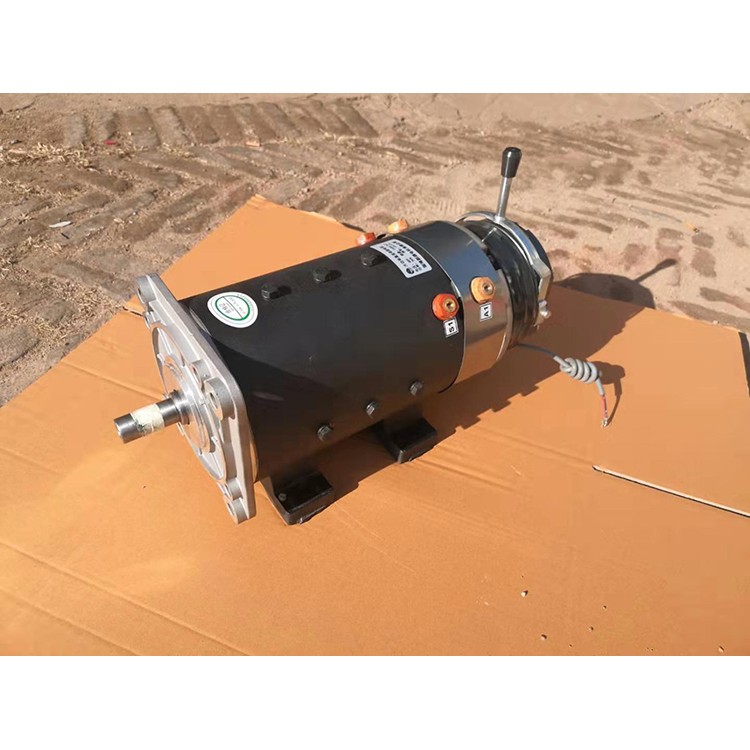
Underwater Diving Motor
I. Main Applications
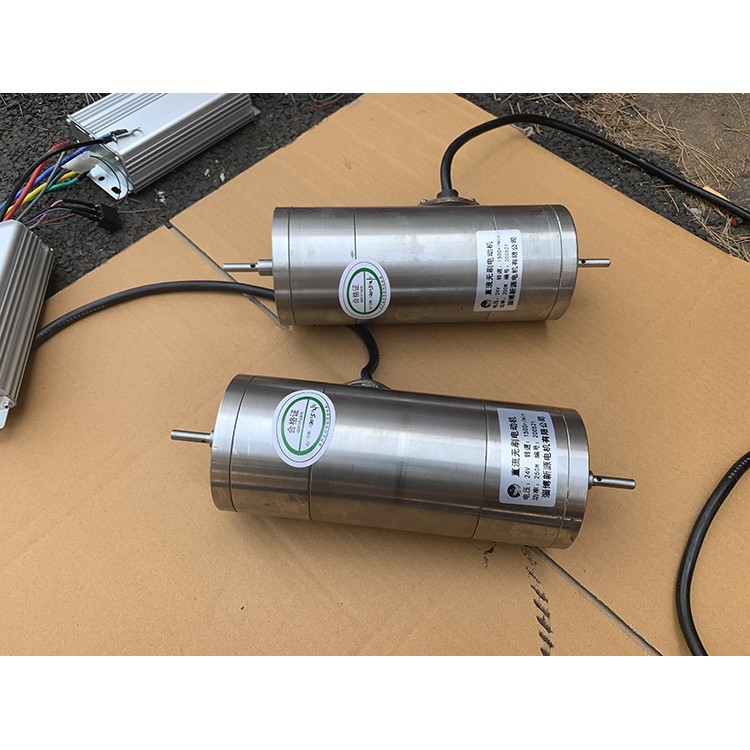
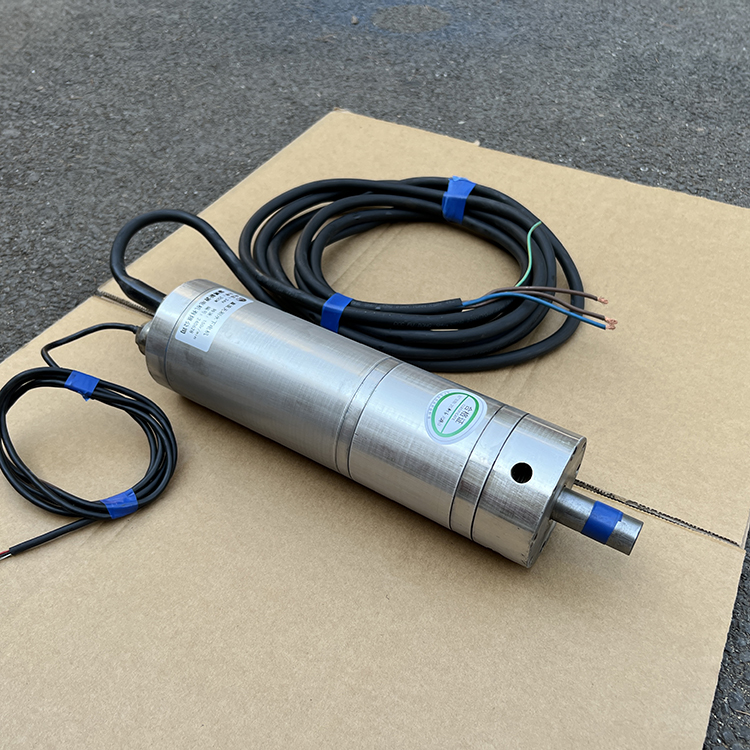
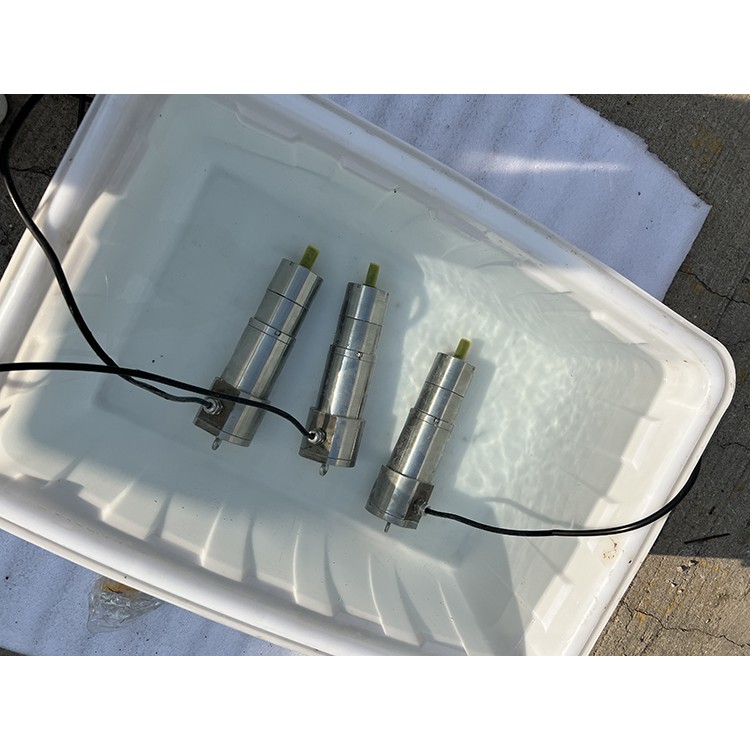
Submersible motors and pumps are combined for use, or a unitary product with motor and pump integrated is formed by directly mounting the pump component on the motor shaft end. They operate in underground water, rivers, lakes, oceans, and other water environments. They offer advantages such as compact size, light weight, no need for priming before starting, no suction head limitations, no need for a separate pump house, ease of installation and use, reliable performance, high efficiency, low cost, and investment savings. They are widely used for water extraction from underground or rivers and lakes, agricultural irrigation, urban water supply, industrial and mining drainage, rural and urban building drainage, residential water use, and urban or factory wastewater treatment.
Motors can also serve as power sources for various underwater machinery, such as bridge and river survey drilling motors, and propulsion power sources for various underwater research vessels.
II. Structural Features
1. Corrosion-resistant: The motor housing and end cover are welded from corrosion-resistant steel plates, coated with anti-corrosion asphalt paint to ensure the motor housing is not eroded by seawater. All fasteners are made of 304 stainless steel.
2. High insulation requirements: Submersible motors use H-grade insulation material and are varnished three times as the main insulation. The stator varnishing is done through vacuum varnishing to ensure the motor's insulation performance and the mechanical strength of the windings remain normal under high-temperature (180℃) conditions, guaranteeing reliable operation of the submersible motor.
3. High Sealing Requirements: The motor features a double-sealed structure, divided into several compartments including the motor cavity, isolation chamber, and junction box. Each compartment is sealed with a combination of dynamic and static sealing methods; static sealing is achieved with sealing strips and sealing glue; dynamic sealing uses a combination of mechanical seals and tail shaft oil seals, with mechanical seals being the primary method and oil seals as a supplement. Both the motor cavity and the isolation chamber are filled with hydraulic oil. The motor is externally equipped with a high-position gravity oil tank to ensure that the internal oil pressure of the motor is higher than the external water pressure, preventing water from渗入 the motor interior.
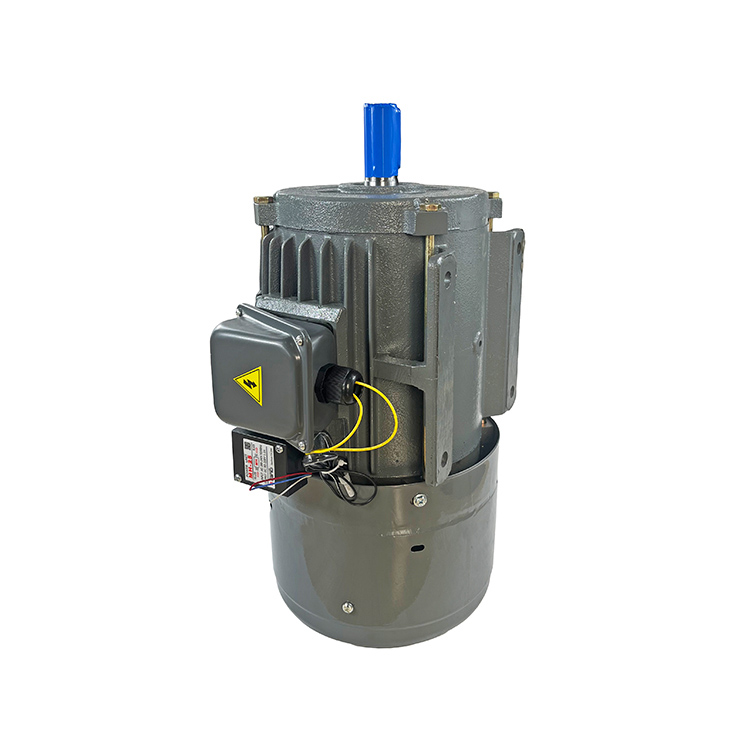
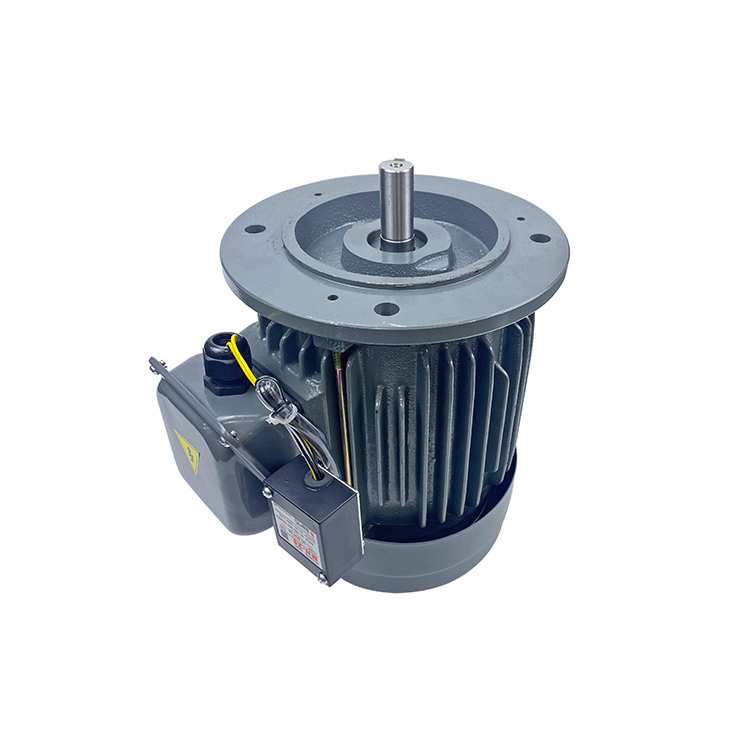
4. Full internal protection measures: The motor is equipped with motor overheat protection sensors, bearing temperature sensors, and water leakage alarm sensors are installed in the motor interior, isolation chamber, and junction box. The signals transmitted by various alarm sensors are sent to the motor protector and display instruments within the electric shaft control cabinet, where commands are issued based on operating conditions.
5. The system also features safety operation protection for the motor: 1.15x overvoltage instantaneous action protection, 1.2x overcurrent instantaneous action protection, 1.1x overcurrent 3-minute delay action protection, motor winding high-temperature delay protection, and motor water-in protection.
6. The motor is also equipped with an insulation monitoring device, which can promptly monitor the changes in the motor's insulation resistance on a megohmmeter, serving as an alarm function.
7. To prevent overheating during motor startup, the motor is equipped with a secondary startup time interval control device (set to 5 minutes).