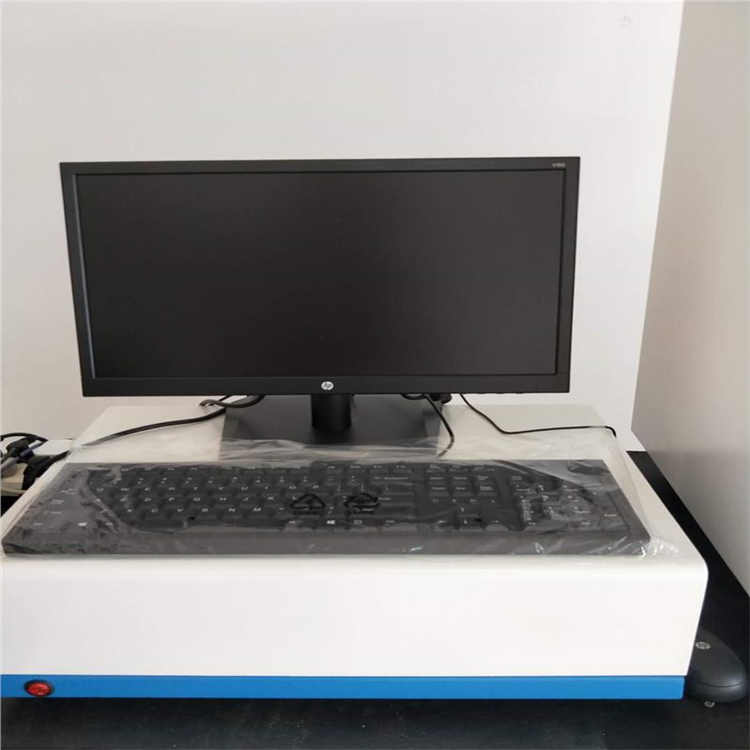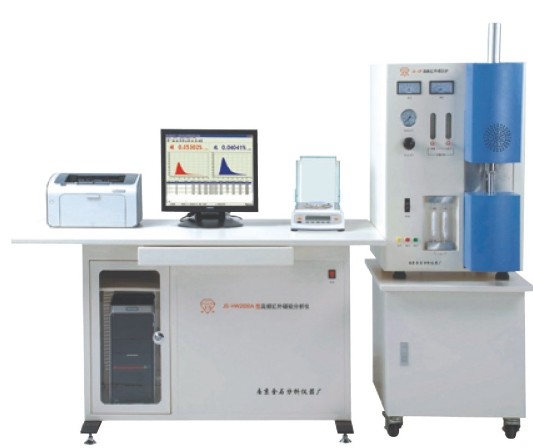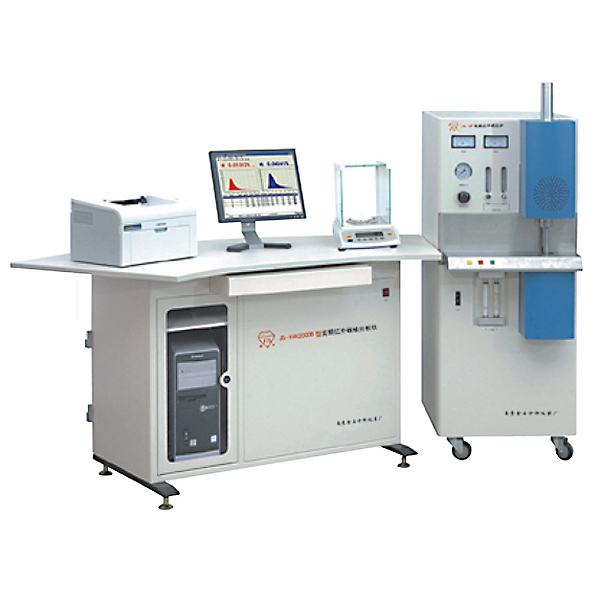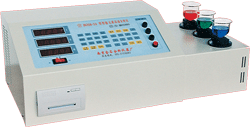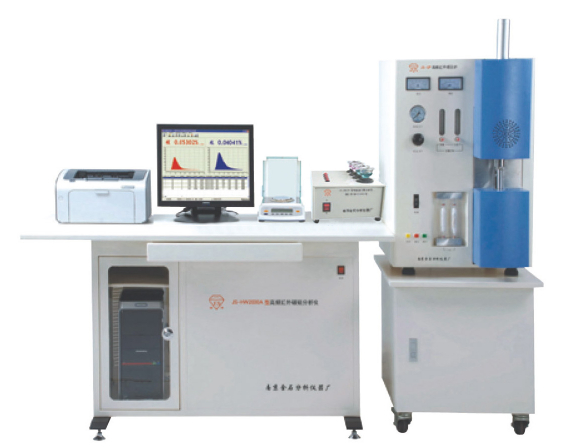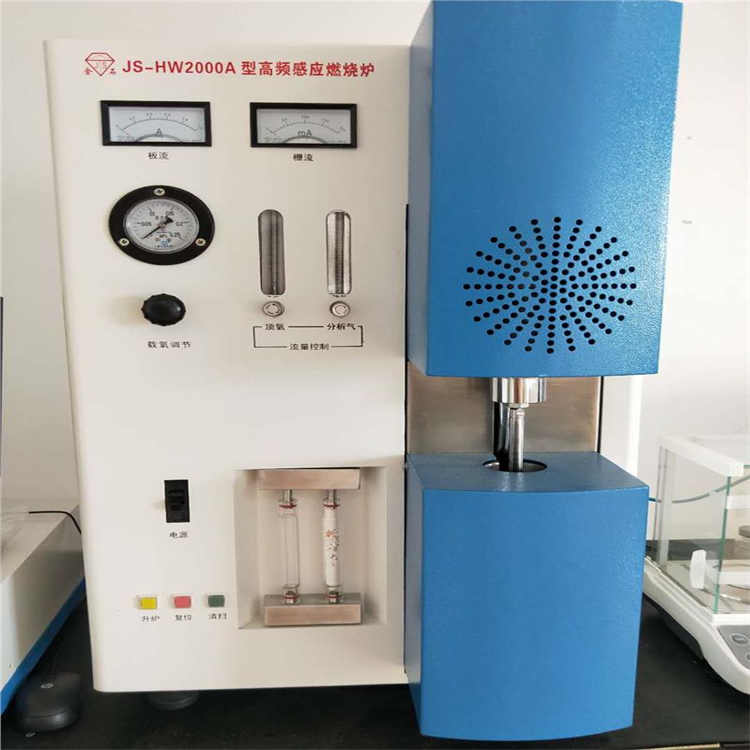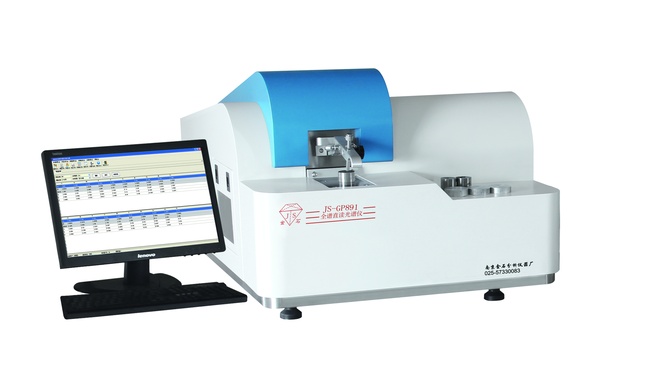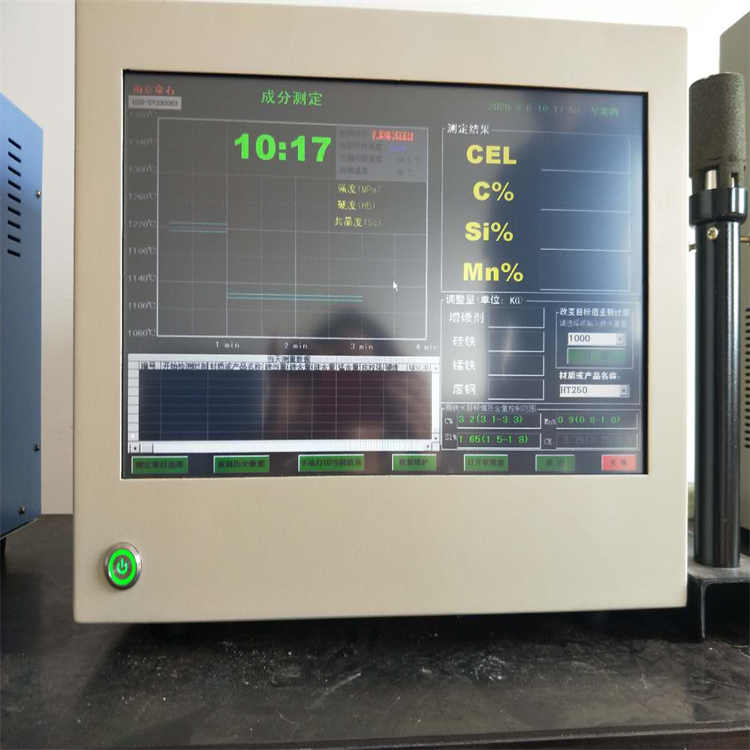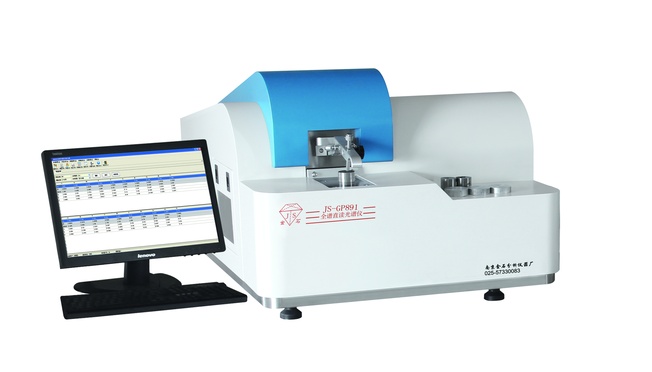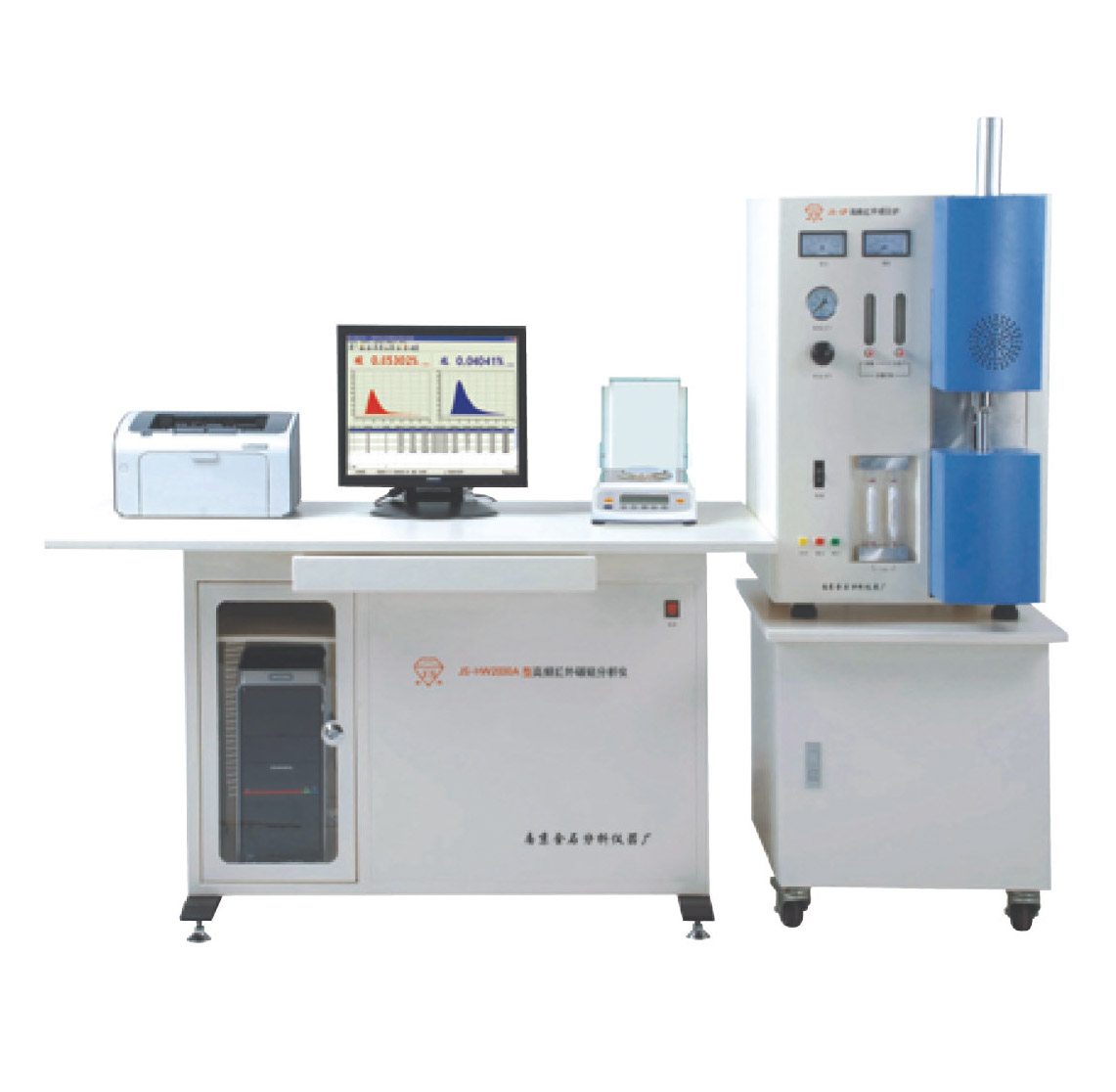



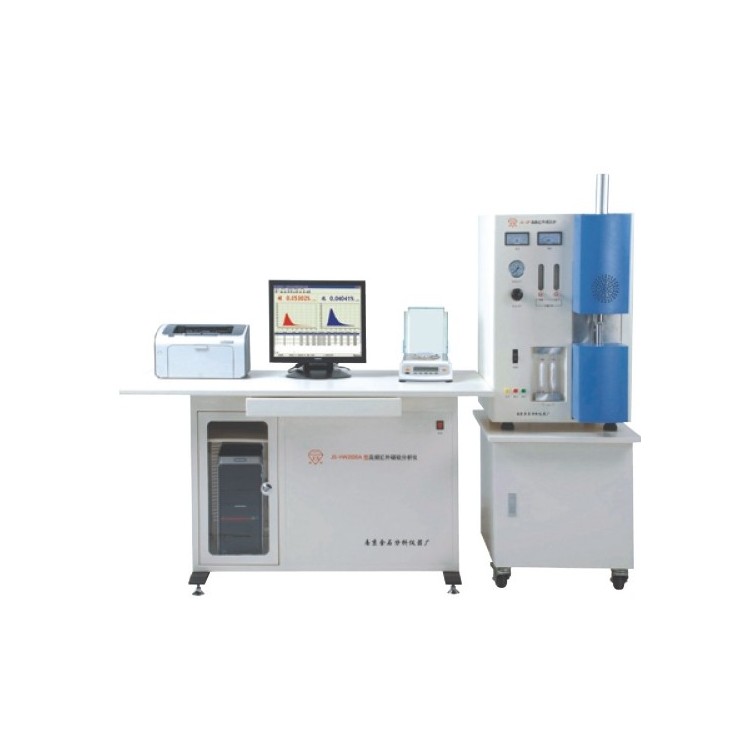


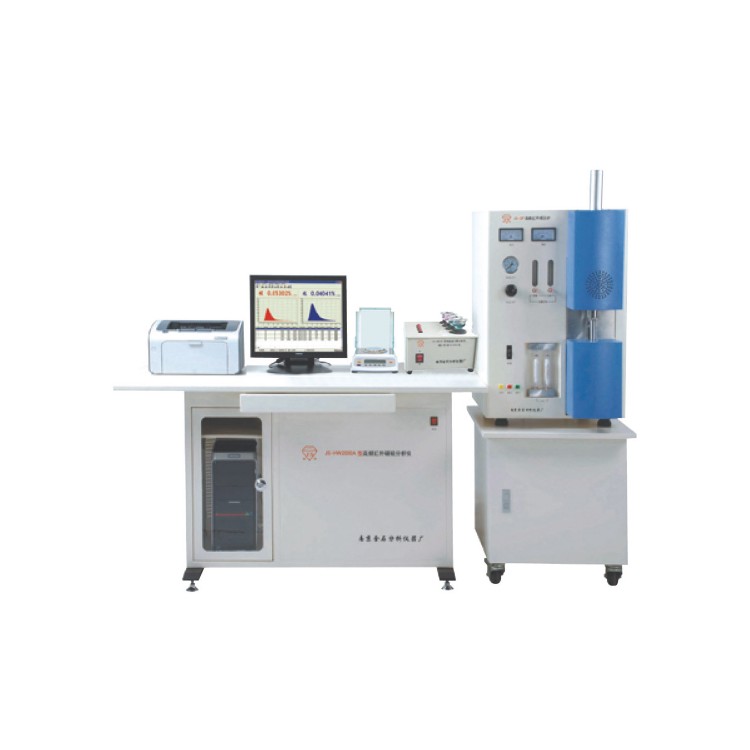
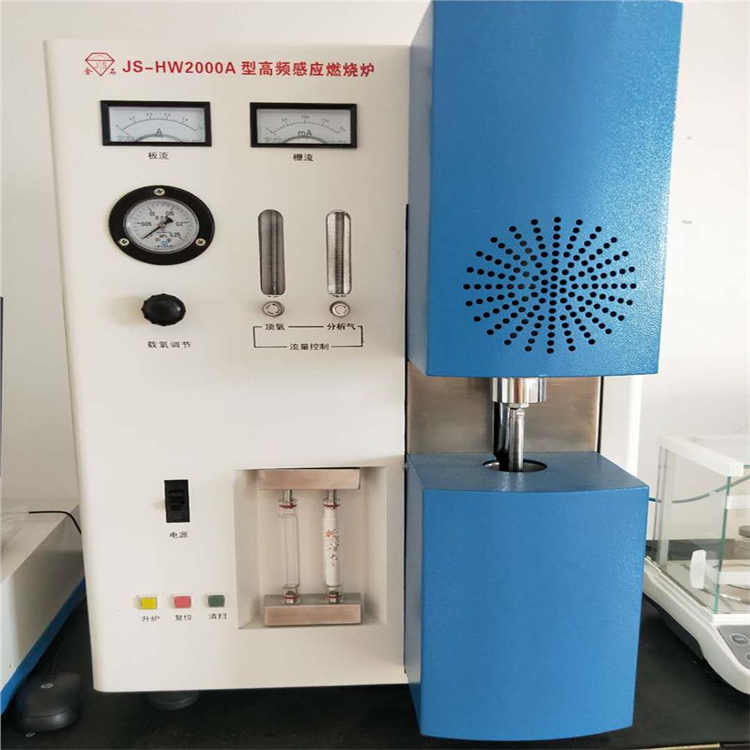





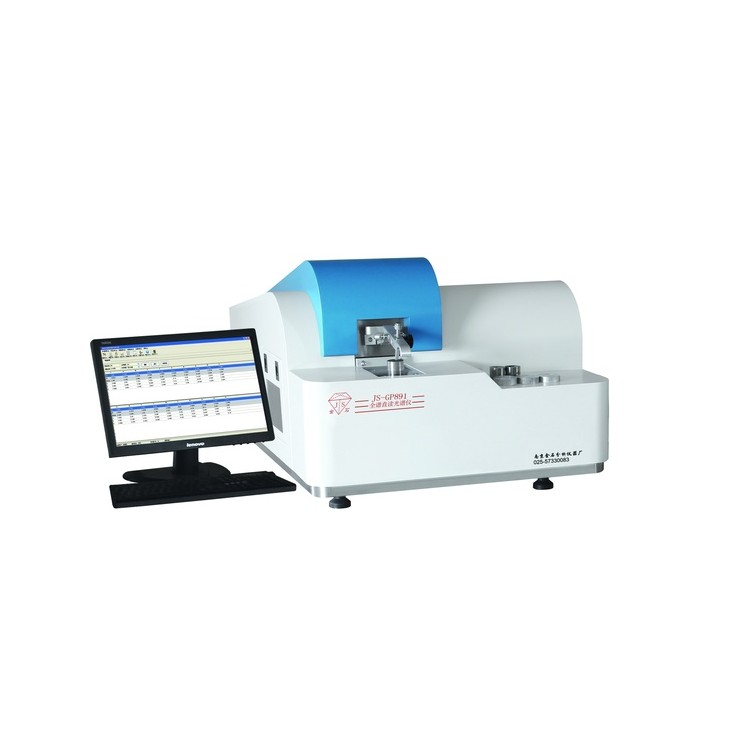
Brand new comprehensive analytical instrument. A single unit can meet the detection requirements for carbon, sulfur, manganese, phosphorus, silicon, chromium, nickel, molybdenum, copper, titanium, vanadium, aluminum, tungsten, niobium, magnesium, rare earth elements, etc., in materials such as carbon steel, high, medium, and low alloy steel, stainless steel, gray cast iron, ductile cast iron, wear-resistant cast iron, and alloy cast iron. Utilizes an electric arc furnace to combust samples, gas volumetric method for carbon measurement, and iodine titration method for sulfur determination; photometric colorimetry analysis for other elements.
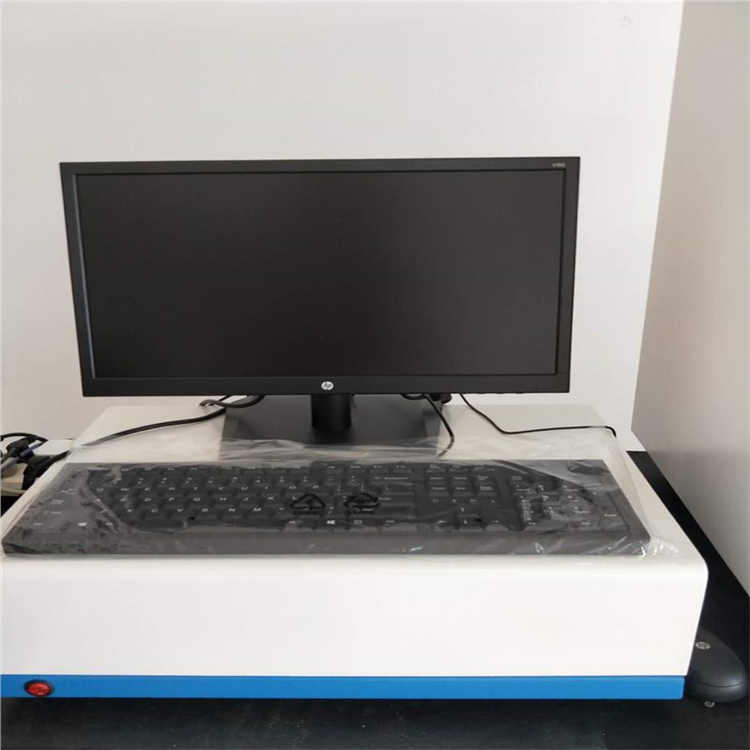
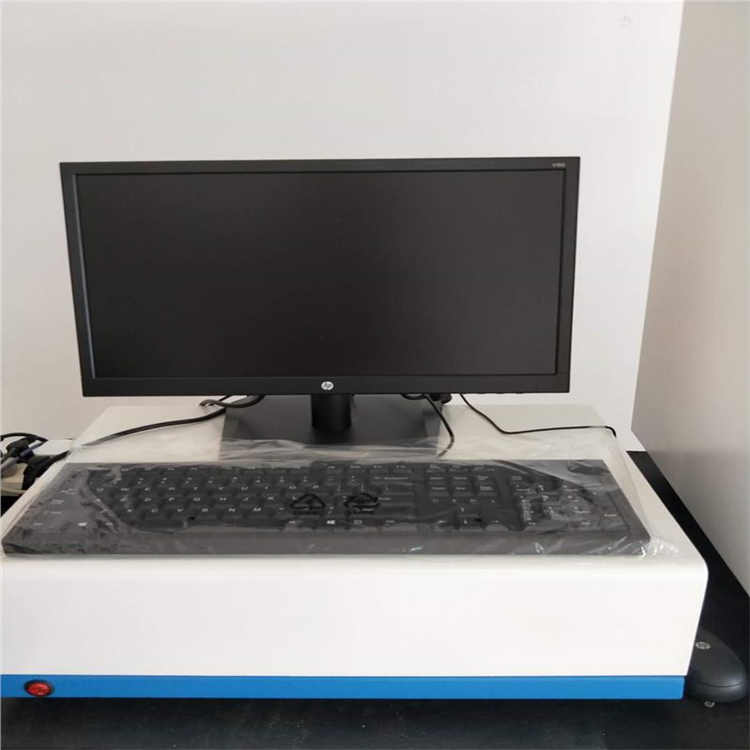
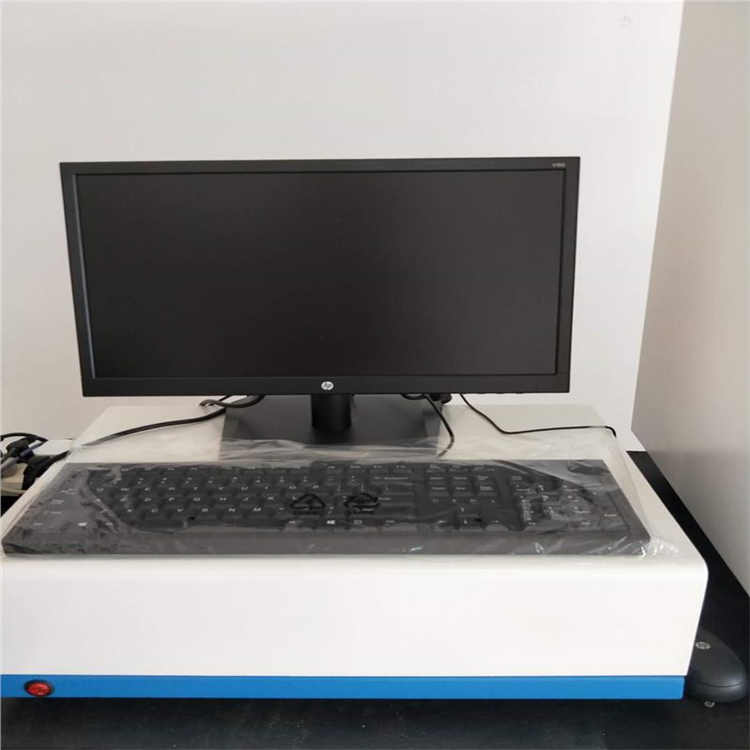
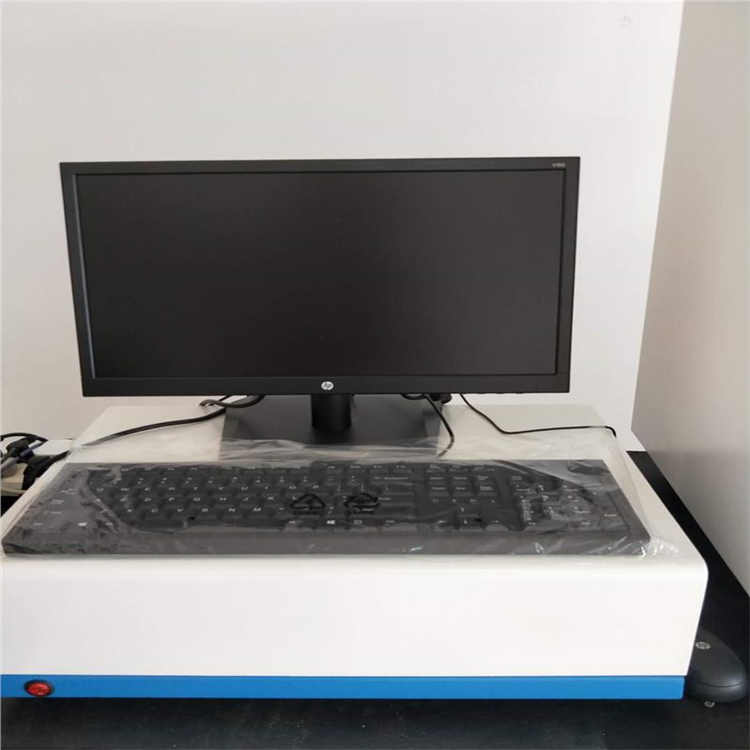
Brand computers, with independently owned intellectual property software control, feature full Chinese menu-style operation. A powerful database has been established for storing and querying result data and work curves. Modifying the data and adding/deleting curves is extremely convenient. Equipped with a one-tenth of a percent precision electronic balance, and results are printed using a desktop printer.
I. Main Technical Parameters:
1. Measurement Range: (This instrument can detect a wide range of elements; for example, in ferrous metals, it can measure carbon, sulfur, silicon, manganese, phosphorus, nickel, chromium, molybdenum, titanium, copper, rare earth elements, and magnesium.)
P:0.0005~2.000% Ni:0.010~30.00% Cr:0.01~28.000% Mo:0.010~7.000%
Ti:0.010~5.000% Cu:0.010~8.000%ΣRE:0.010~0.500% Mg:0.010~0.200%
2. Measurement Accuracy: Compliant with GB/T223.69-2008, GB/T223.68-1997, and GB/T223-88 Standards
3. Electronic Scale: Weighing Range 0-100g, Reading Accuracy 0.0001g
4. Computers: Mainstream Models, Tsinghua Tongfang Brand 19-inch LCD
II. Key Features:
1. The system is computer-controlled and capable of determining the content of elements in the majority of metal materials. The system's programming is done using the trendy visual programming language of today, making the system powerful, user-friendly, and easy to operate quickly.
2. During the analysis process, the system automatically tracks zero and full scales, with computer-assisted calibration to ensure measurement accuracy.
3. Equipped with an electronic balance, it achieves variable weighing during the analysis process, enhancing the system's analytical speed.
4. The test software is comprehensive, fully replacing all manual writing tasks in traditional laboratories. It allows for customizable formats of test reports based on individual requirements and enables querying historical data with any test conditions. Element test reports can be printed all at once, without the need to separately print the results of carbon (C) and sulfur (S).
5. Key component of the instrument - a micro-pressure sensor, specially selected from an imported brand. Ensures the instrument's measurement accuracy, stability, and service life.