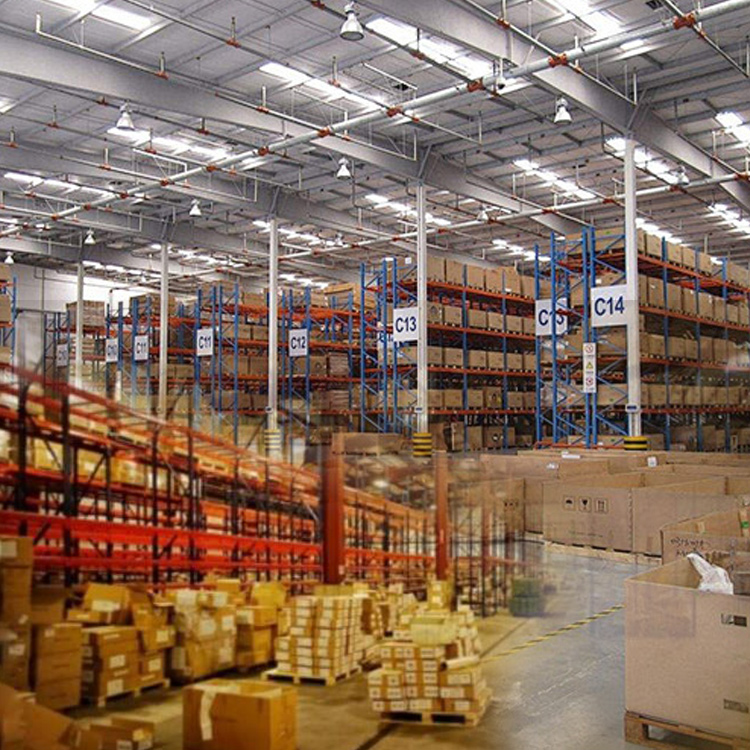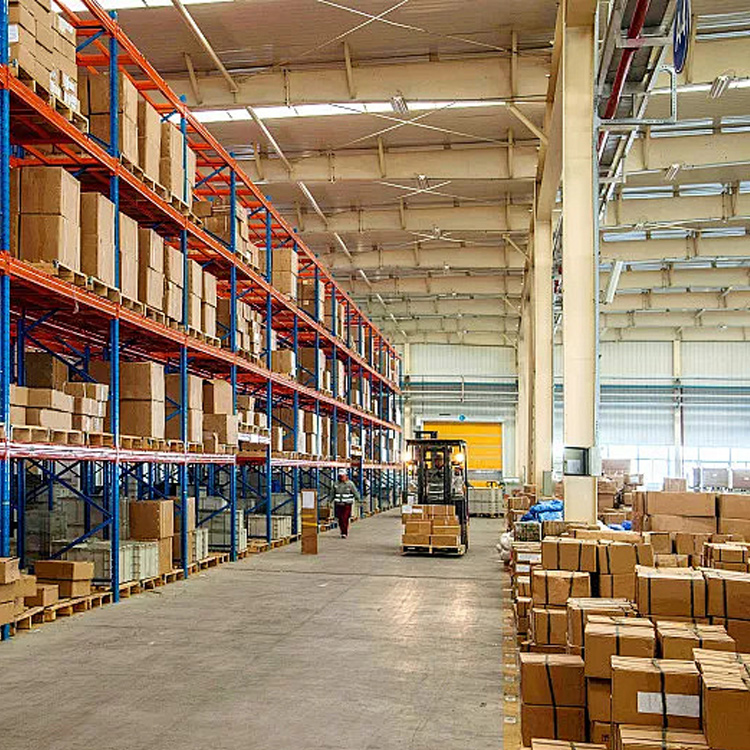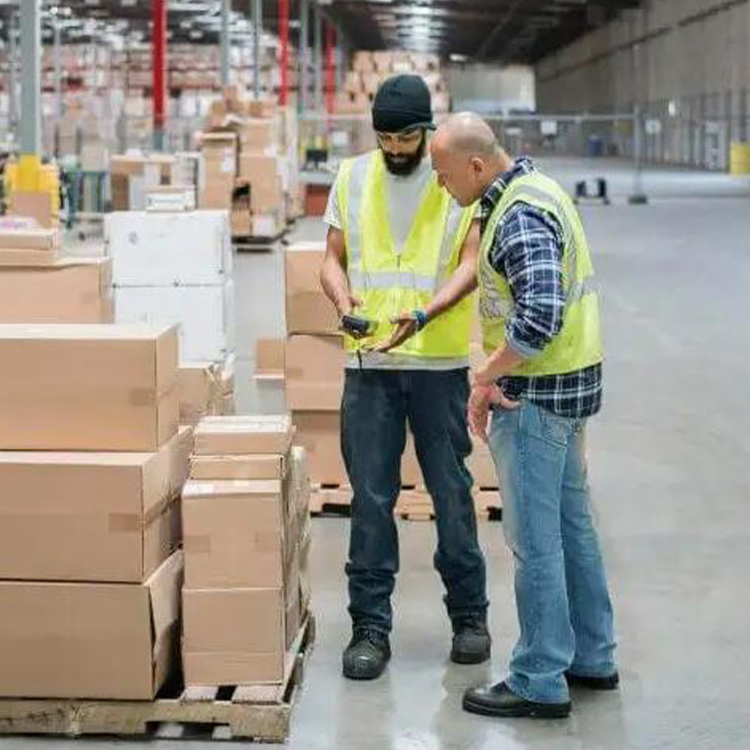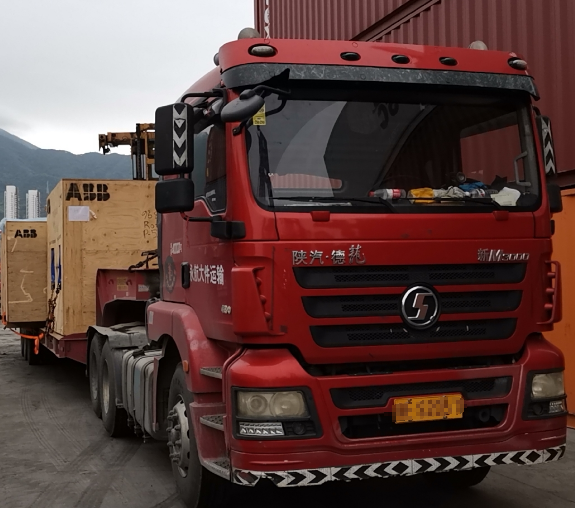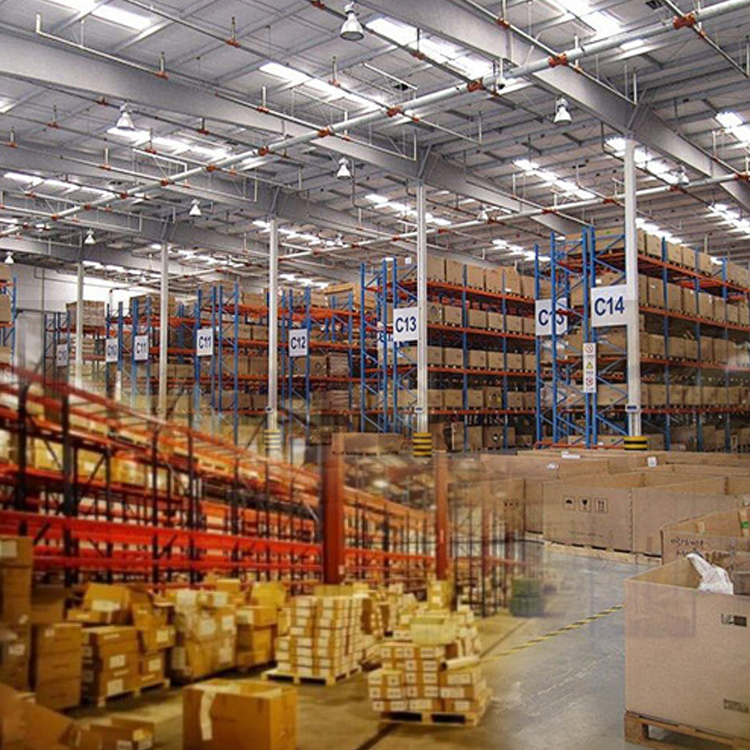

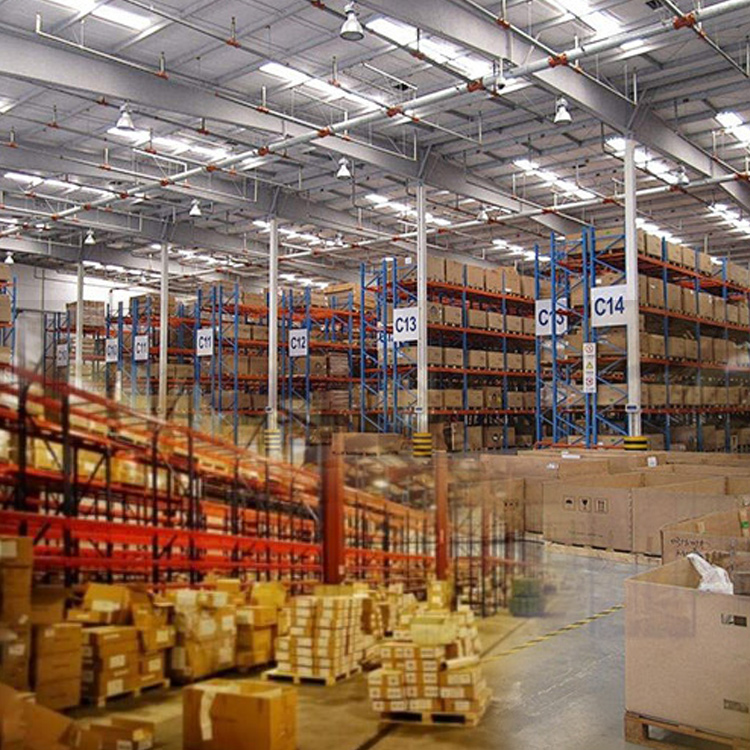
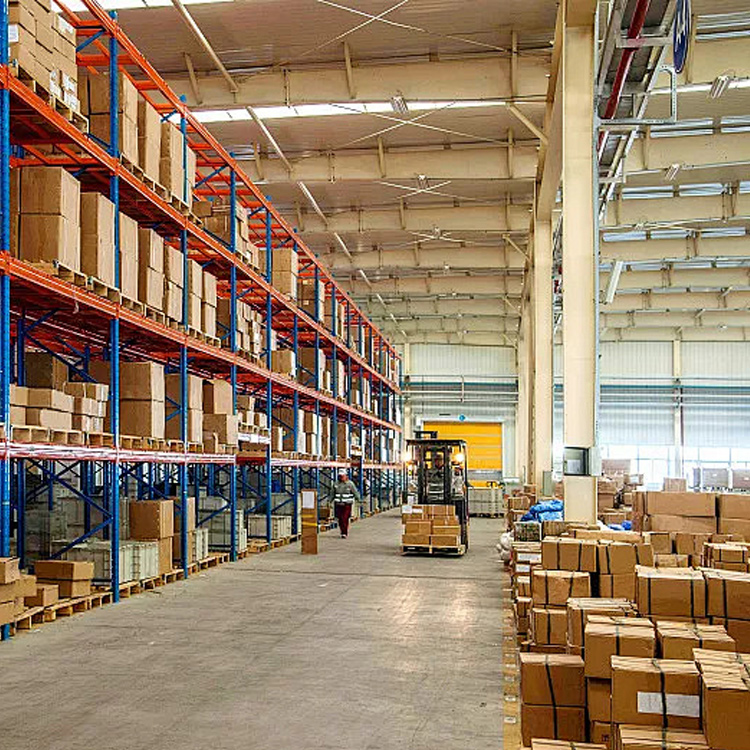
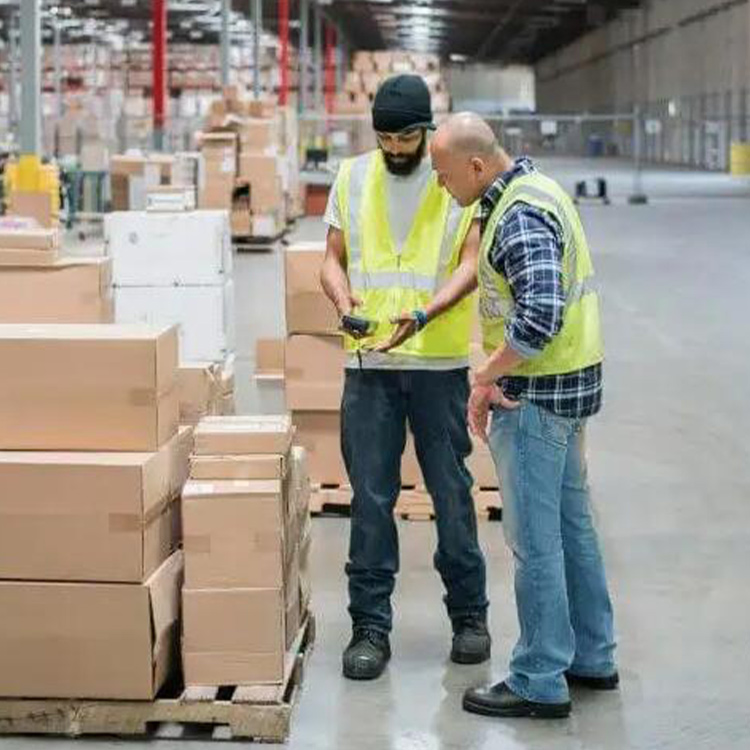









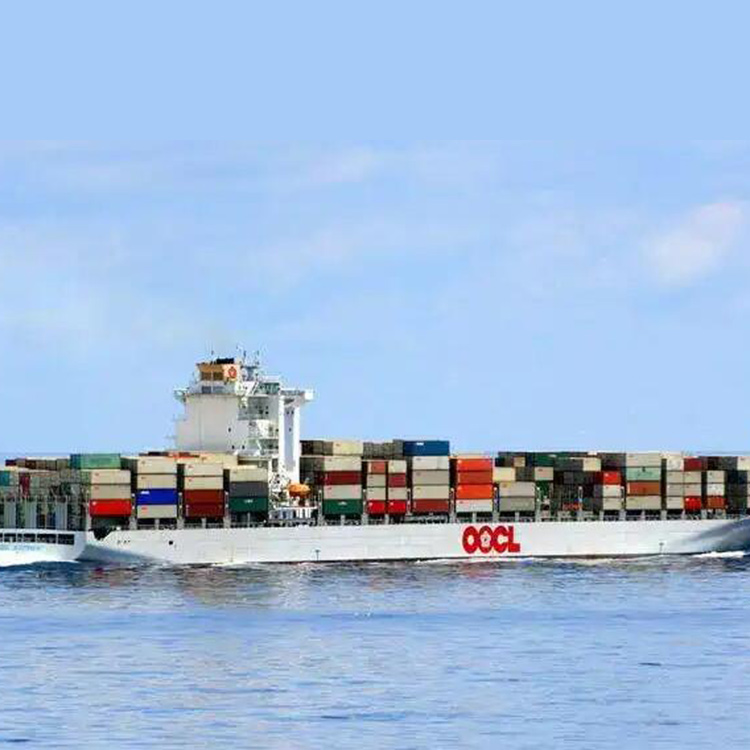


Description:Overseas warehouse, as the name implies, can be simply understood as "a warehouse located overseas." More accurately, it refers to overseas warehousing services, specifically providing a one-stop control and management service for foreign trade and cross-border e-commerce small and medium-sized sellers, including goods storage, sorting, packaging, and delivery at the sales destination.
When utilizing third-party overseas warehousing services, we should pay attention to the following:
1. Cost Control (Renting overseas warehouses is a high-cost expenditure; sellers should be good at cost management.)
2. Inventory Requirements (All overseas warehouses have a minimum stock requirement; highly customized products are not suitable for overseas warehouses.)
3. Precise Inventory Preparation (This requires the seller to have a relatively accurate assessment of the goods and market expectations.)
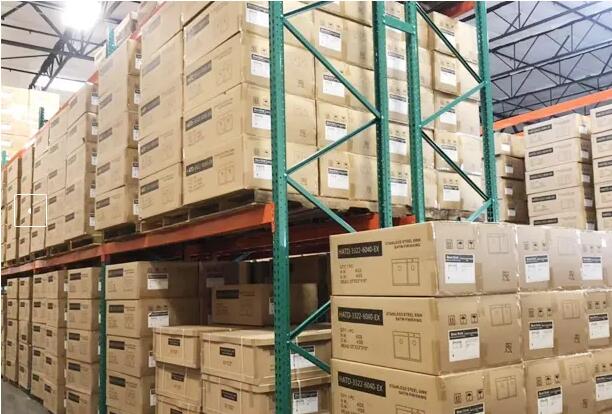
Overseas Warehouse Model:
1. Third-party overseas warehouse.
This is a mode that many sellers choose now, mainly as major logistics companies establish warehouses overseas. Sellers can transport their goods to overseas warehouses through logistics companies; these warehouses offer services like dropshipping and transshipment, and the costs are relatively cheaper.
2、FBA。
This method is primarily designed for Amazon sellers' product storage. For the initial transportation to Amazon's warehouses, sellers must contact a logistics company themselves, either by sea or air freight, and then have the goods delivered to a specific Amazon warehouse. This is beneficial for boosting the ranking of Amazon products and ensures fast delivery efficiency.
3. Self-operated overseas warehouse.
This method is currently less common, primarily used by large corporations to establish their own overseas warehouses for storage and delivery services specifically for their own products. Since it's managed in-house, the operations are more flexible and have higher control.

Fulfillment Center Pricing Model:
The overseas warehouse charges are primarily based on the services required by the seller, with clear pricing. For instance, if label services are needed, a label fee will be charged; if transshipment services are required, a transshipment fee will apply. The involved costs include:
1. Storage fees
The overseas warehouse will calculate storage fees based on the weight and space occupied by the products, on a monthly basis.
2. Labor Costs
For example, the maintenance of overseas warehouse products, shipping and transportation, order management, product packaging, etc., all of these processes involving manual operations require labor costs.
3. Additional Service Fees
The transit, labeling, restocking, and VAT tax services mentioned above are subject to a service fee.

Advantages of Overseas Warehouses:
1. Enhance efficiency, reduce time.
Customers spend more time and cost on purchasing goods through cross-border e-commerce. We can utilize a platform with overseas warehouses to pre-stock, allowing for immediate shipment once an order is placed. This reduces time and material costs, enhancing operational efficiency.
2. Enhance product competitiveness.
Enhancing product competitiveness, boosting profits, and benefiting pricing strategies, all through the use of overseas warehouses to enhance market competitiveness.
3. Increase transaction volume.
Due to the inconvenience of cross-border logistics, many cross-border e-commerce suppliers impose restrictions on individual or small orders. Overseas warehouses can manage goods more efficiently and quickly process orders, which facilitates the formation of small orders, thereby increasing transaction volume.
Our company adheres to the principle of "customer first, service supreme," and always remembers our mission of "ensuring every customer enjoys quality products." We actively collaborate with friends from all walks of life, working together towards a brighter future.