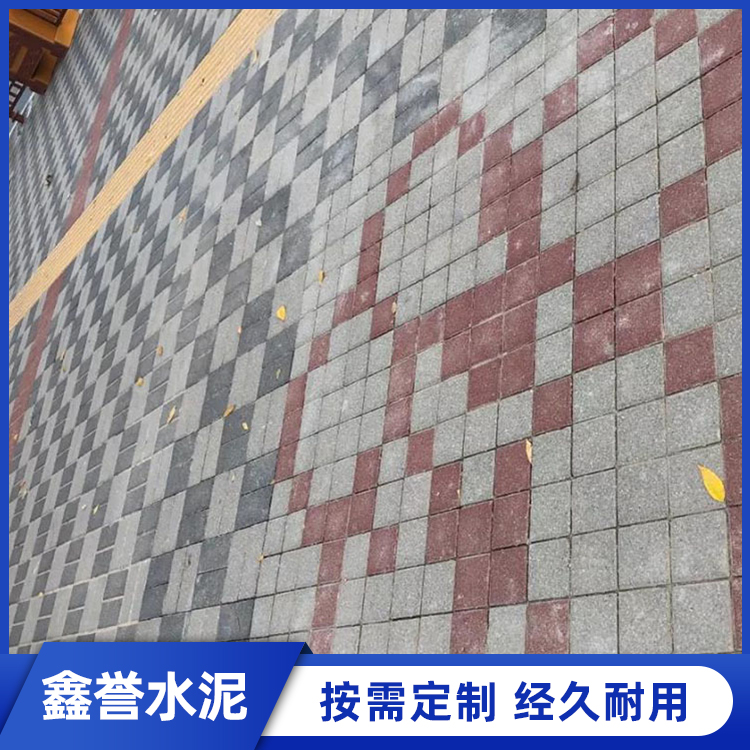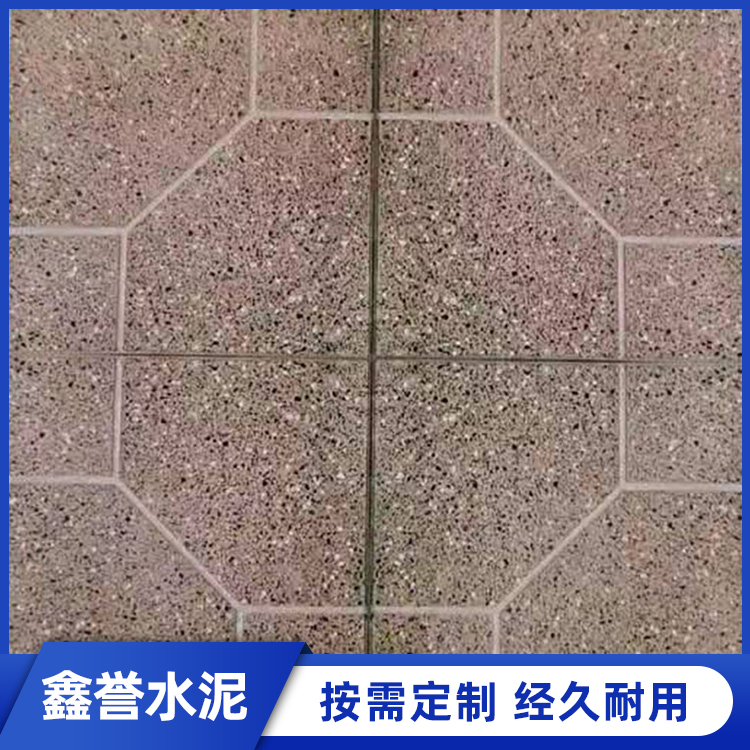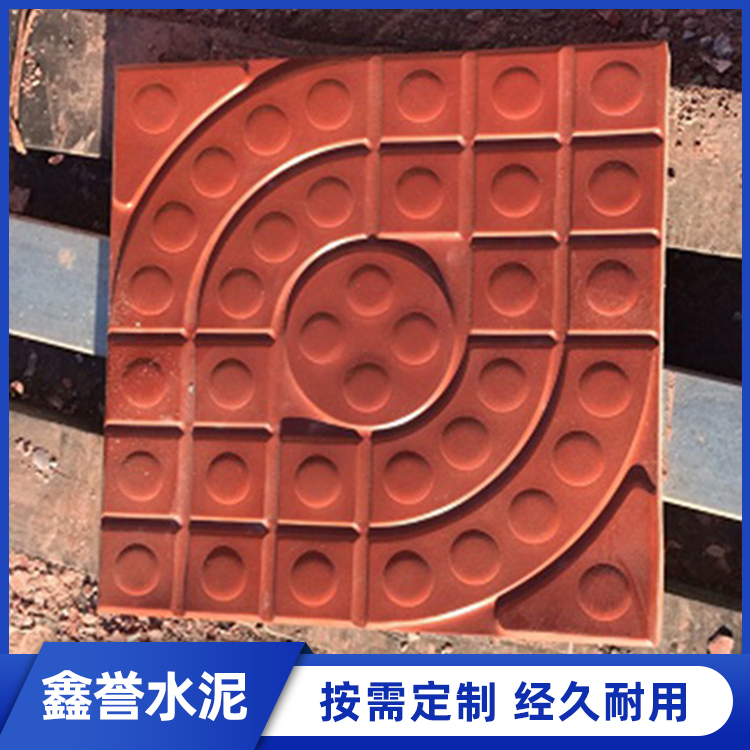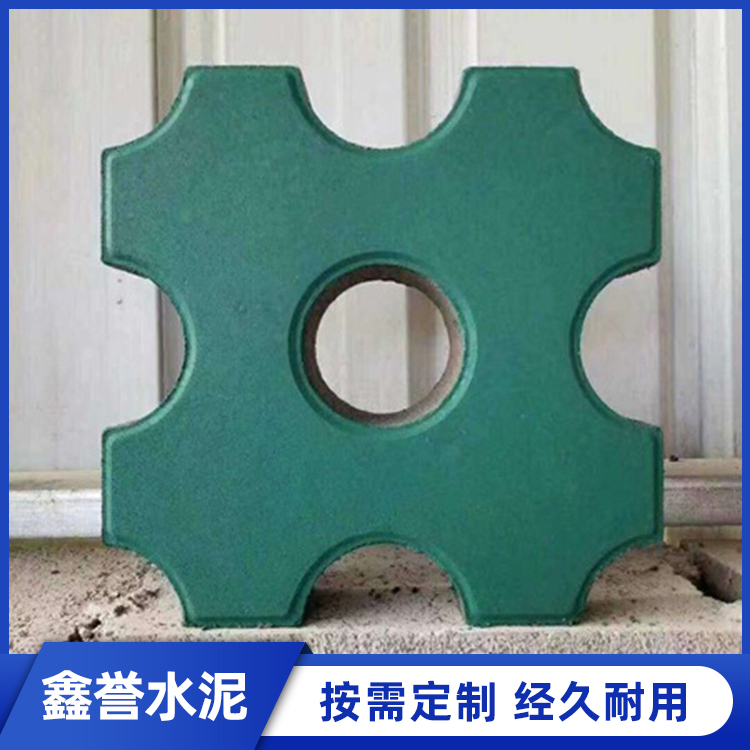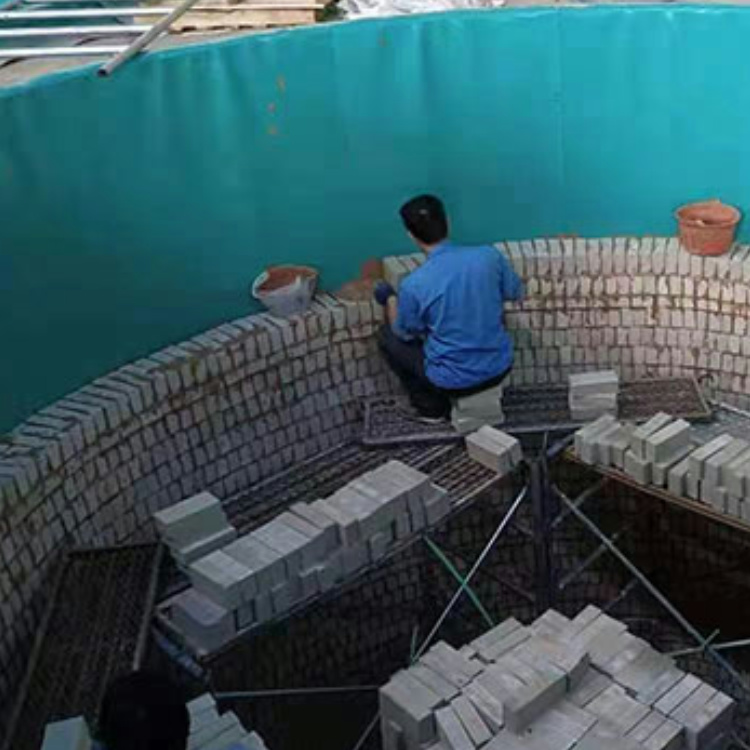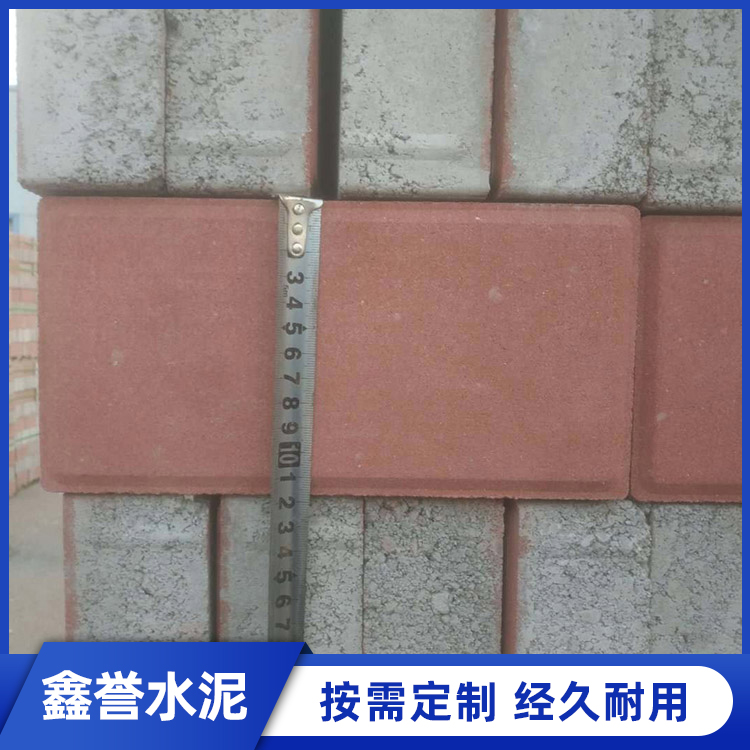
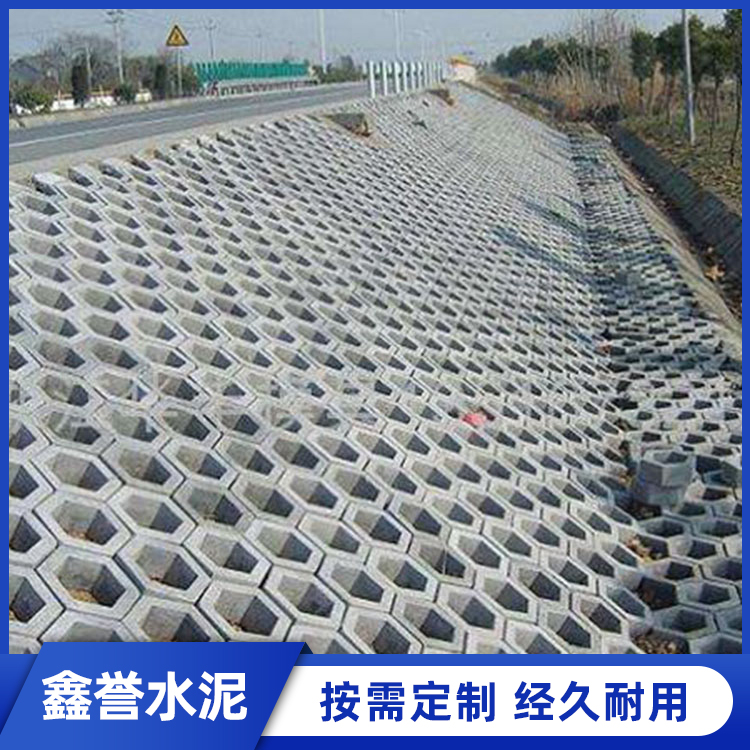
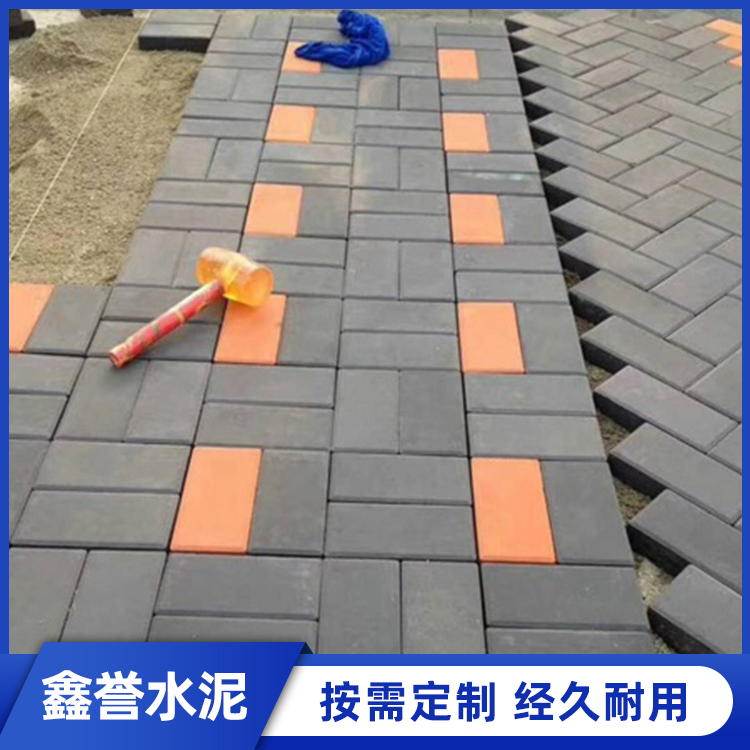
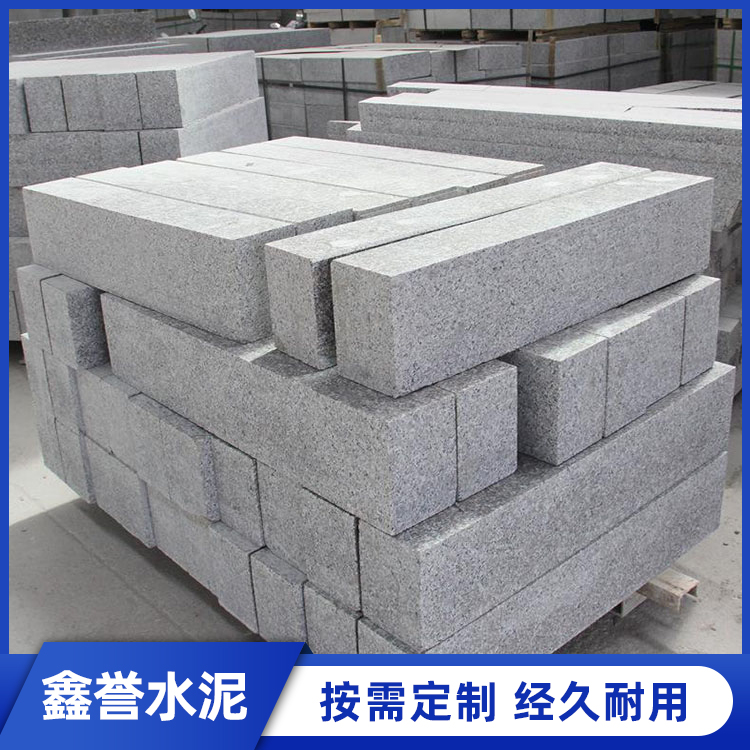







Ecological permeable bricks are an environmentally friendly material with water-permeability. Their primary applications include paving for urban roads, sidewalks, squares, parking lots, and more; ground covering and landscape design in gardening and landscaping projects; construction of rainwater collection and drainage systems; and water quality improvement in rivers and lakes. By using ecological permeable bricks, one can effectively reduce environmental issues such as the下降 of groundwater levels, deterioration of water quality, and urban flooding.
A common porous ceramic permeable brick is a special type of brick primarily designed to enhance the water-permeability of the ground surface. Its specific functions include:
Anti-slip: The concave and convex texture on the surface of the ordinary ceramic permeable bricks increases friction, reducing the risk of slipping and enhancing the safety of pedestrians and vehicles.
2. Permeable Drainage: Standard ceramic permeable pavers offer high permeability, effectively allowing rainwater to permeate through, reducing the accumulation and pooling of surface water, and preventing waterlogging and muddy conditions.
3. Fire Protection Function: The permeable properties of ordinary ceramic permeable bricks allow rainwater to quickly infiltrate the ground, effectively reducing the risk of ground fires and providing a convenient path for firefighting.
4. Water and Energy Conservation: Standard ceramic permeable bricks have strong permeability, effectively utilizing rainfall water and reducing urban drainage pressure, achieving water and energy conservation effects.
In summary, common ceramic permeable bricks, by enhancing the surface permeability, can improve ground safety, enhance water cycle and water conservation, and also play a significant role in improving the urban environment.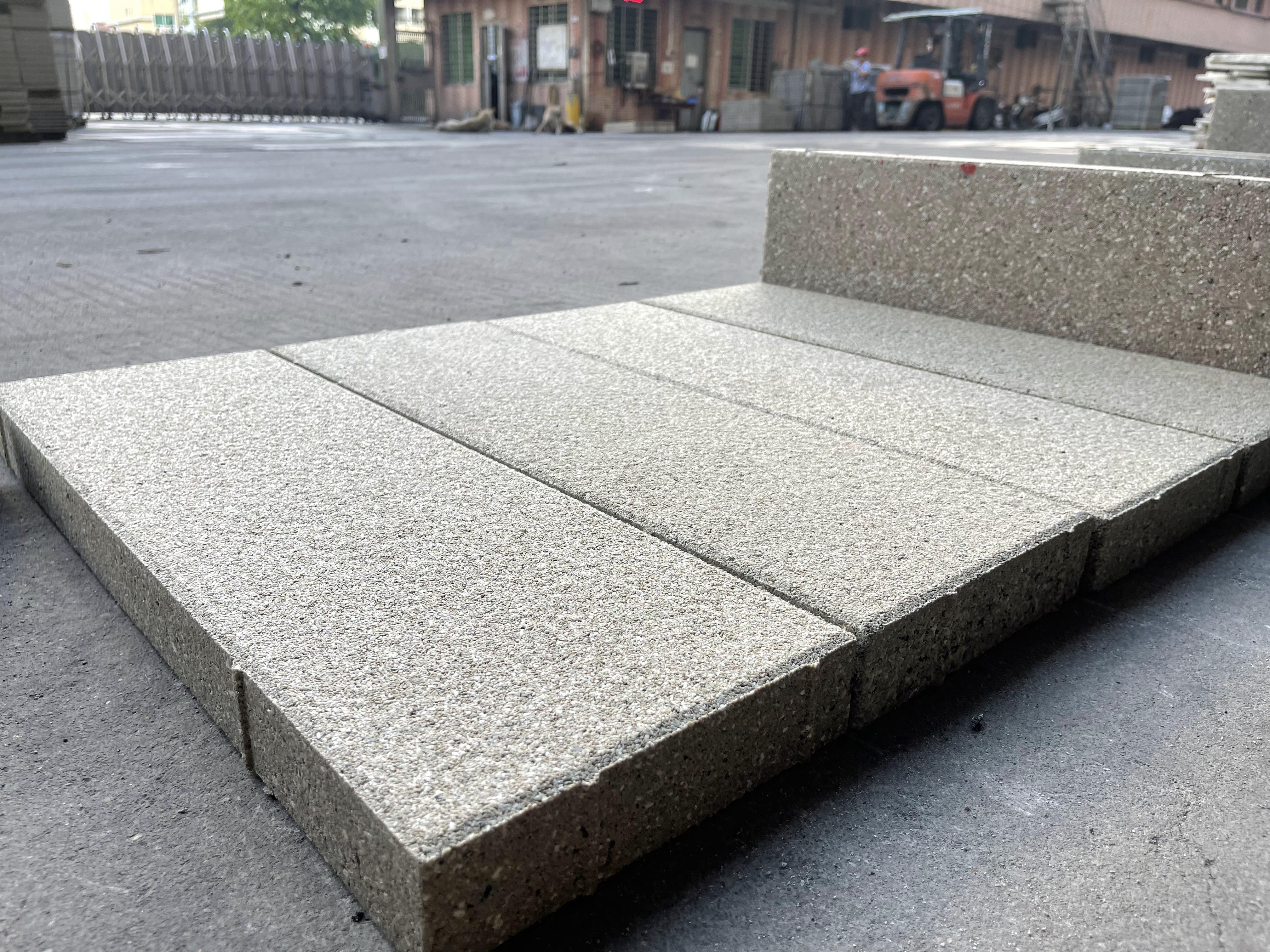
A common permeable ceramic paver is a special type of ground material featuring the following functions:
1. Permeability: Ceramic permeable bricks exhibit excellent water permeability, effectively penetrating and draining to reduce the accumulation of surface water and decrease the impact of rain on concrete pavements.
2. Anti-slip: The ceramic permeable tiles are specially treated for excellent anti-slip properties, reducing the risk of slipping in rainy or slippery conditions.
3. Durability: These ceramic permeable pavers are made from high-strength materials, offering excellent wear and corrosion resistance, ensuring long-term use in various outdoor environments.
4. Soundproofing: Ceramic permeable bricks can effectively reduce sound transmission, providing a certain degree of soundproofing effect, making the outdoor environment quieter.
5. Aesthetics: The ceramic permeable bricks feature color and pattern designs, offering high decorative value and enhancing the aesthetic appeal of outdoor environments.
In summary, the ordinary ceramic permeable paver boasts functions such as water permeability, anti-slip, durability, sound insulation, and aesthetics, making it suitable for outdoor applications like sidewalks, squares, and parks.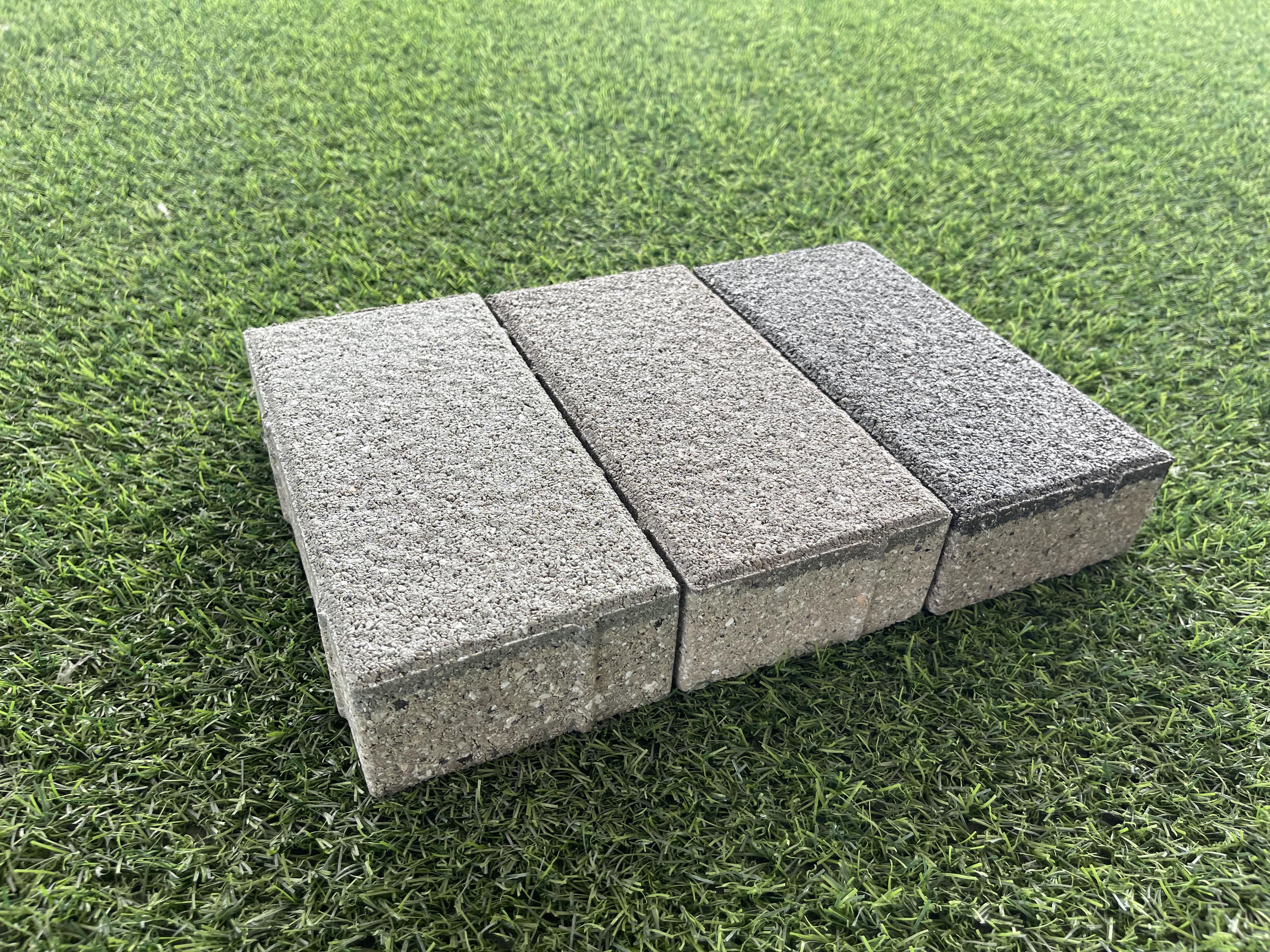
Ecological permeable bricks are an environmentally friendly material, serving the following functions:
1. Permeability: Eco-permeable bricks offer excellent permeability, providing the ground surface with good water infiltration and aeration, reducing surface runoff and ground water accumulation, which is beneficial for groundwater replenishment and maintenance of the groundwater level.
2. Anti-slip Effect: The surface of eco-porous bricks typically features a rough texture, which enhances friction on pavements, squares, and other ground surfaces, improving walking safety and reducing the risk of accidents caused by slippery conditions.
3. Cooling Effect: Compared to traditional concrete pavements, eco-porous bricks, with their higher porosity, can reduce direct sunlight exposure to the ground, lower ground temperatures, and are beneficial for improving the urban heat island effect.
4. Water Absorption Effect: Eco-permeable bricks can absorb and store rainwater, effectively utilizing rainwater resources. With a well-designed rainwater harvesting system, the collected rainwater can be used for landscaping irrigation, toilet flushing, etc., reducing the use of tap water.
5. Environmental Benefits: Eco-permeable bricks are made from materials free of harmful substances and chemical additives. Additionally, their permeability contributes to improving urban water environments, reducing groundwater pollution, and mitigating the impact of rainwater runoff on water bodies.
In summary, eco-permeable bricks play a significant role in protecting the environment, improving urban water conditions, and enhancing the safety of pedestrian walkways.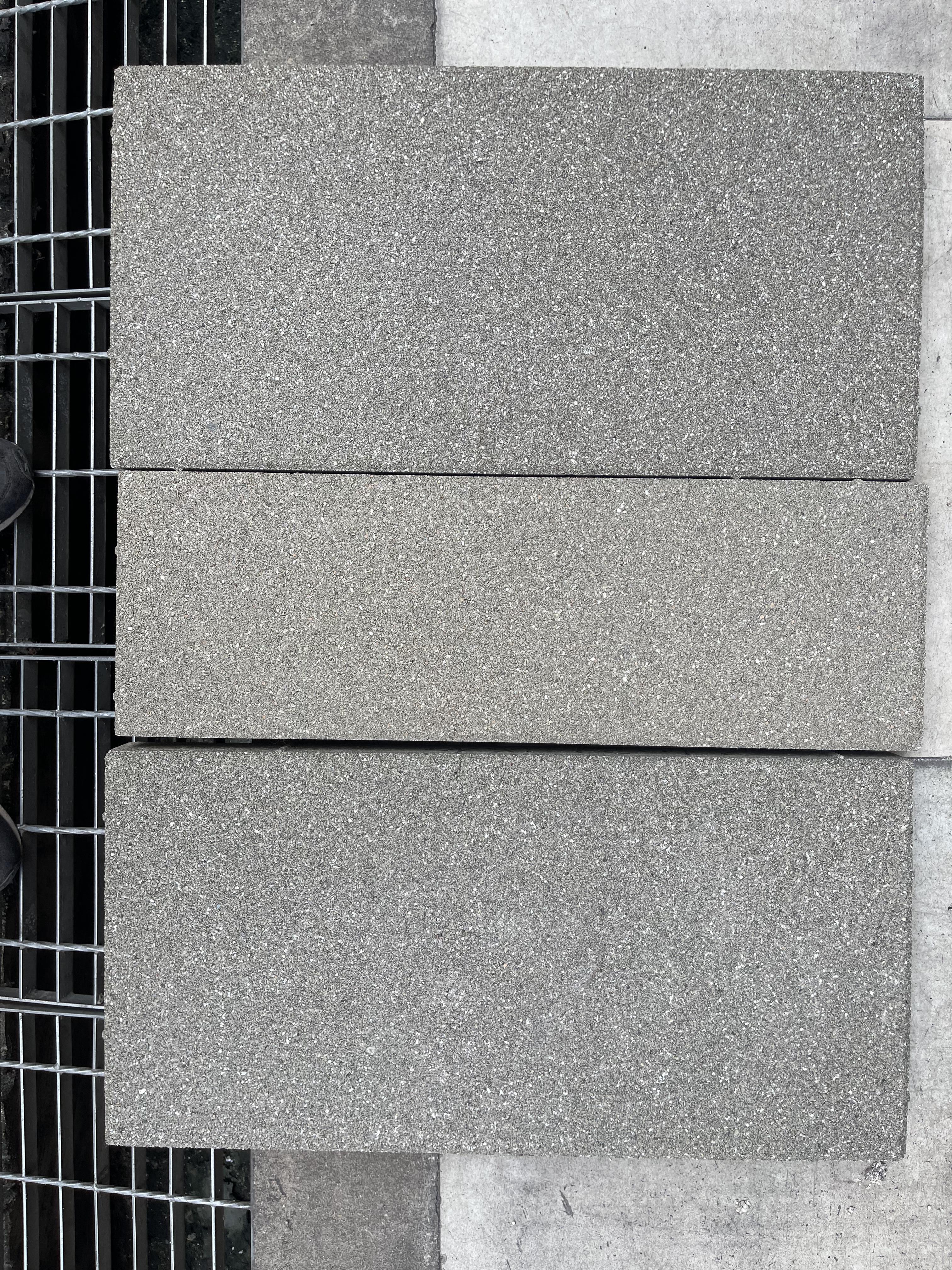
Porous ceramic pavers are a type of building decorative material with water-permeability features including:
1. Permeability: Ceramic permeable bricks, designed with a special structural layout, allow water to quickly infiltrate below the ground, achieving effective drainage. These bricks effectively reduce issues of surface water pooling and waterlogging, enhancing the ground's drainage capacity.
2. Anti-slip Effect: The surface texture design of ceramic permeable bricks increases ground friction, reducing the risk of slipping during pedestrian movement and enhancing ground safety.
3. Environmental Performance: Ceramic permeable bricks are made from raw materials without pollution and generate minimal waste. Additionally, the permeable bricks effectively reduce surface runoff and rainwater pollution, enhancing urban environments.
4. Durability: Ceramic permeable bricks feature high hardness and wear resistance, ensuring long-term use without wearing down and possess a longer service life.
Due to these features, ceramic permeable bricks are extensively used in public areas such as city roads, squares, parking lots, playgrounds, as well as in landscaping and residential community ground construction.
Eco-porous bricks are suitable for a variety of applications. They are commonly used for paving in public outdoor spaces such as city roads, parking lots, parks, squares, residential areas, scenic spots, and sports fields. These bricks also find use in private residential settings like residential communities, villa courtyards, balconies, gardens, and poolside areas. They are often employed in river embankments, lake shores, coastal regions, and other areas requiring water environment protection and preventing water accumulation. The water-permeable nature of eco-porous bricks reduces water buildup, enhances rainwater infiltration and recycling, and contributes to improving urban environments and water resource utilization efficiency.
WeChat Official Account

Scan to follow Official Account