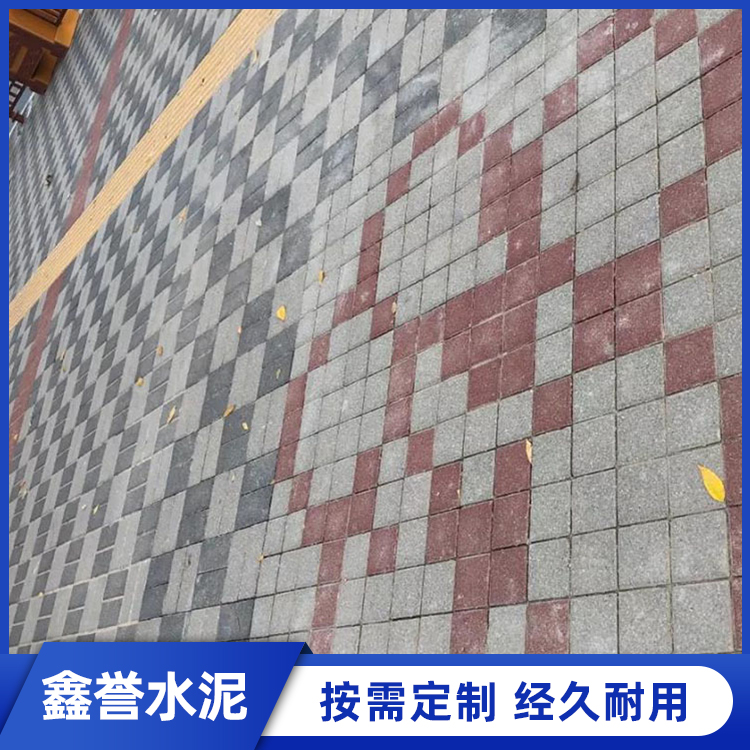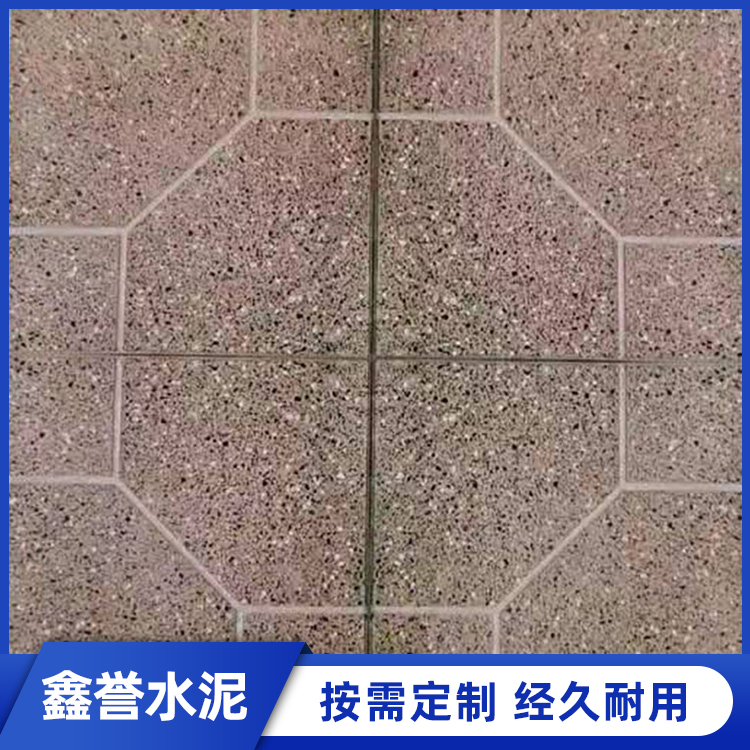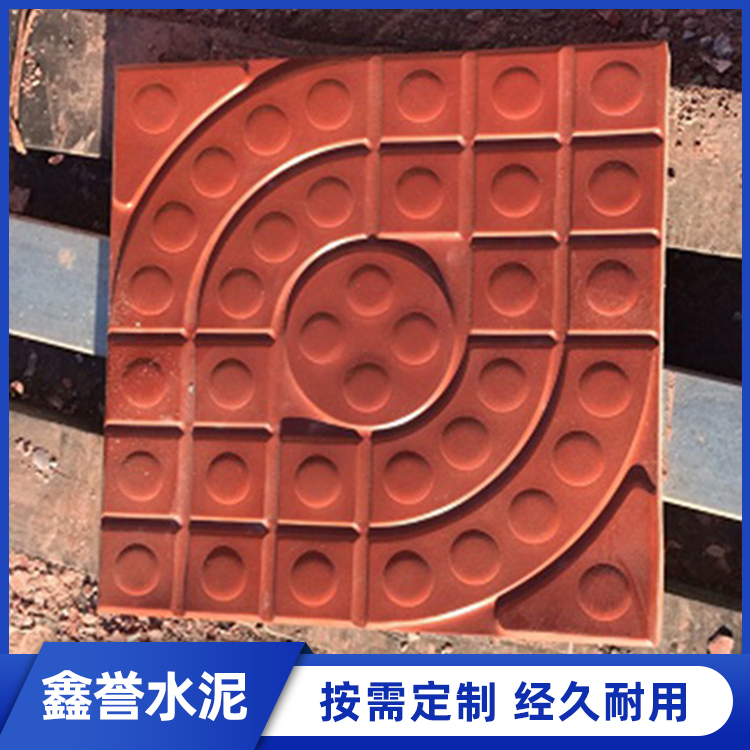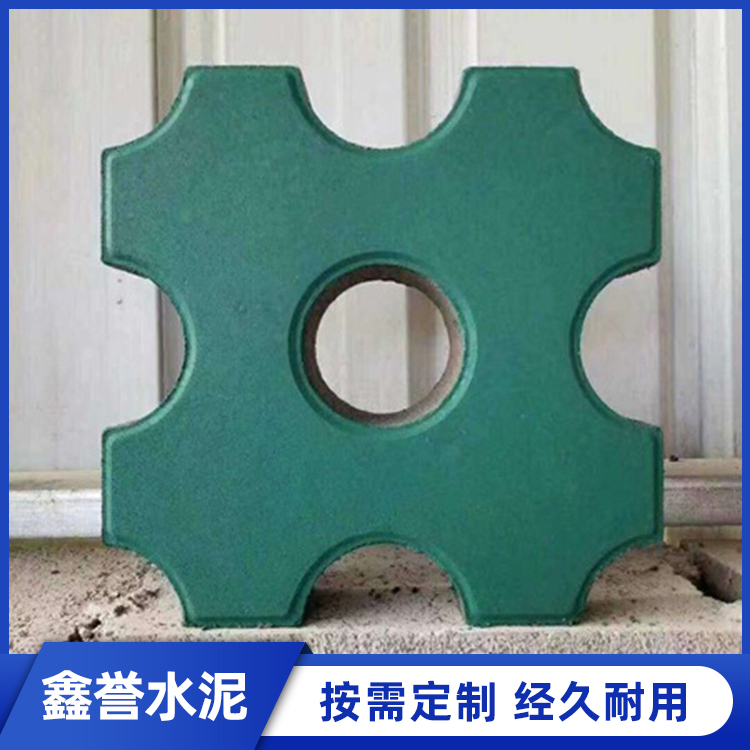







With the advancement of building "sponge cities," most areas have now switched to permeable bricks. In the past, rigid hardening surfaces like natural stone, glossy tiles, cement, and asphalt were commonly used to pave urban roads, squares, and sidewalks. This was akin to putting an impermeable armor on the earth, causing roads to be dry, hot, and dusty in sunny weather, and slippery, flooded, and even leading to localized floods during rain. The earth couldn't breathe, groundwater levels couldn't be replenished, the urban heat island effect couldn't be alleviated, and airborne particles couldn't settle, leading to smog and other hazards.

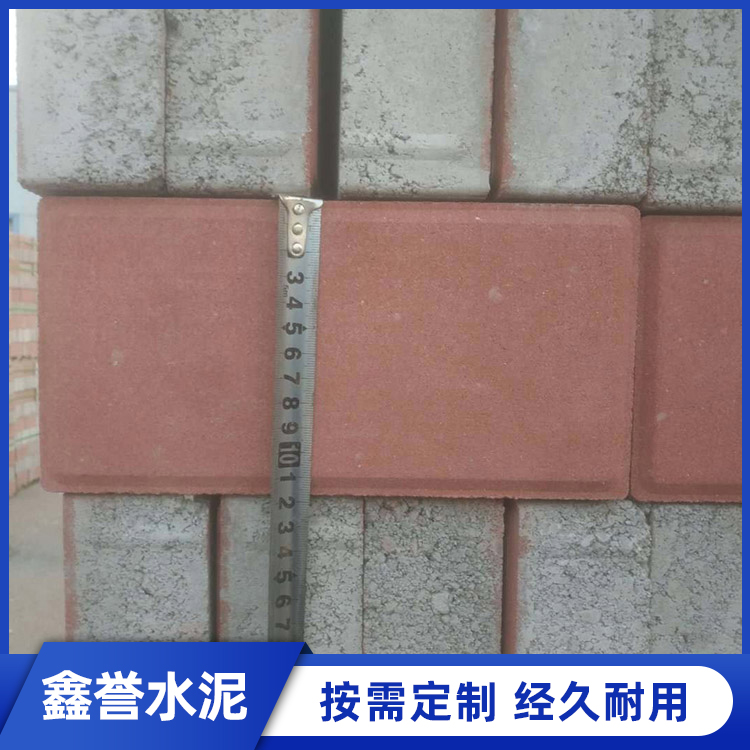
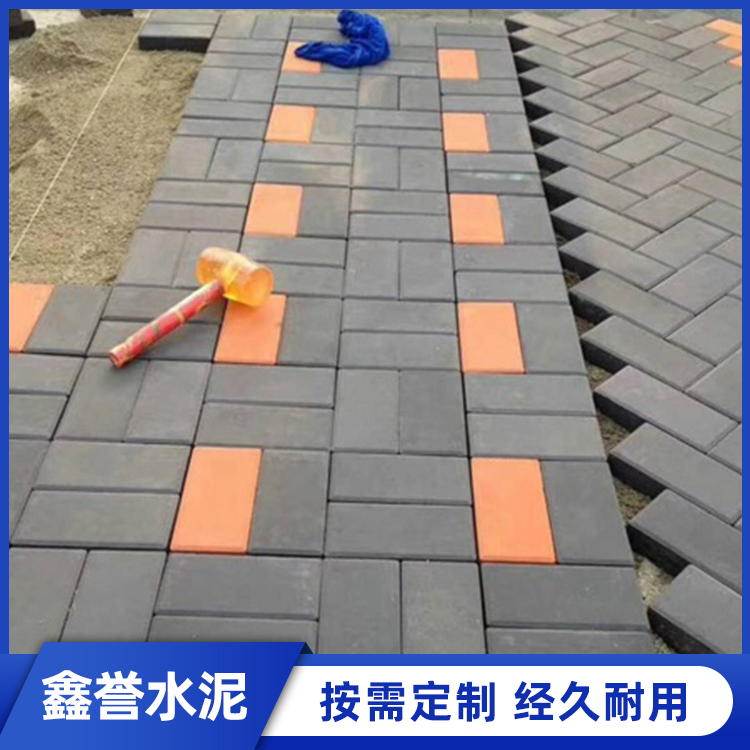
Now, eco-friendly permeable ceramic pavers have addressed many issues. Our company's ceramic permeable pavers, with their high strength, high permeability, heat and noise absorption capabilities, non-staining, and non-slip properties, are set to become the main material for road surfaces. They will gradually replace conventional concrete paving bricks, granite, glazed tiles, asphalt pavements, and other materials, and will be the future trend in road materials.
Our eco-ceramic permeable bricks feature excellent water and air permeability, allowing rainwater to quickly seep into the ground, replenish surface water, increase soil moisture, and improve conditions for ground plants and microorganisms. Additionally, our ceramic permeable bricks absorb water and heat, regulating temperature and humidity in local surface spaces, significantly aiding in mitigating the urban heat island effect. They prevent waterlogging after rain, alleviate urban drainage and flood control pressures, prevent sewage pollution, and facilitate vehicular traffic. At night, they also prevent road glare and absorb noise generated by vehicle movement, enhancing comfort and safety for vehicular travel.