






Our company adheres to the principles of "sincere cooperation, joint development, and customer-first," rooted in quality and customer-centric. We always provide meticulous service to merchants! Welcome both new and old customers to inquire.
The ultrasonic emulsifier is composed of one or more ultrasonic processors with over a thousand kilowatts, effectively converting laboratory applications into industrial production, achieving results comparable to today's high-pressure homogenizers for obtaining finely dispersed emulsions in continuous flow or batch processing. The ultrasonic emulsifier employs strong ultrasonic action to crush insoluble solids in the liquid into microparticles and thoroughly mix them with the surrounding liquid to form an emulsion. It consists of two parts: the ultrasonic emulsification component and the ultrasonic drive system.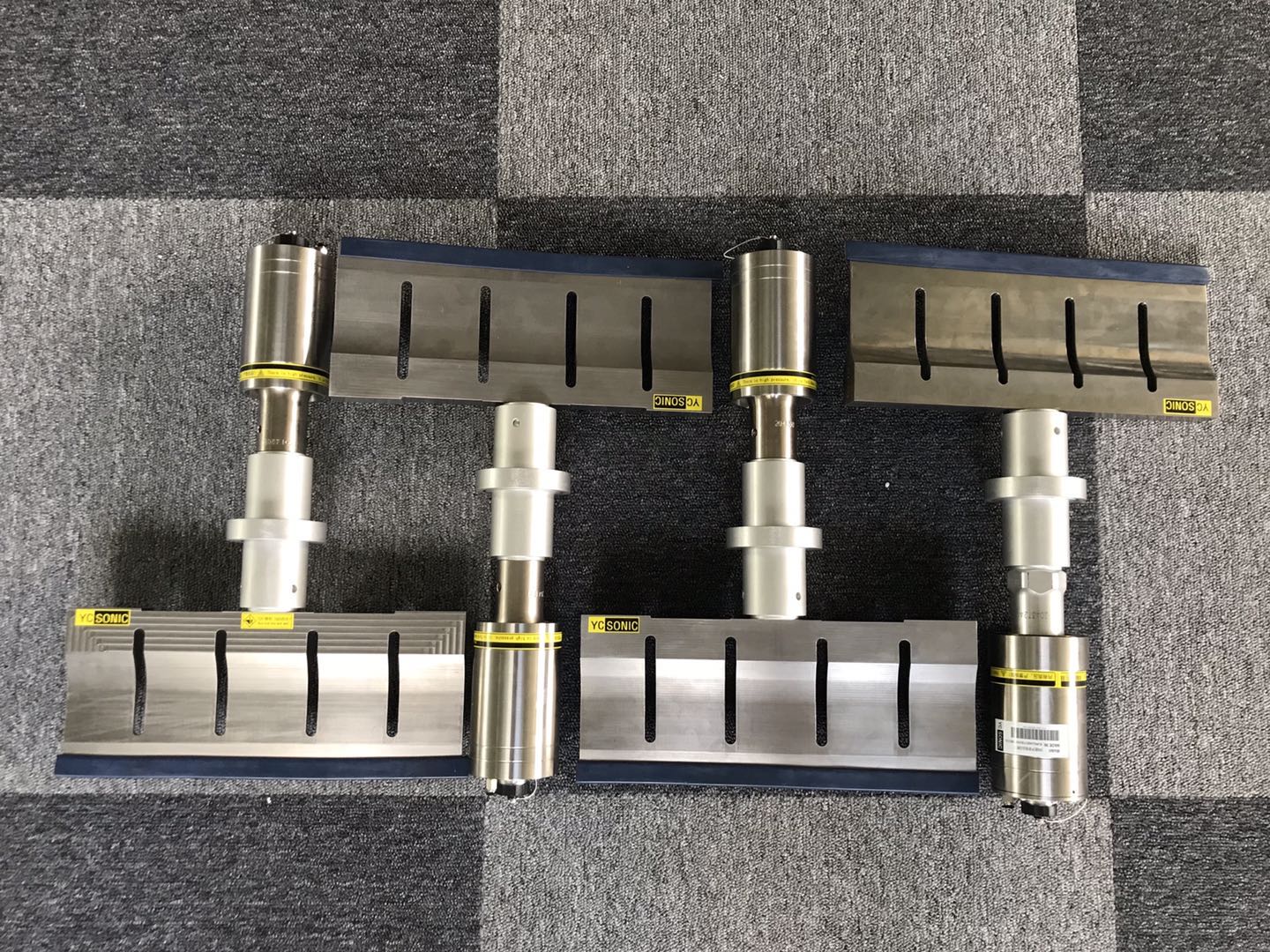
Ultrasonic Emulsifier Maintenance and Care:
To maintain the efficiency of the emulsifier, it is essential to keep it clean.
2. Do not reverse the emulsifier during operation; triple-check before starting the motor.
3. If there's a liquid leak at the shaft during the operation of the emulsifier, it is mandatory to shut down and adjust the pressure of the machine seal.
4. Due to varying mediums of materials, import and export filters must be cleaned regularly. Materials entering the working chamber must be in a fluid state; direct entry of dry powder or lumpy materials is not permitted.
5. Ensure the safety of the equipment and electrical control system before using the emulsifier.
6. If excessive wear is detected on the components of an emulsifier, the corresponding parts should be replaced promptly.
7. Avoid running the emulsifying machine empty to prevent high temperatures or crystallization from forming inside the material, which could damage the equipment.
8. If an emulsifying machine emits abnormal sounds or encounters other malfunctions during operation, it should be immediately shut down for inspection. Resume operation only after the issue is resolved.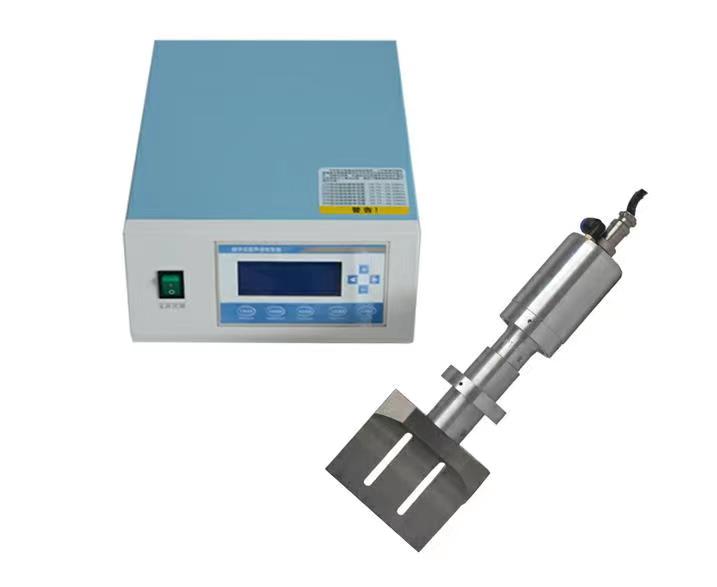
The ultrasonic emulsifying machine is widely applicable across numerous industries:
1. Biotechnology Industry: Extraction of Natural Pigments, Polysaccharides Extraction, Alkaloids Extraction, Oil Extraction.
2. Chemical Industry: Ultrasonic Gel Liquefaction, Resin Defoaming
3. Laboratory Applications: Cell Disruption, Material Dispersion and Agglomeration
4. Water Treatment Industry: Pollution Water Quality Degradation
5. Food and cosmetic industry: Distillation of alcohol, production of nanometer particles.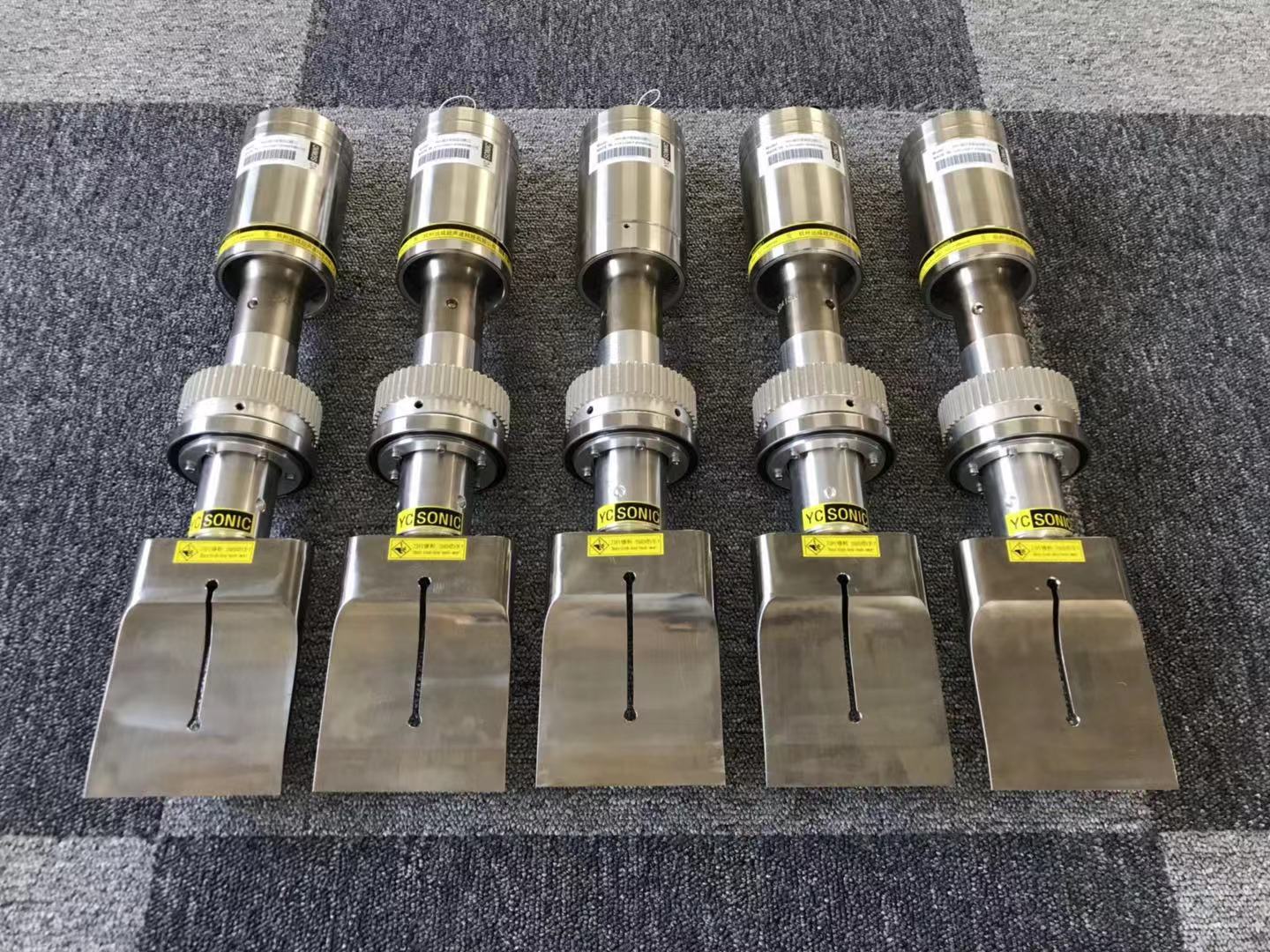
An ultrasonic emulsifier is a device that uniformly mixes oil and water phases. There are mainly three types of emulsifiers: emulsifying mixers, colloid mills, and homogenizers. The type and structure, as well as performance, of emulsifiers are greatly related to the size (dispersion) of the emulsion particles and the quality (stability) of the emulsion. For example, the stirred emulsifiers widely used in cosmetic factories produce emulsions with poor dispersion. The particles are large and rough, with poor stability and a higher tendency to contaminate. However, they are simple to manufacture, inexpensive, and can produce mass-market cosmetics that meet general quality requirements if the machine's structure is chosen reasonably and used properly. Colloid mills and homogenizers are better emulsification equipment. There have been significant advancements in emulsification machinery, such as vacuum emulsifiers, which can produce emulsions with improved dispersion and stability.
Our company's corporate philosophy is "credibility first, honesty, mutual development, mutual benefit, and trust wins the world." We continuously create value for our customers, adhering to the business philosophy of "honesty, mutual assistance, coexistence, and win-win," and establishing good cooperative relationships through strength and outstanding quality.
WeChat Official Account

Scan to follow Official Account