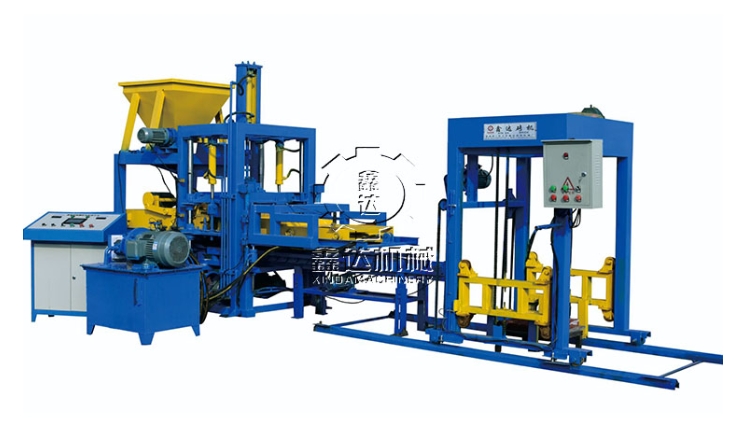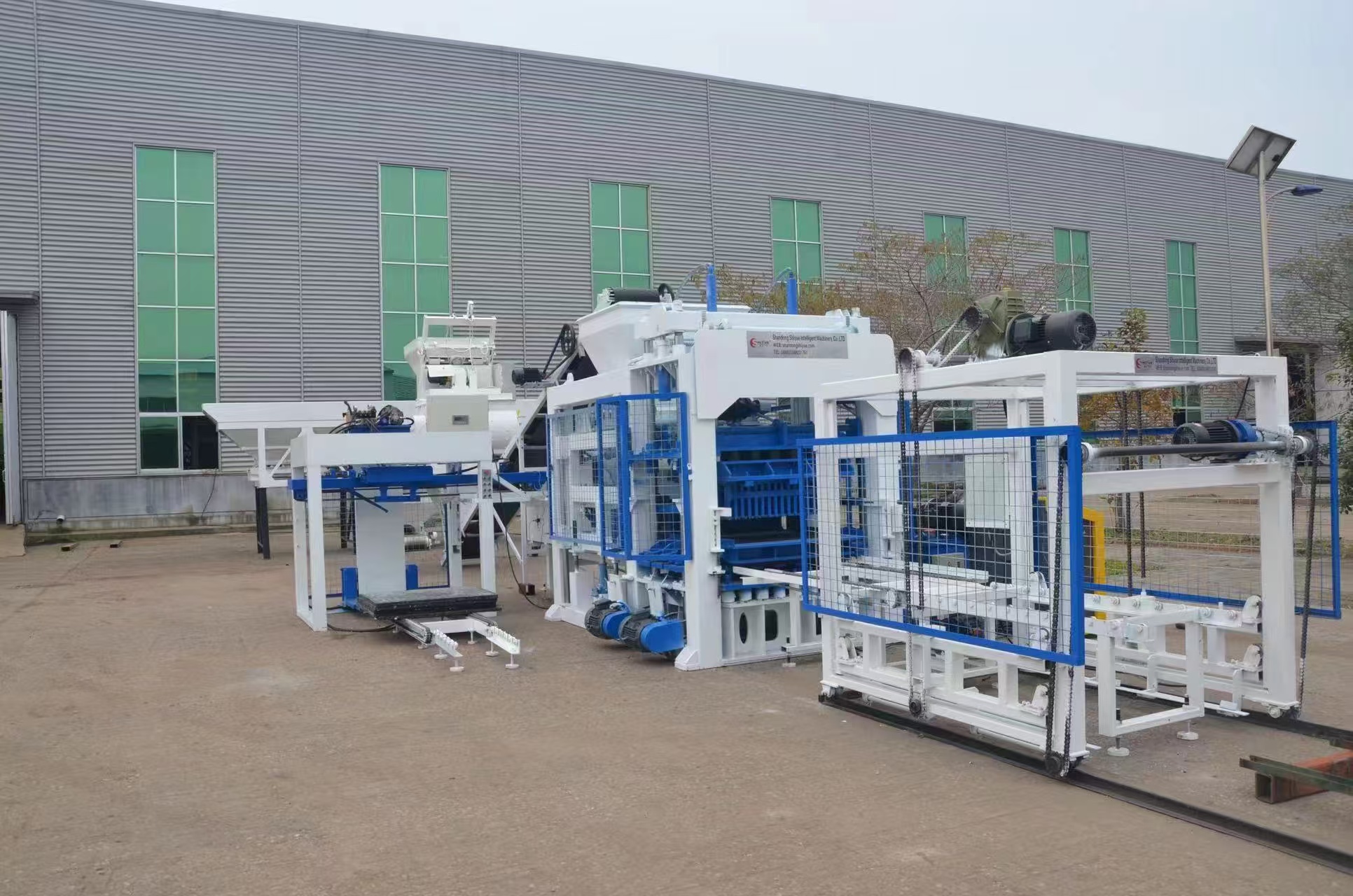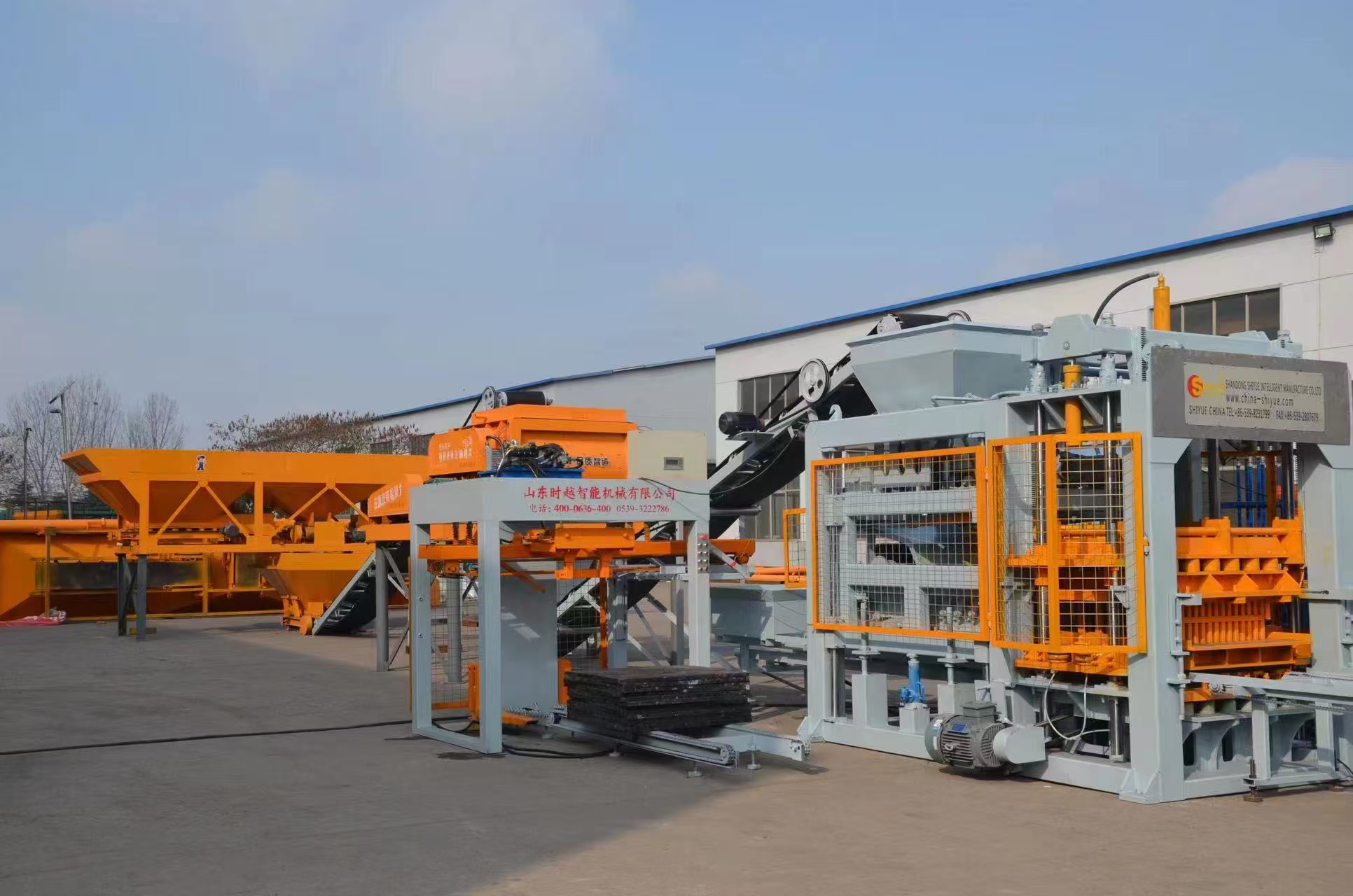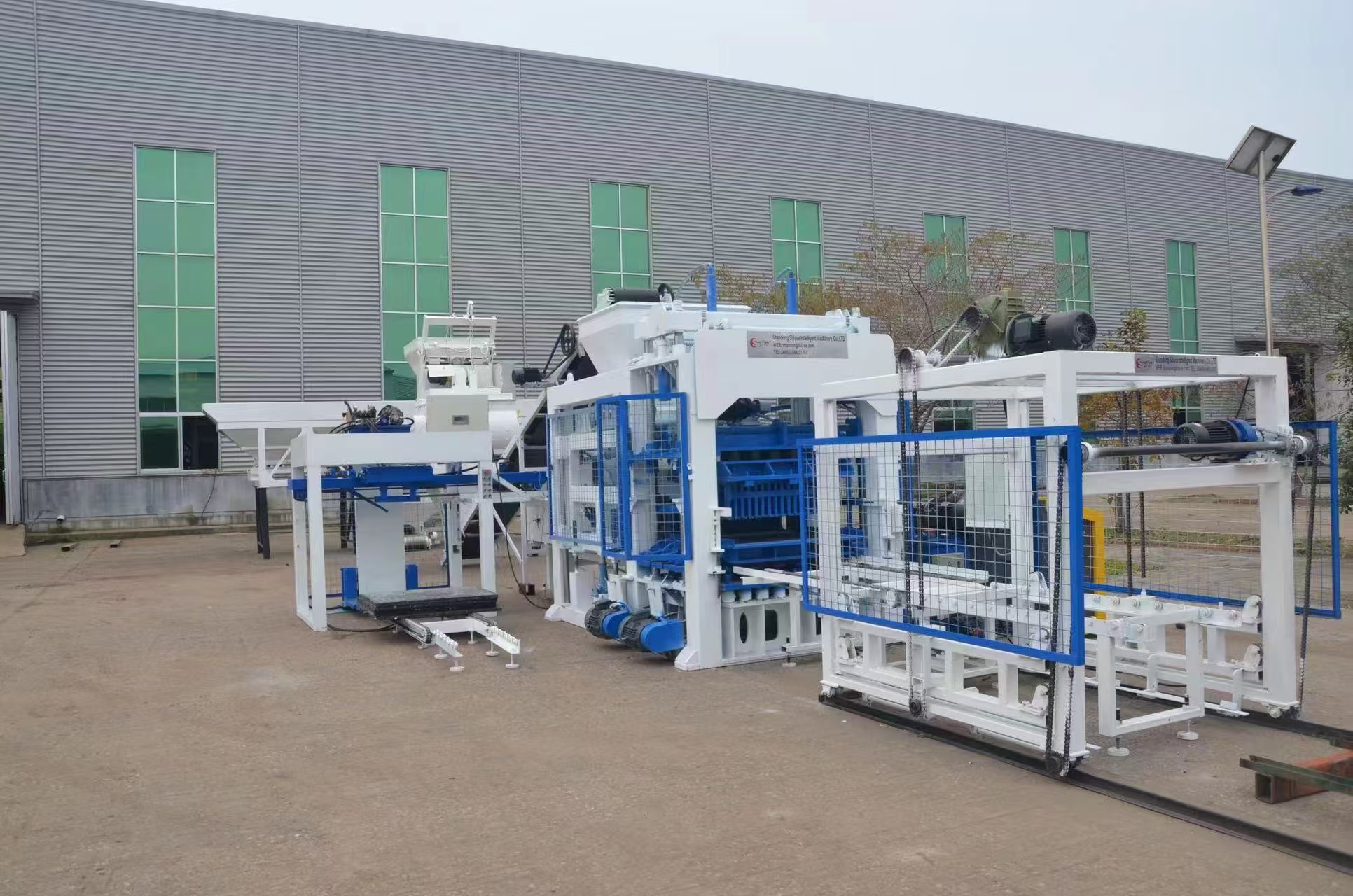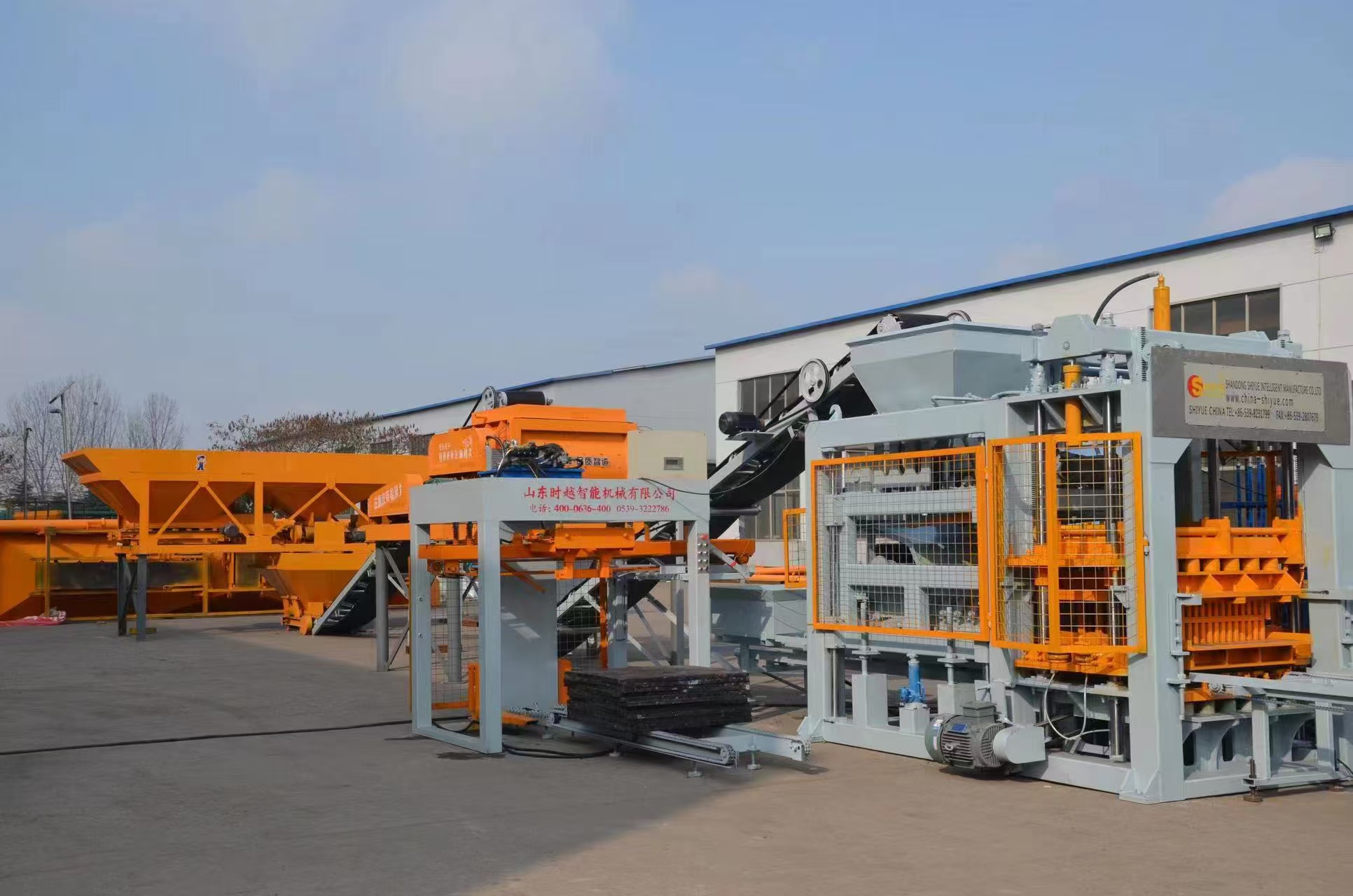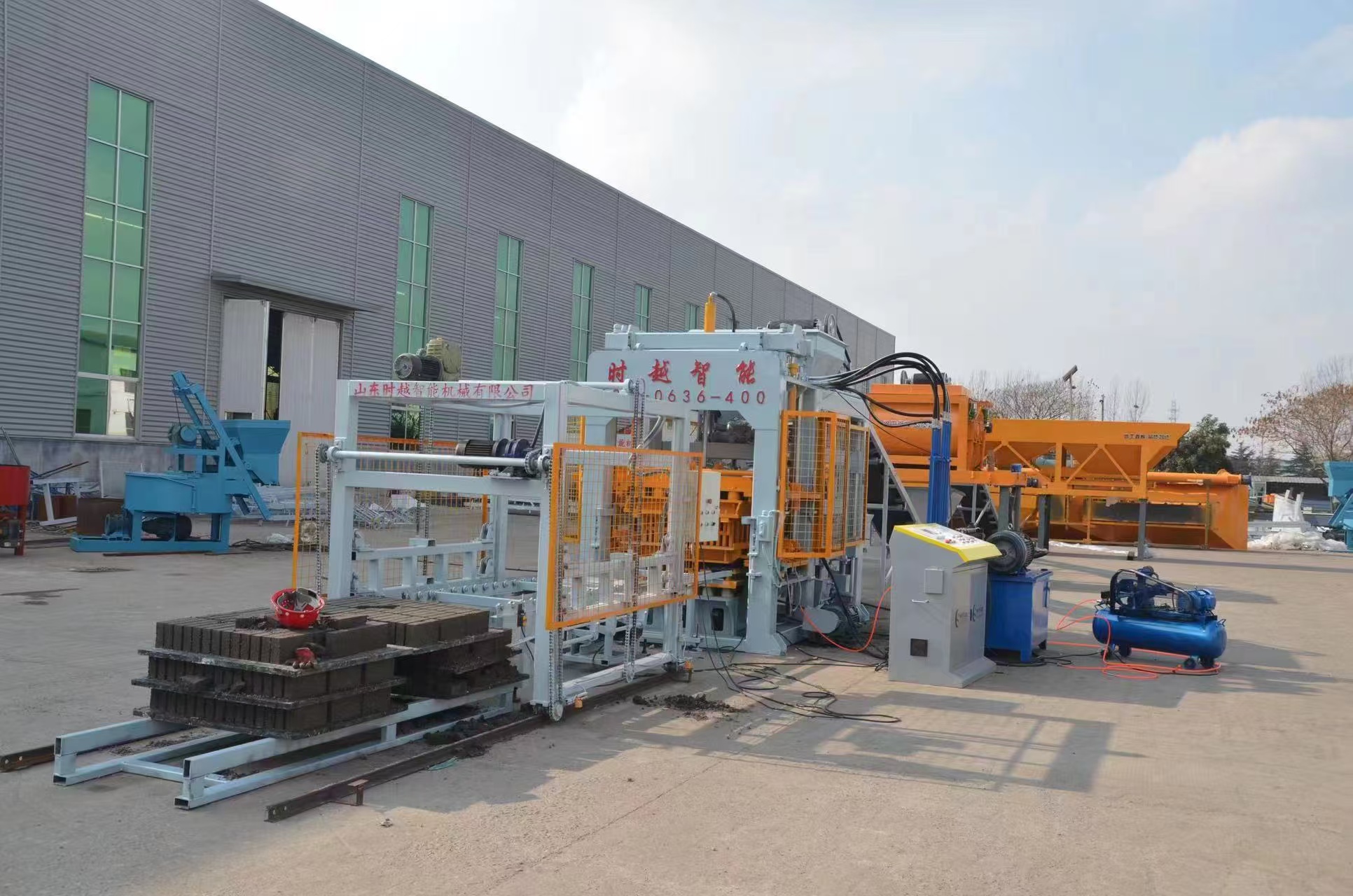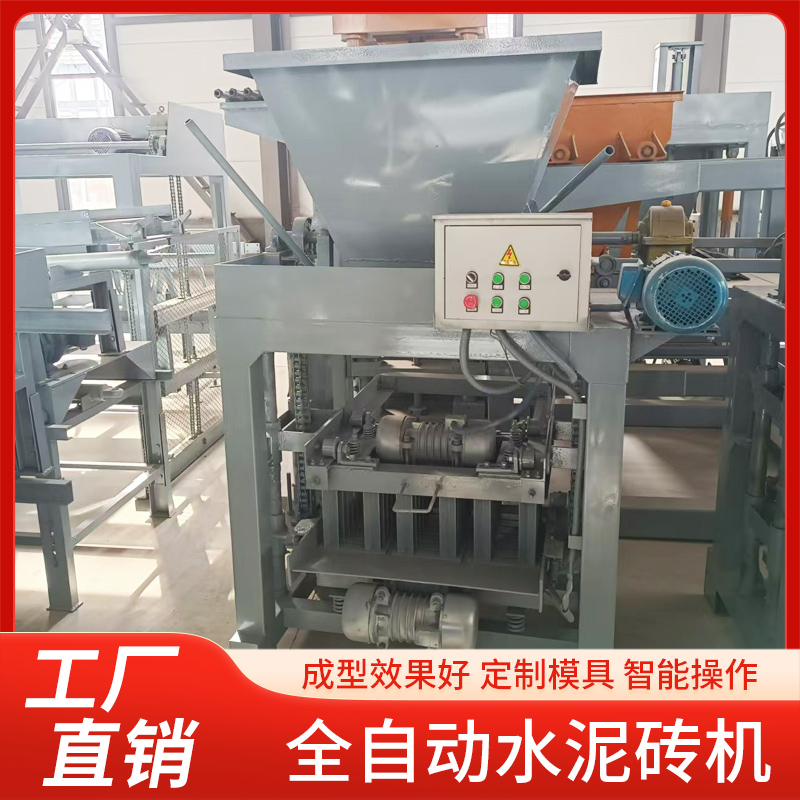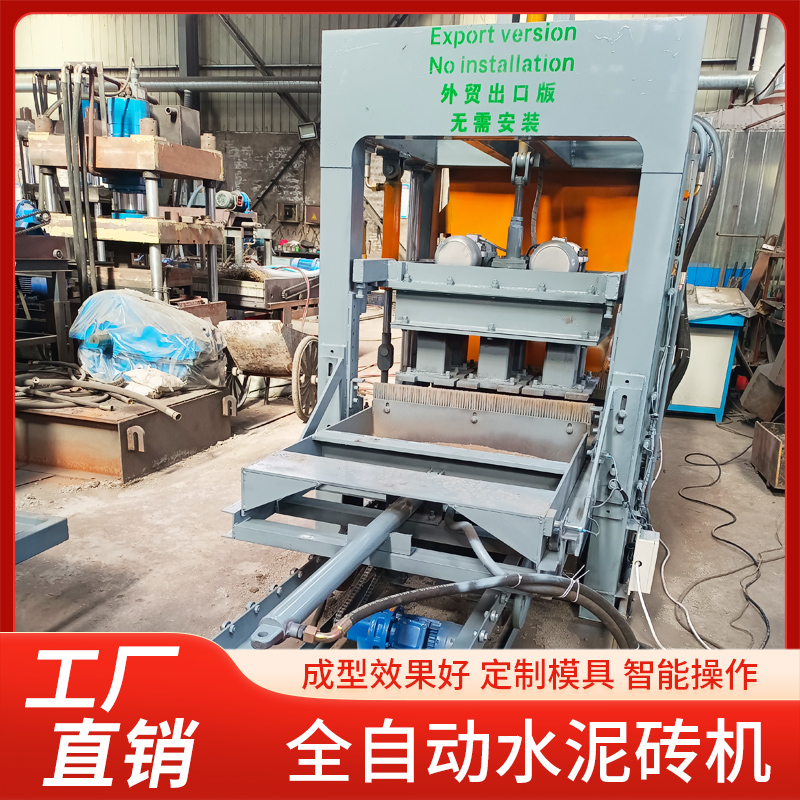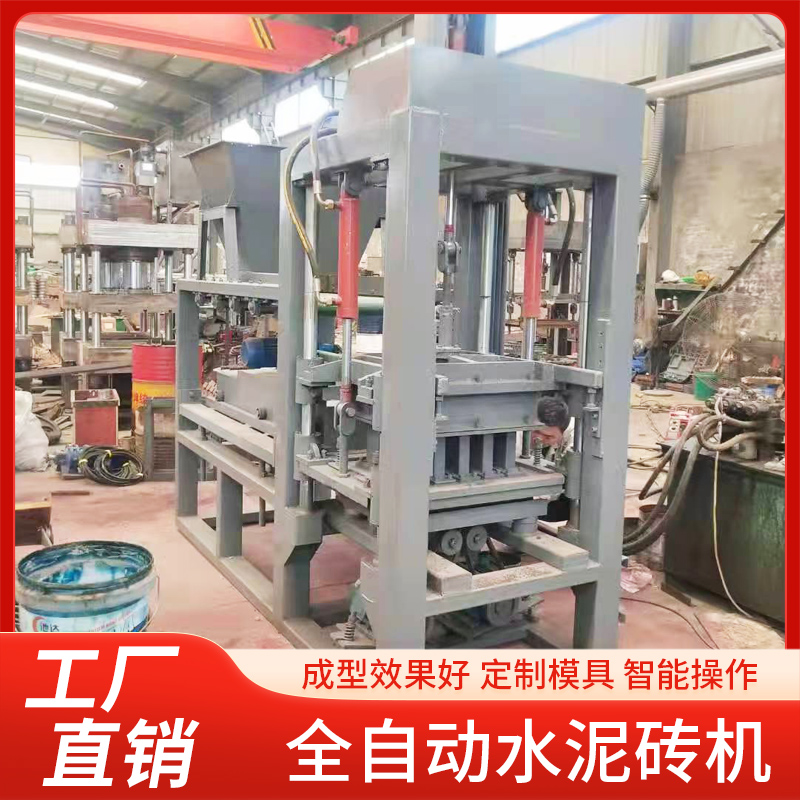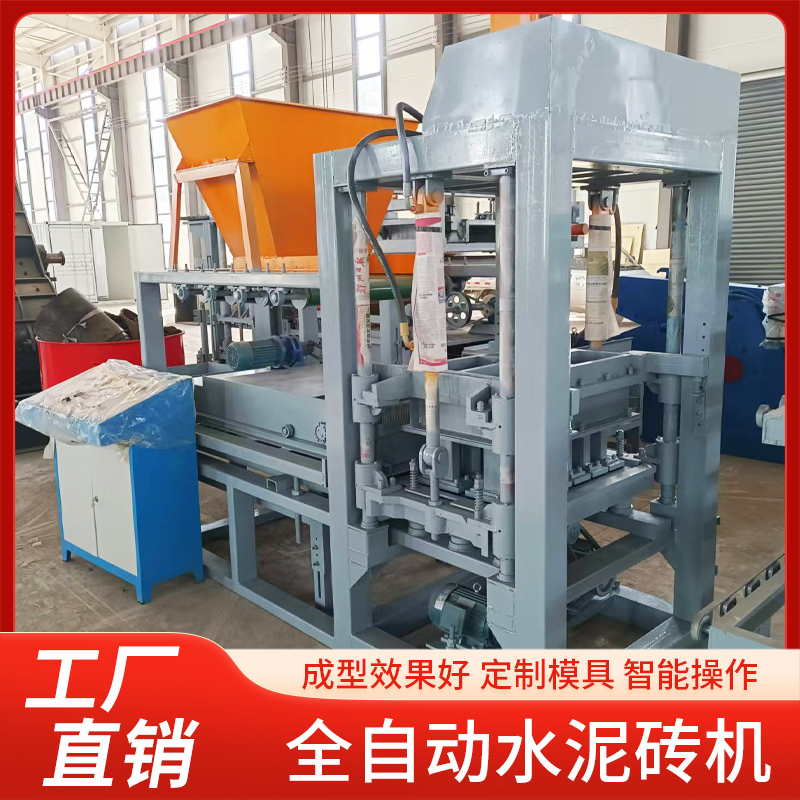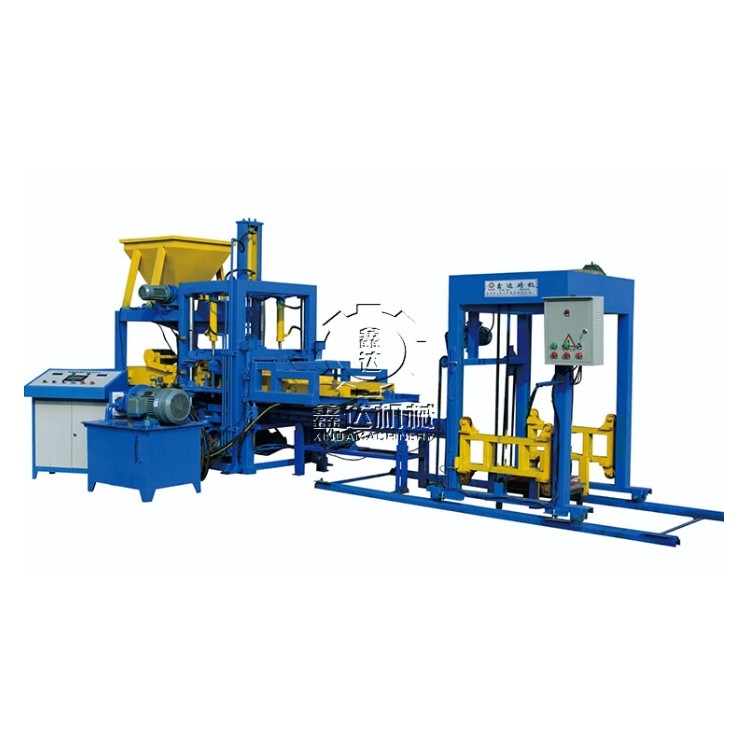


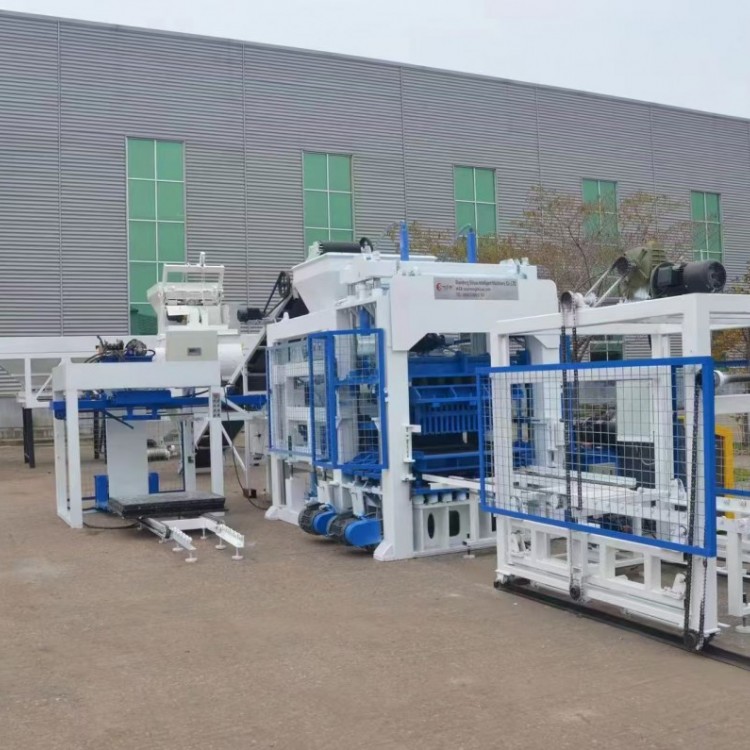
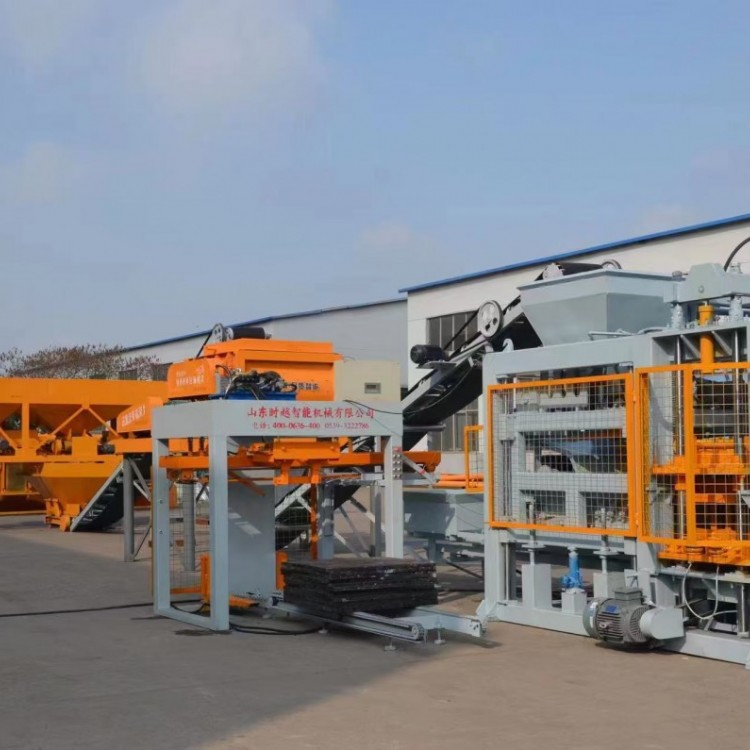
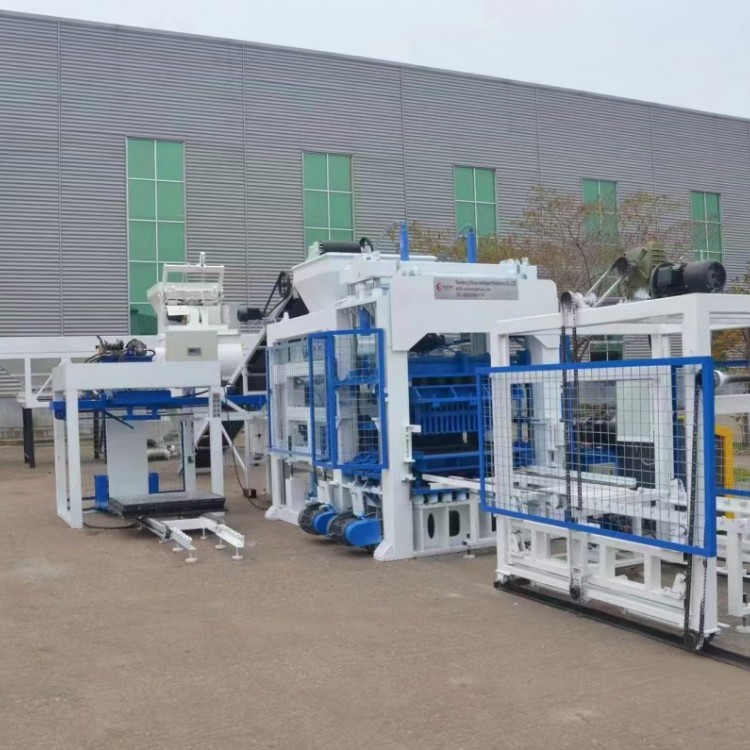
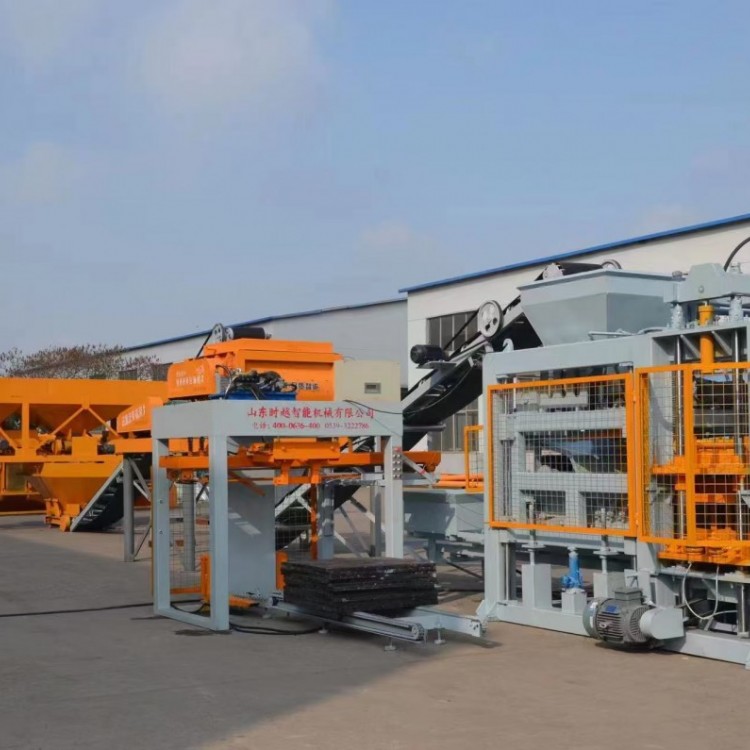







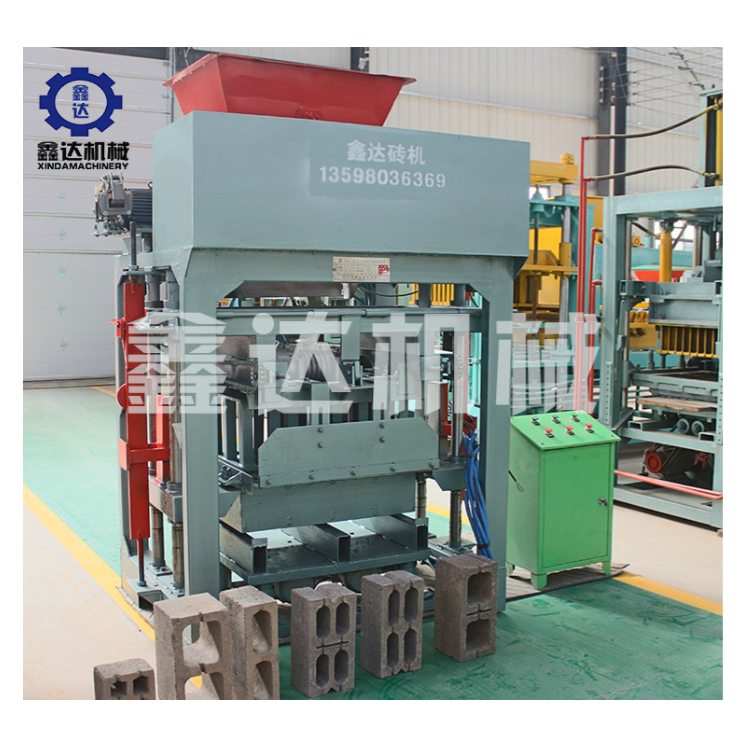


Product Features of QTY3-35B Automatic Highway Flower Paving Machine:
1. Manual operation with point control, efficient and easy to handle.
2. The QTY3-35B full-automatic road flower brick machine utilizes a four-bar guiding method and extra-long guiding bearings to ensure relatively accurate movement of the press head and mold.
3. The QTY3-35B full-automatic road flower brick machine body is made of strong steel and special welding techniques and materials, ensuring robust vibration resistance.
4. Quick mold change capability for producing a variety of concrete products including road tiles, curbs, blocks, and hollow bricks in different sizes and shapes; versatile machine for energy-saving and efficient production.
5. The QTY3-35B full-automatic road flower brick machine utilizes new imported electrical appliances, seals, and some hydraulic components, ensuring the equipment has stable and reliable comprehensive performance.
6. Mechanical transmission, compact structure, easy maintenance, flexible operation, and high reliability.
7. The QTY3-35B fully automatic road flower brick machine employs upper and lower pressure and strong vibration, particularly suitable for producing heavy-duty high-strength blocks.
8. Molding blocks are formed quickly, with high strength, good density, and accurate dimensions with regular shapes.
9. The QTY3-35B full-automatic road tile machine enables efficient utilization of large amounts of powder, coal, ash, and waste residue.
10. The QTY3-35B full-automatic road flower brick machine has a small investment, quick returns, high cost-performance, and is particularly economical and practical for China's national conditions, thus enjoying great popularity among users.
Installation and trial run:
The brick machine should be installed on a level concrete foundation and secured with anchor bolts.
2. Ensure the main body is vertically aligned with the level during installation.
3. After installation, check for any loose bolts on all parts and ensure the main storage door is securely fastened. If necessary, tighten them.
4. Configure power cables and control switches according to the equipment's power setup.
5. After inspection, conduct an empty load test run. Proceed to production if the test run is normal.
Sample brick display