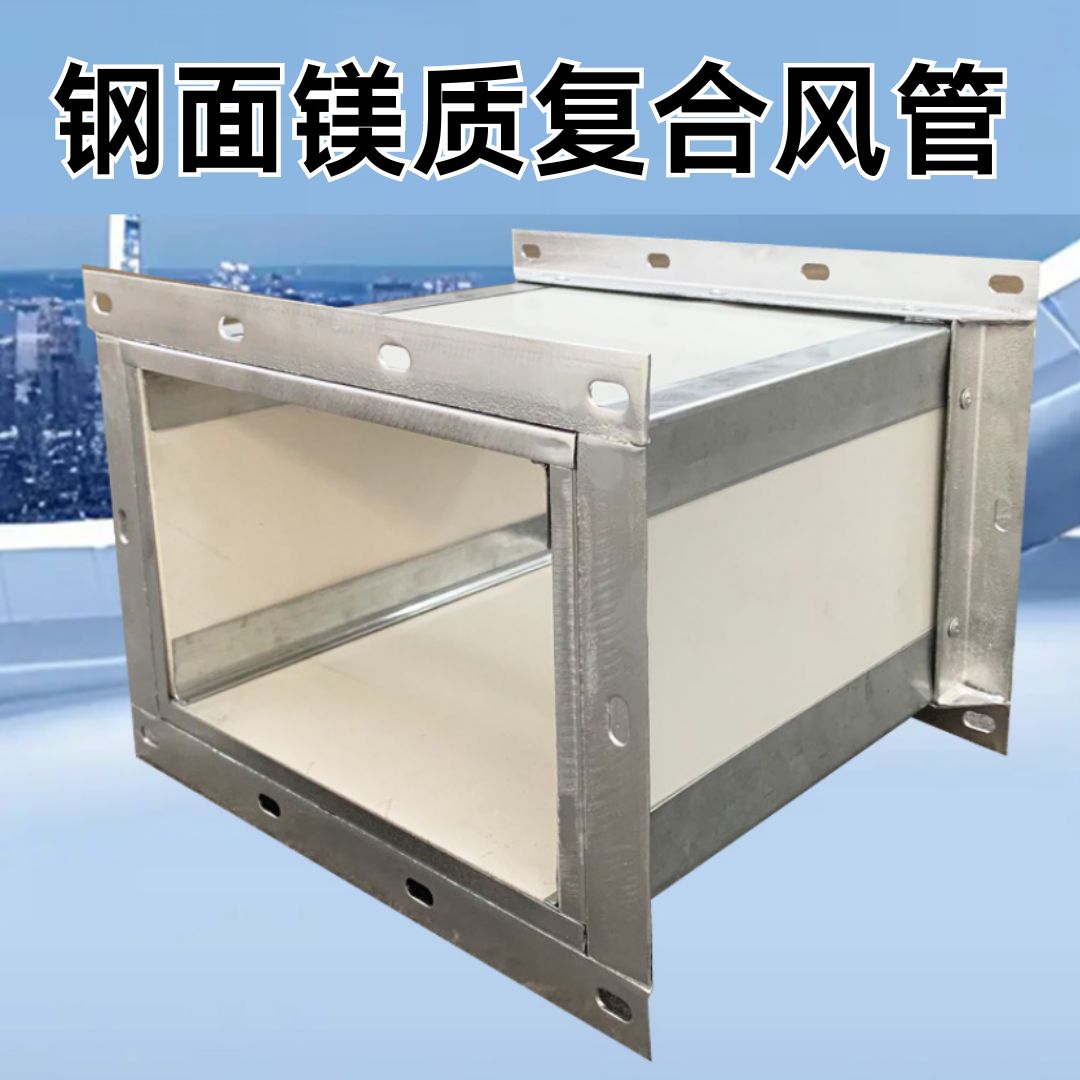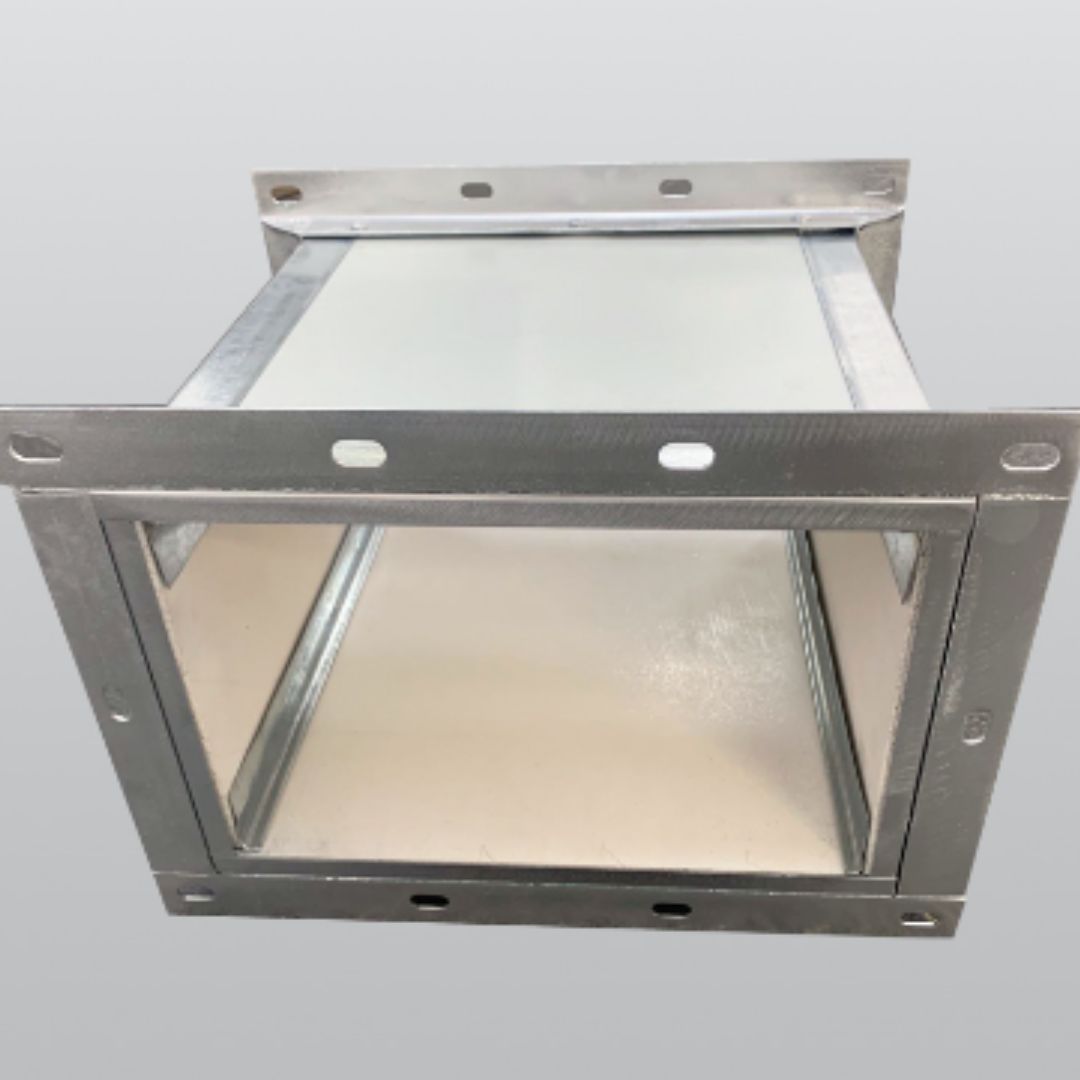







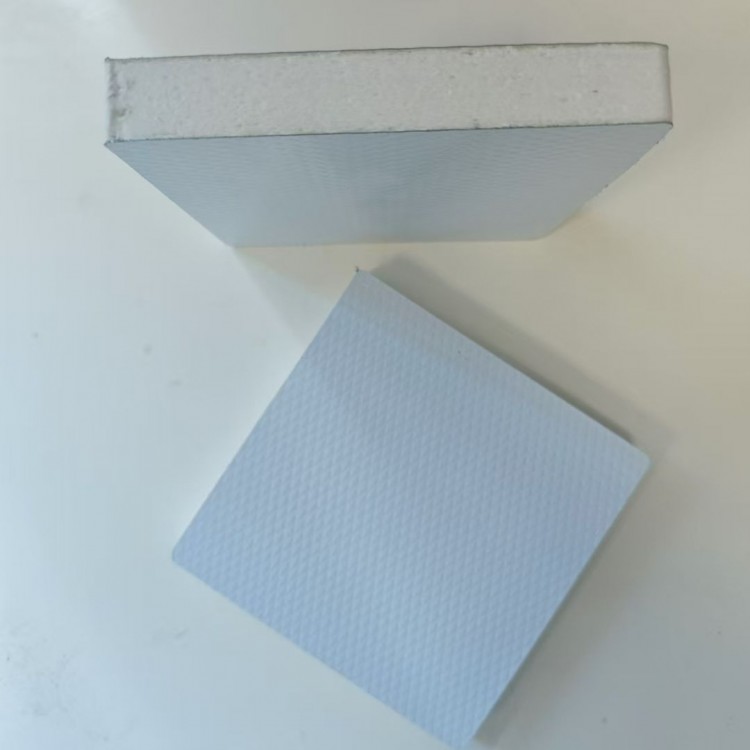
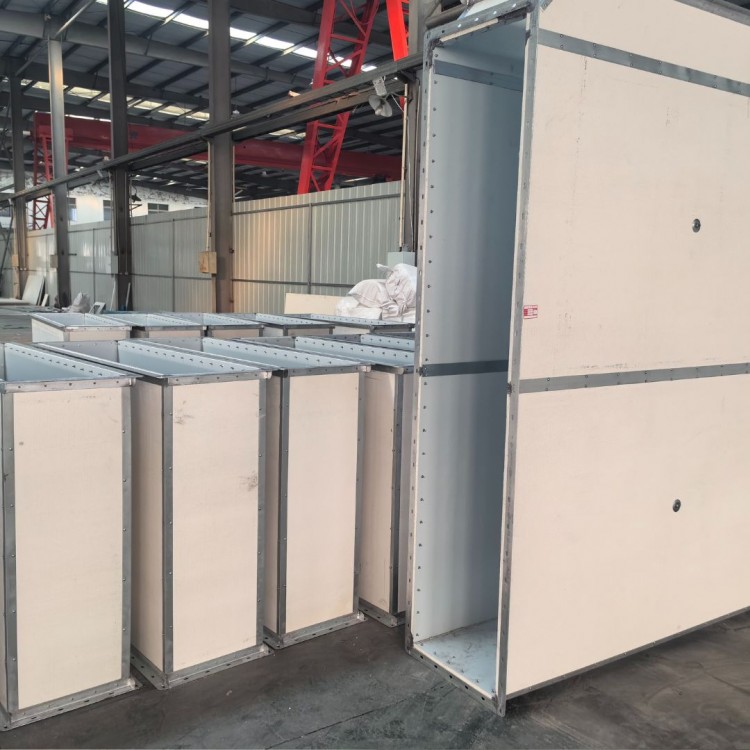
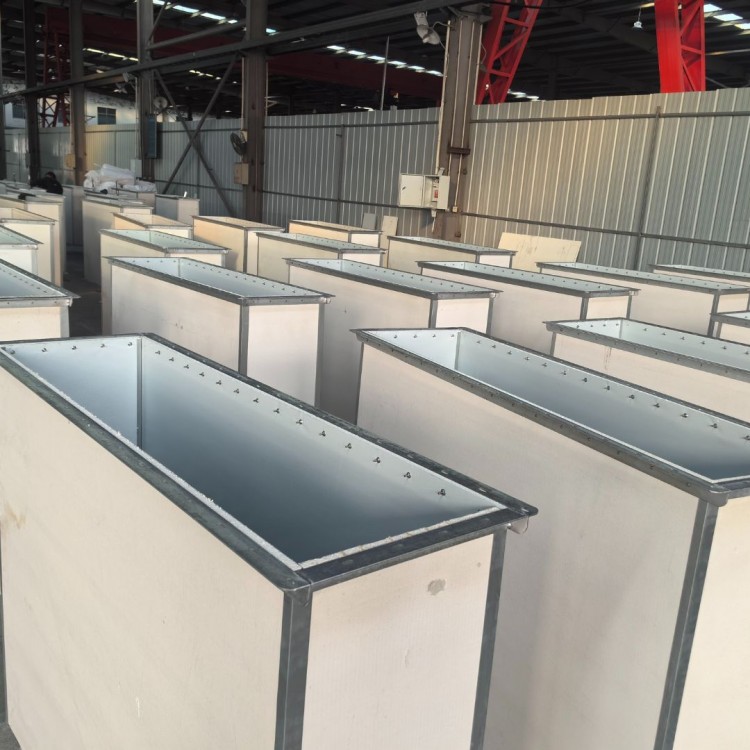

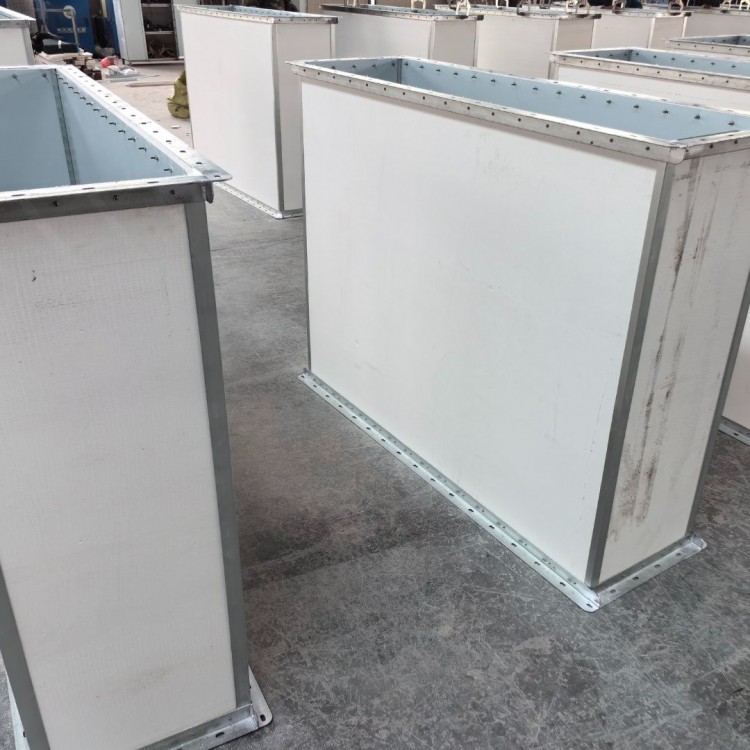
The principle of the steel-faced magnesium composite duct is primarily based on its unique material and structural design. This duct system integrates fire resistance, heat resistance, and insulation properties, while also considering safety, aesthetics, and practicality. Below are the main principles and features of the steel-faced magnesium composite duct:
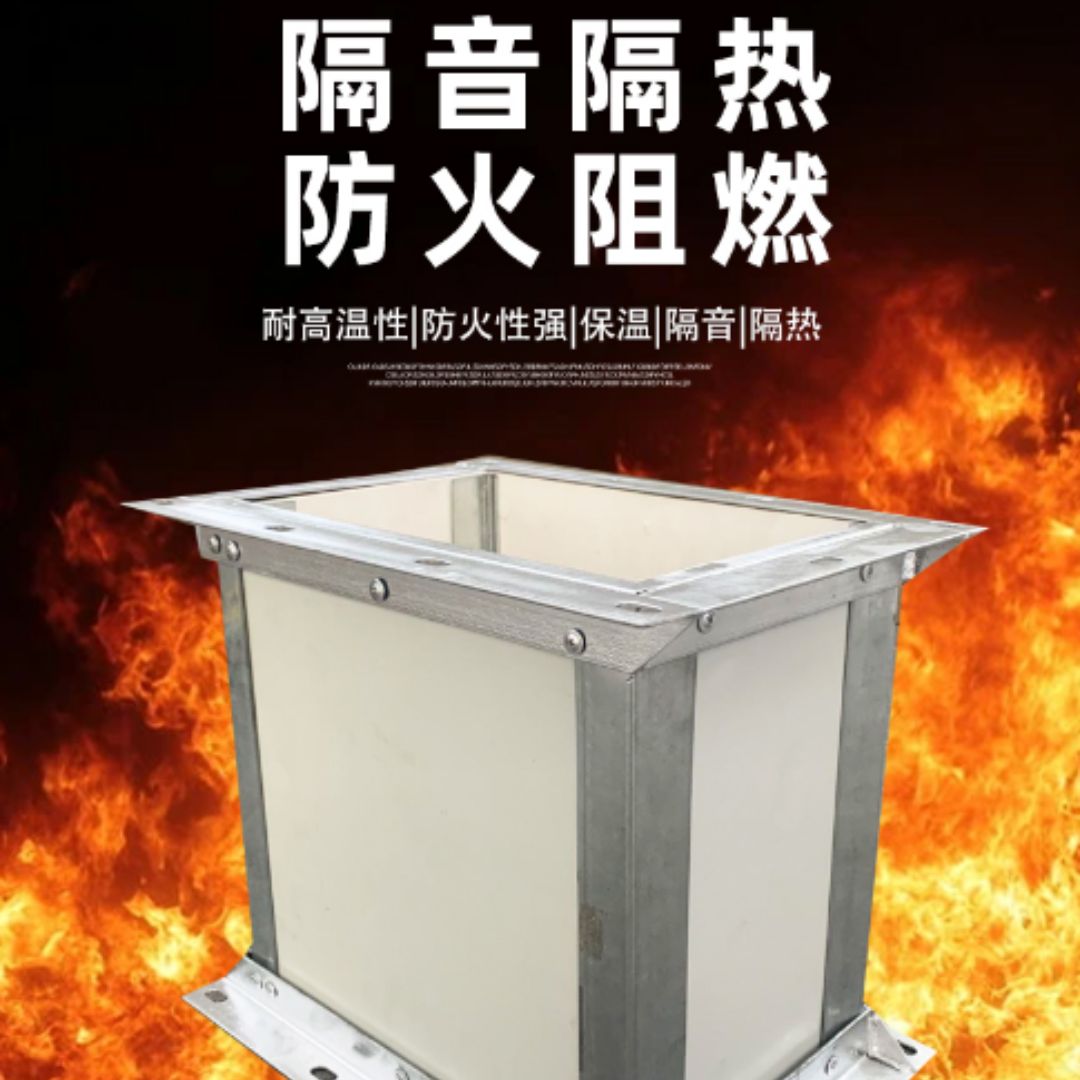
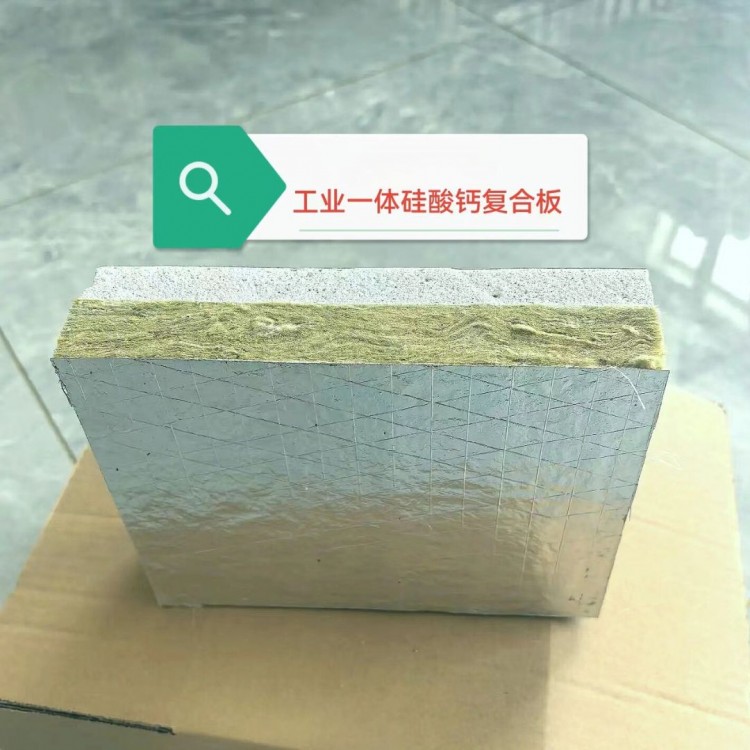
Fire and heat resistance: The fire-resistant and heat-insulating layer used in steel-faced magnesium composite ducts combines the three properties of fire resistance, heat resistance, and insulation. This material is classified as A1 non-combustible, effectively preventing the spread of fires and safeguarding the safety of the building's interior.
Safety: The air duct has strong pressure resistance, with wind pressure resistance exceeding 3000pa, significantly higher than the national standard's requirement of ≥1500pa, ensuring stability during use. Additionally, the air duct does not require secondary wrapping for installation and can be ceiling-mounted, further enhancing safety.
Aesthetics and Durability: The inner and outer walls of the duct are made of high-corrosion-resistant metal panels or high-strength anti-corrosion aluminum foil, effectively preventing corrosion and rust in humid environments. Compared to traditional ducts, this avoids issues such as bulging, deformation, and cracking caused by moisture absorption in fireboard, enhancing the durability of the duct.
Lightweight and Weight Reduction: Compared to traditional galvanized ducts with rock wool and fireproof board lining, steel surface magnesium composite ducts reduce their own weight by over 50%, effectively lowering the load on the building and saving construction costs.
Simple Construction: Prefabricated ductwork supply, easy installation, efficient construction. The ducts come with built-in fire-resistant and insulating layers, eliminating the need for additional fireproofing wrapping, and can reduce the construction period by over twice.
In summary, the steel-faced magnesium composite ducting achieves multiple functions such as fire resistance, heat insulation, and flame retardancy through its unique material selection and structural design. It also enhances safety and aesthetics, making it an ideal material for ventilation and smoke control engineering projects.