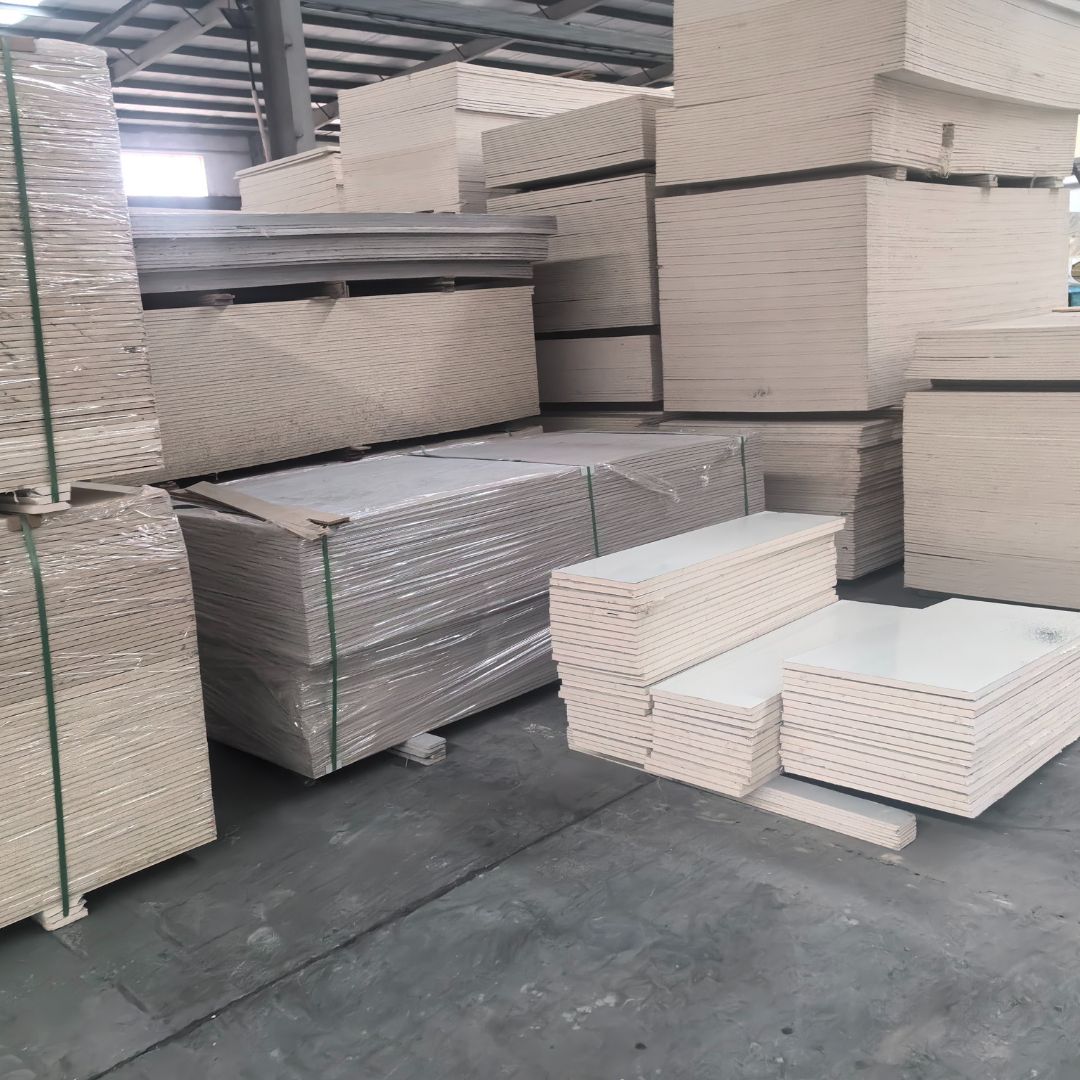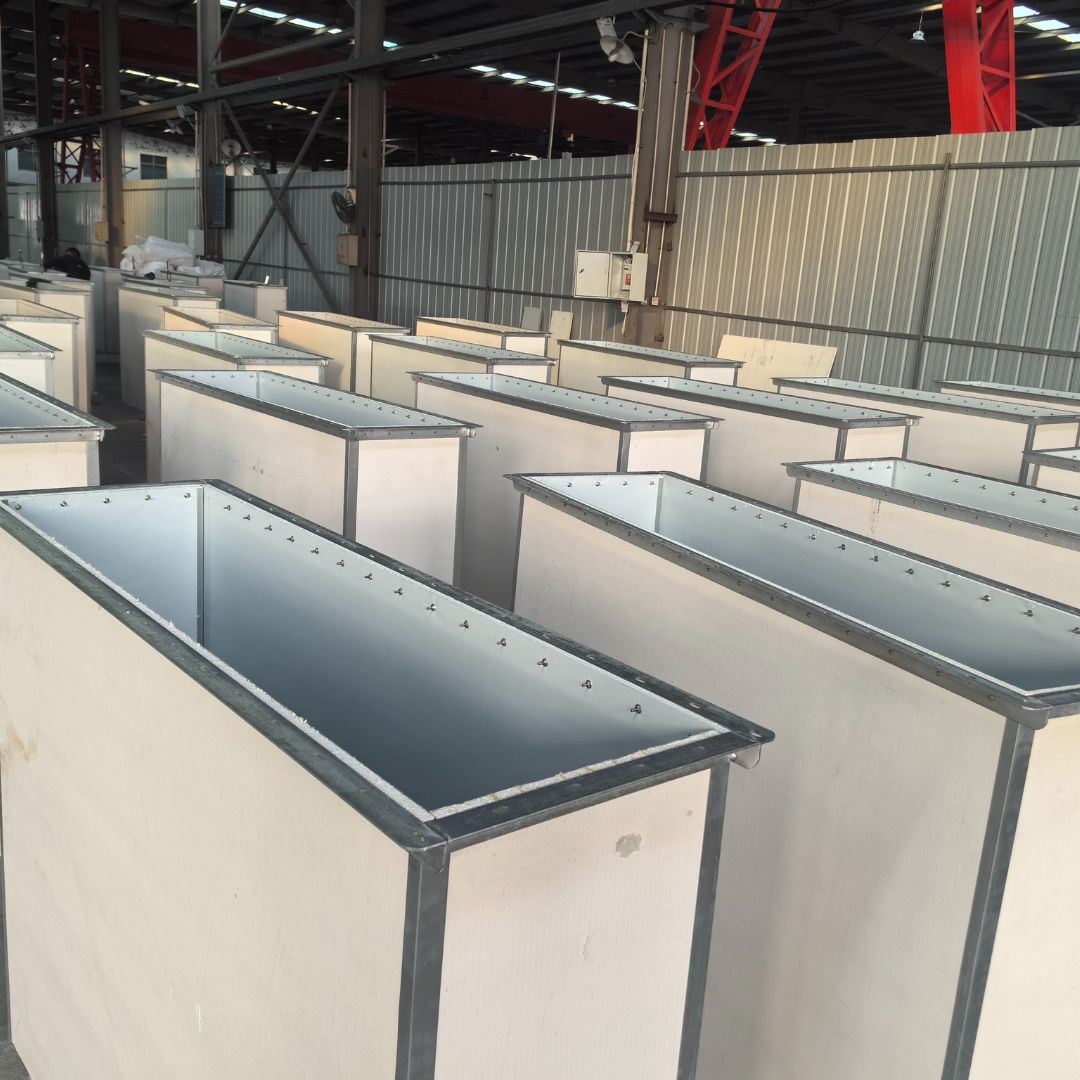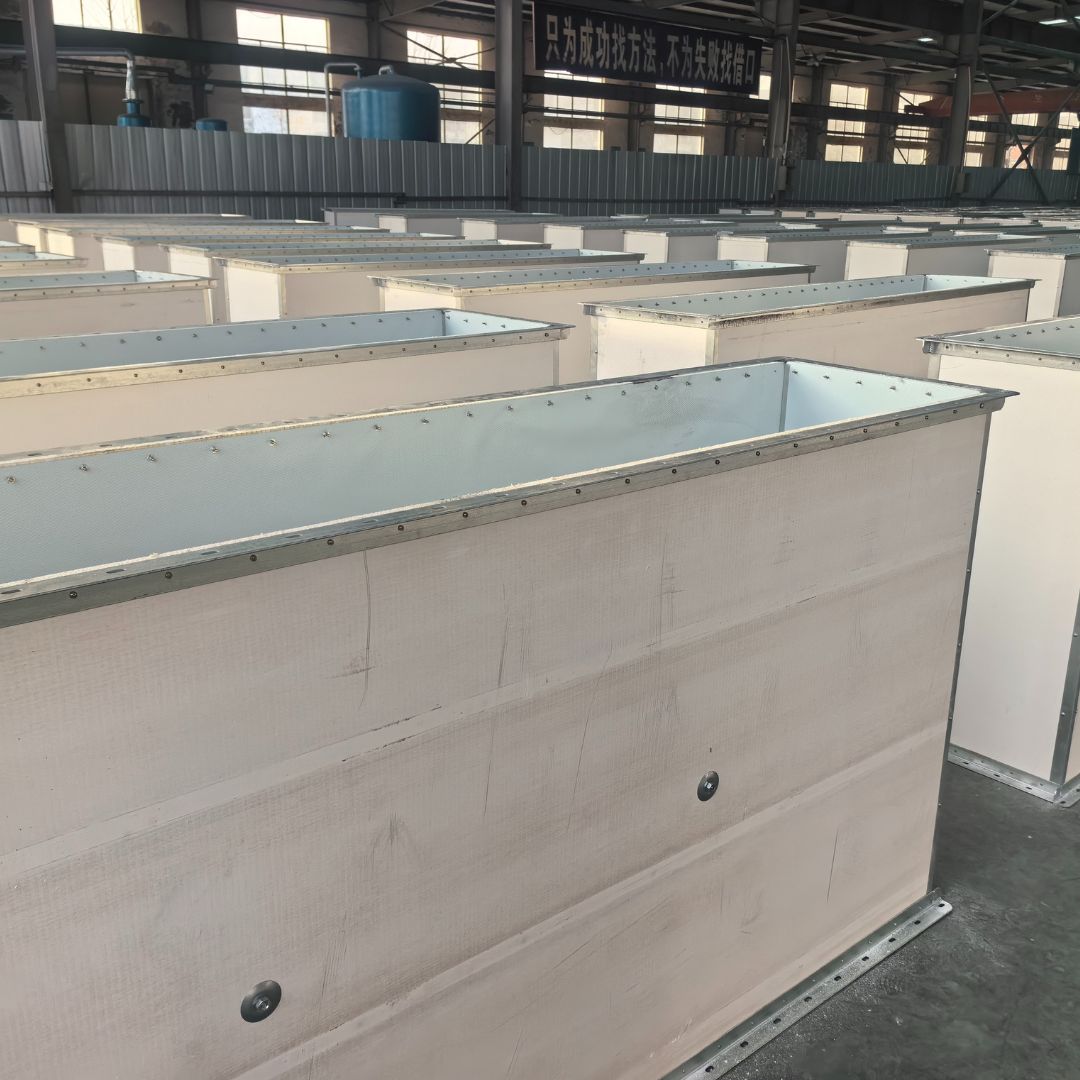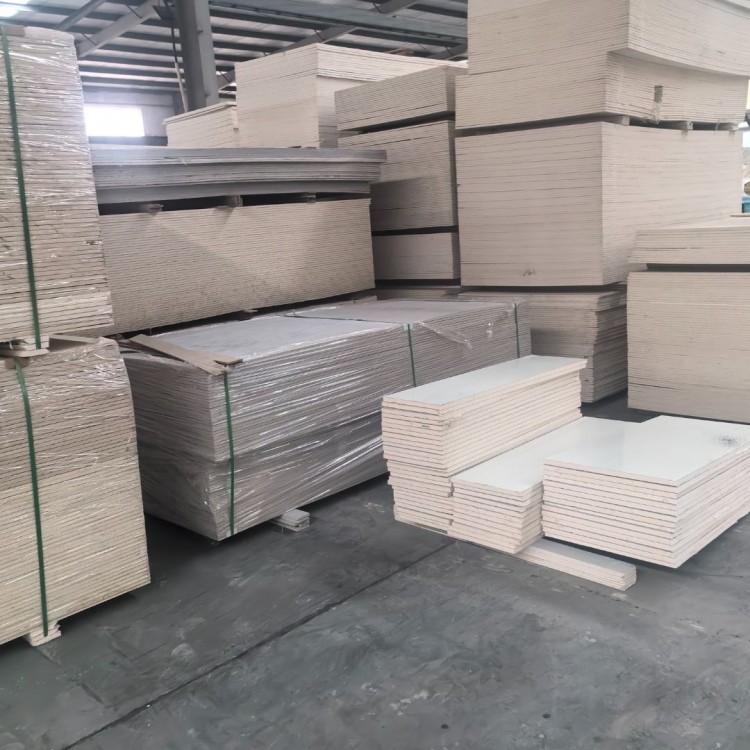
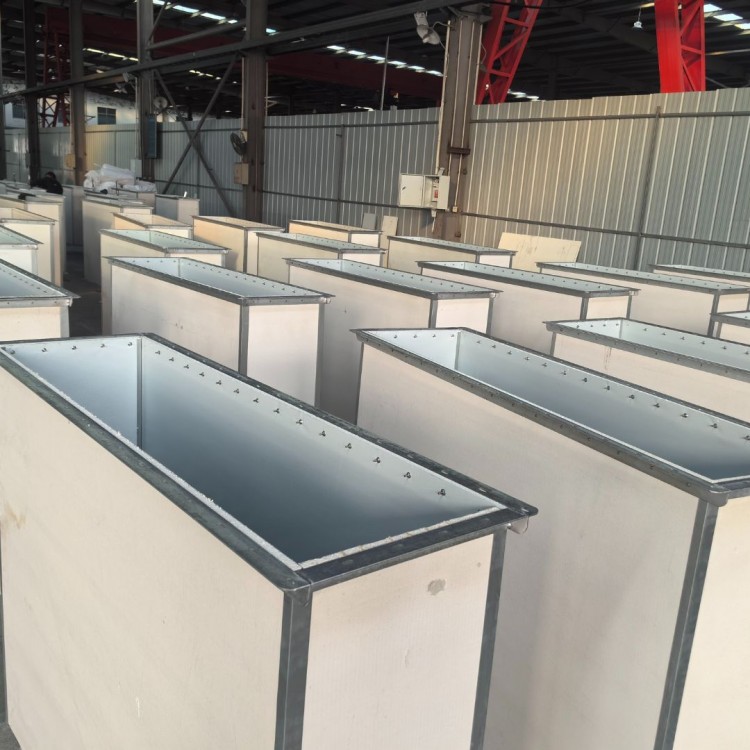









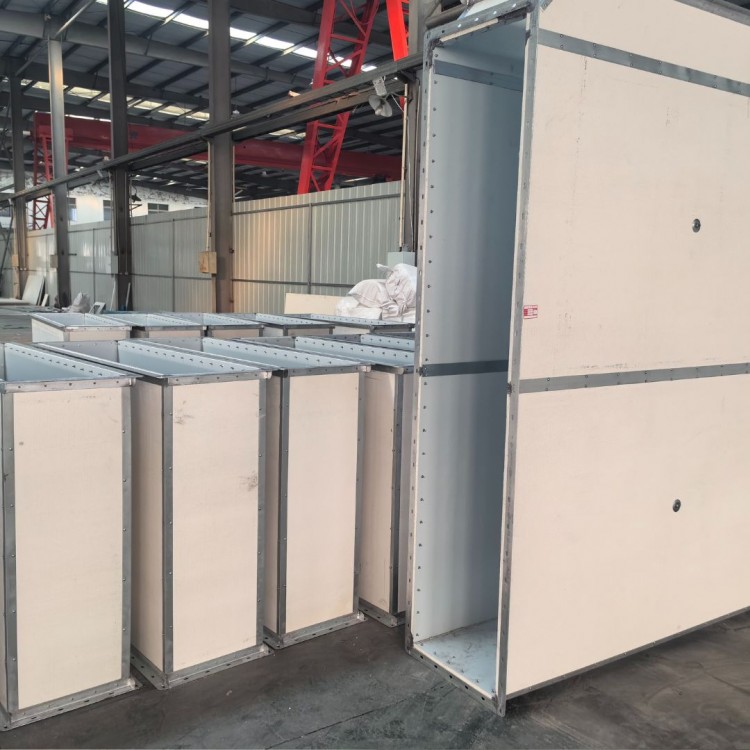
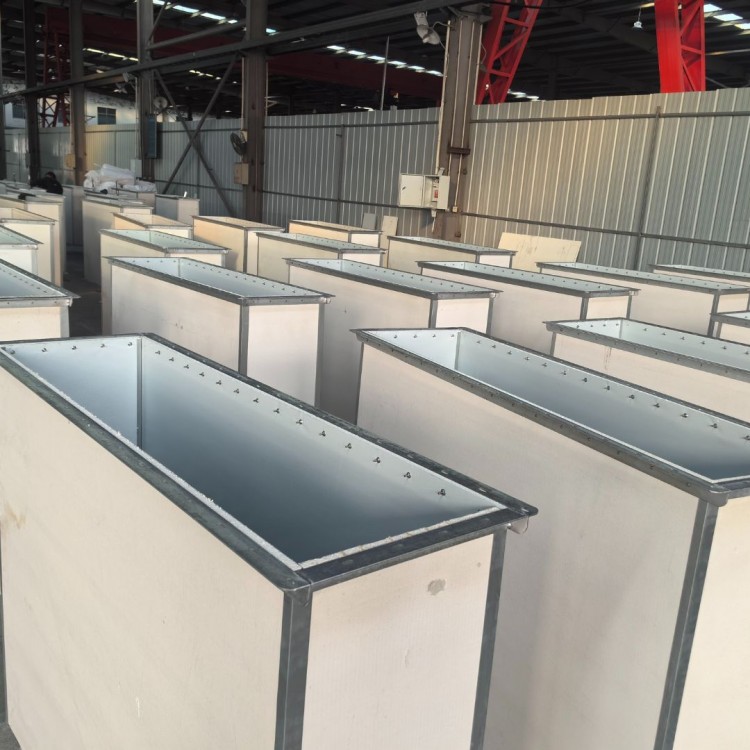

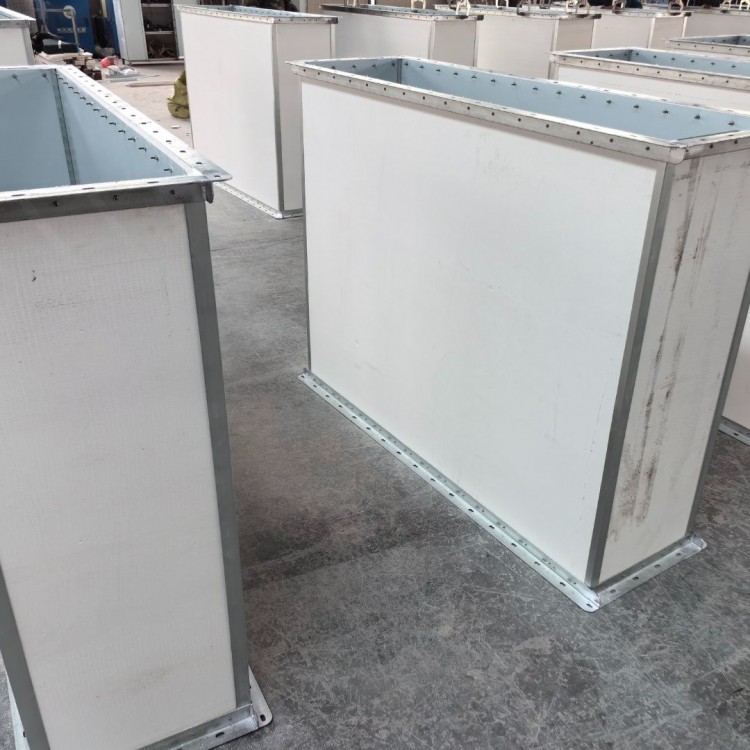
The operational principle of magnesium composite ductwork primarily relies on its unique material properties and design structure, making it play a crucial role in ventilation and air conditioning systems. Magnesium composite ductwork is typically made of magnesium materials, which boast benefits such as light weight, high strength, fire resistance, moisture resistance, and corrosion resistance, thus gaining widespread application in the construction industry. The design and manufacturing of magnesium composite ductwork take into account the specific requirements of ventilation and air conditioning systems to ensure the system's effective operation and long-term stability.
Lightweight and high-strength: The lightweight nature of magnesium materials helps reduce the load of buildings, while high-strength materials ensure the durability and stability of the ductwork.
Fire-resistant performance: The magnesium composite ductwork uses materials with A1 non-flammability, effectively preventing the spread of fire and enhancing the safety of the building.
Moisture and Corrosion Resistance: This duct maintains stability in humid environments, preventing corrosion and damage caused by moisture, thereby extending its service life.
Easy to Install and Maintain: The installation process for magnesium composite ductwork is simple and quick, and due to the unique properties of the material, maintenance costs are relatively low as well.
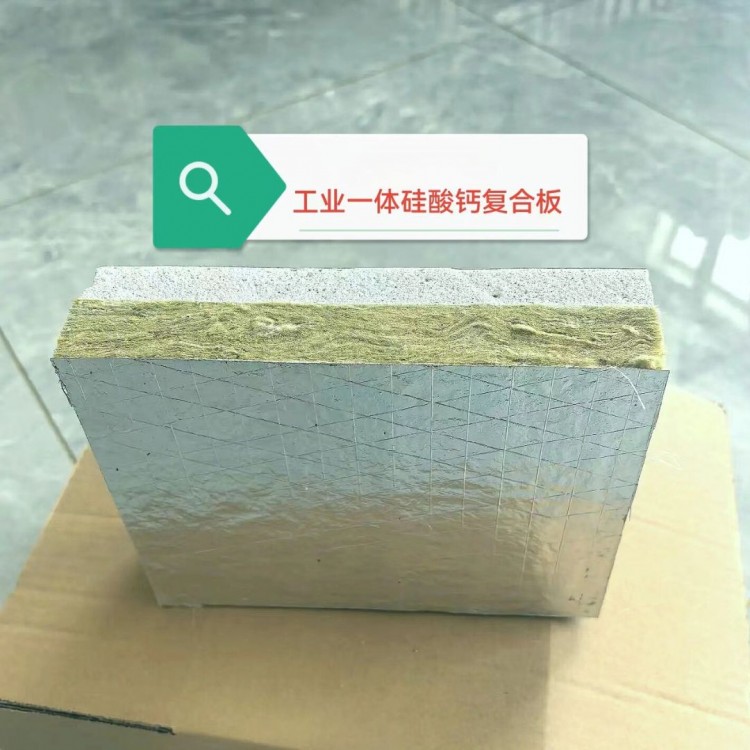
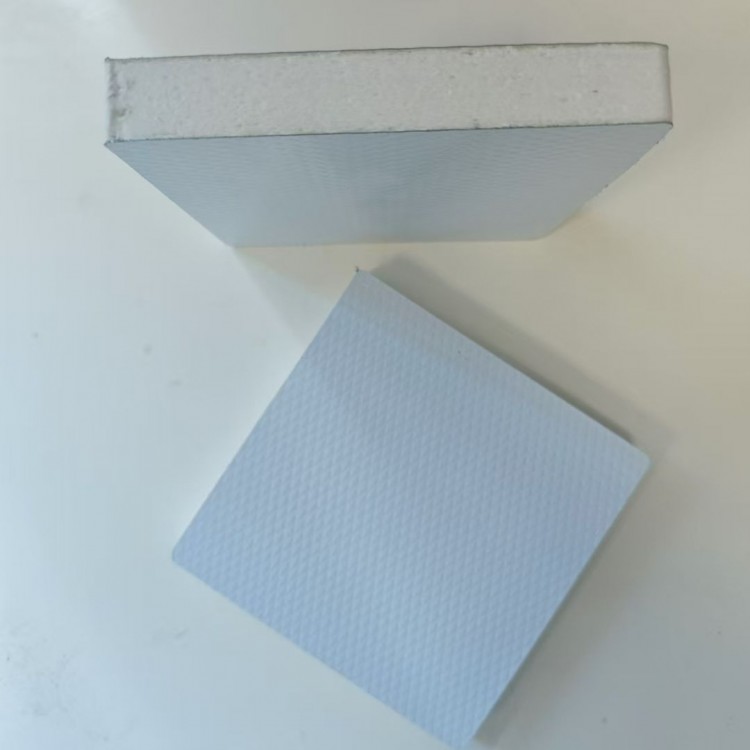
Additionally, the design of magnesium composite ducts takes both aesthetics and practicality into account, utilizing high-corrosion-resistant metal panels or high-strength anti-corrosion aluminum foil for the inner and outer walls. This not only enhances the durability of the ducts but also ensures their attractiveness in various environments. These features make magnesium composite ducts an ideal choice for ventilation and air conditioning systems.