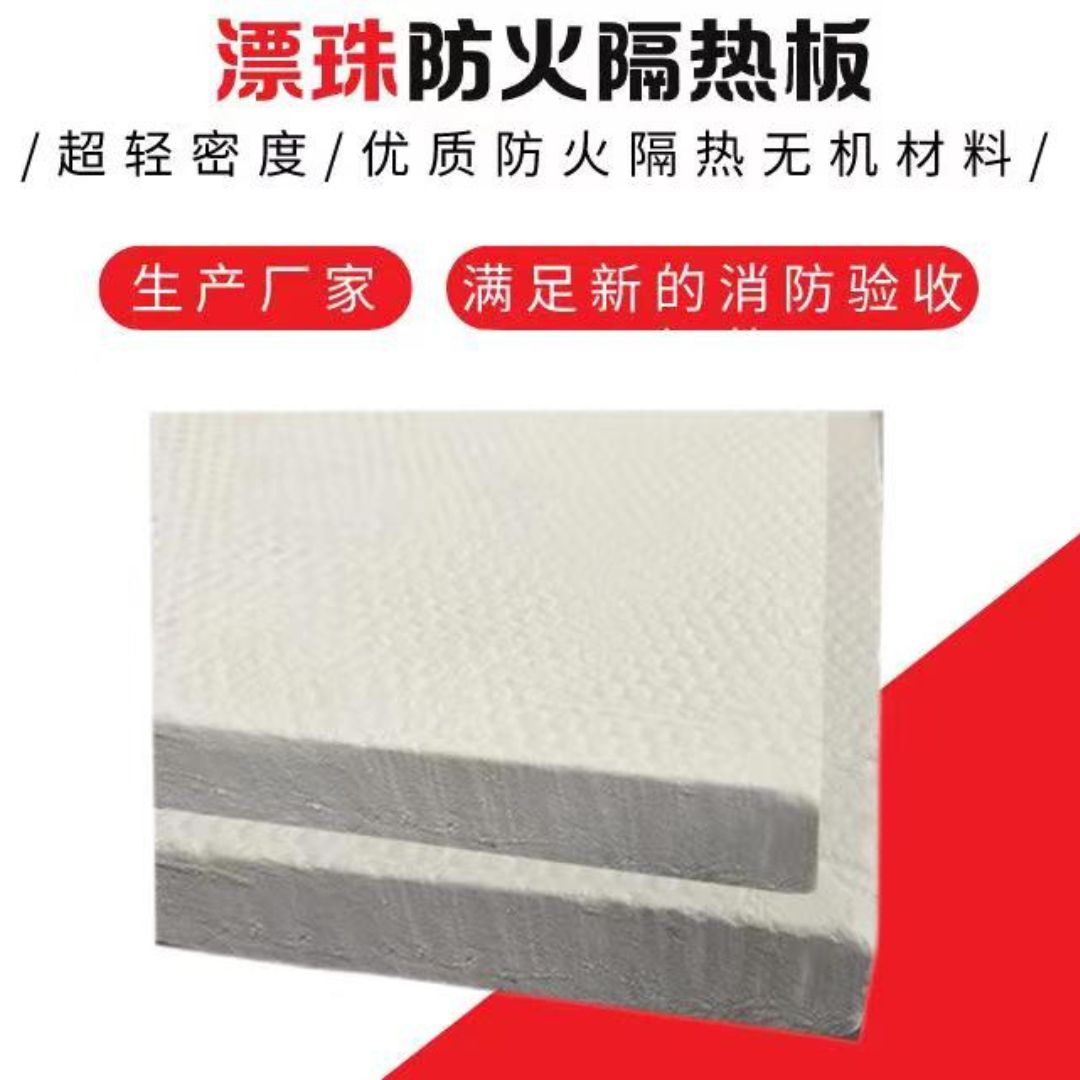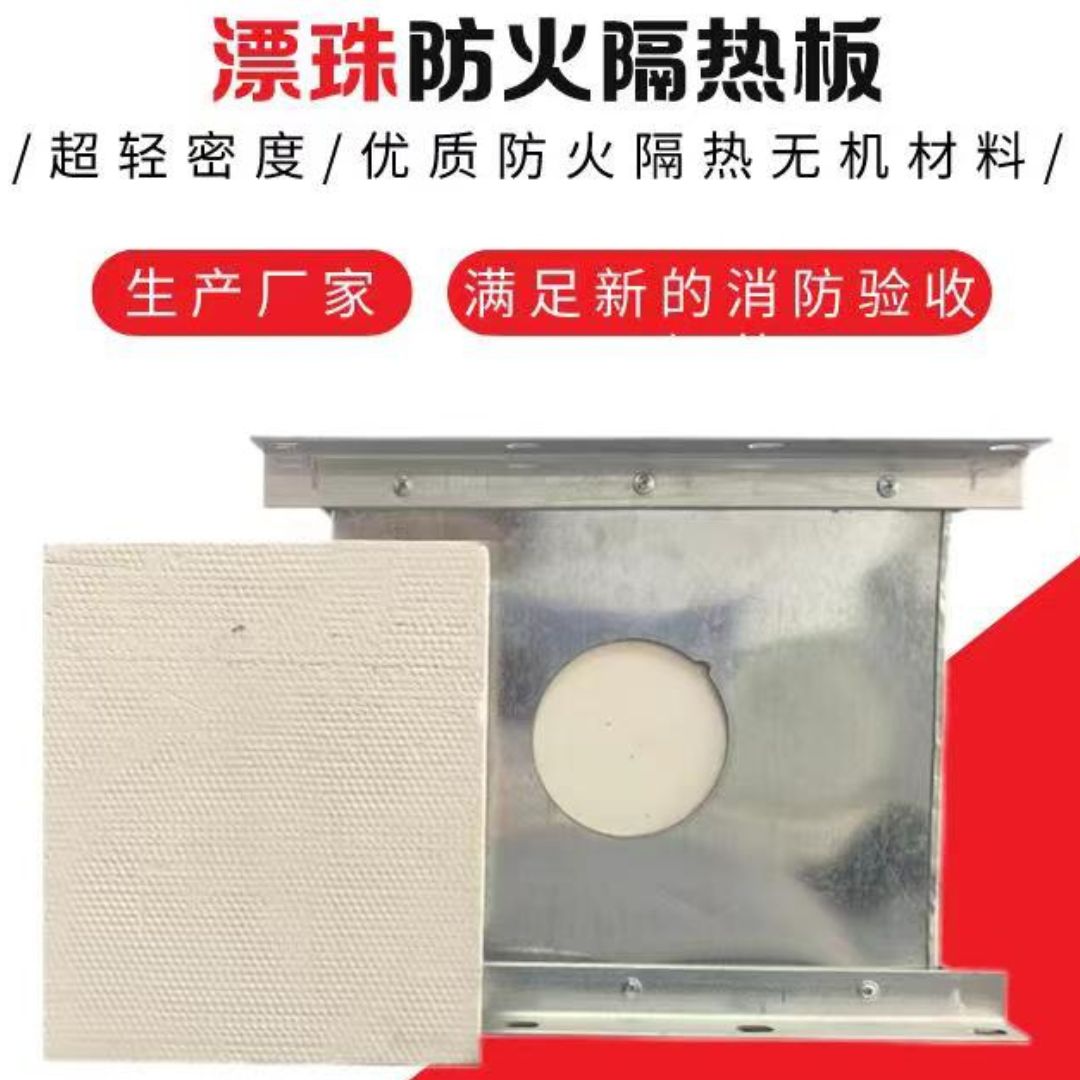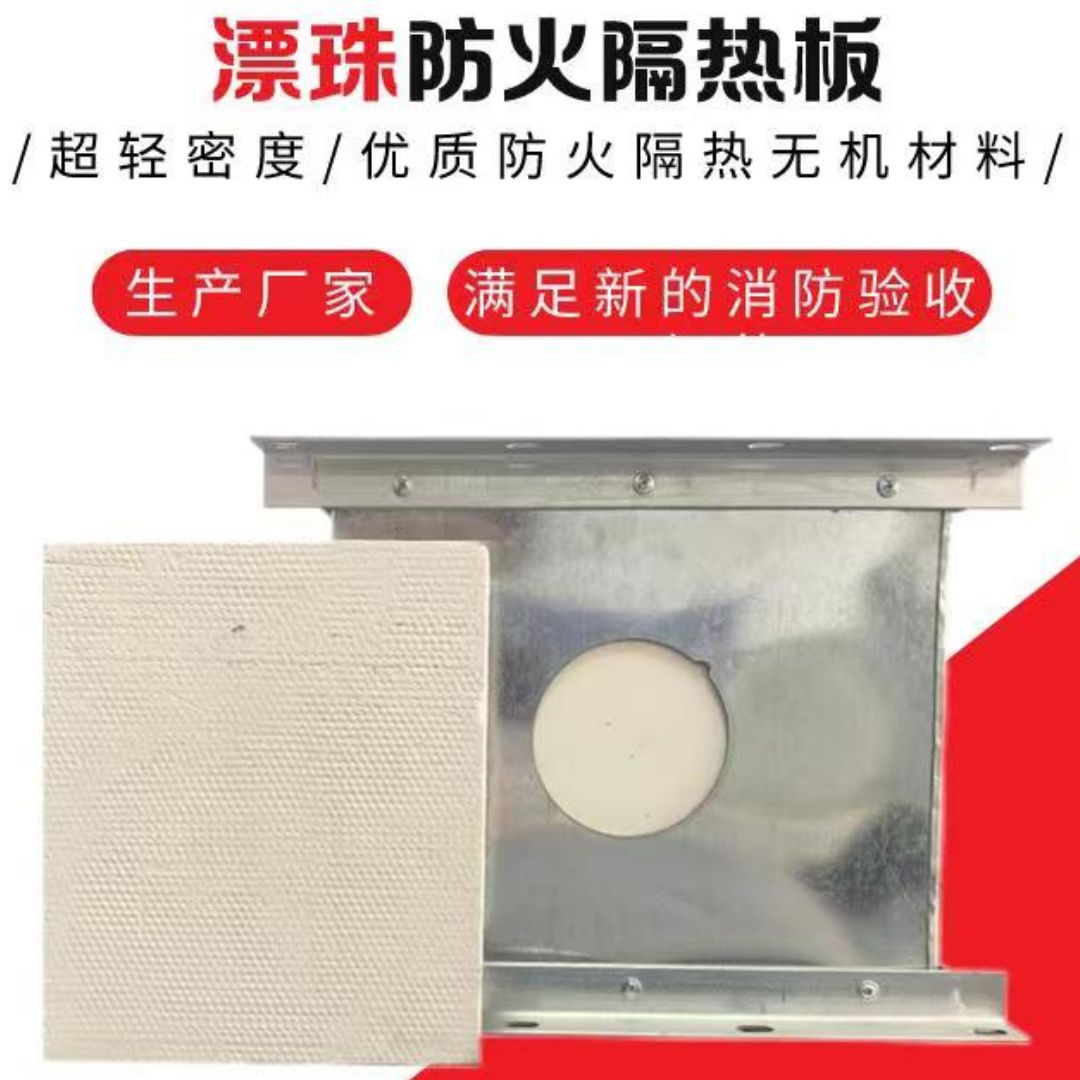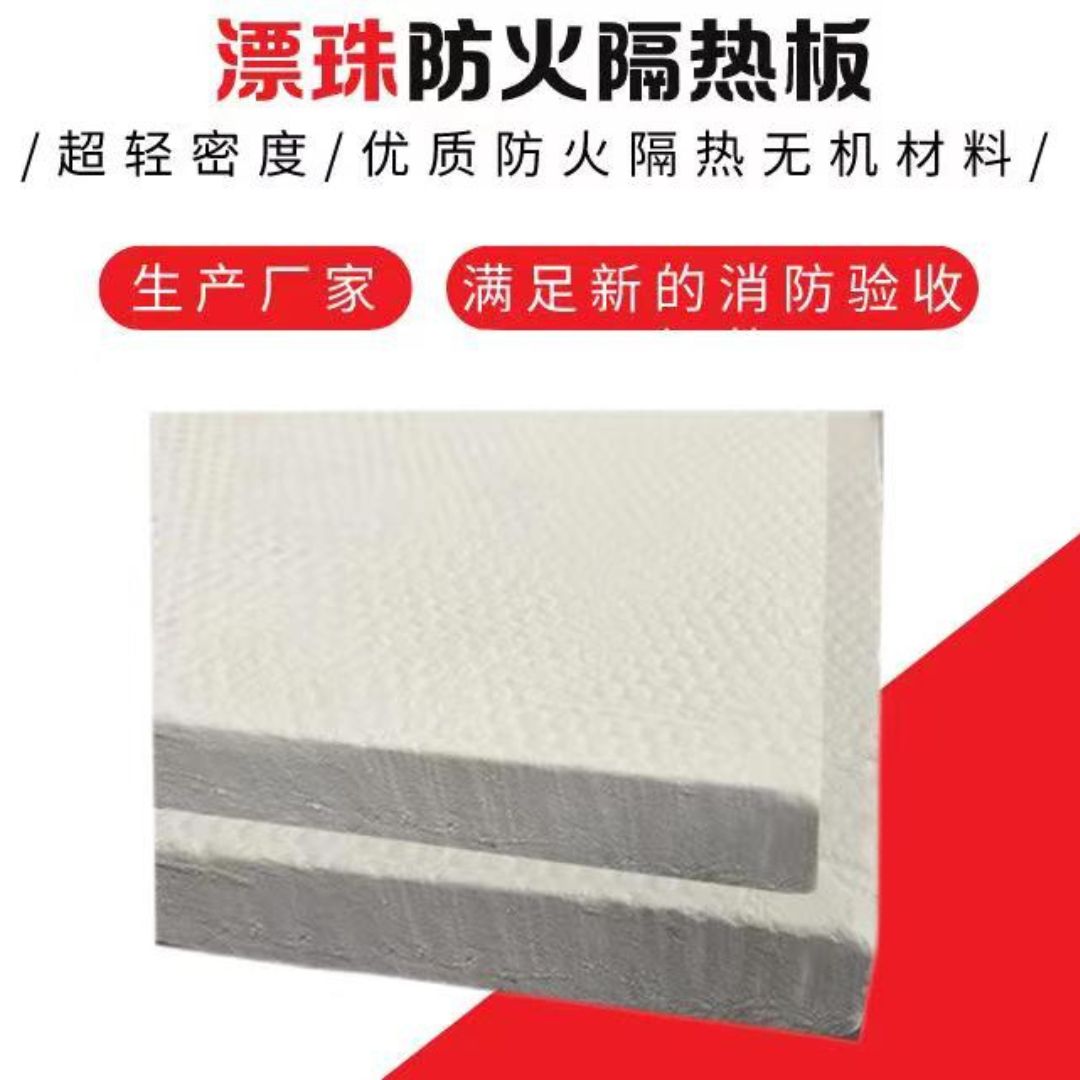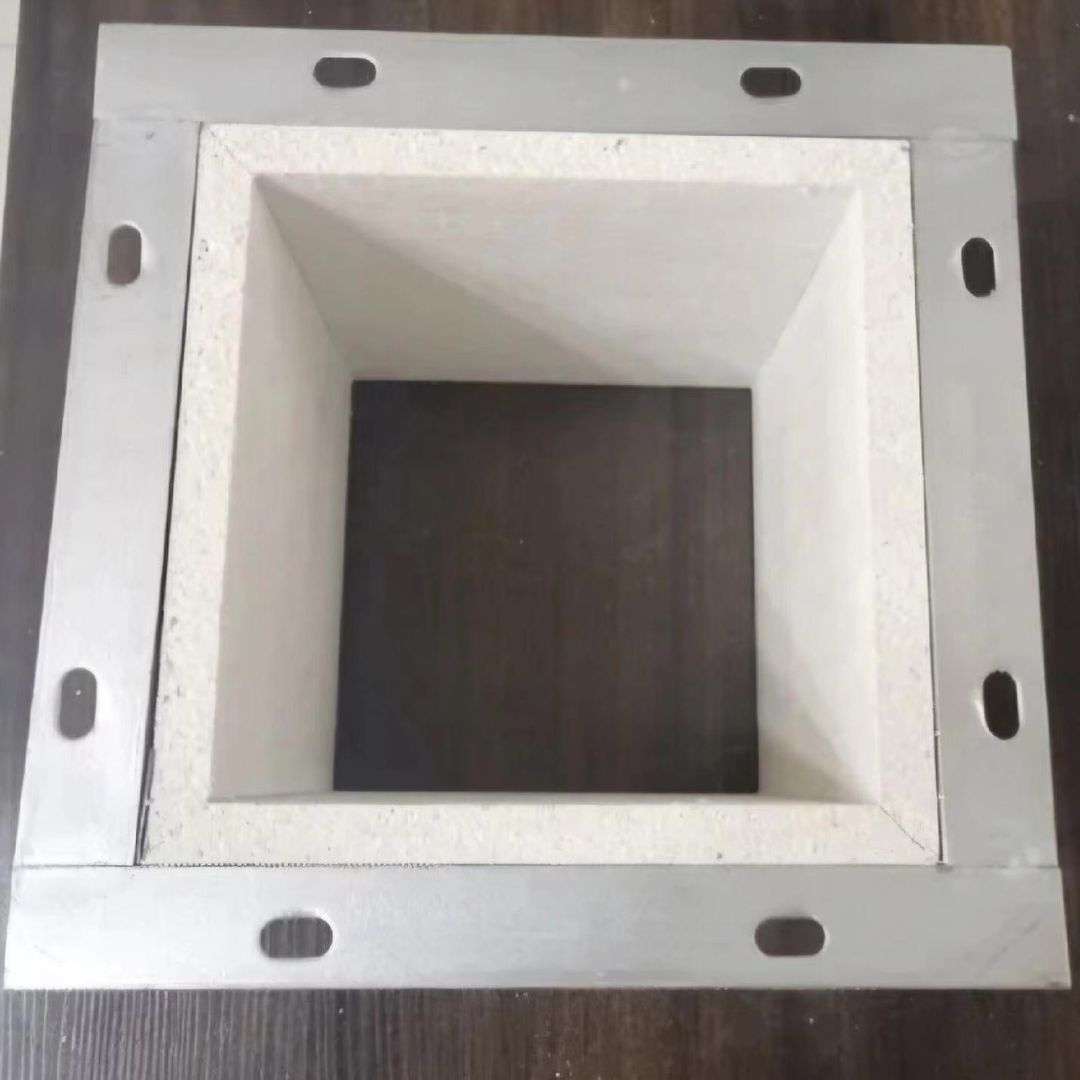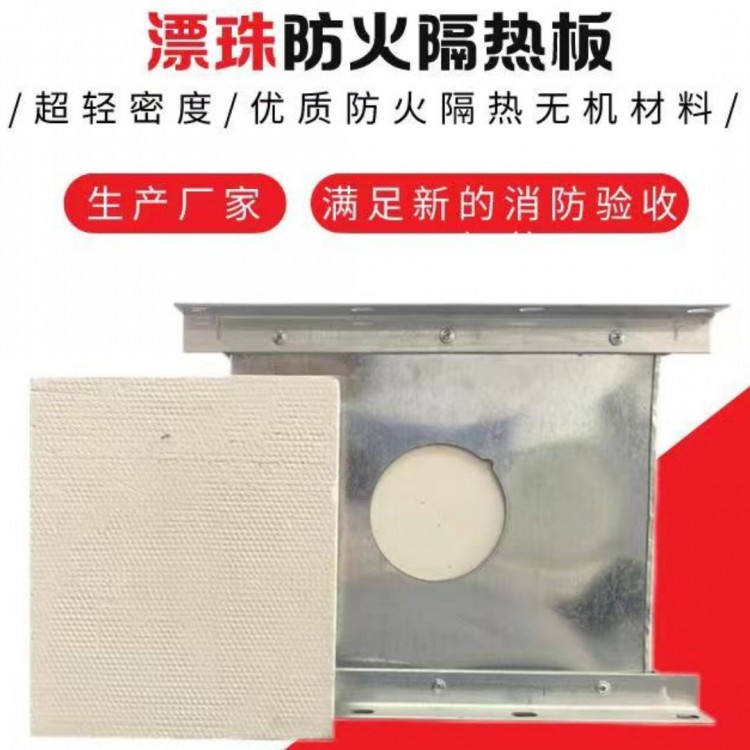
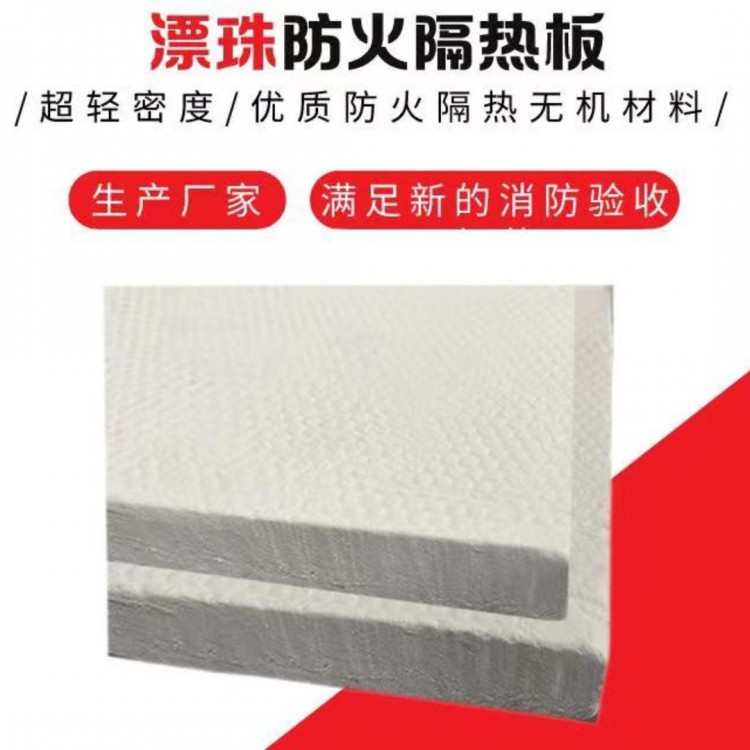










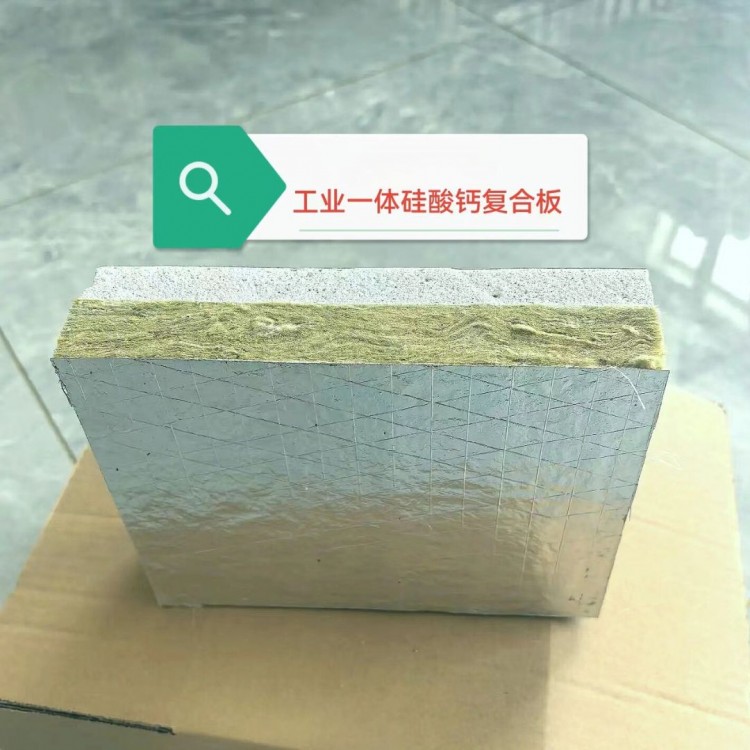
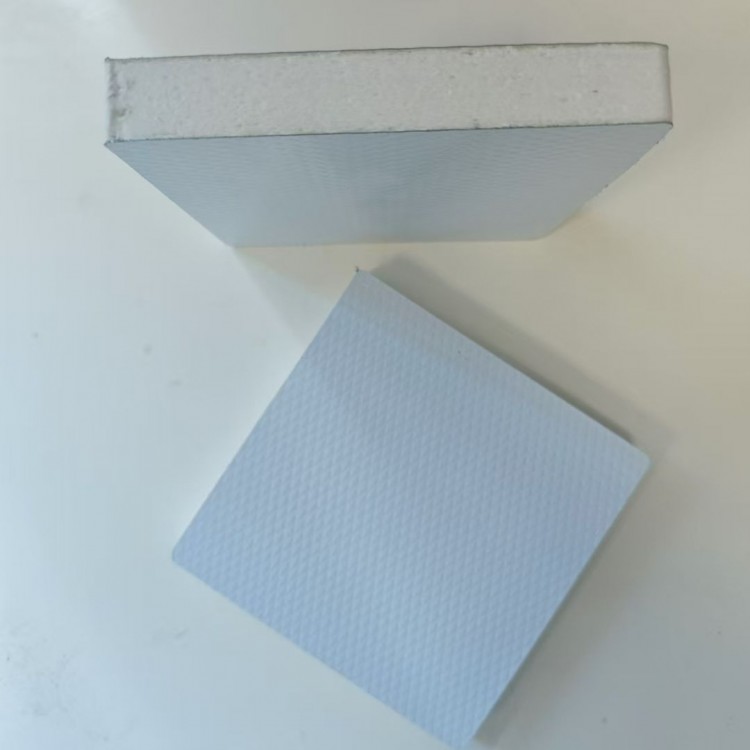
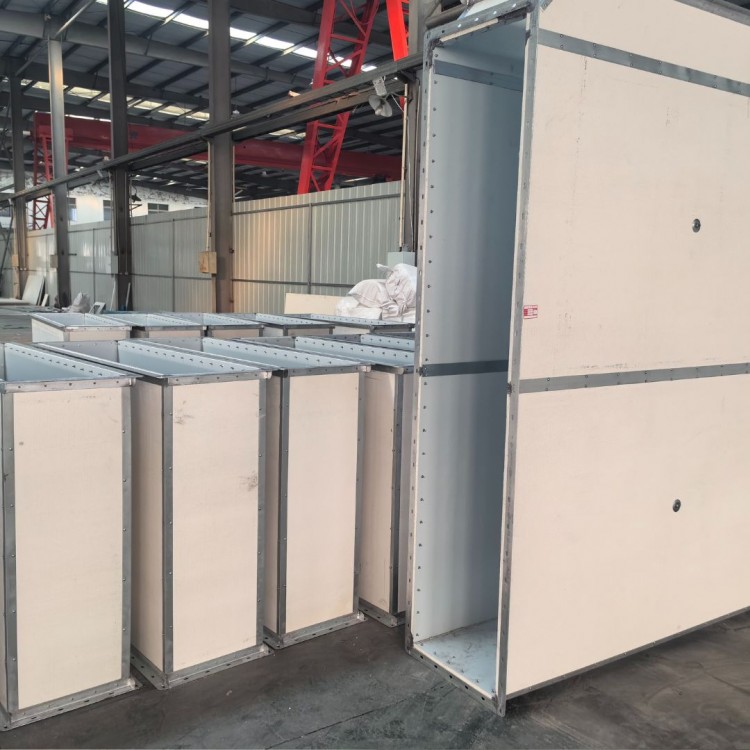
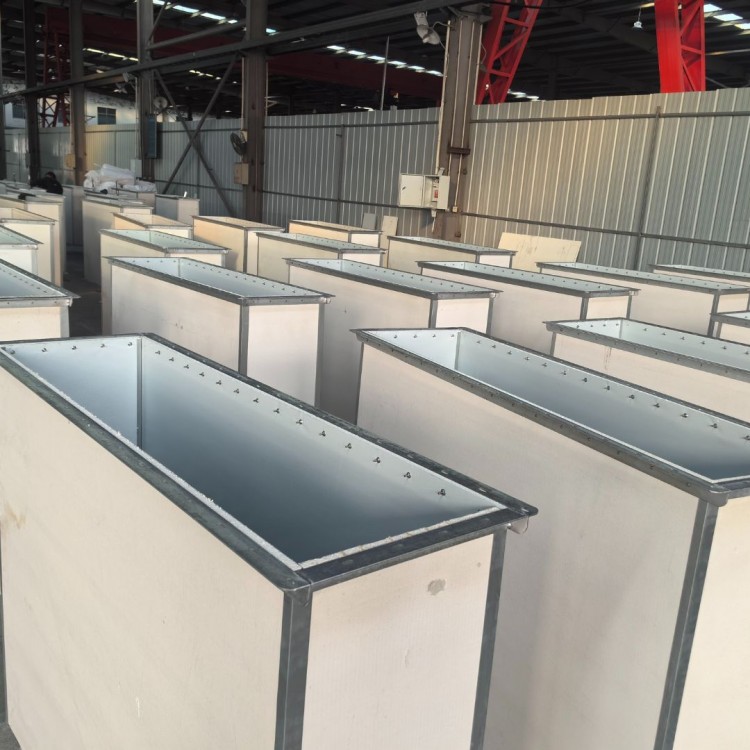

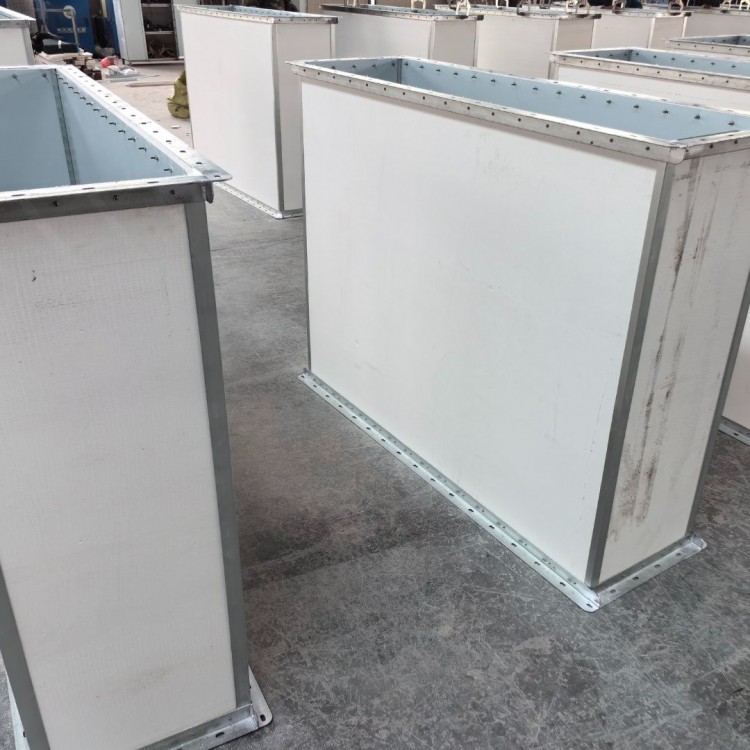
The working principle of the floating bead smoke exhaust duct is primarily based on its unique material properties and structural design. Floating beads, as a special material, are formed during the combustion process in power plant boilers and possess characteristics such as high refractoriness and low thermal conductivity. This material remains stable at high temperatures, is not easily combustible, thereby ensuring the fire-resistant properties of the duct. The design and manufacturing of the floating bead smoke exhaust duct emphasize energy conservation and environmental protection, earning an environmental label certification. The raw materials are free of asbestos, meet the A-class material radioactive requirements, have a low thermal conductivity, and comply with the energy-saving requirements of green buildings. Additionally, these ducts use C-type flanges for connection, have a smooth appearance, can save ceiling space in spaces with limited height, do not require reserved processing space, can be installed flush with the ceiling, have a light weight, and effectively reduce the building load. These features make the floating bead smoke exhaust duct widely used in projects such as subway systems, high-speed rail, airports, medical facilities, venues, universities, and large-scale industrial buildings, and have received high recognition.
Specifically, the fire-resistant performance of the fireproof smoke exhaust ducts with expanded perlite is attributed to its high耐火度 and low thermal conductivity, which allows it to maintain structural stability during fires and prevent the spread of flames. Additionally, its energy-saving and environmentally friendly characteristics, such as being asbestos-free and meeting radiation safety requirements, align with the stringent environmental and safety standards of modern architecture. Moreover, the design of the ducts takes into account space utilization efficiency, with the use of C-type flange connections and ceiling-mounted installations, which not only enhances the efficiency of space use but also reduces the building load, further enhancing its application value in modern buildings.