








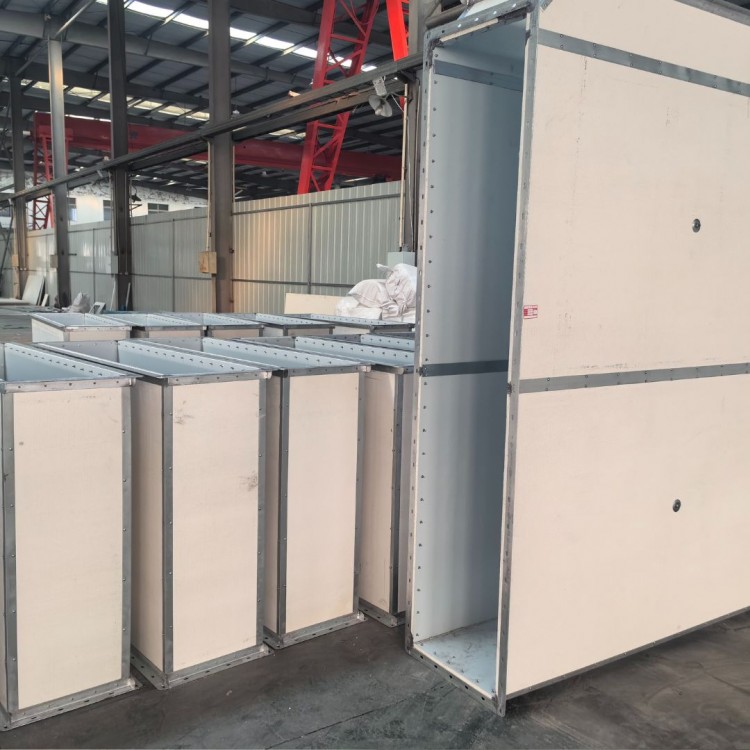
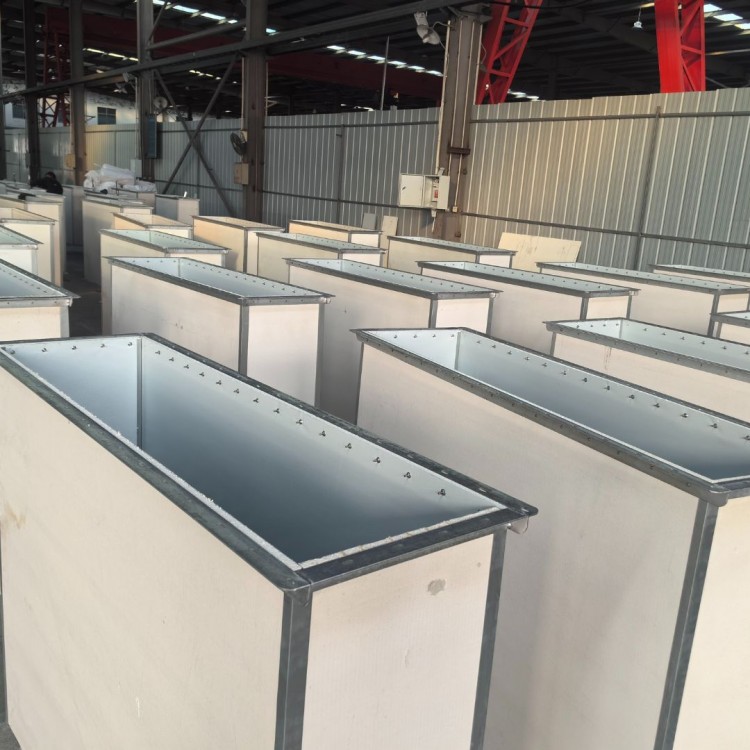

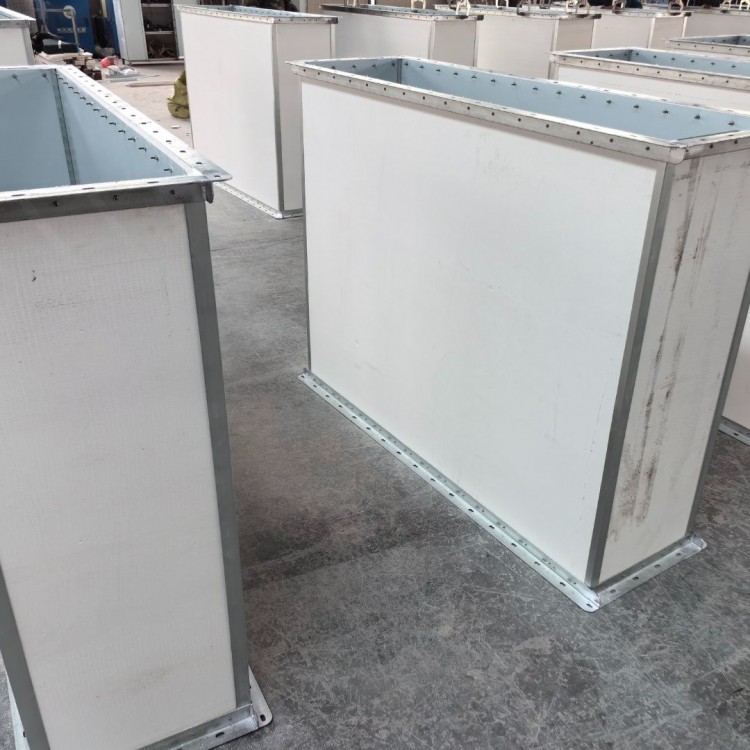
The principle of smoke and exhaust air ducts involves, during a fire, preventing smoke from entering specific areas by using mechanical pressurization to activate smoke control and exhaust systems. This ensures the smoke is expelled outside the building, thereby safeguarding the safety of the evacuating crowd. Specifically, the functions of smoke and exhaust air ducts include:
Smoke Control System (Positive Pressure Supply): Prevents smoke from fire entering stairwells, vestibules, and refuge floors by introducing air from the outside, thus avoiding asphyxiation of the refuge population.
Exhaust System (Negative Pressure Ventilation): Removes smoke to the outside of the building to clear indoor smoke, maintain clear visibility, and facilitate evacuation and rescue operations.
Make-up Air Duct: Supplements the air volume of the exhaust system, maintains the air pressure difference between indoors and outdoors, and enhances the exhaust effect.
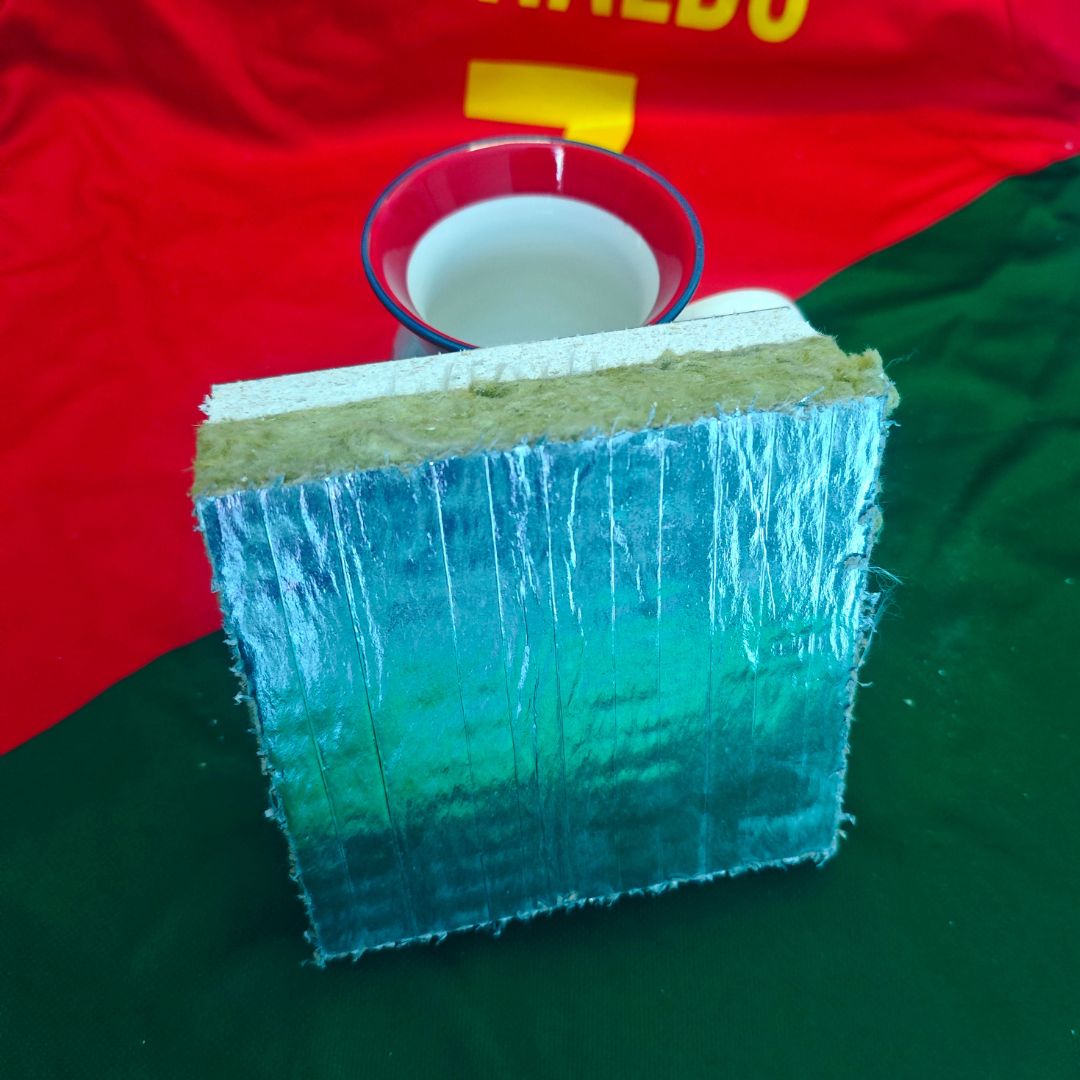
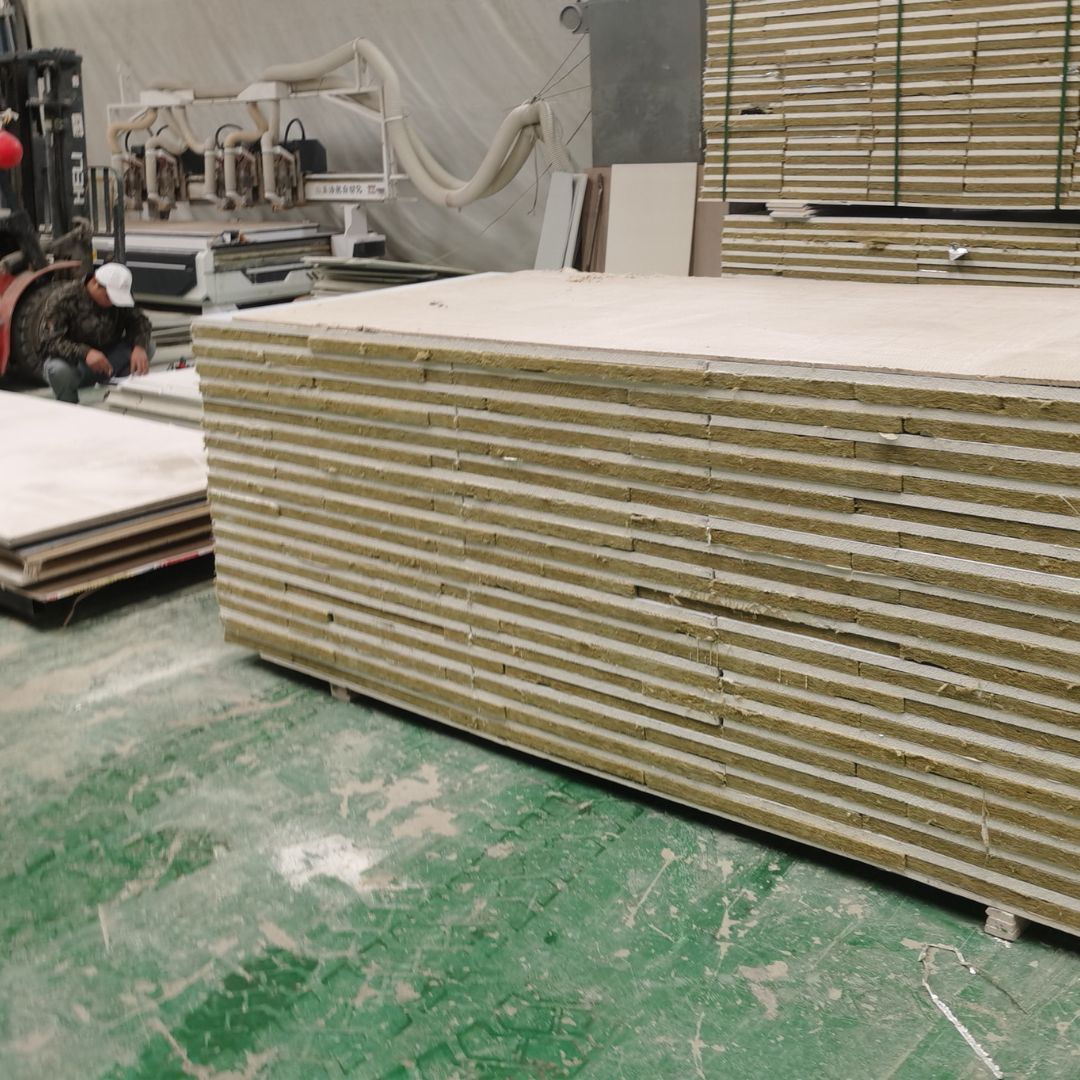
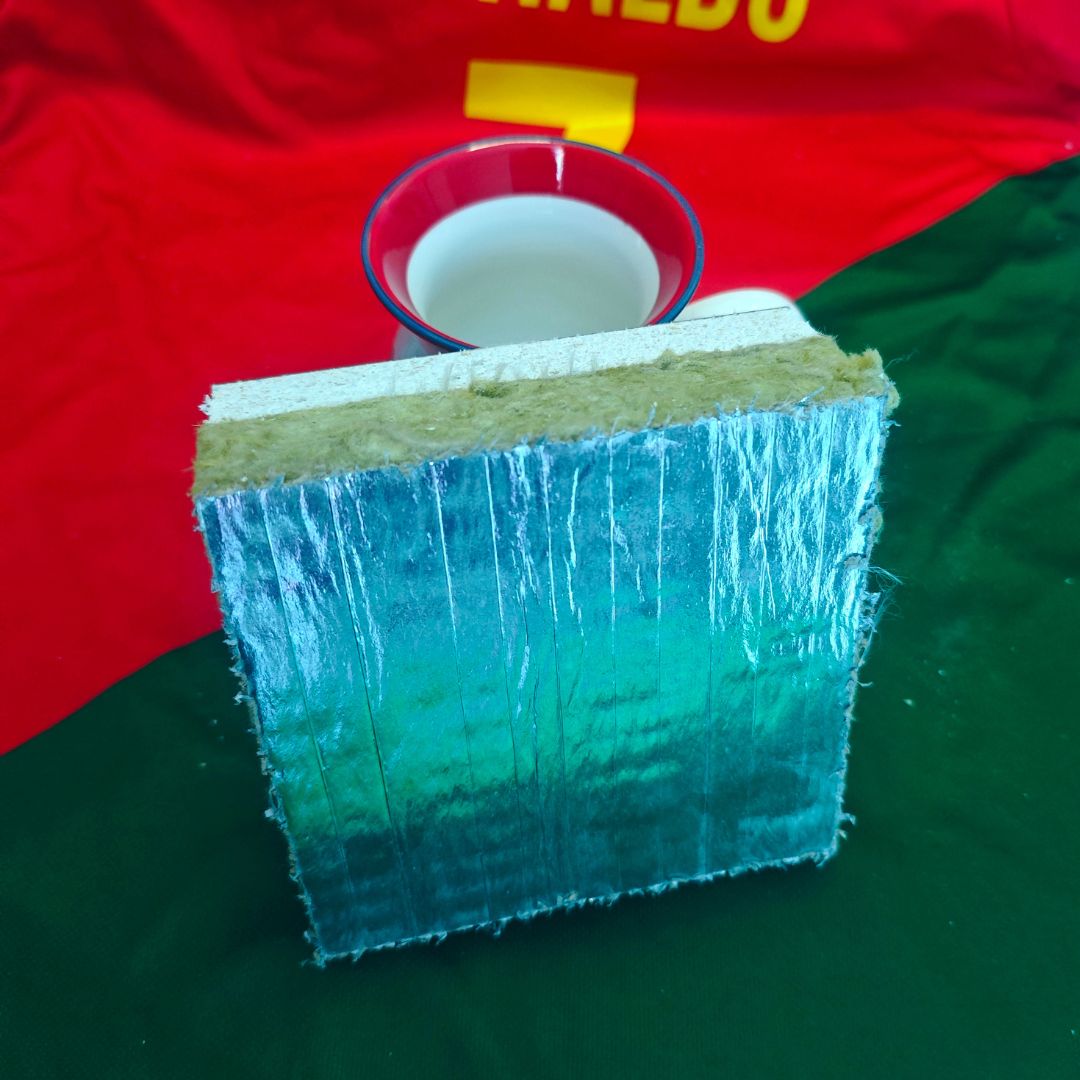
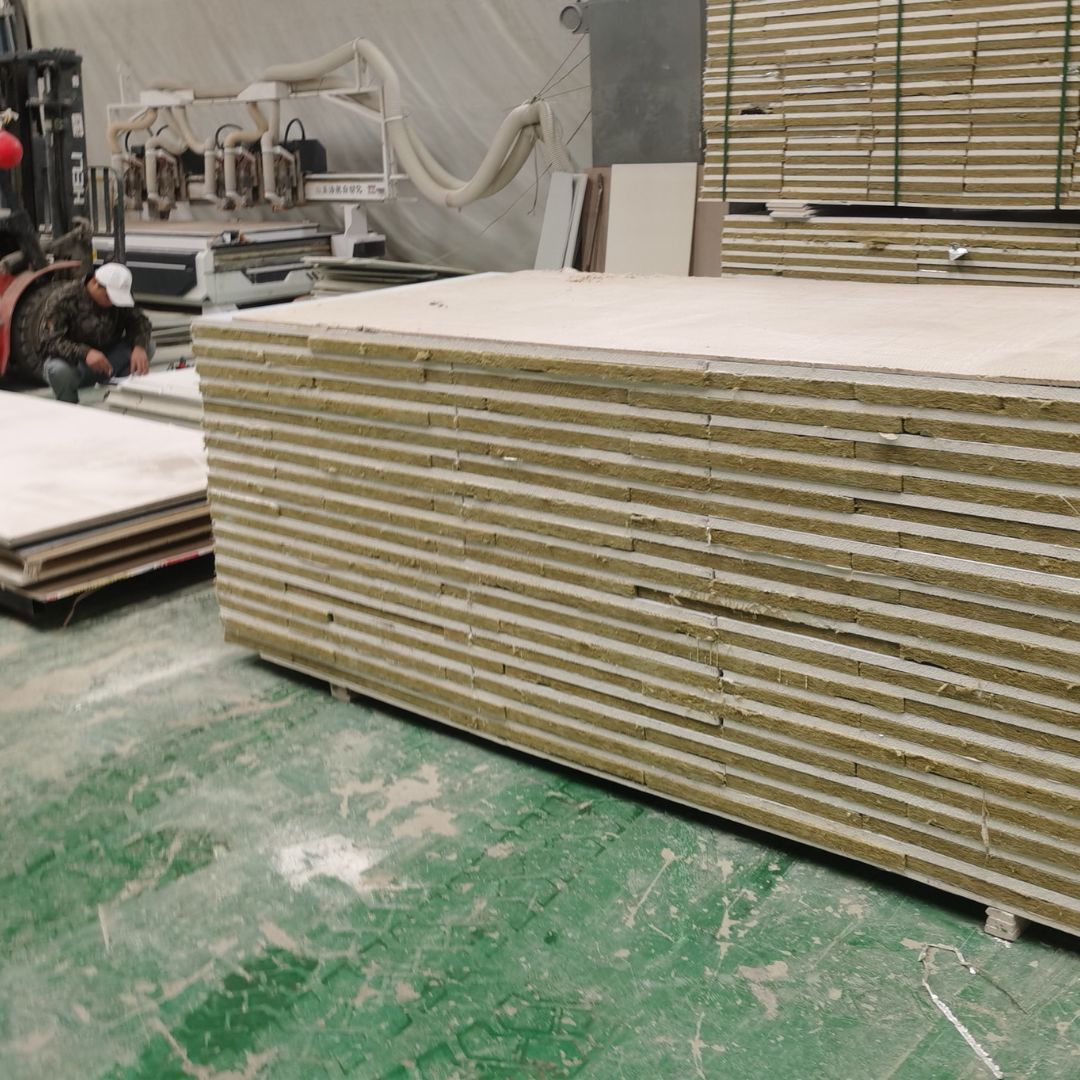
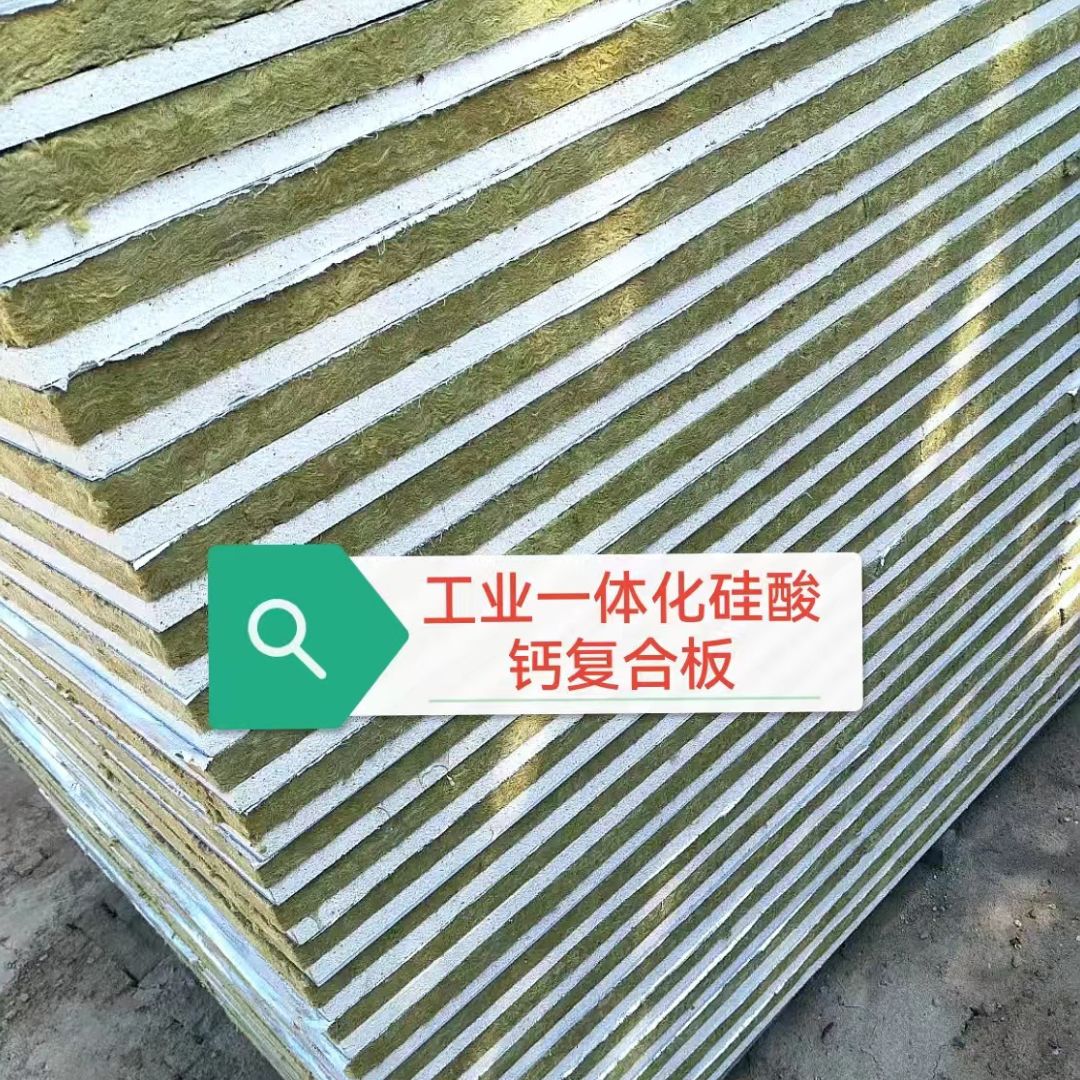
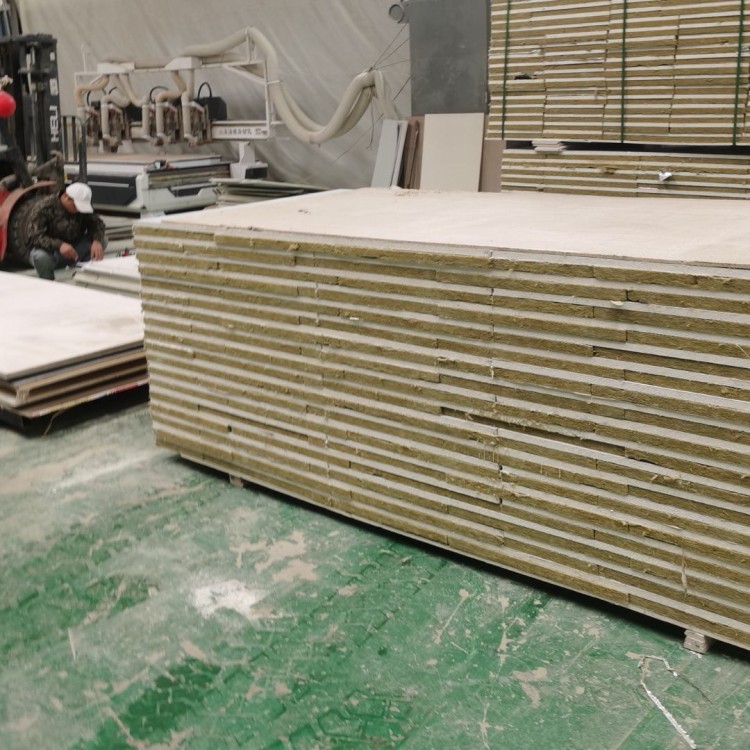
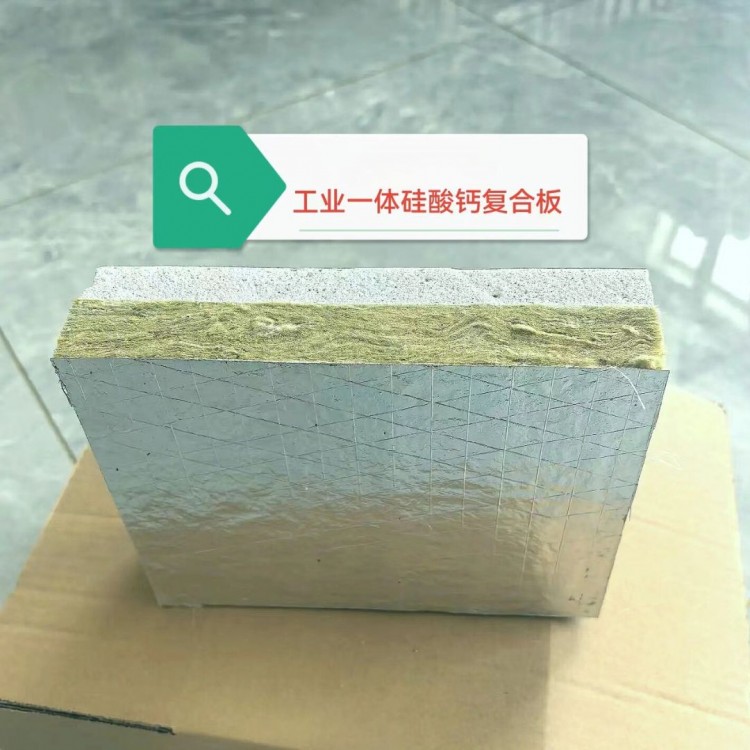
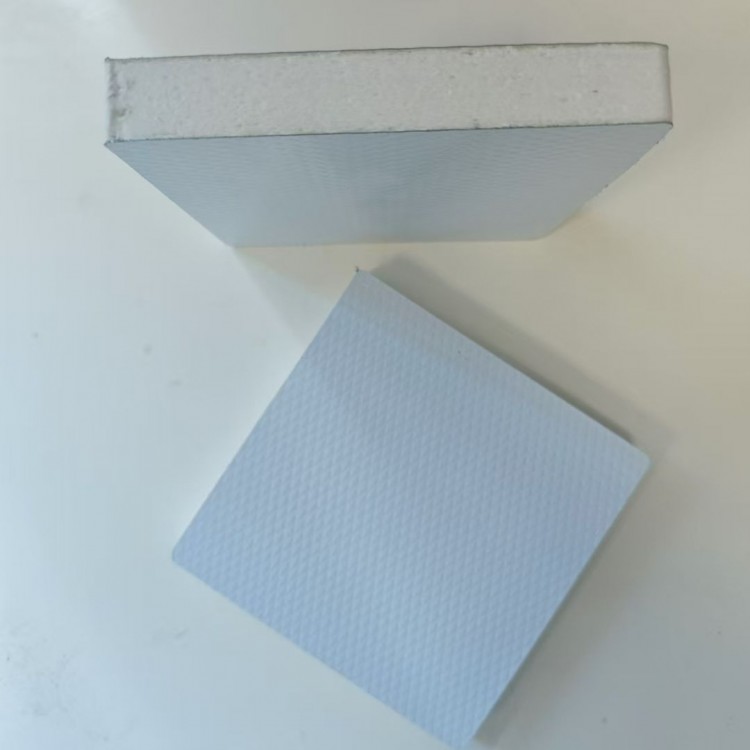
Additionally, the requirements for fire and smoke exhaust composite ducts are governed by regulations such as the "Ventilation Pipeline Technical Code" and the "Technical Standards for Fire and Smoke Exhaust Systems in Buildings." The material should consist of non-combustible materials, the fire resistance level should comply with design specifications, and the fire resistance time should meet design requirements. The performance capabilities of fire-resistant ducts include fire resistance limits (integrity, insulation), pressure resistance requirements (micro-pressure and low-pressure, medium-pressure, high-pressure duct pressure resistance), and air-tightness requirements (not exceeding the air leakage limit under the corresponding working pressure, ensuring airtightness during duct connections).
In summary, the principle of the fire smoke exhaust composite duct is achieved through the operation of a system that employs positive pressure air supply and negative pressure exhaust, along with the use of makeup air ducts, to prevent the intrusion of fire smoke and the exhaust of smoke, thereby ensuring personnel safety.