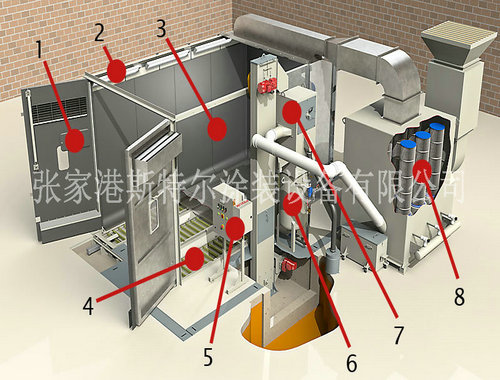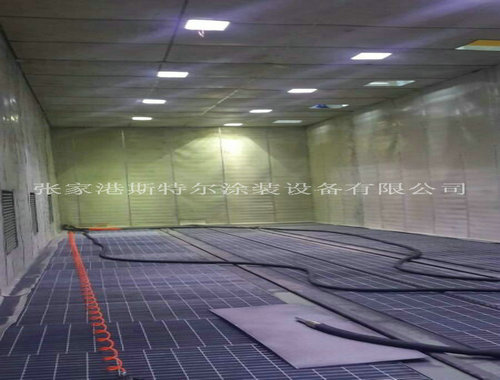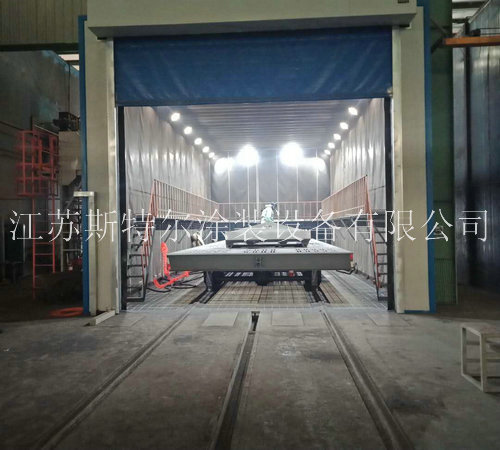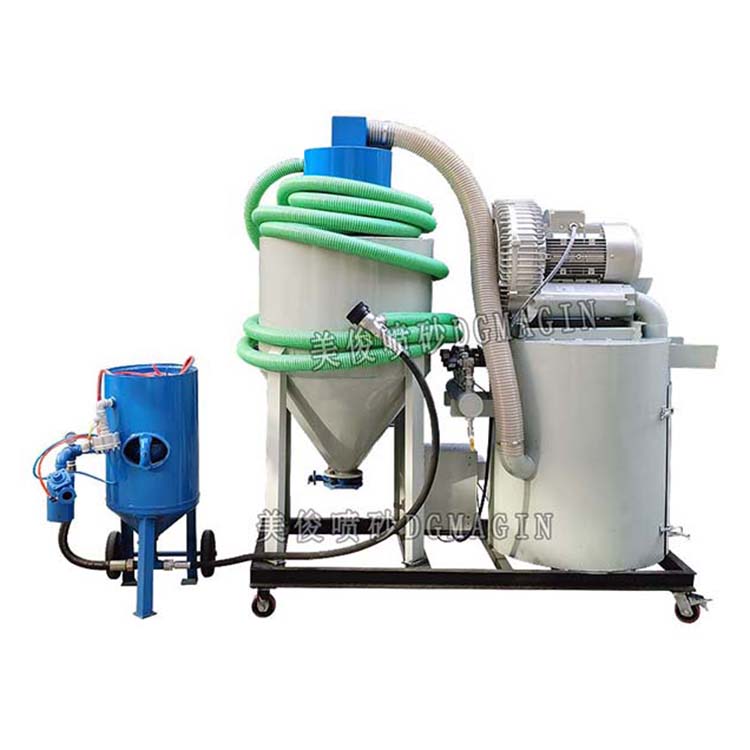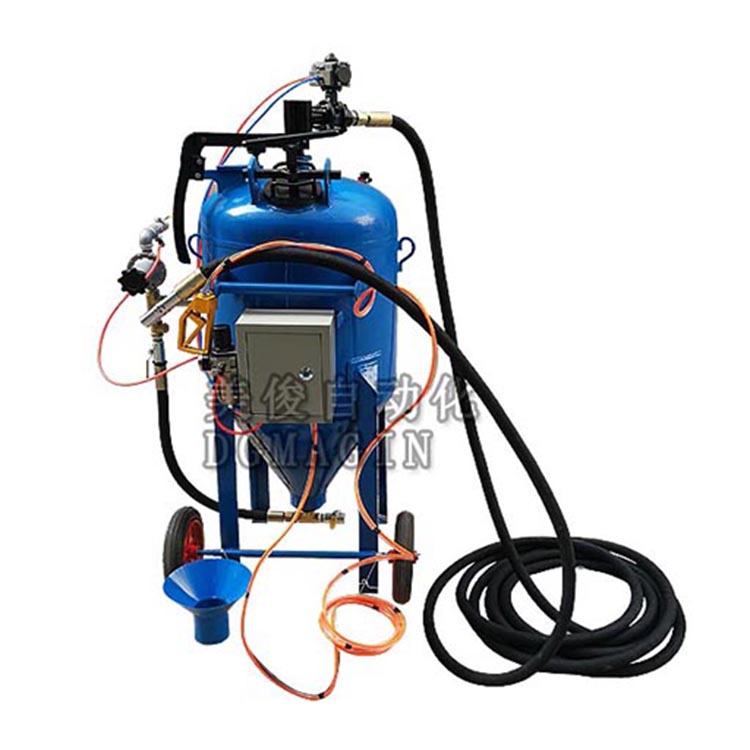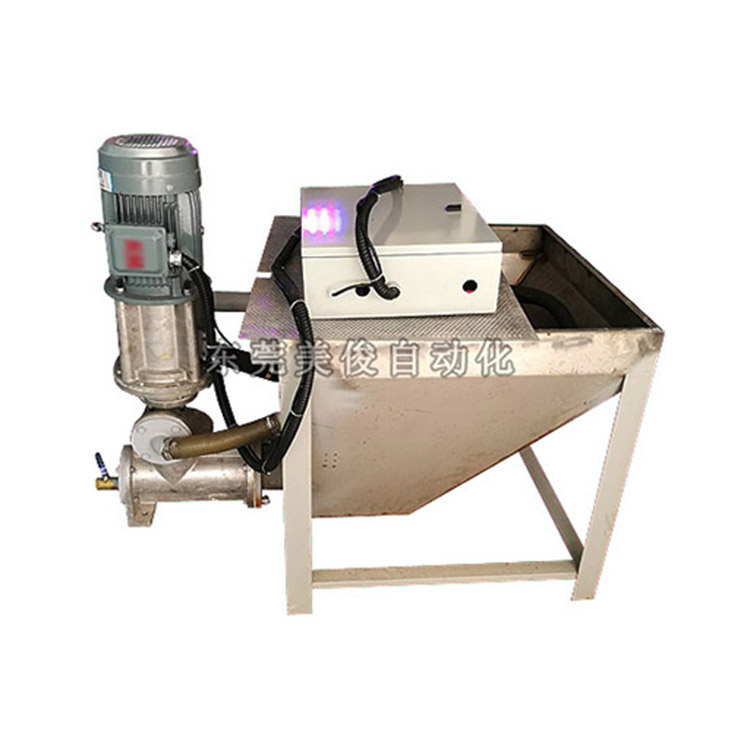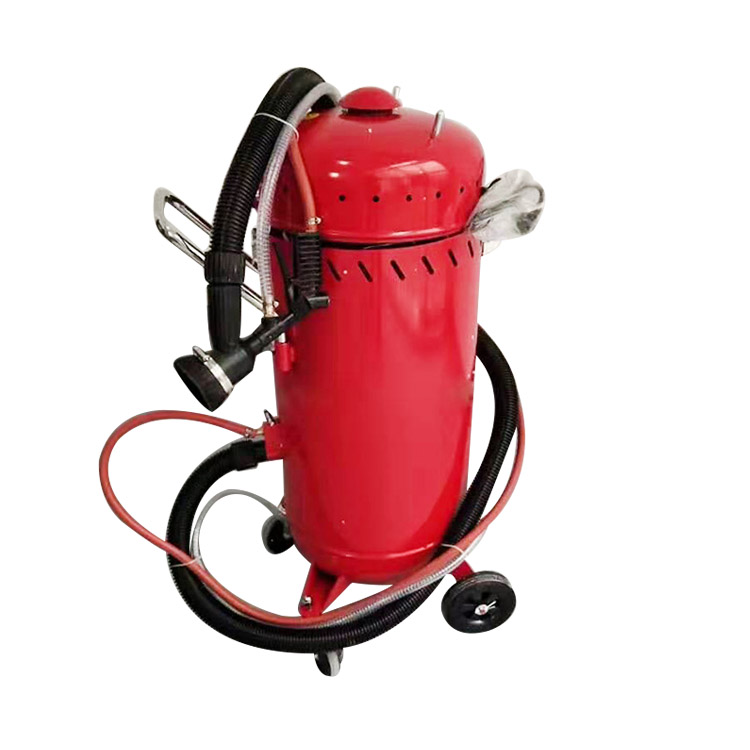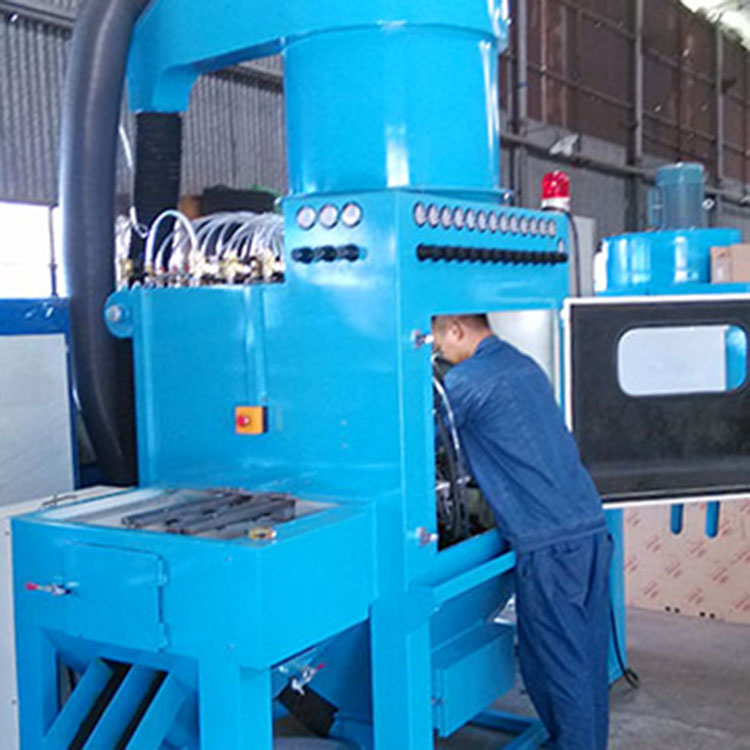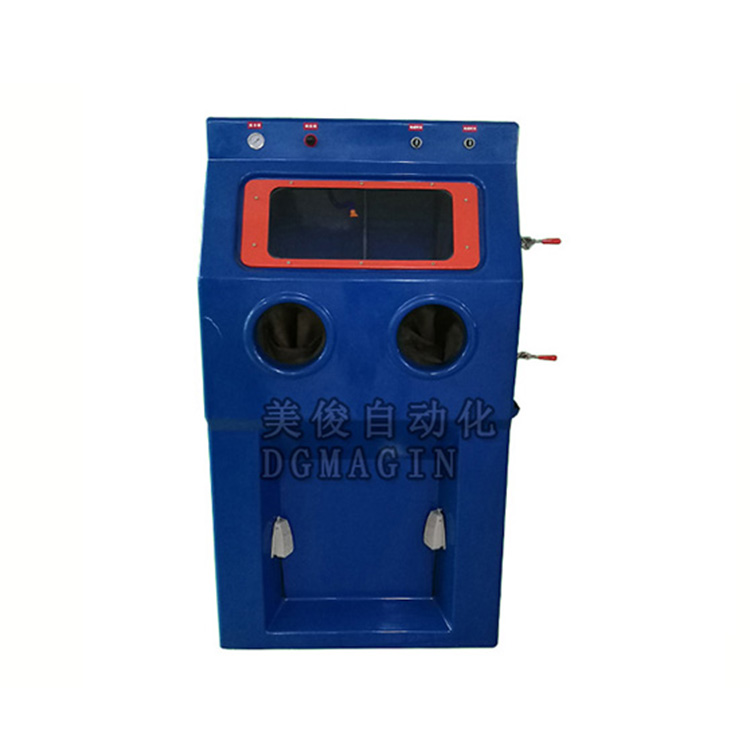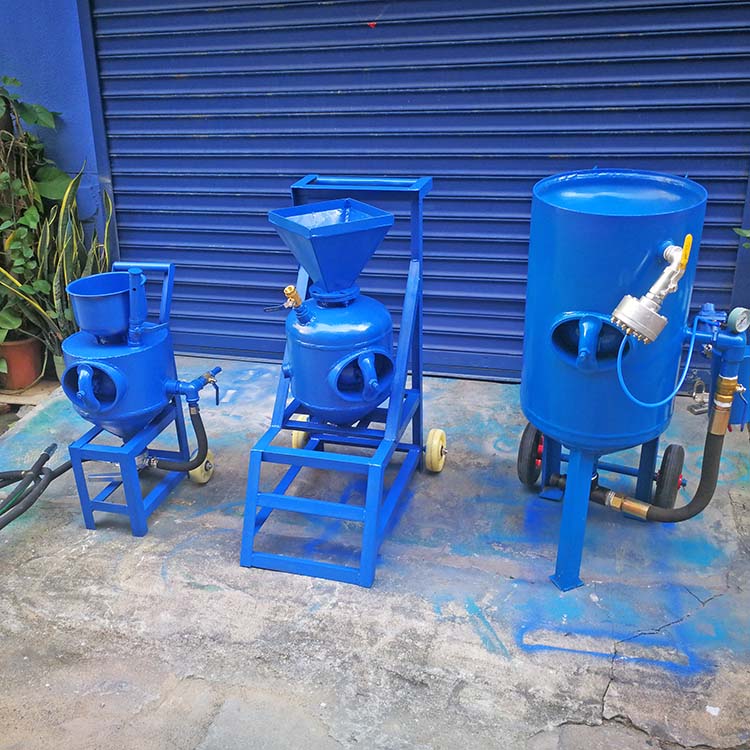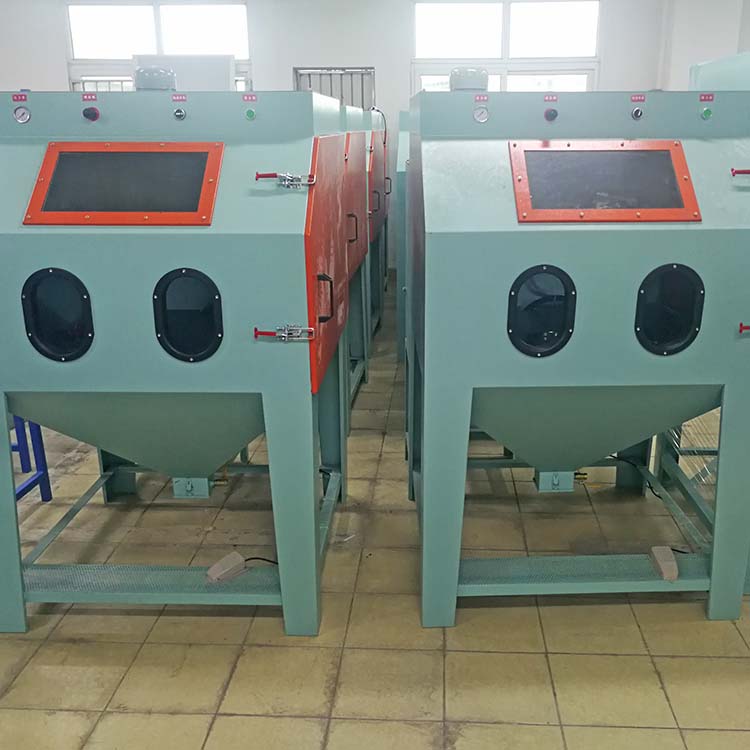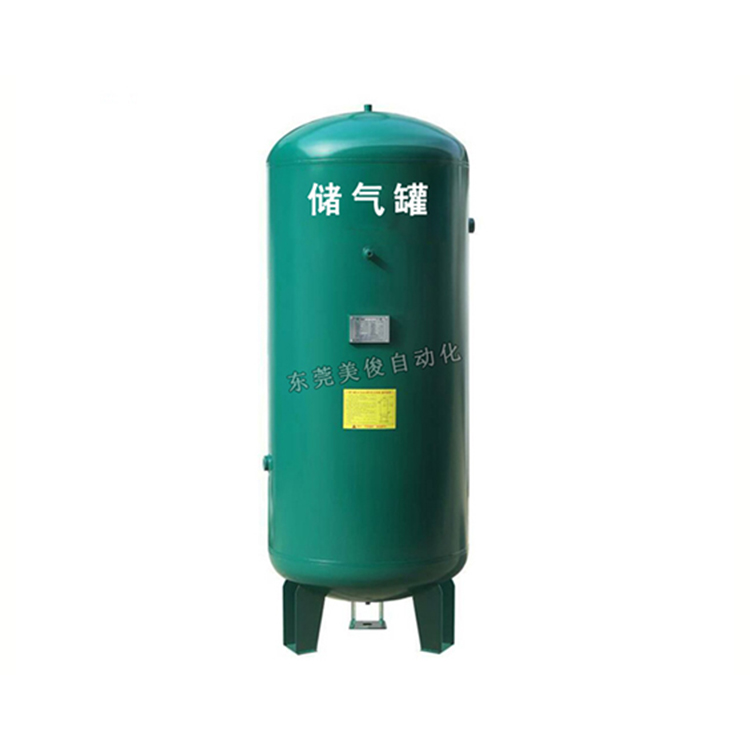










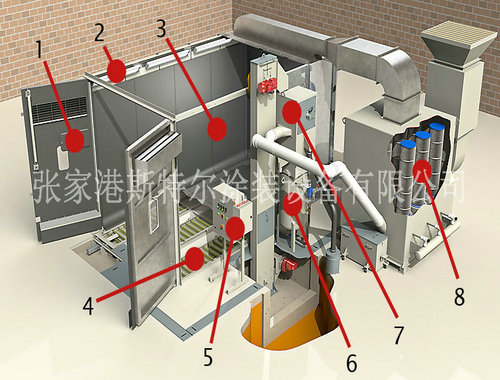
The shot blasting rust removal process is essential to achieve the ideal roughness and cleanliness of the metal surface, necessitating pre-treatment such as rust removal on the metal structure surface. In the corrosion prevention industry, there's a saying, "Seventy percent rust removal, thirty percent coating," highlighting the importance of rust removal. Considering the特殊性 of hydraulic metal structures, such as their large size and the predominantly outdoor construction environment, the shot blasting rust removal method is still employed in the current stage. The control of shot blasting rust removal is mainly reflected in the following aspects.
Ⅰ. Preliminary Control: Before sandblasting, evaluate the rust grade of the metal structure substrate surface according to the "Rust Grade and Derusting Grade of Steel Surface Before Painting" standard. Conduct a thorough inspection, remove slag, spatter, and other adhered materials, and clean the surface of oil and soluble dirt. Properly dispose of any unnecessary weldments or connectors.
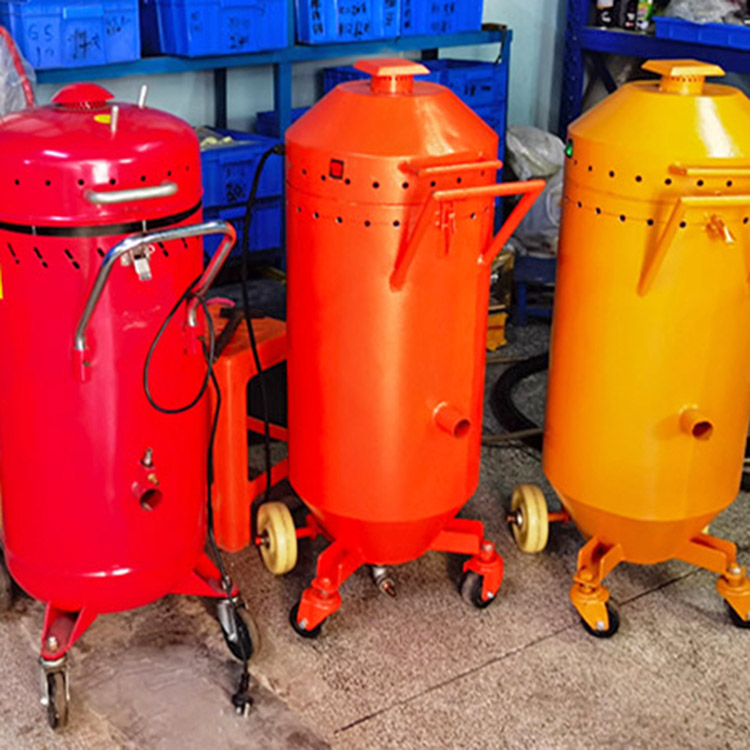
II. Tool Control: During sandblasting, the air compressor pressure should be between 6.0×10^5 and 6.5×10^5 Pa, with a pressure fluctuation range of 0.5×10^5 to 1.0×10^5 Pa. The general sand bucket pressure should be between 4.5×10^5 and 5.5×10^5 Pa, and not less than 4.0×10^5 Pa. Before sandblasting, check if the manufacturer of the pressure vessel holds a production license issued by relevant authorities, ensure the protective tools, safety belt (rope), and oxygen supply device worn by the sandblasting worker are safe and reliable, and inspect the nozzle wear condition. Replace the nozzle when the orifice diameter increases by 25%.
Ⅲ. Abrasive Control: The sand used in sandblasting rust removal should be hard, angular, and dry (moisture content <2%), free of soil and other impurities; quartz sand is preferred, but coarse river sand is also acceptable. Consideration should be given to transportation conditions, cost, and recycling capabilities. The sand particle size should be between 0.5 to 1.5mm, and it must be dried before screening and stored in a shed or indoors. The screen aperture sizes are: coarse screen 40-48 holes/cm² (particle size 1.2mm), fine screen 372-476 holes/cm² (particle size 0.3mm). After determining the rust removal plan, abrasives can be river sand, quartz sand, or a mixture of both. During the risk reduction and reinforcement of Gangnan Reservoir, pre-spraying comparisons showed that a 1:1 mixture of quartz sand and river sand provided effective rust removal.
IV. Process Control: The compressed air used for sandblasting must be treated through a cooling unit and an oil-water separator to ensure it is dry and oil-free; the oil-water separator must be cleaned regularly. The distance from the nozzle to the substrate steel surface should be between 100 to 300mm, and the non-sandblasted areas should be shielded and protected before sandblasting. The angle between the sandblasting direction and the normal to the substrate steel surface should be between 15° to 30°. Before proceeding to the next process after sandblasting rust removal, if rain or any other condition causes the substrate steel surface to become moist, wait until the environment meets the construction conditions, then use dry compressed air to dry the surface moisture before proceeding. If resanding is necessary, do not lower the abrasive requirements to avoid reducing the roughness. Avoid keeping the nozzle stationary for extended periods during sandblasting; sandblasting operations should not be sporadic, but also avoid a single large blast. Consider the time interval requirements between the coating or thermal spraying process and the surface pretreatment process. For areas that the spray gun cannot reach, use manual or powered tools for rust removal.
V. Environmental Control: Since water conservancy metal structures are processed by sandblasting for rust removal outdoors, dust control and environmental protection must be considered during construction. It is also necessary to daily measure the construction site's ambient temperature, humidity, and metal surface temperature, calculate the dew point for the day, and keep construction records. Construction is not allowed when the relative humidity of the air is greater than 85% and the metal surface temperature is below 3℃ above the dew point.
VI. Quality Control: After sandblasting, the rust-removed areas should be inspected first, followed by a cleanliness and roughness check on the base steel surface. Special attention should be given to areas that are difficult to blast, and the requirements for manual or power tool rust removal can be appropriately reduced. When conducting a cleanliness and roughness check on the base steel surface, it is strictly prohibited to touch with hands; and it should be done under good diffused daylight or artificial lighting of equivalent brightness to avoid missing any defects. After sandblasting rust removal, the cleanliness of the metal structure surface should reach Sa21/2. The comparison should be made with the photos provided in "The Rust Grade and Blast Cleaning Grade of Steel Surface Before Painting" at least at one comparison point per 2m².
After sandblasting rust removal, the surface roughness of the metal structure should reach Ry60 to 100μm. According to the technical requirements, take the corresponding roughness samples, compare them under a magnifying glass with at least 7x magnification, ensuring at least one comparison point per 2m². When directly measuring with a surface roughness gauge, there should be at least one evaluation point per 2m², with an evaluation length of 40mm. Measure 5 points within this length, and calculate the arithmetic mean as the surface roughness value for this evaluation point.