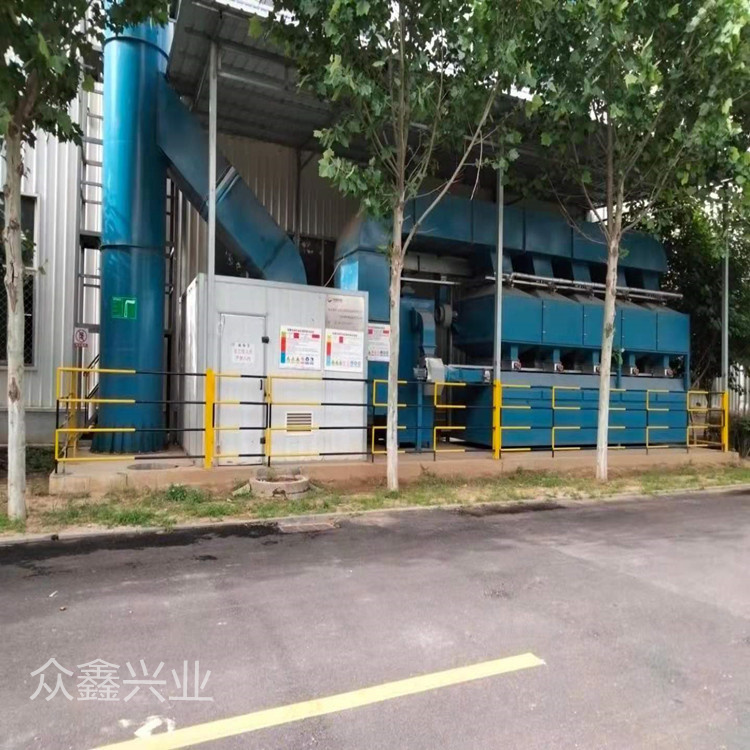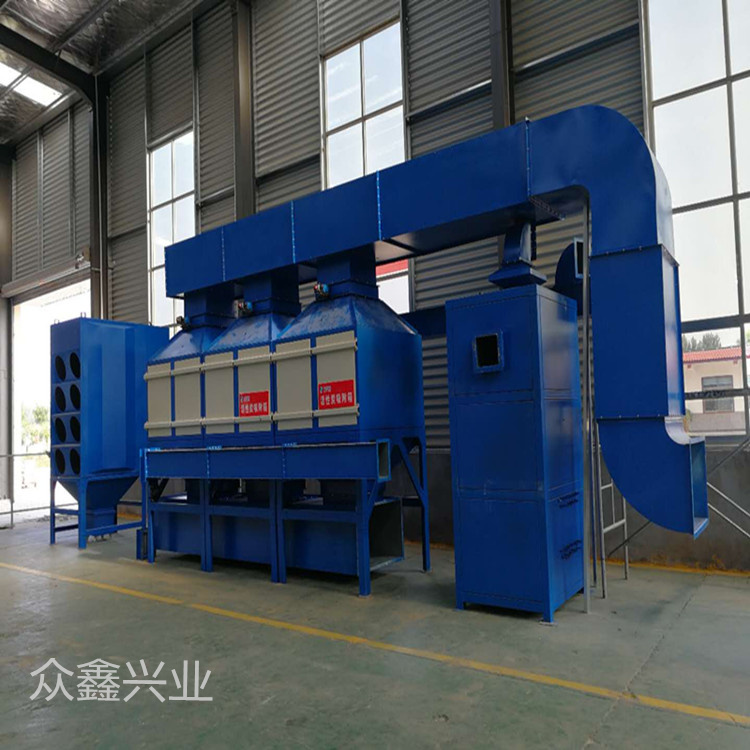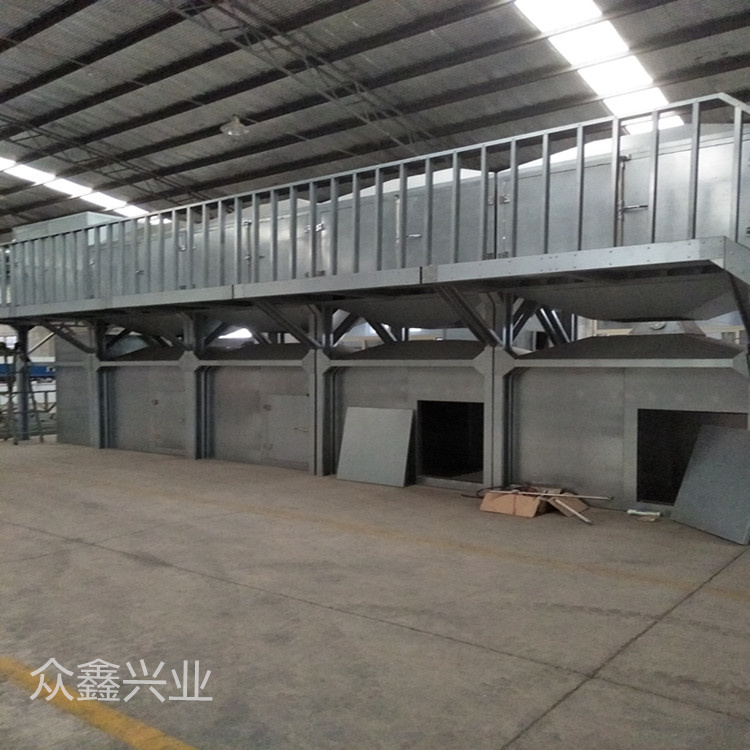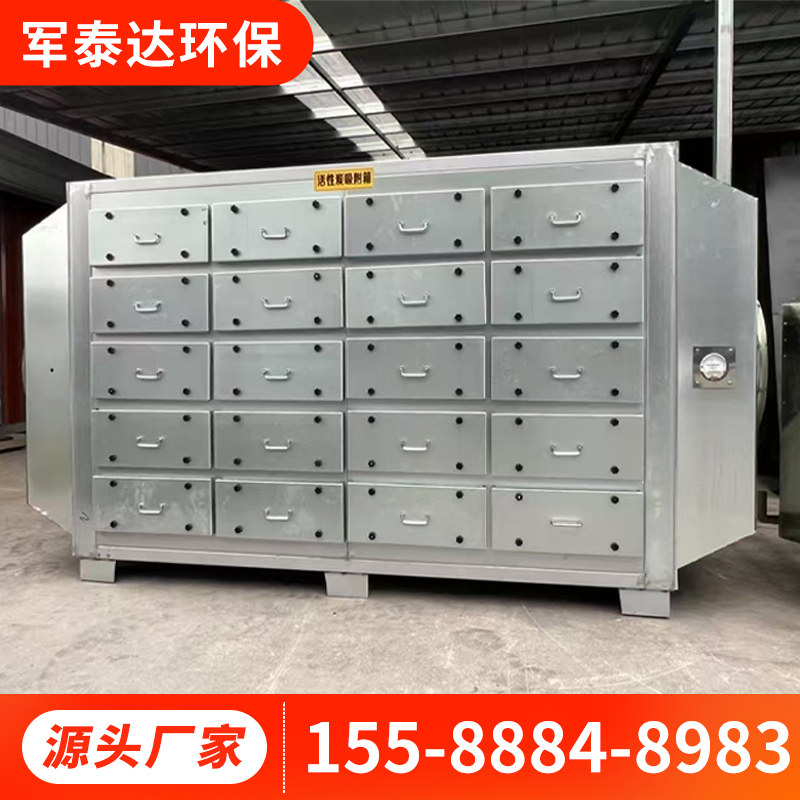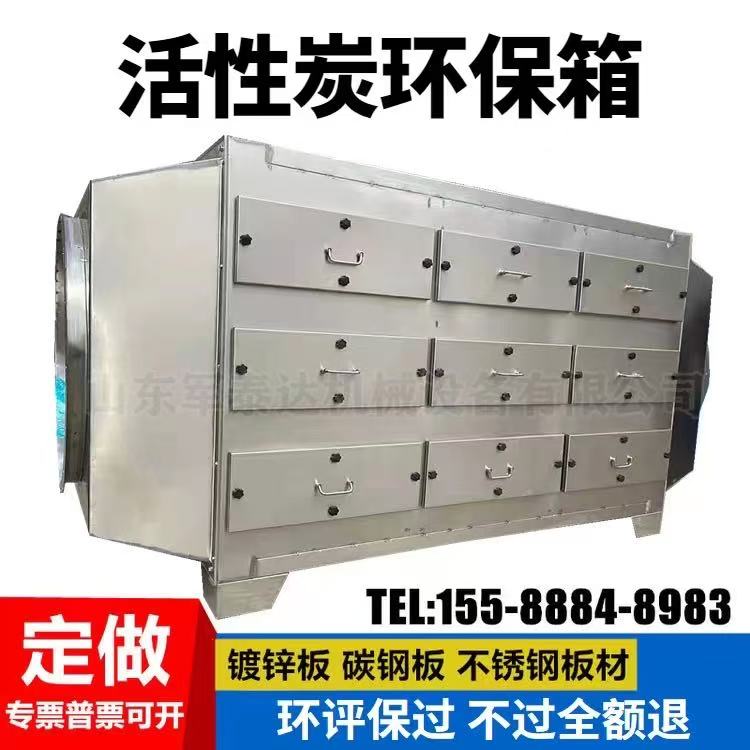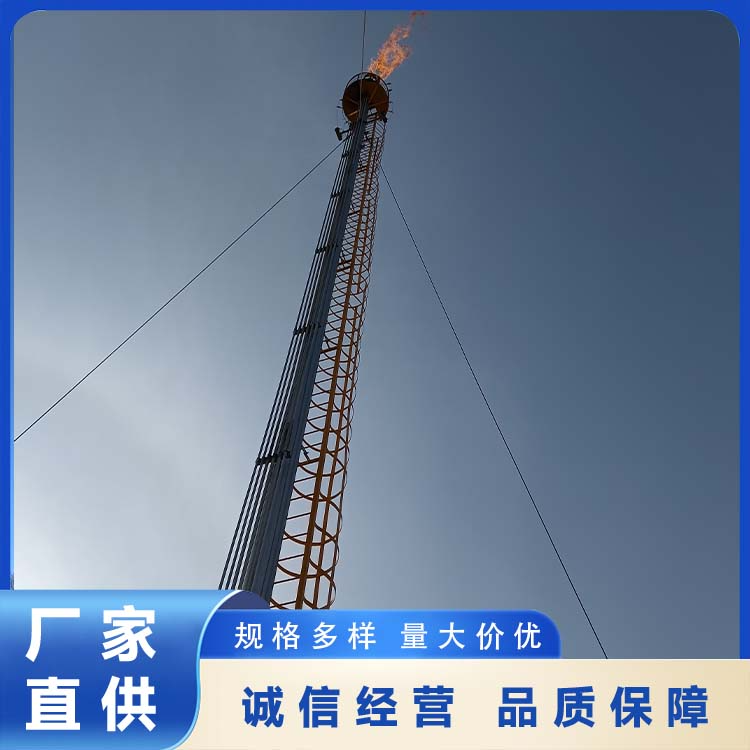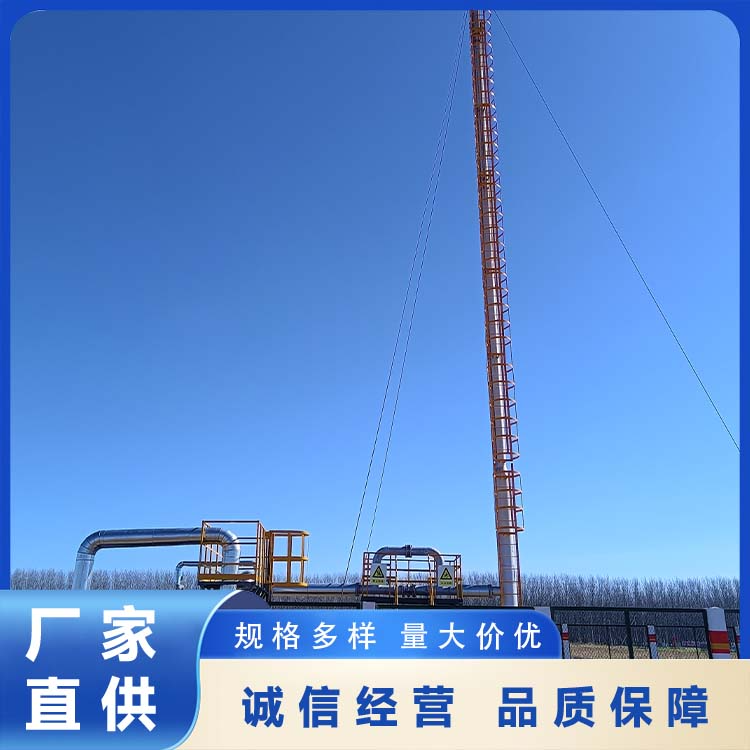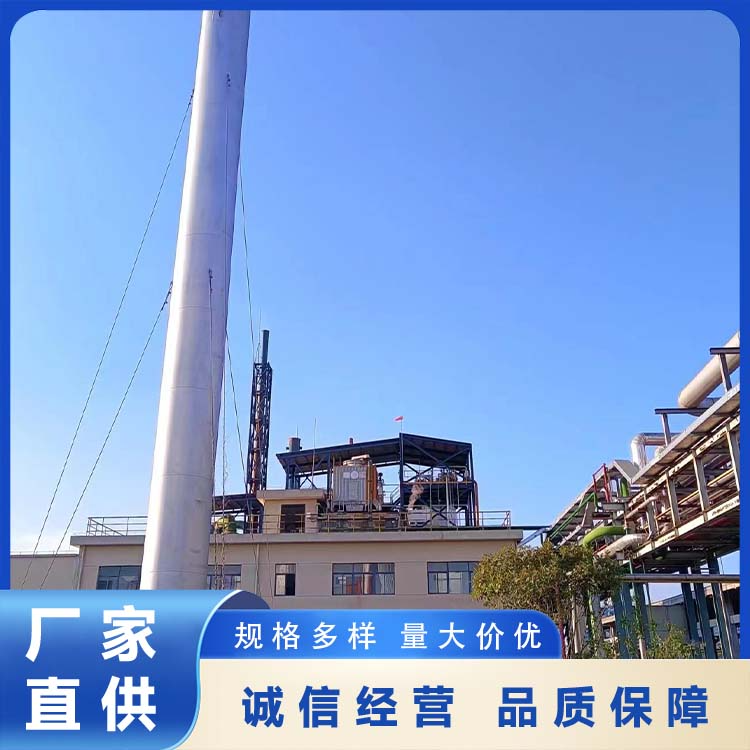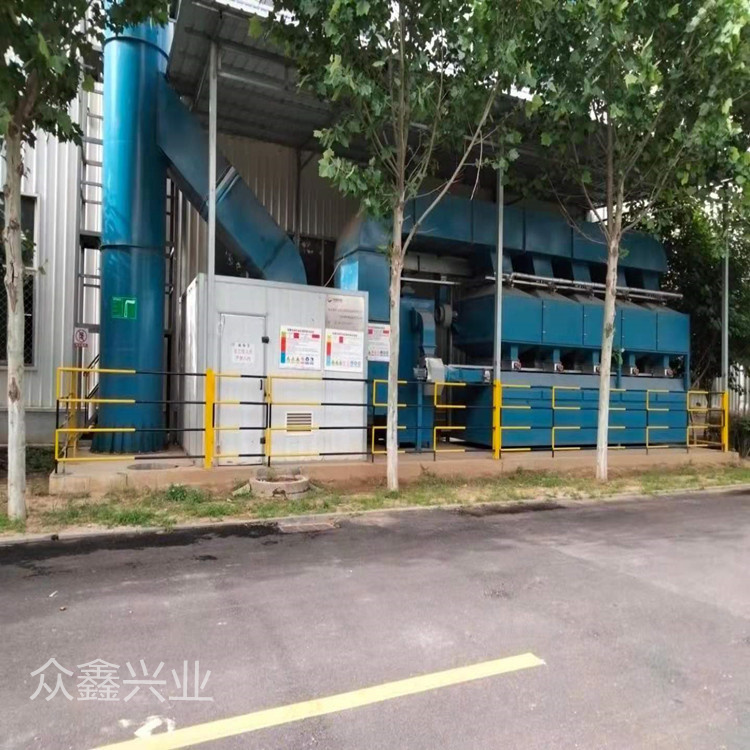

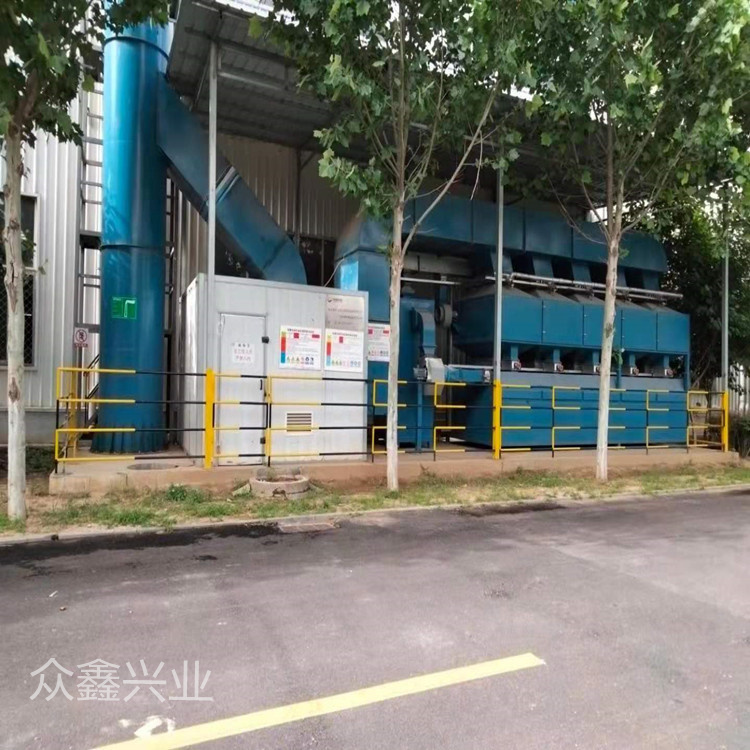
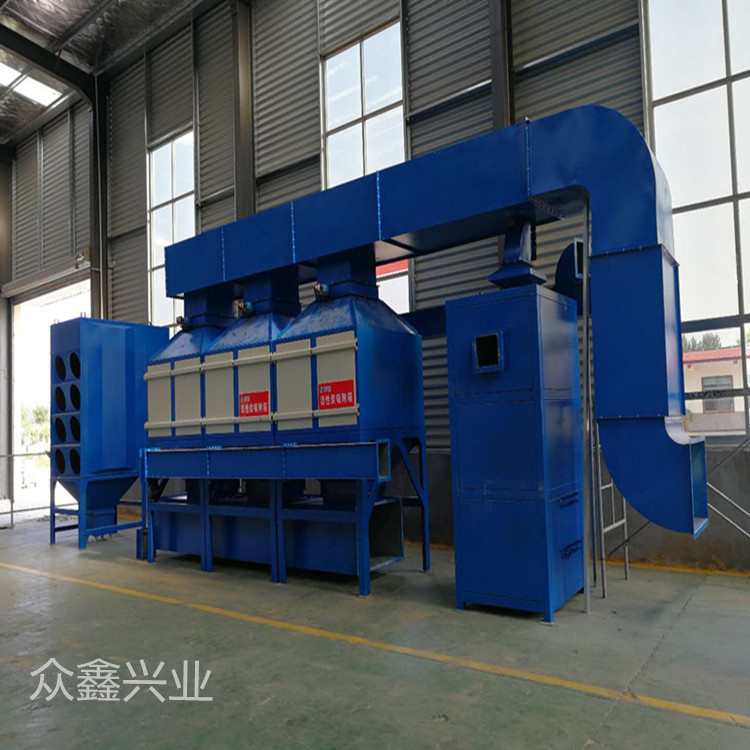
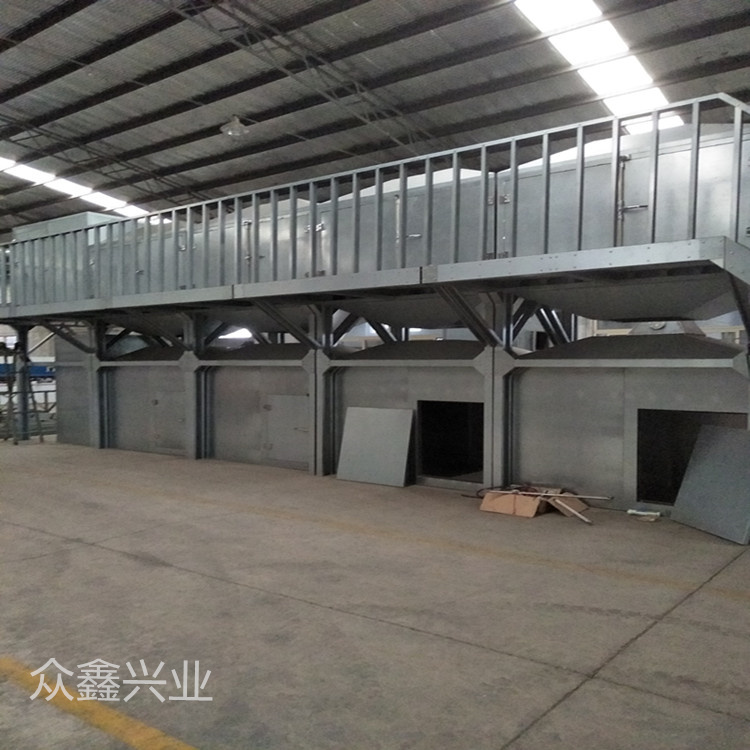


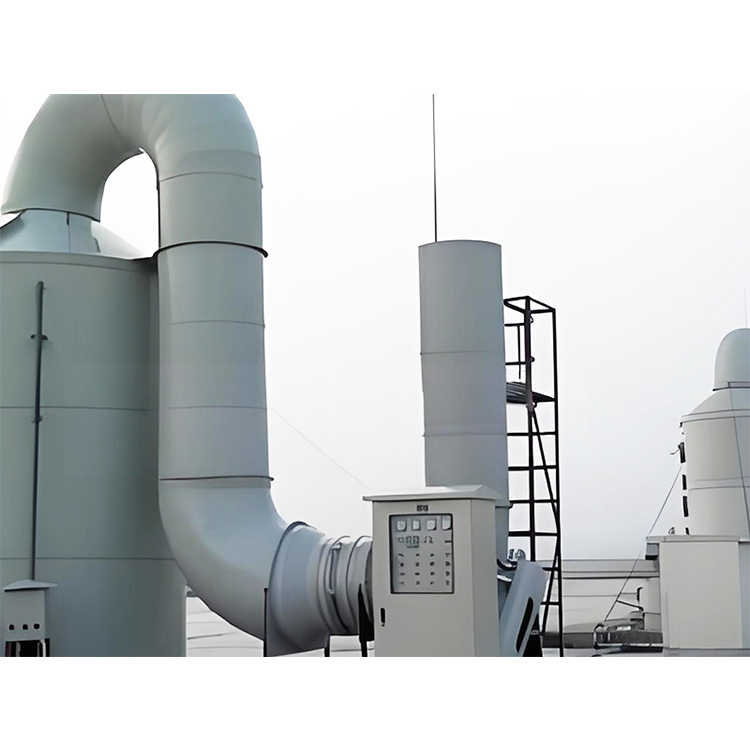
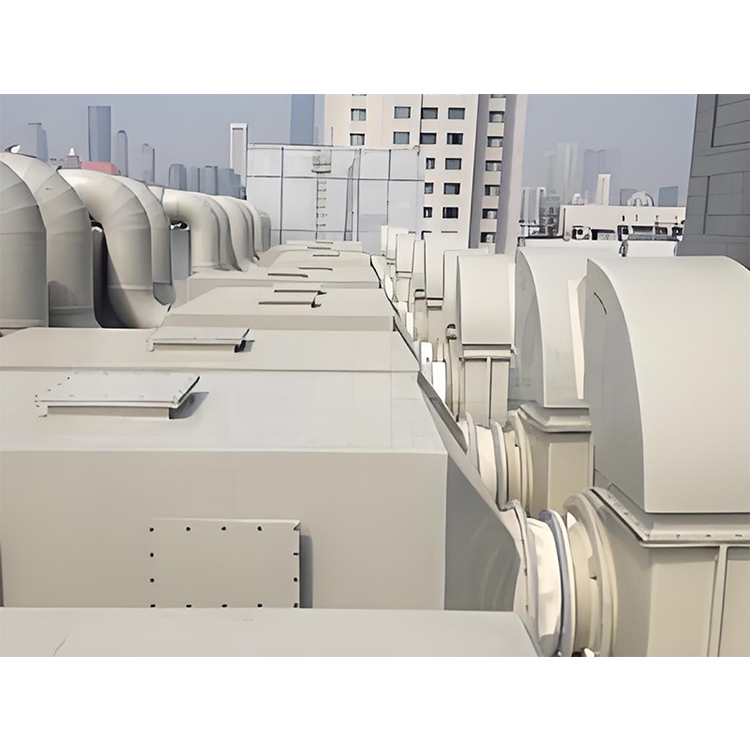
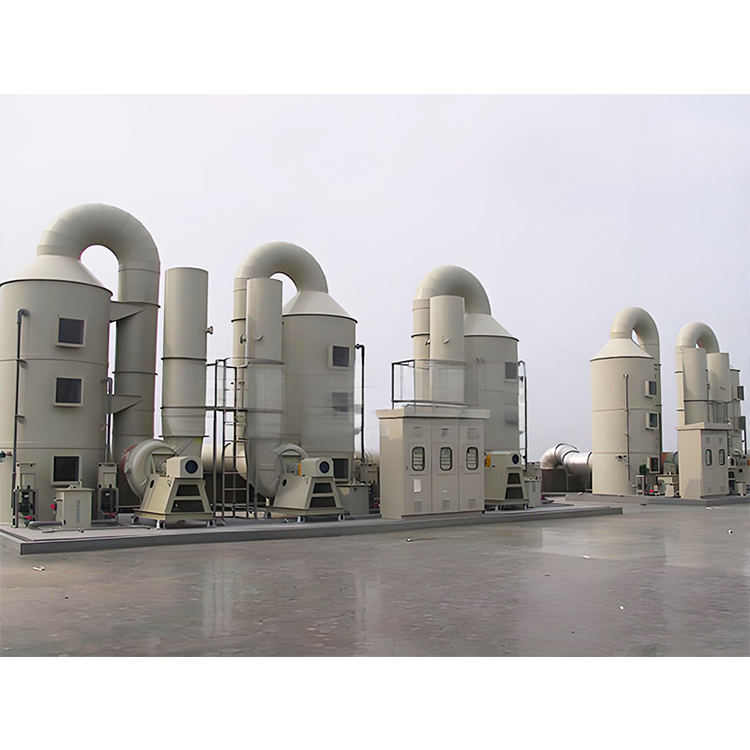
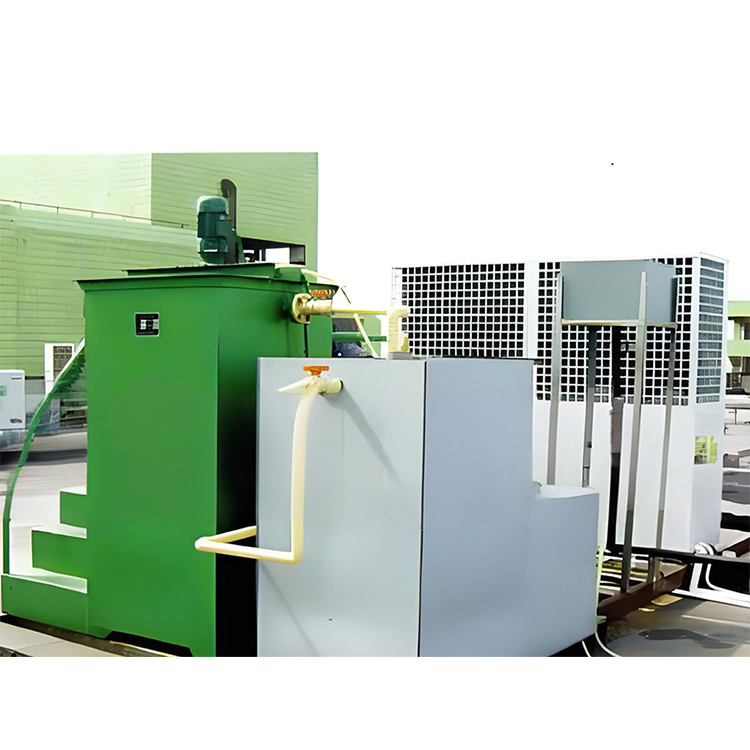
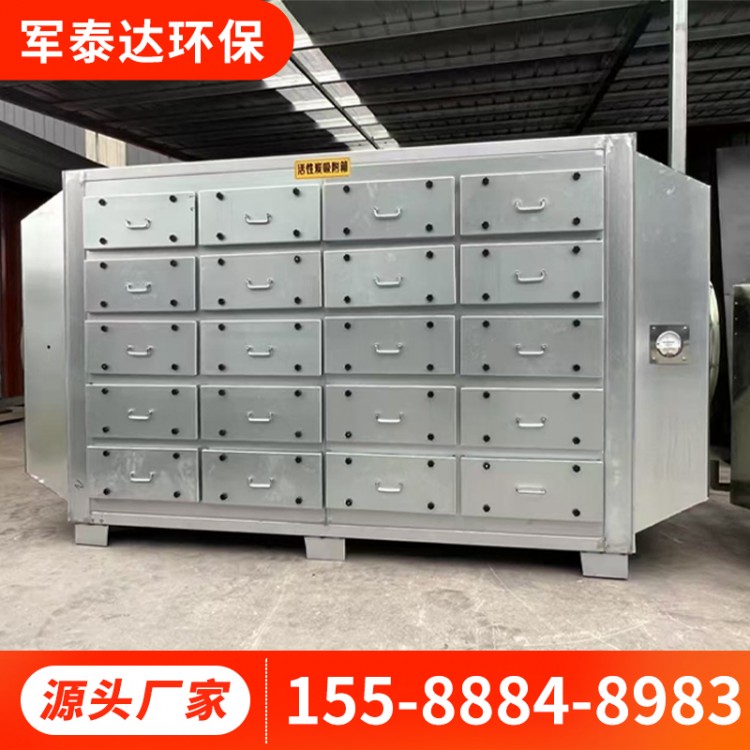





Organic waste gas treatment equipment manufacturers process customized catalytic combustion devices
Working Principle:
RCOCatalytic combustion device: Firstly, it is equipped with a dust removal and flame retardant system. Then it enters the heat exchanger and is sent to the heating chamber to reach the combustion reaction temperature. Through the action of the catalytic bed, the organic waste gas is decomposed into carbon dioxide and water, and then enters the heat exchanger to exchange heat with the low-temperature gas, raising the temperature of the incoming gas to the reaction temperature. If the reaction temperature cannot be reached, the heating system department compensates for heating through an automatic control system. Using catalysts as intermediates to convert organic gases into harmless water and carbon dioxide gas at lower temperatures
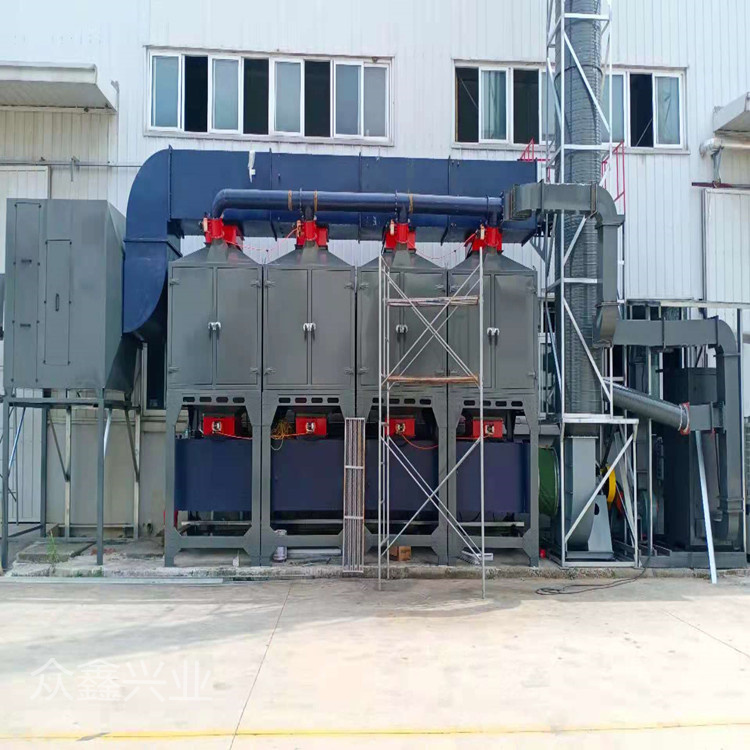
Scope of Application
Catalytic combustion can treat almost all hydrocarbon organic waste gases and odorous gases. For low concentration, multi-component, and non recyclable waste gases emitted from industries such as organic chemicals, coatings, and insulation materials, the adsorption catalytic combustion method has a better treatment effect.
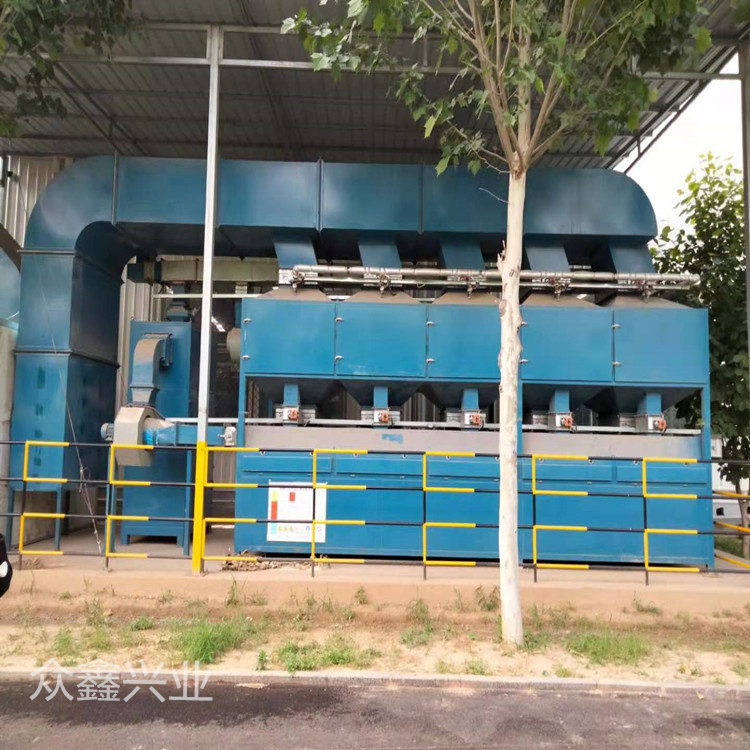
Widely used in industries such as paint, rubber processing, plastic processing, resin processing, leather processing, food and casting, as well as in the purification of automotive exhaust gas. The catalytic combustion treatment method has been used to treat the organic waste gas emitted from the enameled wire drying furnace, and has subsequently been studied in insulation materials, printing industry, and other fields, making catalytic combustion equipment widely used.