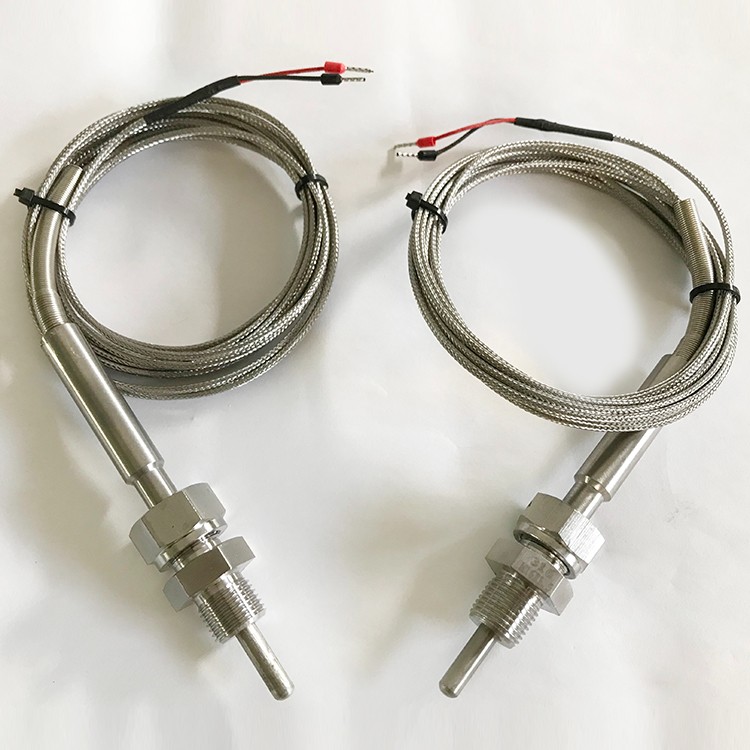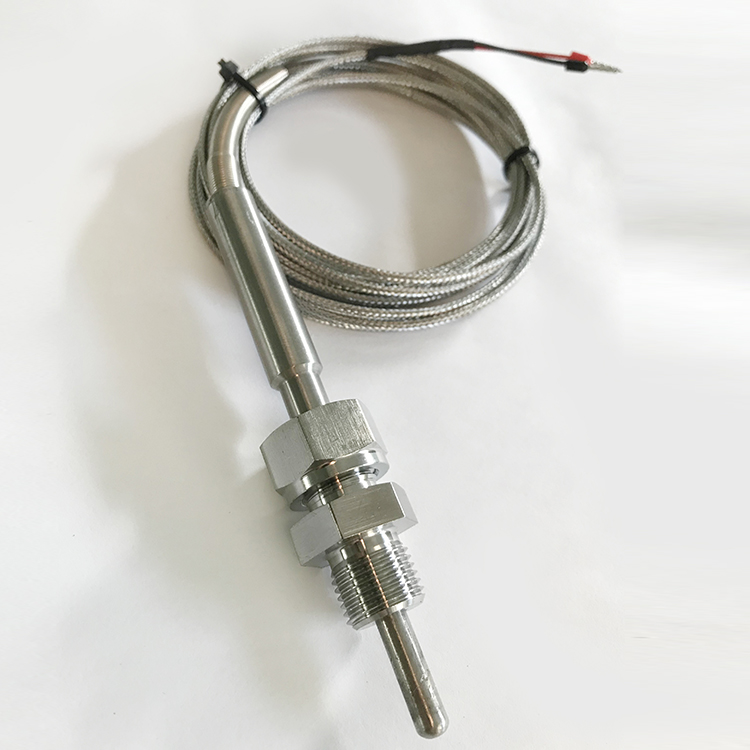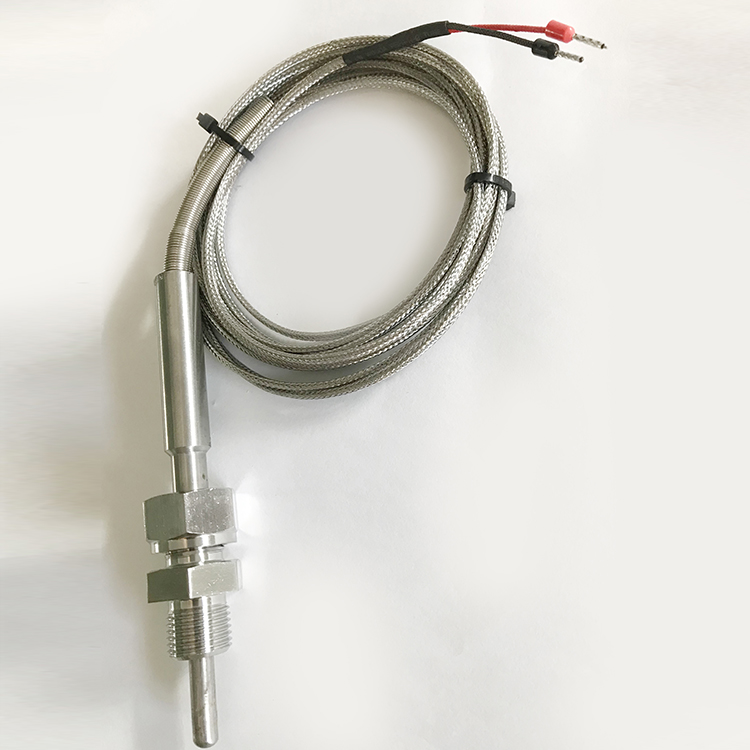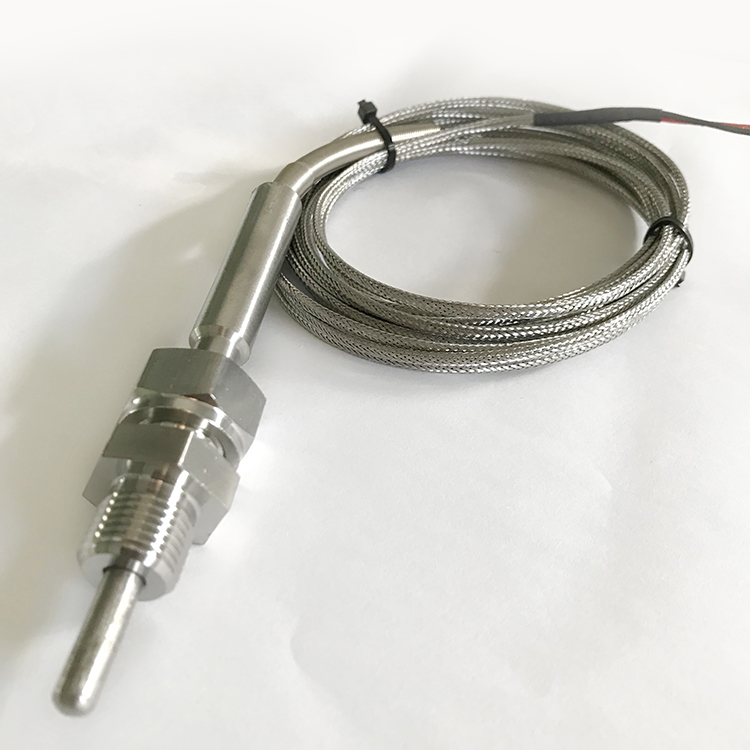









thermocouple
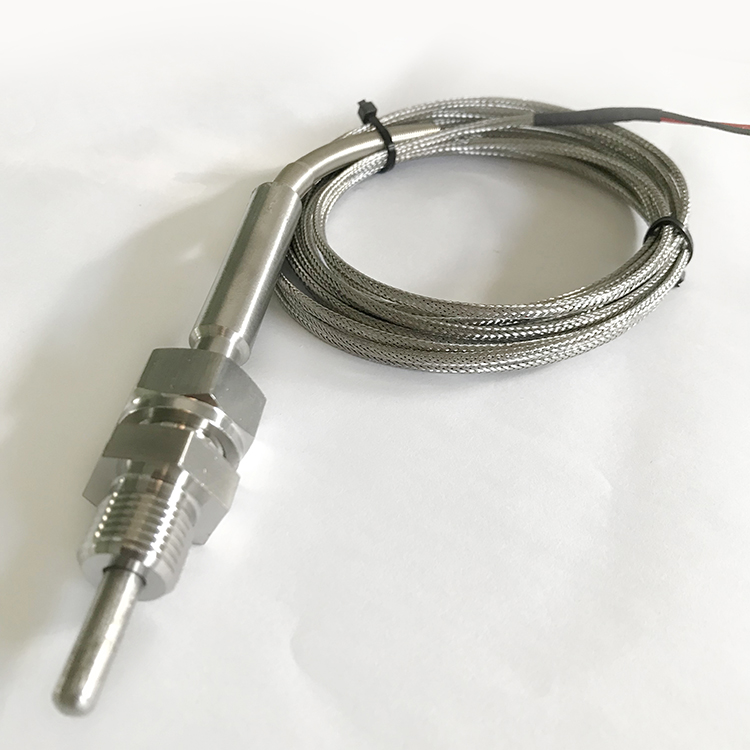
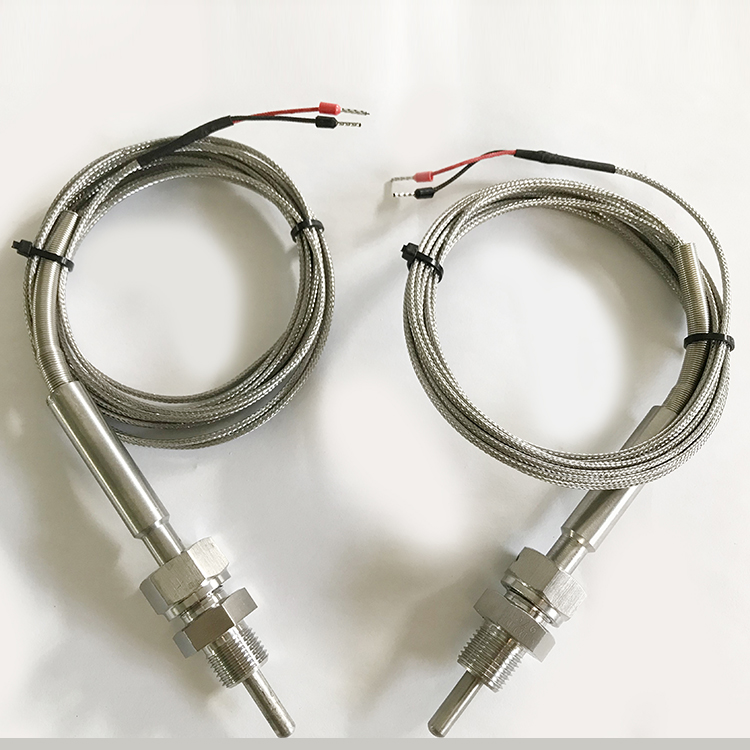
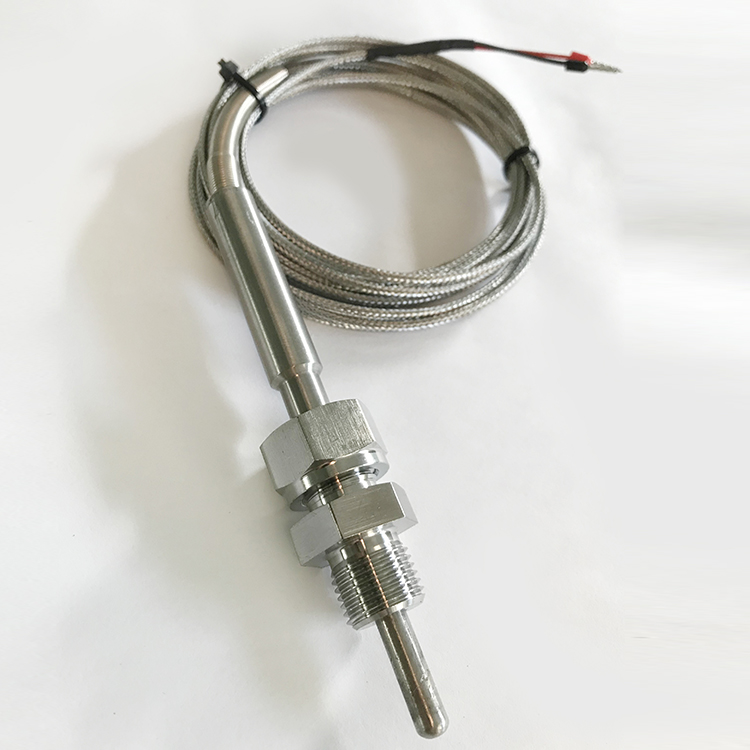
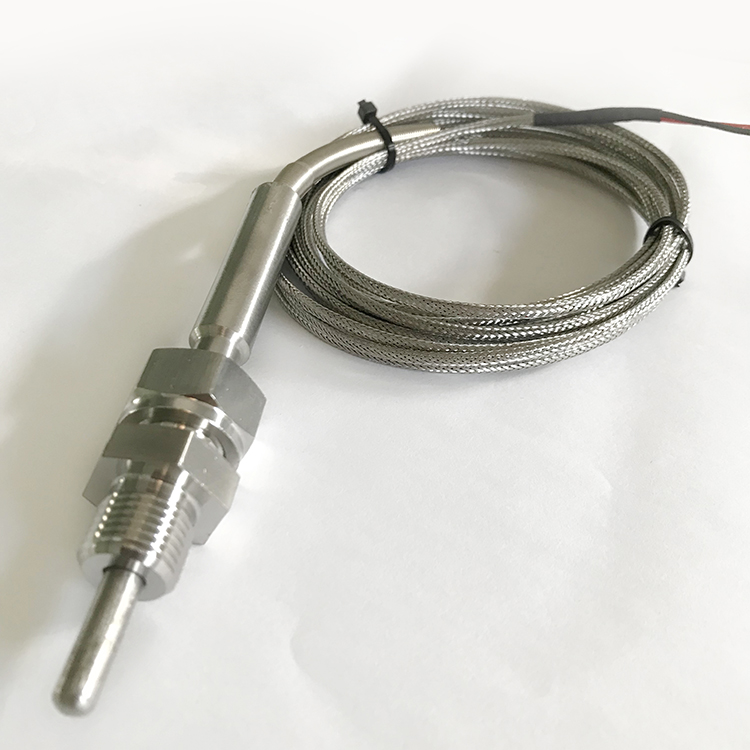
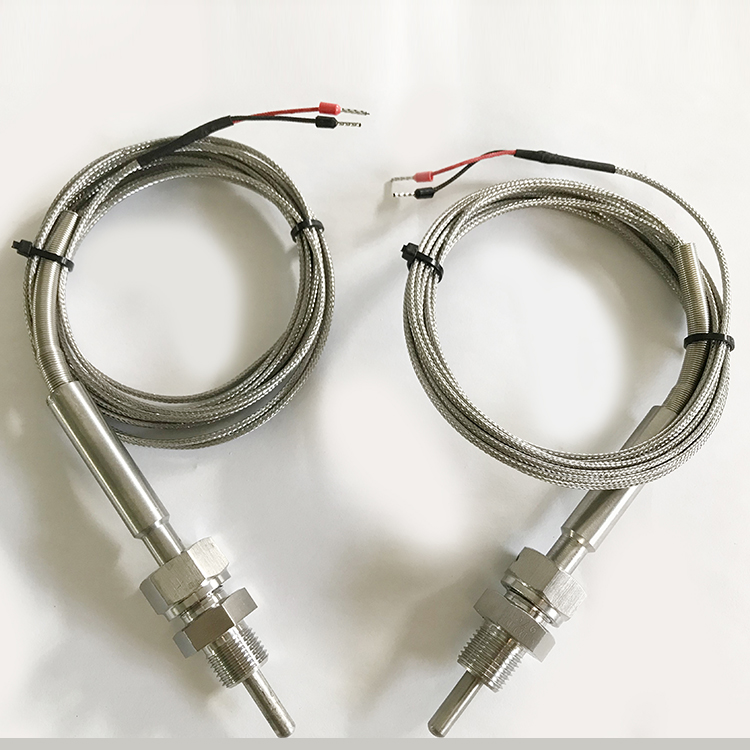
Thermocouples areTemperature measuring instrumentThe commonly used temperature measuring element directly measures temperature and converts the temperature signal into a thermoelectric potential signal, which is then converted into the temperature of the measured medium through electrical instruments (secondary instruments). The appearance of various thermocouples often varies greatly due to their needs, but their basic structures are roughly the same. They are usually composed of main parts such as hot electrodes, insulation sleeves, and junction boxes, and are usually used in conjunction with display instruments, recording instruments, and electronic regulators.
Basic Introduction
The basic principle of temperature measurement is that two conductors with different compositions form a closed circuit. When there is a temperature gradient at both ends, current will flow through the circuit, and there will be an electromotive force - thermoelectric force - between the two ends, which is called the Seebeck effect. Two homogeneous conductors with different compositions are thermoelectric electrodes, with the higher temperature end as the working end and the lower temperature end as the free end, which is usually at a constant temperature. Create a thermocouple calibration table based on the functional relationship between thermoelectric potential and temperature; The graduation table shows that the free end temperature is at 0℃Under the given conditions, different thermocouples have different calibration tables.
When connecting a third metal material in a thermocouple circuit, as long as the temperature of the two contacts of the material is the same, the heat generated by the thermocoupleelectric potentialIt will remain unchanged, that is, not affected by the third metal connected to the circuit. Therefore, when using thermocouples for temperature measurement, a measuring instrument can be connected to measure the thermoelectric potential, and the temperature of the measured medium can be determined. When measuring temperature with a thermocouple, it is required that the temperature of its cold end (the measuring end is the hot end, and the end connected to the measuring circuit through a lead is called the cold end) remains constant, so that the magnitude of its thermoelectric potential is proportional to the measured temperature. If the temperature changes at the cold end during measurement, it will seriously affect the accuracy of the measurement. Taking certain measures to compensate for the impact caused by temperature changes at the cold end is called normal cold end compensation for thermocouples. Use dedicated compensating wires to connect with measuring instruments.
Calculation method for thermocouple cold junction compensation:
From millivolts to temperature: measure the cold junction temperature, convert it to the corresponding millivolt value, add it to the millivolt value of the thermocouple, and convert it to temperature;
From temperature to millivolts: Measure the actual temperature and cold end temperature, convert them into millivolts, subtract them to obtain the millivolt value, and then obtain the temperature
fold
Temperature measurement conditions
It is a temperature sensing element, a primary instrument that directly measures temperature with a thermocouple. A closed circuit composed of conductors with two different composition materials, due to the different materials, produces electron diffusion with different electron densities, and after stable equilibrium, generates an electric potential. When there is a gradient temperature at both ends, a current will be generated in the circuit, producing thermoelectric potential. The larger the temperature difference, the greater the current will be. After measuring the thermoelectric potential, the temperature value can be determined. Thermocouples are actually energy converters that convert thermal energy into electrical energy.
Technical advantages of thermocouples: wide temperature measurement range and relatively stable performance; High measurement accuracy, thermocouple in direct contact with the measured object, unaffected by intermediate media; Fast thermal response time and flexible response of thermocouples to temperature changes; Large measurement range, thermocouple from -40~+1600℃Can continuously measure temperature; Thermocouples have reliable performance and good mechanical strength. Long service life, easy to install.
A thermocouple must be composed of two conductors (or semiconductors) with different properties but meeting certain requirements to form a circuit. There must be a temperature difference between the measuring end and the reference end of the thermocouple.
Weld two different materials of conductors or semiconductors A and B together to form a closed circuit. When there is a temperature difference between the two attachment points 1 and 2 of conductors A and B, an electromotive force is generated between them, thus forming a current of a certain magnitude in the circuit. This phenomenon is called thermoelectric effect. Thermocouples work by applying this effect.
Related models: WREK-640TG-00 WRNK-640TG-00 WENK3-4410-00 WZPKB-640TG-00 WZPKB-440-00