












(1) PS Series Jet Mixers
Product Features
The PS series jet mixers have two significant advantages over other types of mixers. First, it can directly mix fluids of different pressures. Second, the PS series jet mixers can increase the pressure of fluids with lower pressure. Third, it can significantly reduce vibration and noise.
2. Product Model and Features
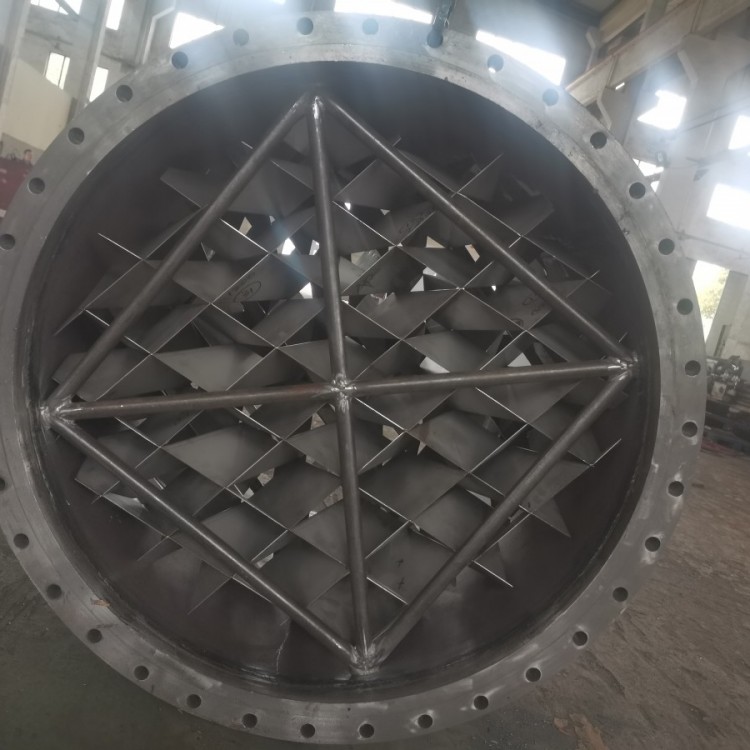
The PS series jet mixers come in three main models: PS—I, PS—Ⅱ, and PS—Ⅲ. The PS—I model is a liquid/liquid mixer, where both the working fluid and the entrainment fluid are liquids with low viscosity (similar to water). The PS—Ⅱ model is a gas/gas mixer, with both the working fluid and the entrainment fluid being gases. Due to the low viscosity of gases, the PS—Ⅱ model is almost used for all gases under suitable operating conditions. The PS—Ⅲ model is a gas/liquid mixer, typically with the liquid at a higher pressure as the working fluid and the gas at a lower pressure as the entrainment fluid.
3. Structural Style
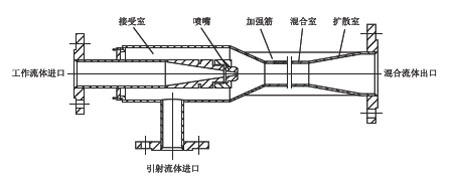
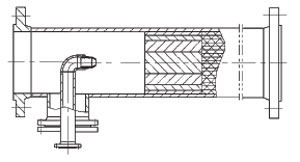
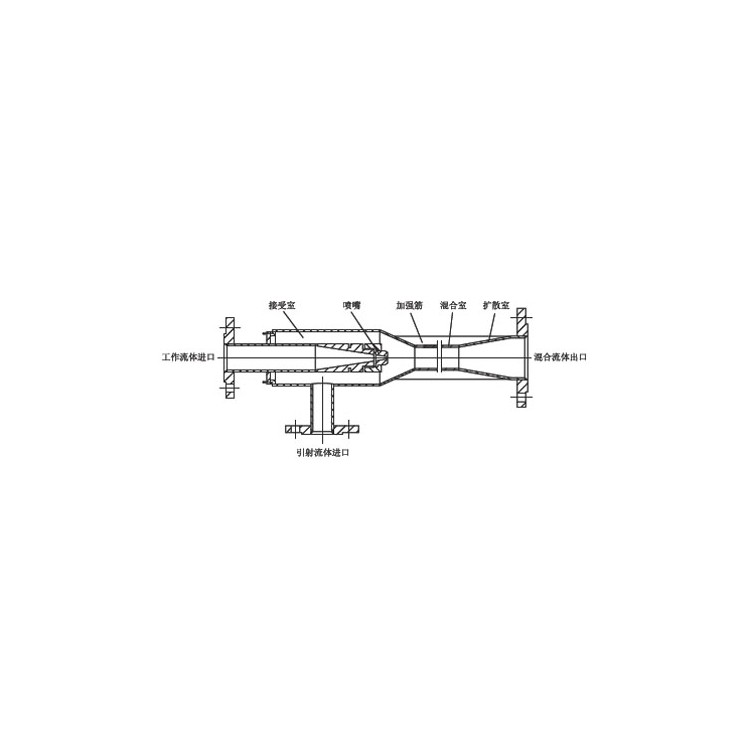
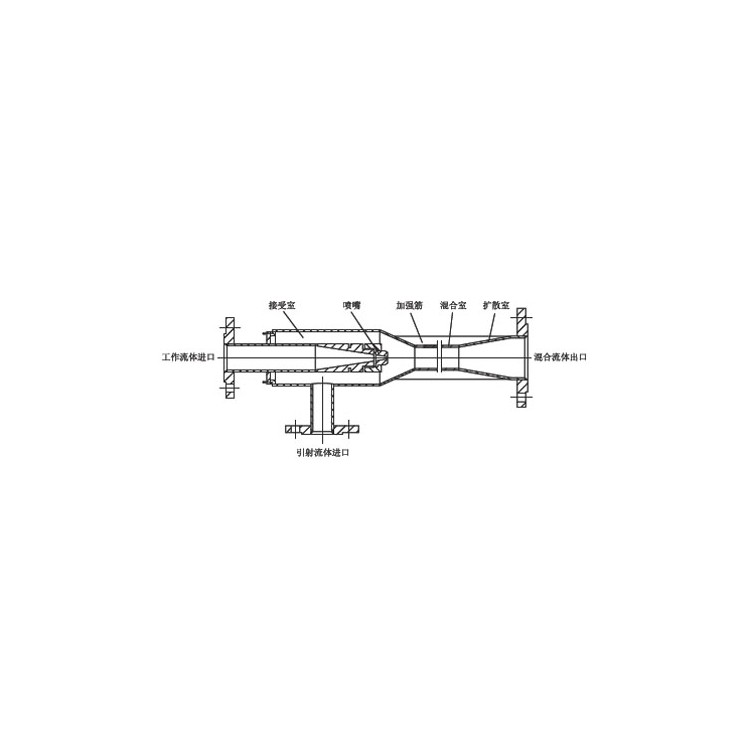
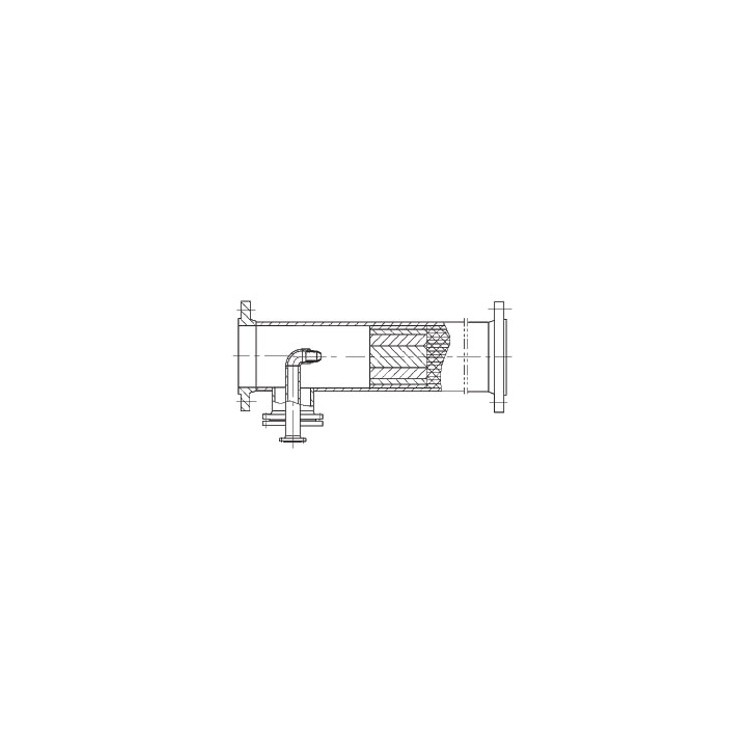
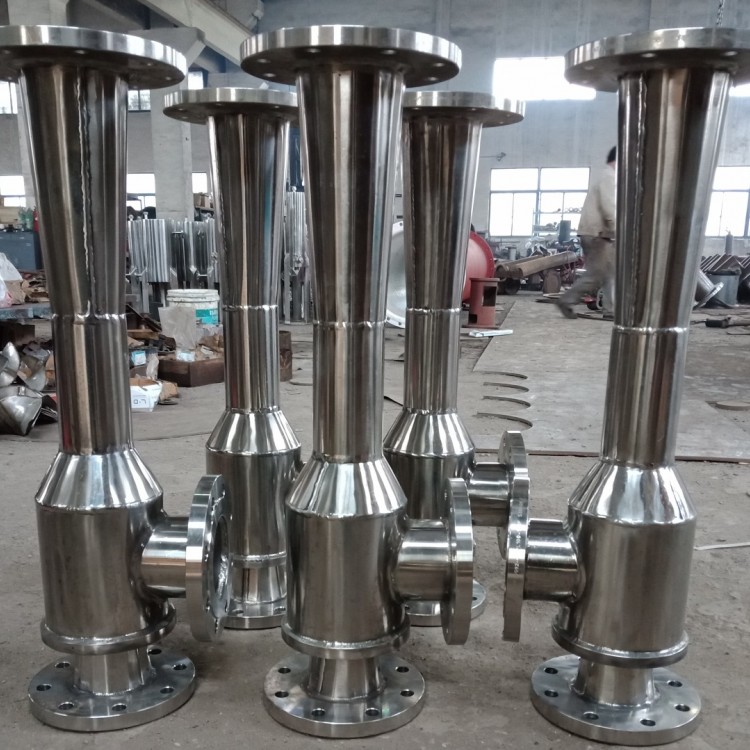
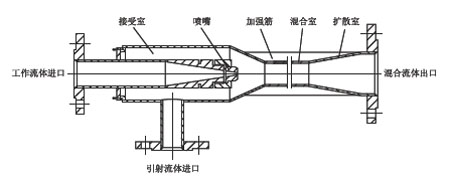
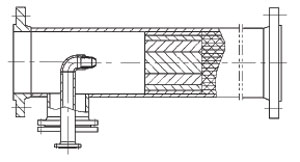
(1) A standard jet mixer consists of an intake chamber, nozzle, mixing chamber, and diffuser chamber.
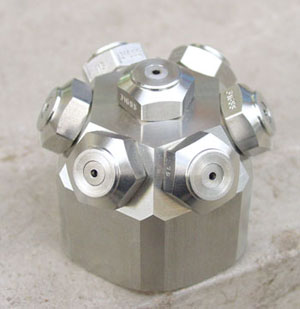
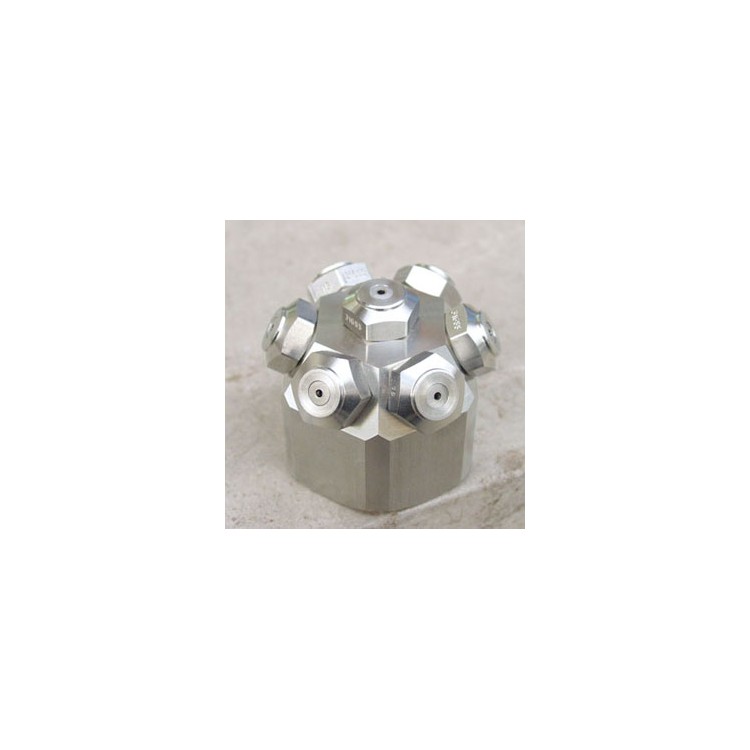
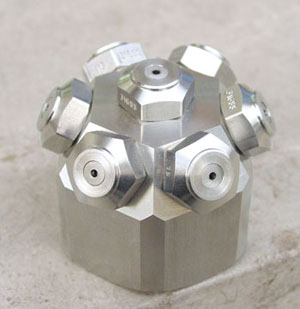
(2) Atomizing nozzle
The key component, the atomizing nozzle, demands high precision for complete atomization without any liquid droplets. All are imported by our company and guaranteed for performance. Due to the limited operational flexibility of the jet mixer, the design requirements proposed by the user must align with the operating conditions. Although our jet mixers are designed with interchangeable nozzles in mind, the adjustment range remains very limited.
Section 3: GP Series Can Sprayer
1. Product Features
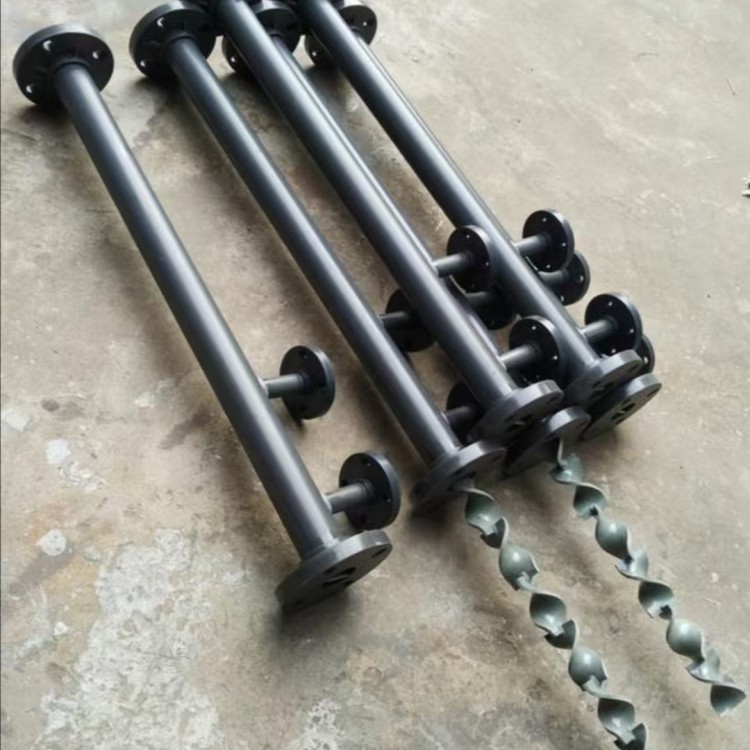
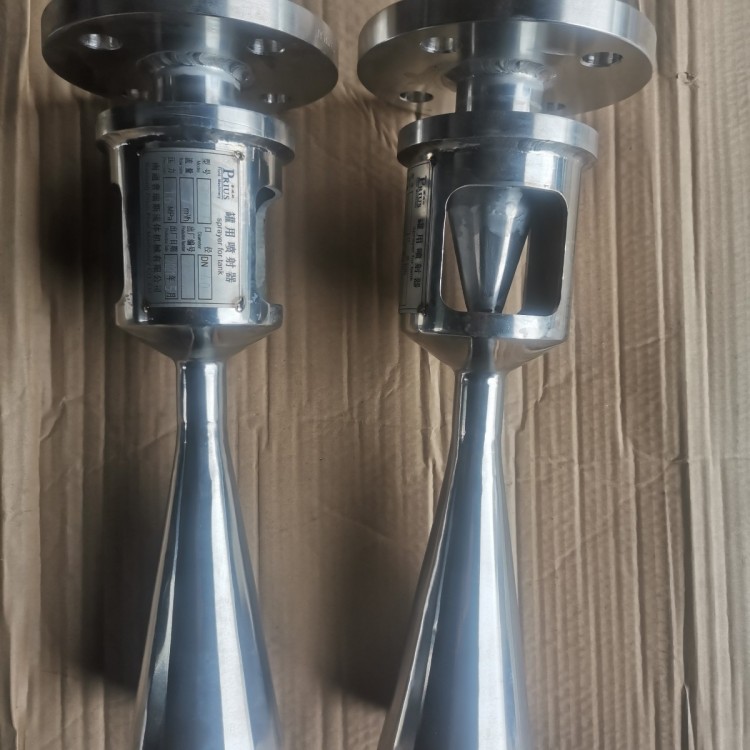
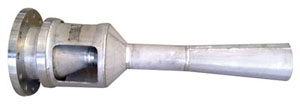
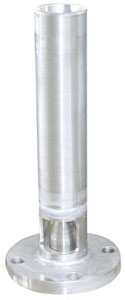
The GP series tank jet mixers are a new and efficient jet pump designed for mixing and agitating liquids, featuring the following advantages: reliable, simple, low investment, no maintenance required, no dead mixing spots, and affordable pricing.
The GP series tank jet mixers have a wide range of applications. To put it simply, as long as the liquid can be transferred by a centrifugal pump, this mixer can be used. It is primarily used in containers, storage tanks, and neutralization ponds, such as oil blending and acid-base neutralization reactions, making it an ideal mixing equipment.
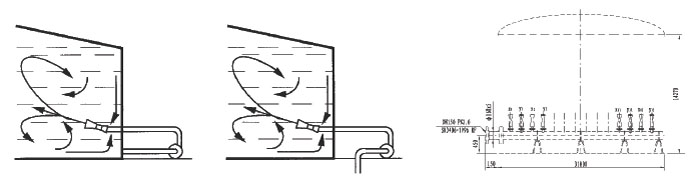
2. Working Principle
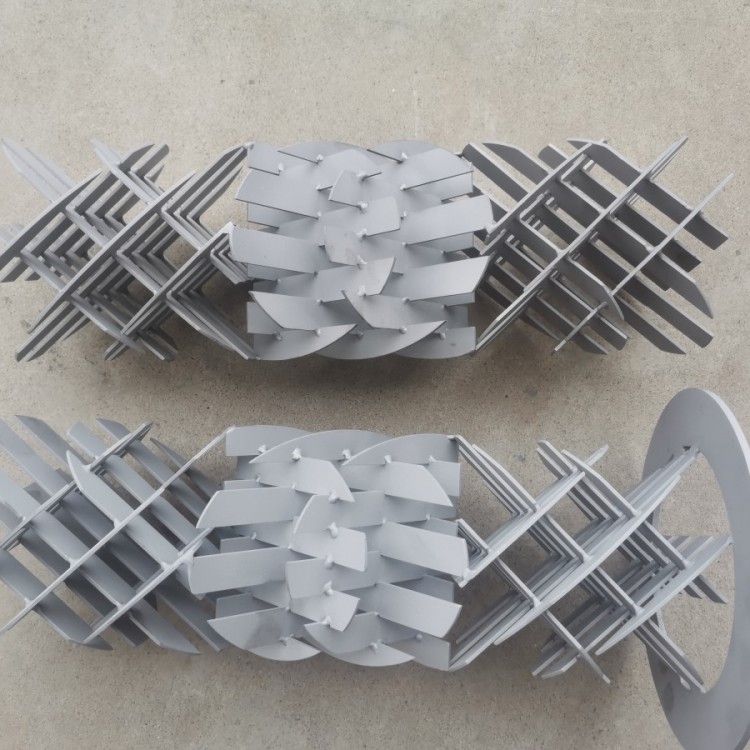
The liquid stream ejected from the nozzle of the tank-mounted jet mixer forms a low-pressure area within its conical inlet at high speed, thereby吸附 and drawing a liquid flow from the tank, accelerating it. It undergoes intense swirling within the mixer, creating a well-mixed fluid. At the exit of the jet mixer, this mixing speed is partially converted into pressure, causing the mixed fluid ejected from the mixer to spread in a conical pattern and to stir the surrounding liquid, achieving the goal of mixing and neutralizing the liquid inside the tank.
If the positioning of the喷射混合器 in one or several GP series tanks is correct, a three-dimensional jet is formed within the tank, uniformly mixing the contents without causing any rotational movement.
3. Model Number Label
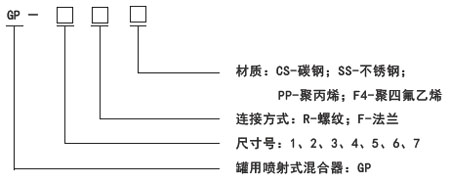
● Select a GP Series tank with a size number 3, equipped with a flanged connection and a jet mixer, marked: GP-3-F-S
● Select a GP series tank with a size number 5 and a threaded connection, equipped with a jet mixer, marked: GP-5-R-P
4. Product Specifications
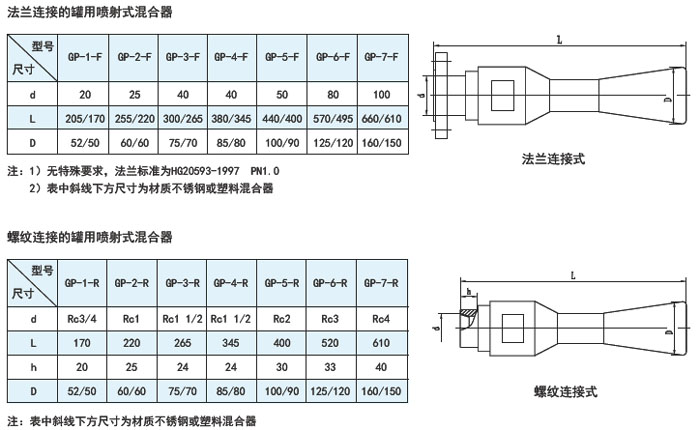
5. Product Selection
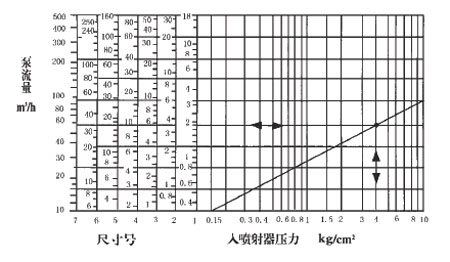
The arrangement of model and size numbers for the GP series tank jet mixers is quite ingenious. For general process requirements, an ideal mixer can always be found. According to the following power curves, you will always find a satisfactory answer.
Given: Drum diameter: 3600mm, Drum height: 8m, Flip Pump Flow Rate: 10m³/h
In-mixer pressure: 4 kg/cm²
Flipping Times: 0.5h per flip
Solve: Model of can-type jet mixer.
Solution: Based on the power curve chart, the model of the tank-mounted jet mixer should be selected: GP-4