
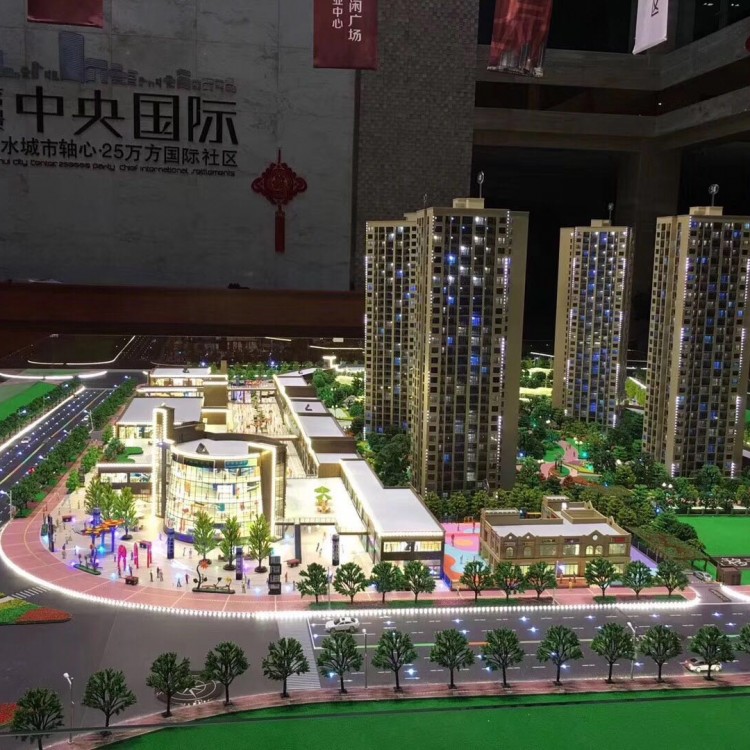









Our Design Team: A design team led by Spanish and Tongji University professionals, with a profound understanding of architecture, focusing on the integration of architectural space and exhibition themes.
Business model ≠ Product. Any item is a model during the development process before it is defined as a product. When the model type, specifications, and corresponding price are determined, the model will be presented as a product.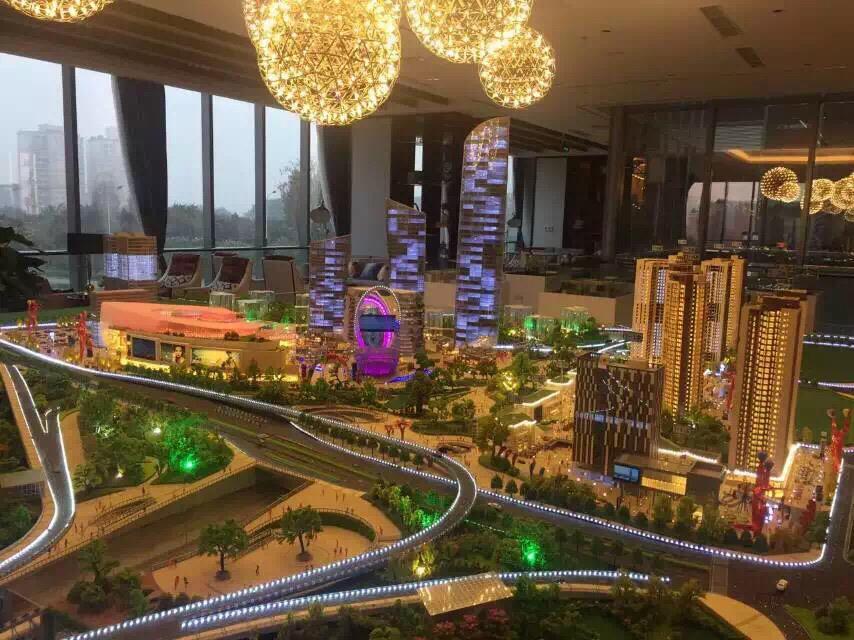
A commercial model is an object that constitutes an objective expression of form and structure through subjective consciousness, utilizing either tangible or virtual representations (the object does not equate to a physical entity, is not limited to tangible or virtual, and is not confined to two-dimensional or three-dimensional).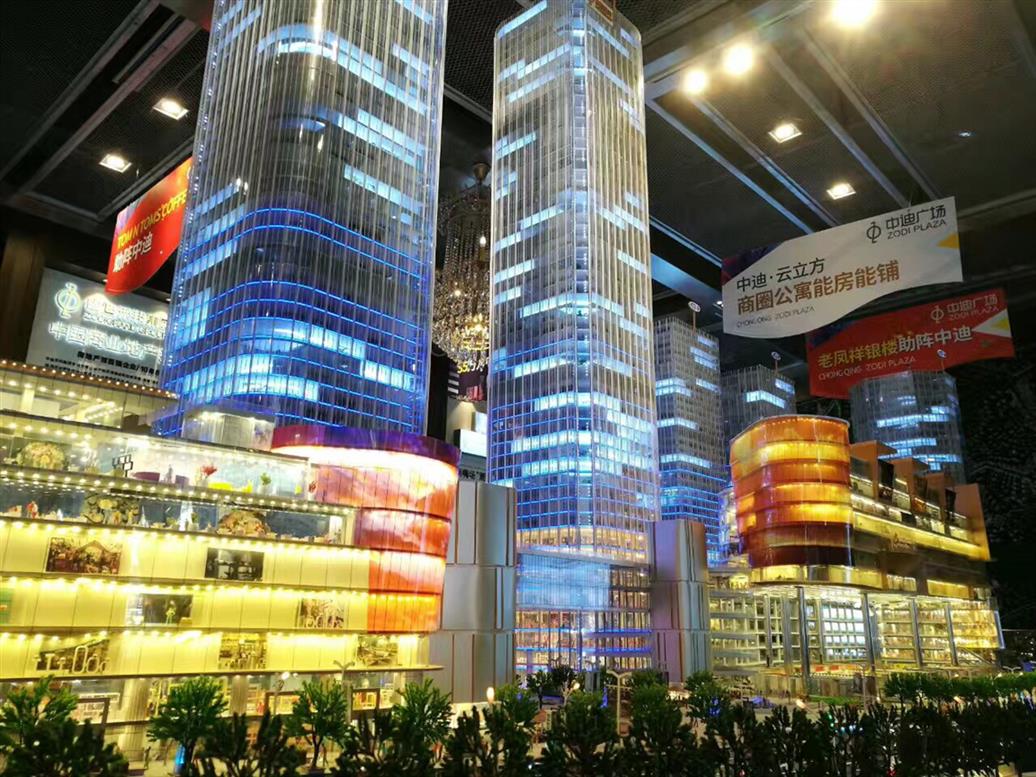
In broad terms, a business model is: If one thing changes with another, then the former is a model of the latter. The role of a model is to express the nature of different concepts. One concept can cause many models to change to varying degrees, but only a few models are needed to express the nature of a single concept. Therefore, a concept can alter its expression by referring to different models.
When a model is associated with an object, it generates a framework with properties that determine how the model changes with the object.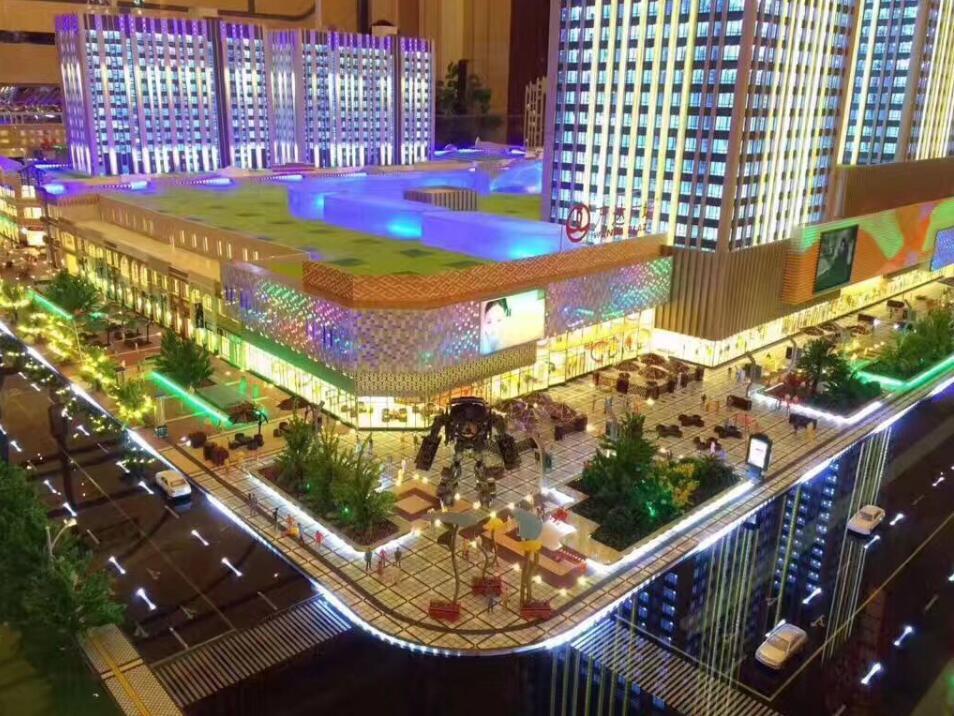
The business model consists of physical models (concrete objects with concepts of volume and weight) and virtual models (forms created through digital data representation and other practical manifestations).
Model display formats include flat and 3D presentations (e.g., catalog examples are a type of flat presentation).
The company excels in utilizing a variety of high-tech multimedia digital presentations to fully showcase urban planning achievements. The main designers all have a formal background in architectural design.
WeChat Official Account

Scan to follow Official Account













