










Modeling Company | Supplier of Modeling Companies | Modeling Company Phone
In the creation of sandtable models, many architectural structures are assembled based on blueprints, constructed to a predetermined scale using either hand or computer-aided carving machines to form the facades, which are then pieced together. The selection of color and texture is a critical step. It's akin to authentic exterior decorative materials. Architectural models are a specialty in their own right, and delving into this art form is wise. Sometimes, the color of the model's facade may not look as expected, but once the balcony windows are added, it greatly improves. Placing the model on a base and complementing it with greenery enhances its appeal, showcasing artistic techniques such as highlighting and softening in the art of architectural model making.
When drafting the sketches for sand table creation, it's often preferred to use computer-generated visuals, which can be difficult to capture the essence. Computer visuals depict continuous light and shadow relationships, which are dynamic; the portions selected first are only reasonable in the computer-generated visuals. This is because the coloring and texture on architectural models differ greatly from those in the computer visuals, as do the principles of light reflection. In terms of referencing colors, the purpose of computer visuals is to display the relationships between colors; whether they can attract consumers depends on the skill level of the model creator.
For many years, our model-making products have received widespread praise from users. Particularly, the dynamic demonstration models, utilizing advanced technology, integrate static and dynamic automated control with sound, light, electronics, hydraulics, infrared, and CNC dynamic operations.
The sales office model making typically includes three types: the overall project sand table model, regional sand table models, and single building sand table models. Each type has its unique features. Today, let's discuss the details to pay attention to during the sales office sand table model making process.
I. Regional Model: The regional model is primarily used to depict the urban occupancy of the project and the future mature living environment. During its creation, attention should be paid to:
1. Transportation Network: Highlight the main traffic arteries of the project and the accessibility from the project location to key urban areas, such as industrial zones and city centers.
2. Living Environment: Reflects the maturity of the area. The regional model should highlight the dense residential developments surrounding the project, usually with the selling projects being slightly downplayed.
3. Lifestyle Amenities: Highlight nearby schools, commercial districts, etc., indicating the residents' 5/10/30-minute living radius.
4. Future Development: Reflect the future trend and potential value of the project.
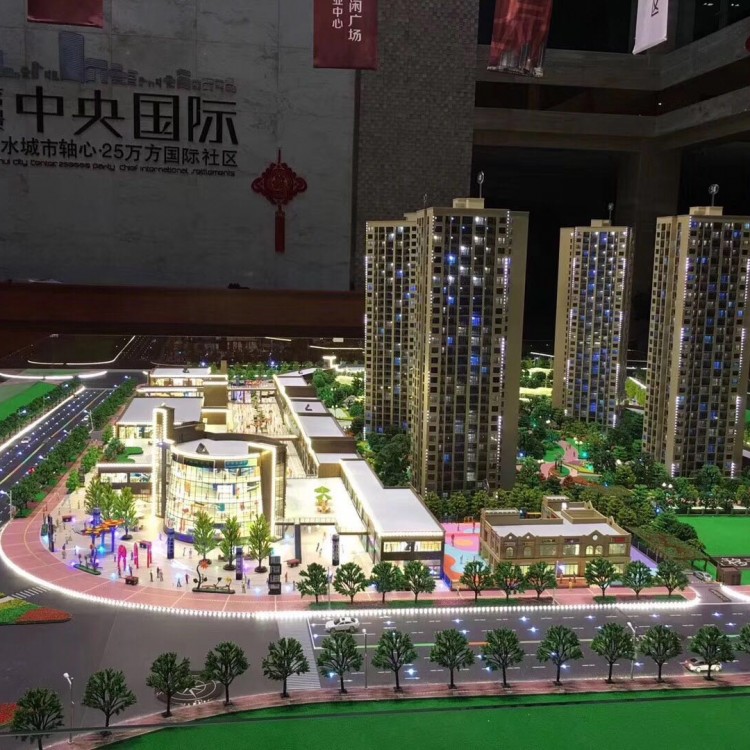
Two: Overall Sandtable Model: The overall sandtable model includes the entire project's buildings, environment, and transportation, featuring rich content and larger dimensions.
1. Main Structure: Emphasize the rich design essence; color expression should be authentic and highlight the richness of the design. The architectural facade requires meticulous crafting, with courtyard, balcony, railing, and facade components all to be reflected.
2. Landscape: Select appropriate landscape plants based on the climate and environmental conditions of the project location. Emphasize distinct seasons and the realistic effect of densely populated vegetation.
3. Building Modules: Distinct between virtual and real, they can be differentiated from the main building. The design is usually simple, or crystal-like elements are used to soften the appearance.
4. Lighting: The overall lighting should be uniform, with emphasis on highlighting the main building, commercial streets, clubs, etc.
5. Business Section: Aim to create a rich commercial atmosphere and cultural ambiance. Appropriate additions of various decorations and advertisements are recommended. The eaves, lamp posts, and architectural outlines on the exterior can be illuminated with flashing light tubes, outlining their exquisite contours while forming a good, bustling shopping environment.
Section 3: Individual Sandtable Models: Individual sandtable models are made in larger scales, requiring extremely fine details. The individual building models should highlight the facade effects of the buildings, as well as other details such as facade tiles, roofs, windows, molding, balconies, etc. The apartment layout models should emphasize indoor living scenes and functional features, creating an atmosphere of residential comfort.
Above is what the model making company introduces to you. If you have any further questions, feel free to consult our website, where professional staff will explain it to you.













