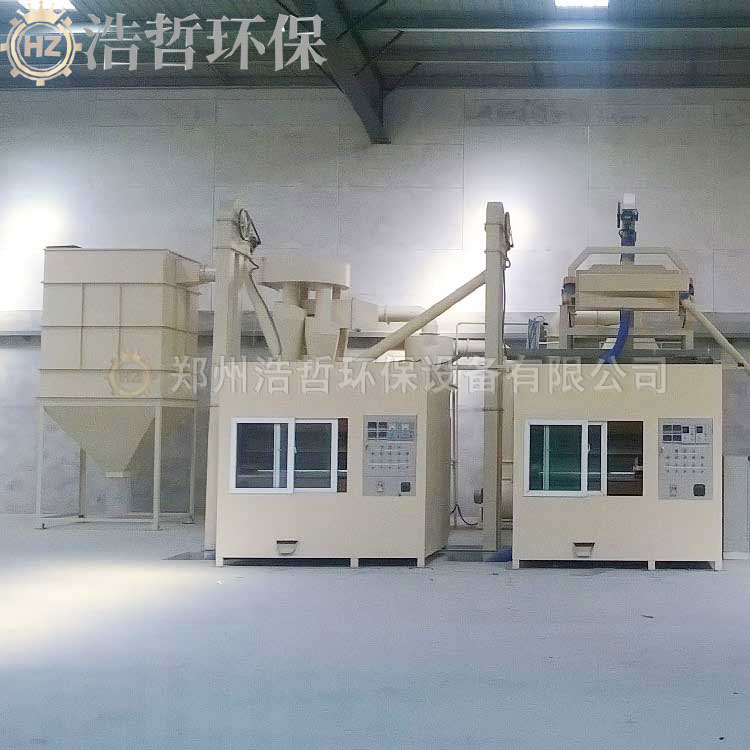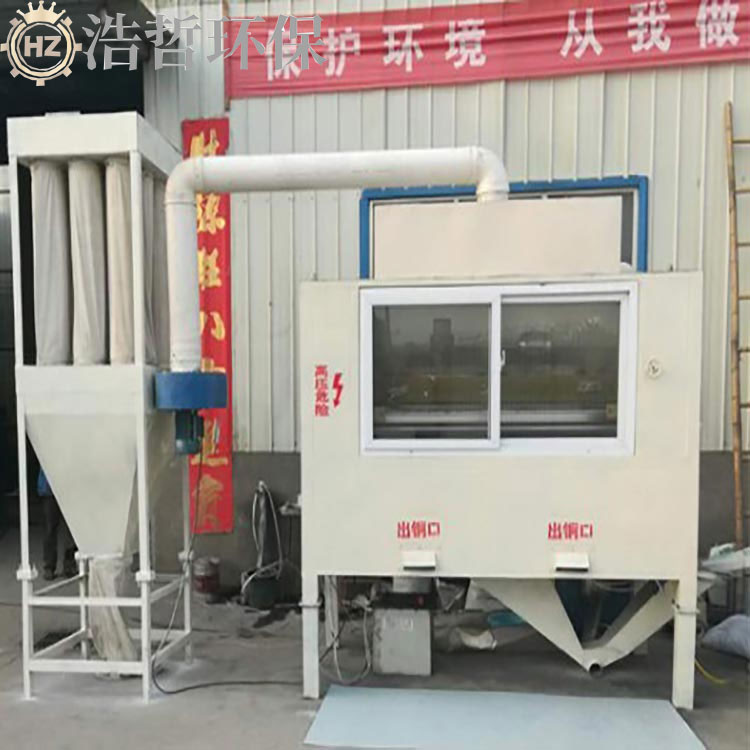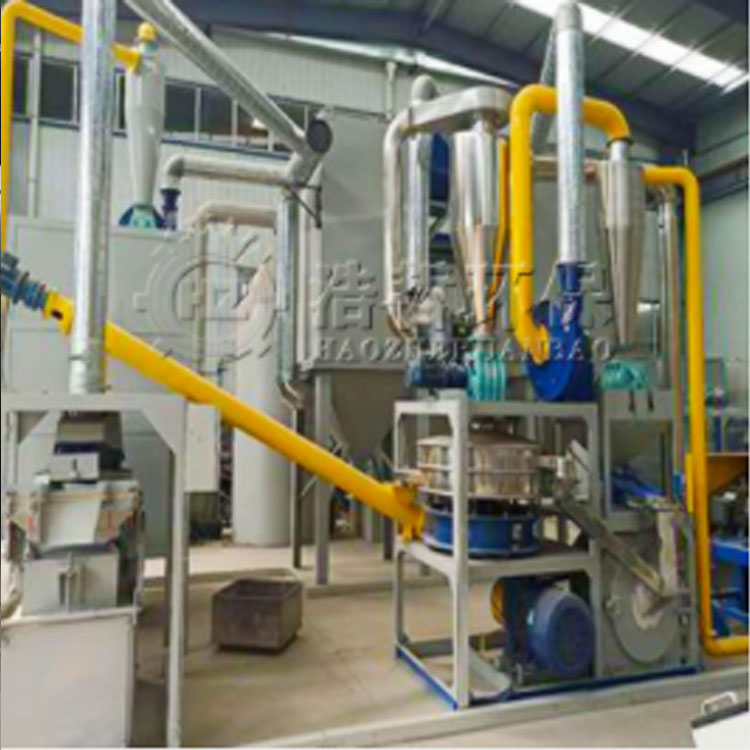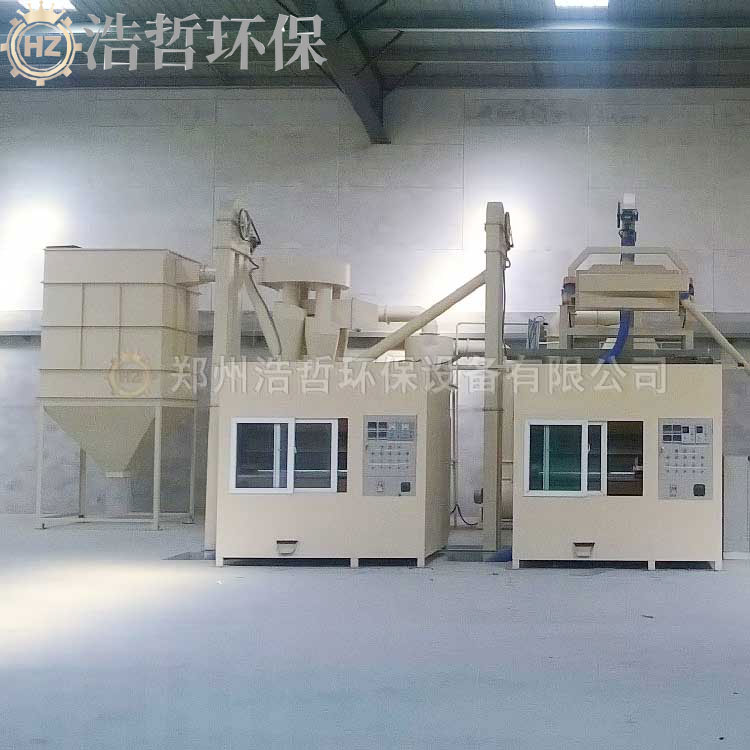

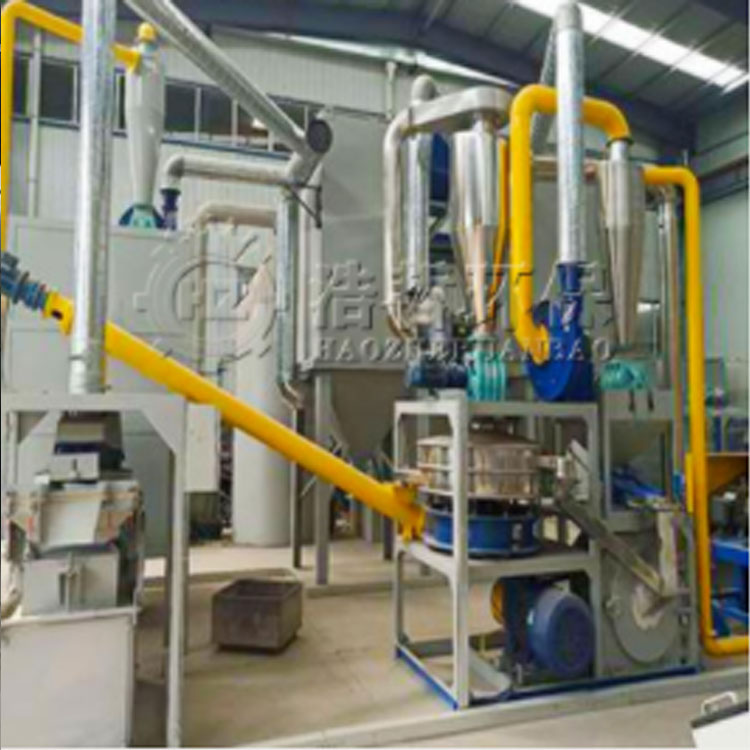











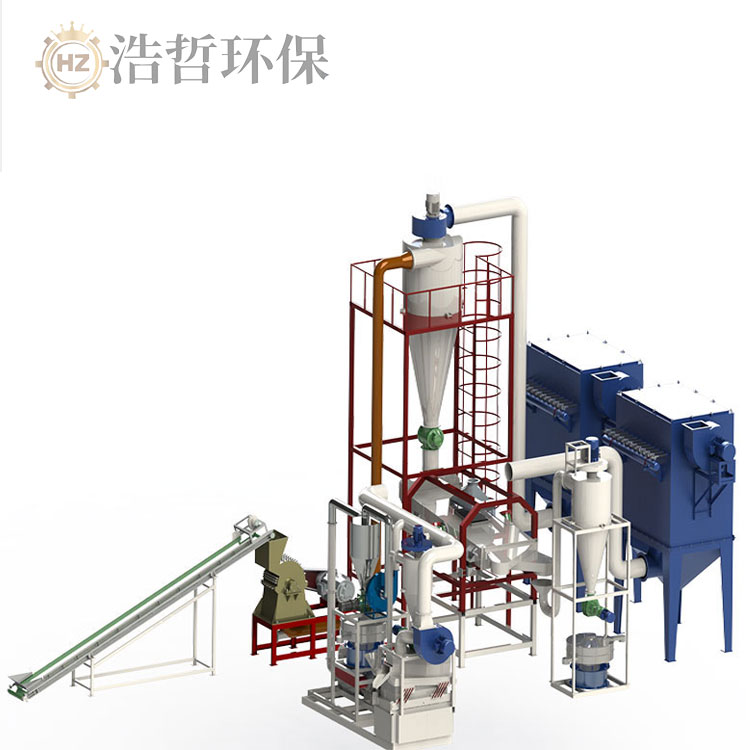
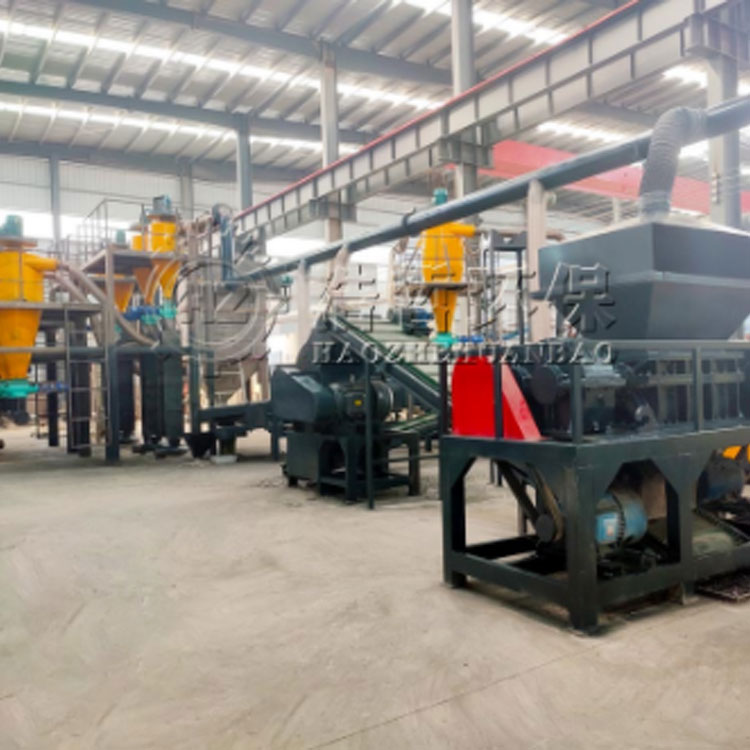
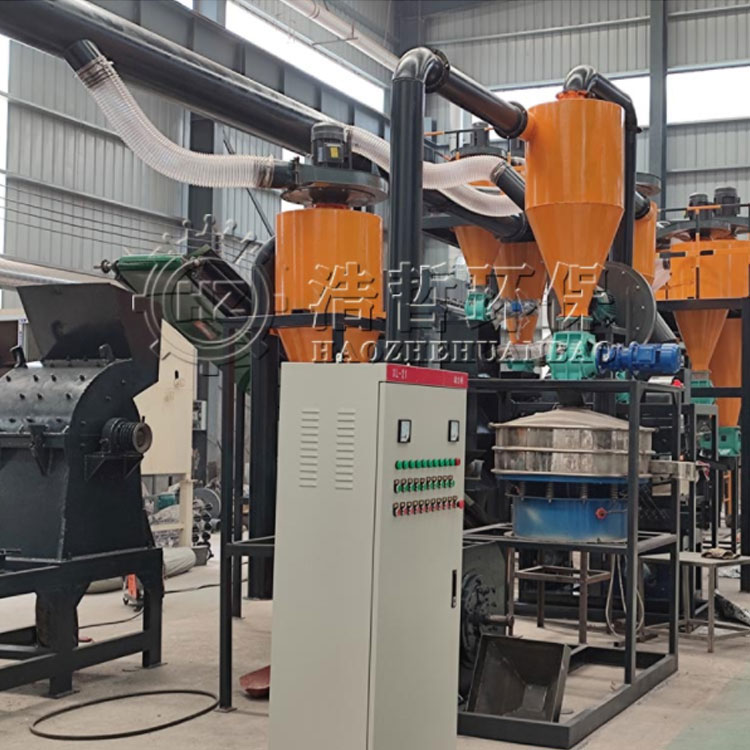
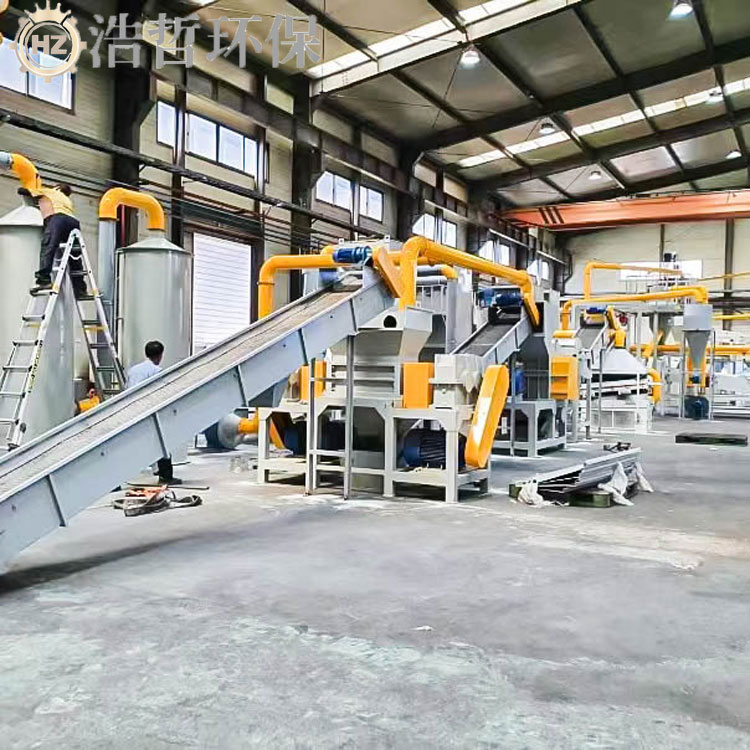
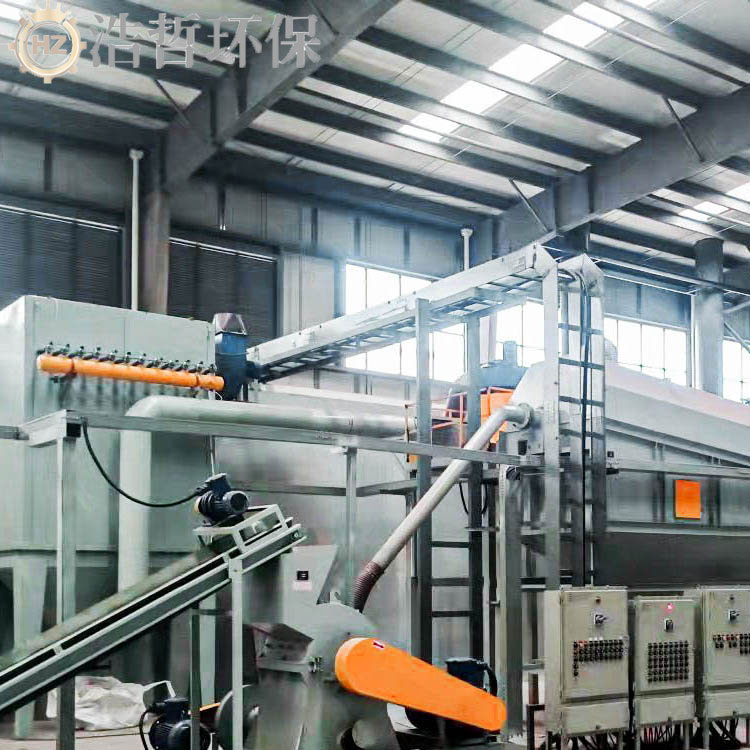
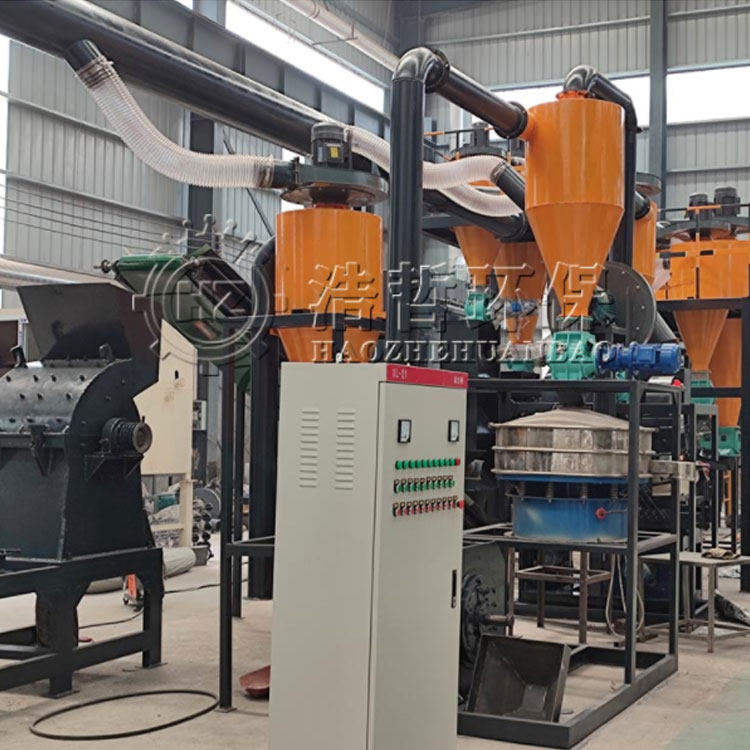
Printed Circuit Board Recycling Equipment is primarily used for separating metals and non-metals from waste circuit boards, copper clad boards, printed circuit boards, and scrap materials. The development of the PCB recycling equipment not only enhances the quality of recycled copper but also prevents secondary pollution. This production line employs a secondary processing method for recycling waste circuit boards, converting them into a mixture of metal and resin fiber powders. The process then separates the copper from the resin through wind sorting and electrostatic separation. The machine's overall appearance is clean, and its comprehensive performance is excellent. It offers good recycling results and compatibility with computer boards, TV boards, and circuit boards of other electronic products. The equipment is also equipped with a new dust removal system, ensuring no exhaust emissions and preventing dust pollution to the environment.
Working Principle
The circuit board recycling equipment utilizes electrostatic separation technology for metal sorting. The principle is to take advantage of the differences in the electrical conductivity of materials. In a composite electric field combining a high-voltage corona discharge field and a high-voltage static electric field, under the action of electrical and mechanical forces, it achieves separation of the material. It enhances the attraction of the static electrode for conductors and the repulsion for non-conductors. A high-frequency alternating strong magnetic field is generated on the surface of the separation magnetic roller. When conductive non-ferrous metals pass through the magnetic field, eddy currents are induced within them. These eddy currents produce a magnetic field opposite to the original field. Non-ferrous metals (such as copper, aluminum, etc.) are repelled by the magnetic field and leap forward along the direction of conveyance, achieving separation from other non-metallic materials, thus accomplishing the sorting goal. The main distinguishing criterion is the ratio of the material's electrical conductivity to its density; materials with higher ratios are easier to separate.

Equipment Features
1. The circuit board recycling equipment has been upgraded with an automatic control system, ensuring a smooth and organized production process. This not only reduces manual operations but also lowers energy consumption, achieves pollution-free emissions, and enhances work efficiency.
2. Offers good overall performance, showing great effects on computer boards, computer circuit boards, TV boards, and other line control boards. It also demonstrates compatibility in recycling various circuit boards containing capacitor components.
3. This production line is an upgraded and modernized version of the wind selection type products, occupying less space, and is currently the ideal production line for the recycling and utilization of waste electric (circuit) boards.
4. Circuit board recycling equipment features a new-style dust collector, with a three-in-one dust removal system (cyclonic dust removal + electrostatic dust removal + static dust removal) that is environmentally friendly with no air pollution or waste gas emissions.
5. The equipment boasts a clean appearance, flexible installation, and user-friendly operation.
Equipment Advantages
1. Excellent overall performance; offers great results for the recycling of computer boards, computer panels, TV boards, and other circuit control boards. Also possesses versatility for the recycling of various circuit boards containing capacitor components.
2. This production line is an upgraded version of the A-type product, featuring reduced power consumption, no noise, fewer labor requirements, high automation, improved efficiency, and a smaller footprint. It is also the most ideal production line for recycling and utilizing waste printed circuit boards to date.
3. PCB recycling equipment features a state-of-the-art dust collector with a three-in-one dust removal system (cyclone dust removal + electrostatic dust removal + dedusting), ensuring no air pollution and zero waste gas emissions.
4. The equipment boasts a clean appearance with no dust bags, overcoming the traditional challenges of dust and odor removal that conventional dust collectors fail to address.
Application Scope
All types of scrap printed circuit boards, circuit boards, copper clad boards, scraps, aluminum-plastic boards, electronic components; After the printed circuit board materials are processed by equipment, they are separated into metal powder and resin powder, fiber powder. Generally, more than 85% of the metal powder is copper, with the remainder being gold, silver, tin, palladium, and other rare elements, with market prices rising.