












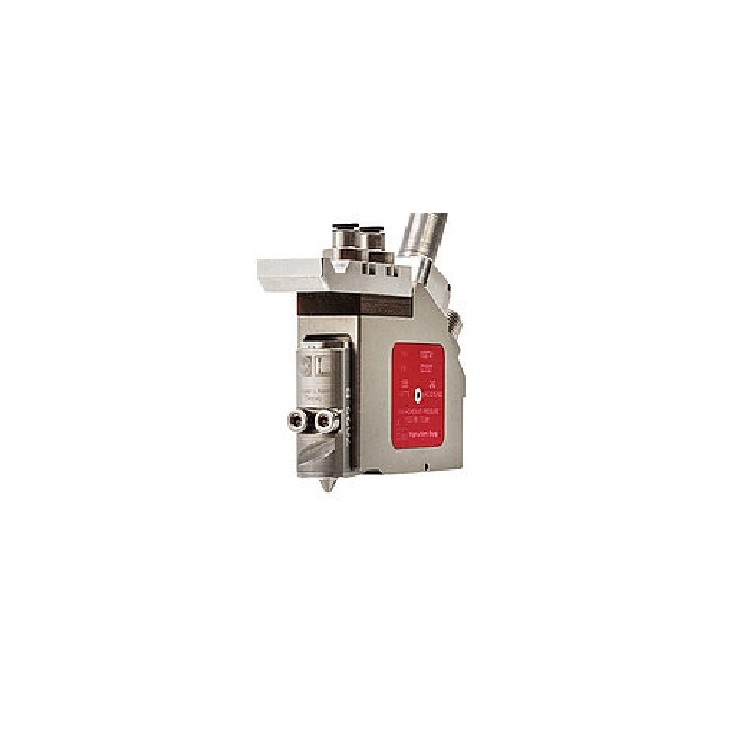


The dynamic blending system is typically used to process multiple-component materials under the following circumstances:
Vast volume discrepancies exist between the different materials to be mixed, such as a mixing ratio of 100:5.
The viscosity differences among the materials to be blended are enormous.
The mixed material cures very quickly.
Extremely low flow rate required
Structure
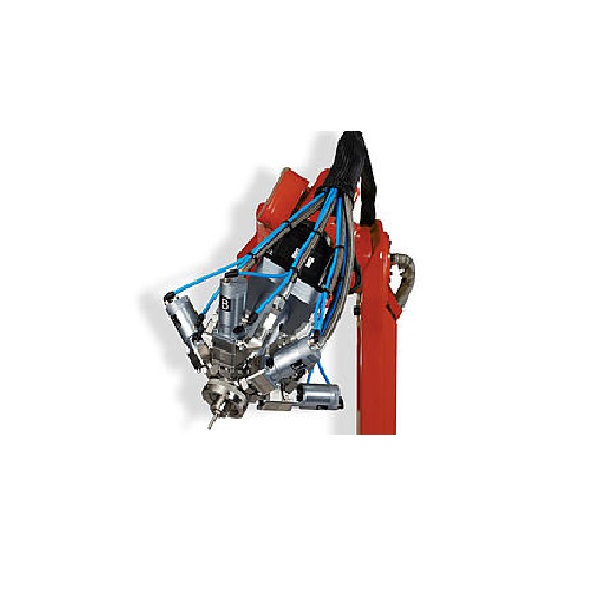
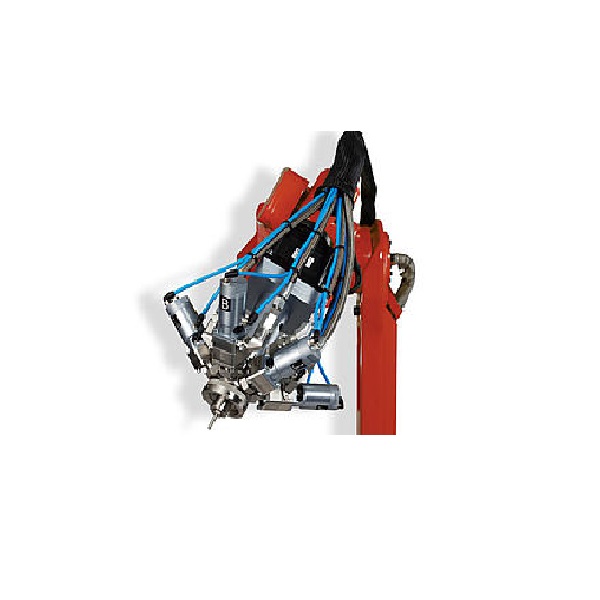
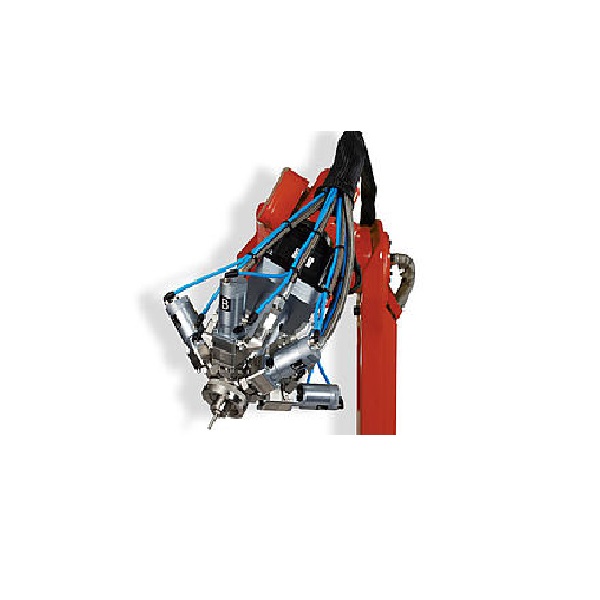
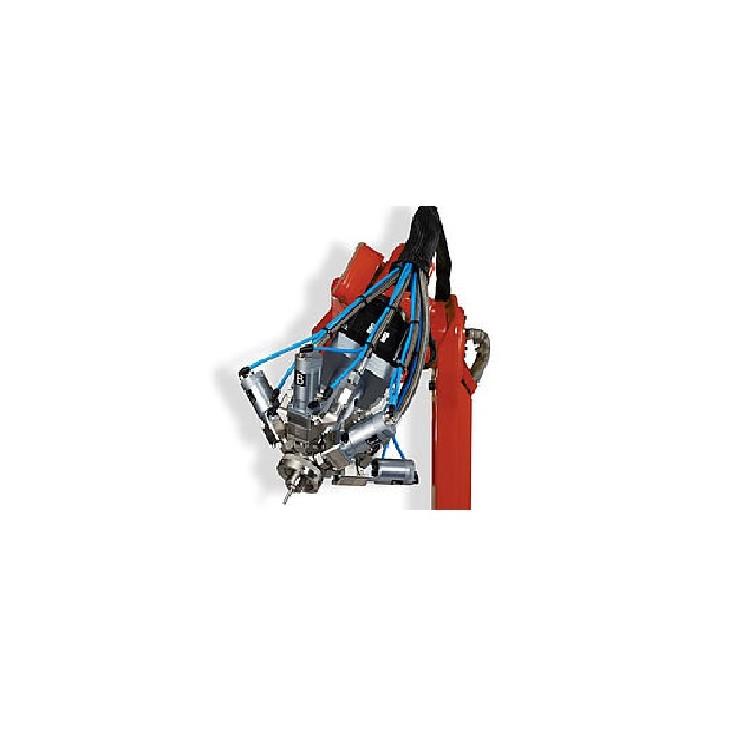
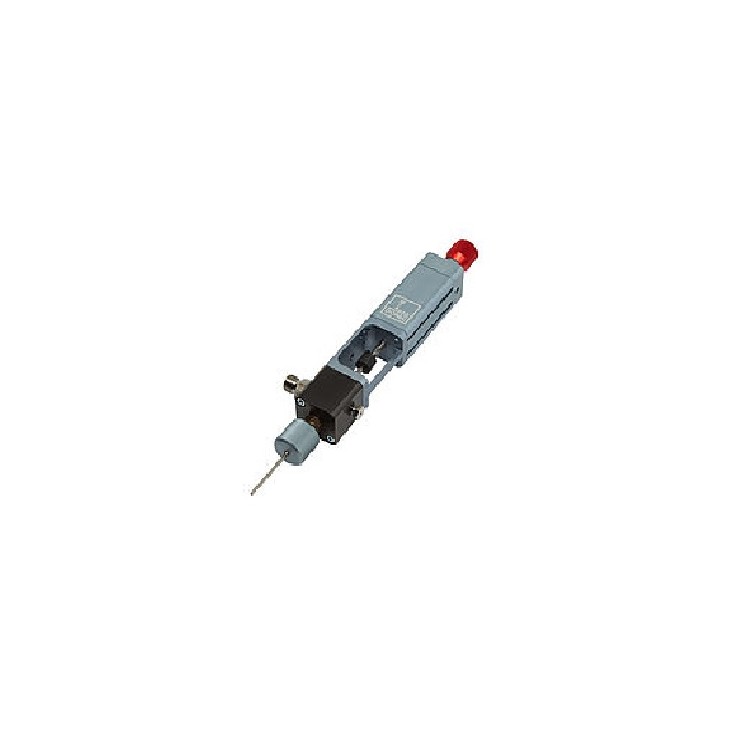
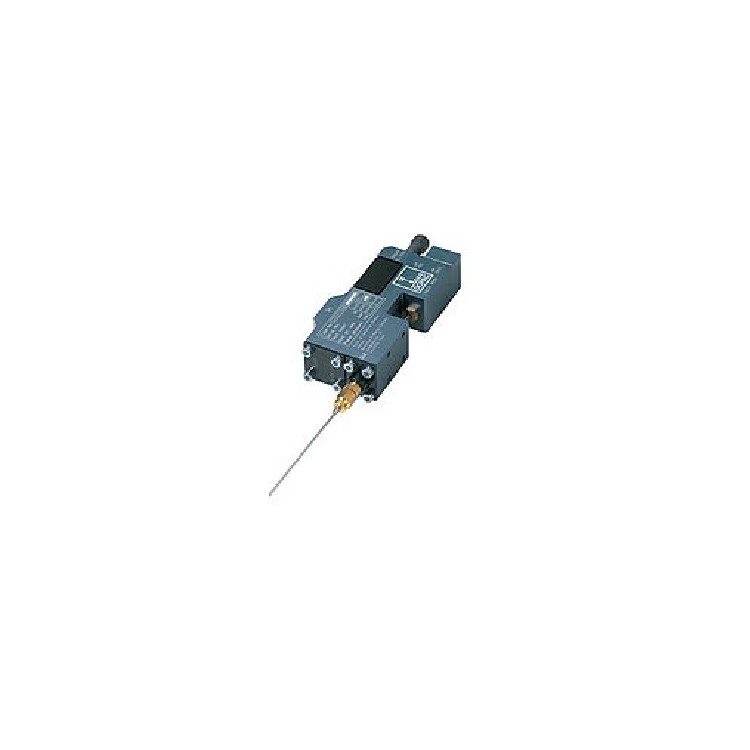
The Derui Dynamic Mixing System features a compact design and is configurable for 5 different mixing volumes. The rotor in the mixing chamber is easily removable. The valve connectors are rotatable to select the best hose direction. The oil-injection valve for Component A is fixed in position, ensuring that the mixed material does not come into contact with the rotor sealing components. This setup not only enhances the protection of the rotor sealing components but also improves the safety of the dynamic mixer.
Mixed cavity
The volume and characteristics of the mixed chamber depend on the flow rate and mixability of the material. The oil valve is installed at a specific angle into the mixed chamber to be flush with the inner plane, which helps to avoid air bubbles, mixed residues, and dead zones of untransferred material. It is crucial to ensure that the material can be completely emptied from the mixed chamber during the process of quantitative output, preventing any drips.
Valve
The dynamic mixer can be equipped with different-sized oil-injection valves based on varying application conditions and flow rates. All valves are made of stainless steel and can be fitted with recirculation valves as needed. In this configuration, material movement can be maintained through bypasses to ensure control over the mixing ratio and reduce pressure drop, thereby eliminating the risk of malfunctions. Additionally, bypasses can prevent packing material from settling. The operating position of each oil-injection valve can be monitored using sensors.