




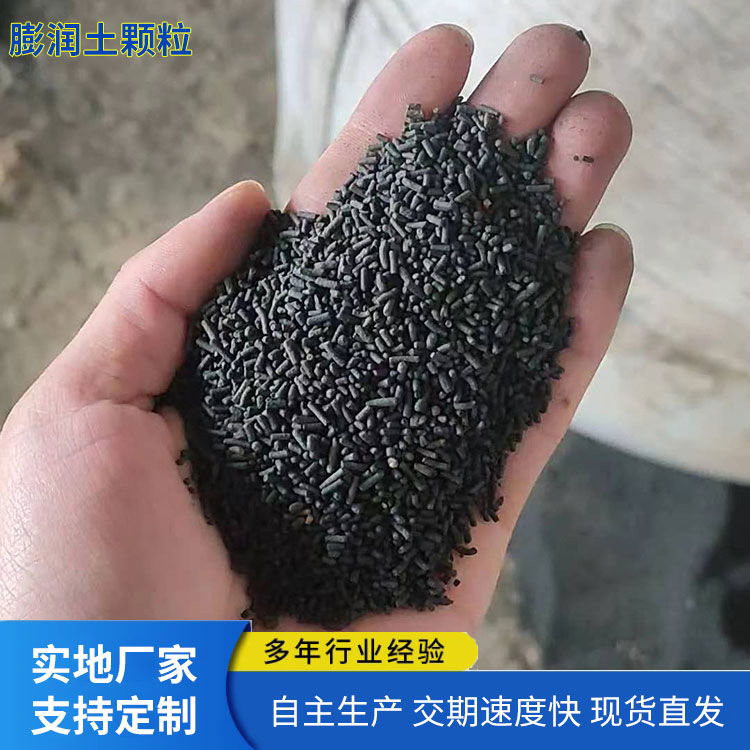
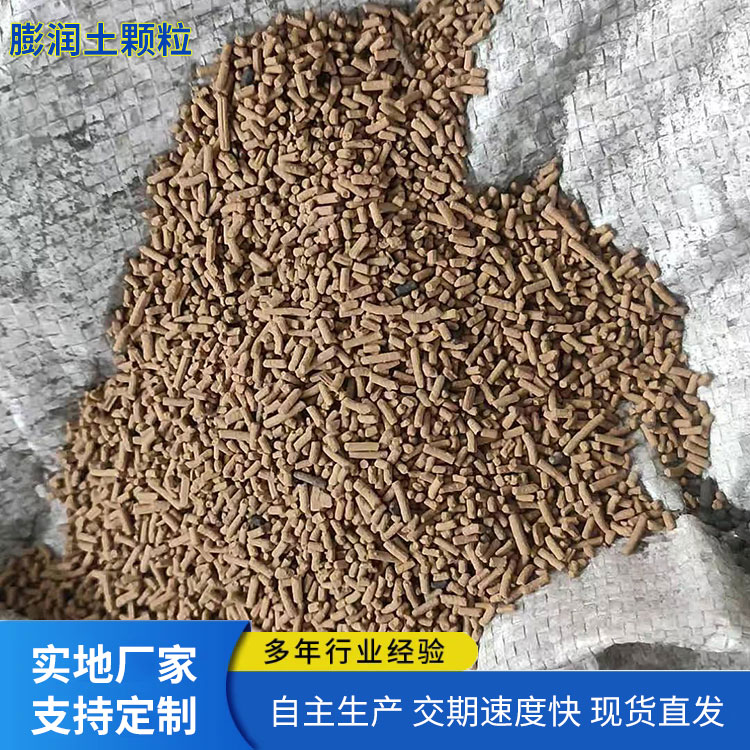
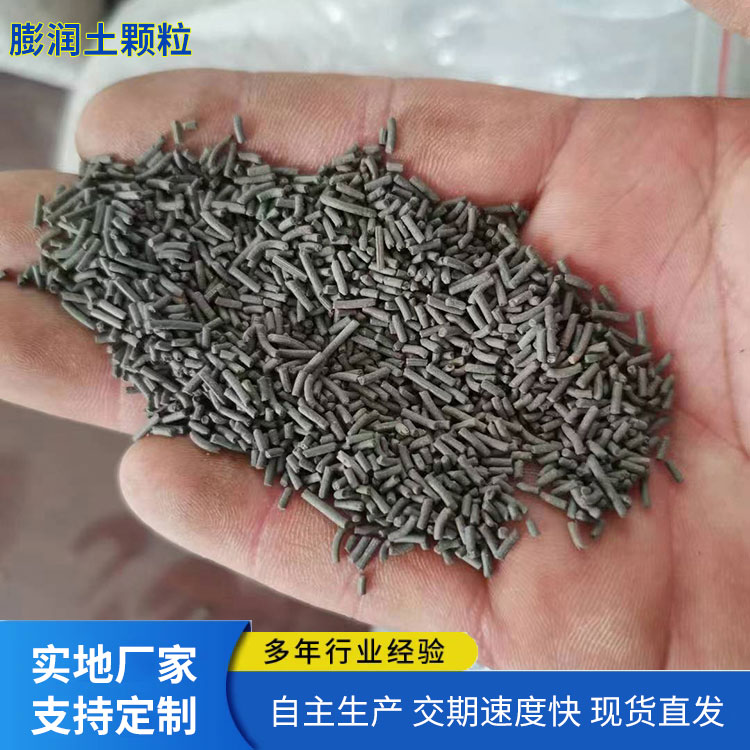





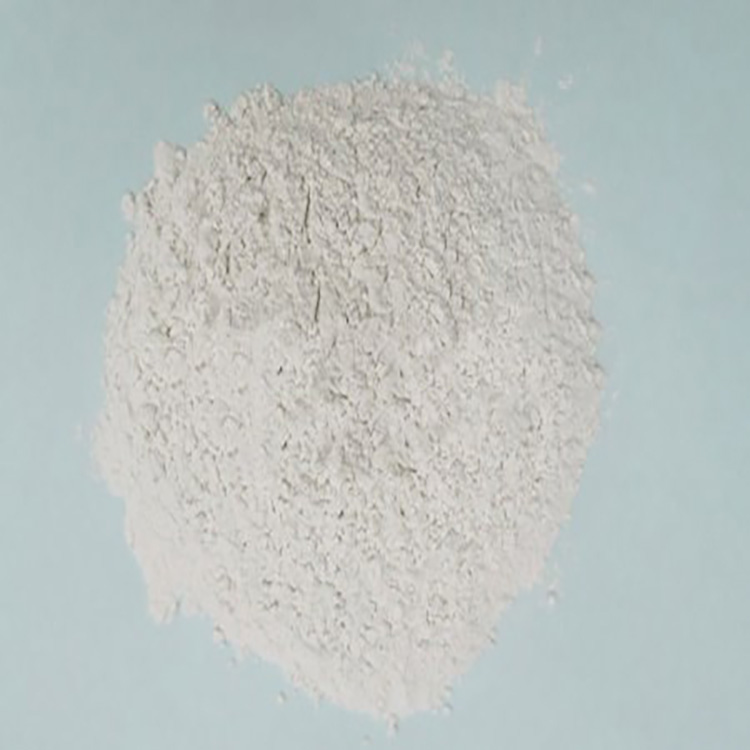
Product Description:
Product Details
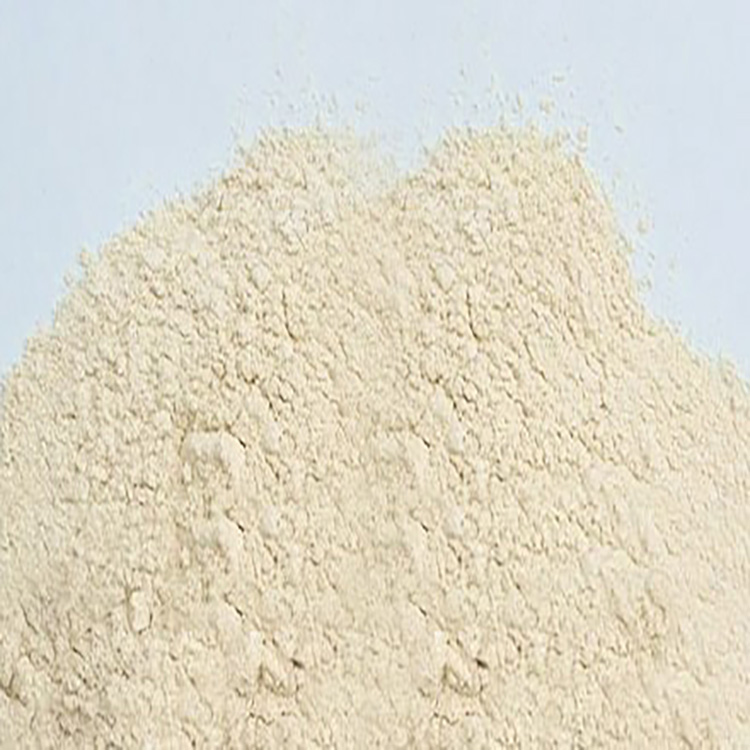
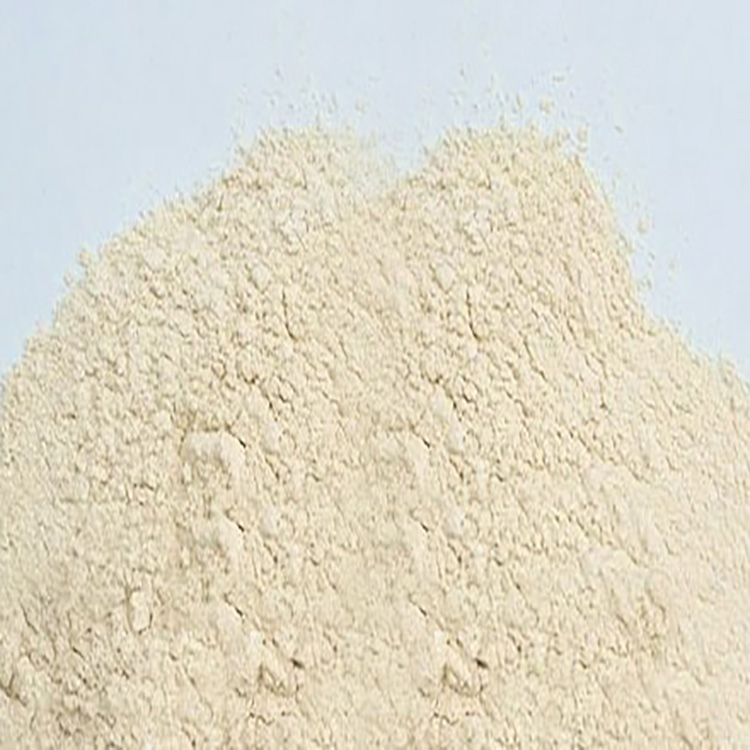
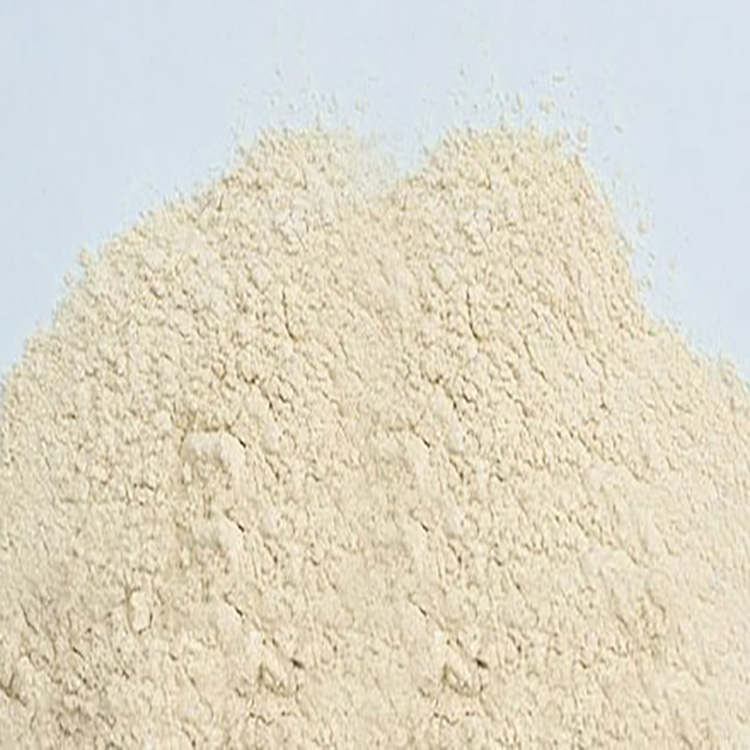
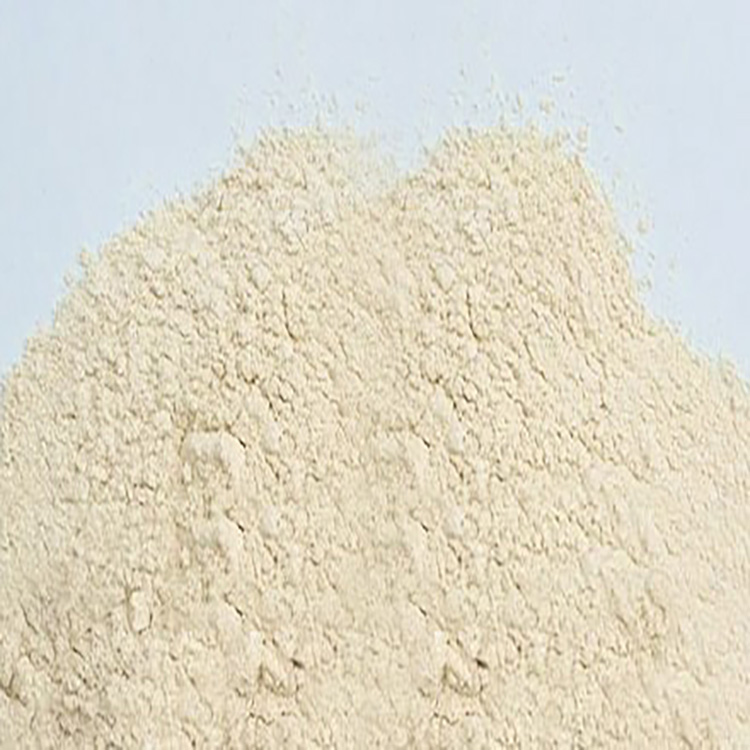
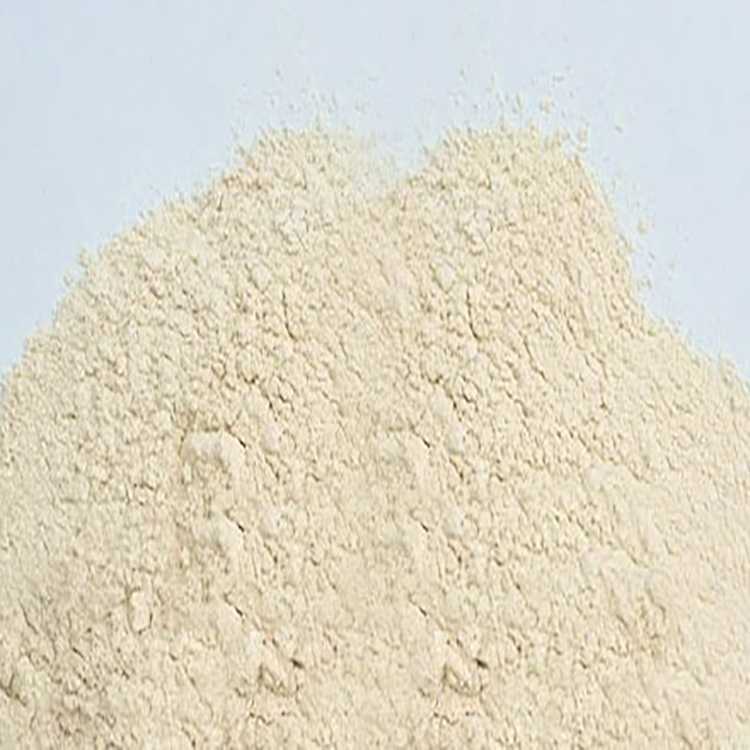
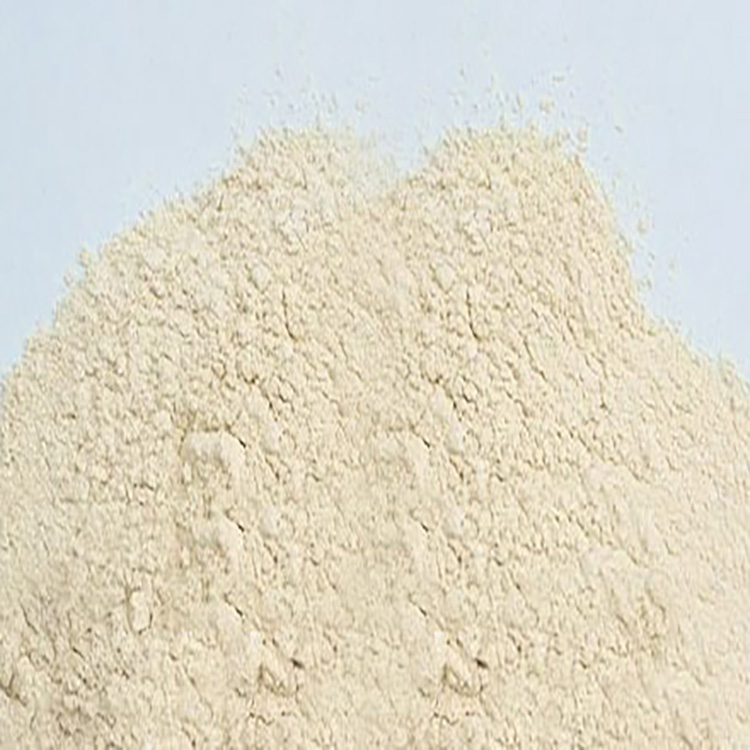
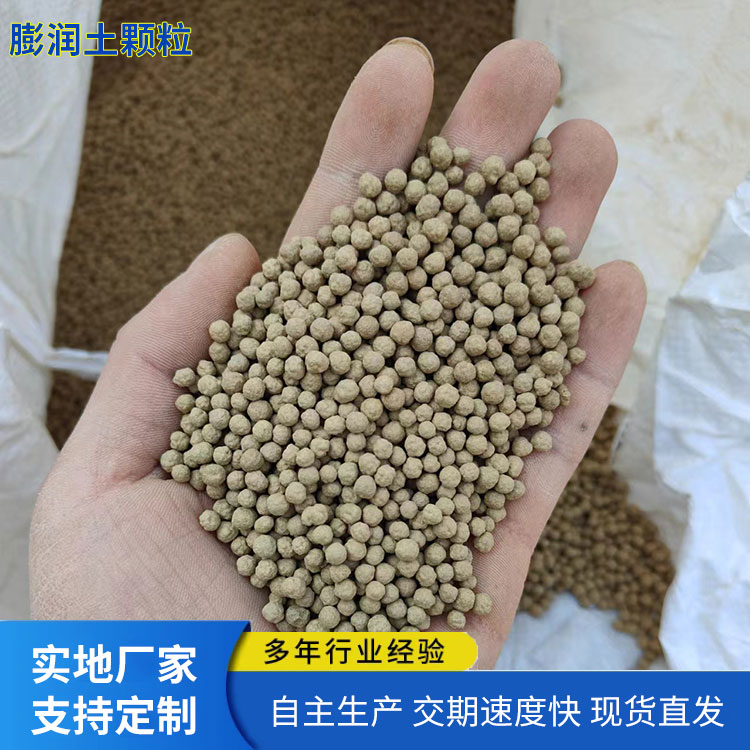
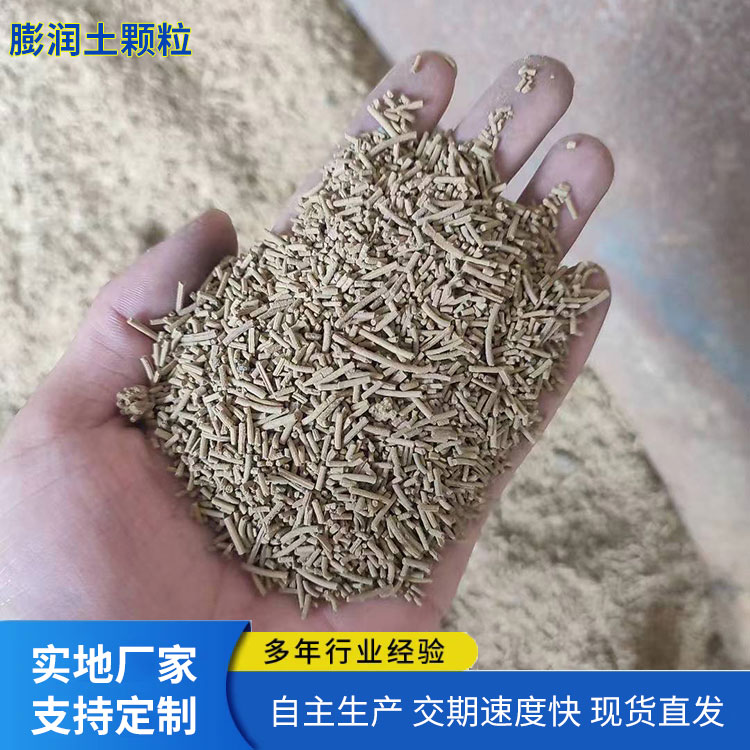
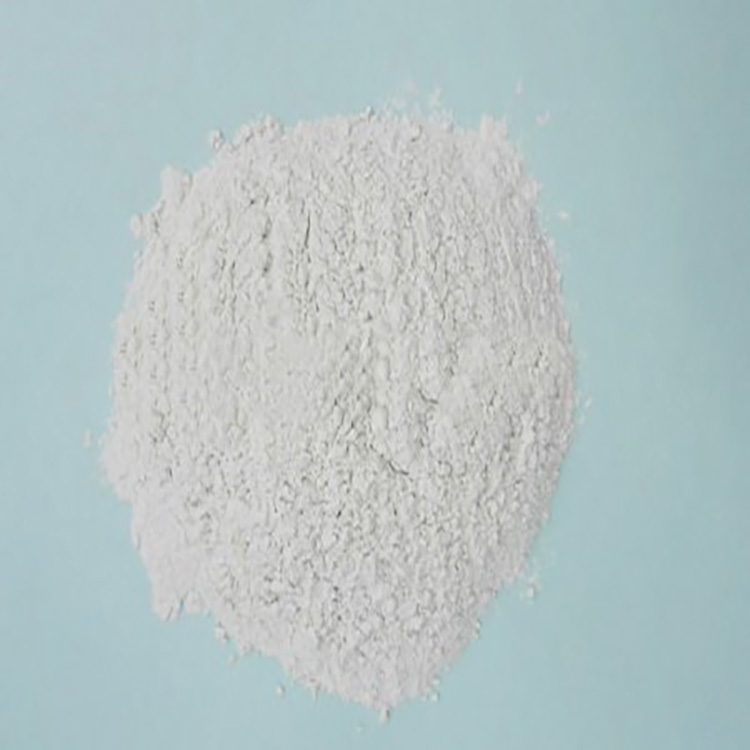
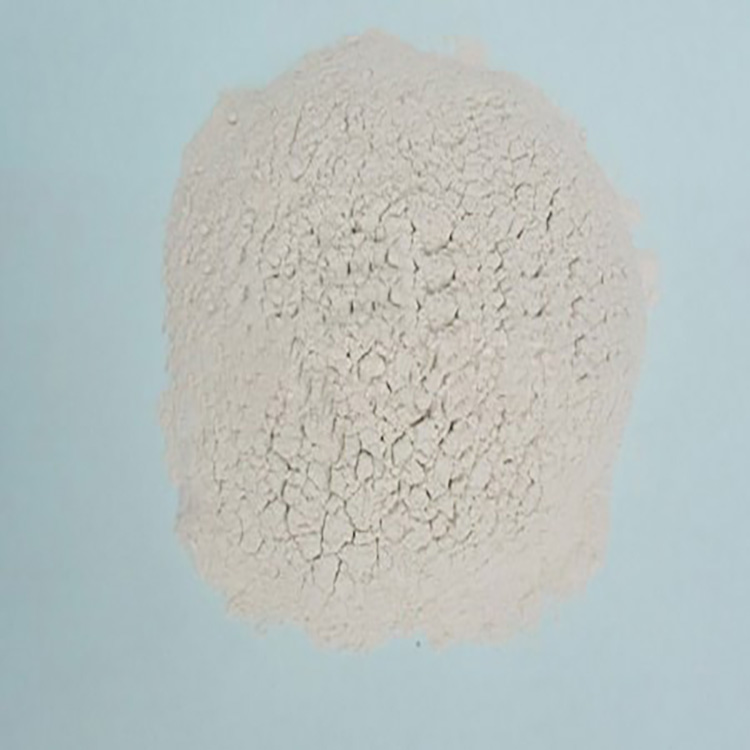
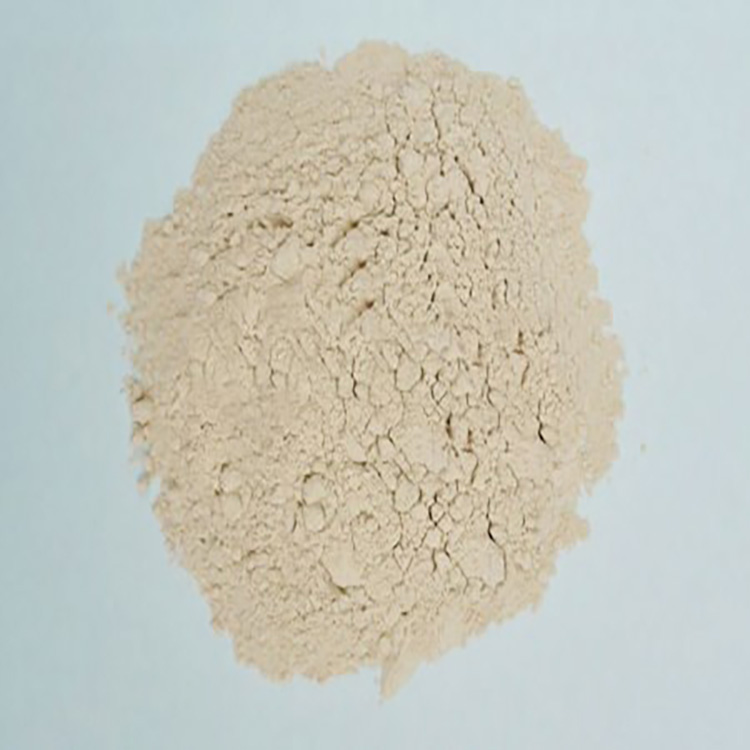
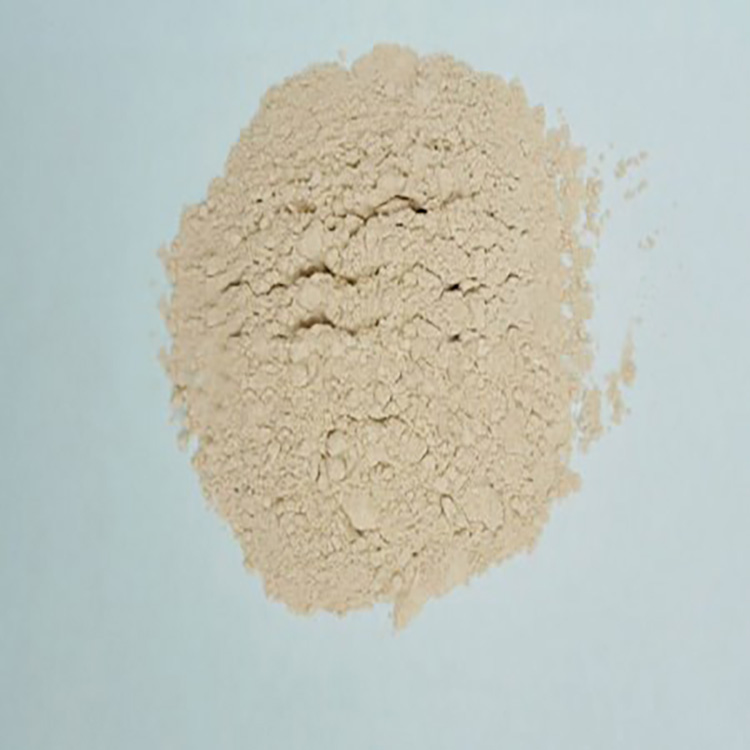
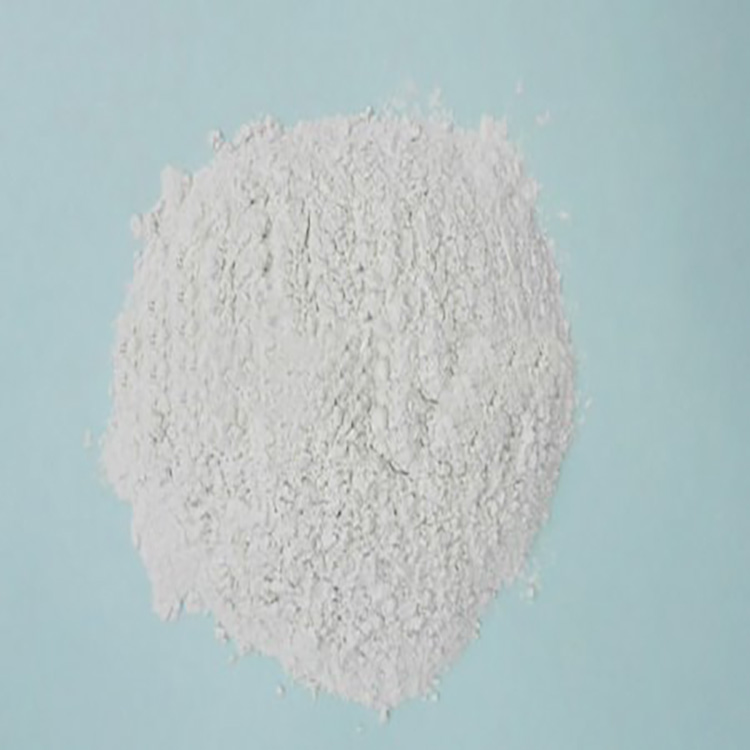
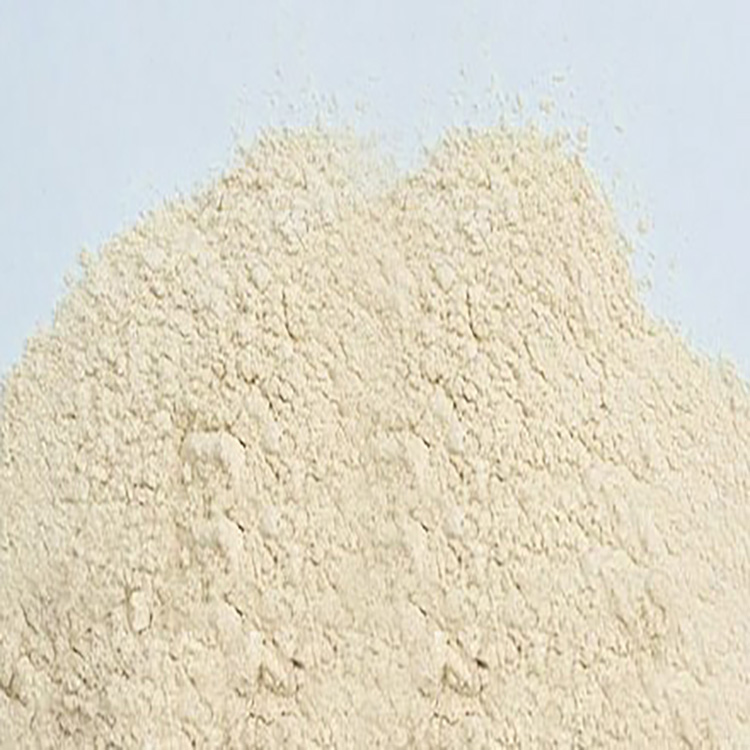
Bentonite is primarily used in foundry applications for clay-bonded sand, boasting strong adhesion, high plasticity, good film release, excellent permeability, and stable physical and chemical properties under high-temperature wet conditions. Clay-bonded sand has been a time-honored method for producing castings, and despite the widespread use of various chemical-bonded sands today, clay wet sand moldings remain a crucial molding material. Their broad applicability and large consumption cannot be matched by other molding materials. Modern processes like high-pressure molding, injection molding, air-jet molding, static pressure molding, and non-vibration vacuum pressure molding all rely on the use of clay wet sand moldings, which are highly adaptable to molding conditions.
Castable bentonite primarily includes sodium-based and calcium-based types. Sodium-based bentonite is processed from natural sodium bentonite or artificially sodium-activated bentonite, and it is favored in the casting industry for its good recyclability and high wet compression strength. Its good plasticity helps prevent casting defects such as sand inclusion, scaling, spalling, and mold collapse. With strong molding properties and high mold cavity strength, it facilitates metal casting in both wet and dry molds, serving as a bonding agent for casting sand. Calcium-based bentonite is processed from natural calcium bentonite and is commonly used as a bonding agent for light-duty castings. It is popular among users for its practicality and ease of sand removal from castings. Compared to other binders, bentonite has a significant advantage: it possesses certain heat resistance. As long as the heating temperature is not too high, bentonite that has had its free water removed can still regain its adhesive properties upon rehydration.
Our factory's sodium and calcium bentonite, used as molding sand binder in cast iron and cast steel mixed, surface-dry, dry, and high-pressure molding, features high strength, excellent anti-ash inclusion resistance, good high-temperature properties, and reusable performance, thereby enhancing the surface finish, dimensional accuracy of castings, and reducing the scrap rate.