



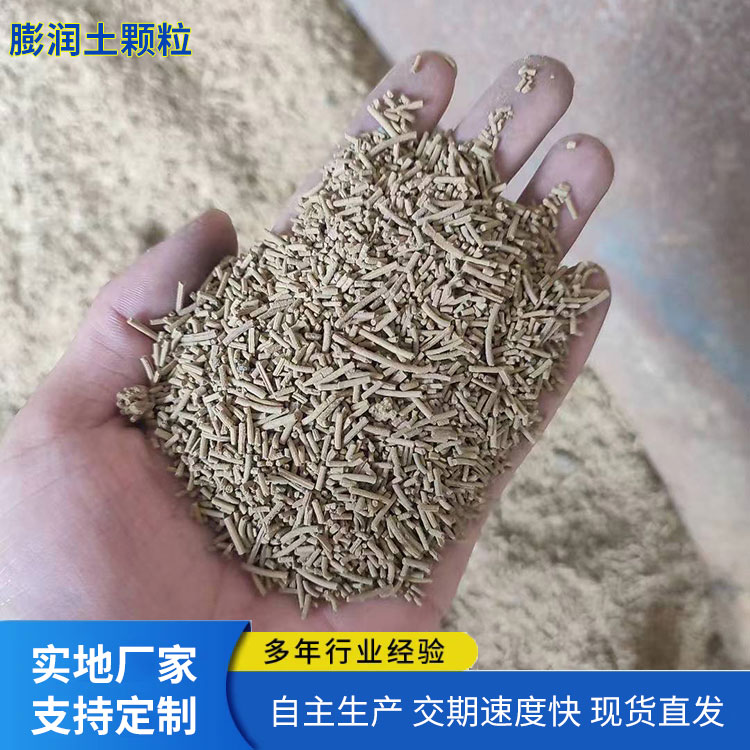
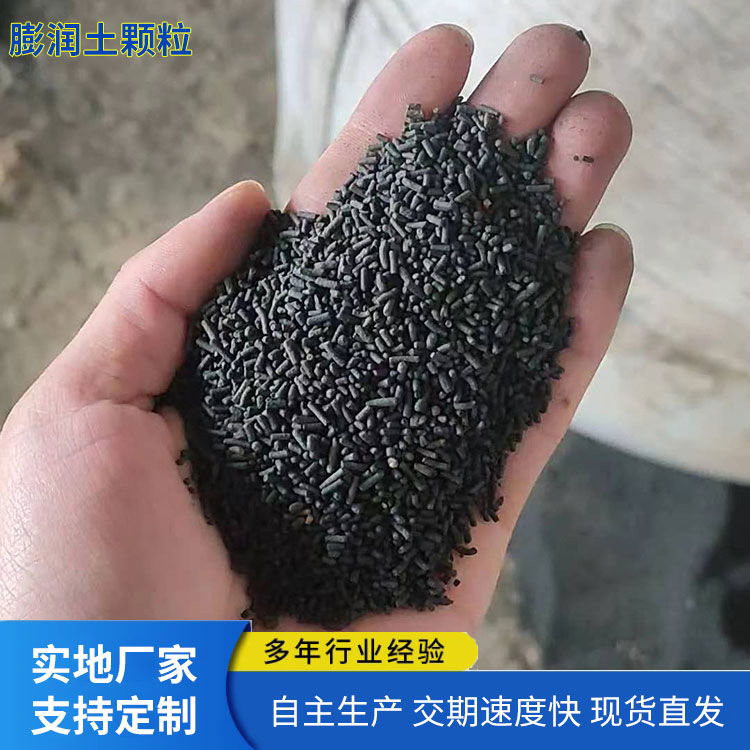
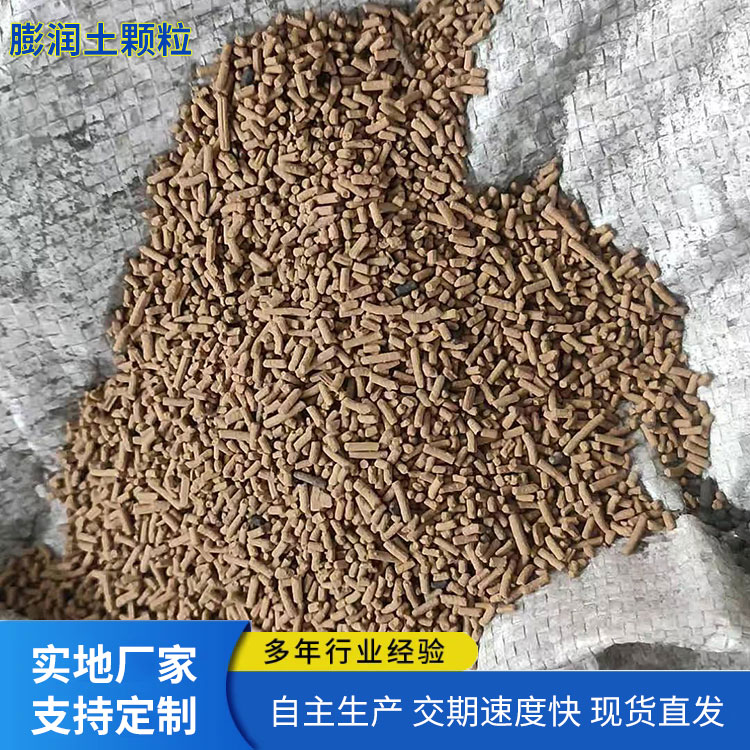
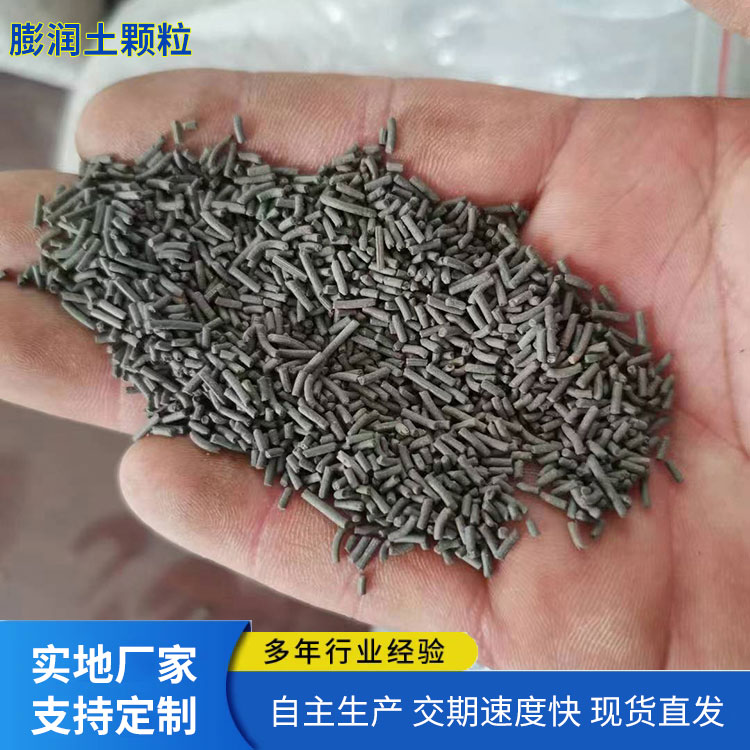





Product Description:
Product Details
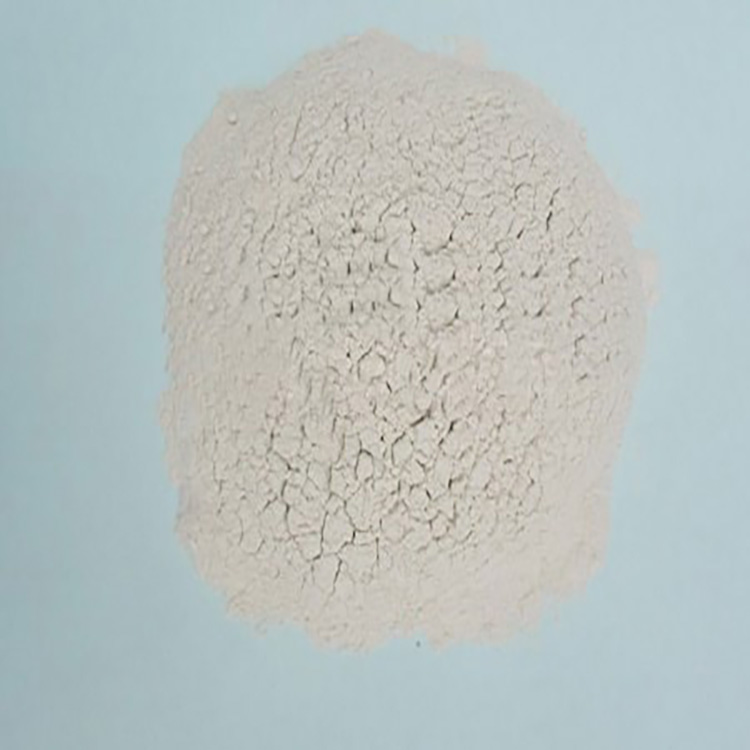
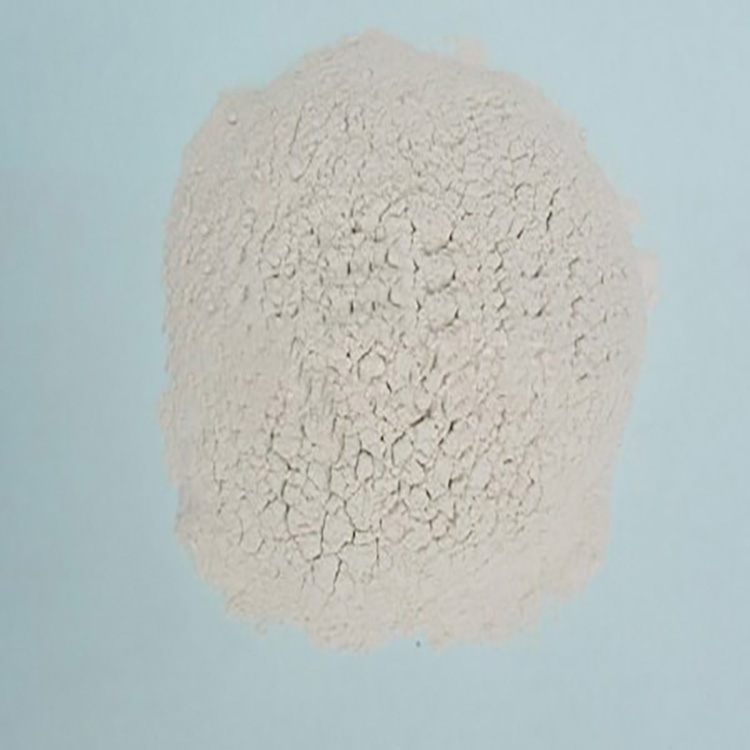
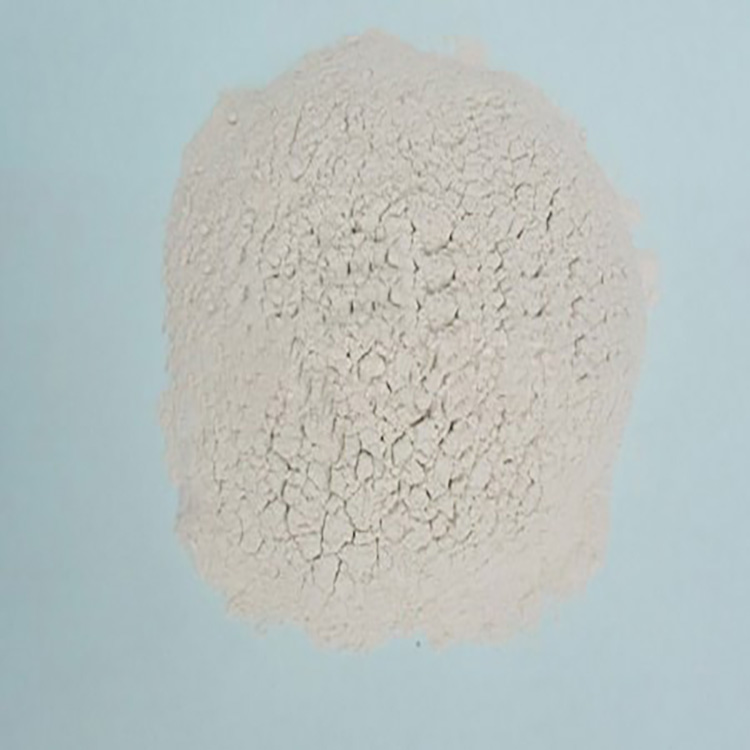
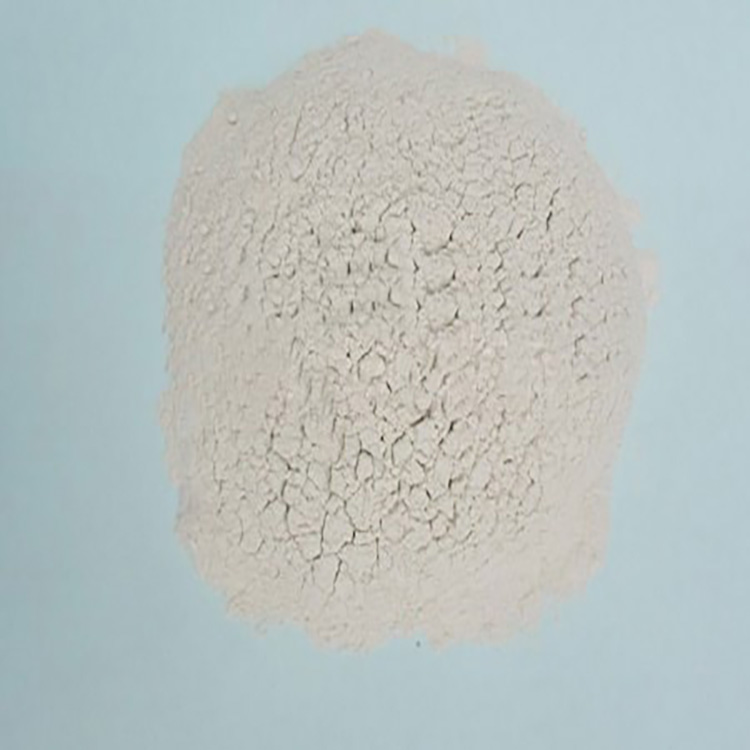
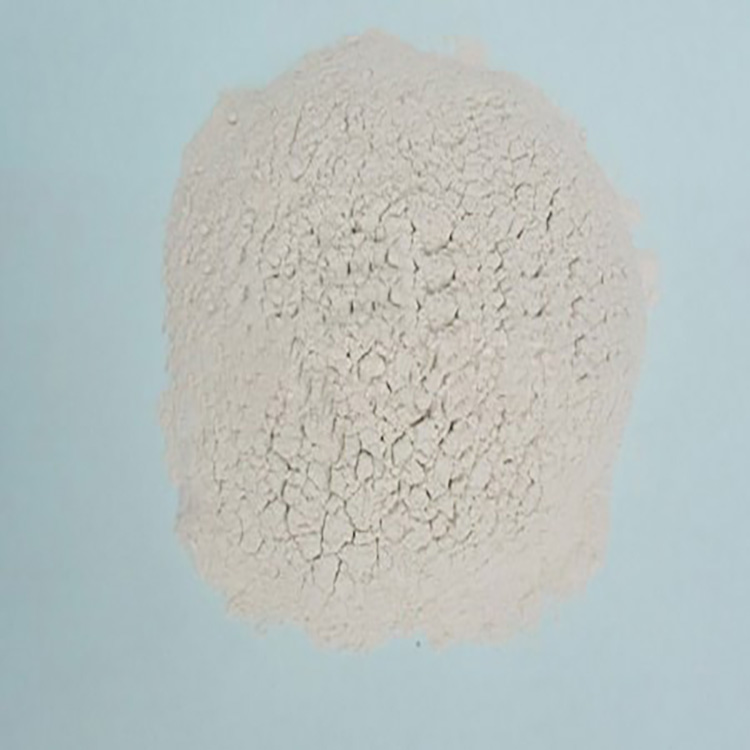
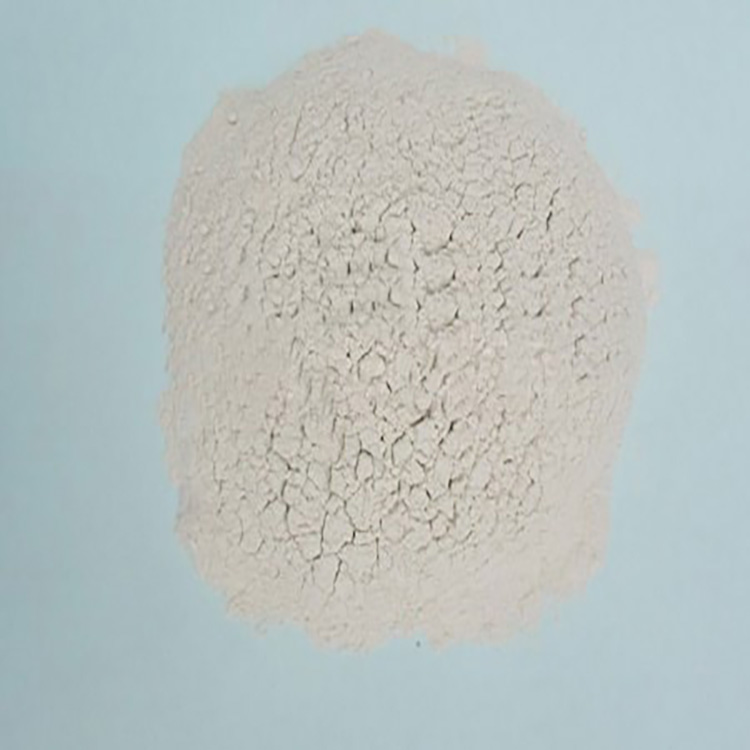
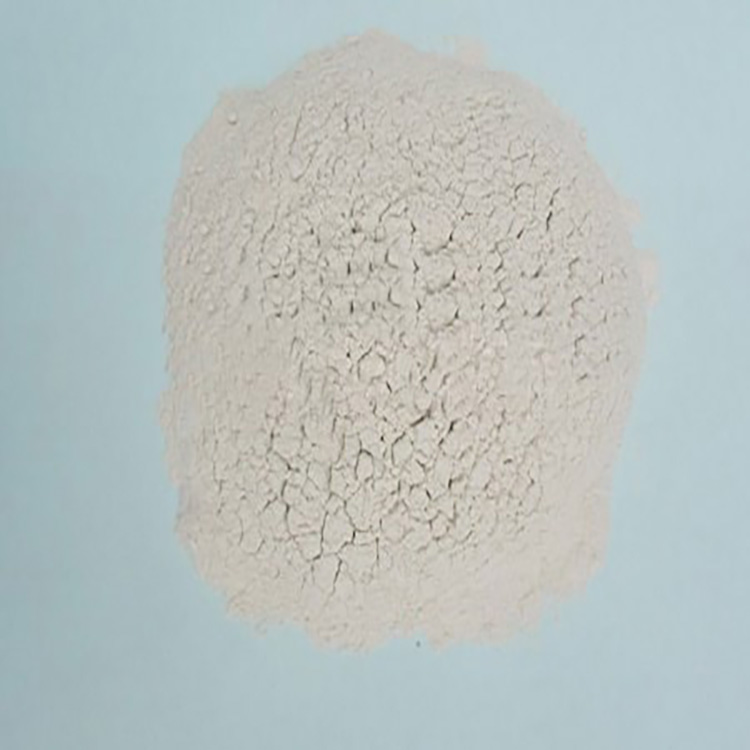
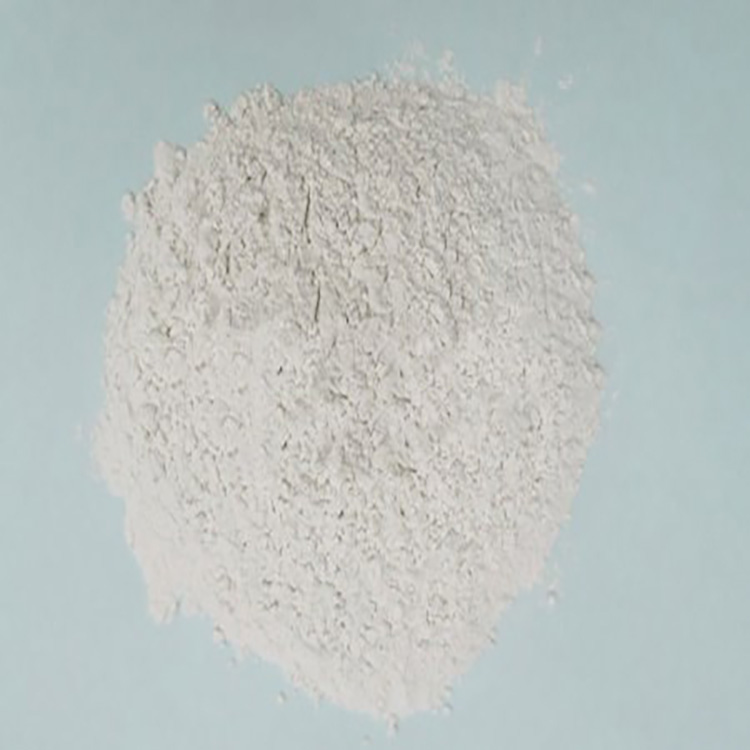
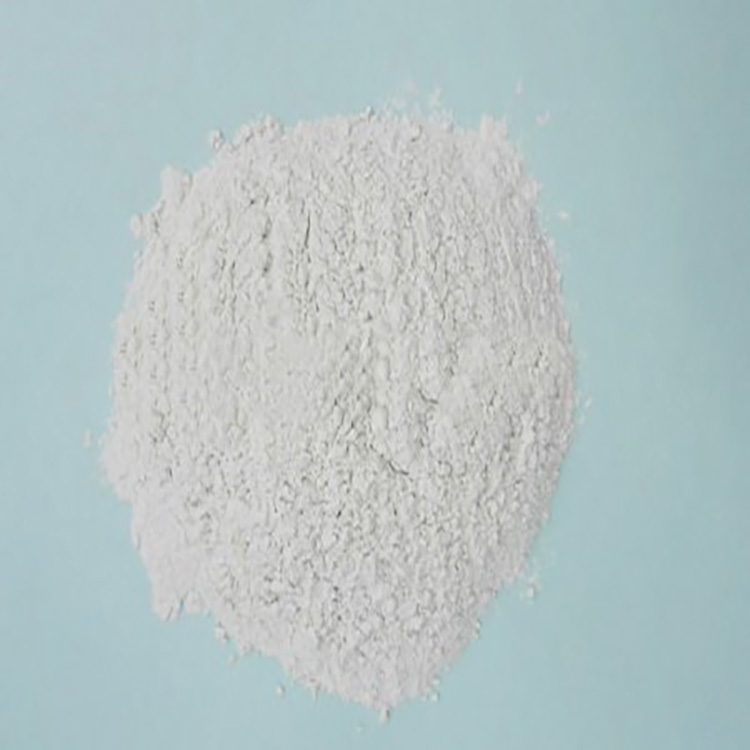
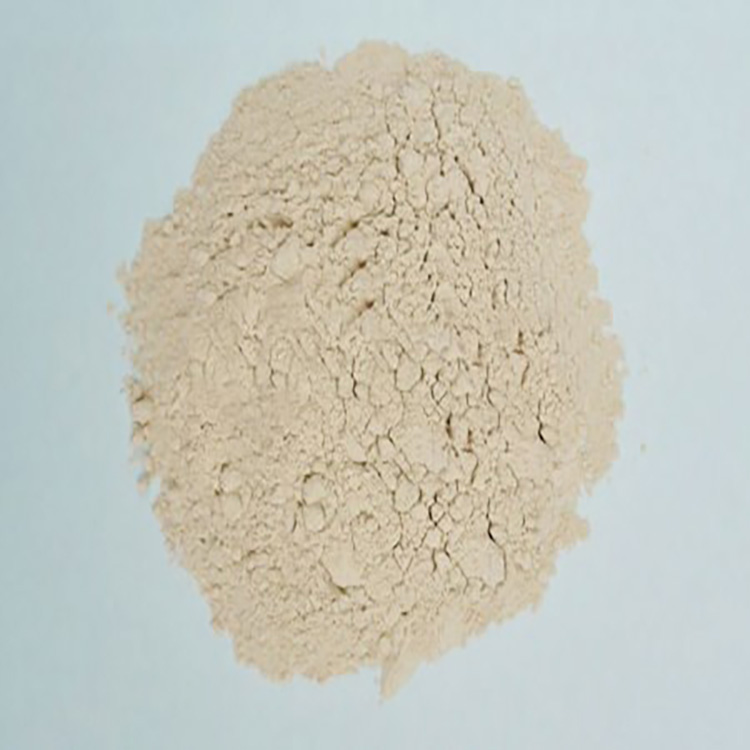
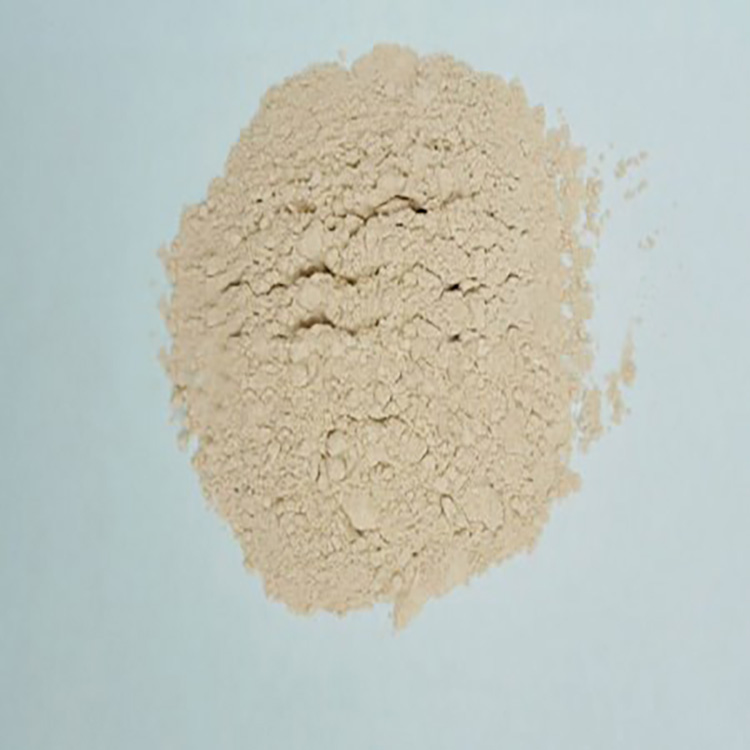
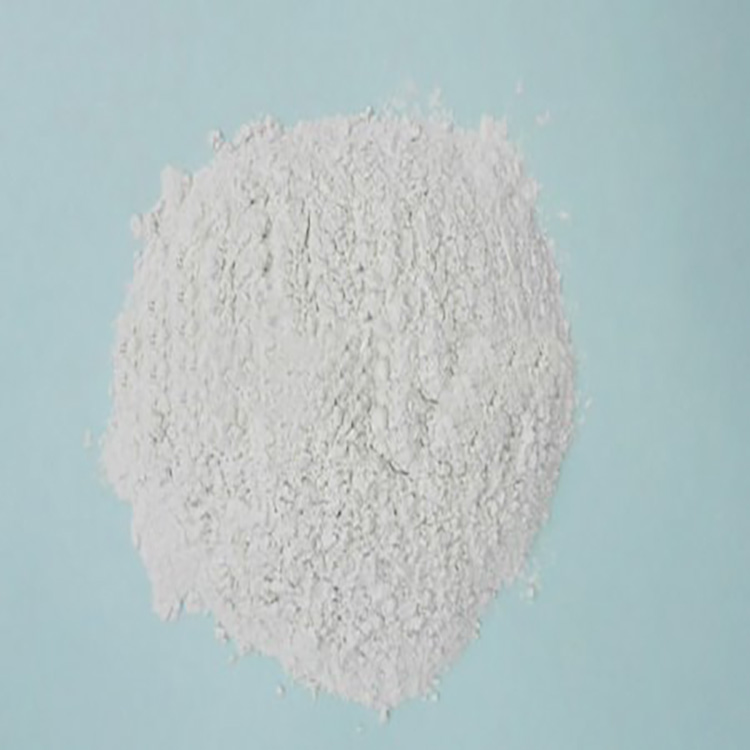
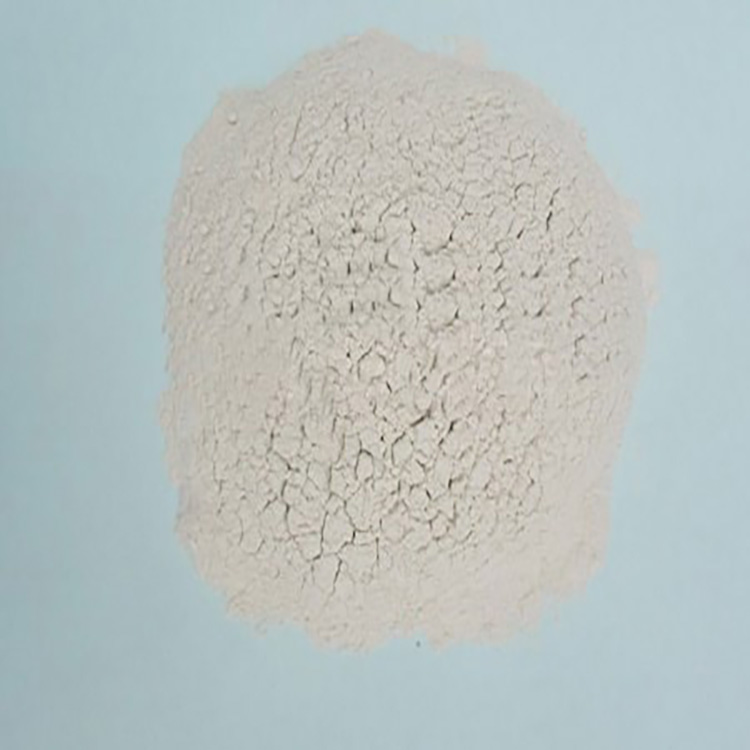
Technical Specifications: Particle Size/Count 180-200 (mesh) Origin: Xinyang, Henan Color: Yellowish White
Montmorillonite ≥ 50% (%), pH: 7-8, Viscosity Value ml/15g > 60.
Benefits of Bentonite for Fertilizer Use:
(1) Soil Conditioner: After bentonite is applied to the soil, it absorbs water and swells, altering the ratio of solids, liquids, and gases within the soil, thus loosening the soil structure and improving its physical properties. It enhances soil water and nutrient retention without contaminating the soil environment, making it an effective soil conditioner in arid regions. Bentonite has a high cation exchange capacity, strong water retention, and good cohesion. The cation exchange capacity is a crucial indicator for soil nutrient retention and supply. In addition to its strong water and nutrient retention properties, bentonite can also boost the soil's buffering capacity and adsorb harmful elements in the soil.
(2) Fertilizer Conditioner: During the production of fertilizer, adding a small amount of bentonite based on the specific properties of the fertilizer can reduce the water content, prevent caking, maintain good loose texture, and enhance the particle size of the fertilizer, which is beneficial for transportation, storage, and use. Bentonite is not only used in solid fertilizers but also serves as a conditioner for suspension fertilizers.
(3) Fertilizer Carrier: Bentonite, as a fertilizer regulator, also serves as a partial carrier. Using bentonite as a carrier improves the physical properties of fertilizers, enhances stability during transportation and storage, and has the functions of nitrogen fixation, potassium fixation, and binding organic matter. It reduces fertilizer loss in soil, controls the release of nutrients in fertilizers, improves fertilizer utilization efficiency, and promotes crop yield. Slow-release fertilizers offer labor-saving, safe, and long-lasting benefits.
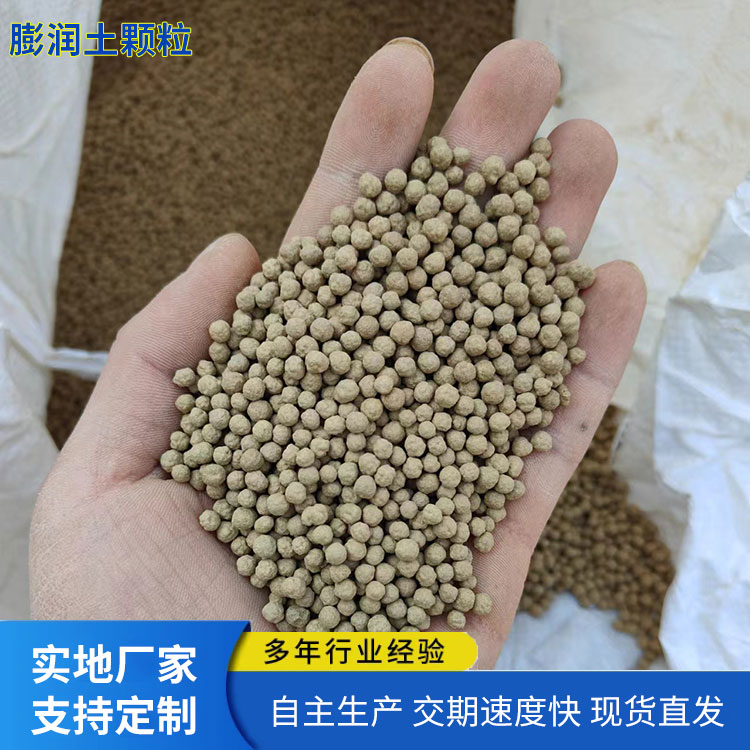
(4) Fertilizer Granulation: After bentonite undergoes dehydration, blending, and grinding processes, it serves as a granulating agent for compound fertilizers. This granulating agent for compound fertilizers features fast granulation speed, high sphericity, uniform granules, smooth surface, high granule strength, and good water solubility of the fertilizer, thereby saving production costs.