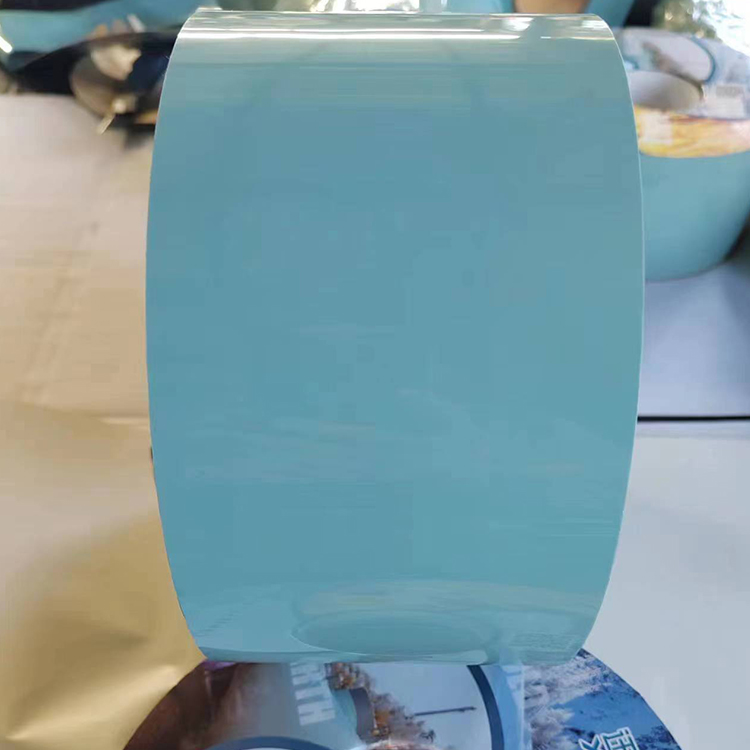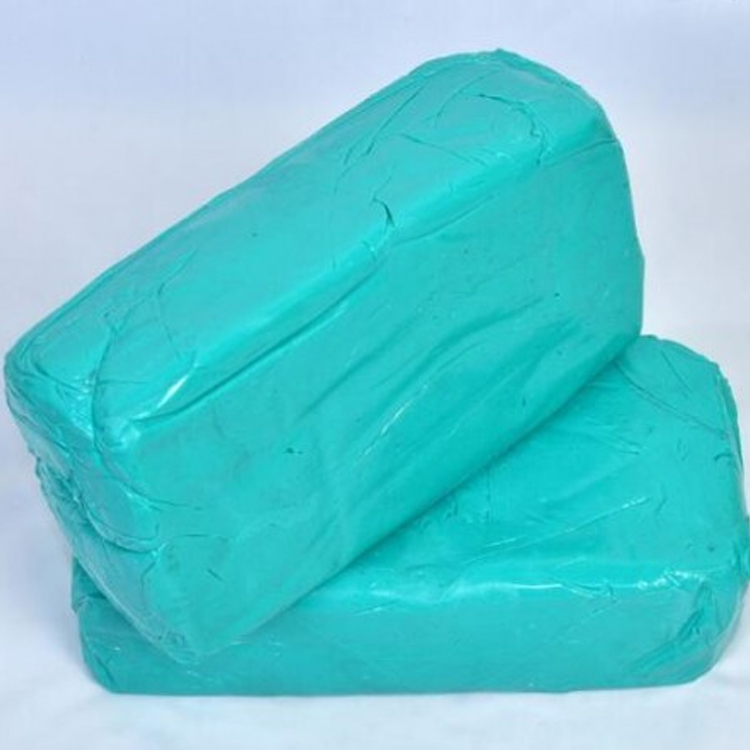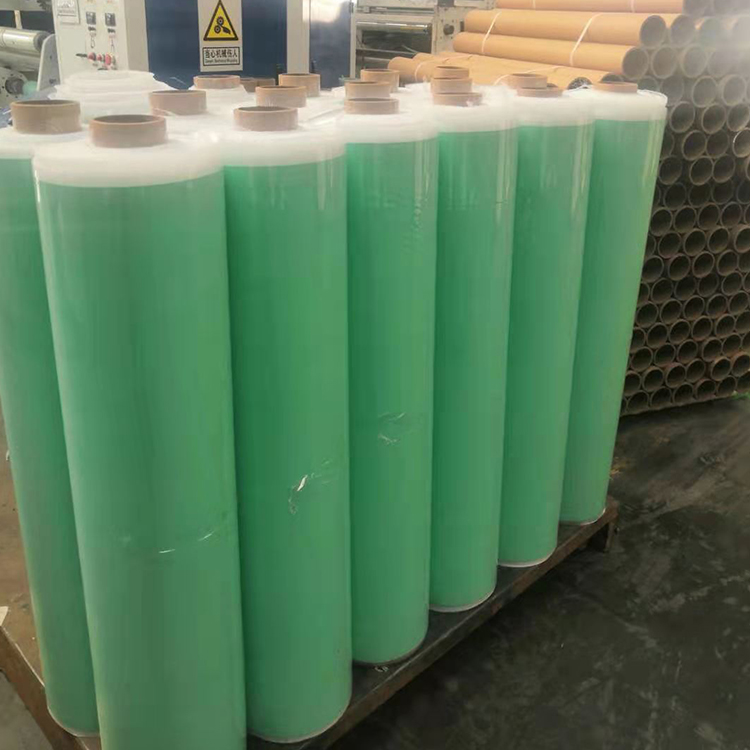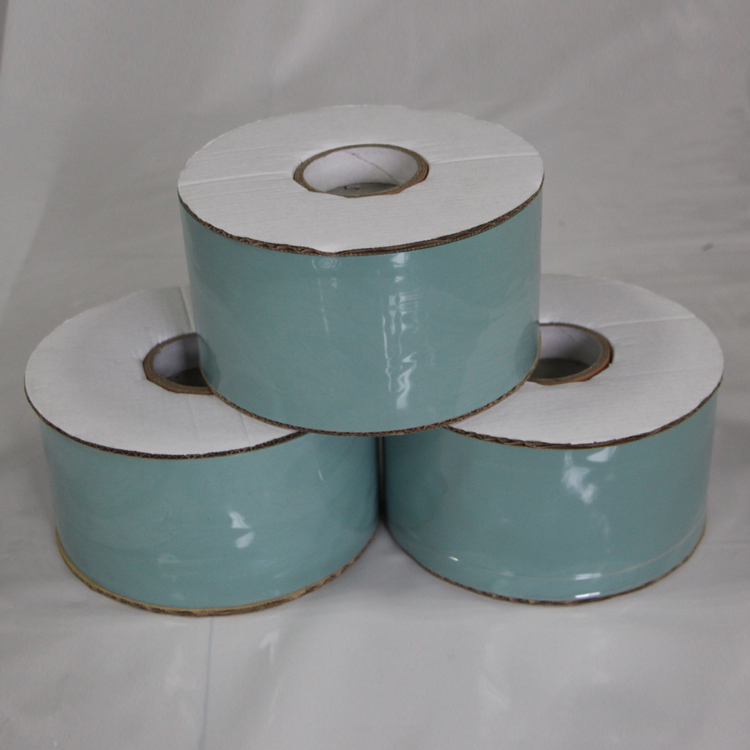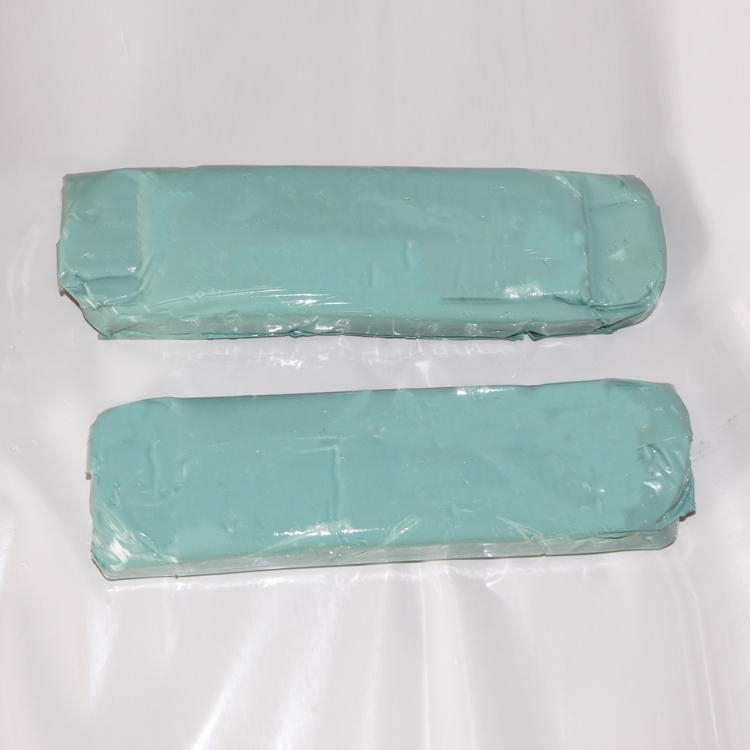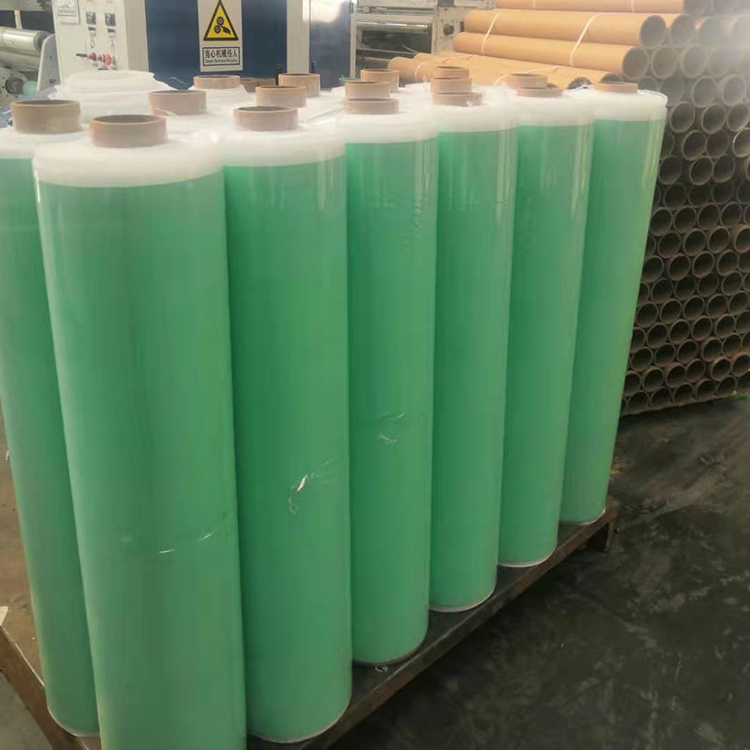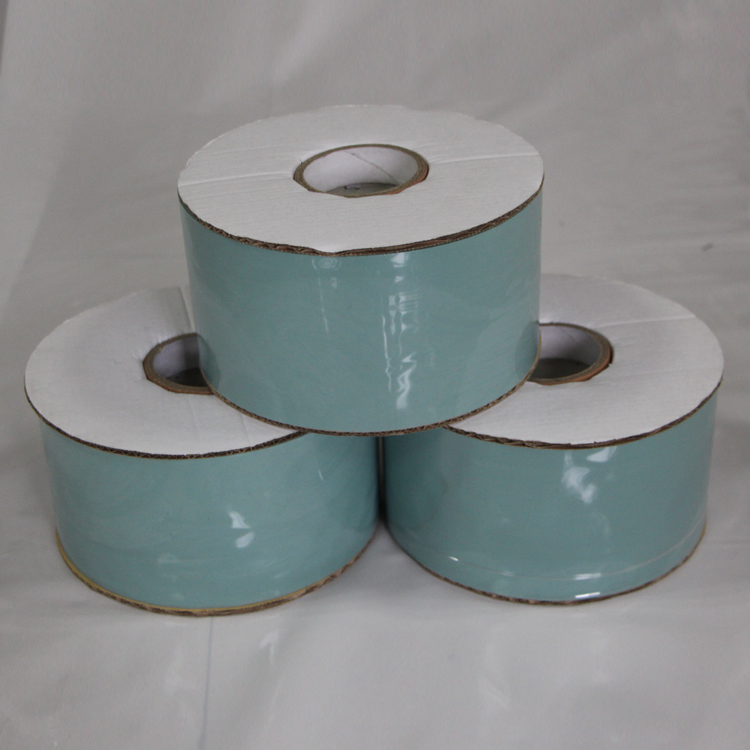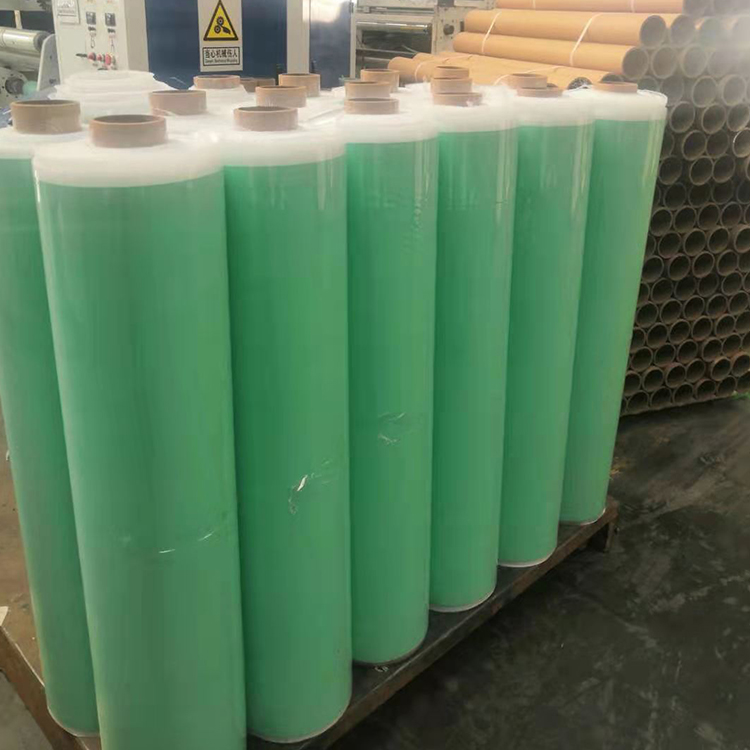

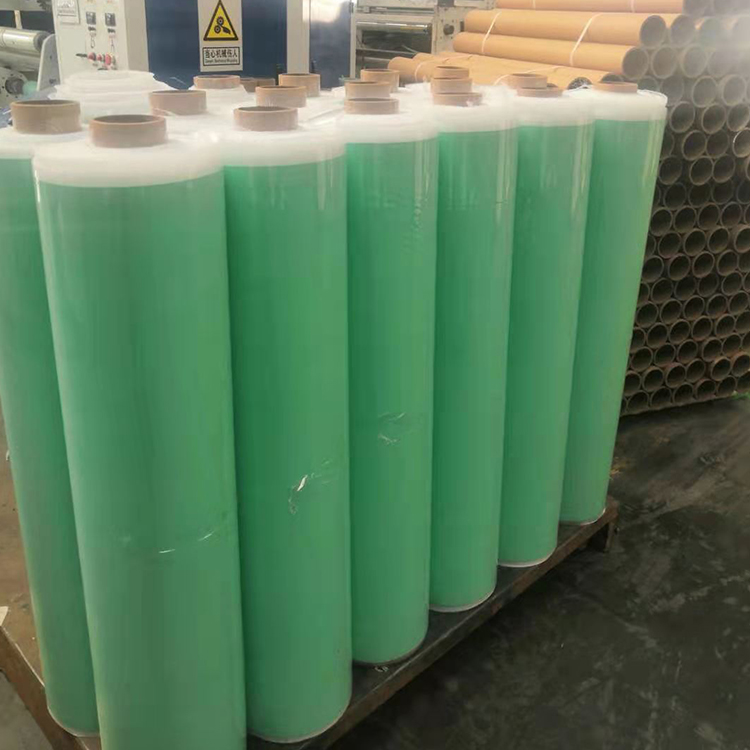
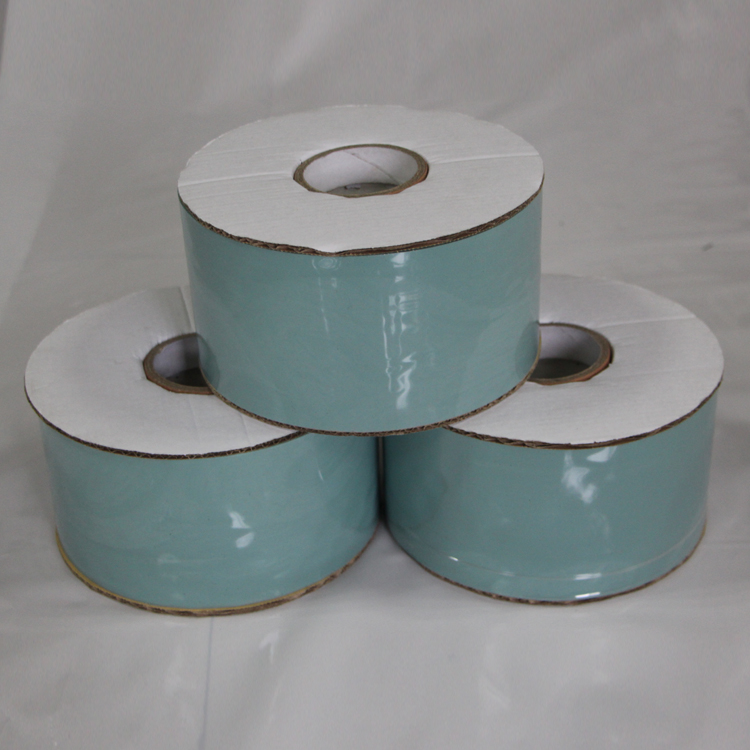
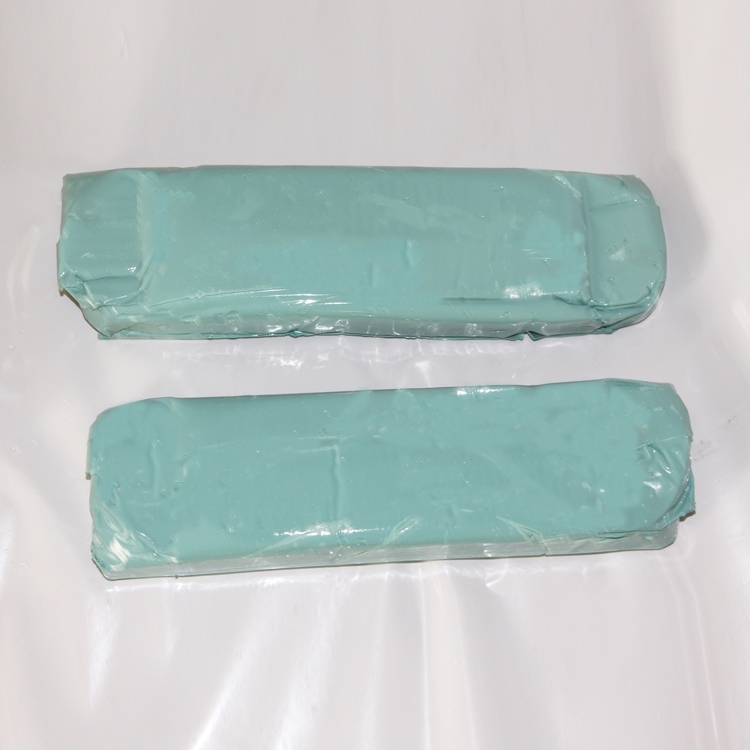


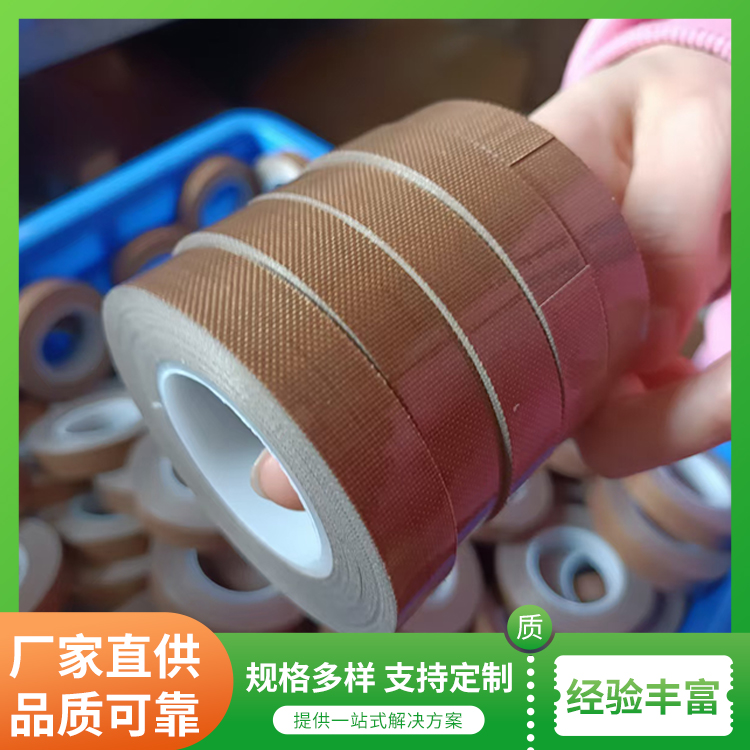
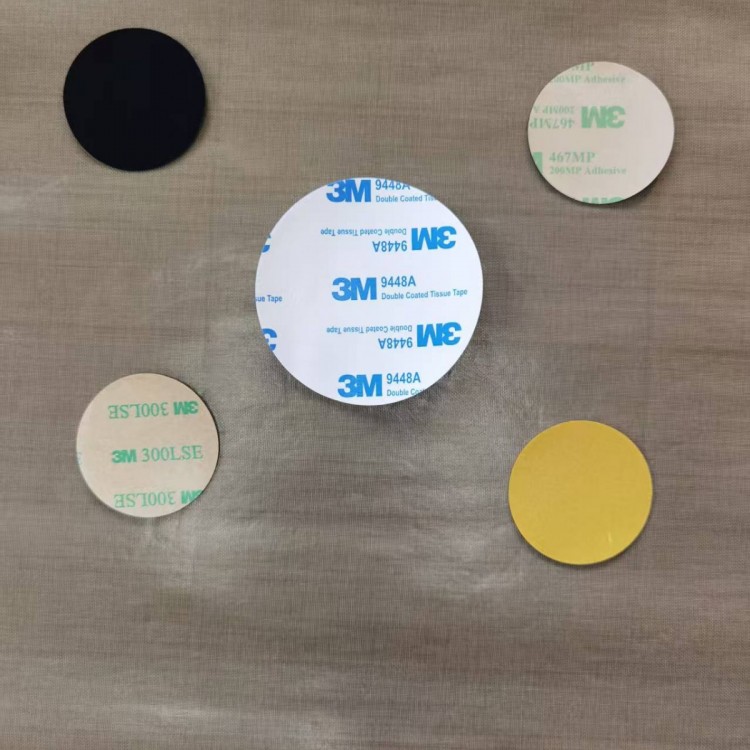





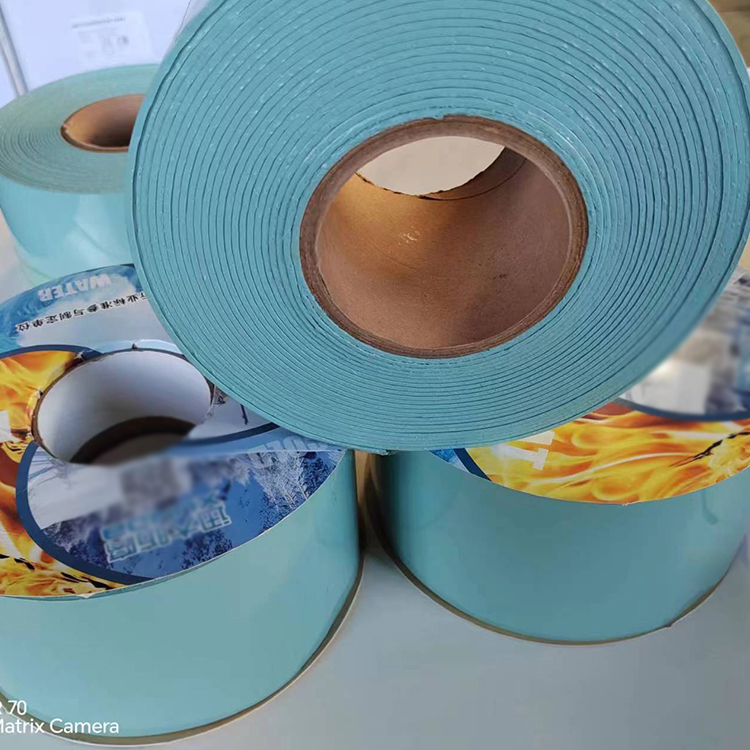
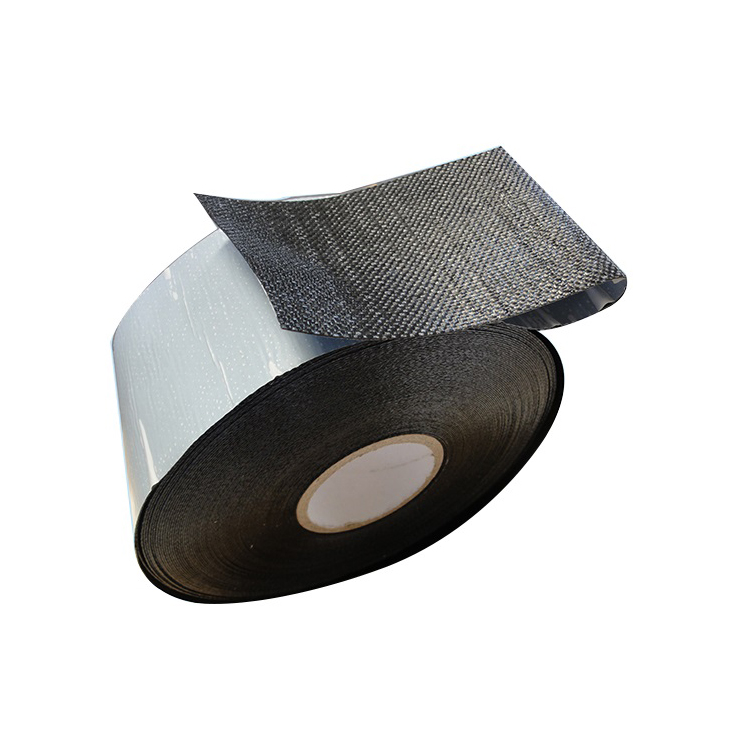
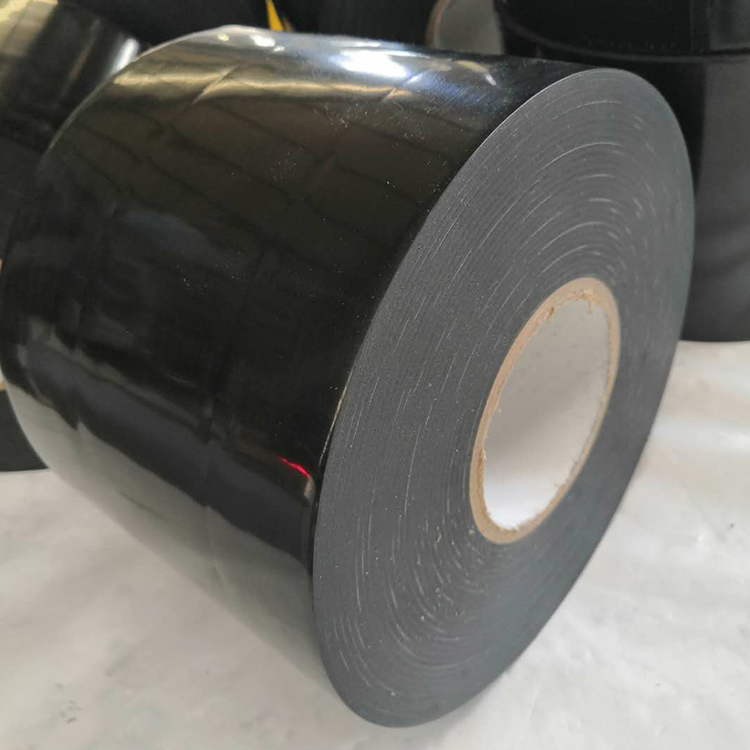
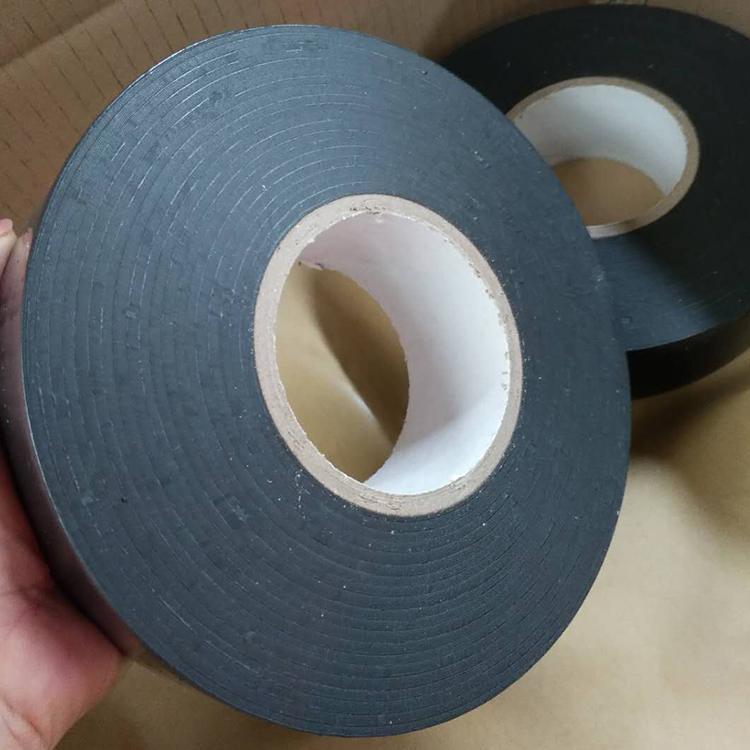
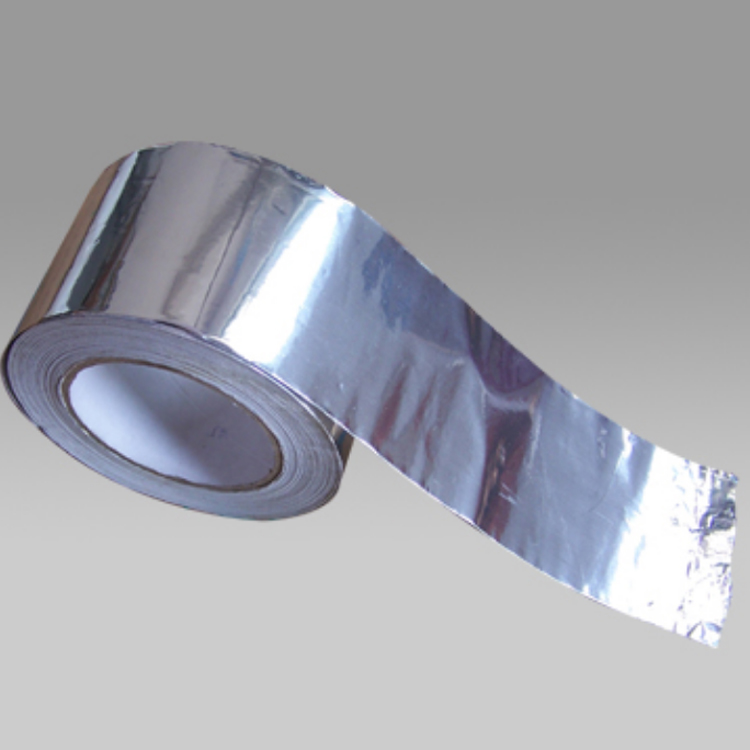
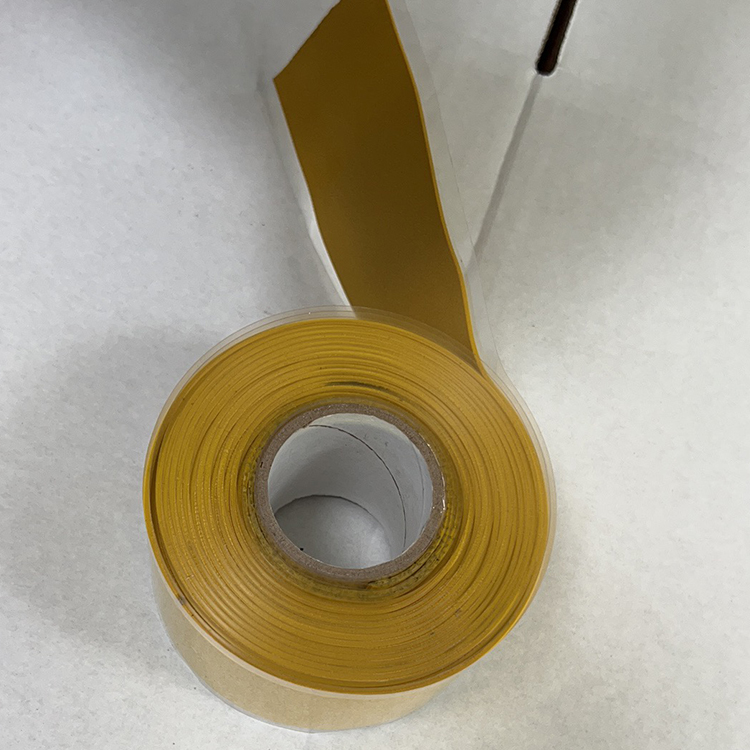
Thixotropic anti-corrosion materials feature strong plasticity and remain soft for 30 years, widely used by internationally renowned major oil and gas companies. Ideal for above-ground pipelines, including restoration, joints, T-valves, etc., they are resistant to environmental damage and UV radiation, making them versatile for use anywhere. Particularly convenient for fitting into small gaps and complex spaces on flanges.
Thixotropic anti-corrosion material is an unhardening viscoelastic polymer with unique cold flow properties. It can achieve self-repairing functions during the anti-corrosion and repair process, ensuring complete protection. This product requires no primer painting, has no peeling, cracking, or hardening, boasts strong adhesion, excellent chemical resistance, and prevents delamination. It effectively prevents water intrusion and microbial corrosion, offering exceptional longevity. Moreover, it has low surface treatment requirements; manual rust removal to St2 grade is sufficient. The materials used are fully environmentally friendly and comply with modern anti-corrosion design concepts, making it an ideal product for anti-corrosion protection.
The surface of the thixotropic anticorrosive material should be smooth, clean, and the adhesive layer should be uniformly thick. During the period of packaging, transportation, and storage until installation, it should remain clean and dry, and remain intact without damage; and proper measures should be taken to protect it from any damage or contamination during transportation.
How to improve the adhesion strength of viscoelastic anti-corrosion materials
1. When applying viscoelastic anti-corrosion materials, it is crucial to control the environmental temperature. If the temperature is too low, it is recommended to use infrared heating to increase the temperature of the pipeline surface and the tape.
2. Aim to keep the water temperature for the application of the thixotropic anti-corrosion material between 20 to 40 degrees Celsius, which is also an optimal range for the tape's bonding strength.
3. Additionally, the storage environment for the tape should be maintained at a humidity level between 60% to 70%.
Viscoelastic materialCharacteristics:
1、Non-aggregated monomolecular structure
2、Low water and oxygen permeability, excellent sealing performance
3、High-viscosity liquid, Yong does not solidify
4、Features cold flow and self-healing properties
5、Excellent chemical, aging, and weather resistance
6、Excellent adhesive properties, suitable for bonding onto various substrates
7、Non-toxic and eco-friendly. Products meet food safety standards.
8、Service life of over 30 years