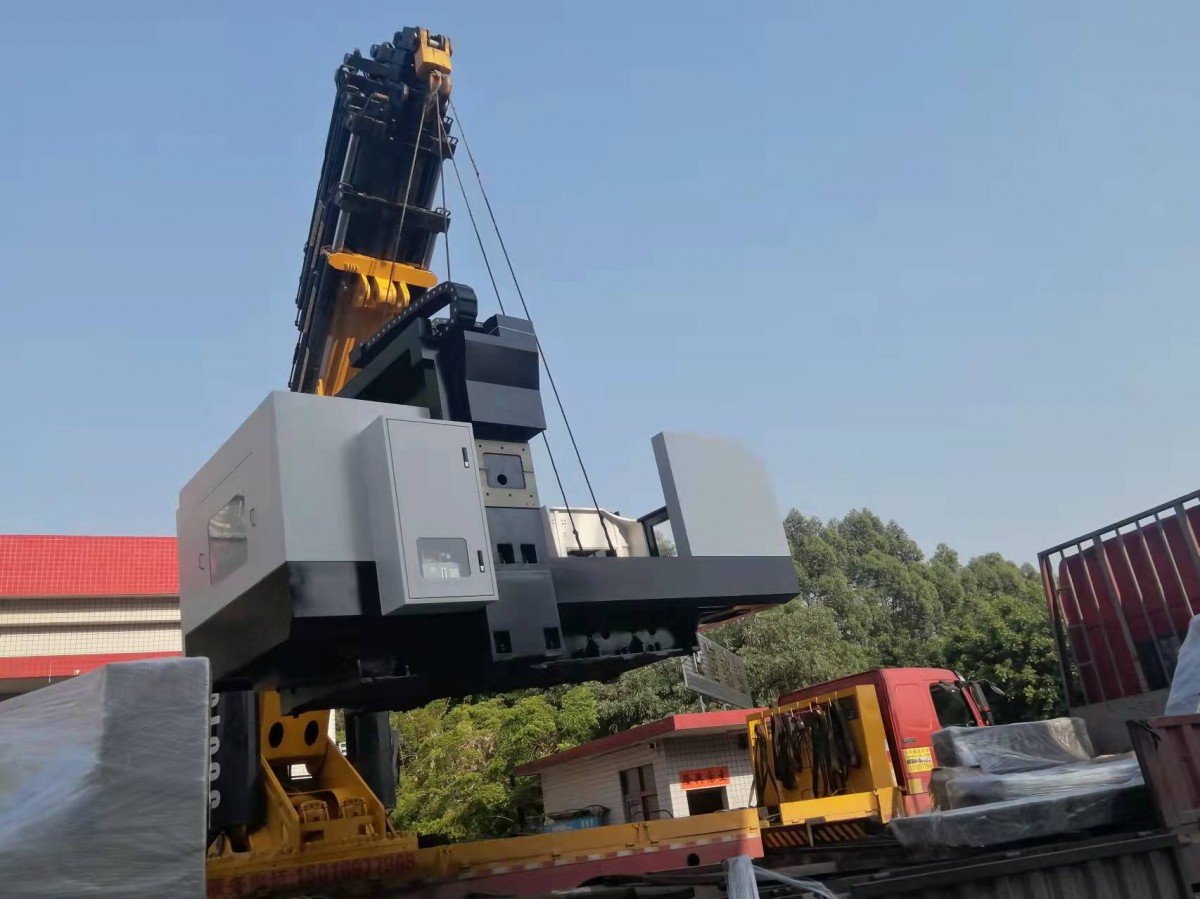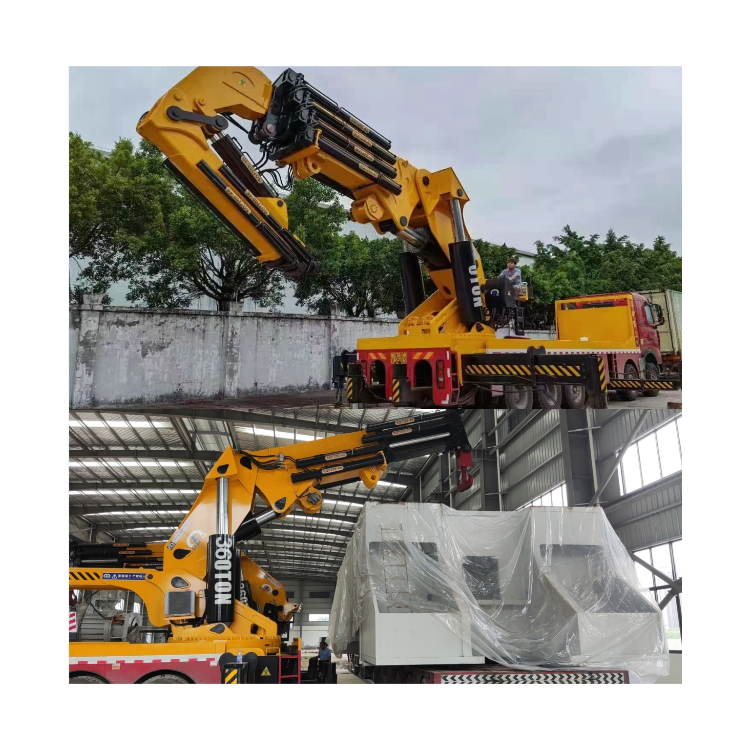

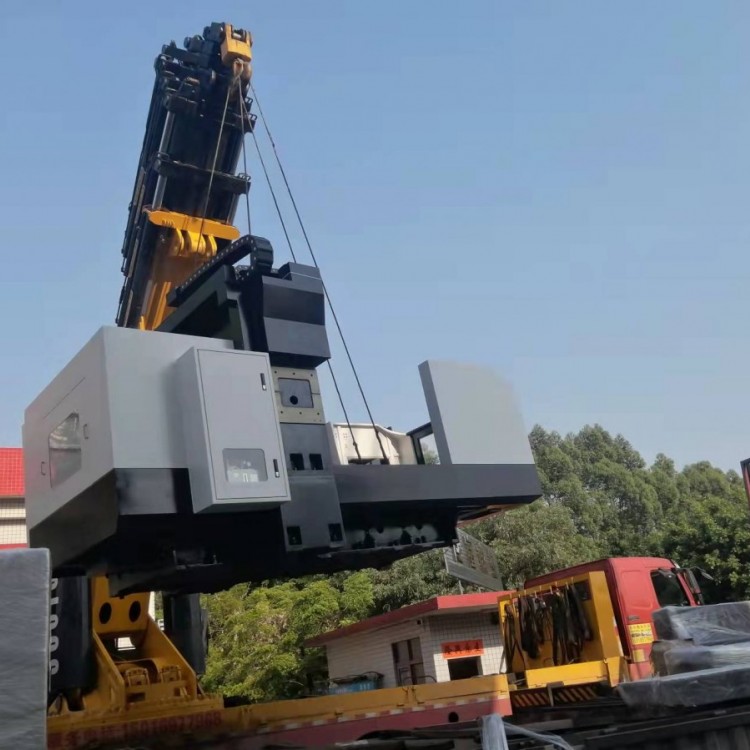








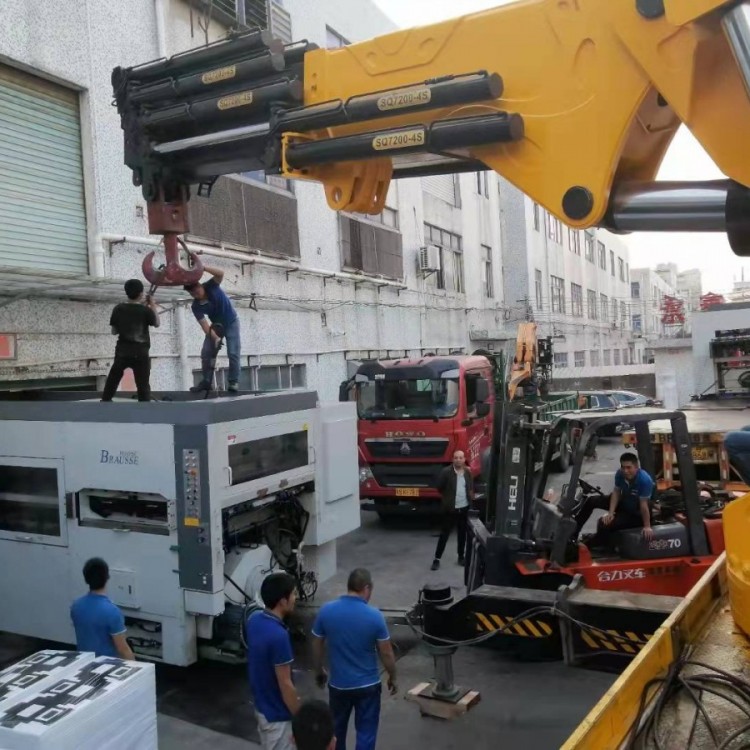
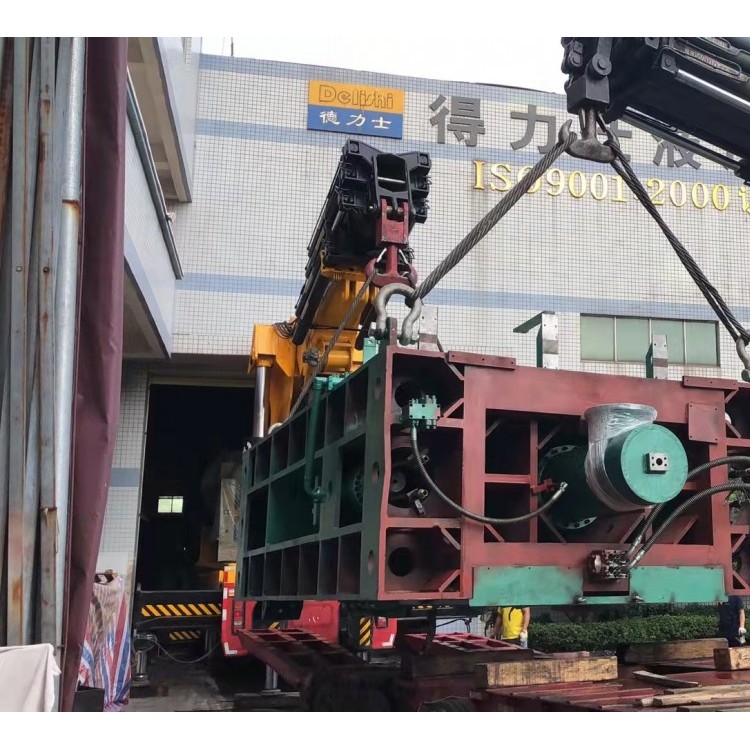
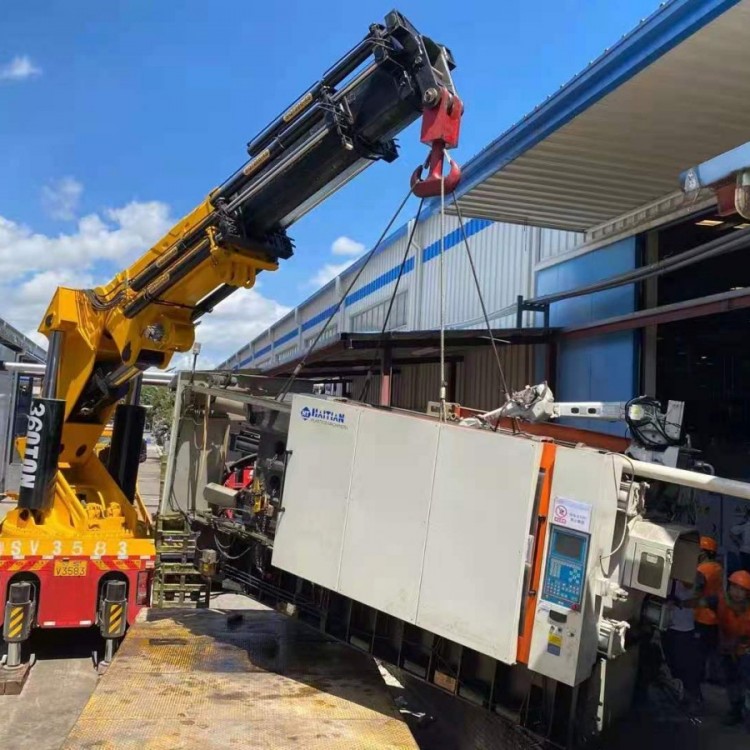
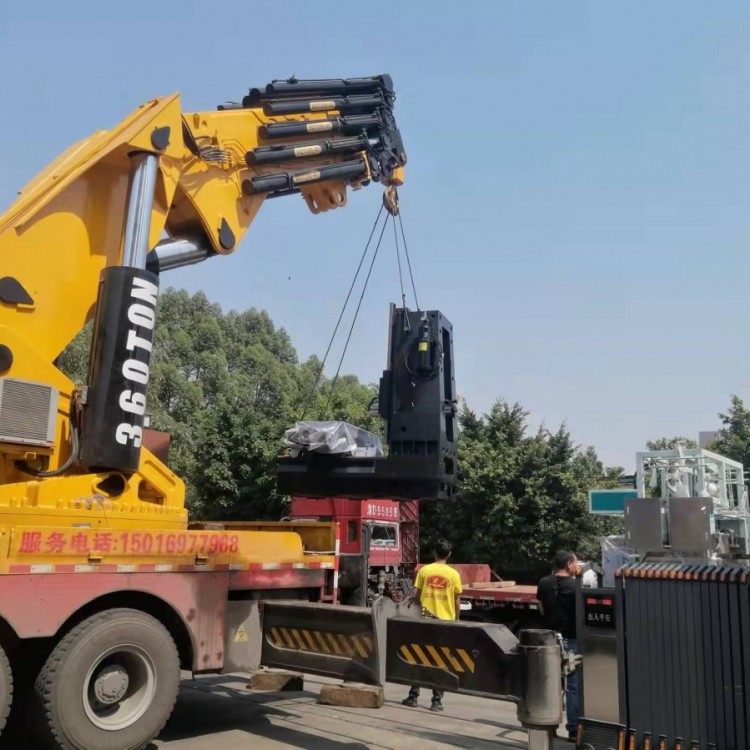
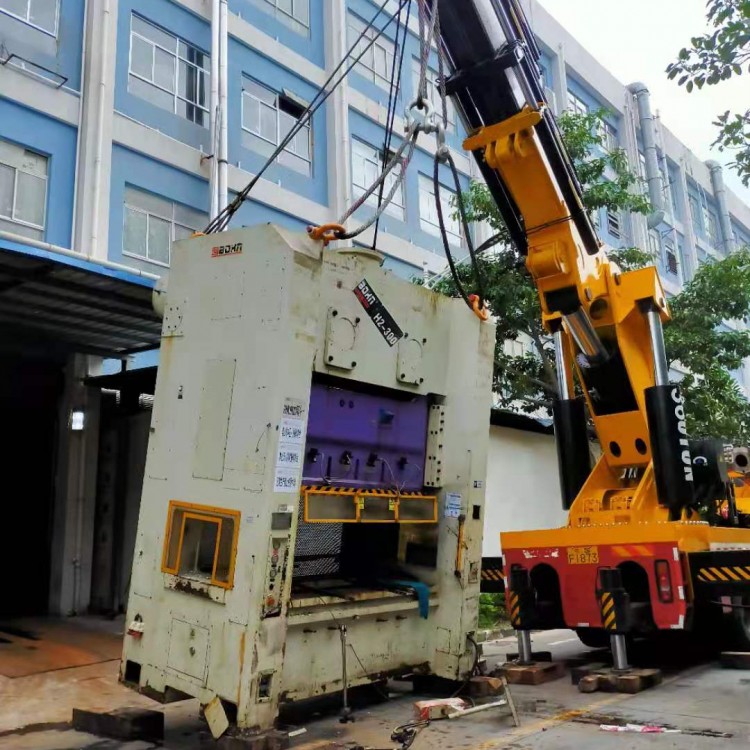
How can customers distinguish between legitimate moving companies, and everyone fears encountering rogue movers. A good moving company not only provides service but also saves on expenses and reduces item damage, whereas rogue companies do the opposite. Especially when moving equipment, many items are not publicly disclosed. If they are lost or damaged, the consequences can be unimaginable.
Are you aware of the precautions for preparing equipment for transportation? Below, we introduce these points, hoping everyone will read them carefully:
1. Upon entering the site, the lifting company should first investigate if there are any obstacles to the length, width, and height of the equipment during the transfer process. Clear away any obstacles that may hinder the equipment's transfer. Clean up the ground around the site, ensuring the ground during the equipment's movement is completely clear to avoid any impact on the equipment's movement.
2. Budget the approximate weight of the equipment and possibly consult with the manufacturer for the weight, so that we can prepare the necessary items in advance for the Suzhou equipment relocation company during the relocation process. Investigate where the equipment's center of gravity is located, then determine where the equipment's starting point is.
3. After selecting the starting point for the equipment, use the jack to lift, ensuring that both sections are lifted together. The lifting height should not exceed 15 degrees of tilt for the equipment (depending on the type of equipment). When lifting, the construction personnel should stand on both sides of the jack to prevent injury from a sudden jack failure during the lifting process. They should also place wooden blocks under the jack as it is lifted.
4. During the traction and walking process, the steel wire rope or belt should be hung at an appropriate point on the equipment, then place rolling wheels under the equipment, and start pulling the equipment.
5. During the traction process, construction personnel should pay attention to whether the walking wheels of the equipment are following the planned path. If not, they should make corrections in advance. At the same time, they should also monitor if the walking wheels are misaligned from the equipment. If they are, corrections should be made promptly to prevent the wheels from falling off during the walking process.
6. Upon arrival at the destination, after the equipment is in place, should the wheels be removed one by one, or should the two sections be lifted together and then slowly lowered? After the equipment is moved to the new address, a pre-delivery inspection is required. The inspection should be conducted in collaboration with the technical staff of the equipment's owning unit, and the contents of the inspection are as follows:
① Are there any doubts about the appearance of the equipment?
② Then, check the equipment's parameters and operational status.
③ Recheck the accuracy of the safety settings on the equipment.

Enhancing the precision of equipment handling should focus on four aspects:
1. Maintain a balanced ratio of equipment and personnel. The allocation of people and equipment varies with different handling tasks. For instance, when transporting precision equipment, the number of personnel assigned may be greater than for general production equipment. An imbalance in the ratio of personnel to equipment can lead to either surplus personnel or idle equipment.
2. Understand the customer's requirements and workload. It often happens that, for instance, the customer has specified the direction for the equipment to be placed, but due to inadequate communication, the handling team often gets it wrong. Or, there may be an excess of handling equipment upon arrival at the factory, resulting in idle equipment. Both are consequences of not fully understanding the customer's requirements and workload. Therefore, communication with the customer and a site inspection should be conducted prior to the equipment handling.
3. Select different handling equipment based on the type of equipment. Different handling equipment varies in performance and functionality. For example, forklifts are suitable for short-distance transportation; if the distance is about 100 meters, a forklift can be used. For distances over 150 meters, transport companies should prioritize flatbed trucks for transportation. Long-distance equipment transportation can be handled with transport vehicles.
4. Establish a schedule for equipment handling operations. It's not that continuously compressing the entire handling time and putting pressure on the handlers will improve the overall efficiency of equipment handling. This may lead to the opposite result; compressing handling time could cause handlers to neglect safety, potentially leading to accidents. Therefore, equipment handling companies should reasonably plan the handling time based on the number of equipment to be moved and make work arrangements accordingly.

Equipment handlers must pay close attention to these issues during the transportation process.
1. Equipment handling is a process that requires realism and adherence to principles; treat handlers, handling tools, and the items being moved with care; and pay attention to the instructions and requirements of the item users.
2. A transportation equipment company's strength is reflected in the initiative and professionalism of its handlers during the transportation process, which determines the overall capability of the company's transportation services. It is crucial to ensure safety at all times.
3. Take full responsibility for your own work; strictly adhere to the on-site rules of the handling area; supervise personnel or give instructions when handling large or special items.
4. Ensure the job is completed thoroughly, with large machinery transported properly without leaving any residues; guarantee the quality and quantity of the transportation mission. When encountering difficult issues during transportation, actively adopt corresponding measures; if unable to resolve, report to superiors promptly. In terms of collaborative work requirements, actively cooperate during transportation. Regardless of the division of labor, all personnel must fully engage in harmonious collaboration to ensure the safety of the transportation operation.

What preparations does a equipment hoisting and transportation manufacturer make before operation?
1. The horizontal transportation route for the equipment must be finalized and submitted to the technical department for load calculation. Implementation can only proceed after the technical department's approval.
2. Site inspection: Select horizontal transportation methods based on the on-site conditions. If equipment is to be installed directly, the construction of the equipment foundation must be completed and meet installation requirements before the equipment is placed. If direct installation is not possible due to constraints, consider a temporary storage area for equipment materials on the equipment level. Installation can then proceed once the foundation has reached the required strength or the construction of the pour strips is completed, and conditions are ripe. The selection of the temporary storage area for equipment materials and the calculation of the stacking loads must be approved by the technical department before use.
3. Number equipment materials in batches and sequences for identification, and proceed with hoisting after the tower crane application is approved.
4. Pre-apply for tower cranes, coordinate signal work upon approval, and prepare wire ropes and locking devices. Ensure all preparations are in place for smooth crane operations. In case of adverse factors or unexpected situations, develop contingency plans based on the site conditions. This ensures that vertical transportation operations can proceed smoothly even if there are changes in platform location or discrepancies in equipment dimensions, which may not meet the construction site requirements. Therefore, promptly implement the contingency plan when the original plan is insufficient to meet the site requirements, ensuring the smooth progress of mechanical and electrical installation work.
Our company is committed to people-oriented principles and technology leadership. We follow the corporate philosophy of "market-oriented, research and development-based, innovation-driven development, and quality as life," and adhere to the corporate tenet of "down-to-earth character, honest business practices."