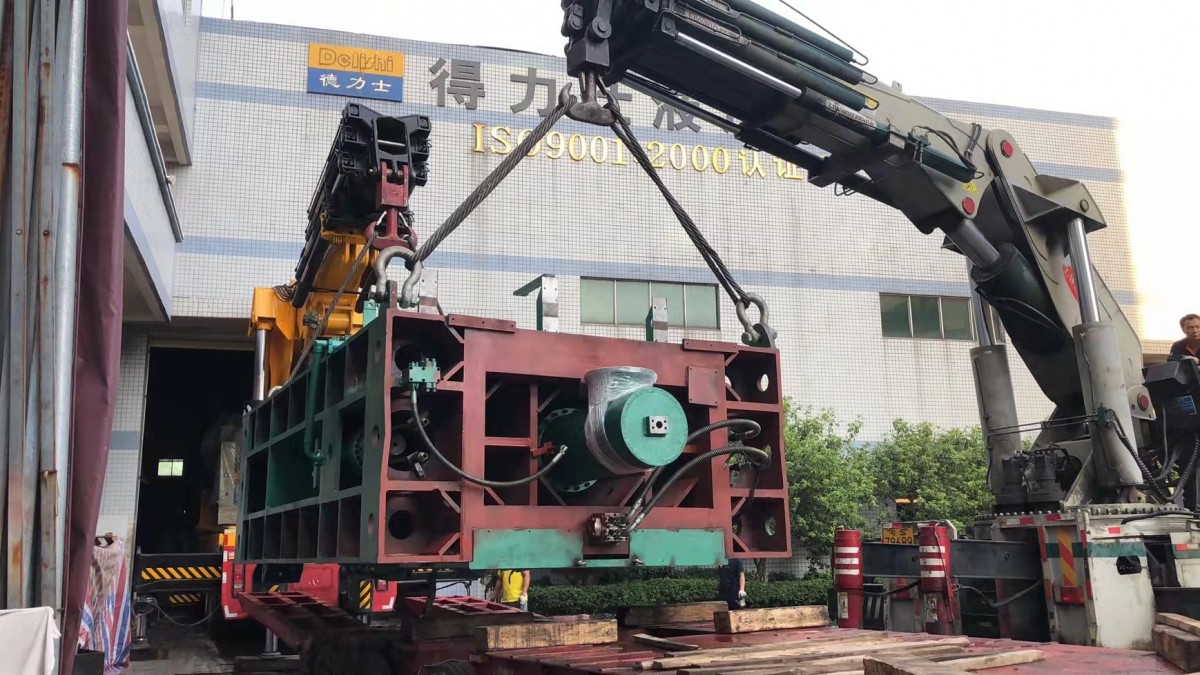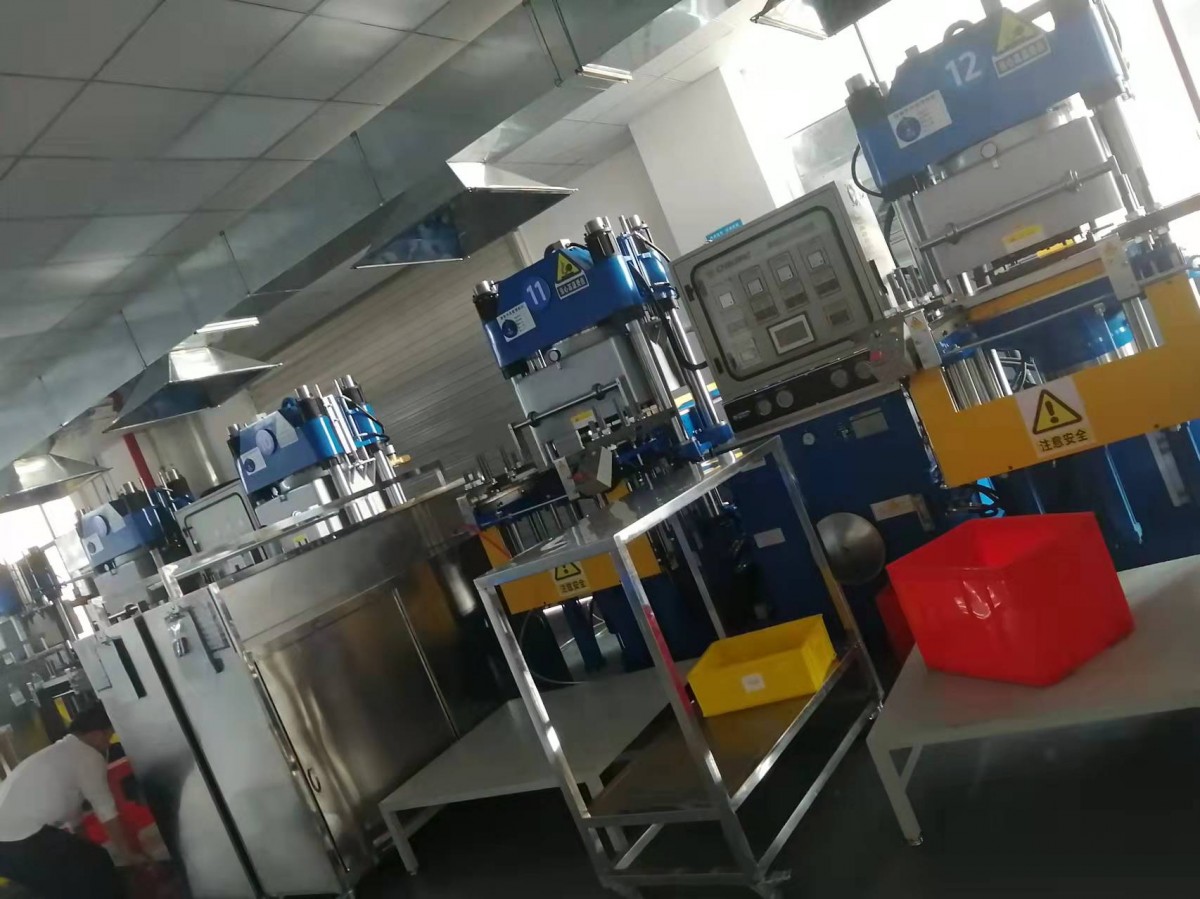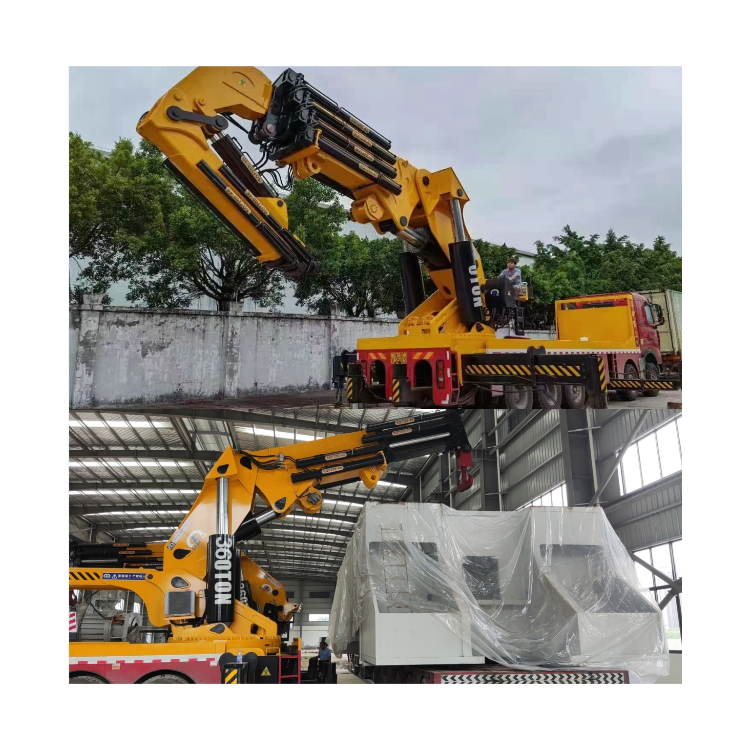

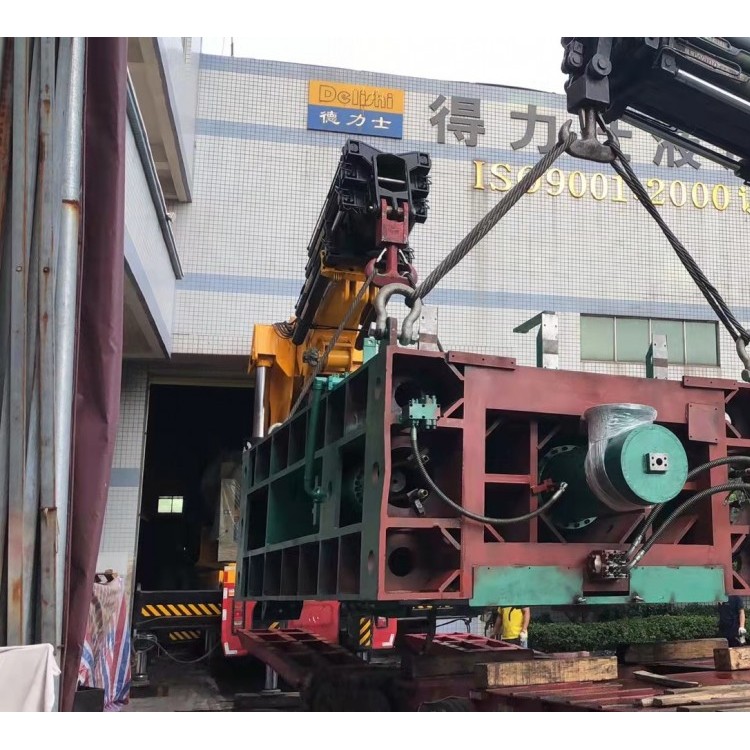

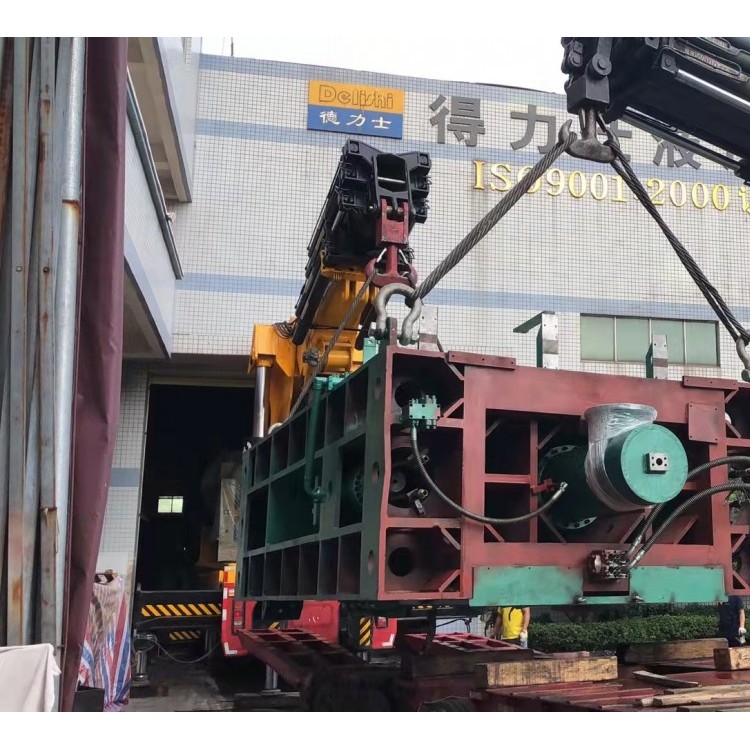
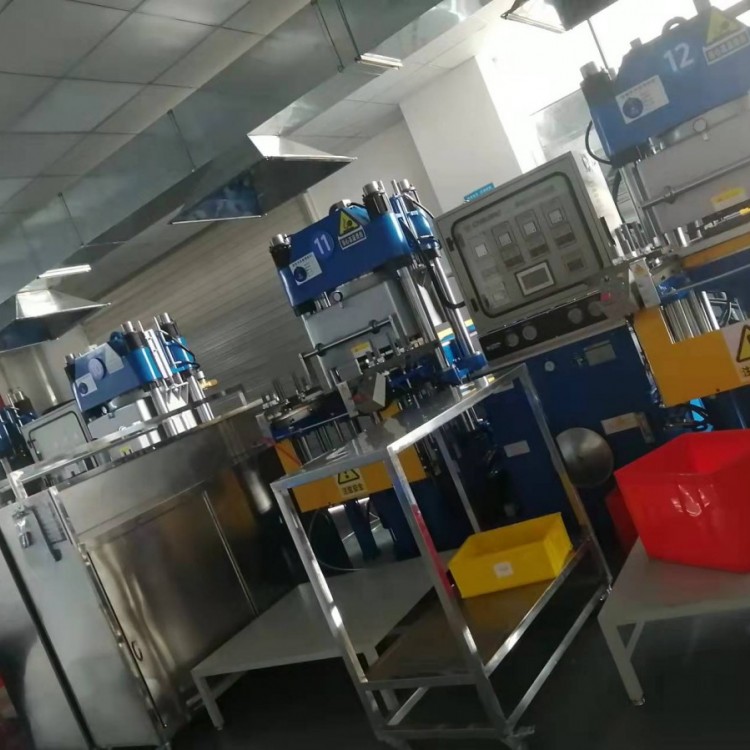







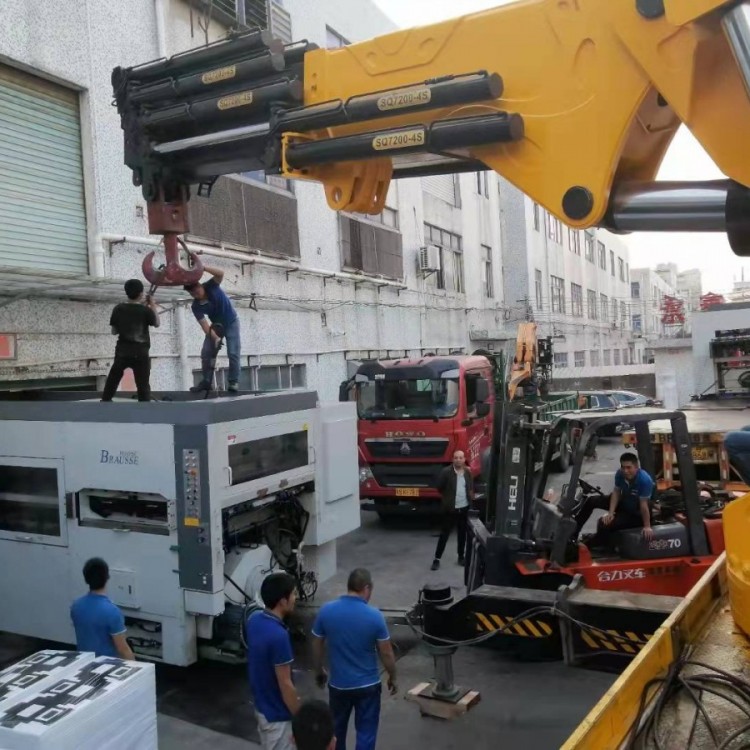
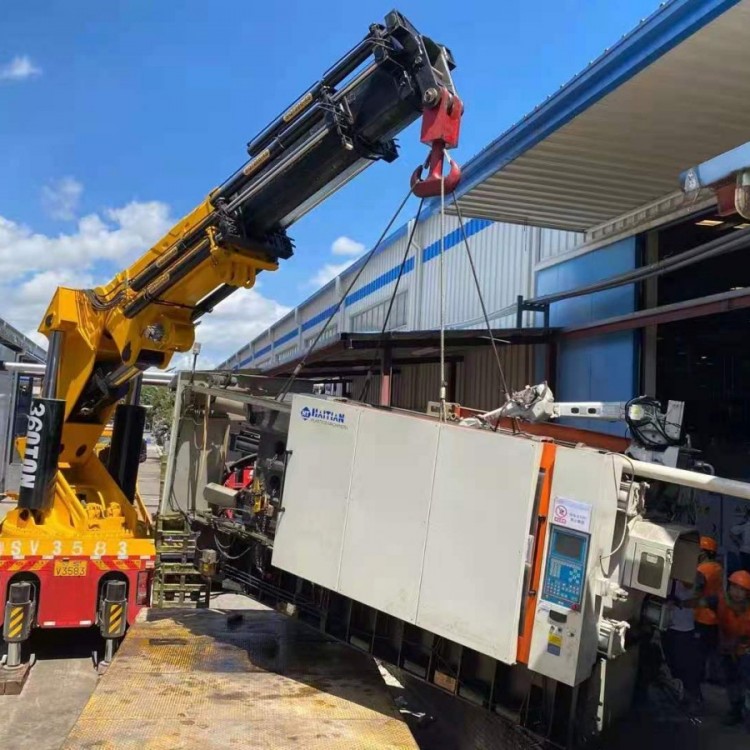
How can customers identify a legitimate moving company? Everyone is afraid of encountering dishonest movers. A good moving company not only provides service but also saves on expenses and reduces item damage, whereas unscrupulous movers do the opposite. This is especially true when transporting equipment, as many items are not publicly disclosed. The consequences of loss or damage could be unimaginable.
What preparations do equipment hoisting and transportation manufacturers make before operations?
1. The horizontal transportation route for the equipment must be finalized and submitted to the Technical Department for load calculations. Implementation can only proceed after the Technical Department's approval.
2. Field survey: Select the horizontal transportation method based on the on-site conditions. If equipment is to be directly installed, the equipment foundation construction must be completed and meet the installation requirements prior to the equipment being placed. If direct placement and installation are constrained by conditions, temporary storage areas for equipment materials must be considered on the equipment level. Installation can be carried out once the foundation has reached the required strength or the construction of the post-tensioning strips is completed, and conditions are ripe. The selection of temporary storage areas for equipment materials and the calculation of stacking loads must be approved by the technical department before use.
3. Number equipment materials by batch and lot for identification, and proceed with hoisting upon approval of the tower crane application.
4. Pre-apply for tower cranes, coordinate signal work upon approval, and prepare wire ropes and locking devices. Ensure all preparations are in place for smooth hoisting operations. To address various adverse factors and potential emergencies, develop contingency plans based on the site conditions. This ensures that if there are changes in platform location or equipment dimensions that prevent the vertical transportation plan from meeting the construction site requirements, the vertical transportation work can still proceed smoothly. Therefore, when the original plan does not meet the on-site needs, promptly implement the contingency plan to ensure the smooth progress of mechanical and electrical installation work.

Enhancing the accuracy of equipment handling should focus on four aspects:
1. Maintain a balanced ratio of equipment and personnel. The allocation of personnel and equipment varies for different handling tasks. For instance, transporting precision equipment may require more personnel than that for general production equipment. An imbalance in the ratio of personnel to equipment can lead to either surplus personnel or idle equipment.
2. Understand the customer's requirements and workload. It often happens that, for instance, the customer has specified the direction for the equipment to be placed, but the handling team often makes mistakes due to insufficient communication. Or, there may be an excess of handling equipment upon arrival at the factory, resulting in idleness. These are all consequences of not fully understanding the customer's requirements and workload. Therefore, communication with the customer and a site survey should be conducted before the equipment handling begins.
3. Select different handling equipment based on varying equipment types. Different handling equipment varies in performance and functionality. For instance, forklifts are suitable for short-distance transportation; if the distance is around 100 meters, a forklift can be used. For distances exceeding 150 meters, equipment handling companies should prioritize flatbed trucks for transportation. For long-distance equipment transportation, transport vehicles can be utilized.
4. Establish a schedule for equipment handling operations. It's not that continuously compressing the entire handling time and putting pressure on the handlers will improve the overall efficiency of equipment handling. This may lead to the opposite result; compressing handling time could cause handlers to neglect safety, potentially leading to accidents. Therefore, equipment handling companies should reasonably plan the handling time based on the number of equipment to be moved and make work arrangements accordingly.

What are the tasks involved in equipment handling during summer?
1. More convenient for supervising relocation staff. During summer relocation, the temperature difference outdoors is not convenient for overseeing the staff.
2. On the roads, the ground is extremely hot in summer, prone to blowouts; drive carefully.
3. Book a Move with an On-Site Appointment. During the summer, there are fewer movers, and many moving companies opt to have multiple employees handle a single client, ensuring quality service. Consumers can also consider several moving companies and take their time to weigh options. As long as careful attention is given to the handling and transportation process, a move can be fully worry-free.

Equipment handlers must always be mindful of these issues during the transportation process.
1. Equipment handling is a process that must be conducted realistically and with adherence to principles; treat handlers, handling tools, and items being transported with care; and pay attention to the instructions and requirements of the item users.
2. A moving equipment company's strength is reflected in the initiative and professionalism of its movers during the transportation process, which determines the overall capability of the company's moving operations. It is crucial to ensure safety, reliability, and efficiency.
3. Personal assignments are to be taken on by the individual themselves, without shirking responsibilities; pay attention to the on-site rules of the handling area and enforce them strictly; supervise personnel or direct operations when handling large or special items.
4. Ensure thorough execution of tasks, properly transporting large machinery without leaving any lingering issues; guarantee the quality and quantity of the transportation mission completed. When encountering difficult situations during transportation, actively adopt corresponding solutions; if unable to resolve, promptly report to superiors. In terms of cooperative tasks, actively collaborate during transportation. Regardless of the division of labor, all personnel must fully commit to a harmonious and cooperative effort to ensure the safety of the transportation operation.
Since our company's establishment, we have adhered to the business philosophy of "customer first, reputation paramount," committing to ensuring our clients' peace of mind in quality, satisfaction in service, ease in transportation, and convenient, timely relocation services. We strive to win customers through reputation and foster enterprise development with a pursuit of quality.