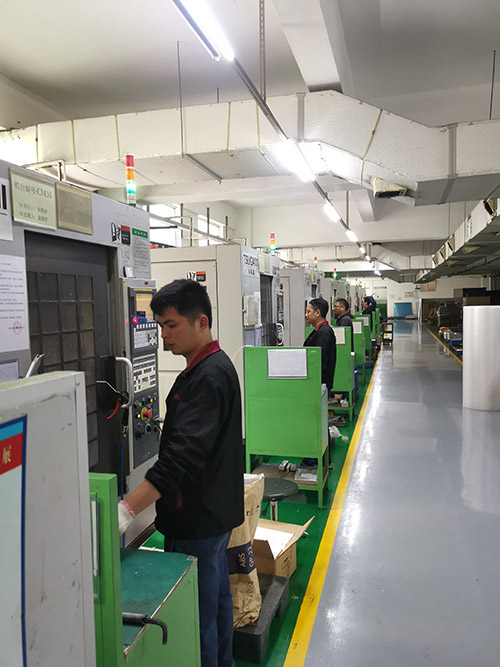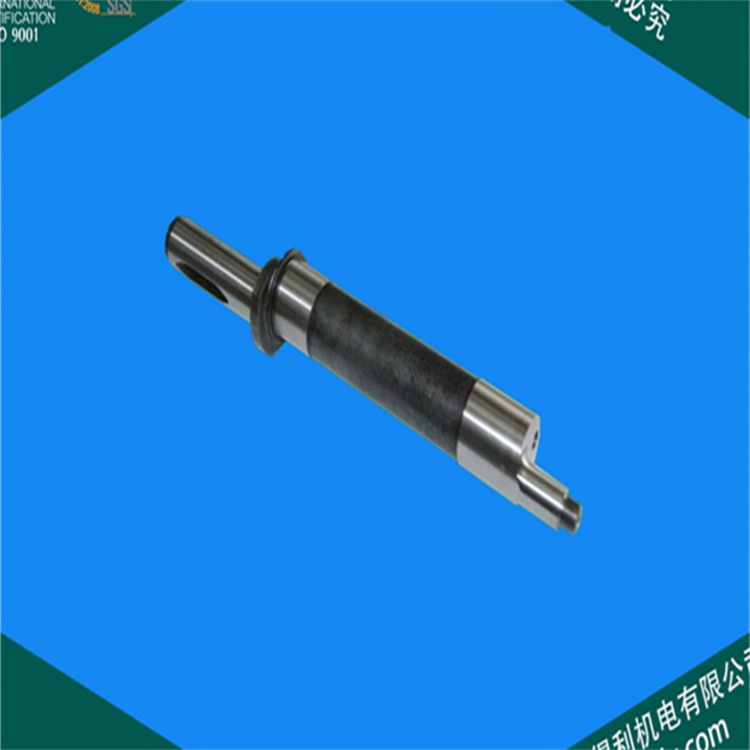

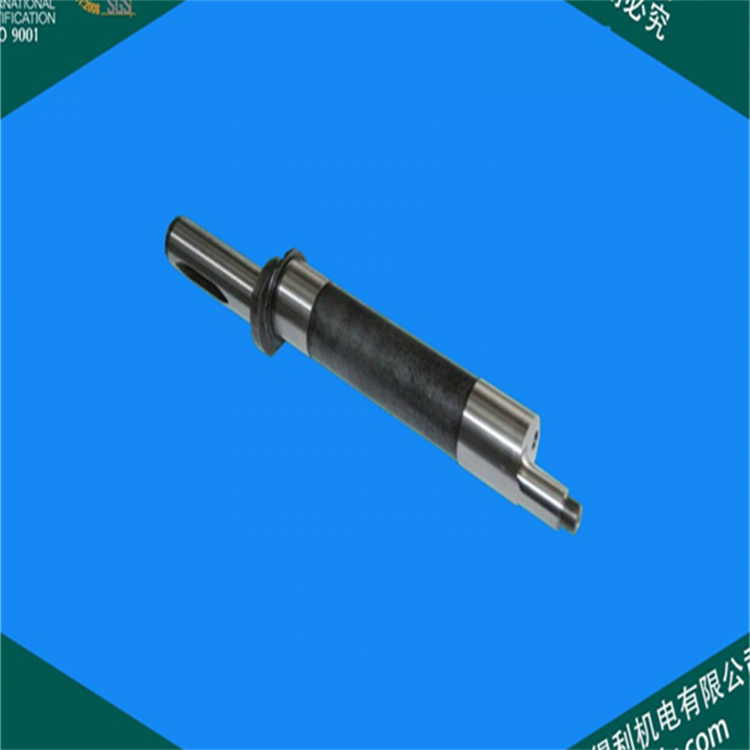
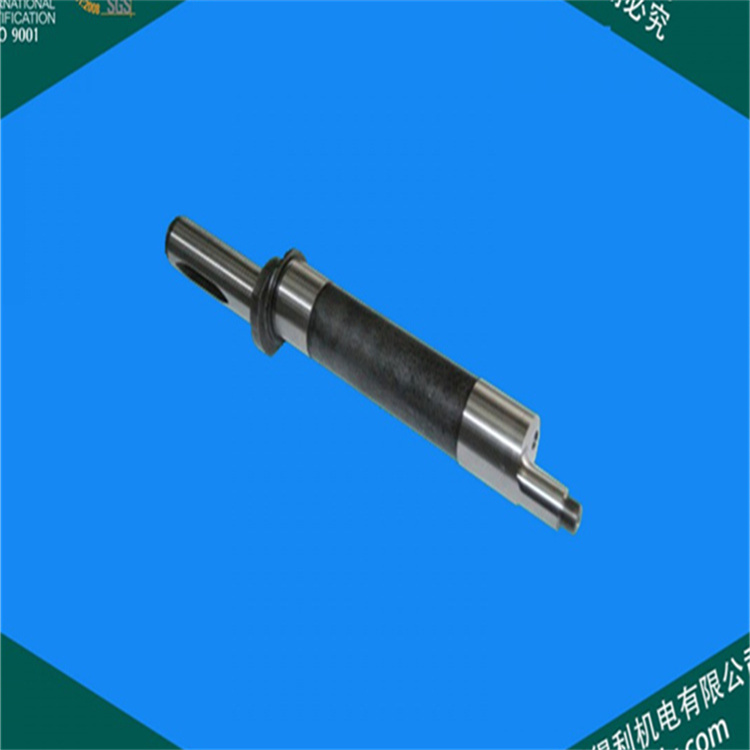












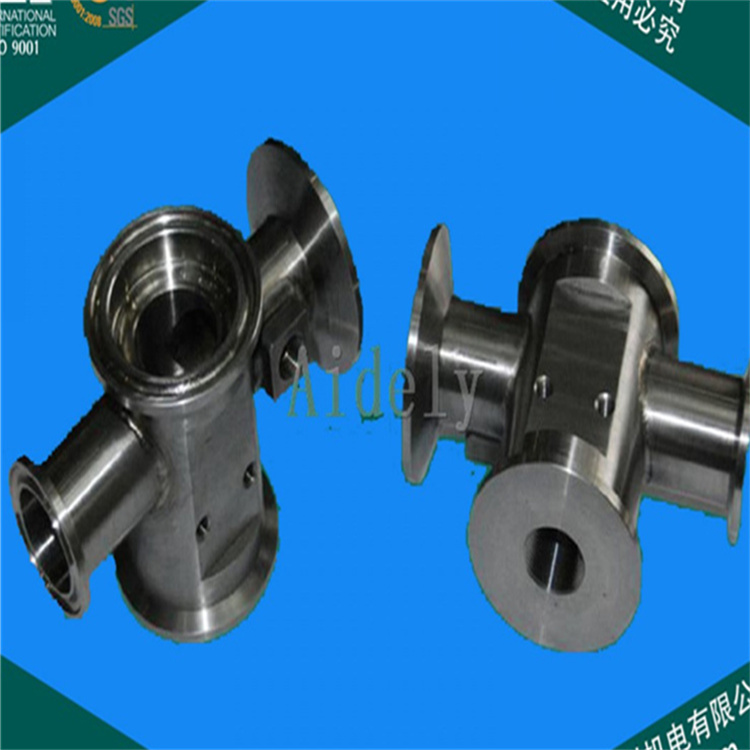
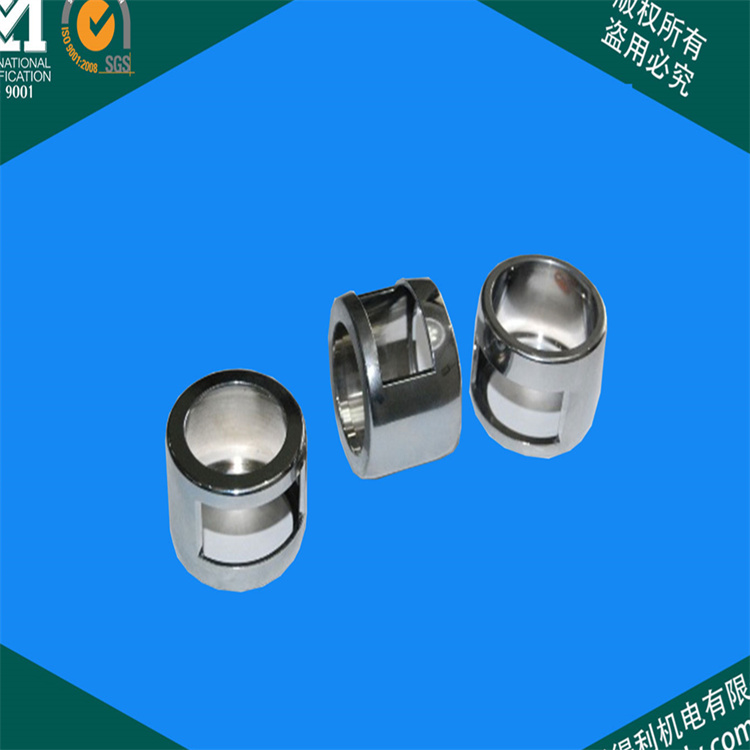
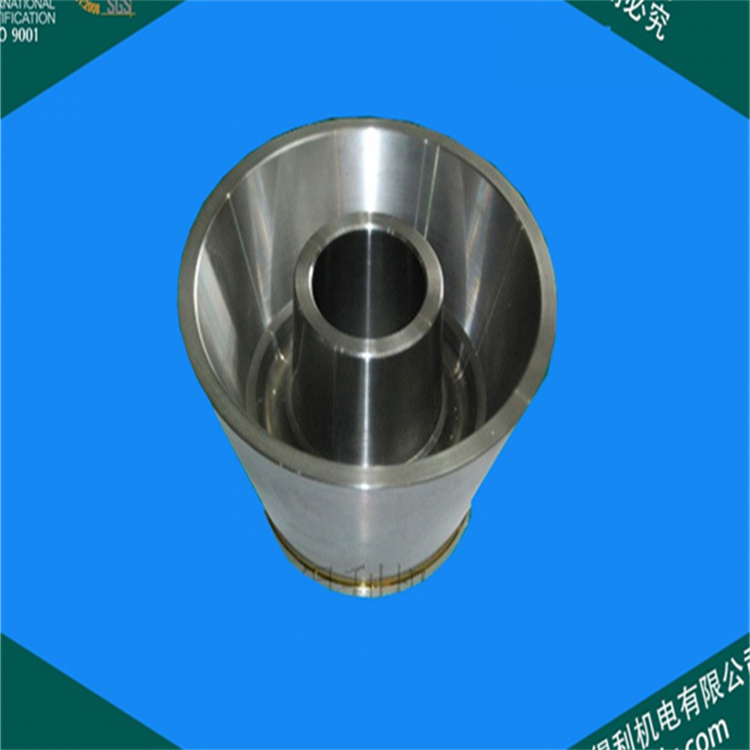
Carbon steel is a common metal material with excellent mechanical and machining properties, widely used in industrial manufacturing. When processing carbon steel parts, factors such as material characteristics, processing techniques, and quality control must be considered.
Carbon Steel Material Characteristics:
Mechanical Properties: Carbon steel boasts high strength and hardness, suitable for manufacturing parts requiring high strength.
Processing Performance: Carbon steel is easy to machine, with good cutting properties, suitable for various cutting operations.
Welding Performance: Carbon steel exhibits excellent welding properties, suitable for various welding processes.
Wear Resistance: The surface hardness of carbon steel is high, offering certain wear resistance, suitable for manufacturing wear-resistant parts.
Section 2: Carbon Steel Parts Machining Process:
Carbon steel cutting: Select appropriate tool materials and geometries, control cutting parameters, enhance cutting efficiency and surface quality.
Cold working of carbon steel: Carbon steel can undergo cold forging and cold drawing, among other cold working processes, to enhance the dimensional accuracy and surface finish of the parts.
Heat Treatment of Carbon Steel: Carbon steel can undergo hot forging and hot rolling processes, enhancing the strength and plasticity of parts.
Heat Treatment of Carbon Steel: Heat treating carbon steel improves its structure and properties, enhancing the lifespan of parts.
Section 3: Quality Control:
Conduct quality inspections on carbon steel materials, including tests for chemical composition and mechanical properties, to ensure compliance with specifications.
Inspect carbon steel parts for dimensional accuracy and surface quality to ensure the processing quality meets requirements.
Establish a quality record for carbon steel parts, documenting processing parameters and test results for traceability purposes.
Continuously refine the processing technology for carbon steel parts, enhancing efficiency and quality to meet customer requirements.