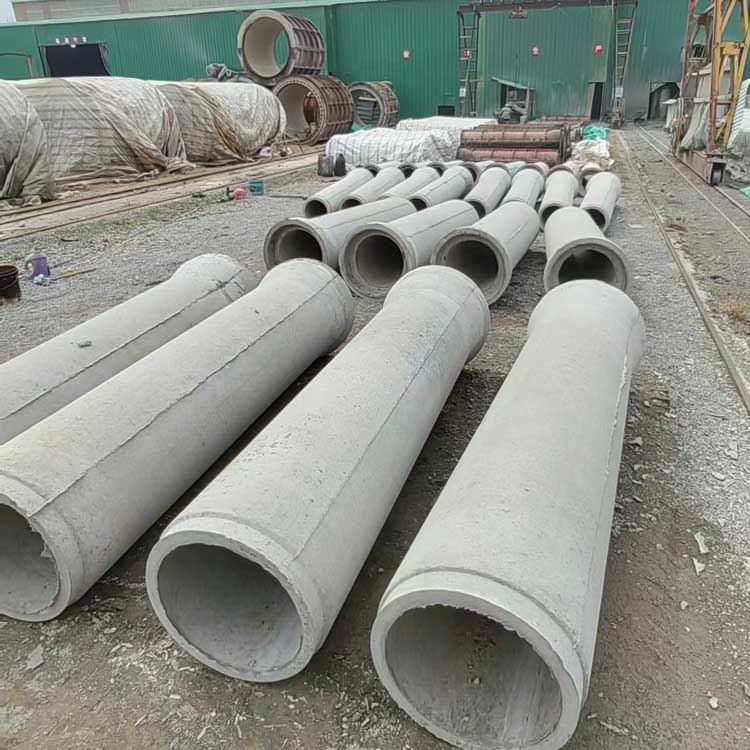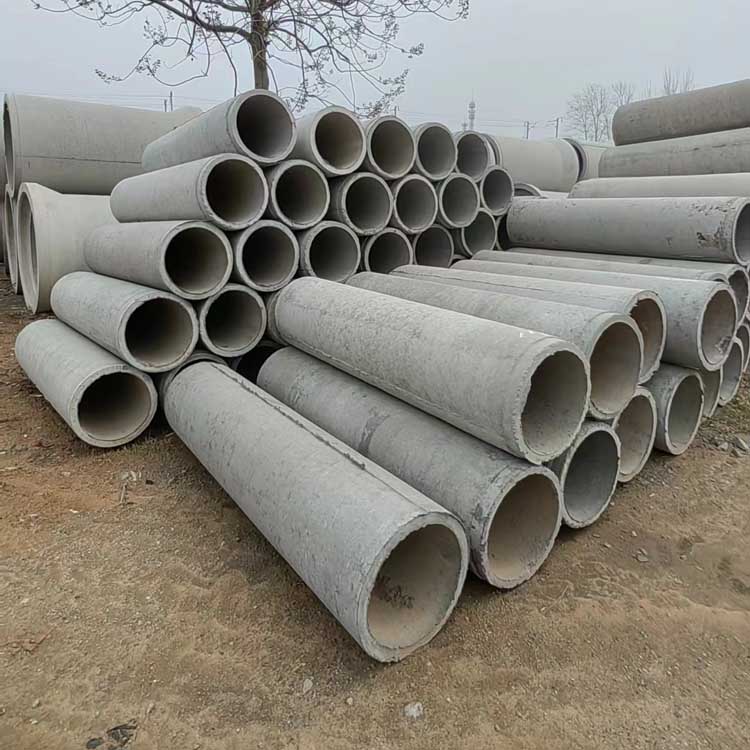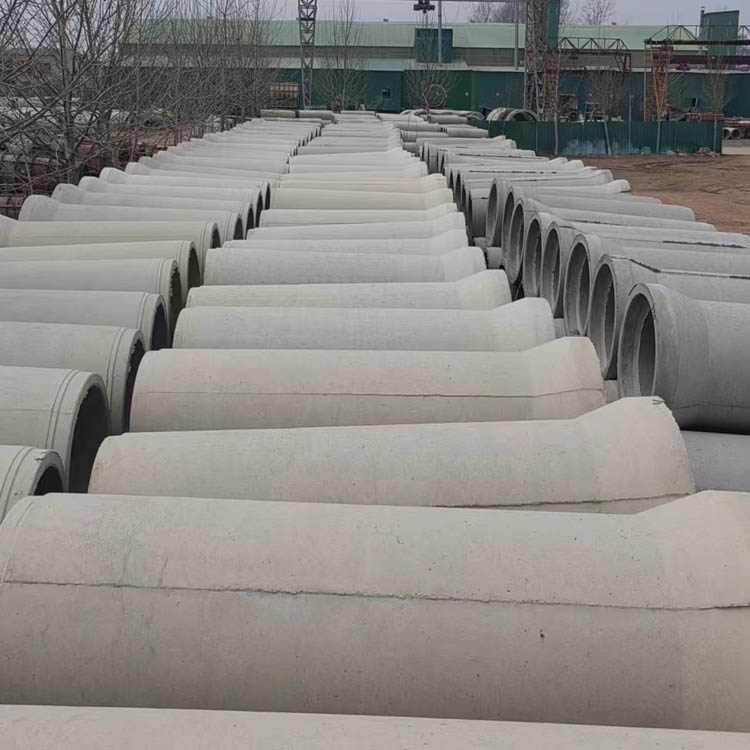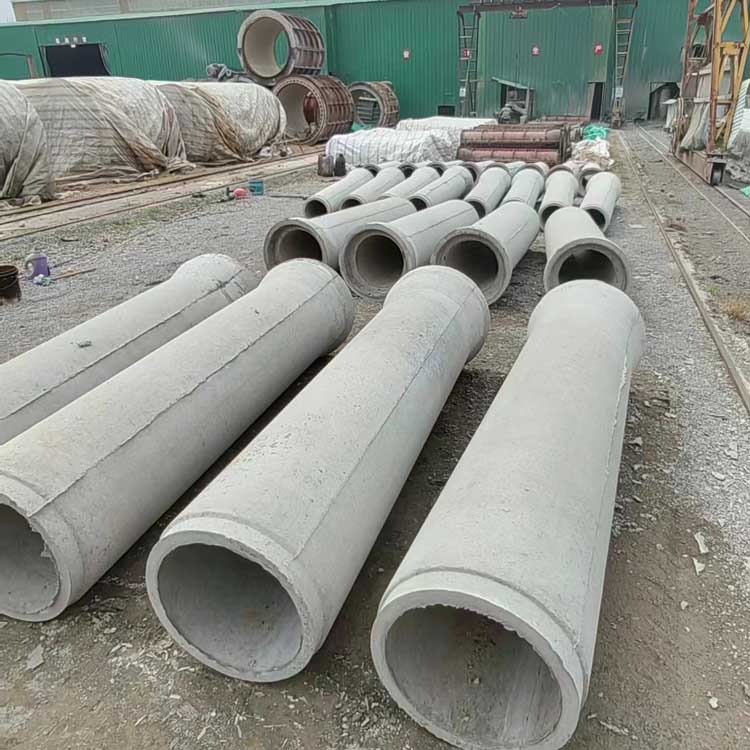
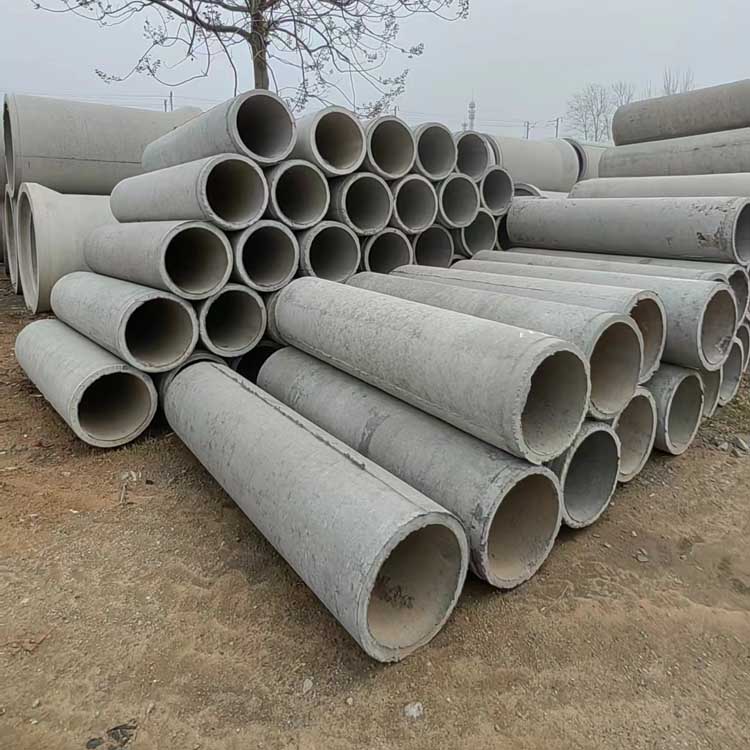
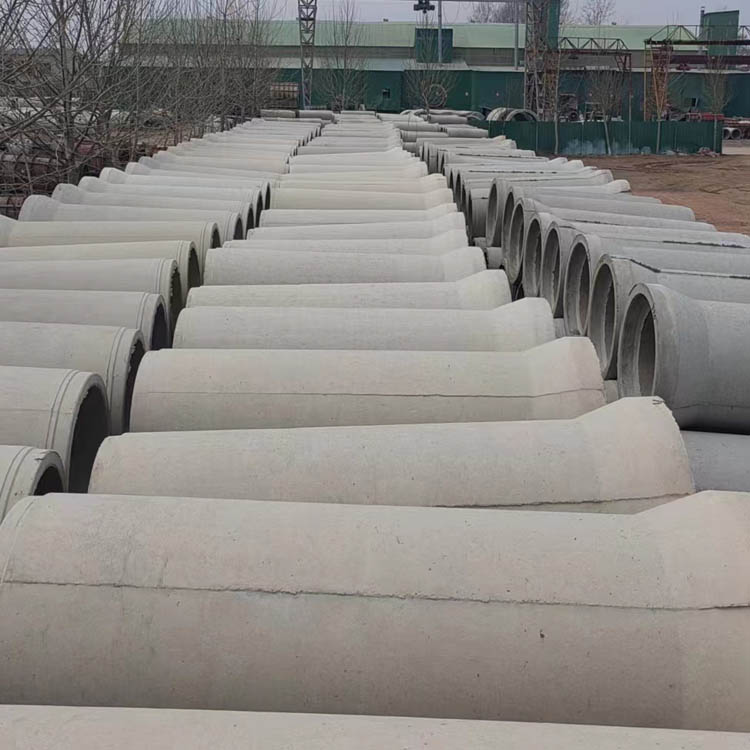


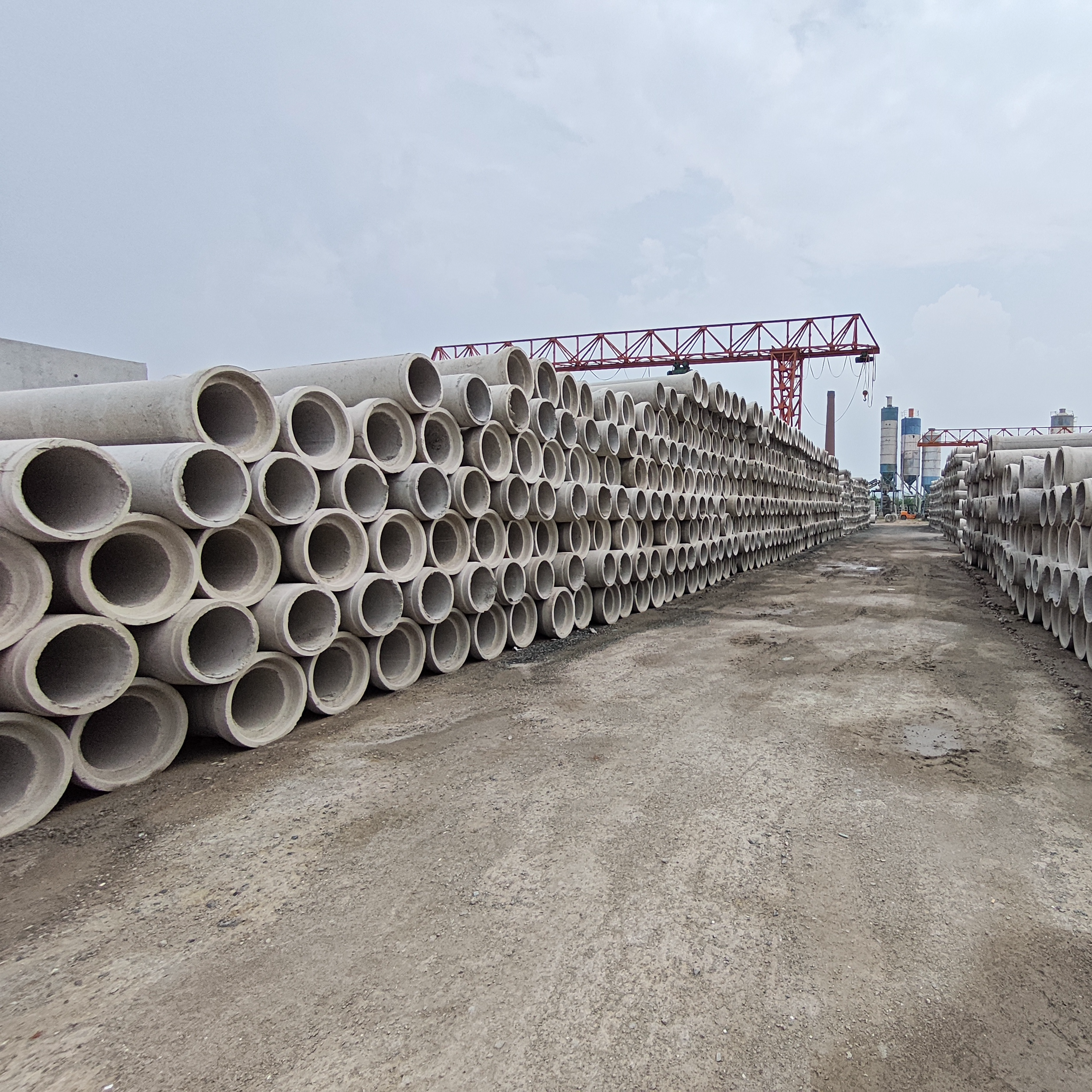





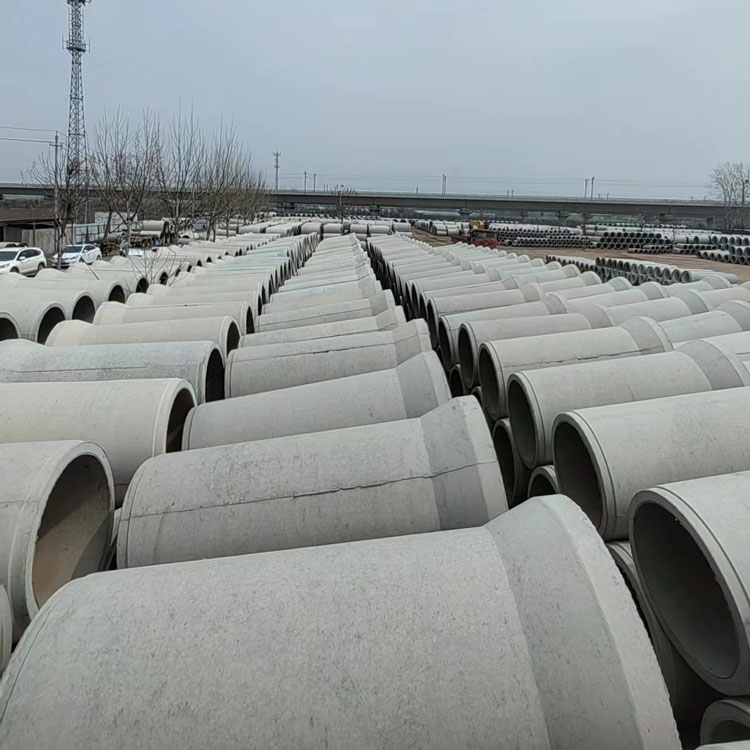
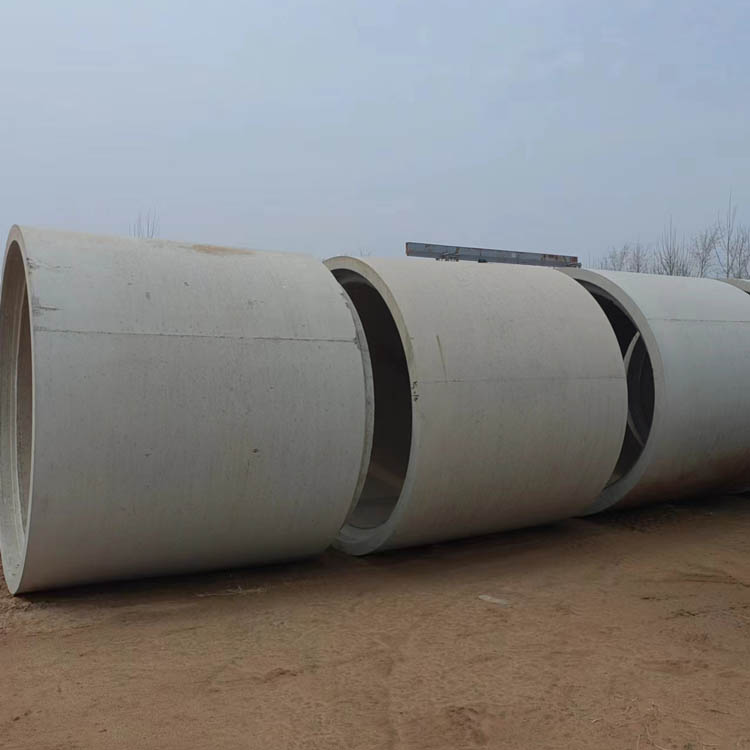
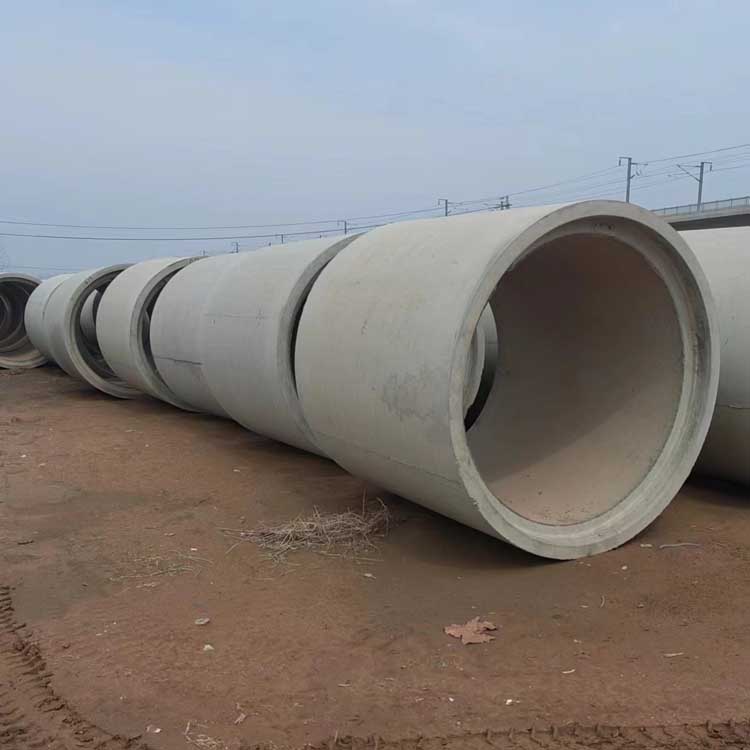
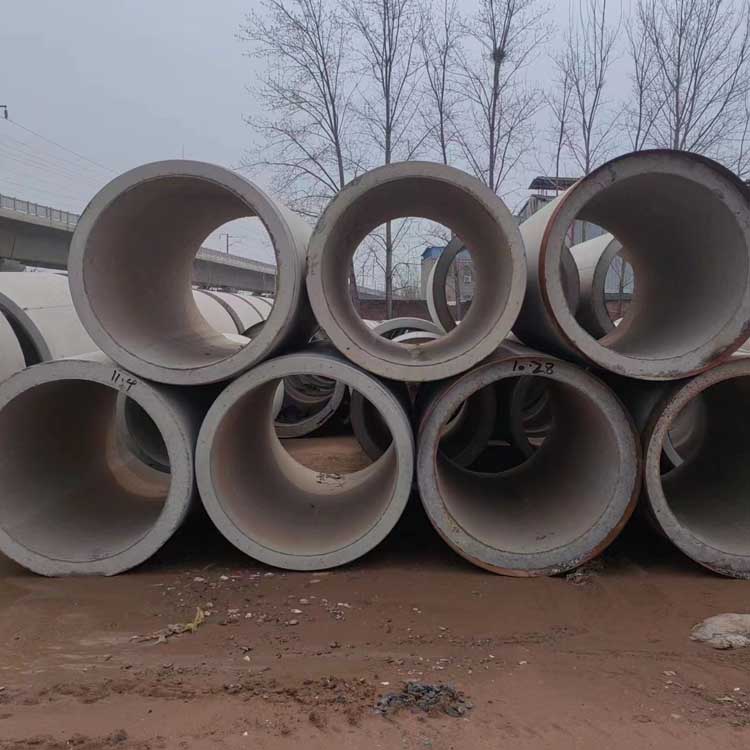
The end of the spigot pipe is connected to the socket of another pipe end by using a tenon and mortise joint method, with both ends being the same size. This connection method can transfer the load between pipe components and enhance the sealing performance. A sliding rubber ring is used for sealing and preventing water leakage.
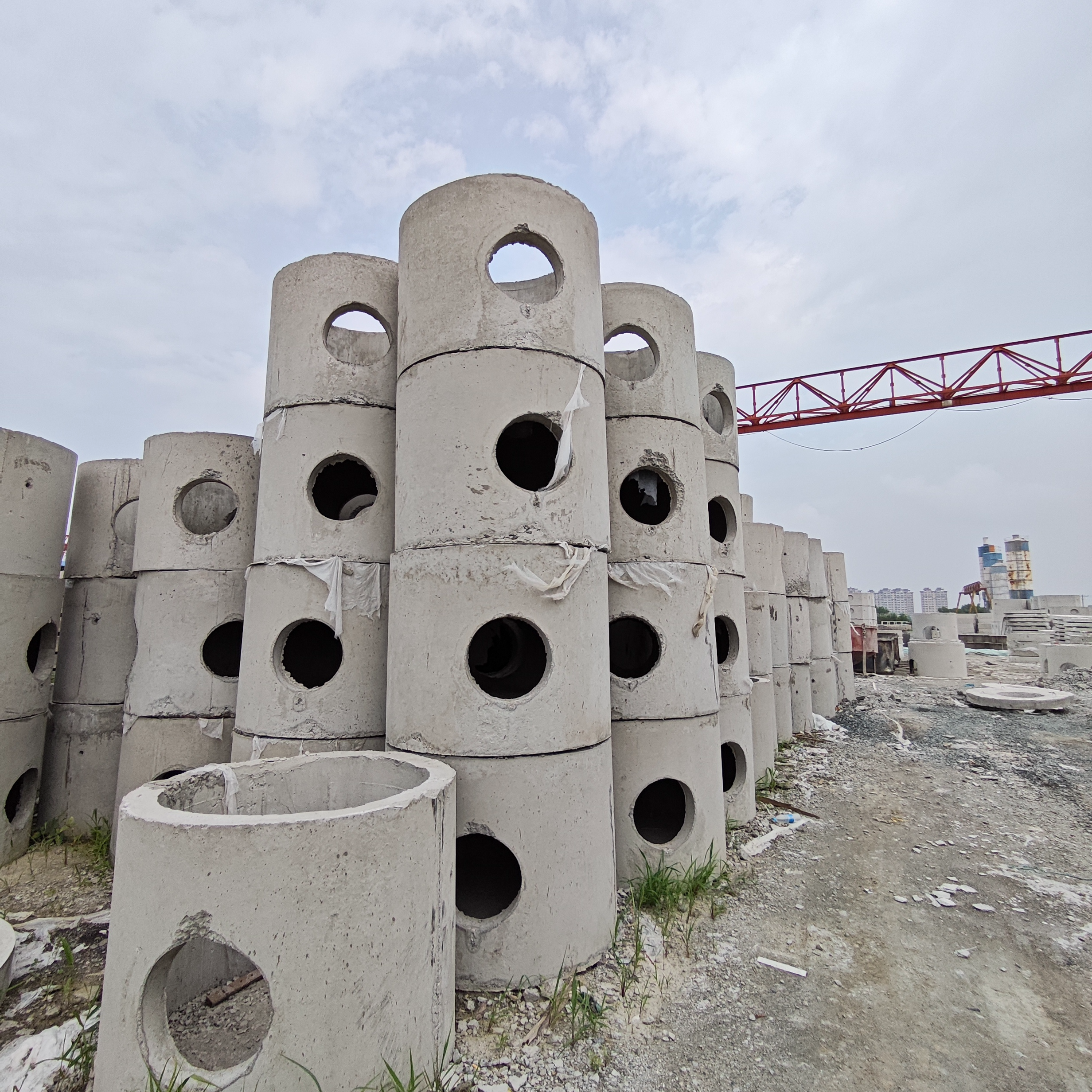
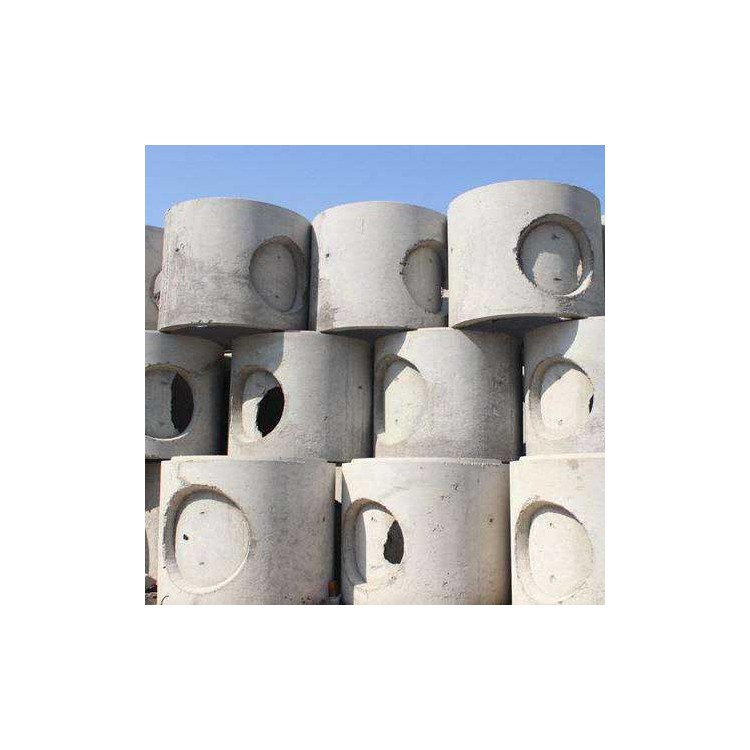
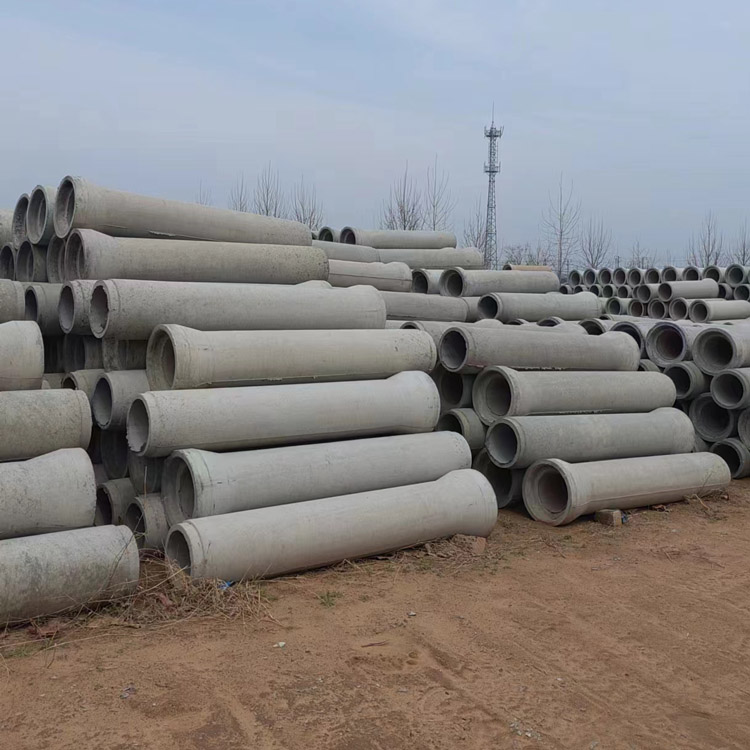
End-section cement pipes, also known as reinforced concrete pipes, are used as drainage pipes in urban construction foundations, for wastewater discharge, flood prevention and drainage, as well as for water supply pipes in special factories and mines, and agricultural well irrigation.
Coupling cement pipes offer low prices, simple structure, and easy construction. They have good processing properties, allow for turns in installation, and have high flow capacity.
Features of the spigot pipe in cement include high concrete strength, good impermeability, high safety and fluidity, ease of installation, environmental friendliness, strong resistance to external pressure, large thrust allowed in jacking construction, and high production efficiency.