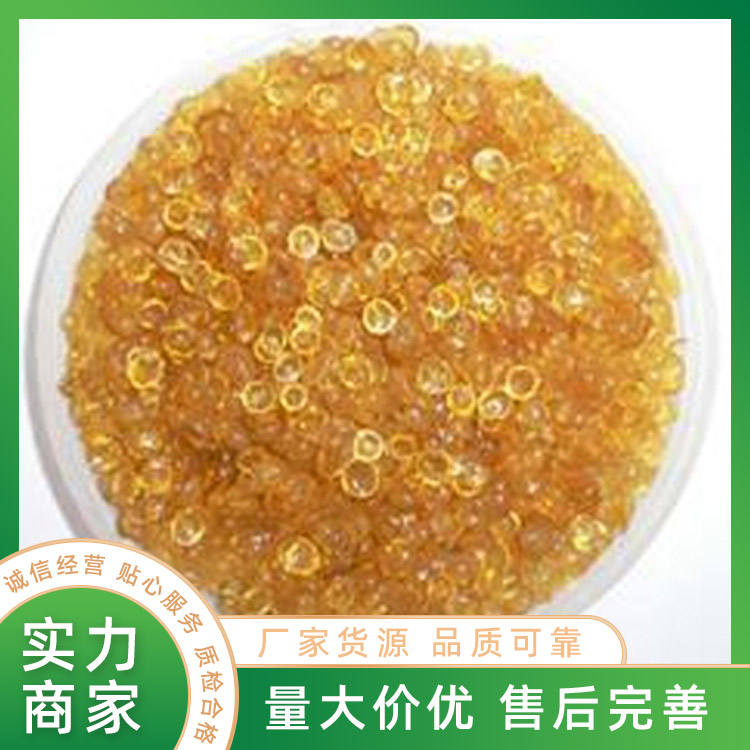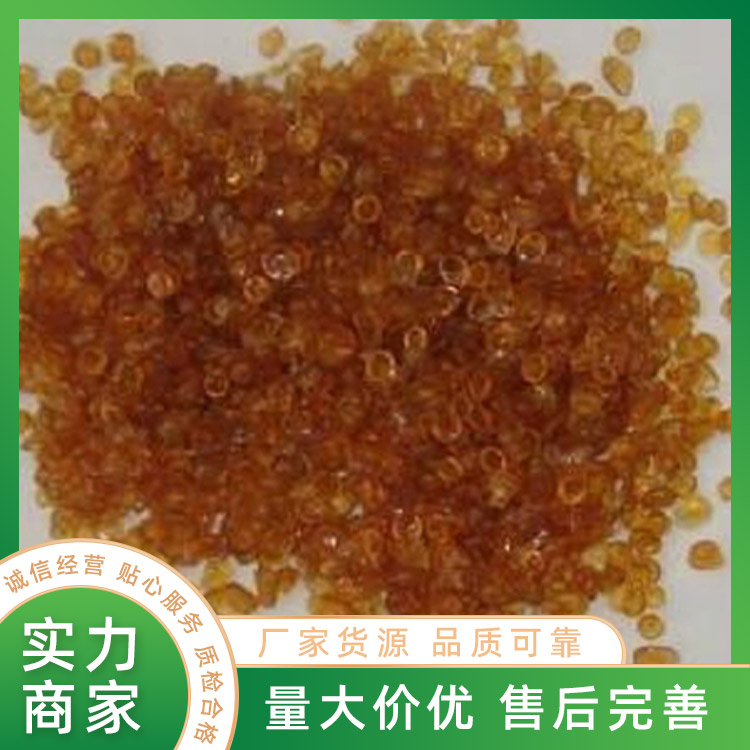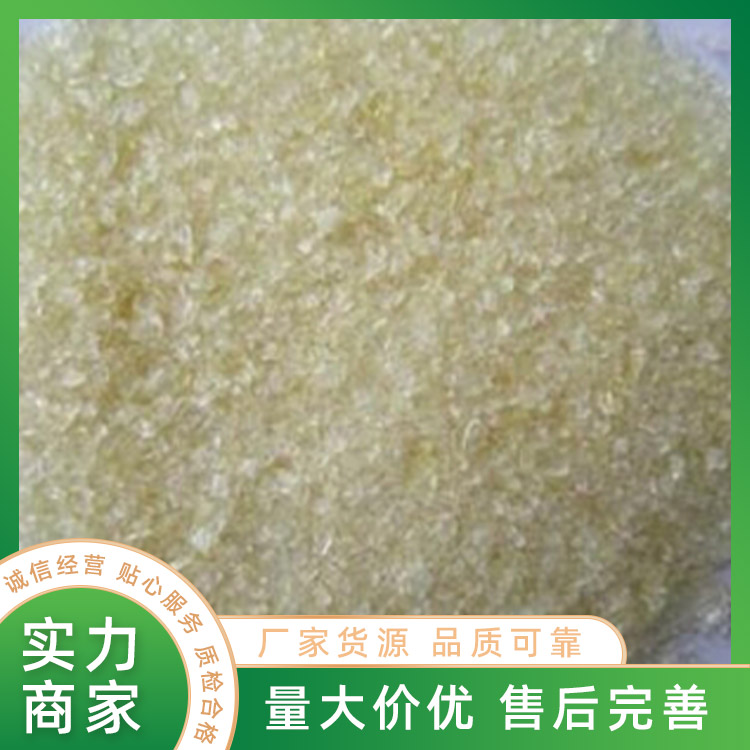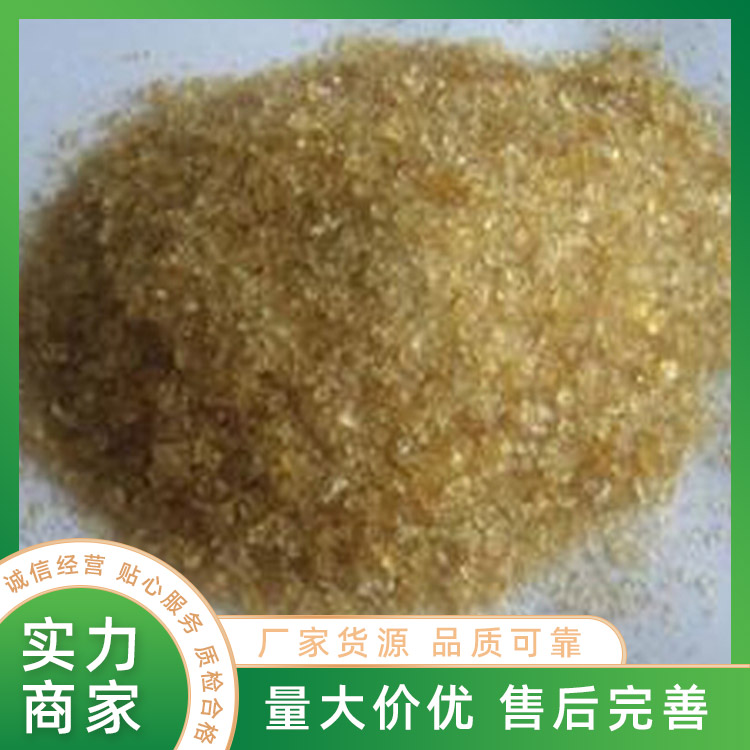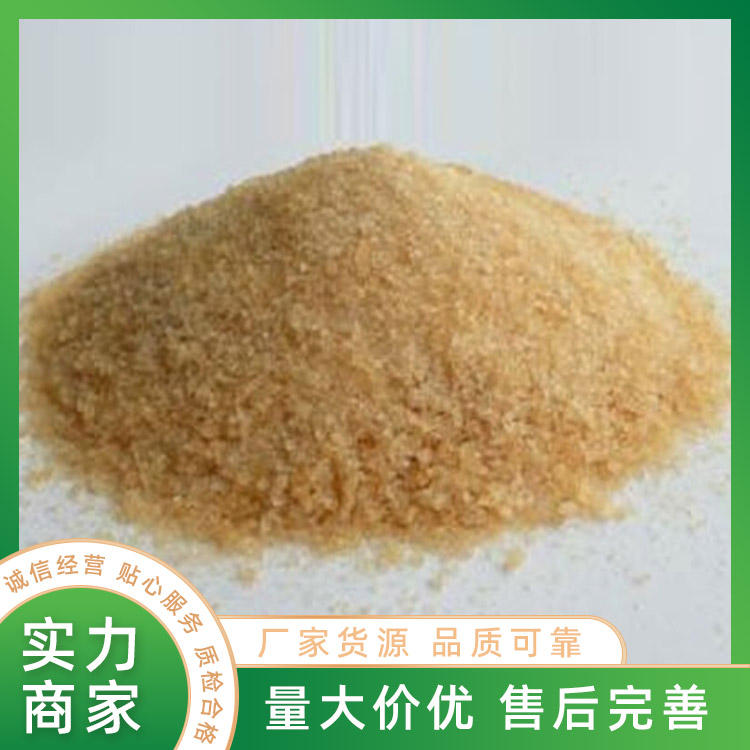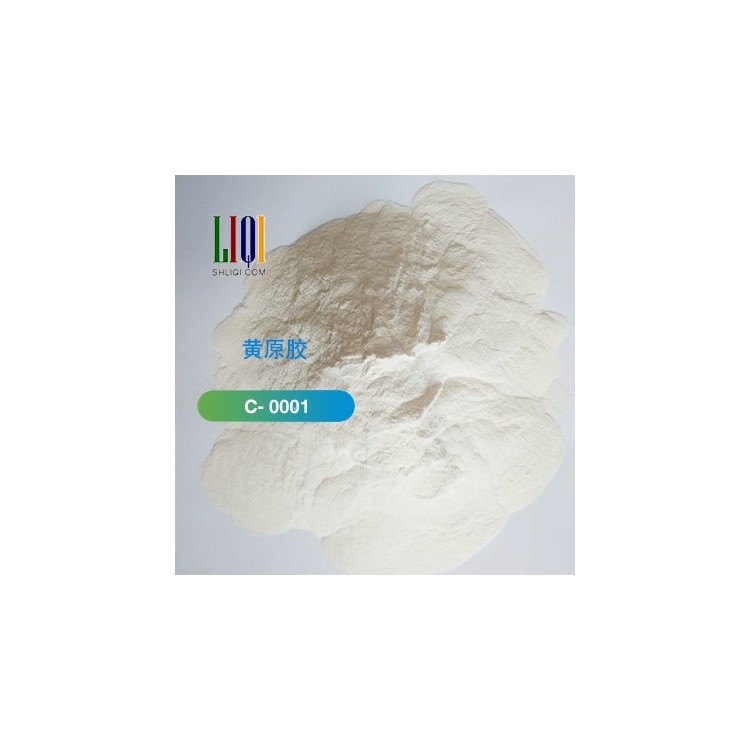

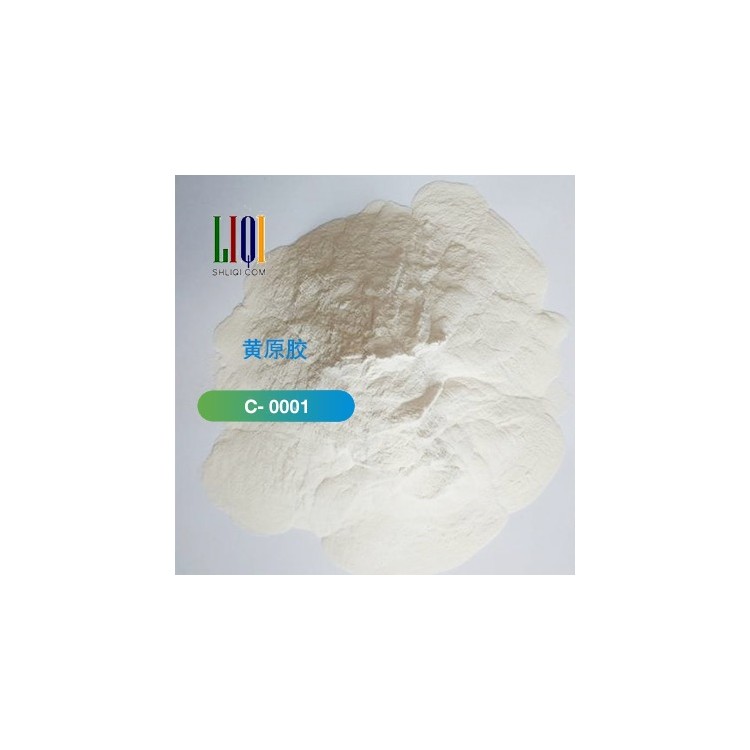
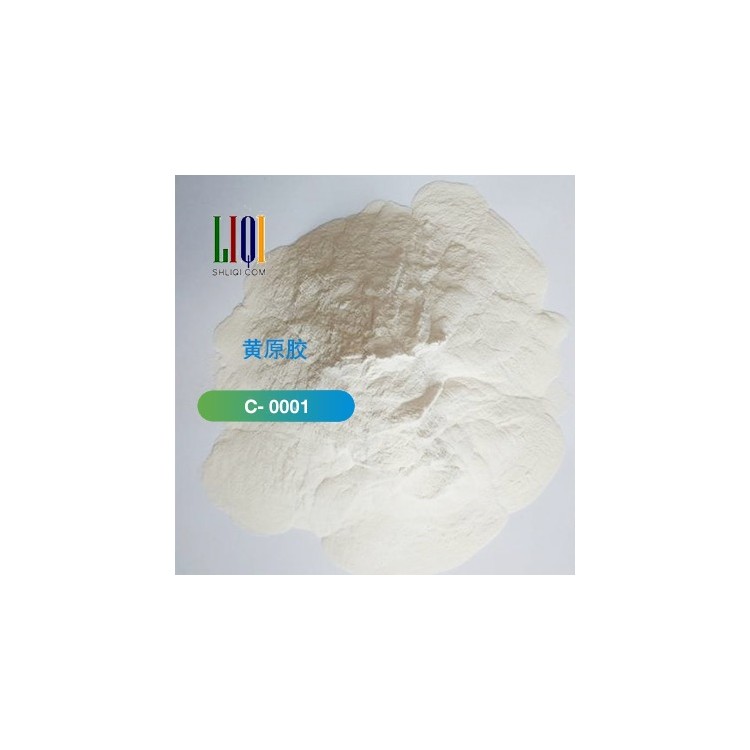
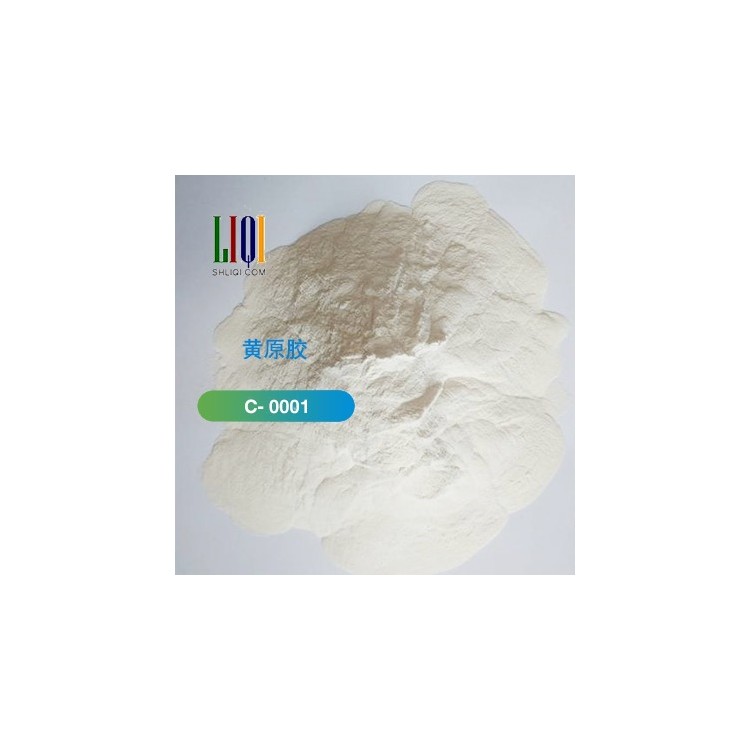







Xanthan gum is a superior biological gum that combines thickening, suspension, emulsification, and stabilization into one, widely used internationally. The amount of pyruvate groups at the end of the molecular side chains of xanthan gum greatly affects its performance. Xanthan gum possesses the general properties of long-chain polymers but contains more functional groups than typical polymers, displaying unique properties under specific conditions. Its conformation in aqueous solutions is diverse, and it exhibits different characteristics under various conditions.
1. Suspensibility and emulsifying properties
Xanthan gum exhibits excellent suspension properties for insoluble solids and oil droplets. The solvated xanthan gum molecules can form ultra-cohesive helical copolymers, creating a fragile, jelly-like network structure. This allows it to support the shapes of solid particles, liquid droplets, and bubbles, demonstrating strong emulsifying stability and high suspension capacity.
2. Excellent water solubility
Xanthan gum dissolves quickly in water, with excellent water solubility. It can also dissolve in cold water, allowing for the elimination of complex processing steps and ease of use. However, due to its hydrophilic nature, if it's directly added to water without thorough mixing, the outer layer absorbs water and swells into a gel mass, preventing water from reaching the inner layers and thus affecting its performance. Therefore, proper usage is crucial. Mix the dry xanthan gum powder or with dry additives like salt or sugar, then gradually add it to the stirred water to form a solution.
3. Thickening properties
Xanthan gum solution features high viscosity at low concentration (the viscosity of a 1% aqueous solution is equivalent to 100 times that of gelatin), making it an effective thickener.
4. Shear-thinning
Xanthan gum solution exhibits high viscosity under static or low shear conditions, showing a sharp decrease in viscosity under high shear, yet the molecular structure remains unchanged. Upon the elimination of shear force, it immediately recovers its original viscosity. The relationship between shear force and viscosity is completely plastic. The pseudoplasticity of xanthan gum is very pronounced, and this pseudoplasticity is highly effective for stabilizing suspensions and emulsions.
5. Stability at high temperatures
Xanthan gum solution does not experience significant changes in viscosity with temperature variations. Unlike most polysaccharides, which undergo viscosity changes upon heating, the viscosity of xanthan gum solutions remains nearly unchanged between 10-80℃. Even at low concentrations, the solutions maintain a stable high viscosity across a broad temperature range. A 1% xanthan gum solution (with 1% potassium chloride) only sees a 3% decrease in viscosity when heated from 25℃ to 120℃.
6. Stability to acids and alkalis
Xanthan gum solution is highly stable to acids and bases. Its viscosity remains unaffected between pH 5-10; slight changes in viscosity occur at pH less than 4 and greater than 11. Within the pH range of 3-11, the difference between high and low viscosity values is less than 10%. Xanthan gum is soluble in a variety of acid solutions, such as 5% sulfuric acid, 5% nitric acid, 5% acetic acid, 10% hydrochloric acid, and 25% phosphoric acid. These xanthan gum acid solutions are quite stable at room temperature, with no significant changes in quality for several months. Xanthan gum is also soluble in sodium hydroxide solution and has thickening properties. The resulting solution is highly stable at room temperature. Xanthan gum can be degraded by strong oxidizing agents like perchloric acid and persulfuric acid, with degradation speeding up as the temperature rises.
7. Salt stability
Xanthan gum solution is soluble in many salt solutions (potassium, sodium, calcium, magnesium salts, etc.), without affecting viscosity. Even under higher salt concentrations or in saturated salt solutions, it maintains solubility without precipitating or flocculating, with minimal impact on viscosity.
8. Stability of enzymatic reactions
Xanthan gum's stable double helix structure endows it with antioxidant and antienzymatic properties, making it resistant to degradation by many enzymes such as proteases, amylases, cellulases, and hemicellulases.