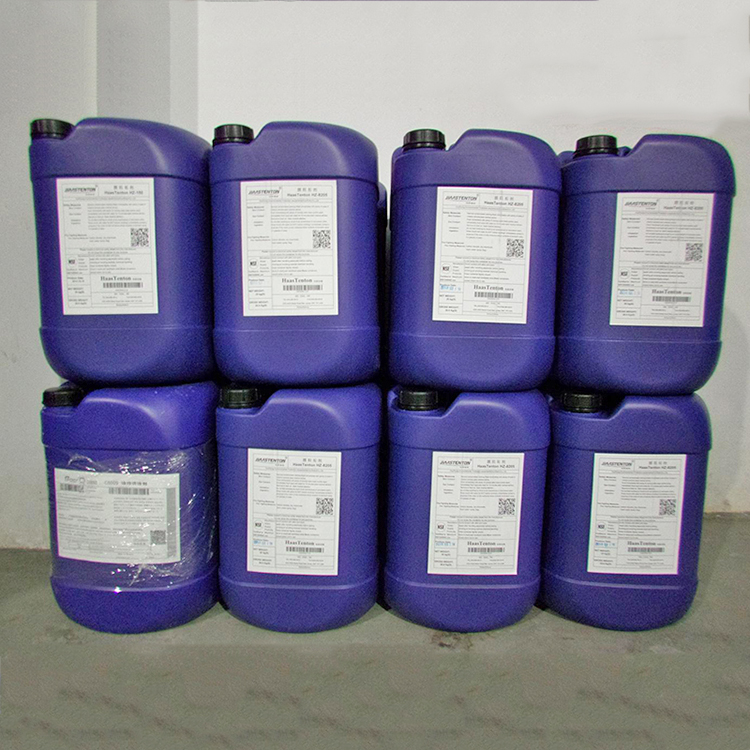





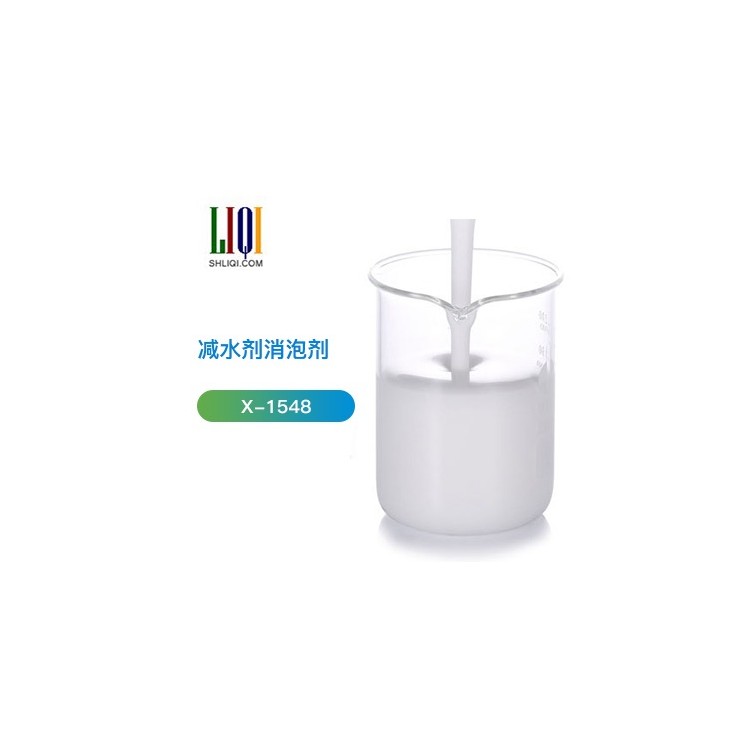
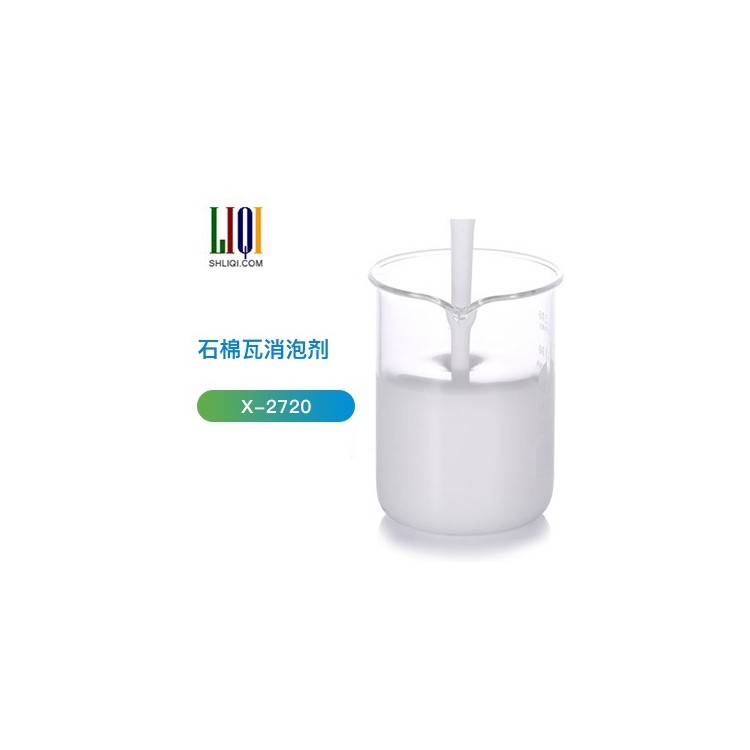





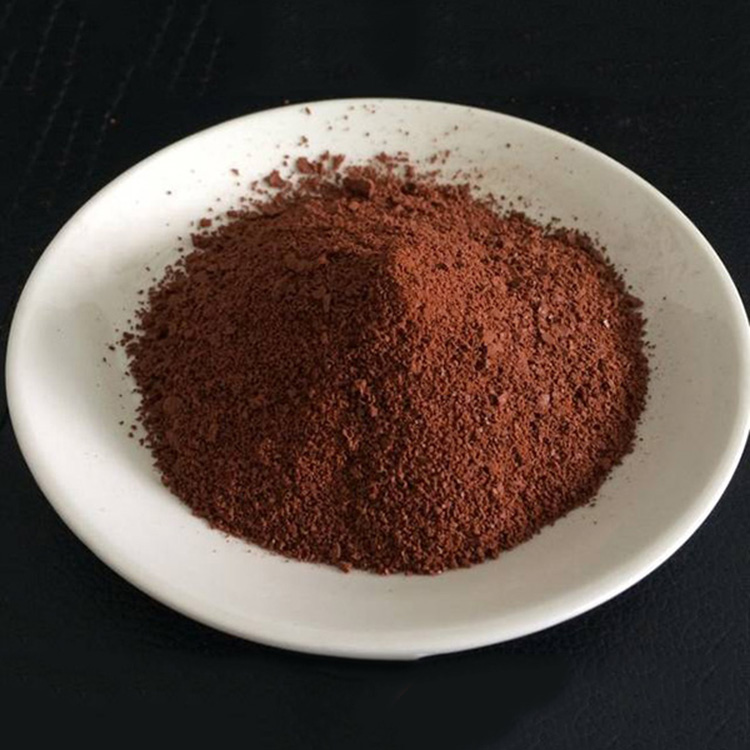
Defoamers are substances that reduce the surface tension of water, solutions, suspensions, etc., preventing the formation of foam or reducing and eliminating existing foam.
Detergents should possess the following properties:
① Strong defoaming ability, low dosage.
② Added to the foaming system without affecting the fundamental properties of the system, i.e., does not react with the defoaming system.
Low surface tension
④ Good balance with the surface.
Good heat resistance.
⑥ Excellent spreading and penetration properties with a high spreading coefficient.
Chemically stable, with strong resistance to oxidation.
⑧ Good gas solubility and permeability;
9. Low solubility in effervescent solutions.
Non-active biologically, with high safety.
Detergent agents are widely used in various industries such as food processing, papermaking, water treatment, oil extraction, dyeing and printing, paint manufacturing, detergent production, rubber latex, aerosol, daily chemical, and dairy products.
Defoamer, an additive used to eliminate foam. Large amounts of foam are produced during the production and application processes in industries such as coatings, textiles, fermentation, papermaking, water treatment, and petrochemicals, which can affect product quality and the production process. To inhibit and eliminate foam, a specific amount of defoamer is typically added during production.
The composition of defoamer
The composition of defoamers primarily includes active ingredients, emulsifiers, carriers, and emulsifying aids. The active ingredients serve as the core, responsible for bubble breaking and reducing surface tension; emulsifiers disperse the active ingredients into small particles, allowing for better distribution in oil or water, enhancing defoaming effectiveness; carriers occupy a significant proportion in the defoamer, have low surface tension, mainly acting as supporting media, benefiting bubble inhibition and defoaming, and can reduce costs; emulsifying aids improve the emulsification quality.
Types of Defoamers
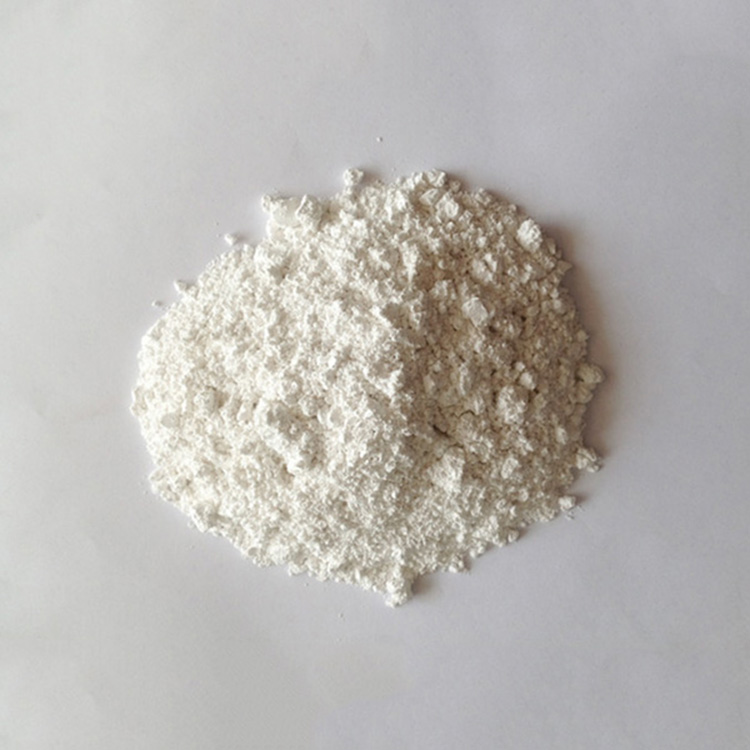
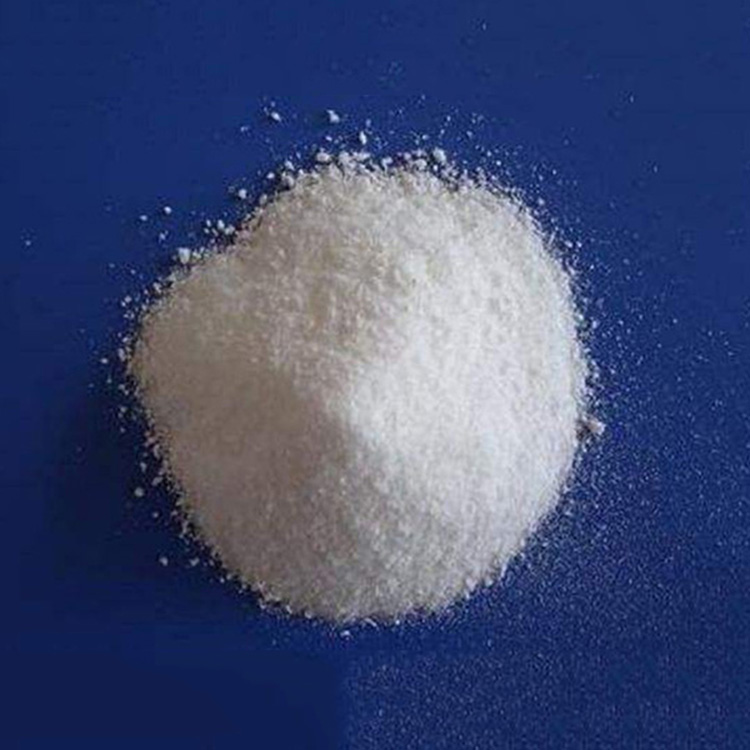
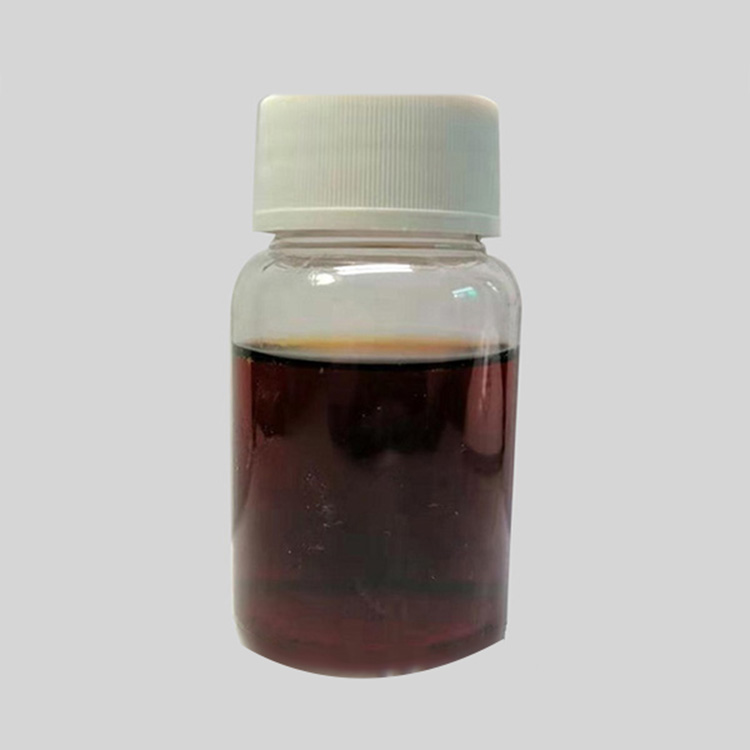
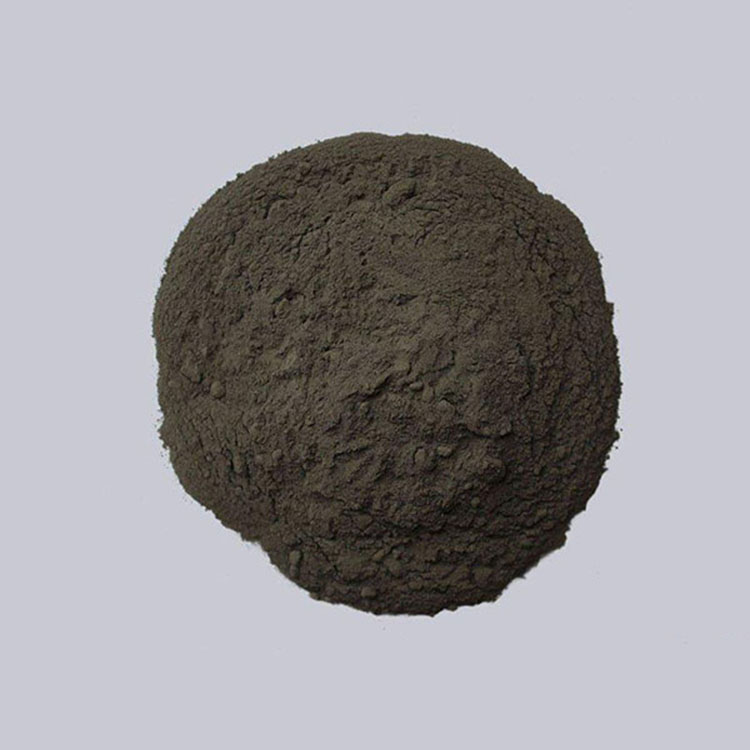
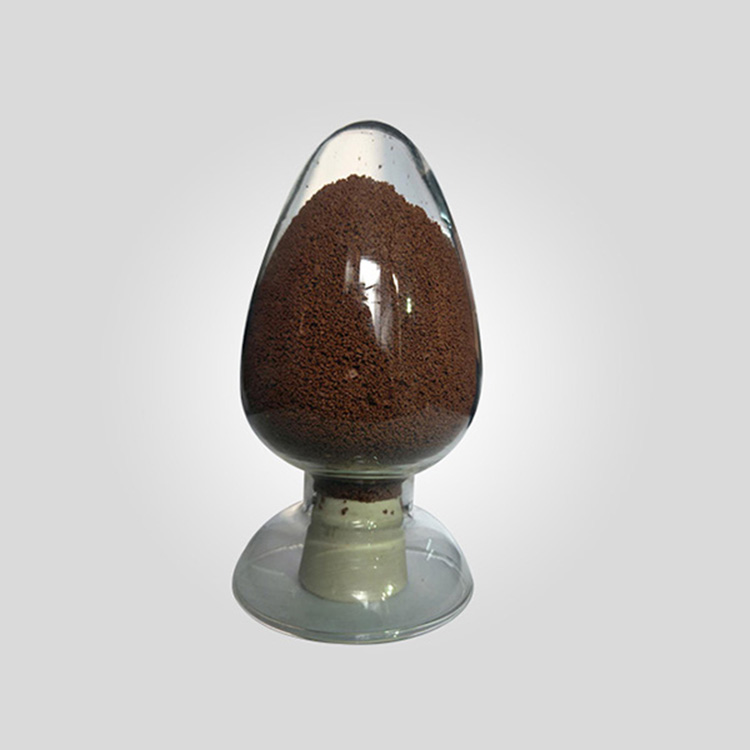
Detergents can be categorized in various ways, such as by form, which includes solid granules, emulsion, dispersion, oil, and paste types; by application in different industrial production, there are textile industry detergents, papermaking industry detergents, coatings industry detergents, food industry detergents, and oil industry detergents; and by chemical structure and composition, they can be mineral oil-based, alcohol-based, fatty acid and ester-based, amide-based, phosphate ester-based, organosilicon-based, polyether-based, and polyether-modified polysiloxane-based detergents.