









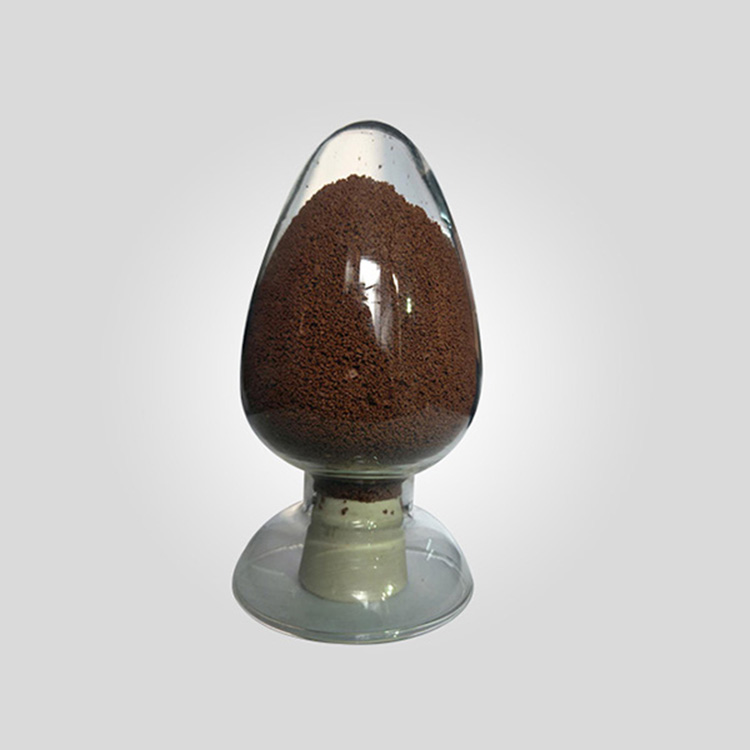

Polyaluminum Chloride (Abbreviated as PAC)
Polyaluminum Chloride (PAC),代号PAC. Commonly known as a water treatment agent or coagulant, it is an inorganic high molecular polymer between AlCl3 and Al(OH)3, with the chemical formula [Al2(OH)nCl6-n]m, where m denotes the degree of polymerization and n indicates the neutralization level of the PAC product.
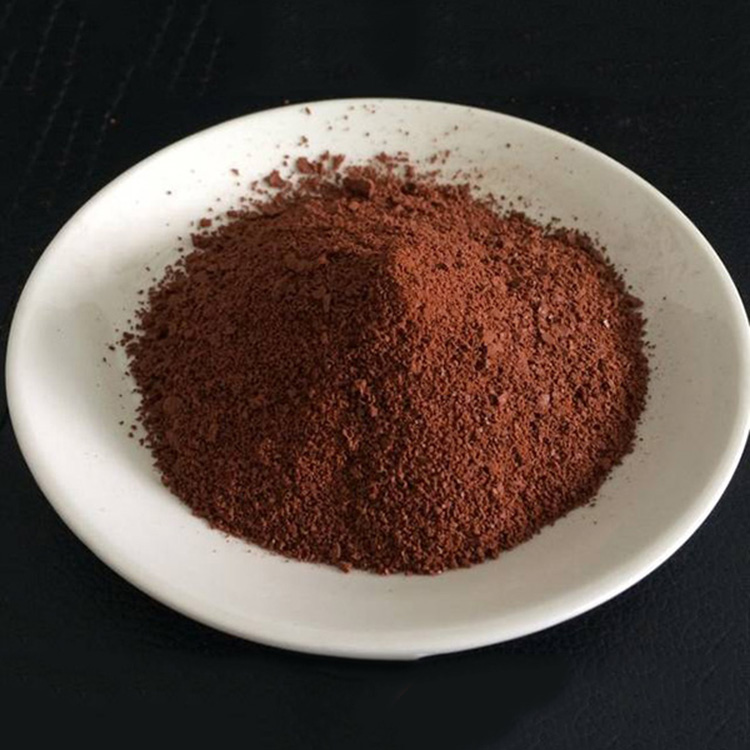
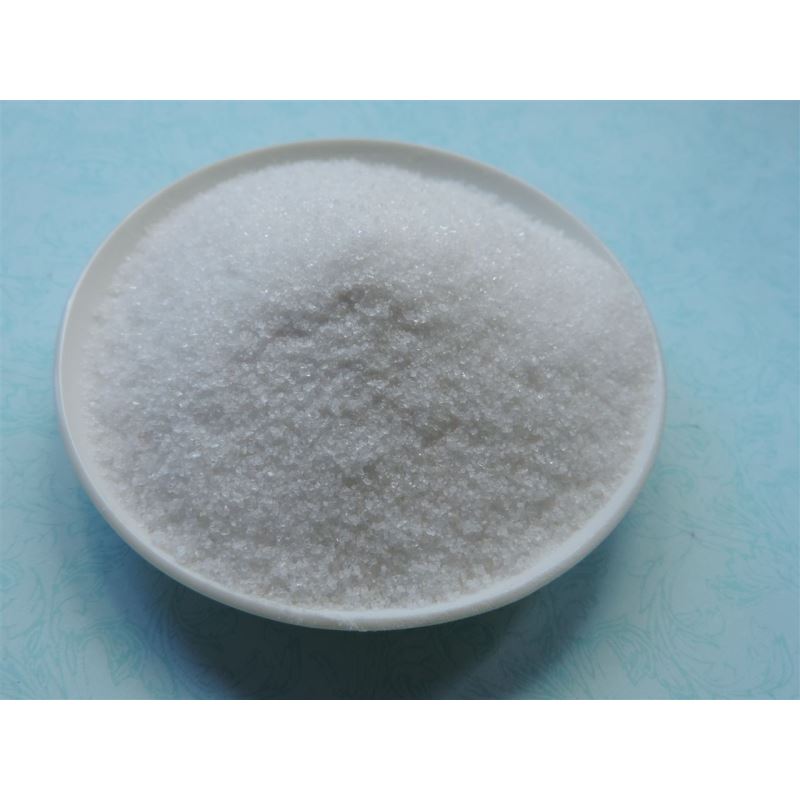
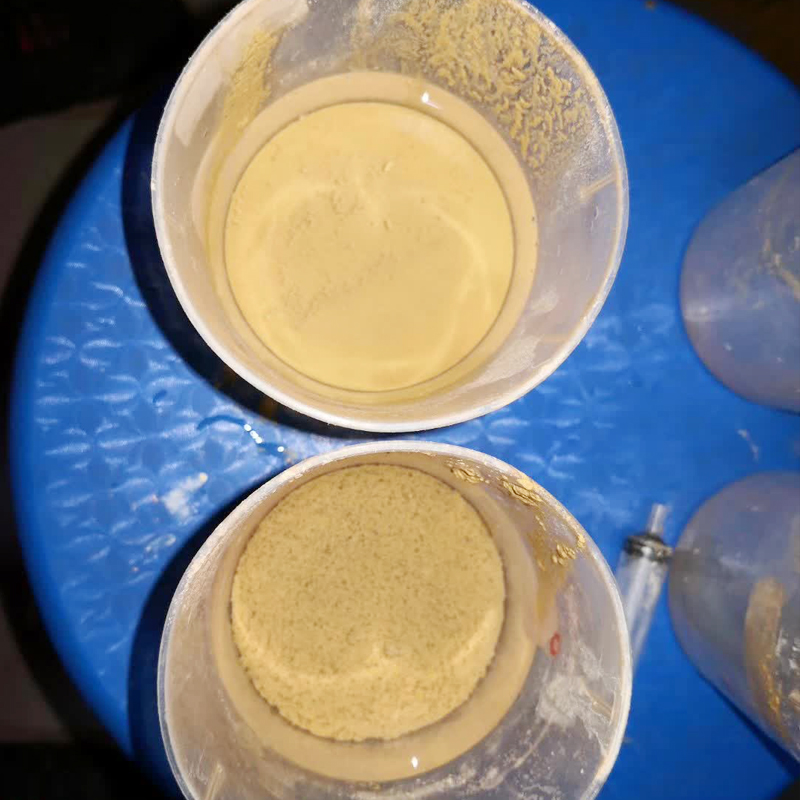
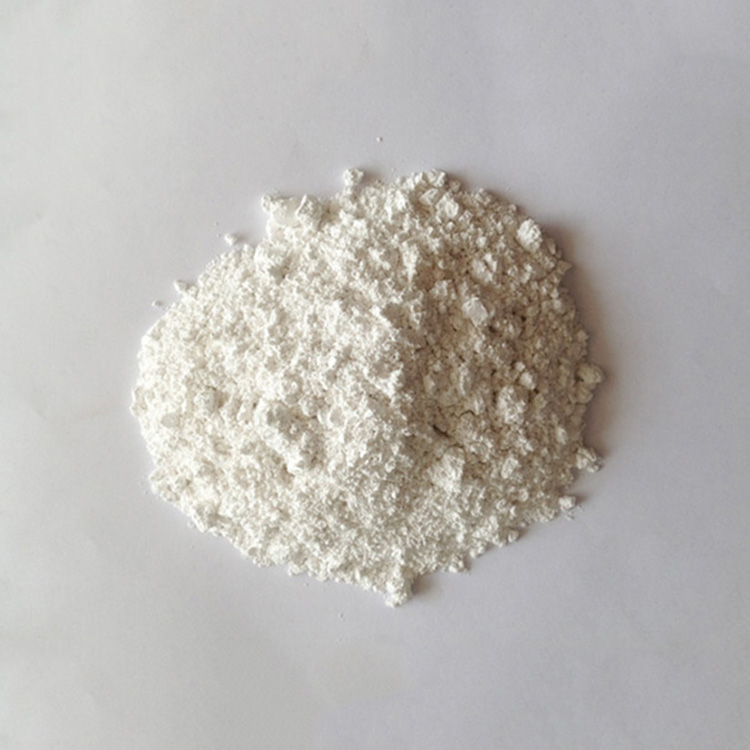
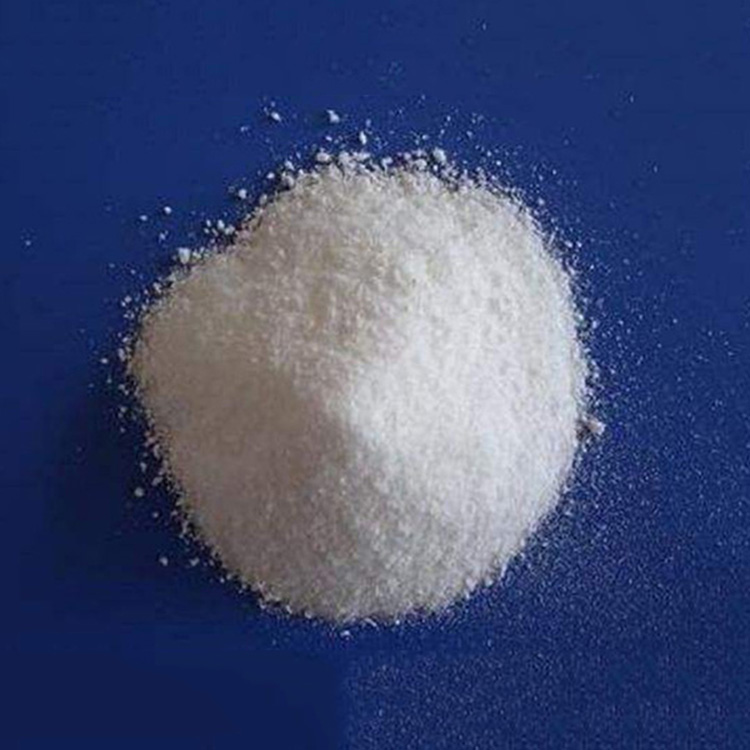
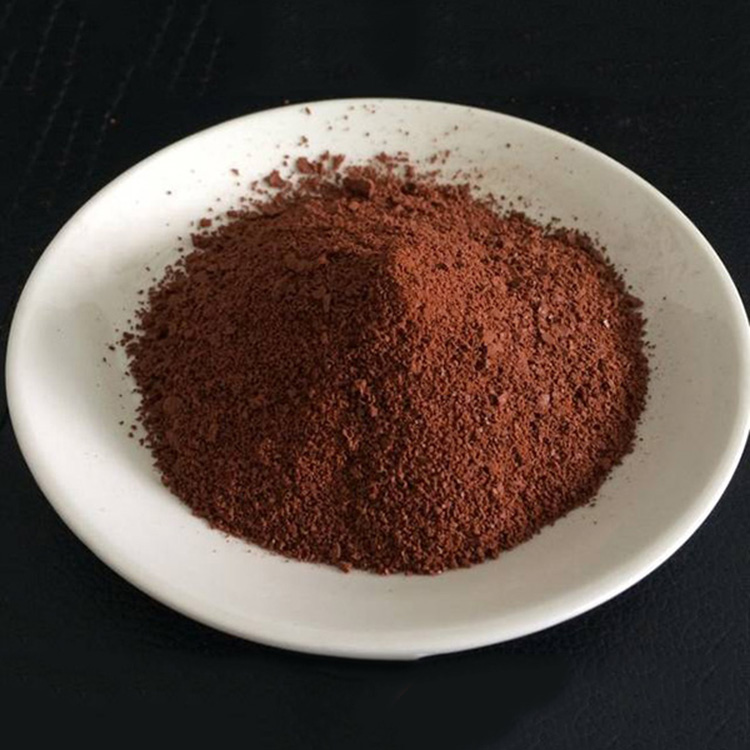
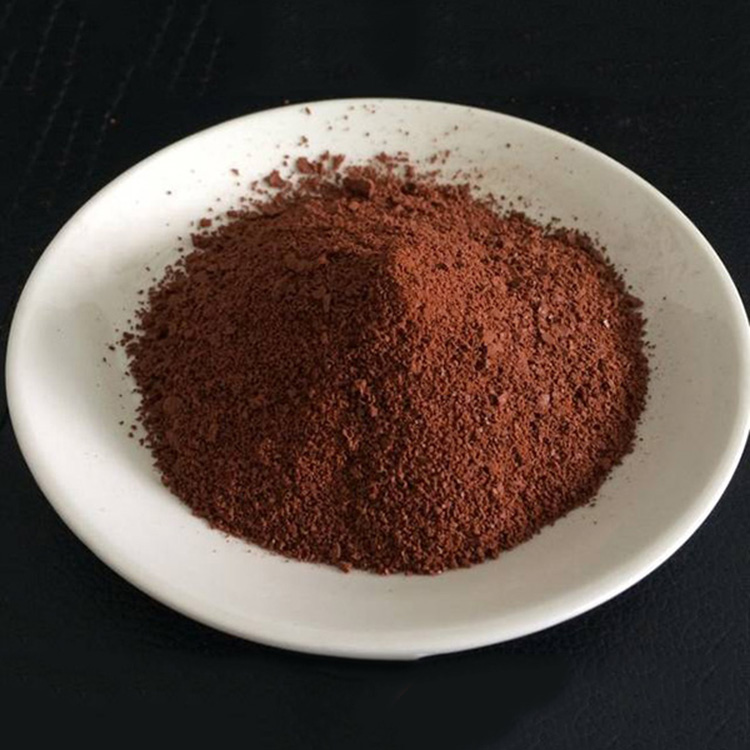
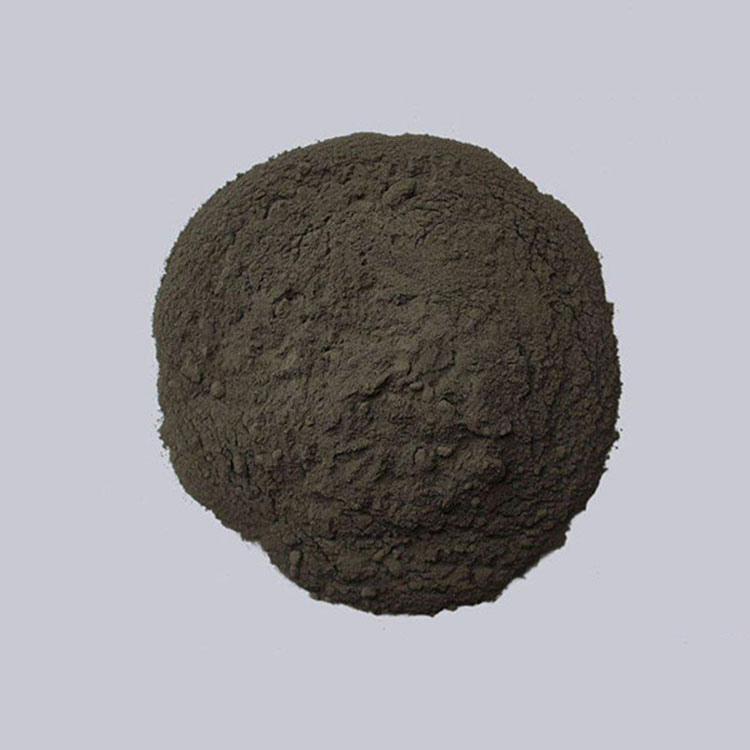
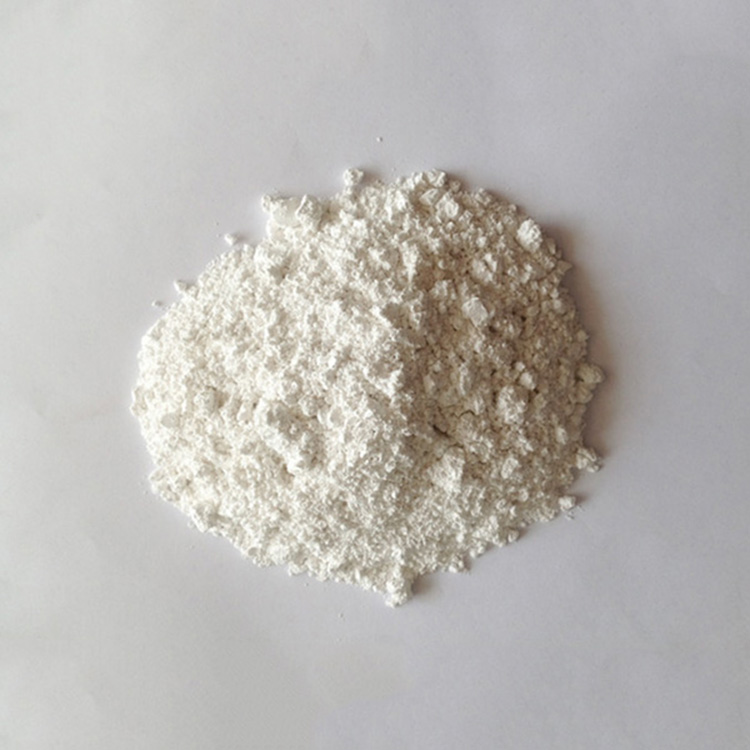
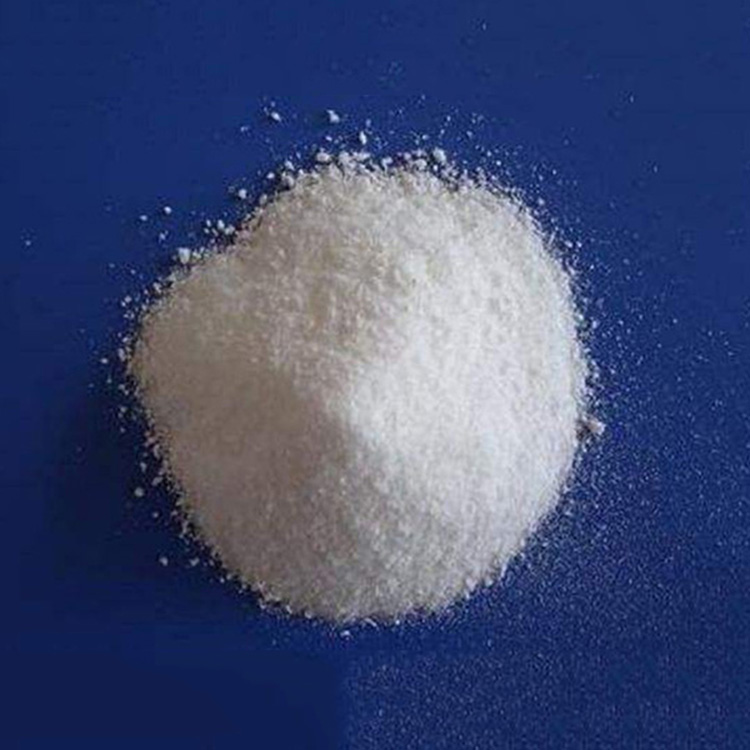
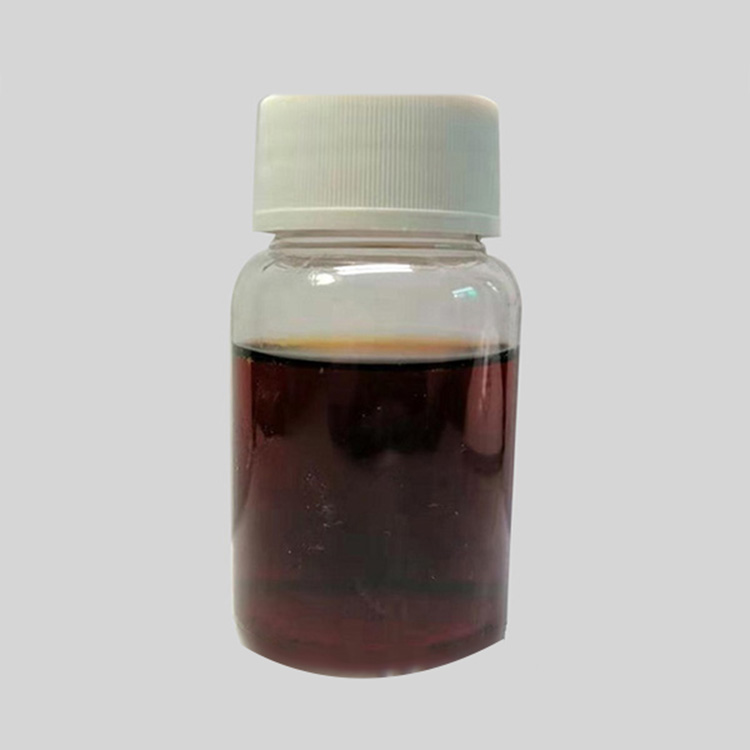
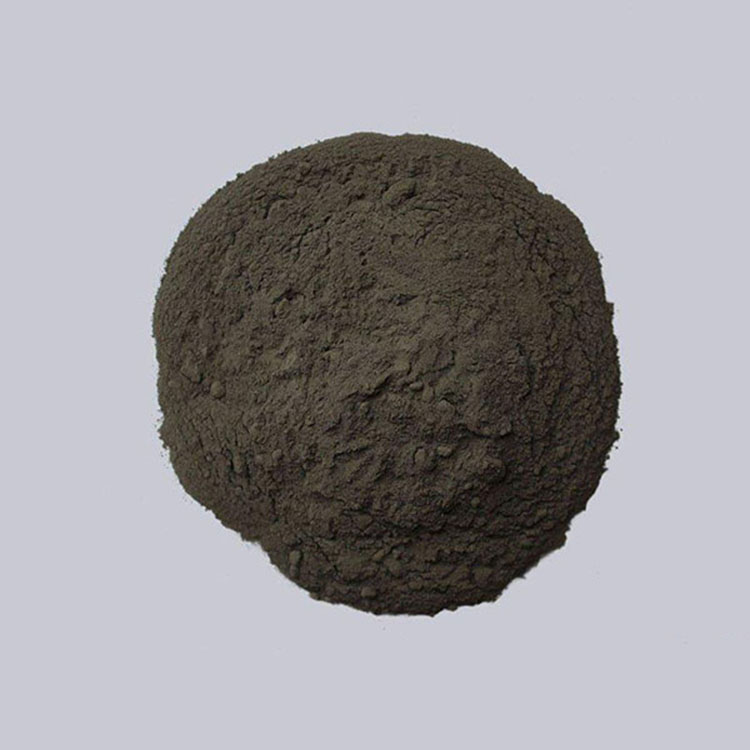
Yellow or light yellow, dark brown, or dark gray resinous solids. This product boasts strong bridging adsorption properties, accompanied by aggregation, adsorption, and precipitation during hydrolysis. The fundamental difference between polyaluminum chloride and traditional inorganic coagulants lies in the fact that the latter are low-molecular-weight crystalline salts, whereas polyaluminum chloride is composed of polymorphic polycarboxylate complexes. It features rapid flocculation and sedimentation, a wide pH range applicability, non-corrosive to pipelines and equipment, and significant water purification effects. It effectively removes colored substances, SS, COD, BOD, and heavy metal ions such as arsenic and mercury from water. This product is widely used in drinking water, industrial water, and wastewater treatment.
Alumina Chloride Features
Polyaluminum Chloride (PAC) is an inorganic substance, a new type of water purification material, and an inorganic polymer coagulant, commonly abbreviated as polyaluminum. It is a water-soluble inorganic polymer between AlCl3 and Al(OH)3, with the chemical formula [Al2(OH)nCl6-n]m, where m denotes the degree of polymerization and n indicates the neutralization level of the PAC product. For n=1~5, it forms high-charged polymer ring chains with Keggin structure, exhibiting strong electro-neutralization and bridging effects on colloids and particulates in water, effectively removing trace toxins and heavy metal ions, and is stable in nature. Inspection methods can be conducted according to the international GB 15892–2003 standard. Due to the bridging effect of hydroxide ions and the polymerization of polyvalent anions, the produced PAC is an inorganic polymer water treatment agent with a higher molecular weight and charge.
Alumina Chloride Polymer Performance
a. Purified water quality exceeds that of aluminum sulfate flocculant, with water purification costs 15-30% lower.
b. Rapid formation of flocs and fast settling speed, with higher treatment capacity compared to traditional products like aluminum sulfate.
c. The alkalinity in the water consumption is lower than that of various inorganic flocculants, thus alkali can be omitted or used in reduced quantities.
d. Suitable for raw water with a pH range of 5.0-9.0, all can coagulate.
Low corrosiveness, good operating conditions.
f. Dissolves better than aluminum sulfate.
g. The increase in salt content in the water is minimal, which is conducive to ion exchange treatment and high-purity water production.
h. Superior adaptability to raw water temperature compared to inorganic flocculants like aluminum sulfate.
Aluminum Chloride Polymer Application
1. Municipal water supply and purification: River water, reservoir water, groundwater.
2. Industrial water purification.
3. Urban Sewage Treatment
4. Recovery of useful substances from industrial wastewater and sludge, promoting the sedimentation of coal dust in washing coal wastewater, and starch recovery in starch manufacturing.
5. Various industrial wastewater treatment: dyeing wastewater, leather wastewater, fluorine-containing wastewater, heavy metal wastewater, oil-containing wastewater, papermaking wastewater, coal washing wastewater, mine wastewater, brewing wastewater, metallurgical wastewater, meat processing wastewater, sewage treatment.
6. Paper sizing. 7. Sugar liquid refining. 8. Casting molding. 9. Fabric wrinkle prevention. 10. Catalyst carrier. 11. Cement rapid setting.
Alumina Chloride Usage Method
Dissolve solid products by adding water in a 1:3 ratio to form a liquid, then dilute with 10-30 times more clear water to the desired concentration before use. The optimal pH range for addition is 3.5-5.0; adding at this pH maximizes the coagulation benefits. The dosage can be determined based on the turbidity of the raw water, with a general dosage of 10-20kg per thousand tons for raw water turbidity between 100-500mg/L. Increase the dosage appropriately for higher turbidity and reduce it for lower turbidity.
For rural use, pour the treatment agent into the water barrel, mix thoroughly, let it settle, and the supernatant can be used. Add approximately 1 gram of this agent per 50 kilograms. Combining this agent with the company's high molecular weight flocculant can enhance the effect. You can dissolve the company's anionic polyacrylamide or cationic polyacrylamide with PAC to form a composite flocculant for use, or first add PAC to the treated water to form a floc, then add the company's anionic polyacrylamide to adsorb and bridge to form a larger floc.
Dosage of polyaluminum chloride in different water qualities:
In low-turbidity water, dilute the solid polyaluminum chloride product with tap water at a 1:3 ratio (by weight) and stir until completely dissolved.
In domestic and industrial wastewater treatment, initially add approximately 30g of polyaluminum chloride per ton of wastewater. Subsequently, add the diluted polyacrylamide product. (If the effect is not satisfactory, adjust the dosage of the product accordingly, either by reducing or increasing it.)
Section 3: In the wastewater treatment of paper mills, use a proportioning configuration for the addition of low-turbidity water. If the effect is not significant, consider adding in moderation.
Four, when the raw water turbidity is between 100-500 mg/L, the dosage is 5-10 mg, which is equivalent to 5-10 kg per thousand tons of water. It is recommended to conduct a small-scale test before use based on the characteristics of the water quality to select the optimal value, and then proceed with the application.