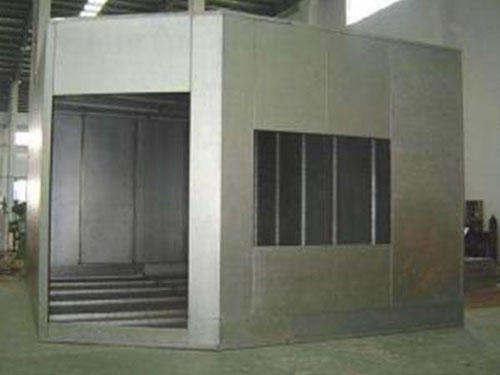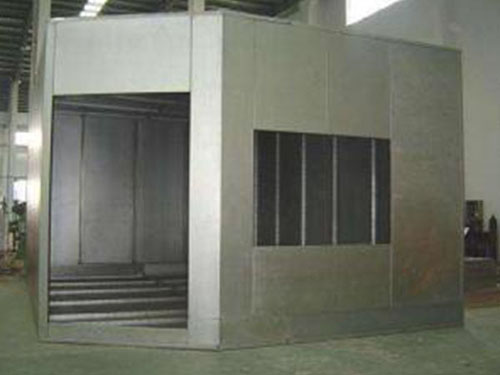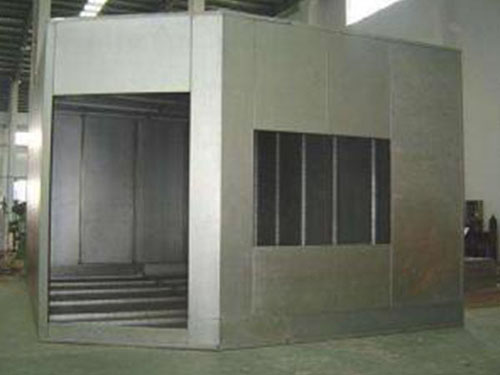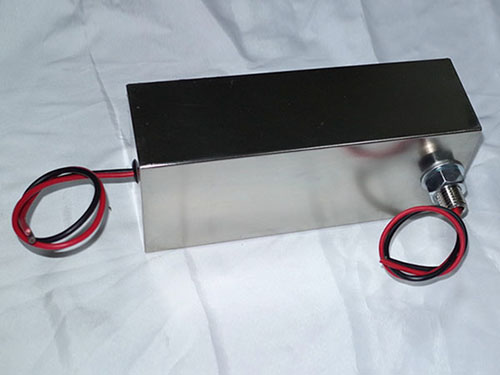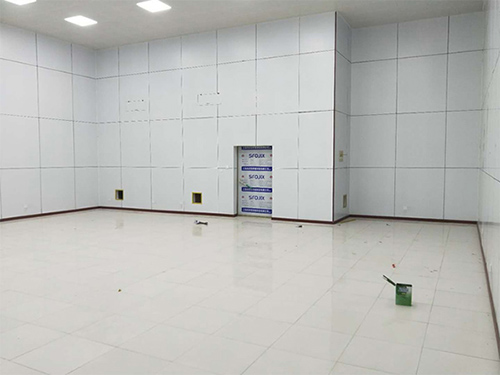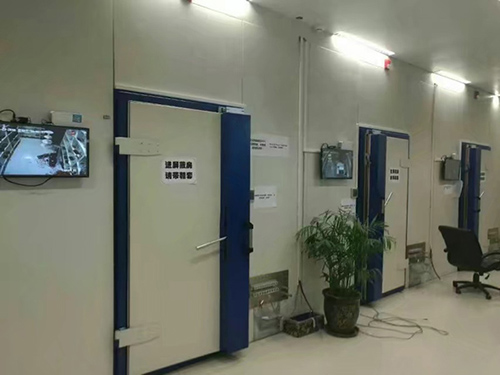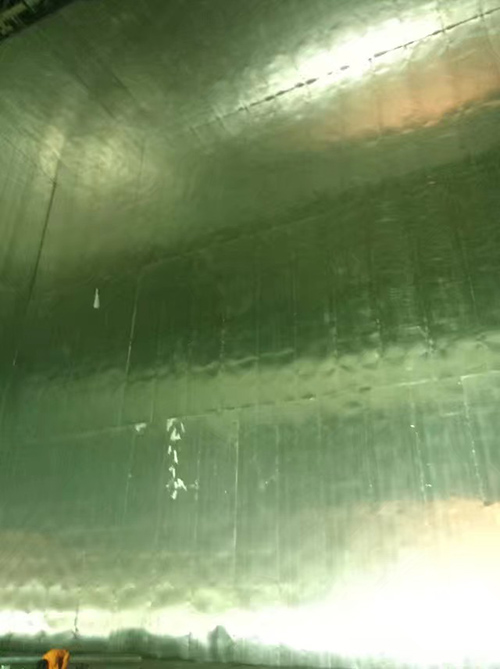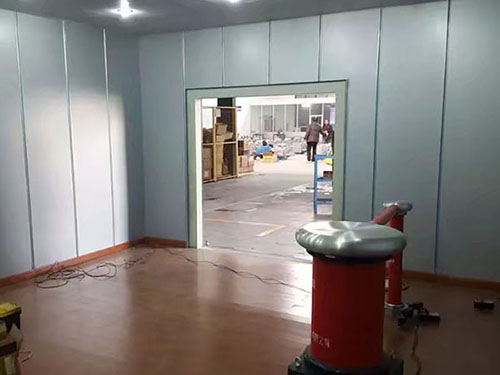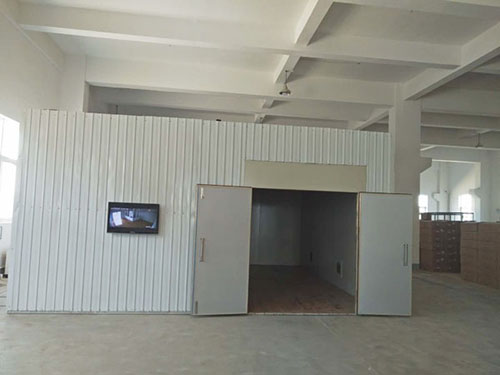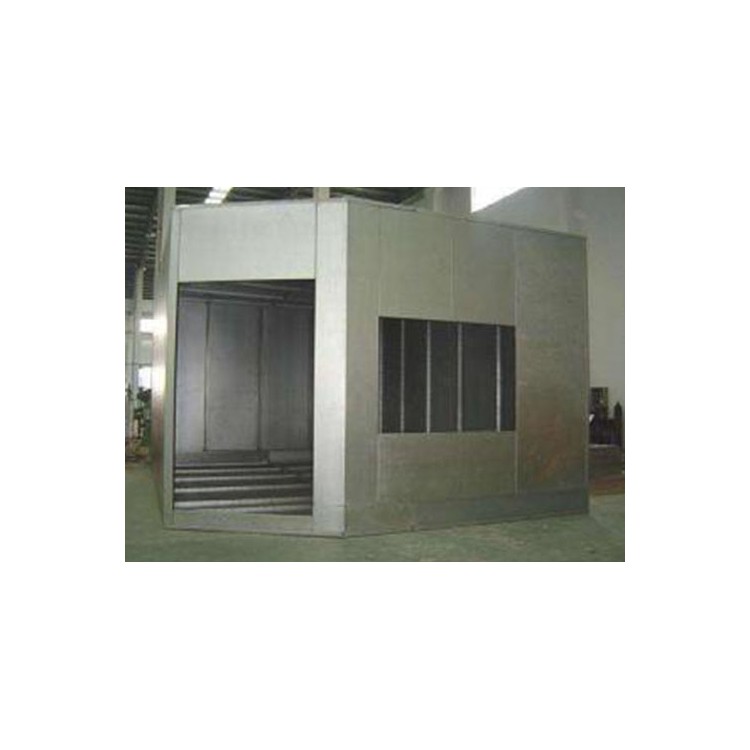

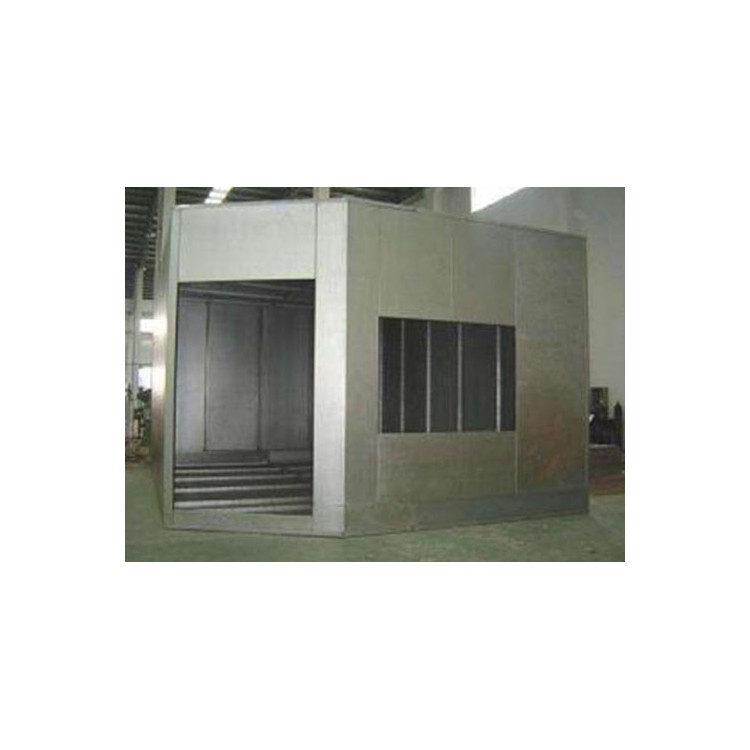
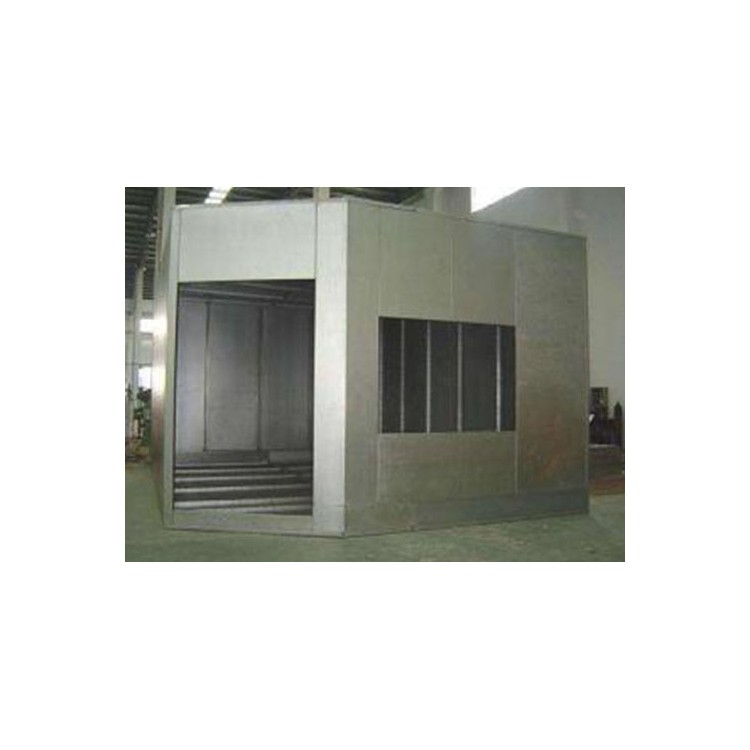


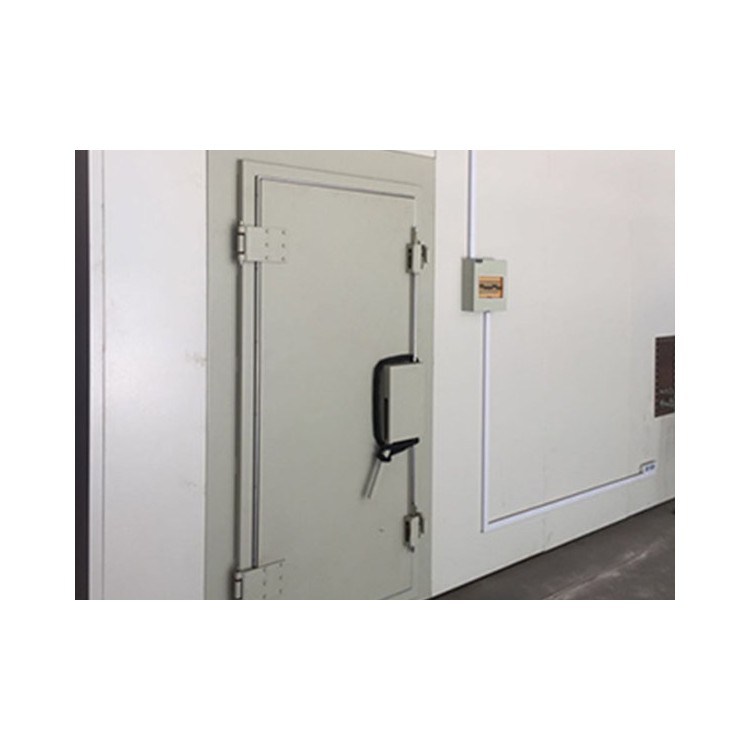
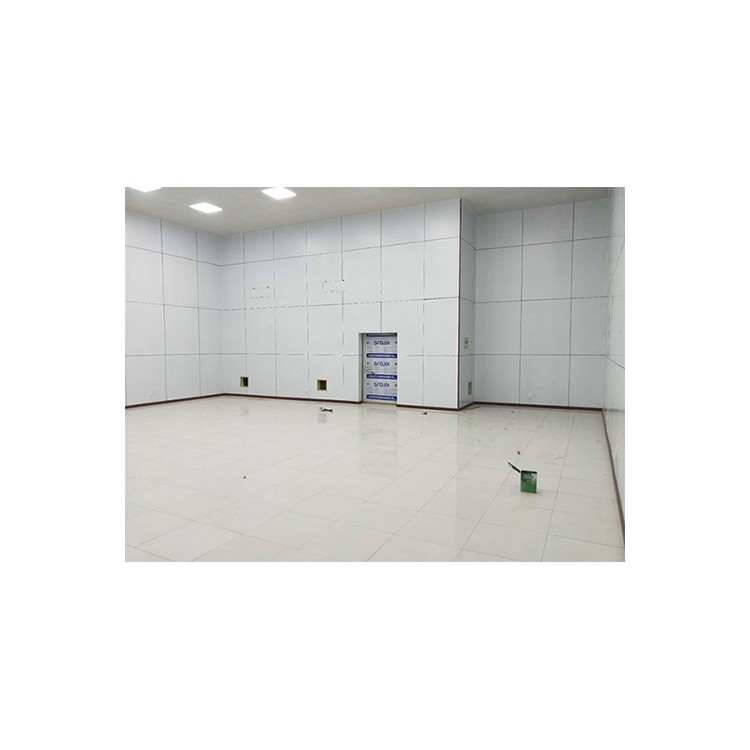

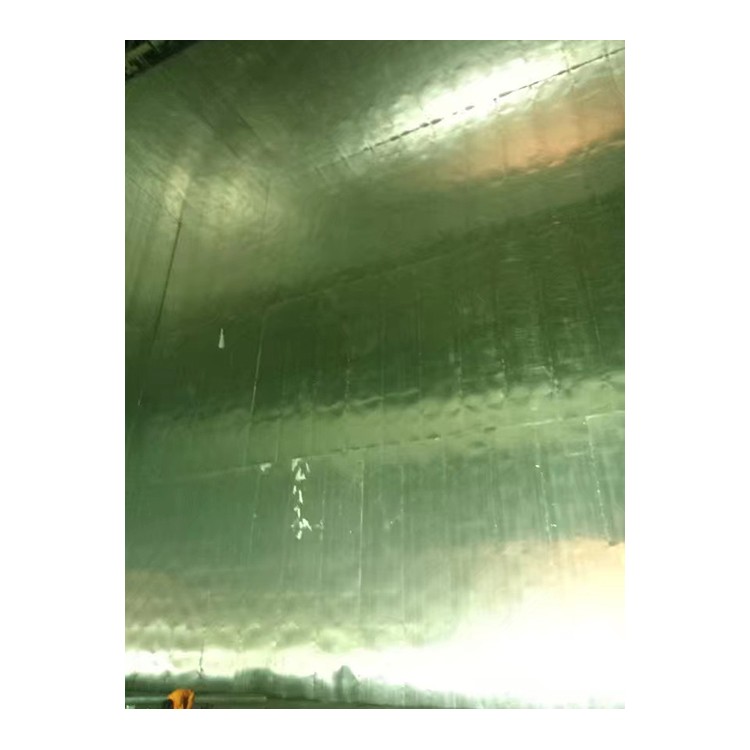





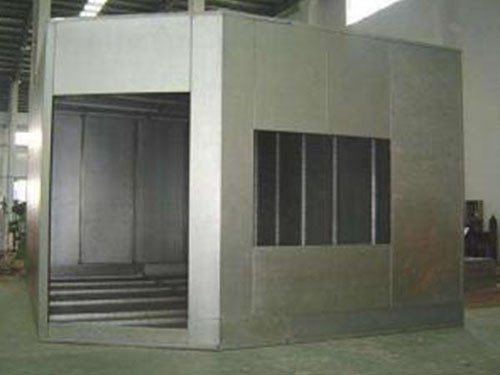
Pulsed Emission Shielding Room Structure, Waveform Plate Technology
Primarily using color steel plate bending machines or exterior wall panel bending machines, raw materials are fed in at one end and finished products are output at the other. Processing can be done on-site or within the factory and transported to the construction site. Connections are made using overlapping and interlocking techniques to form sealed gaps. Hidden interlocking fasteners or surfaces with rivets can be used; the presence of sharp objects cannot be the sole criterion for determining合理性. First, consider the distance from the sharp object to the high-voltage discharge point; if it exceeds the distance, no discharge will occur, such as in indoor cranes, maintenance ladders, control rooms, etc. If you're concerned about discharge from cranes, can they be rounded off? Clearly, it's not possible. As long as the space distance is sufficient, there's no need to worry about sharp objects discharging. However, in the manufacturing process, we should also adhere to the principle of minimizing the use of sharp protrusions.
If the shielding room is small, there's no need to worry about echo issues. However, if the space is large, it's essential to consider the impact of echo on testing. Generally, sound absorption is achieved by using partially perforated materials to allow sound waves in the shielding room to diffract through small holes and be absorbed by the sound-absorbing glass fiber wool behind the wave-shaped plates. The sound waves passing through the absorbent wool are then isolated by the exterior decorative steel plates, thus achieving the sound absorption goal. This type of absorption is passive, as the need to perforate the shielding wave-shaped plates affects the shielding performance. The diameter of the perforations cannot be too large or too numerous, as it would severely impact the shielding performance. Therefore, we typically choose a perforation diameter of 0.8-1.0mm and a perforation rate of 2%-4%. In summary, it's important to balance both shielding and sound absorption performance, with the emphasis on shielding.