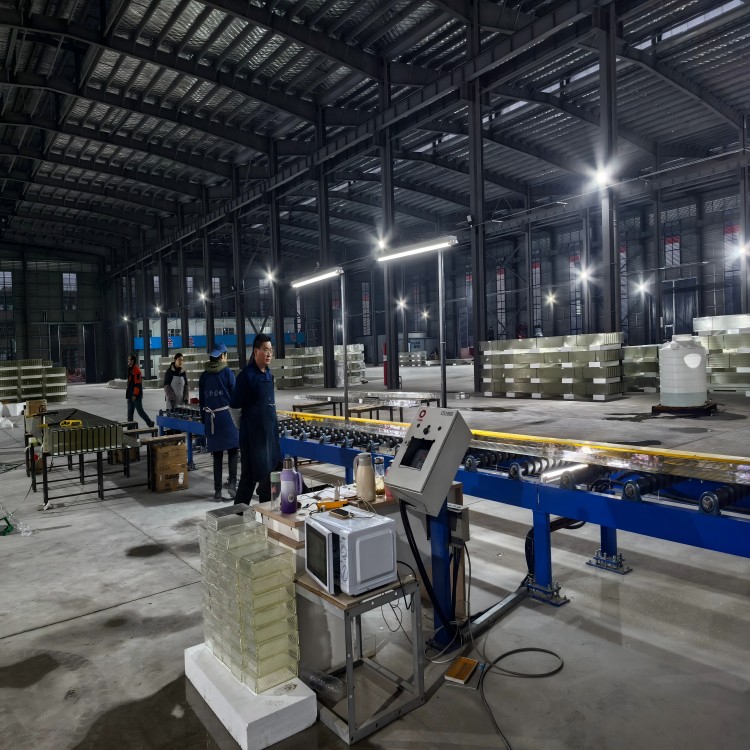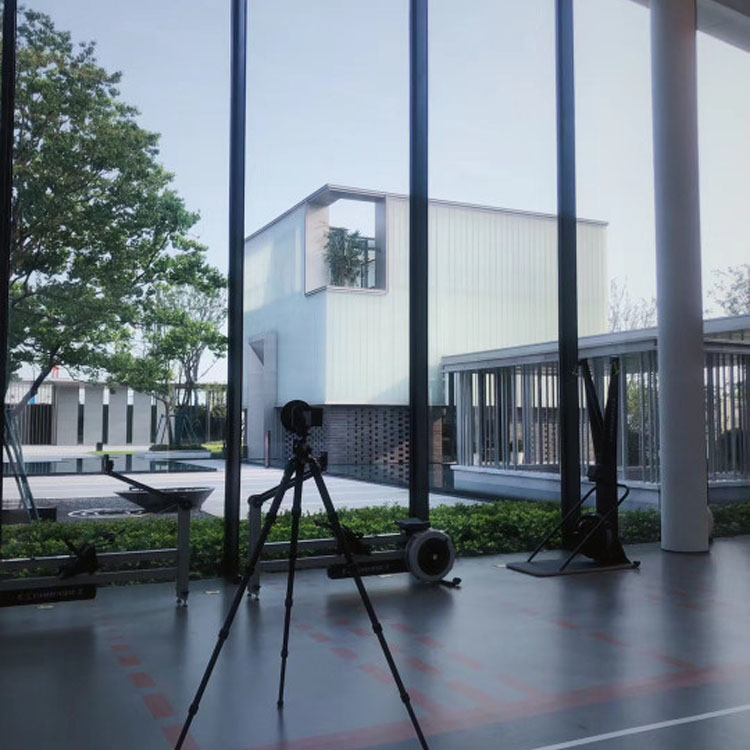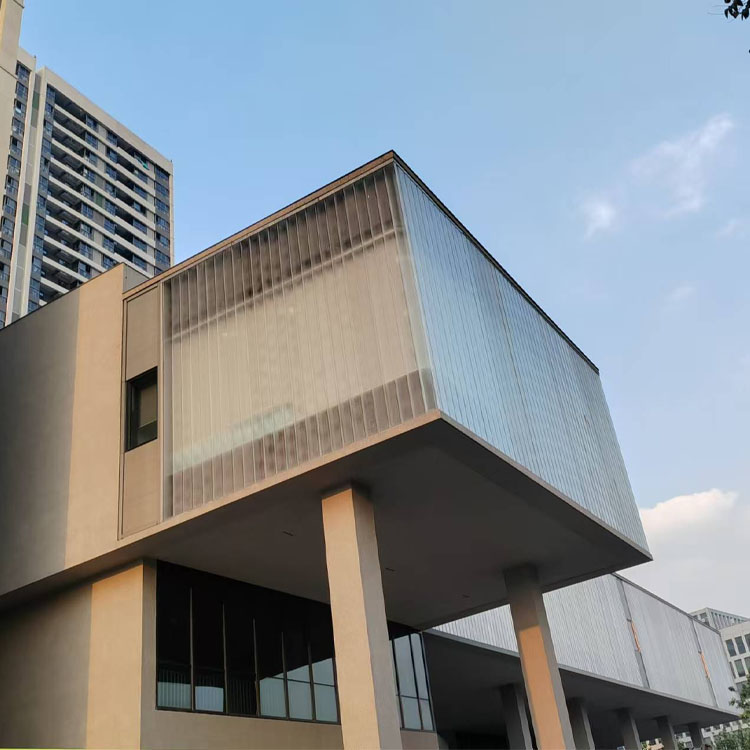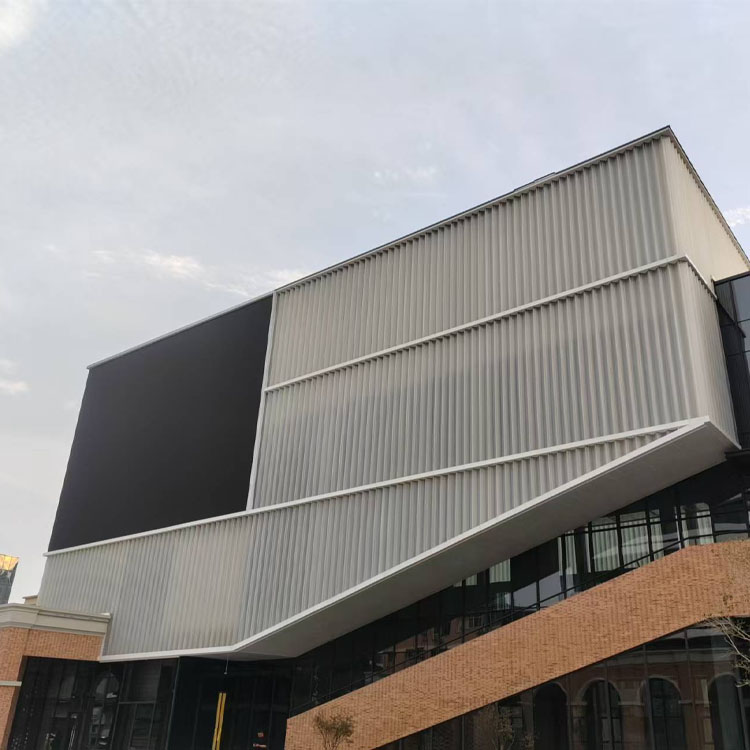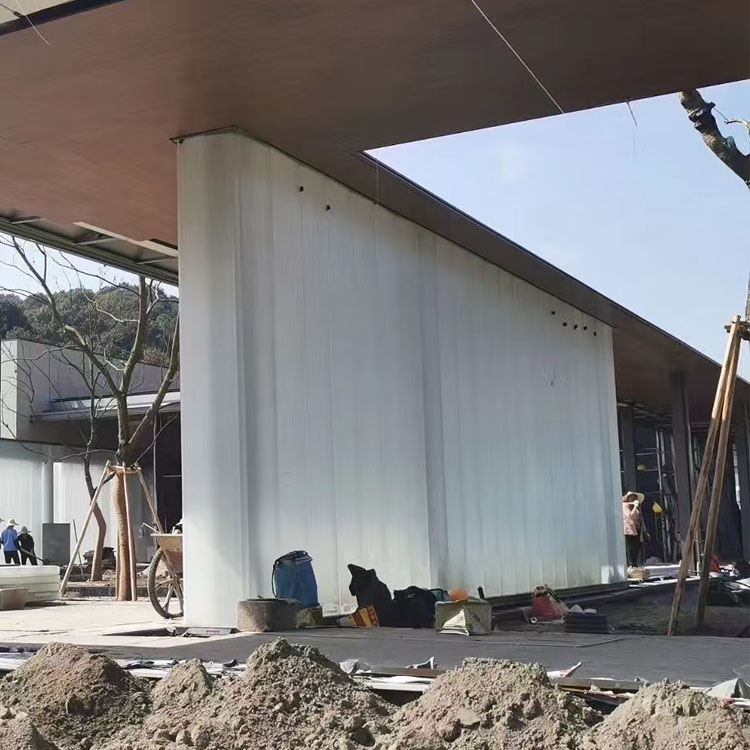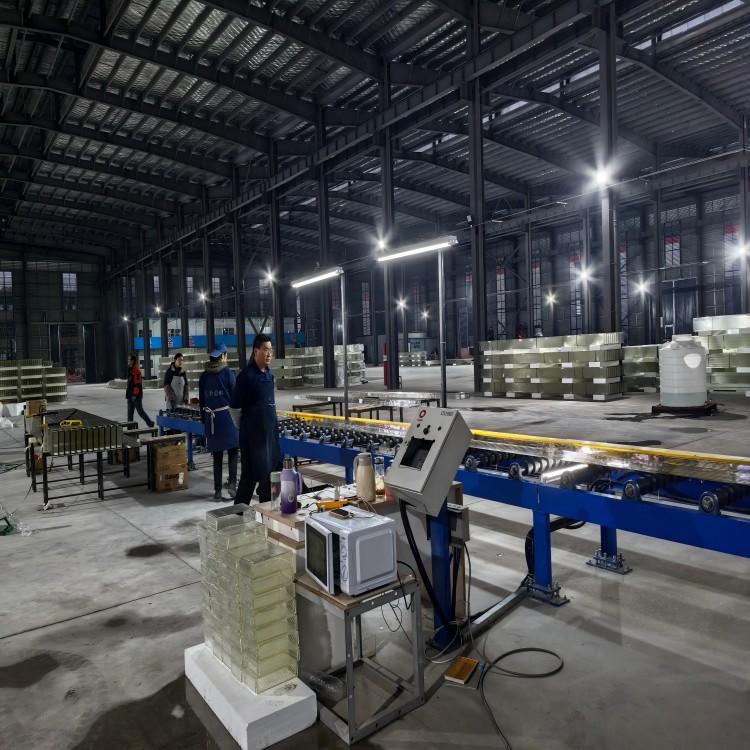


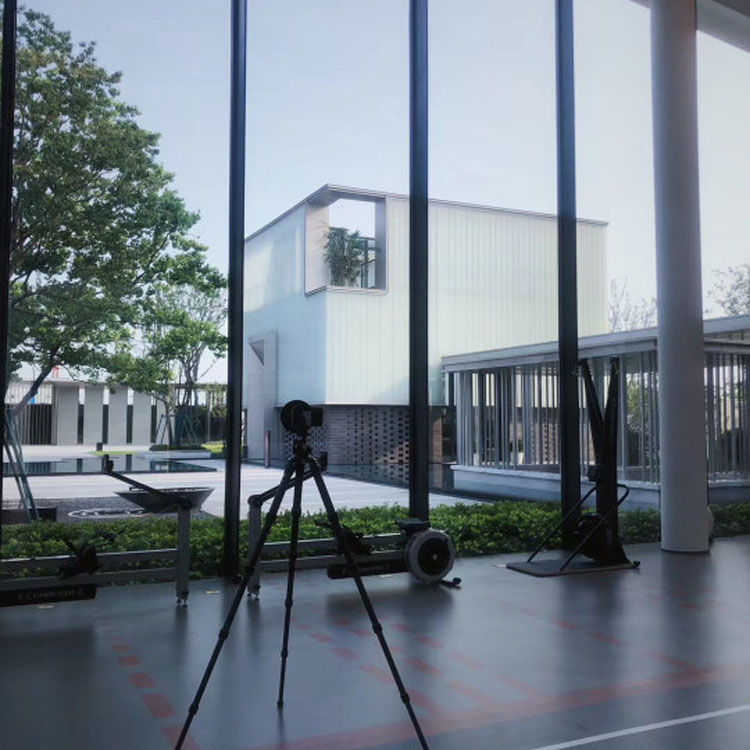





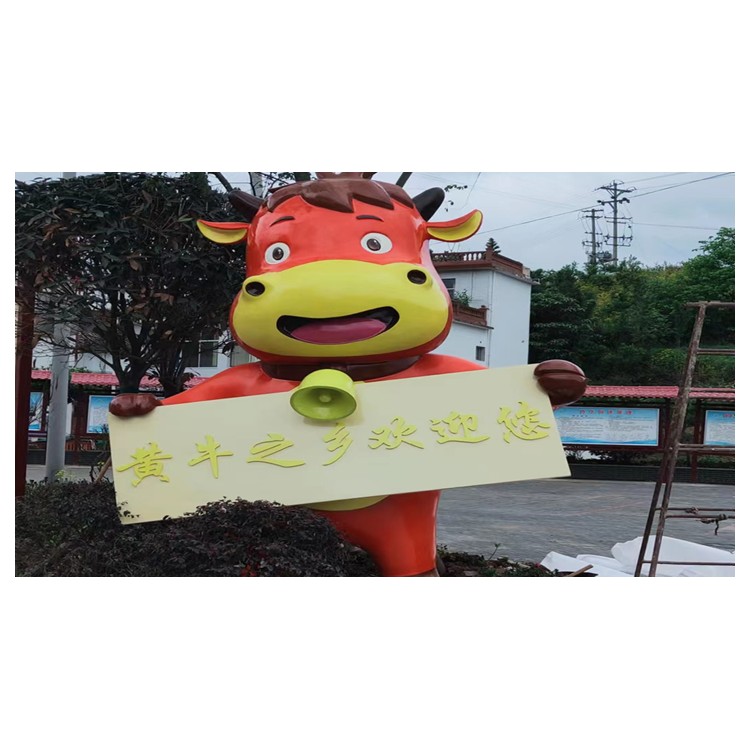


Fiberglass, as the name implies, is a material composed of resin, glass fiber, and talcum powder. The production process generally involves sculpting clay or cutting foam, then creating a mold (negative mold), casting the fiberglass, washing the surface with caustic soda water, sanding, applying primer, filling holes, sanding, and coloring. The specific process includes: sculpting clay, which requires造型 ability and spatial awareness. Making the mold involves positioning the clay sculpture for fitting, which requires experience and attention to avoid any fitting issues to prevent the mold from being impossible to remove. Mark the fitting line, insert PVC film into the fitting line, and make a split mold to divide the clay sculpture into two or more parts. The mold material is usually gypsum powder, white gypsum powder, mixed with water, in a slightly thin consistency, not as thin as water. Use a multi-functional spray gun to spray the gypsum water onto the clay sculpture, ensuring every position is covered, especially the bottom. The second coat should be thicker, applied without concern for appearance, as a rough surface enhances adhesion. Then, use sisal fiber dipped in thick石膏 paste to铺 around the fitting edges, ensuring every position is covered and compacted. Uncovered areas will crack when the mold is opened. Next, construct a wooden frame to secure the mold. Once the gypsum is completely dry, cut off the excess gypsum along the fitting line until the inserts are visible, and cut several triangular notches as fitting marks. Then, open the mold, and the mold is ready. For fiberglass, mix the resin with cobalt water slowly, add talcum powder, with a 50/50 ratio of resin to talcum powder, and just a few capfuls of cobalt water. Then, add two capfuls of hardener, mix well. Apply a slightly thinner, more resinous mixture to the mold, wait until 80% dry, apply a second coat with more talcum powder and a thicker consistency. Then, apply cut pieces of glass fiber cloth, ensuring coverage in every position. Apply a layer of resin without talcum powder (mixed with cobalt water and hardener) over the glass fiber, wait until 70% dry, and cut off the excess glass fiber outside the fitting line. Once dry, apply a thick layer of resin along the fitting line, close the mold, wait for it to dry, then open the mold, remove the fiberglass, and the job is complete. Repair the fitting line on the cast fiberglass, wash the surface with caustic soda water, sand if the texture needs to be retained. Spray a layer of white epoxy primer, and fill any small holes with putty. Sand the surface if a rough texture is desired. Apply the epoxy primer again, color and create the effect, then spray a protective varnish. The fiberglass sculpture is now finished.
WeChat Official Account

Scan to follow Official Account