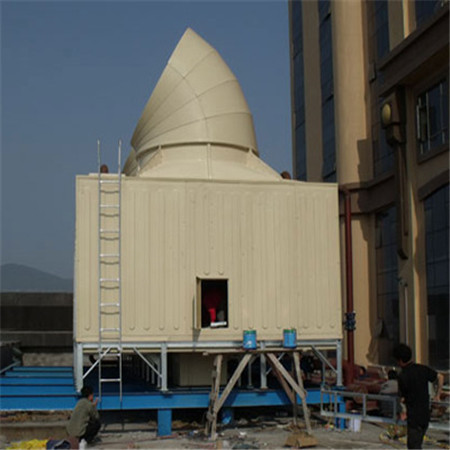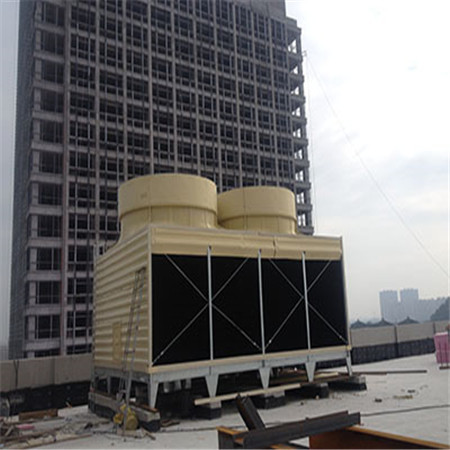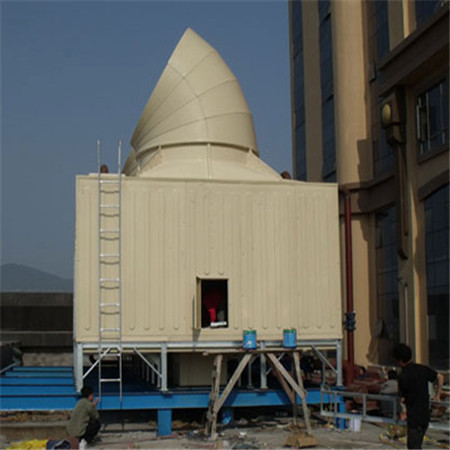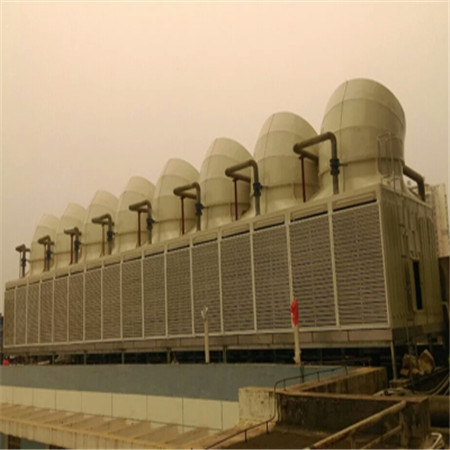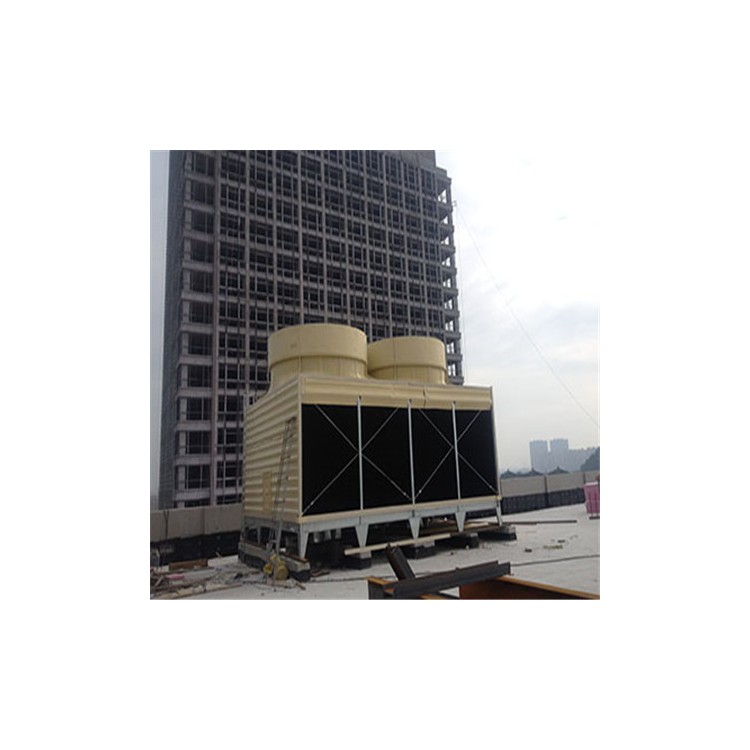

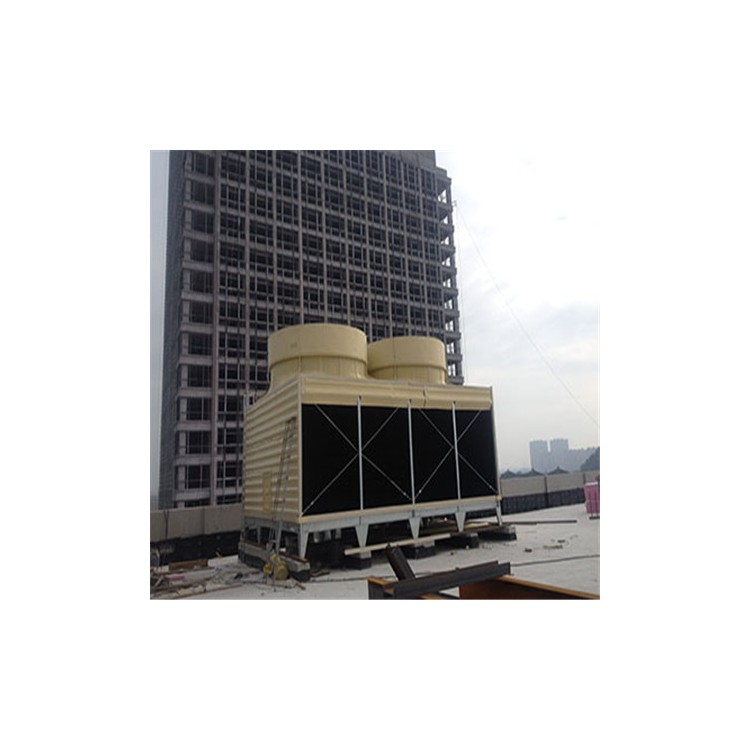
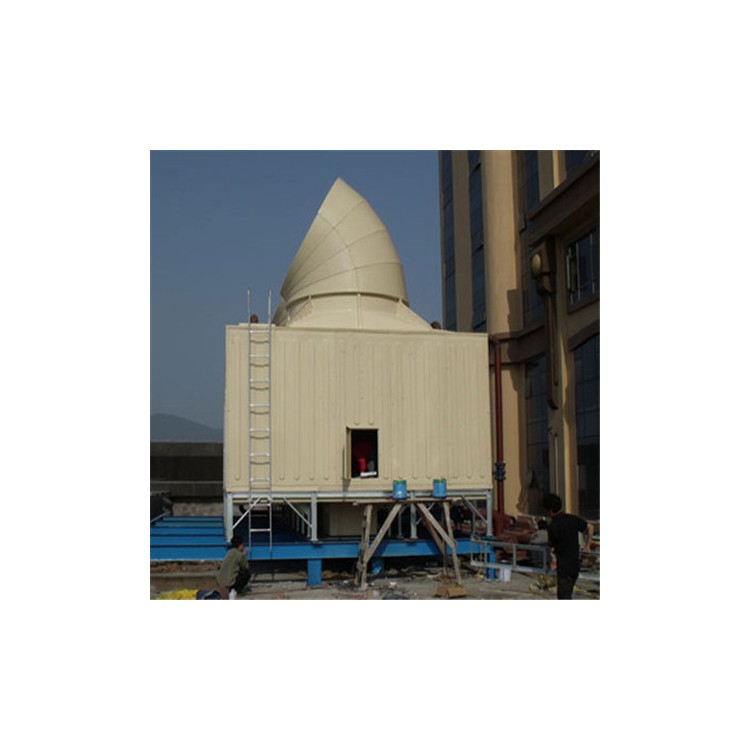
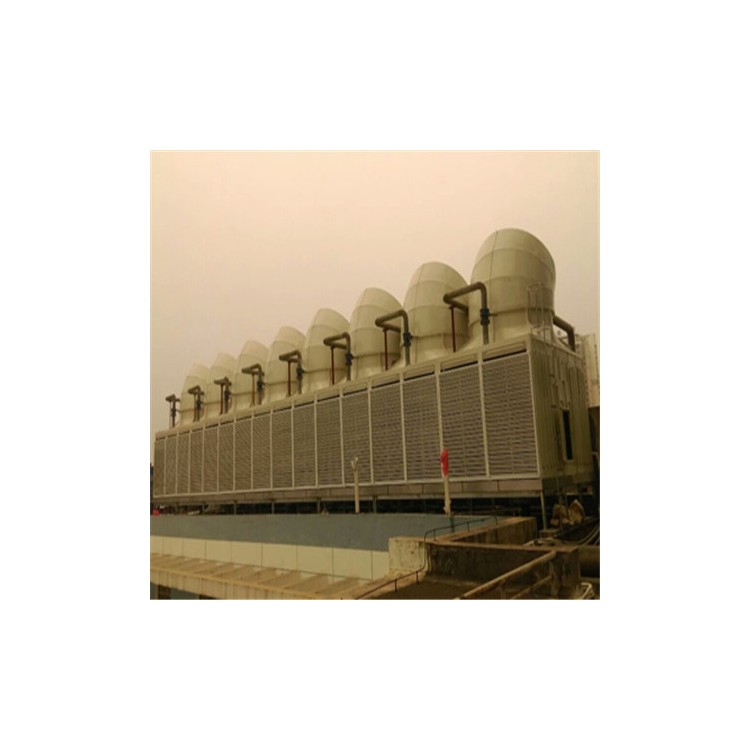












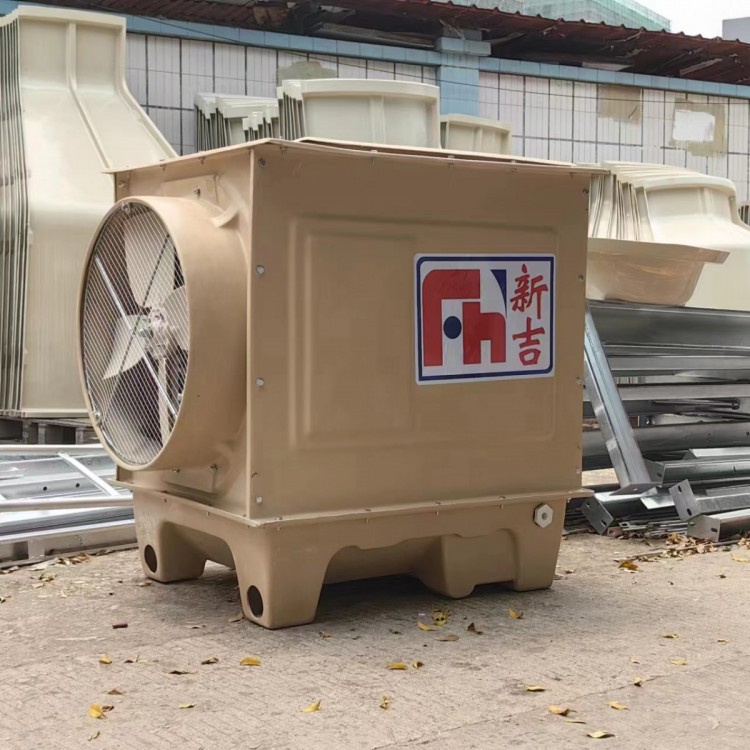
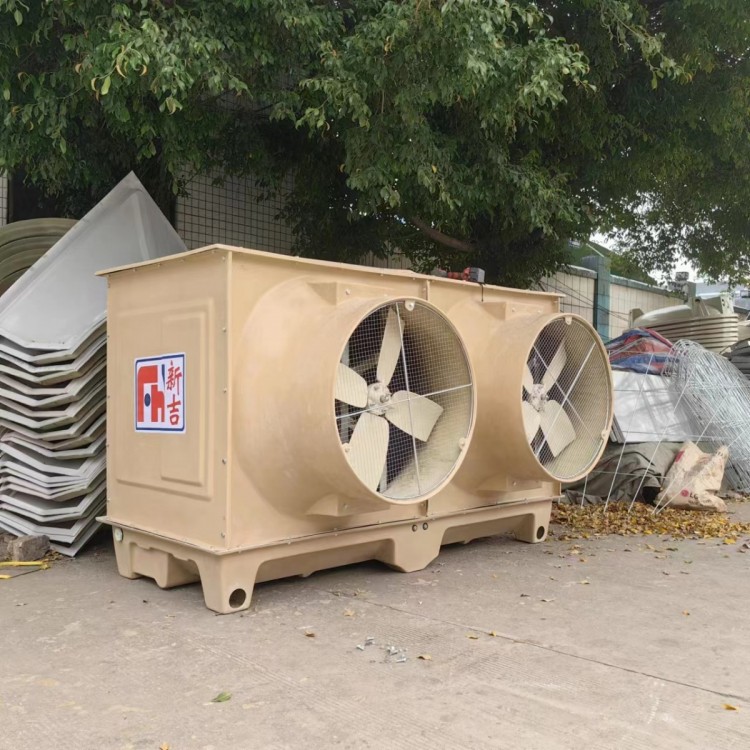
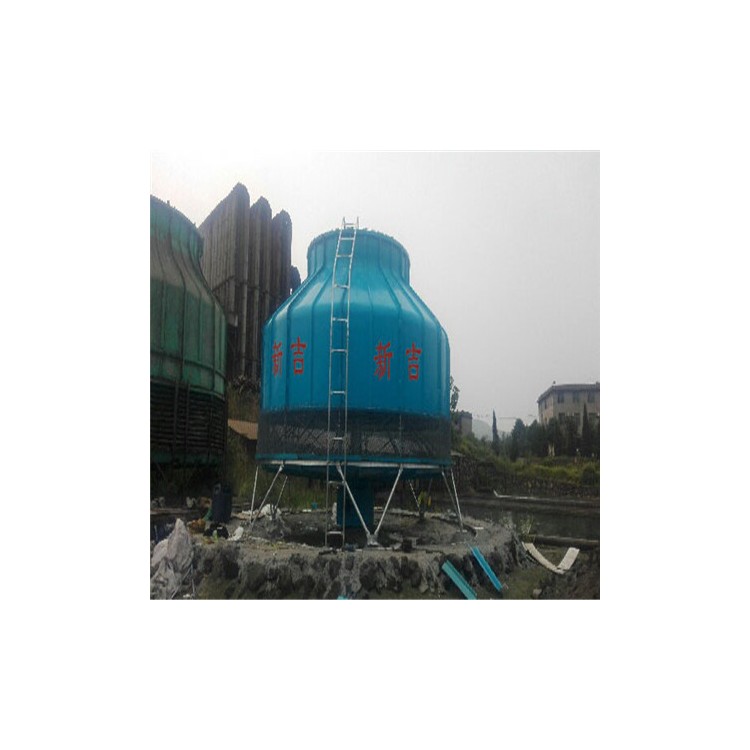
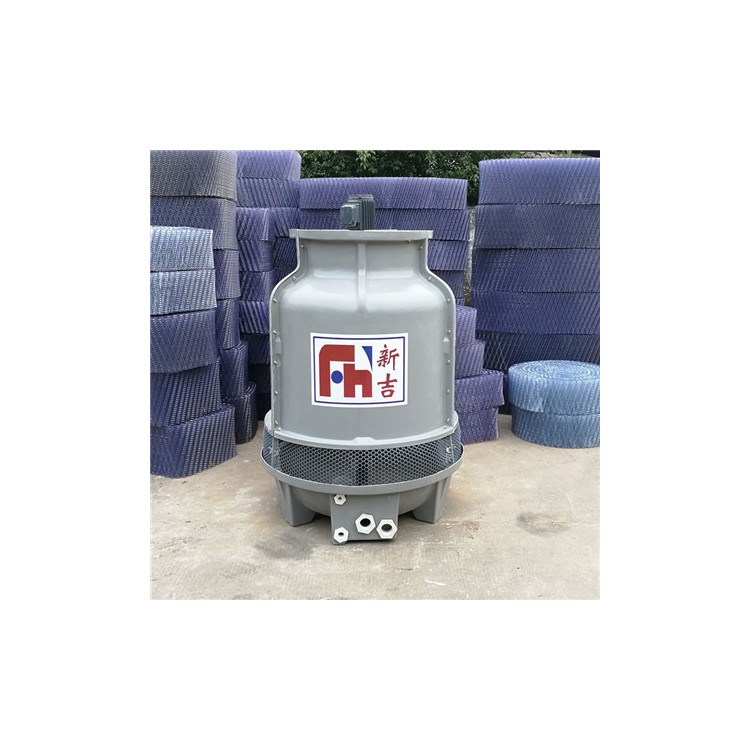
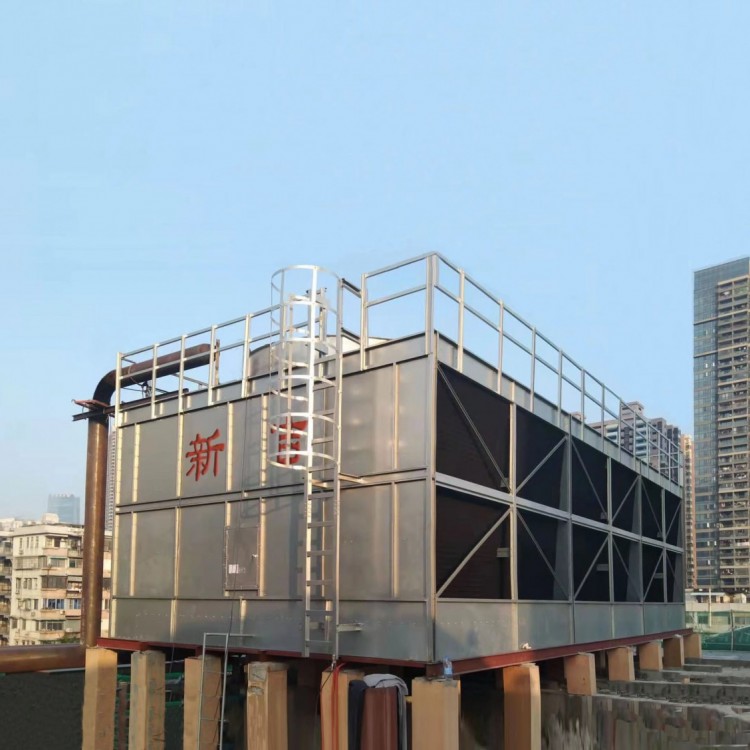
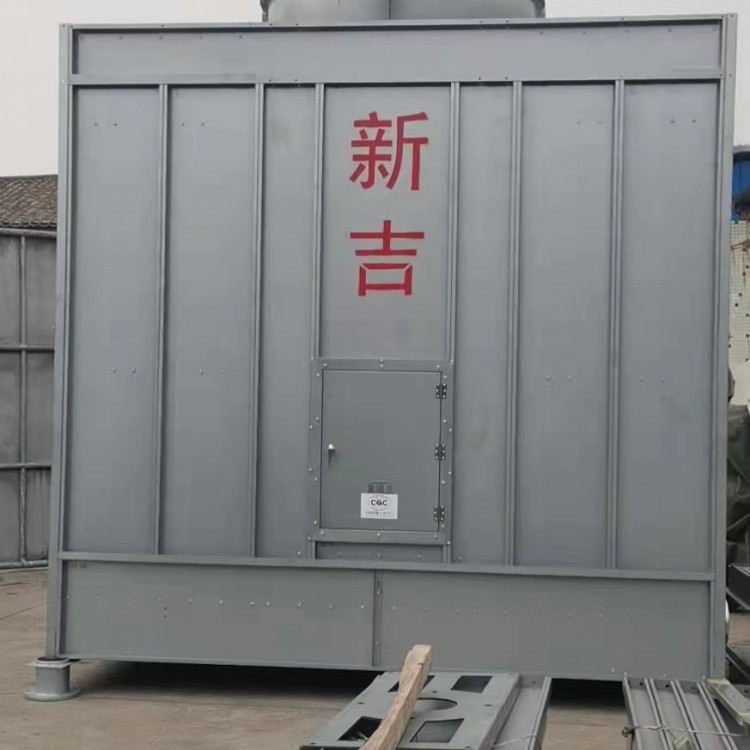
A crossflow cooling tower is a device that can cool water, characterized by water flowing vertically down from the top of the tower and air horizontally flowing through the spray fill, resulting in a perpendicular airflow to water flow. These cooling towers can be categorized into open and closed types based on the quality of the cooling water, and into standard, low-noise, ultra-low-noise, and industrial types according to noise levels.
Crossflow cooling towers are commonly used in residential areas with strict noise requirements and are widely employed in the air conditioning industry as cooling towers. Their advantages include energy-saving, low water pressure, and low wind resistance, allowing for the installation of low-speed motors. They produce no dripping or wind noise and are easy to maintain with their filling and water distribution systems. Crossflow cooling towers can be freely constructed with foundations to accommodate multiple units, and individual or multiple towers can be activated based on the required water temperature.
However, there are some drawbacks to cross-flow cooling towers, such as requiring 40% more framework for the same heat exchange volume, the tendency for packing to age and water distribution holes to clog, poor anti-freezing performance, and significant moisture recirculation. Therefore, when selecting and using cross-flow cooling towers, it is necessary to carefully consider their pros and cons and make choices and configurations based on actual conditions.
In summary, as a vital cooling equipment, crossflow cooling towers play a significant role in industrial production and air conditioning refrigeration fields. With the continuous advancement of technology and the increasing application demands, the performance and efficiency of crossflow cooling towers will also be continuously improved and optimized.