















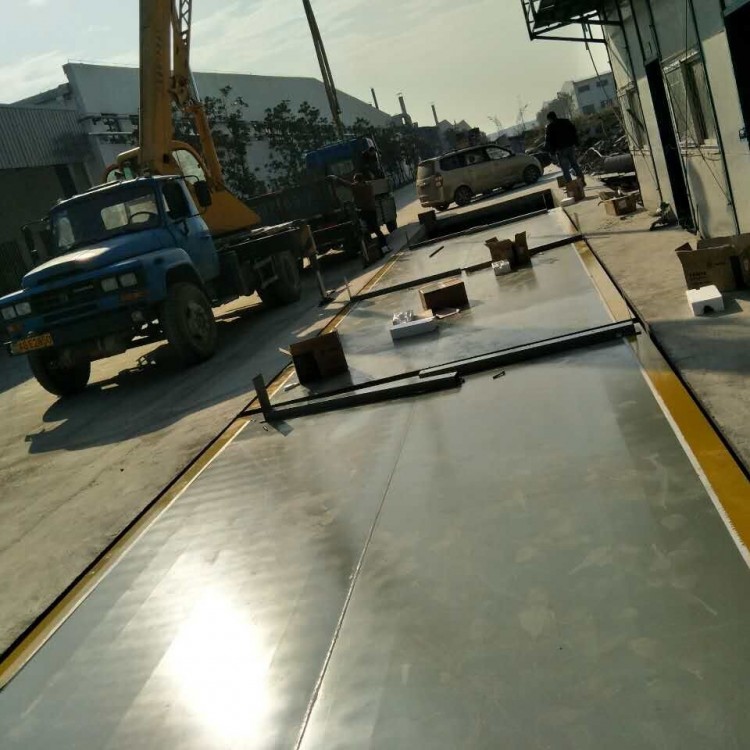
One, Load-bearing
The load capacity of weighbridges varies, commonly available in capacities of 10, 30, 60, 100, 120, 150, and 200 tons. Selection should be based on actual weighing needs; for instance, grain silos, feed factories, and agricultural businesses often use 60-120 ton weighbridges, while construction sites, quarries, mines, and corporations typically require 100-200 ton weighbridges, especially for large-scale concrete projects, where a 200-ton capacity is advisable. For livestock businesses, a 60-ton weighbridge is commonly used.
II. Accuracy
The precision of a weighbridge refers to the range of weight errors it can measure. Based on the testing graduation value, it can be categorized into different precision levels such as I, II, III, IV, etc. Different from the graduation value for verification, which is calculated as the ratio of the electronic scale's larger measurement range to the actual graduation value, the graduation value for verification and the display graduation value are two different matters. The display graduation value is adjustable and generally suited for weighbridges and crane hooks, which are typically third-grade scales. Users can select according to actual needs to ensure measurement accuracy.
III. Structure
The structure of the weighbridge is also a crucial factor to consider during selection. Generally, there are two types: steel plate structure and reinforced concrete (commonly chosen for coastal and chemical companies). Steel plate structures are more affordable but less stable and have limited load-bearing capacity. Concrete structures are costlier but offer greater stability and stronger load-bearing capacity. Selection should be based on actual needs and budget.
Material
The material of the weighbridge is also a factor to consider, generally divided into steel and stainless steel (commonly used in single small weighbridges for production workshops in the chemical and food industries). Steel weighbridges are more affordable but prone to oxidation and corrosion, leading to a shorter lifespan. Stainless steel weighbridges are more expensive but resistant to oxidation and corrosion, offering a longer lifespan. Selection should be based on actual needs and budget.
V. Brand
The brand of the weighbridge is also a factor to consider when making a selection. Generally, it is recommended to choose products from well-known brands, as this ensures quality and reliability in services, while also reducing operational costs.

















