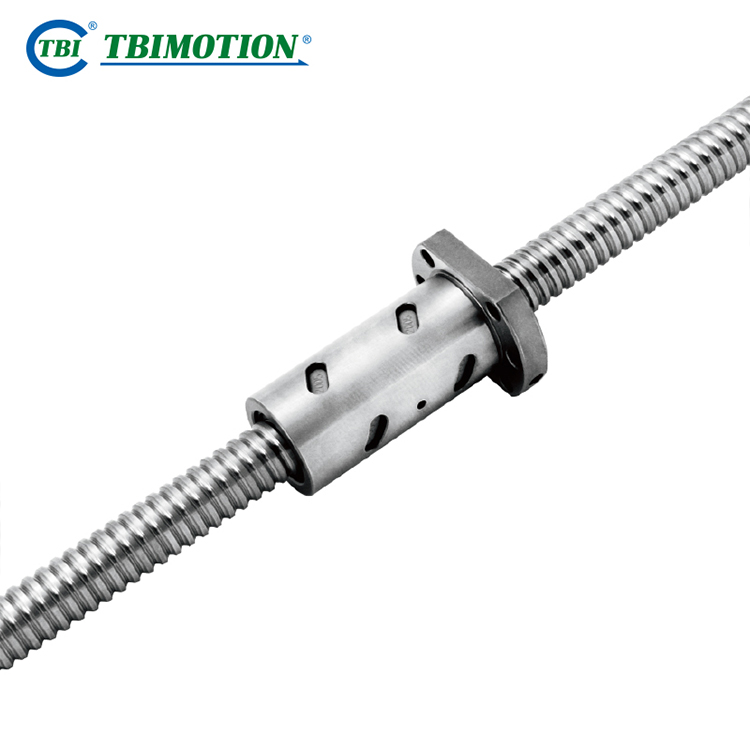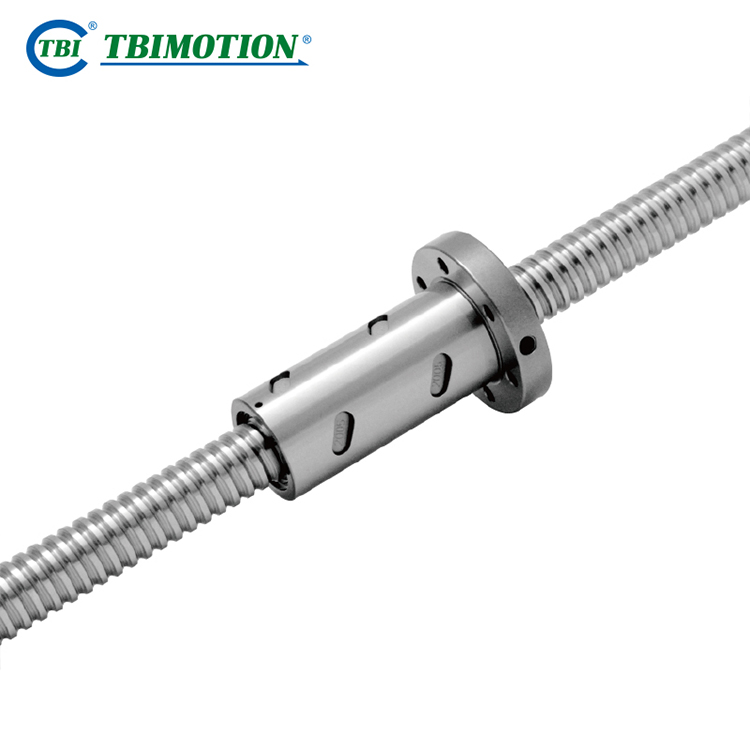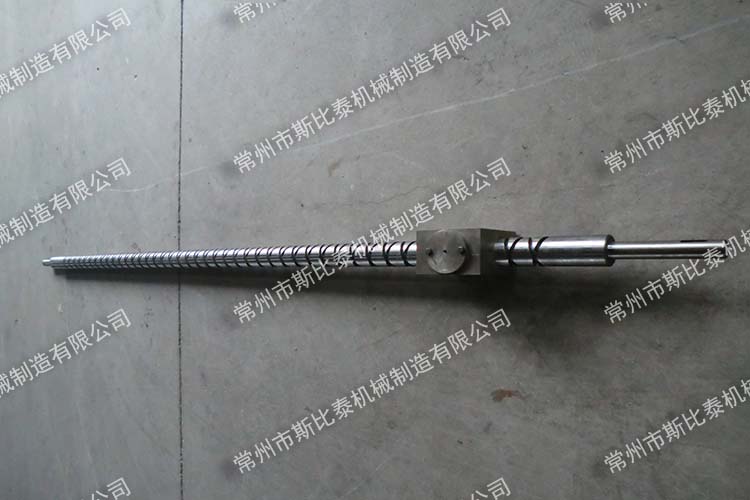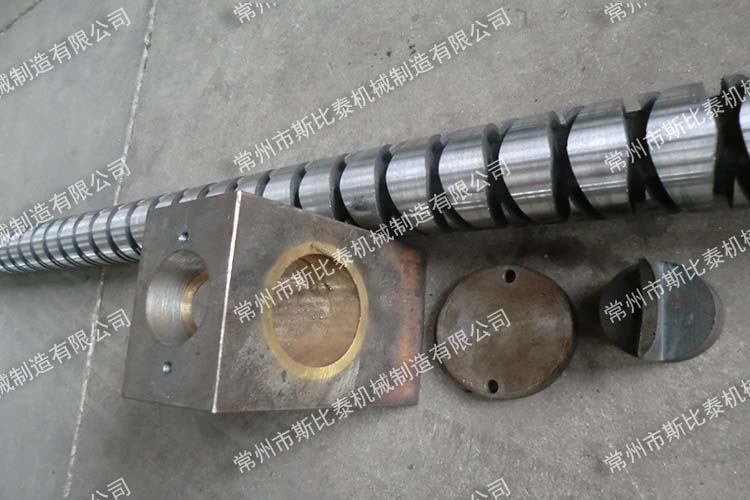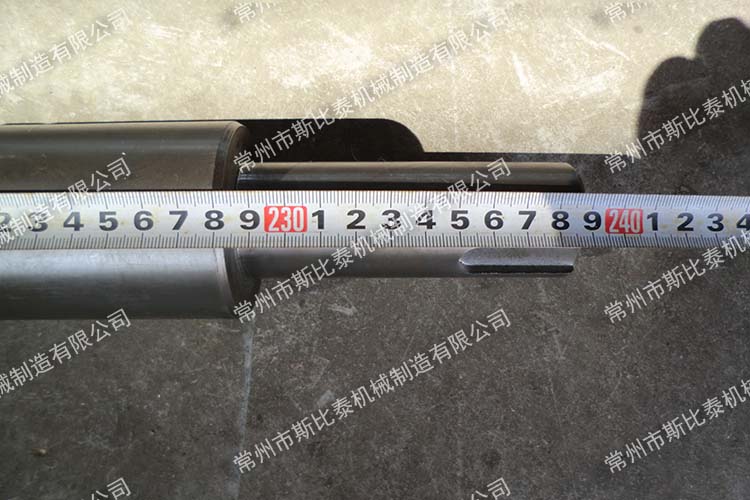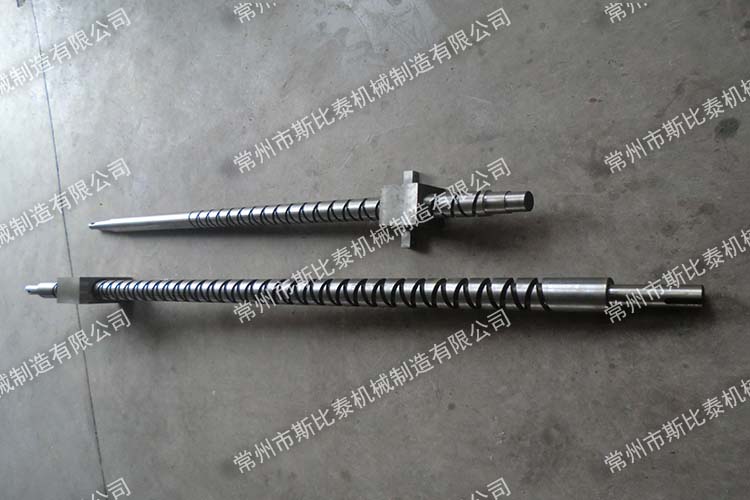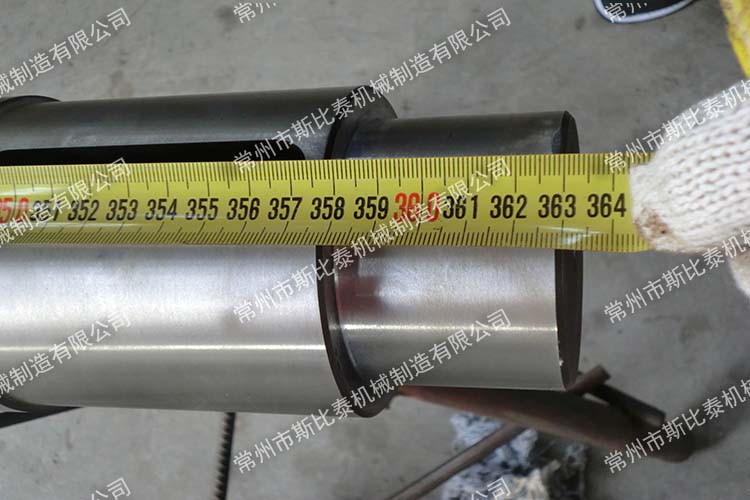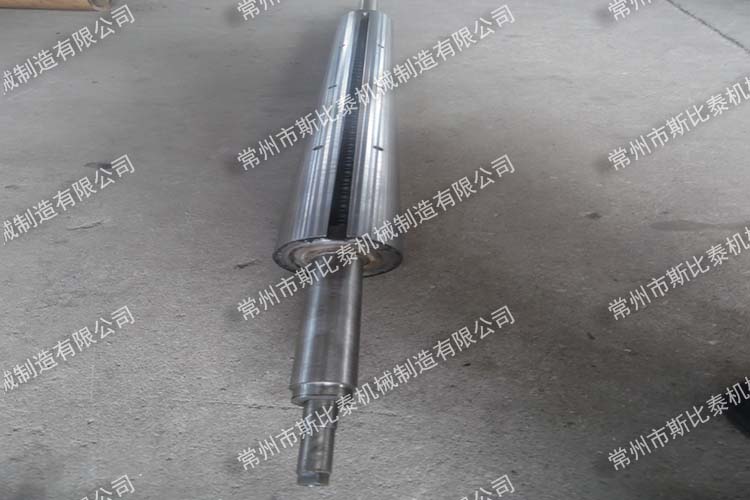



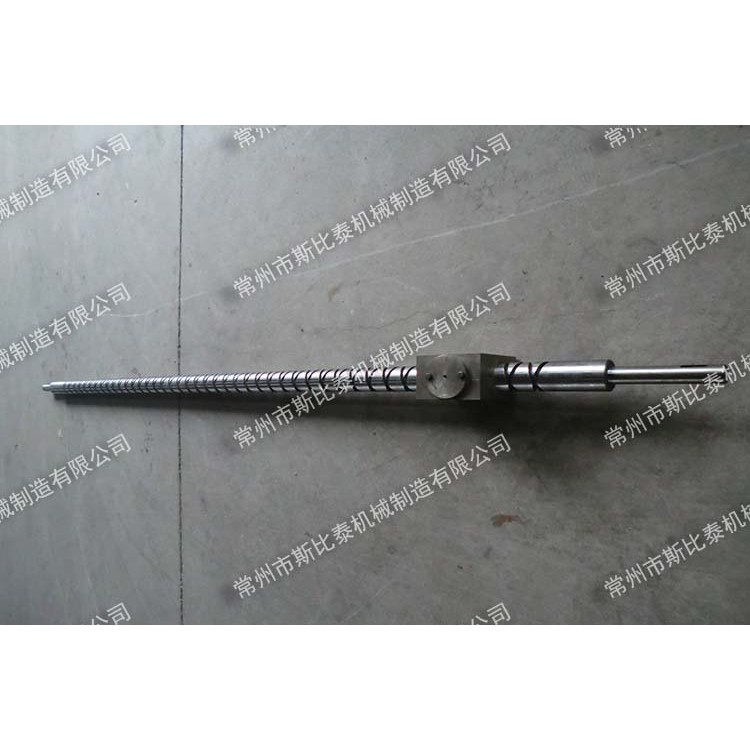
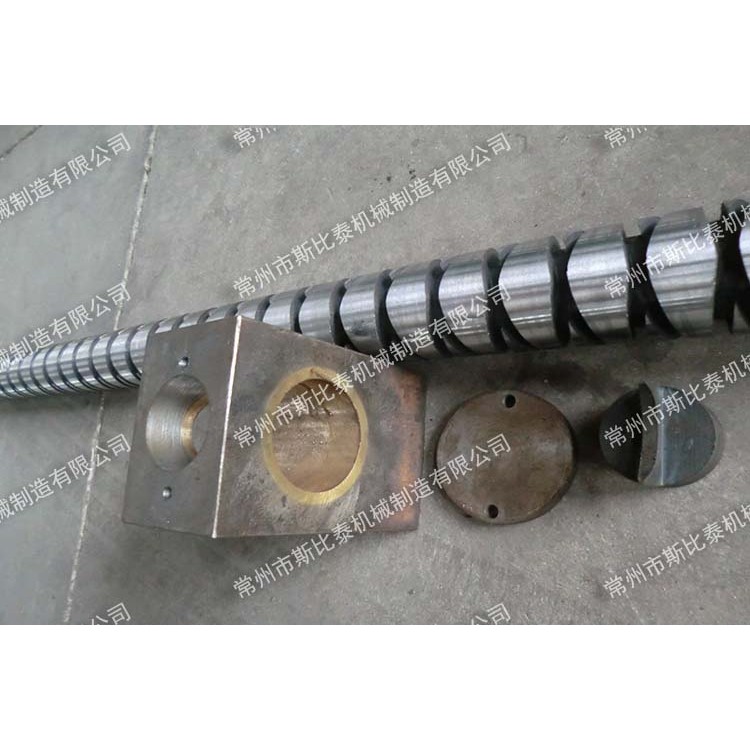
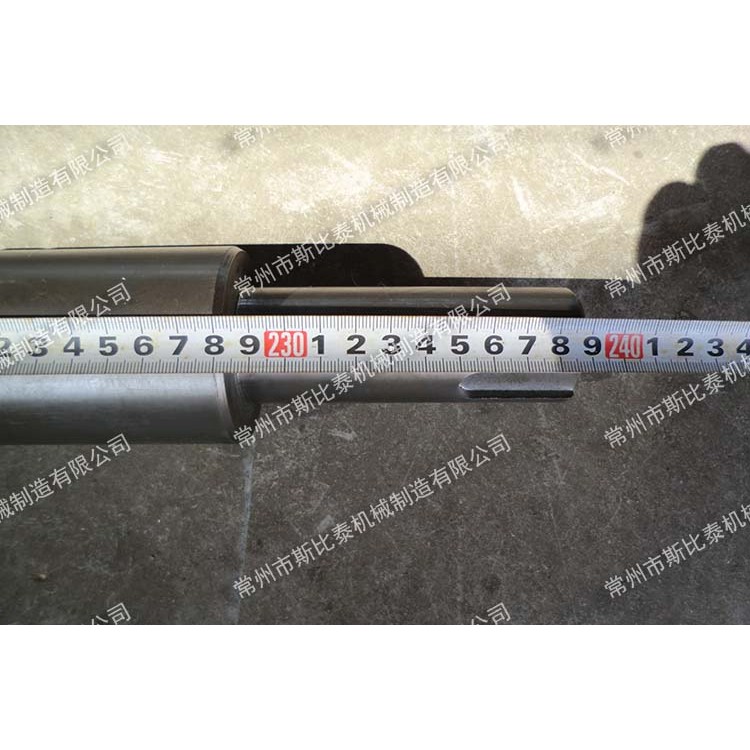
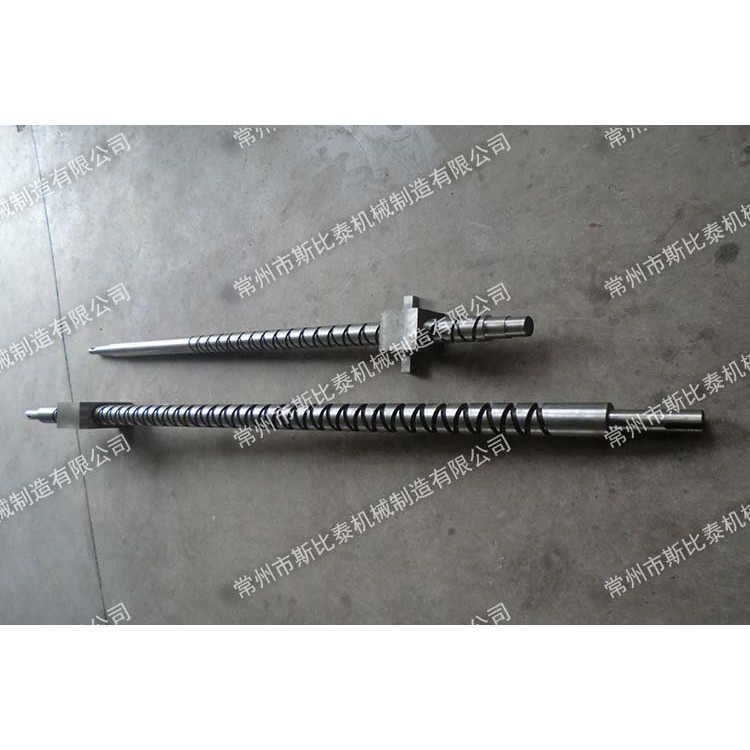





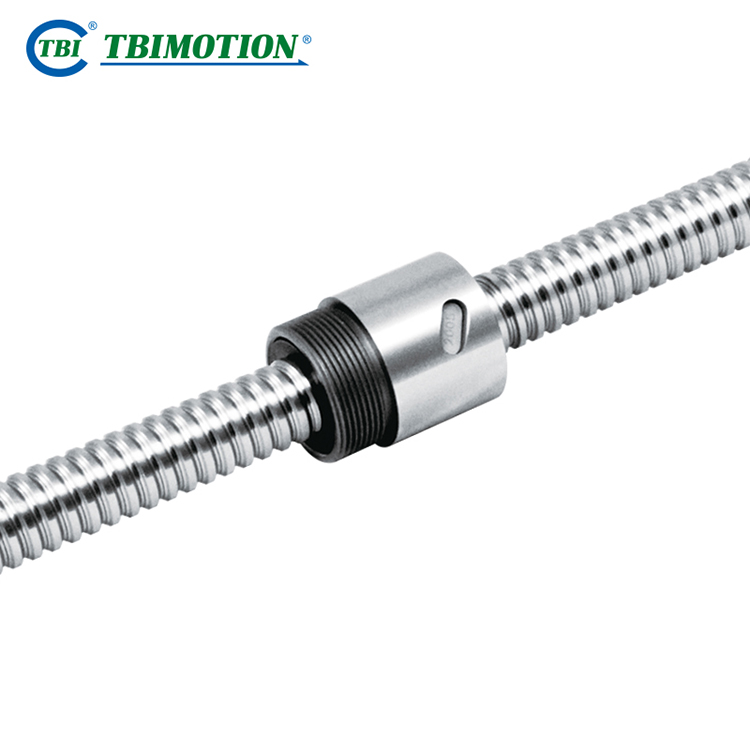


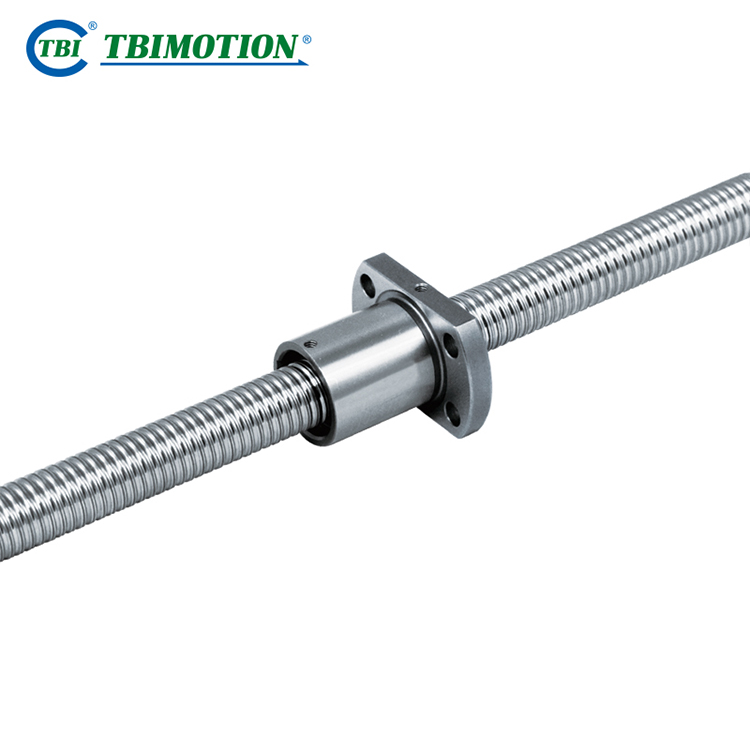

The installation methods for ball screws typically include the following:
Ball screw installation methods usually include the following types:
(1) Double-push double-push method: Both ends of the screw are fixed. The fixed-end bearings can simultaneously withstand axial and radial forces. This support method can apply appropriate pretension to the screw, enhancing the rigidity of the screw support, and partially compensate for the thermal deformation of the screw.
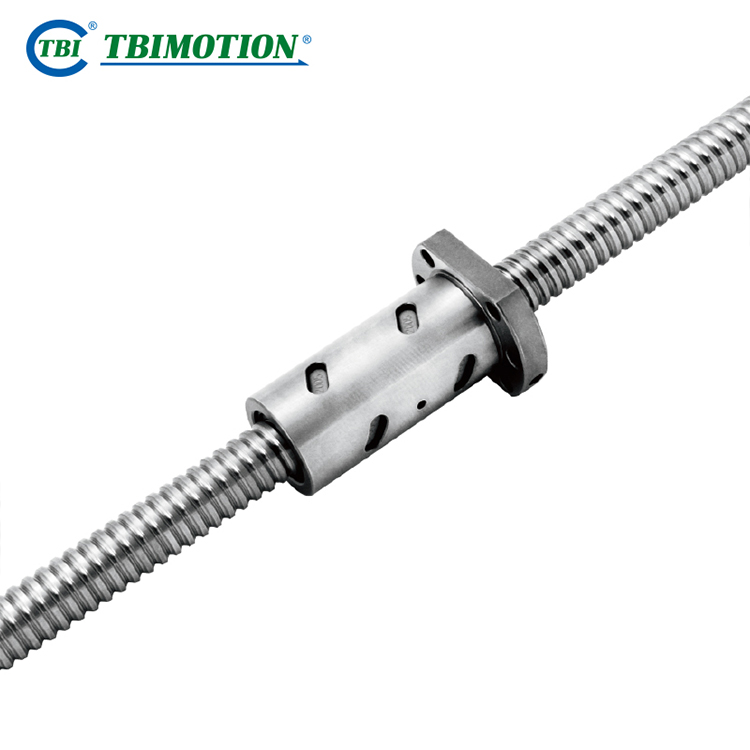
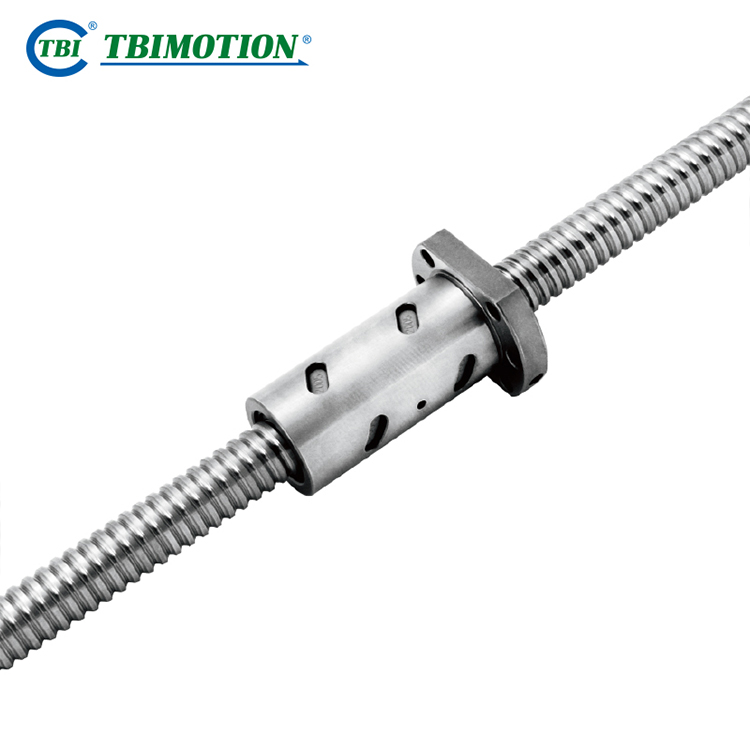
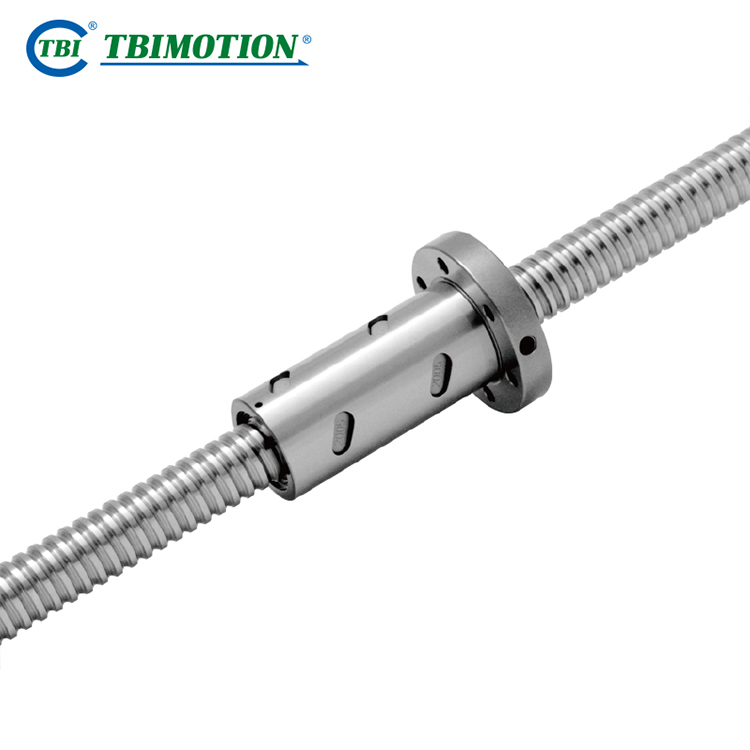
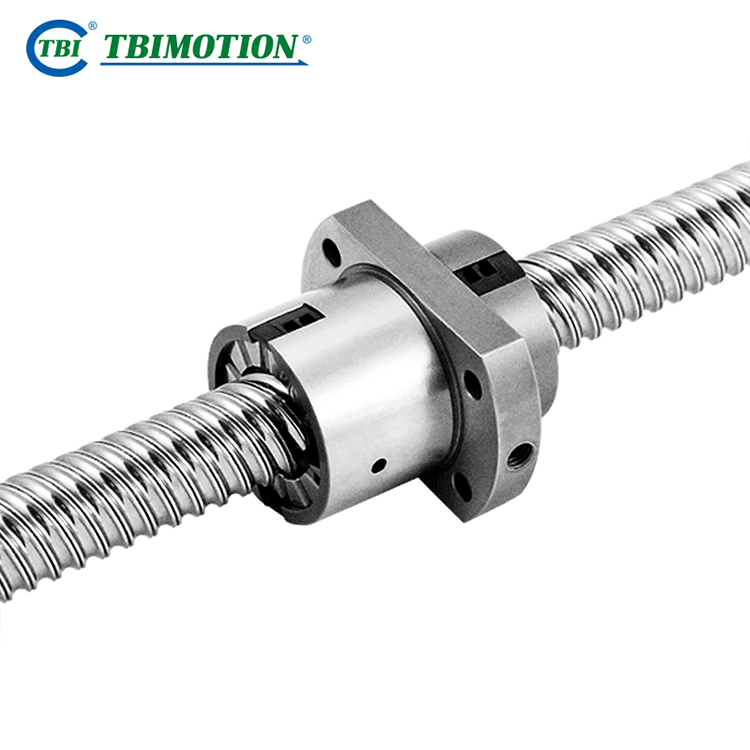
(2) Utilizing a screw and nut rotation transmission method, where the nut rotates while moving axially along a fixed screw: As the screw remains stationary, the TBI ball screw avoids the limitations of critical speed, preventing issues that arise during the high-speed operation of slender ball screws. The nut has low inertia and is highly maneuverable, allowing for a high rotational speed with the ball screw DFS. This method allows for a greater preload on the screw, enhancing the rigidity of the screw support, and compensating for thermal deformation of the screw.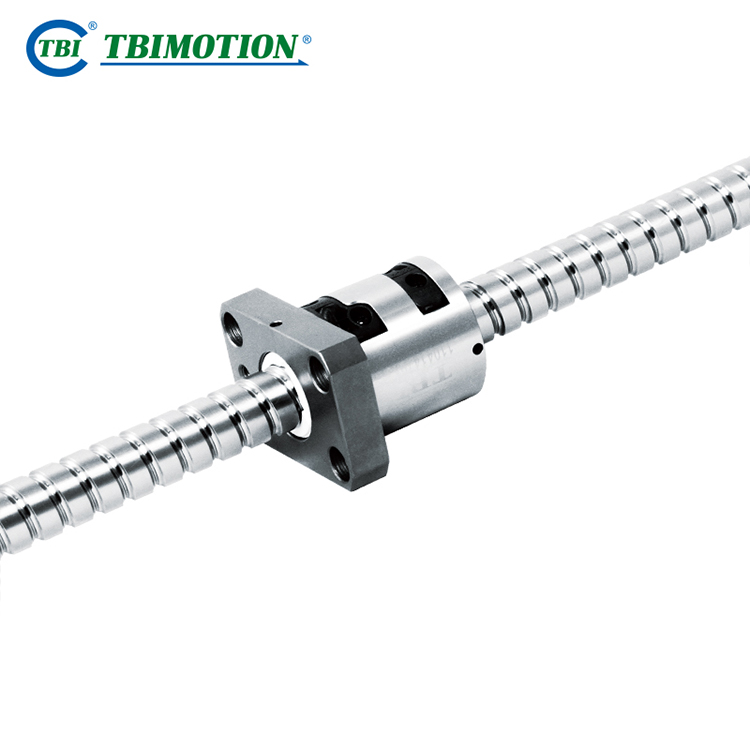
Factors affecting ball screw clearance:
Factors affecting ball screw clearance:
The clearance issue with ball screws can directly affect the smooth and effective operation of the entire linear reciprocating motion. Although there are methods to adjust this clearance, it is crucial to identify the root cause, as only then can a lasting solution be achieved. In many cases, ball screws can lead to increased clearance, and the main factors affecting the ball screw clearance are: 1. Torque displacement too great 2. Improper bearing installation 3. Inadequate flatness of the supporting parallel surfaces. From the outset of installing and using ball screws, it is essential to consider the fixed factors mentioned above: these three. However, there are more factors or issues that can affect the screw clearance, including improper installation of the nut seat or bearings, especially when the bearing installation is not up to par, which can lead to a very common basic phenomenon of clearance issues.

Secrets to Adjusting Ball Screw Clearance
Double Nut Gasket Adjustment Method
Primarily focus on the thickness of the washer; it needs to be just right to allow corresponding movement between the inner and outer nuts. For the ball screw DFV, that's perfect. The benefit of this method is high rigidity and a simple structure, but it's not very suitable for frequent use, as it can be a bit cumbersome to adjust.
2. Spring Automatic Adjustment Method
Primarily, the spring is used to create axial displacement between nuts. If this method is employed, there is a higher likelihood of wear on the ball screw and deformation of the spring. Additionally, it demands higher load capacity, essentially suitable only for low-load conditions.
3.齿差间隙 adjustment method
Primarily, it eliminates gaps by relying on the angle between the external teeth and the internal teeth. However, it requires precise pre-tension, making this method generally suitable only for precision positioning systems.
TBI Ball Screw - Ball Screw - Choose Fulltrans Technology, supplied by Fulltrans Technology (Suzhou) Co., Ltd. Journey Farther, March Onward. Fulltrans Technology (Suzhou) Co., Ltd. is committed to becoming a strategic partner that wins together, grows together, and moves forward together with you. We are also determined to be a competitive enterprise in linear motion bearings, soaring with you and achieving success together!