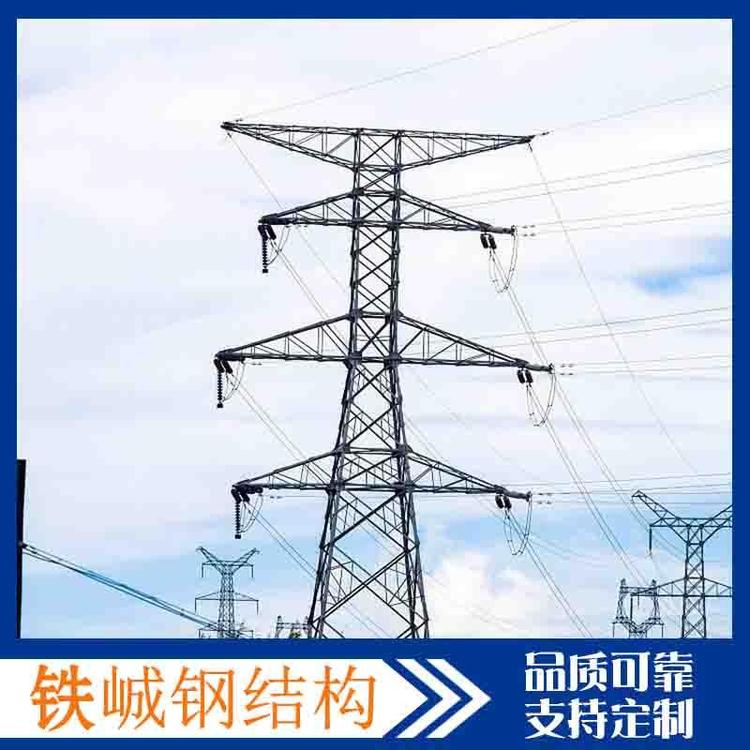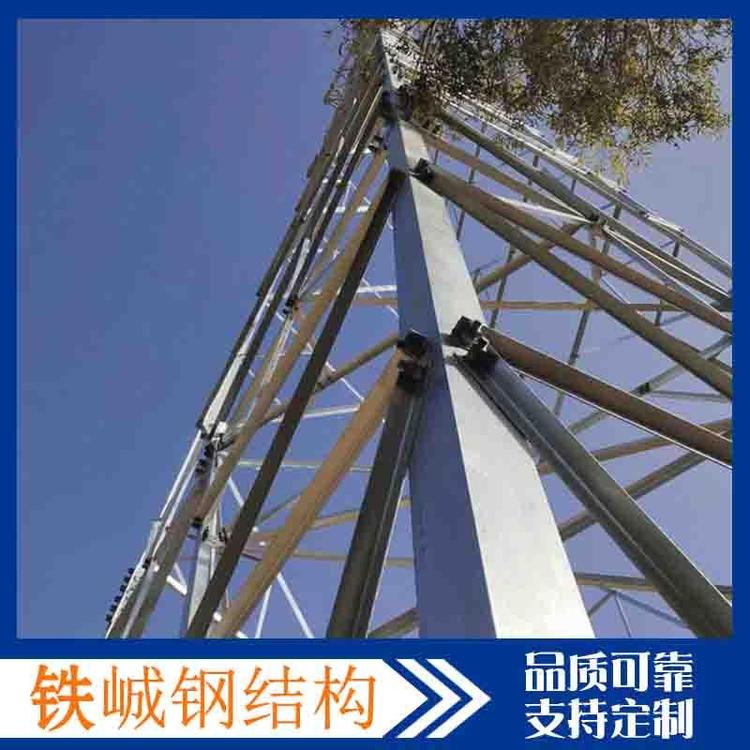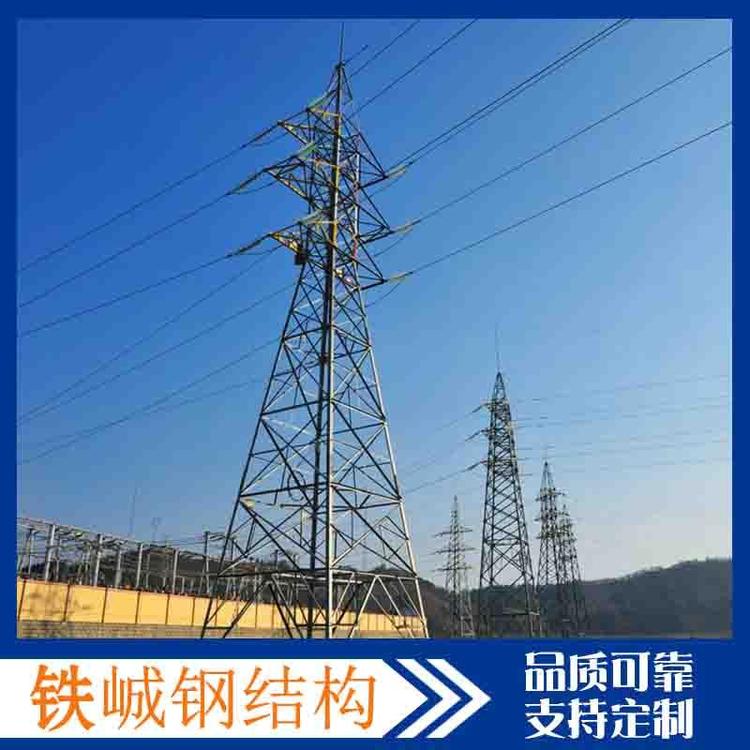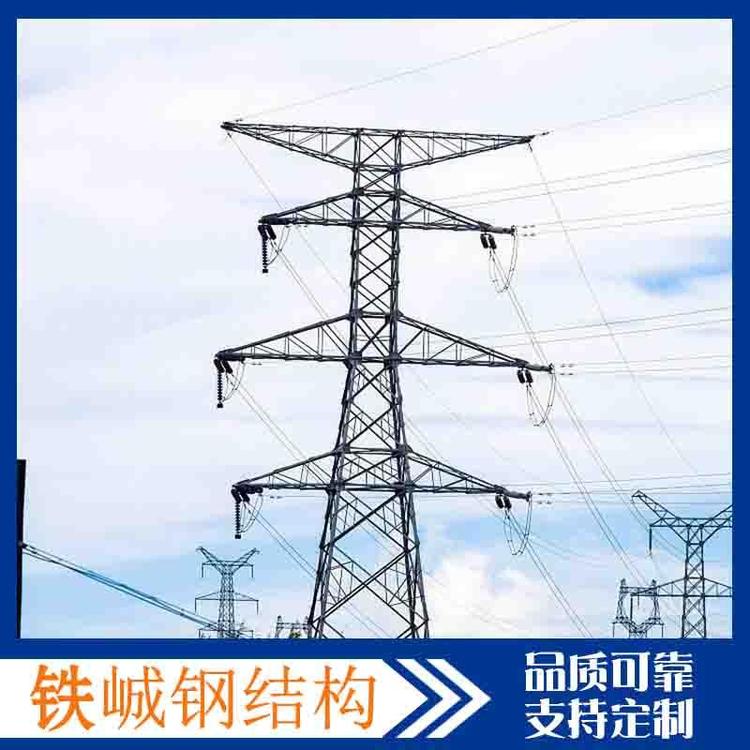

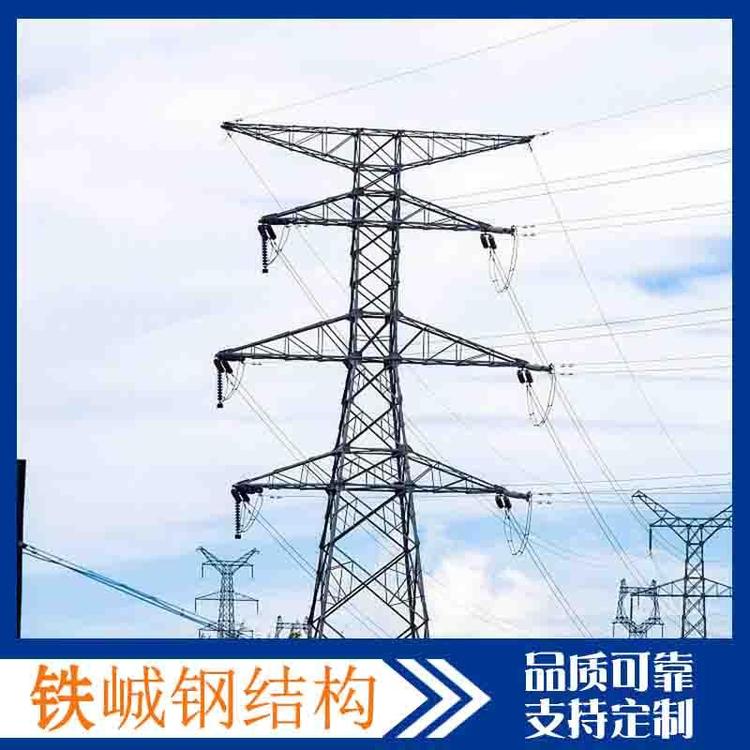
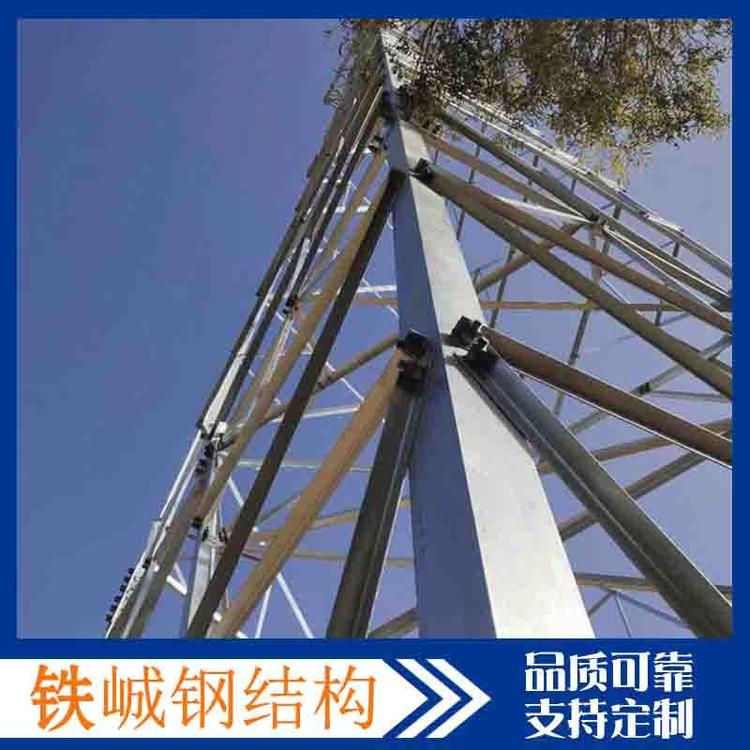
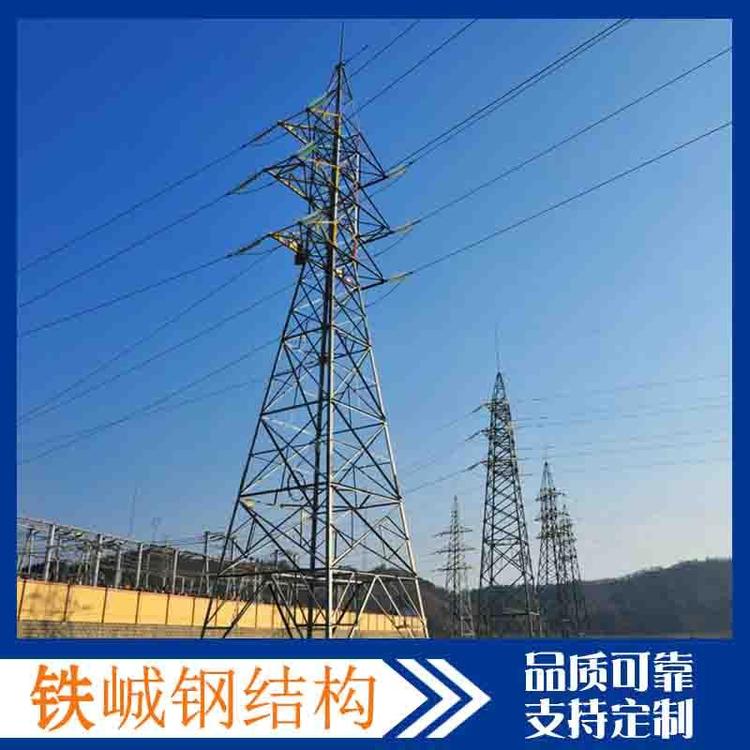












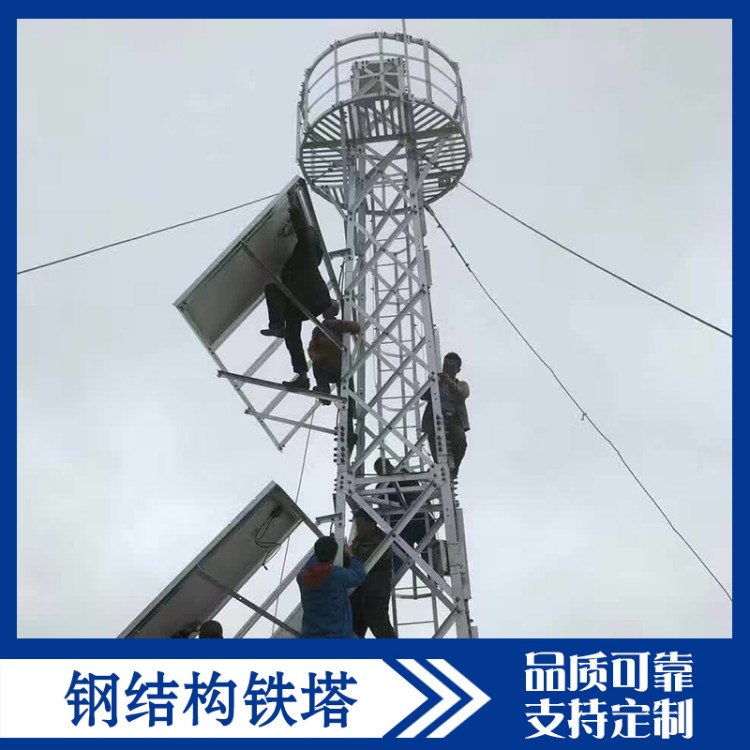
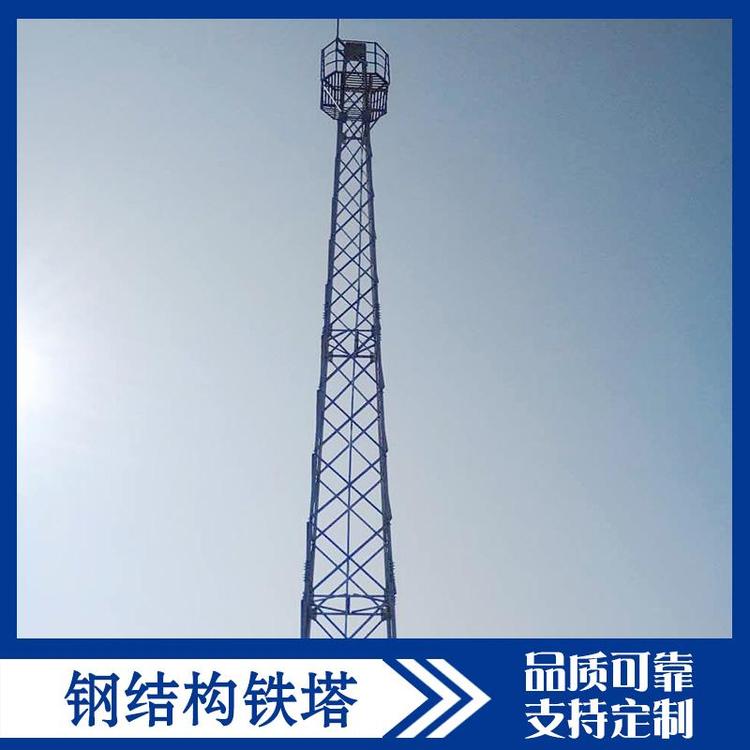
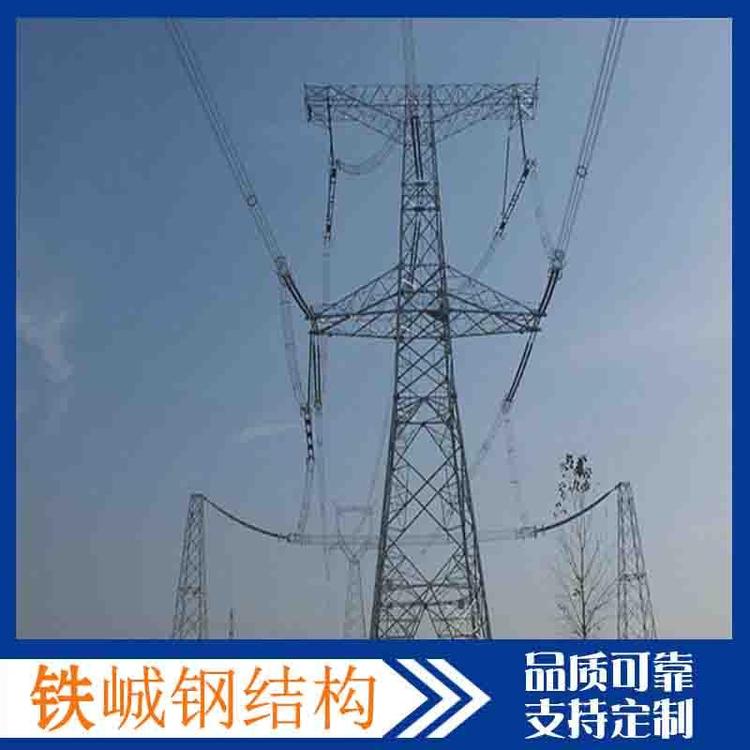
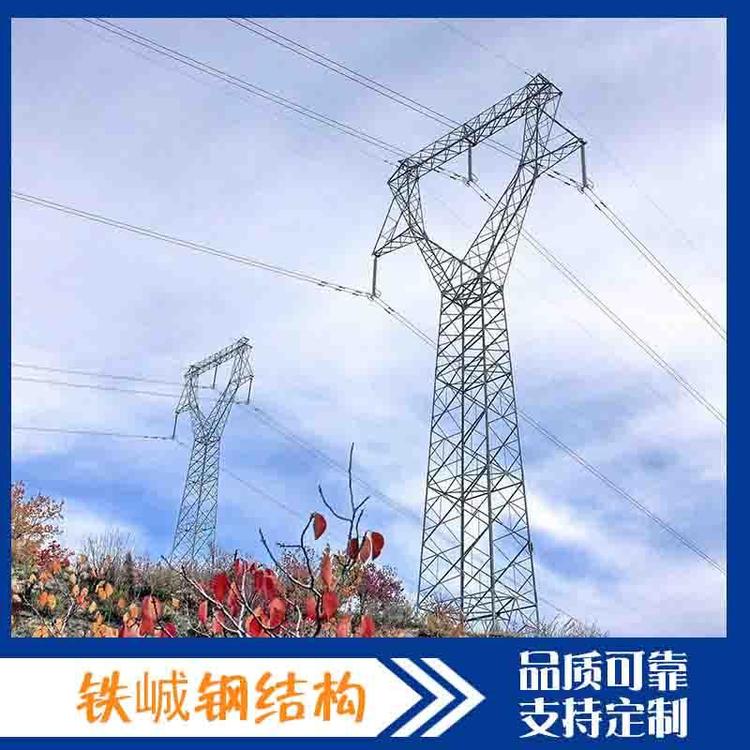
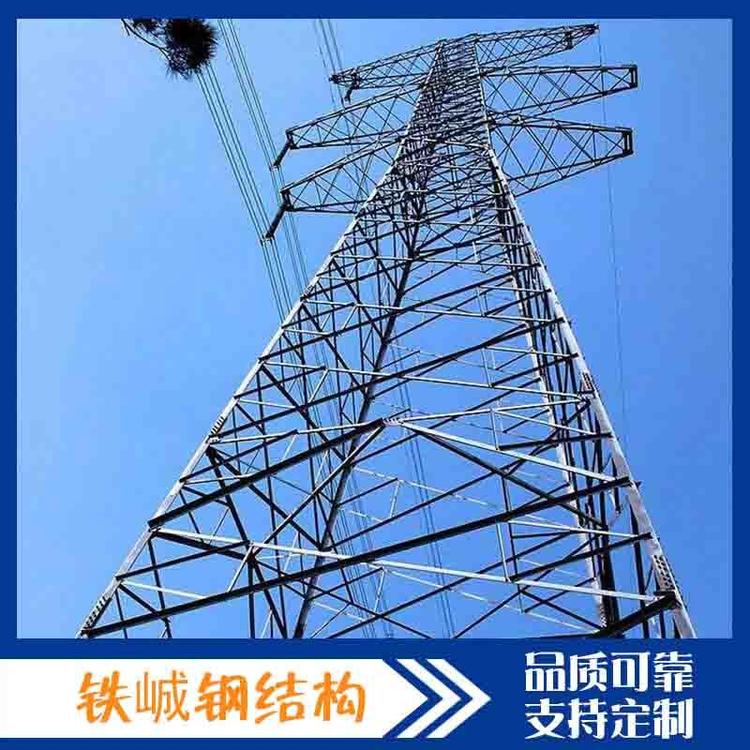
Electric towers are steel frameworks that support transmission lines, maintaining a safe distance between conductors, ground wires, and buildings. They are generally categorized by shape into five types: wine glass-shaped, cat head-shaped, uppercase-shaped, cross-shaped, and drum-shaped. By function, they include tension towers, straight towers, corner towers, repositioning towers (for changing conductor phase positions), terminal towers, and span towers. Their structural features are that all tower types are spatial truss structures, with members mainly composed of single or combined equal-angle steel bars. The materials typically used are Q235(A3F) and Q345(16Mn). Connections between members use coarse bolts, with shear force transmitted through the bolts. The entire tower is assembled from angle steel, connecting steel plates, and bolts, with some components like the tower base being welded from several steel plates into a composite piece, making galvanized corrosion protection, transportation, and construction easier. For towers with a height of 60 meters or less, a foot bolt is installed on one of the main materials of the tower to facilitate climbing for construction personnel.