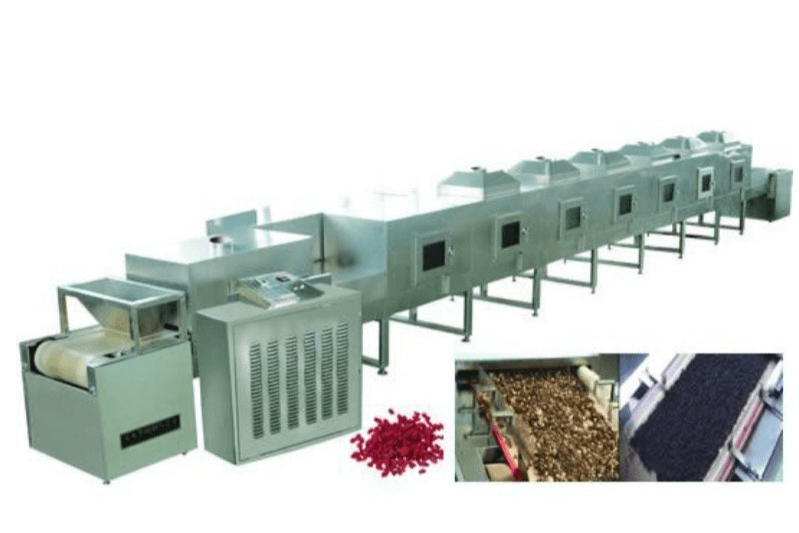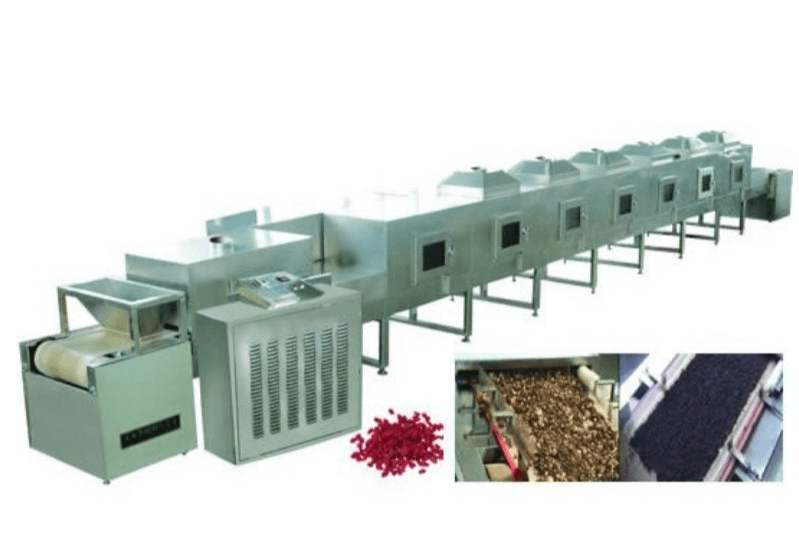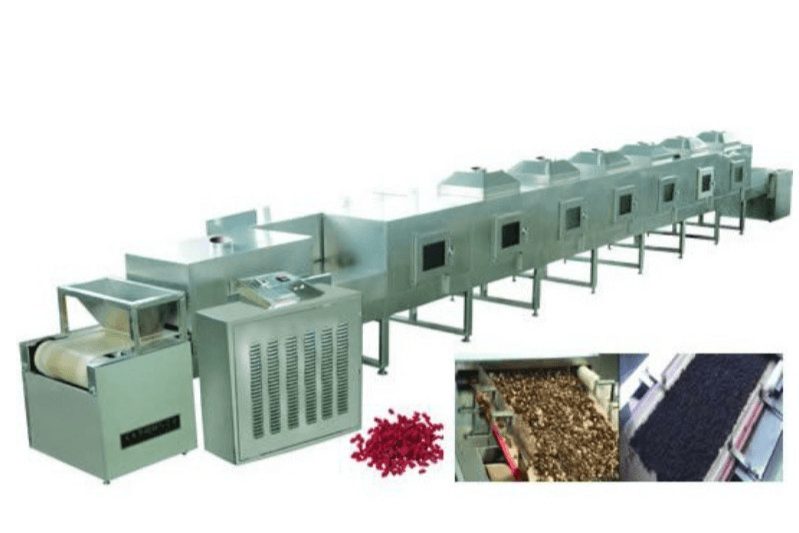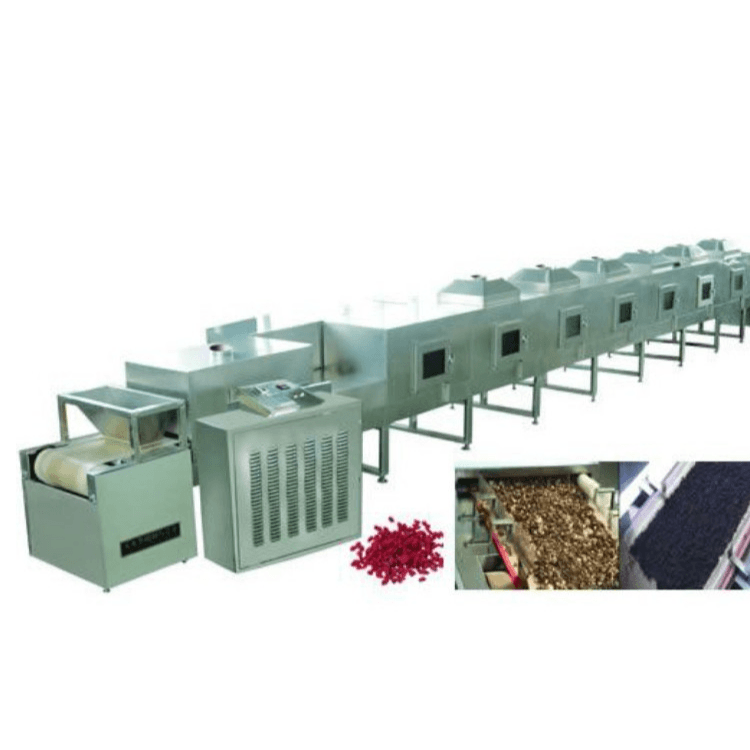

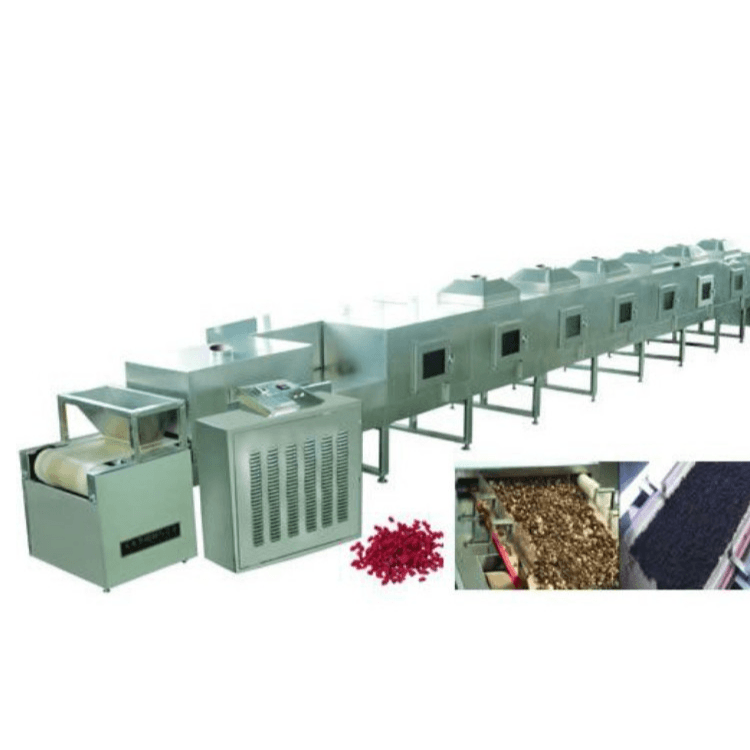

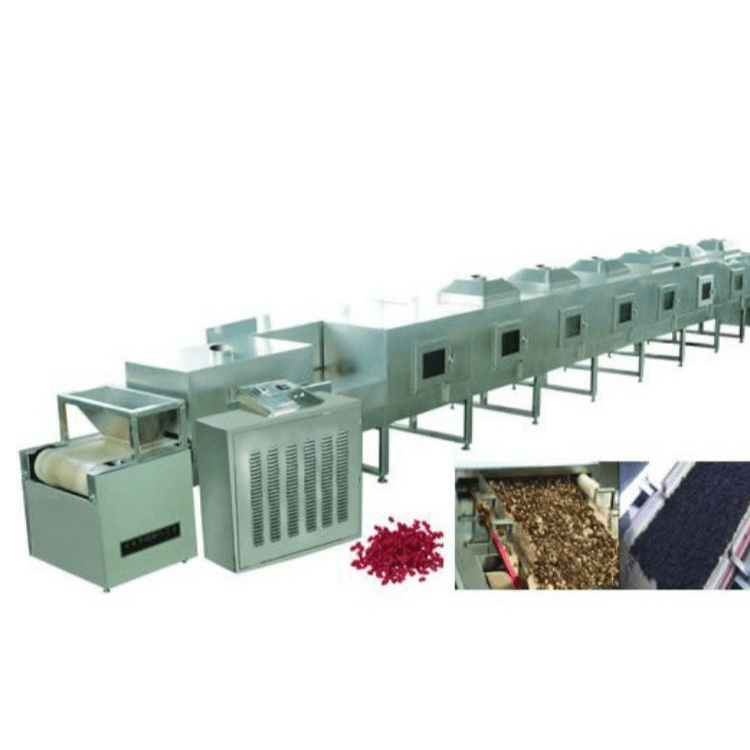







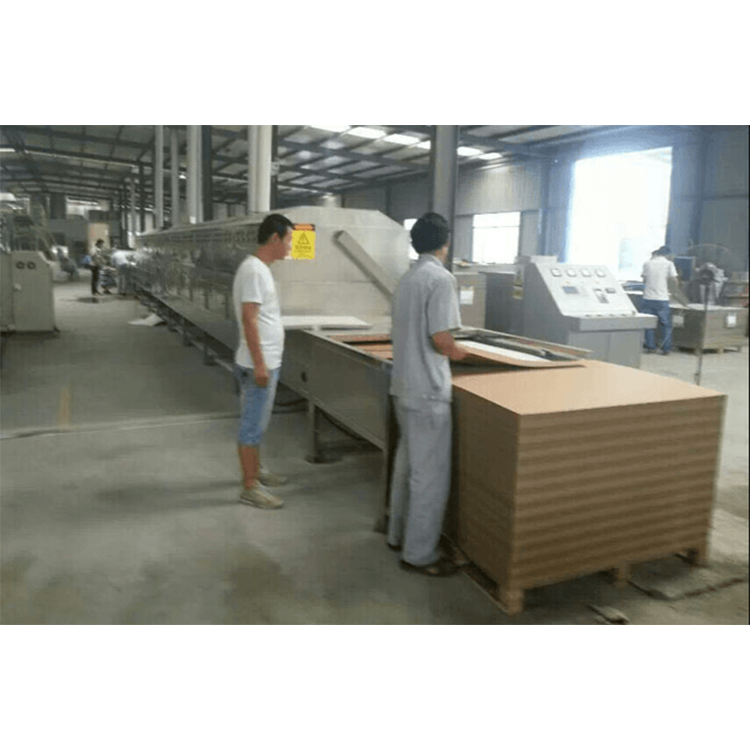
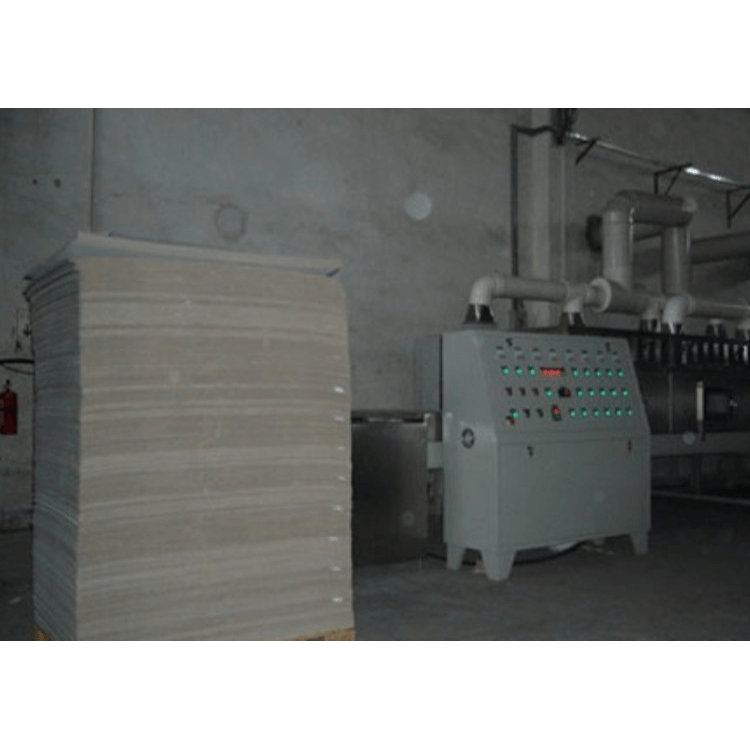
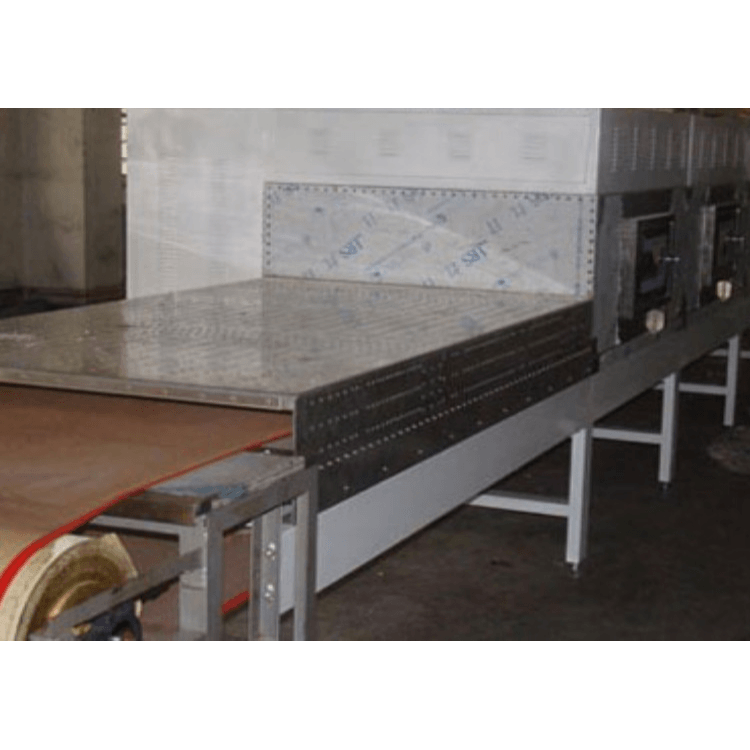
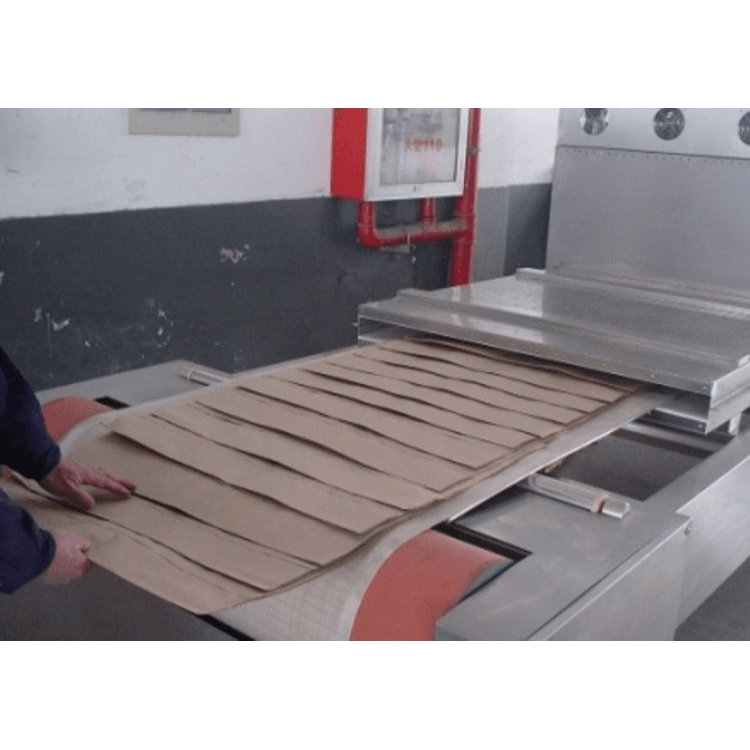
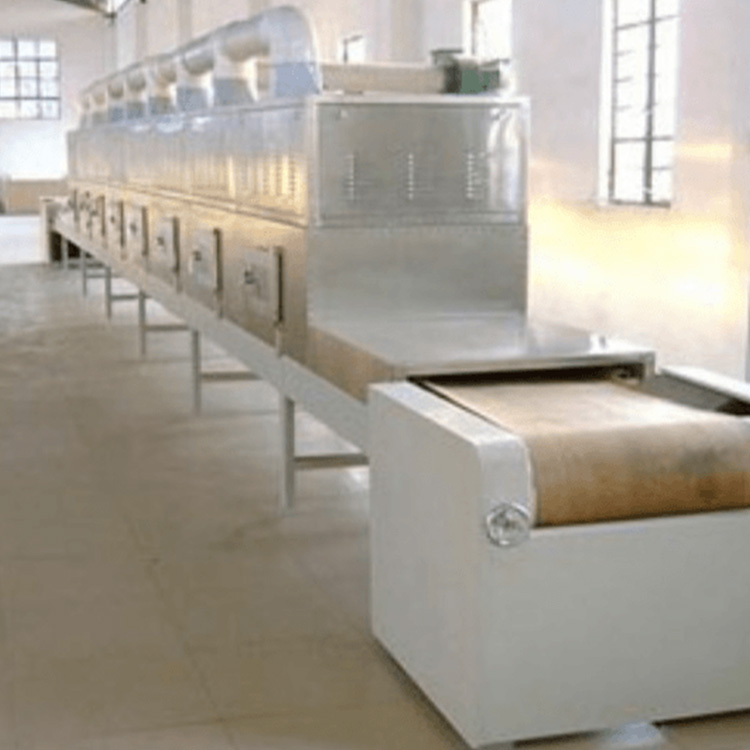

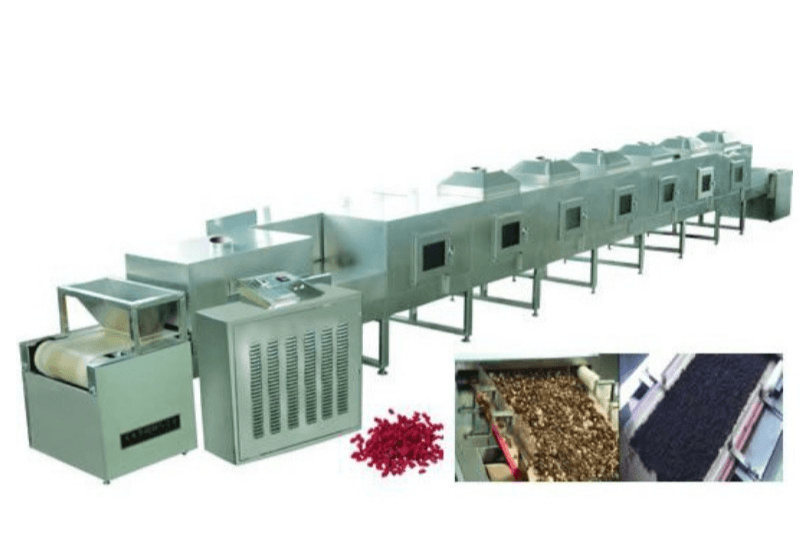
Microwave Drying and Sterilization: Grains, corn, cereal, beans, puffed snacks, tea, seaweed, nori, dried shrimp, hawthorn, coconut flakes, feed, etc. Chili powder, black sesame paste, pearl powder, vegetable powder, mannitol, mung bean powder, bean paste powder, baby rice powder. Various additives. Packaged braised dishes, cured products, pickled vegetables, preserved vegetables, five-spice tofu sticks, packaged vegetables, vacuum-packed roasted chicken, duck, etc. Meat in small packages, chicken legs, chicken wings, beef jerky, dried fish slices, roasted chicken, salted duck, small packaged braised meats, meatballs, fishballs. Corn flakes, walnuts, baby cake, corn flakes, cereal, potato chips, oil-saving instant noodles, oil-free instant noodles, sandwich noodles, vermicelli. Peanuts, cashews, pine nuts, walnuts, cashews, chestnuts, etc.
Characteristics of microwave drying sterilization: Low-temperature sterilization preserves nutritional components and traditional flavors. Microwave energy penetrates the interior of food, with a frequency of 2450MHz, oscillating at 2.45 billion times per second. It kills bacteria through special thermal and non-thermal effects. Compared to conventional thermal sterilization, it achieves the required sterilization effect at a lower temperature and in a shorter time.
The specific characteristics of microwave drying and sterilization are:
1. Selective heating. Since water molecules absorb microwaves well, areas with higher water content absorb more microwave power than those with lower water content. This is the characteristic of selective heating, which can be utilized to achieve even heating and sterilization.
2. Energy-saving and Efficient. Microwave acts directly on the material, resulting in no additional heat loss. The air inside the oven and the corresponding container do not heat up, thus offering a higher thermal efficiency and significantly improving the production environment. Compared to far-infrared heating, it can save electricity by 30%.
3. Shorter processing time, higher efficiency. Microwave heating sterilization involves the heated object itself becoming the heat source, without the need for heat conduction. Microwaves penetrate the object from all directions, uniformly heating and sterilizing it in a very short time, significantly reducing the drying and sterilization time, thereby increasing output even more.