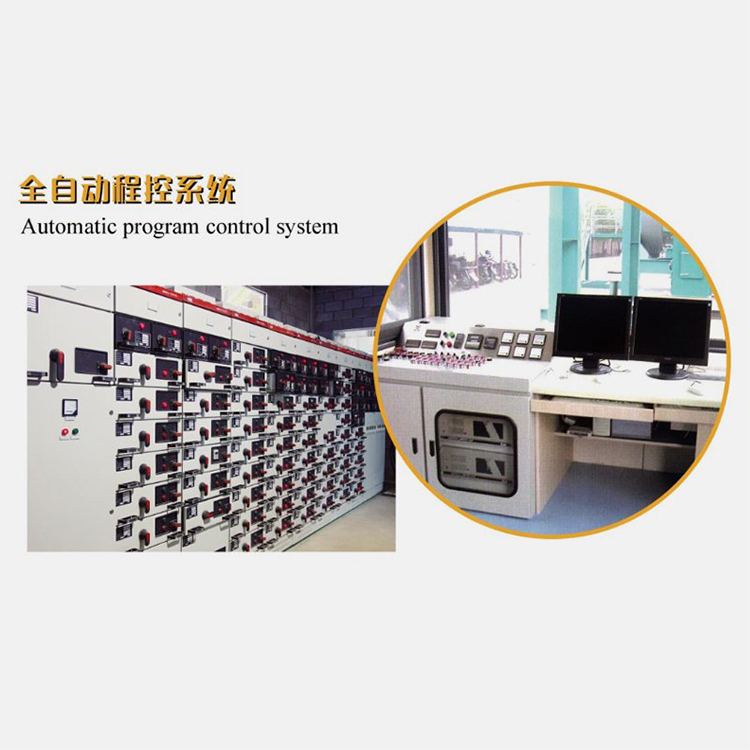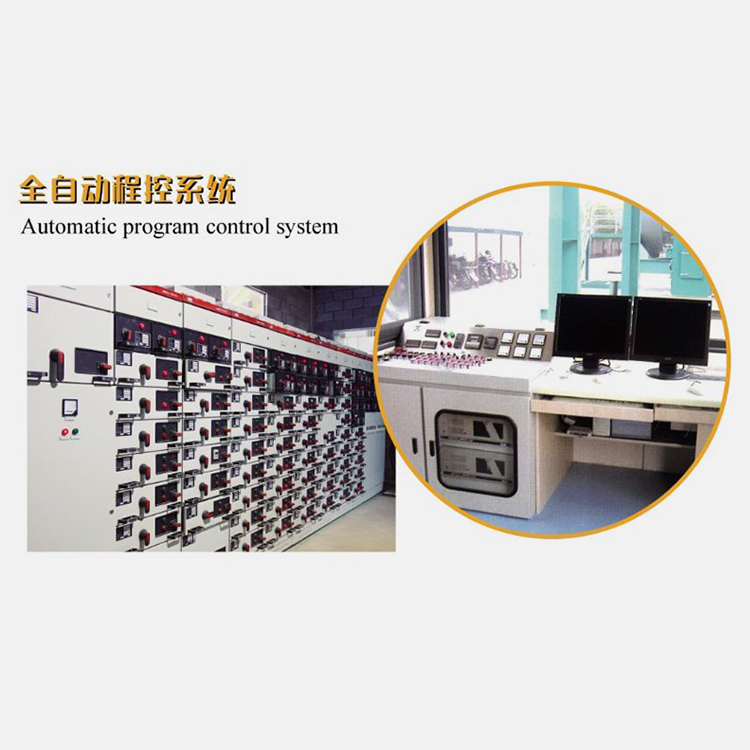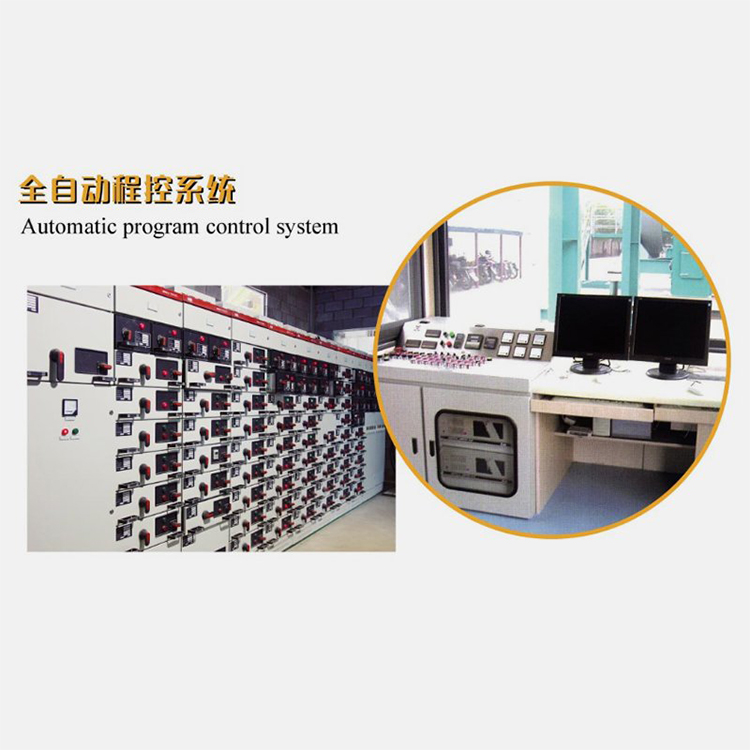

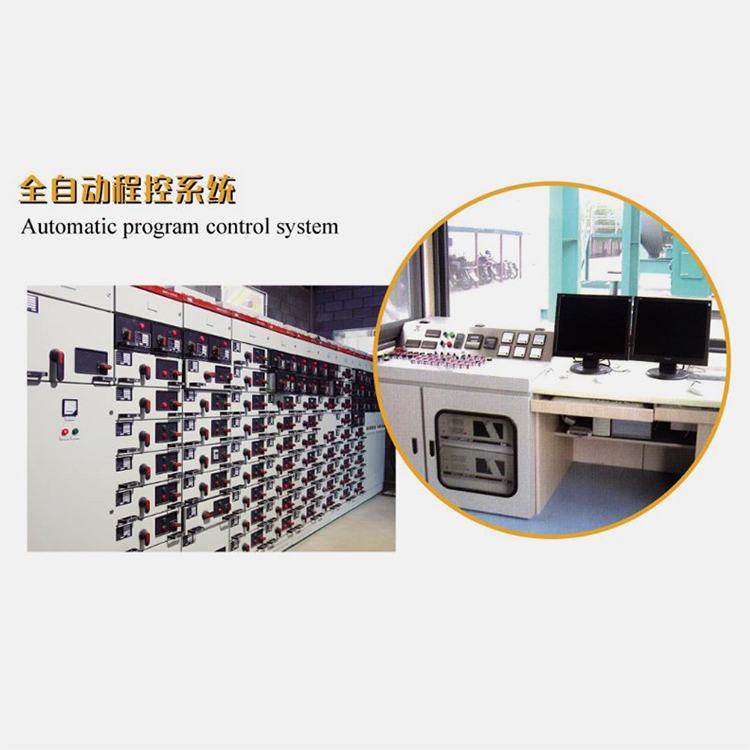
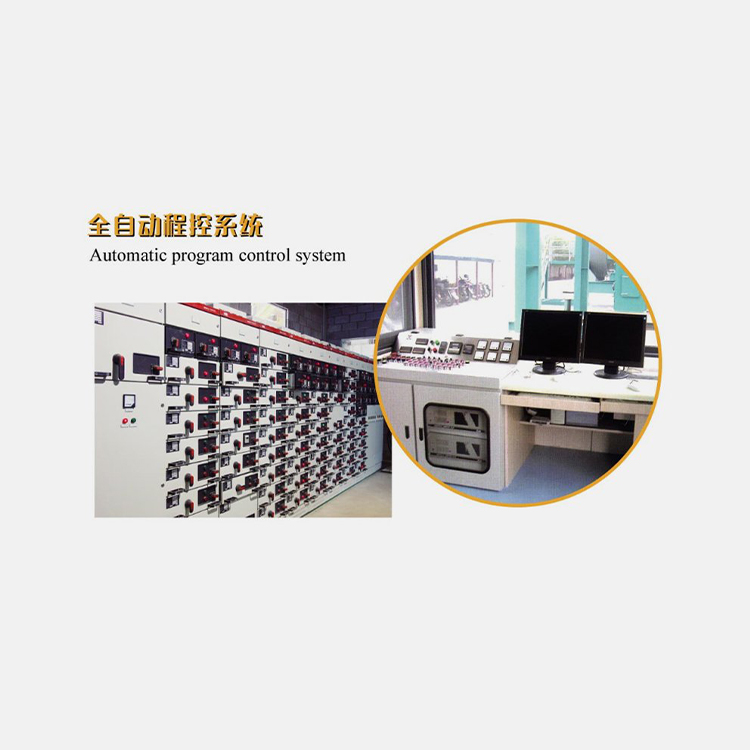








Industrial PCs and PLCs communicate and control data in real-time via network cables.
Industrial computers set various production parameters and send command signals to the PLC. The PLC then issues start or stop signals to the control mechanism based on the control process.
The analog signal from the weighing sensor is displayed on the digital weighing indicator and converted into a digital signal for transmission to the computer for processing; the PLC controls the opening and closing of the weighing gates, the sequence of feeding, and the mixing with the main unit based on the parameter values set by the industrial control computer, and then places the finished dry powder into the distribution bin.
All production parameters can be inputted and transmitted to the PLC by the industrial computer, which controls them in real-time. The industrial computer also stores and generates the required various reports.
PLC receives input signals from the opening and closing of the powder bin door, the opening and closing of the powder scale door, the opening and closing of the mixer door, and the position switches of other parts.
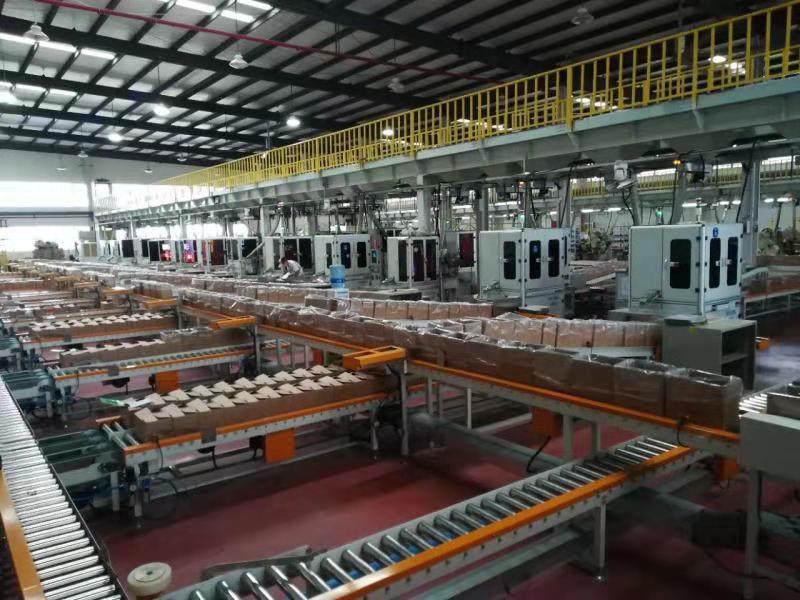
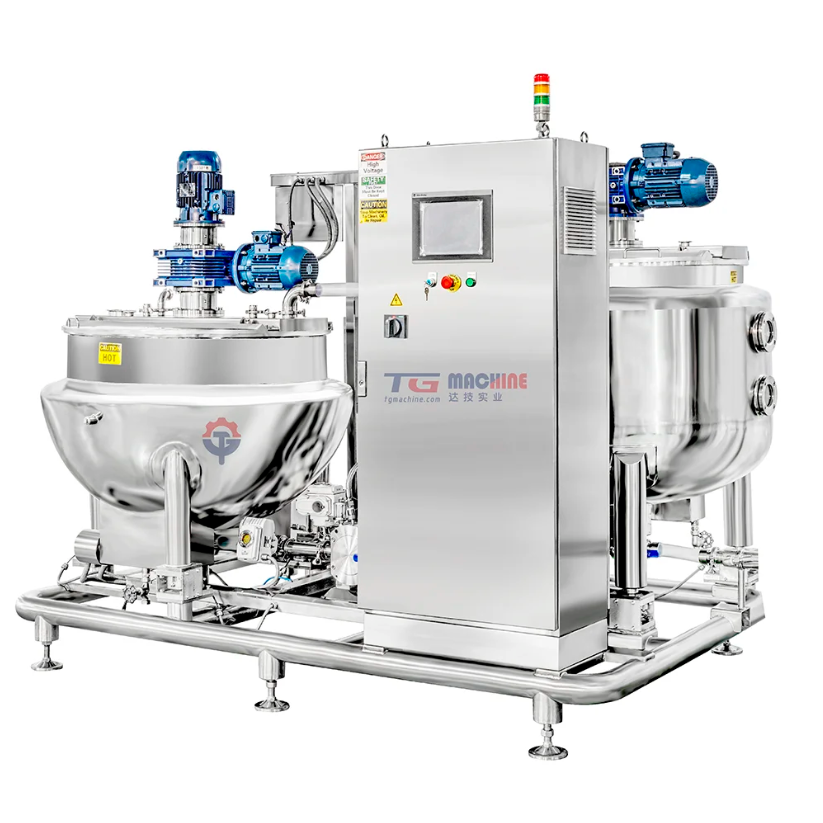
Powder materials, dosed according to the set values in the formula, are controlled by a computer to dispense the correct amount, then mixed in a blender after the ingredients are blended.
The mixer, upon completion of the programmed mixing time, opens its door to discharge the material, ending the countdown for discharge; then the door closes, initiating the next mixing cycle.
The system software operates on both English and Chinese versions of Windows 2000/XP, offering easy operation and intuitive display. Searching and printing reports are simple and quick. Key features include:
Product Management: Record product numbers and specifications
Material Management: Record the type, name, and supplier name of materials.
Formula Management: Records all required mixing ratio settings for dry powder production, allowing for the addition, modification, and printing of formulas within the scope of permissions.
Production Parameter Settings: Allows for setting and modifying various parameters related to production, including selecting task order numbers and mix ratios, choosing specifications, capacity,落差 (落差), mixing time, discharge time, and gas break open/close time.
Control Parameters: Set the delay time for starting and ending the feeding process, mixer capacity, and the delay time for the next batch of ingredient mixing.
Production Order: Can compile the required formulas, order quantities, batch sizes, and production sequence for this or the next batch during production.