












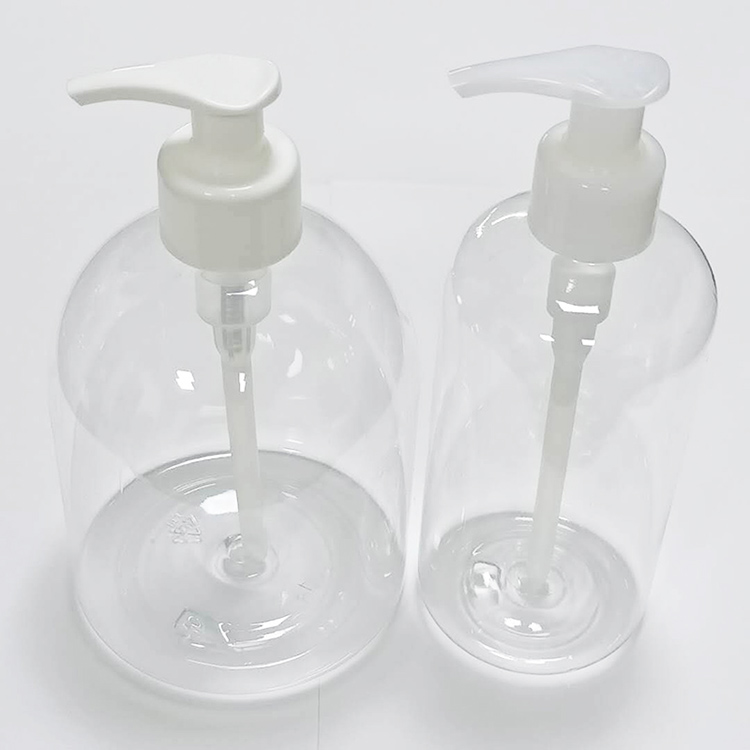
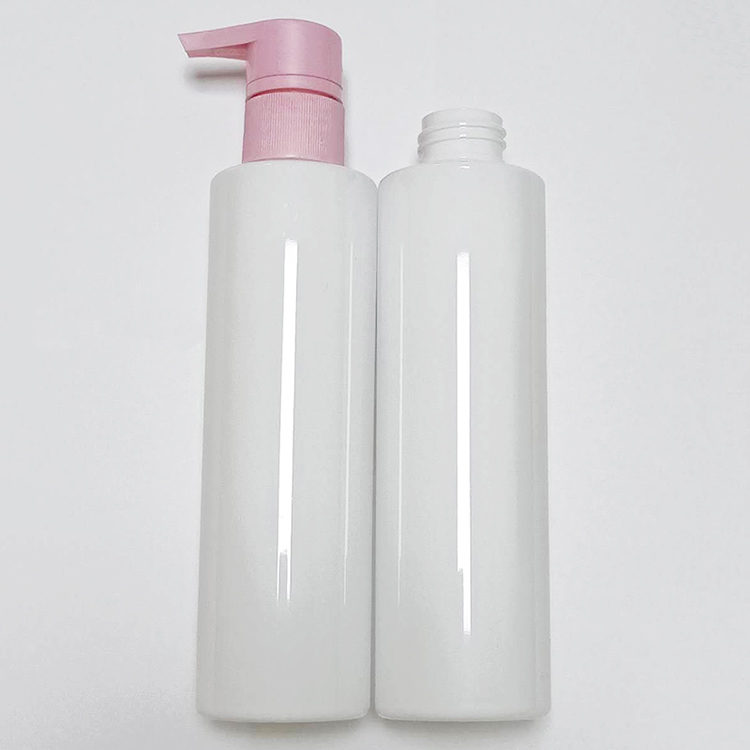
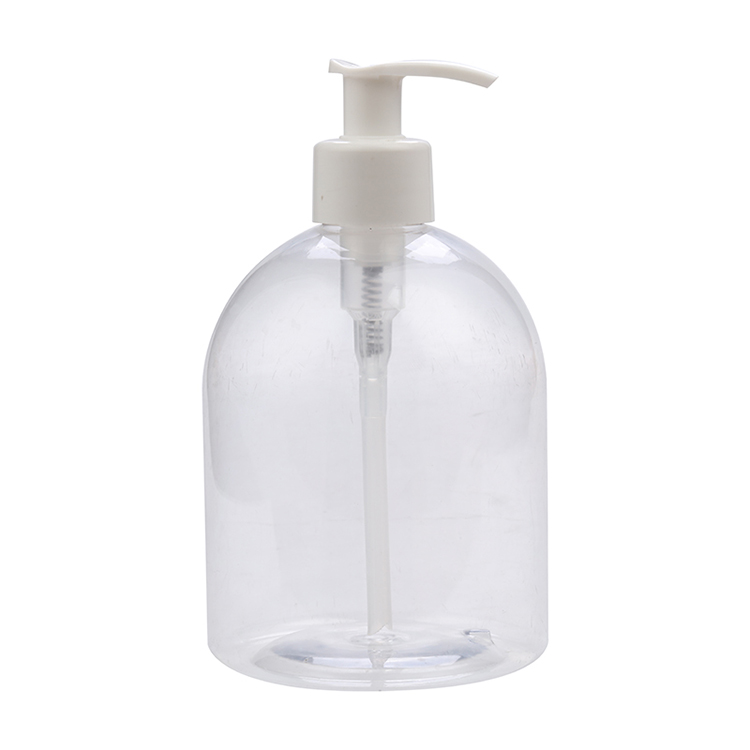
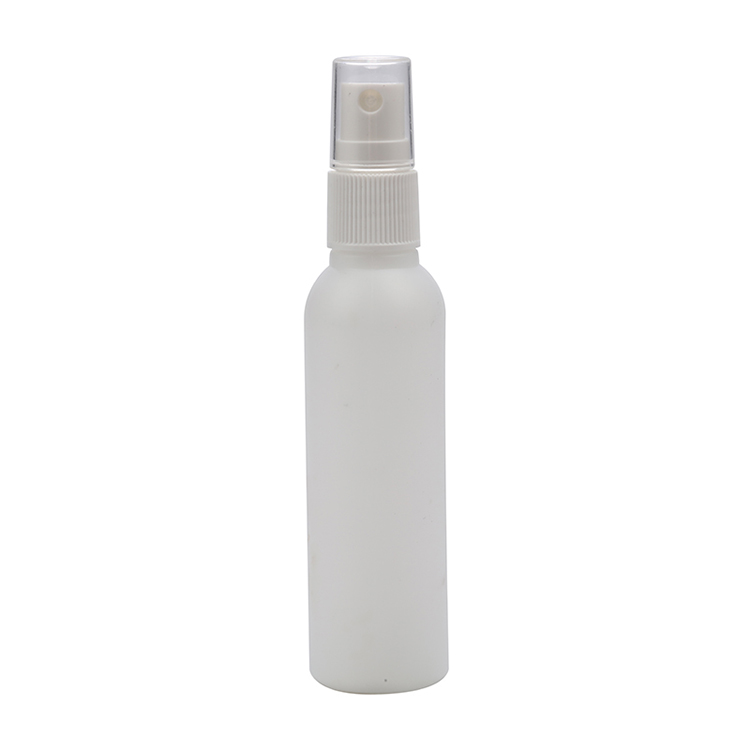
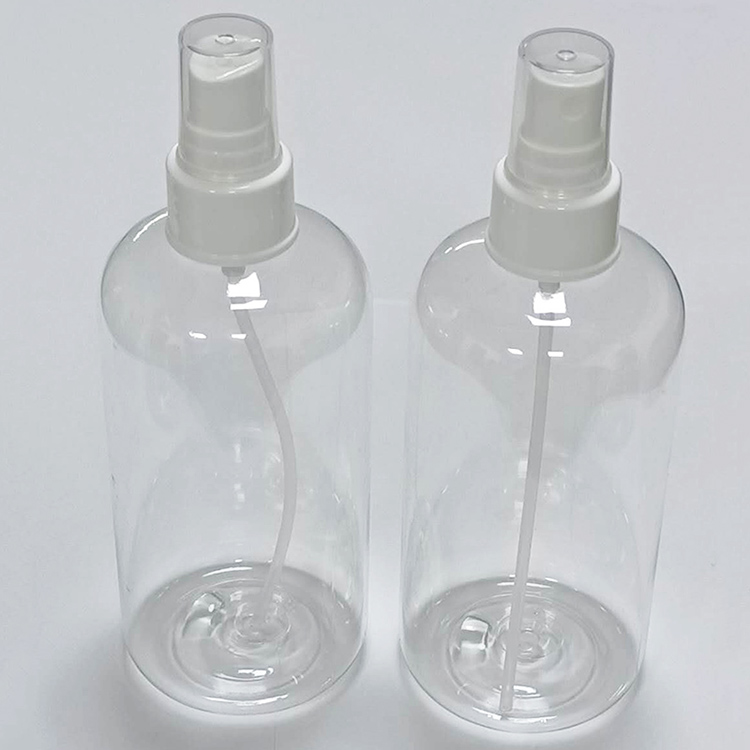
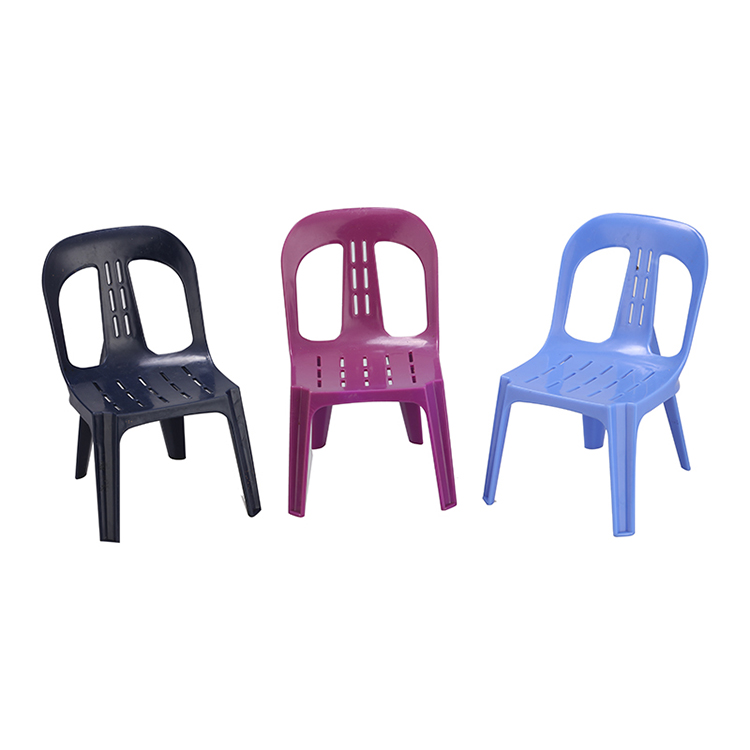
Also known as blow molding, this is a rapidly developing plastic processing method. Blow molding was first used to produce low-density polyethylene bottles during World War II. In the late 1950s, with the advent of high-density polyethylene and the development of blow molding machines, the technology gained widespread application. Hollow containers can reach thousands of liters in volume, and some production lines have adopted computer control. Plastics suitable for blow molding include polyethylene, polyvinyl chloride, polypropylene, and polyester, and the resulting hollow containers are widely used as industrial packaging. According to the method of parison formation, blow molding can be divided into extrusion blow molding and injection blow molding. New developments include multilayer blow molding and stretch blow molding.
Extrusion
Polymer blending is defined as a process that enhances the grade of a polymer or polymer system through melt blending. The blending process ranges widely, from the addition of a single additive to the handling of multiple additives, polymer alloys, and reactive blends. It is estimated that one-third of polymer production in the United States undergoes blending. Blended materials can be customized according to the performance requirements of the application. Blended products exhibit mixed properties, such as high gloss and excellent impact strength, or precise molding capabilities and good stiffness.
Blended polymers are typically pelletized for further processing. However, there is growing industrial interest in combining blending with the next step, such as profile extrusion, to avoid reheating the polymer again.
Mixed
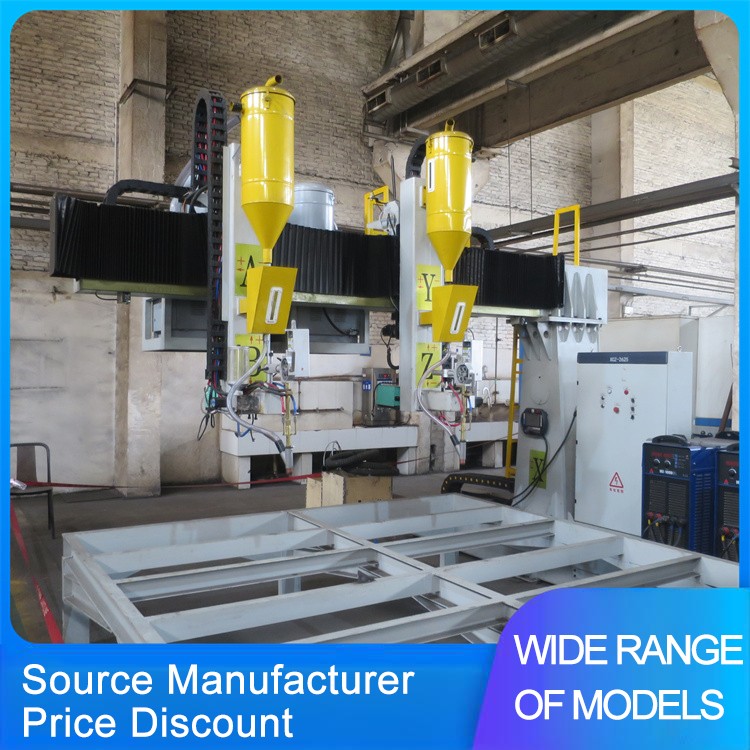
People utilize various types of melt blending equipment, ranging from rolling mills and batch mixers to single-screw and twin-screw extruders. Continuous blending feeds (to extruders) are commonly used equipment as they provide consistent quality products and can reduce operating costs. There are two types of blending: distributed blending where the blend material is evenly distributed in the blend without the need for high shear stress. This type of blend is referred to as extensible blending or laminar flow blending.
Dispersive blending, also known as intensive blending, involves applying high shear stress to break apart agglomerated solids. For instance, when additive lumps are crushed, the actual particle size becomes smaller.
Mixed operations often require two types of blending within a single process.
Blow Molding Applications
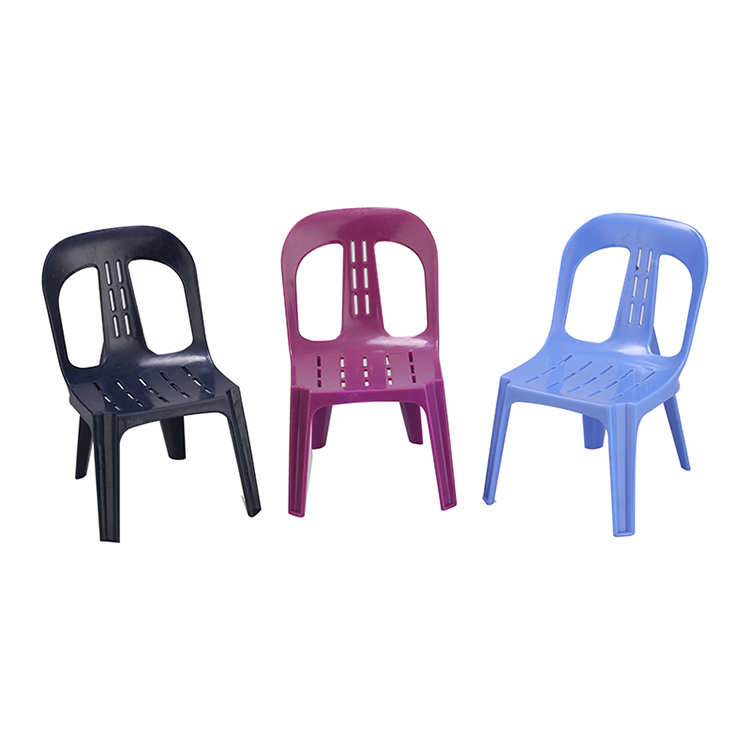
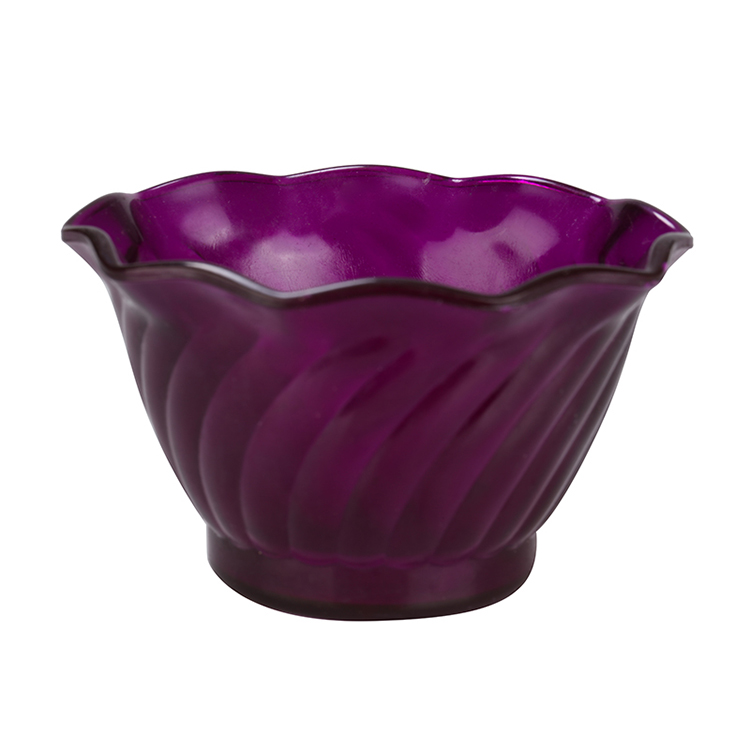
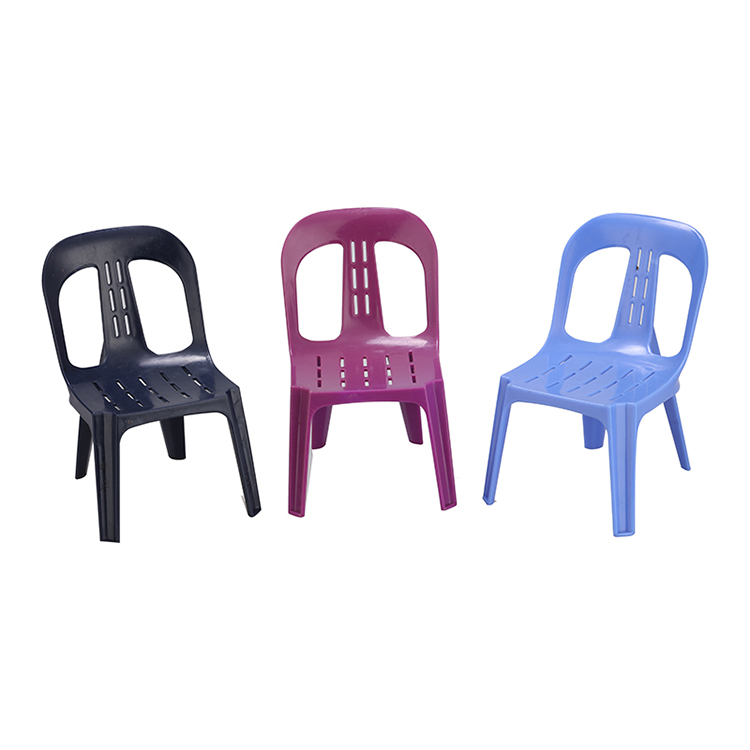
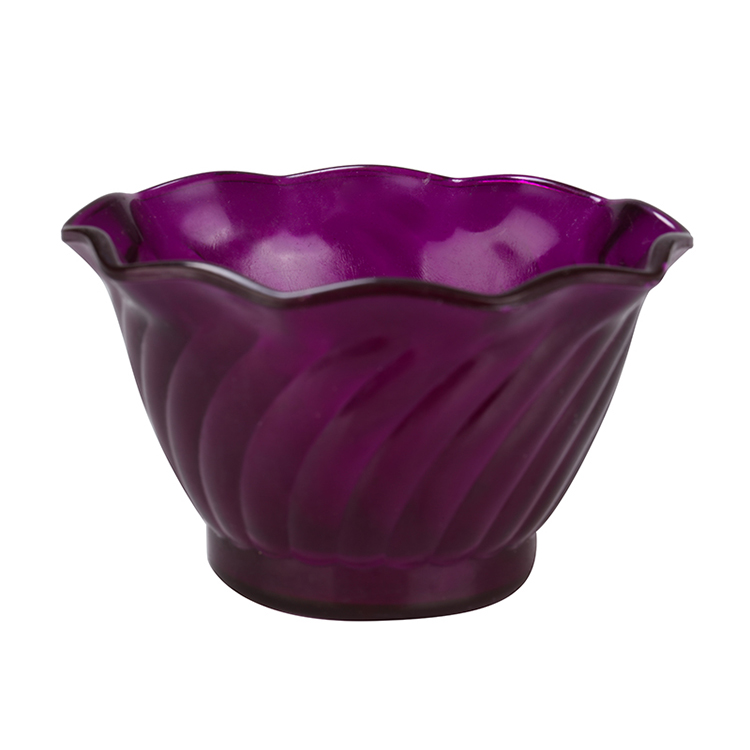
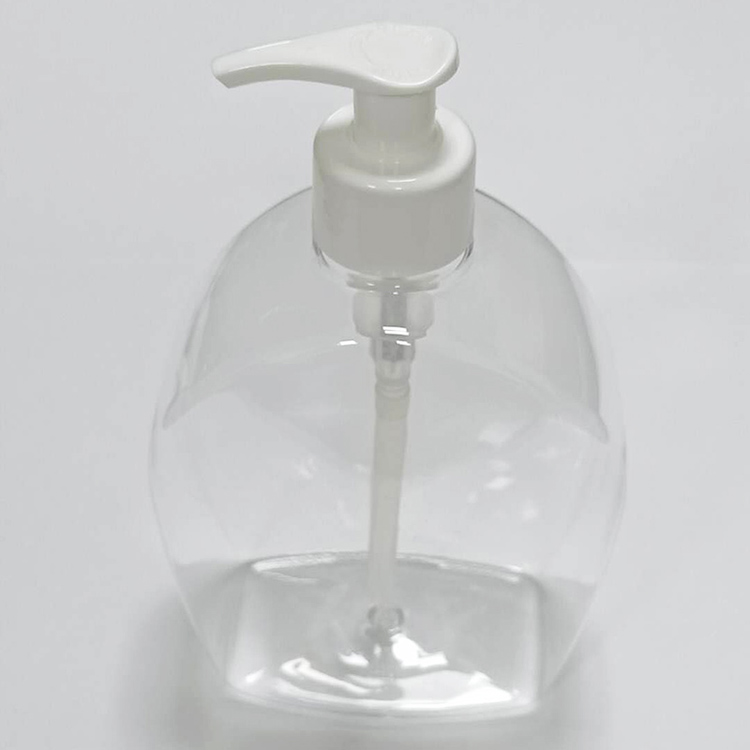
Commonly seen are everyday items such as bottles, cans, baby products, sports equipment, etc.