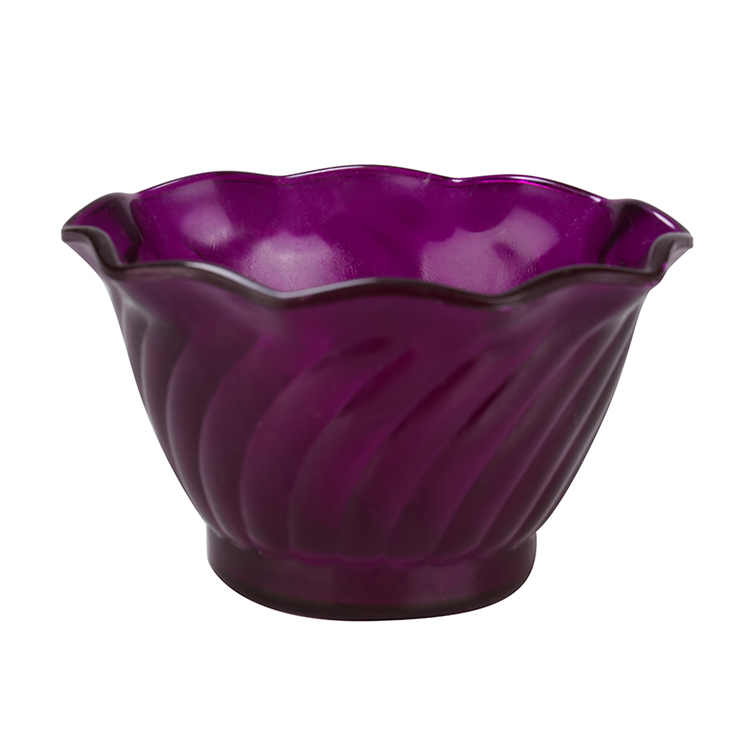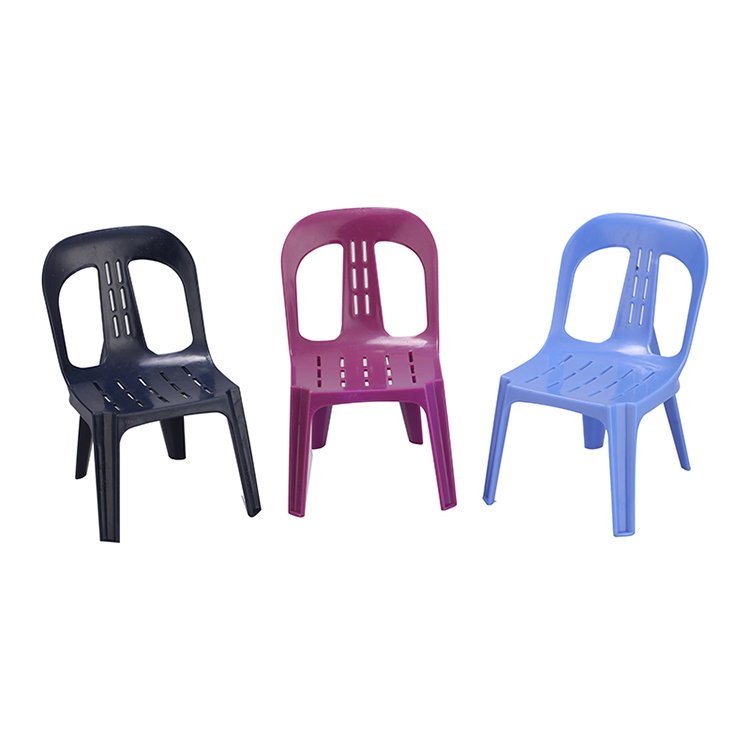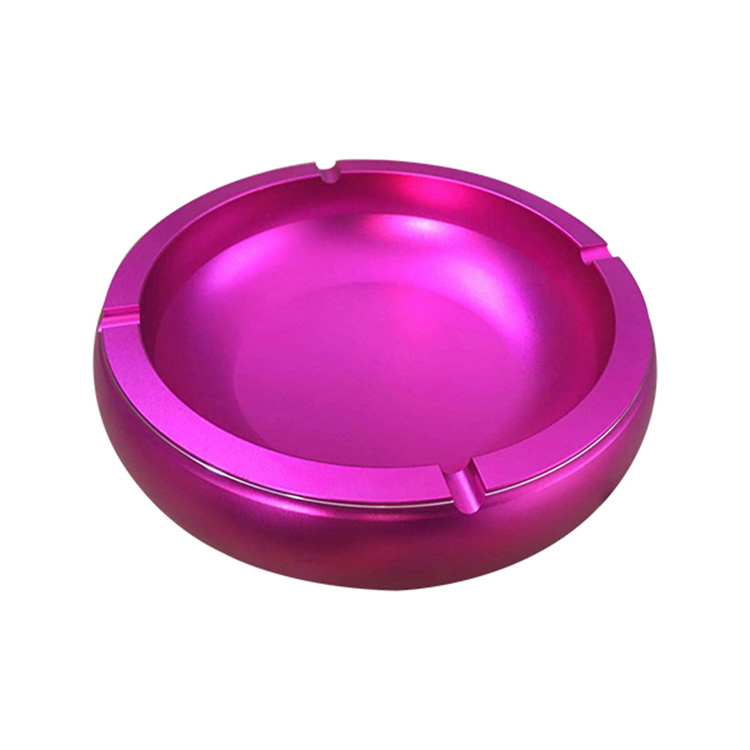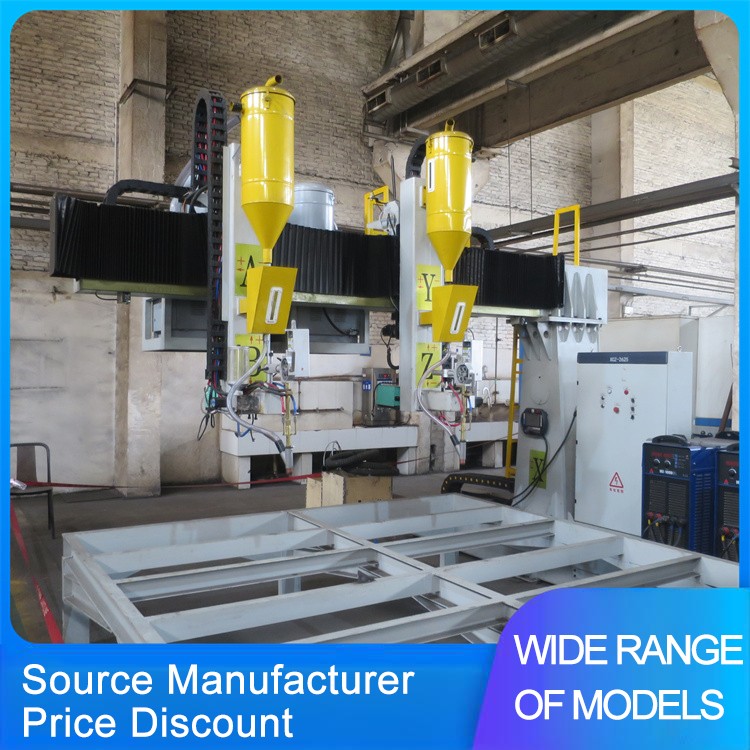











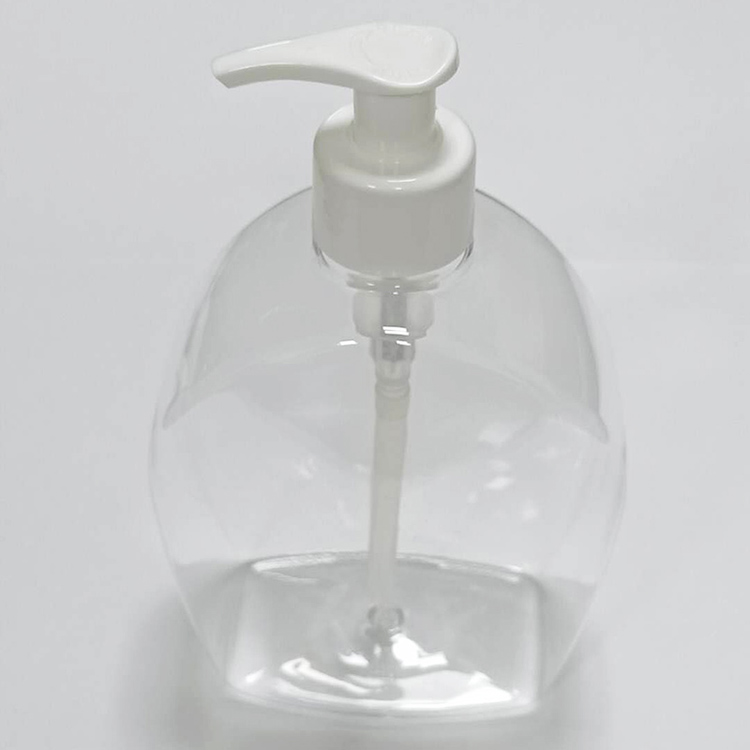
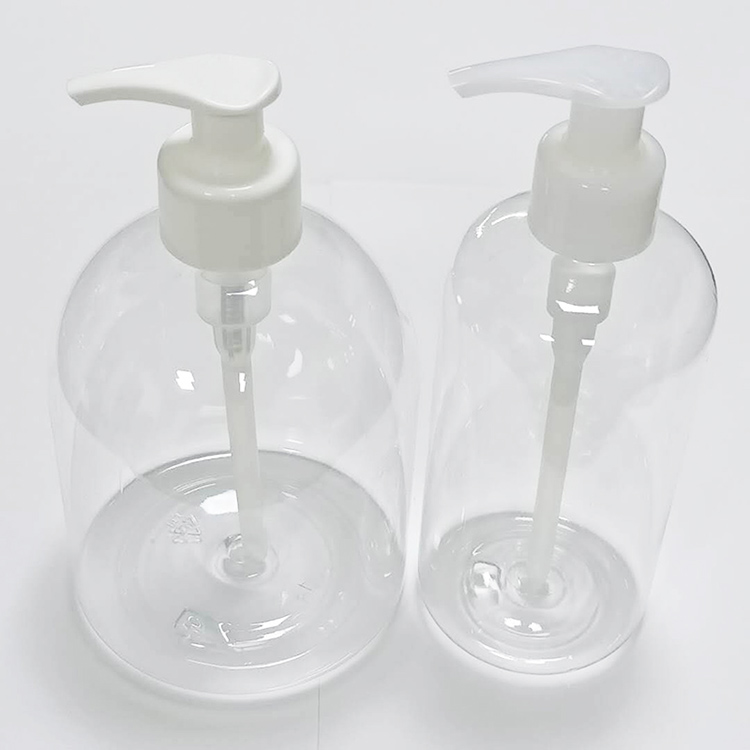
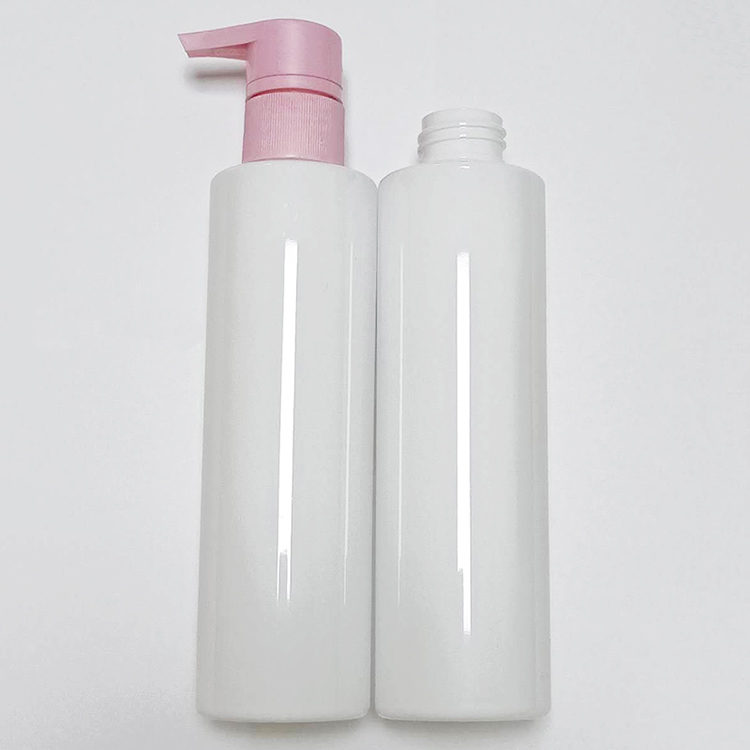

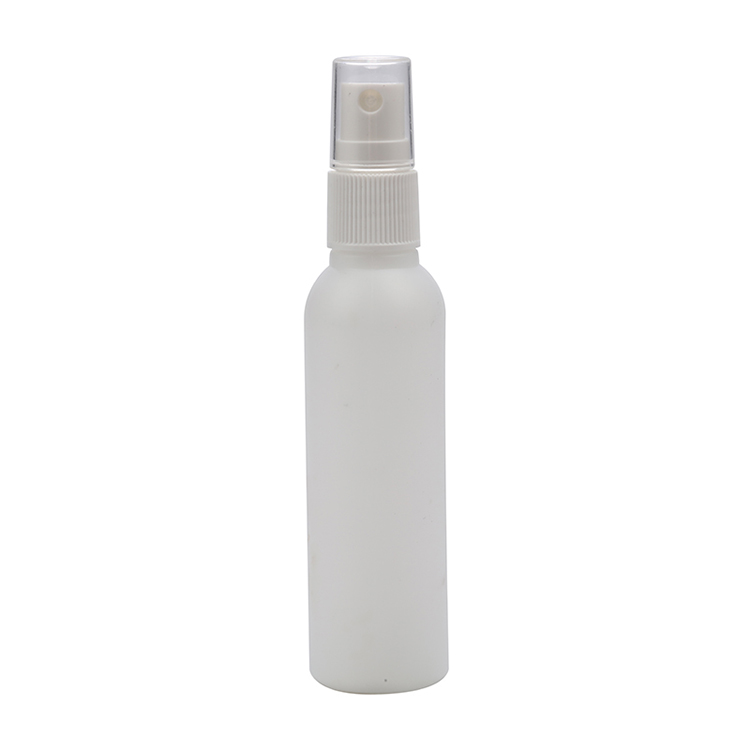
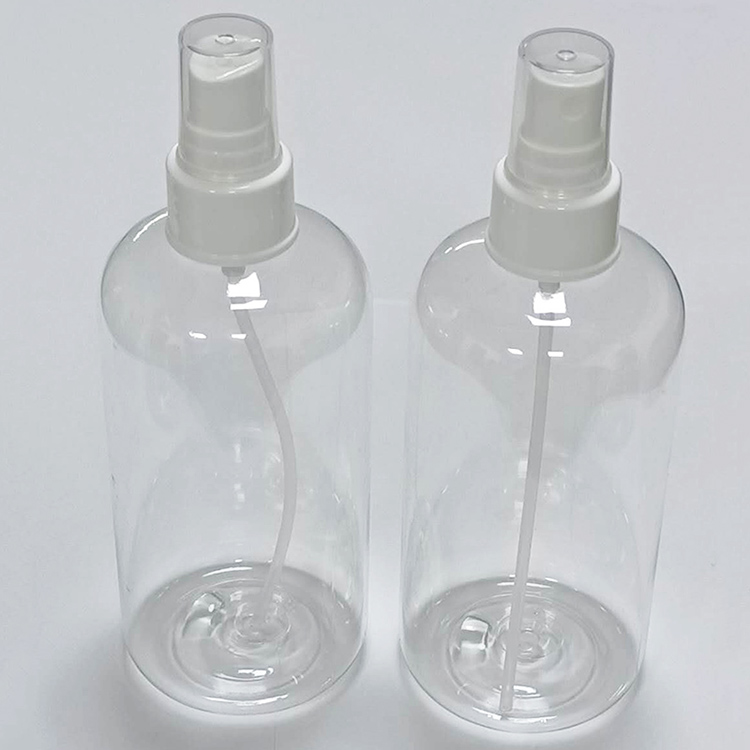
Blow molding is a method of plastic forming. It is one of the processing and shaping techniques for thermoplastic materials. It is categorized based on the operational process, including extrusion blow molding, injection blow molding, stretch blow molding, and multi-layer blow molding, among others. Extrusion blow molding involves extruding a tubular parison through an extruder, then placing it into a mold while still hot and blowing compressed air into it to expand it into the mold cavity shape. After cooling and setting, the final product is obtained. Its advantages include: suitability for various plastics, ability to produce large-sized products, high production efficiency, uniform parison temperature, and lower equipment investment. Therefore, extrusion blow molding holds a significant advantage in the current production of hollow products.
Injection blow molding is a process where molten plastic is injected into a mold to form a parison. After the mold is opened, the parison remains on the core mold, and it is then heated and clamped by the blow molding mold. Compressed air is blown into the parison to inflate it into the shape of the mold cavity. Cooling and demolding yields the finished product. Its advantages include even wall thickness, small weight tolerance, and minimal secondary processing and waste. However, it requires two sets of molds (injection and blow molding) and the injection mold must withstand high pressure, which increases production investment and cycle time. Therefore, it is only suitable for large production runs of small, delicate products. Currently, these two processes are widely used, primarily for manufacturing hollow plastics and plastic films.
The process flow for blow molding film is generally as follows:
Hopper feeding → material plasticization extrusion → blow molding and stretching → air ring cooling → V-shaped clamp → traction roller traction → corona treatment → film winding
However, it is worth noting that the performance of blow-molded film is greatly related to the production process parameters. Therefore, during the blow-molding process, it is essential to enhance control over process parameters, standardize operational procedures, ensure smooth production, and obtain high-quality film products. In the production of polyethylene blow-molded film, the control of the following process parameters is crucial:
Extruder Temperature
During blow molding of low-density polyethylene (LDPE) film, the extrusion temperature is typically maintained between 160℃ and 170℃, with the requirement that the head temperature be uniform. Excessive extrusion temperature can cause the resin to degrade and the film to become brittle, particularly leading to a significant drop in longitudinal tensile strength; conversely, too low a temperature results in poor resin plasticization, preventing smooth expansion and stretching. This results in a lower tensile strength of the film, poor surface luster and transparency, and may even produce patterns resembling wood rings and unmelted crystal nuclei (fish eyes).
2. Blowing Ratio
Blow-up ratio is one of the key control points in the blow molding film production process, referring to the ratio of the diameter of the film bubble after inflation to the diameter of the un-inflated tube ring. The blow-up ratio represents the lateral expansion multiple of the film and, in essence, involves stretching the film laterally, which exerts a certain degree of orientation on the plastic molecules. As the blow-up ratio increases, it enhances the lateral strength of the film. However, the blow-up ratio should not be too high, as it can lead to unstable film bubbles and increased likelihood of wrinkles. Therefore, it should be properly coordinated with the draw ratio. Generally, the blow-up ratio for low-density polyethylene (LDPE) film should be controlled between 2.5 and 3.0.