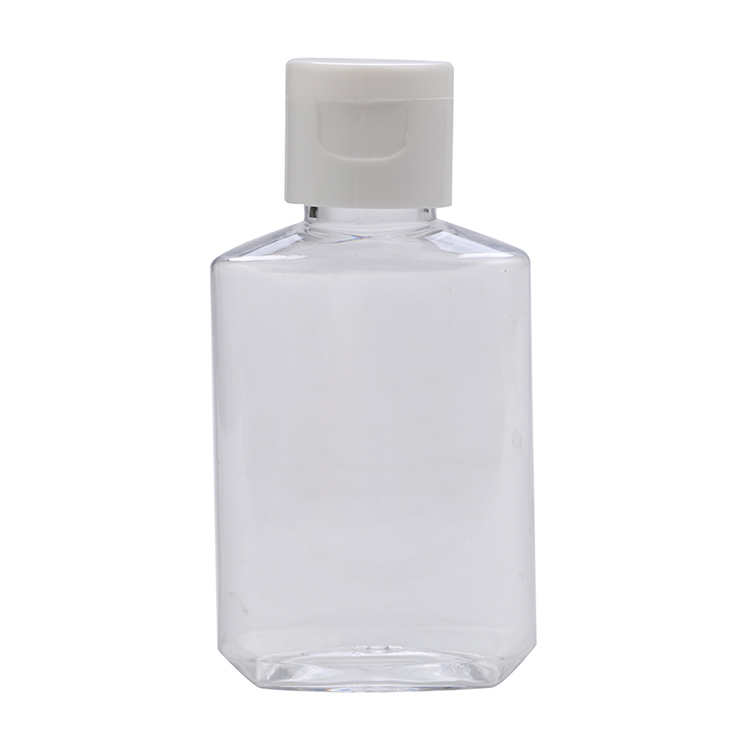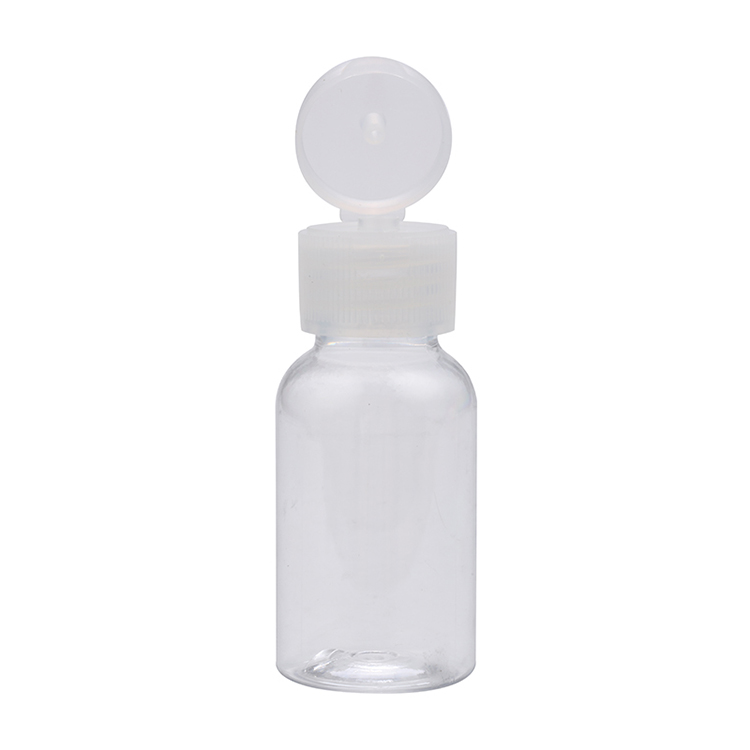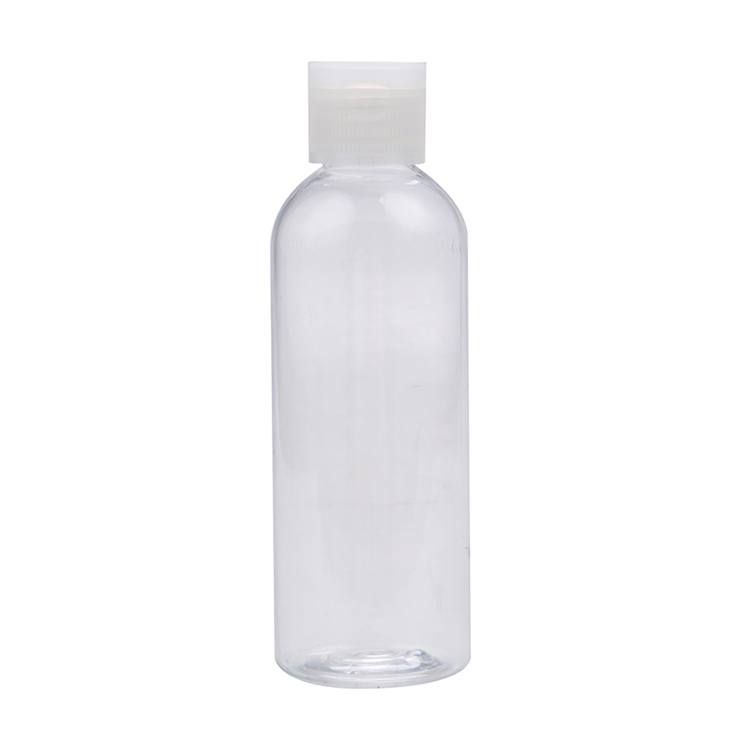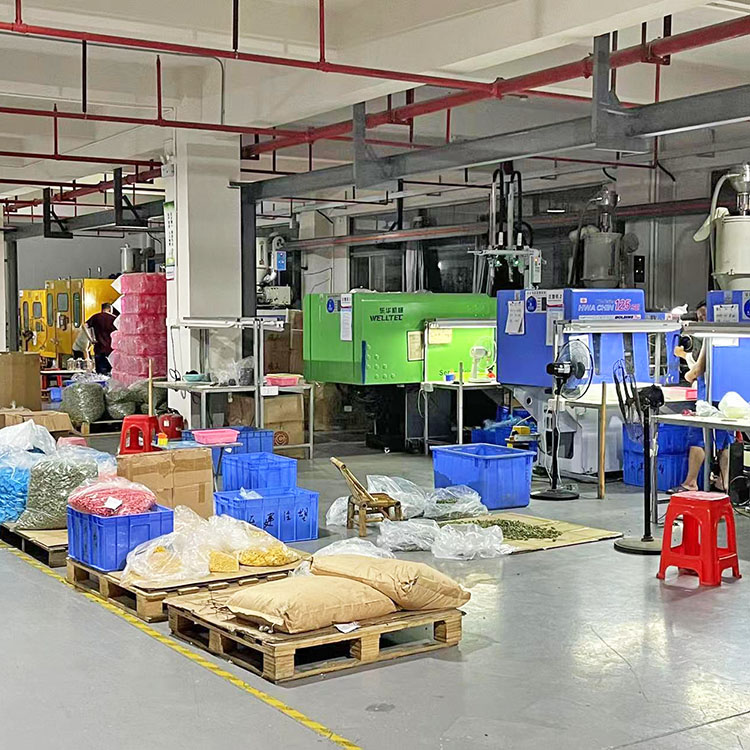


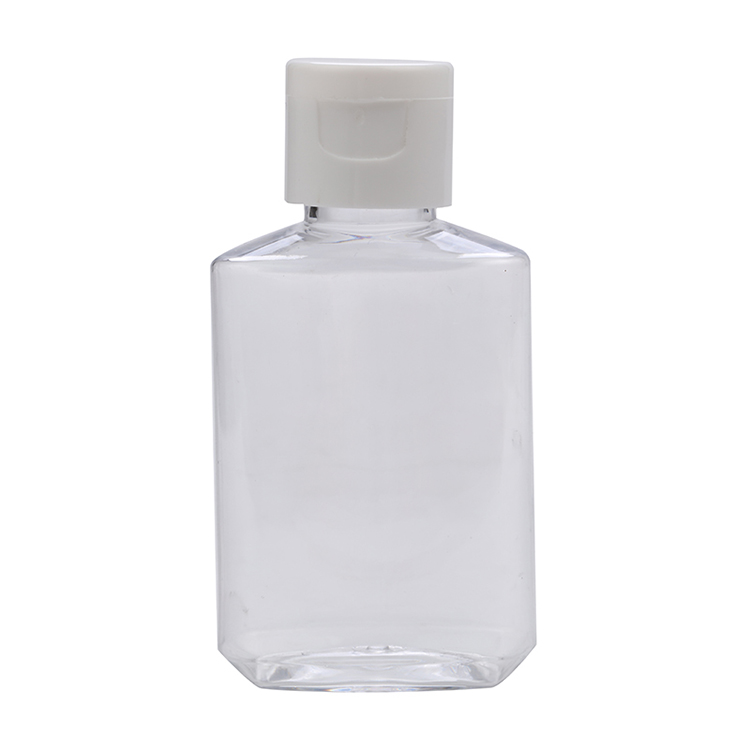











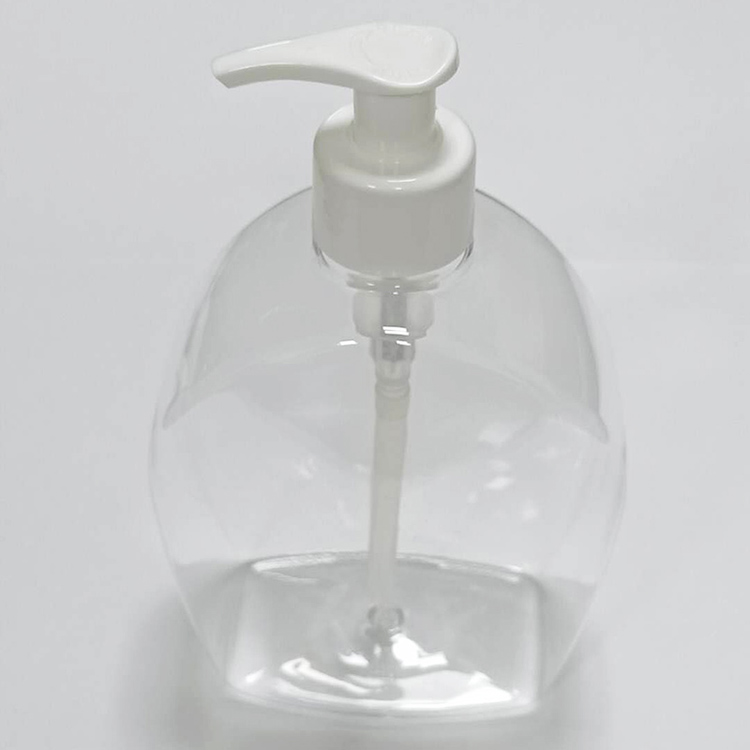


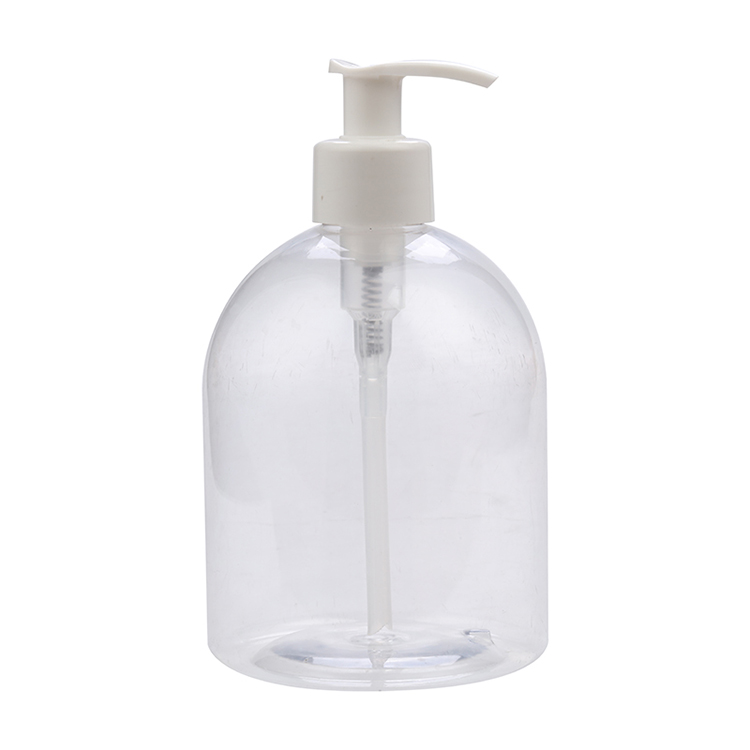
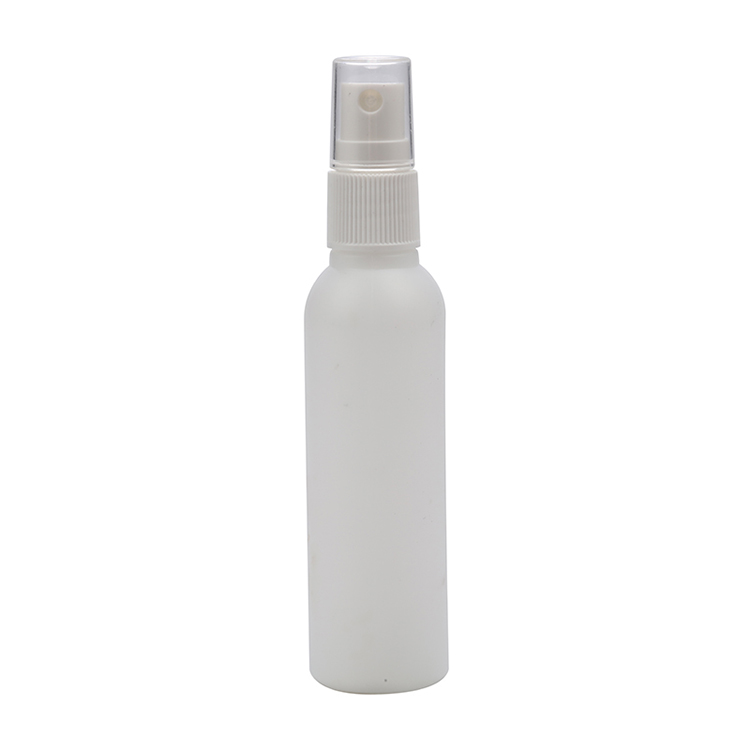
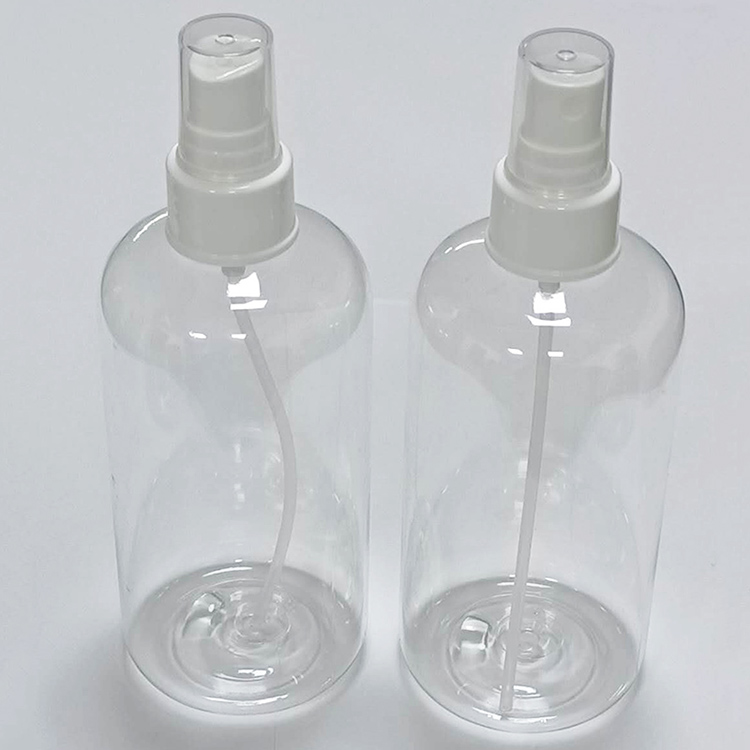

Blow molding is a method of plastic forming. It is one of the processing methods for thermoplastic plastics. It is divided into extrusion blow molding, injection blow molding, stretch blow molding, and multilayer blow molding, among others. Extrusion blow molding: involves extruding a tubular parison through an extruder, then placing it into a mold while hot and blowing compressed air into it to expand it to the shape of the mold cavity. After cooling and setting, the product is obtained. Advantages include: suitability for various plastics, ability to produce large products, high production efficiency, uniform parison temperature, and lower equipment investment. Therefore, extrusion blow molding holds a significant advantage in the current production of hollow products.
Extruded
Polymer blending is defined as a process that elevates the grade of polymers or polymer systems through melt mixing. The blending process encompasses a wide range, from the addition of a single additive to the handling of multiple additives, polymer alloys, and reactive blends. It is estimated that one-third of polymer production in the United States undergoes blending. Blended materials can be customized according to the performance requirements of the application. Blended products exhibit mixed properties, such as high gloss and excellent impact strength, or precise moldability and good rigidity.
Blended polymers are typically pelletized for further processing. However, there is growing industrial interest in combining blending with the next step, such as profile extrusion, to avoid reheating the polymer again.
Mixed
People use various types of melt blending equipment, ranging from rolling mills and batch mixers to single-screw and twin-screw extruders. Continuous blending feed (for extruders) is a common piece of equipment as it provides consistent quality products and can reduce operating costs. There are two types of blending: Distributed blending allows the blending material to be uniformly distributed within the blend without the need for high shear stress. This type of blend is referred to as extensible blending or laminar blending.
Dispersive blending, also known as high-shear blending, applies high shear stress to break apart agglomerated solids. For instance, when the additive lumps are crushed, the actual particle size becomes smaller.
Blending operations often require two types of mixtures in a single process.