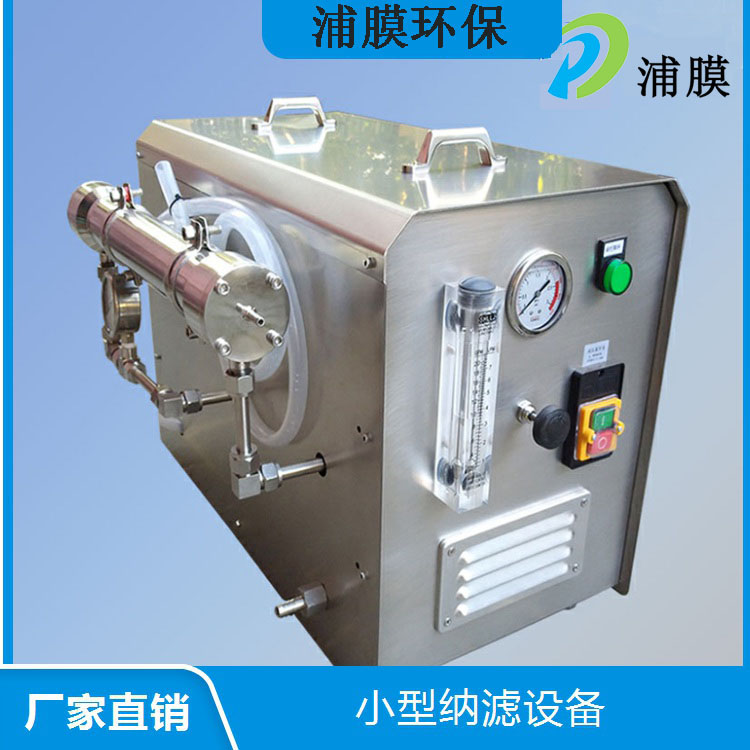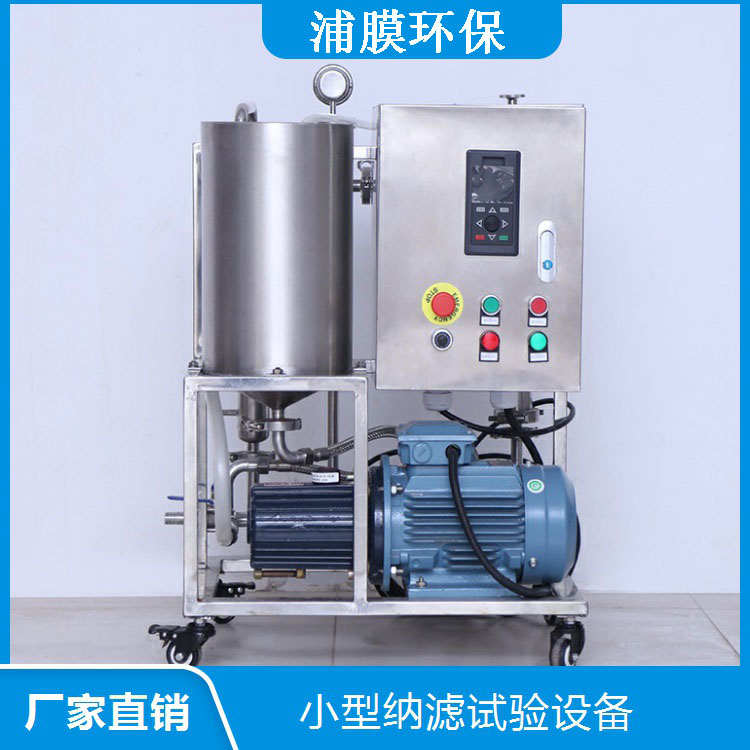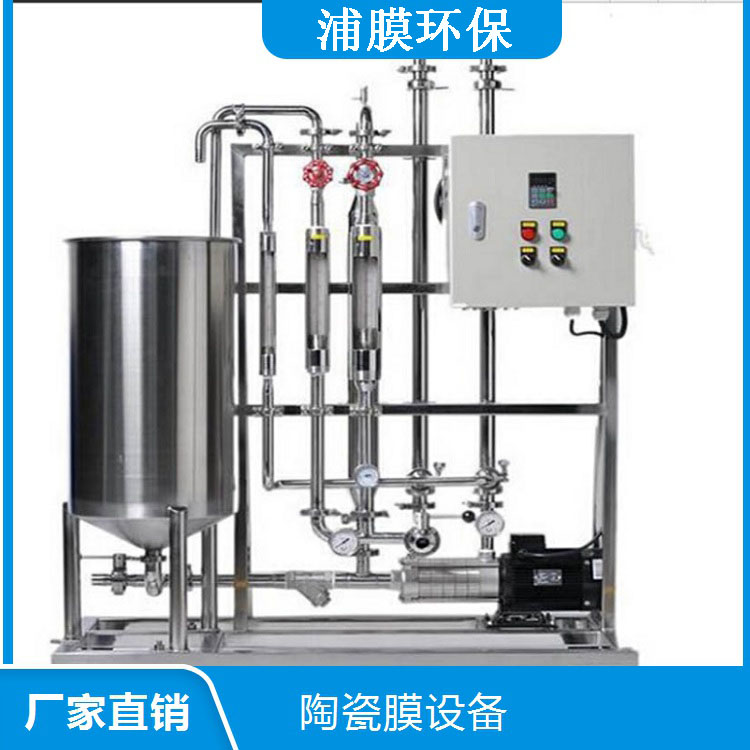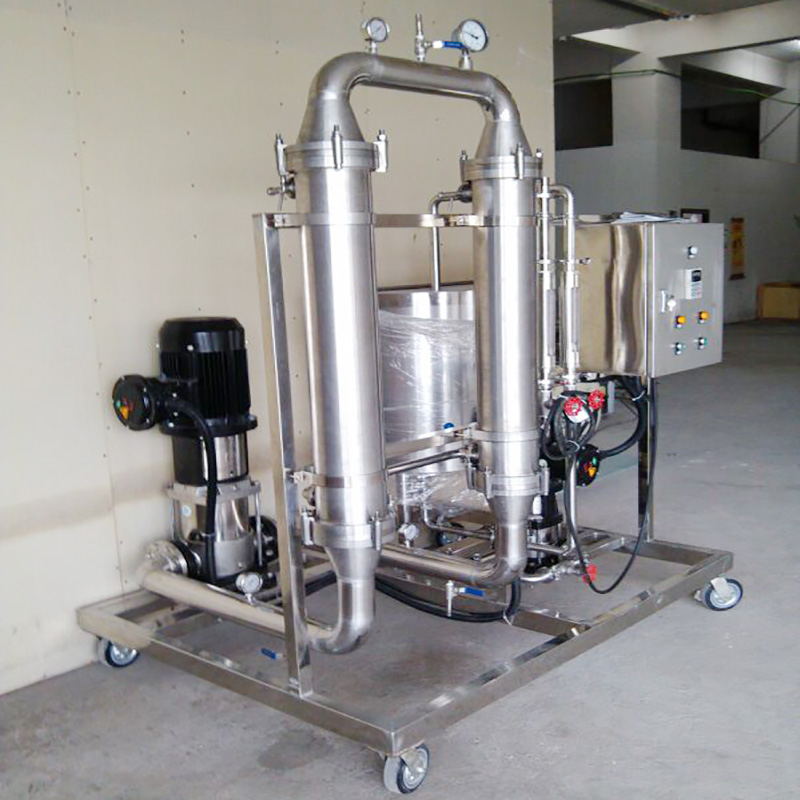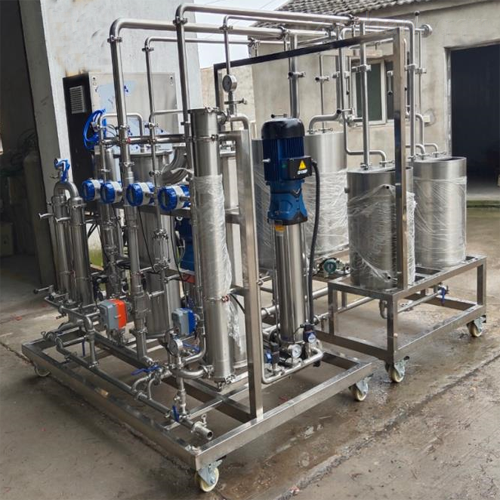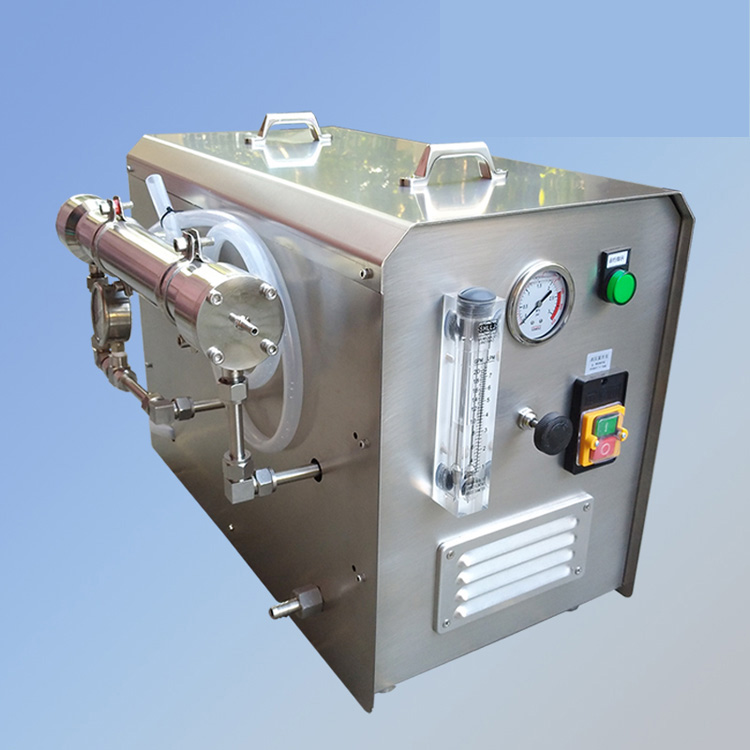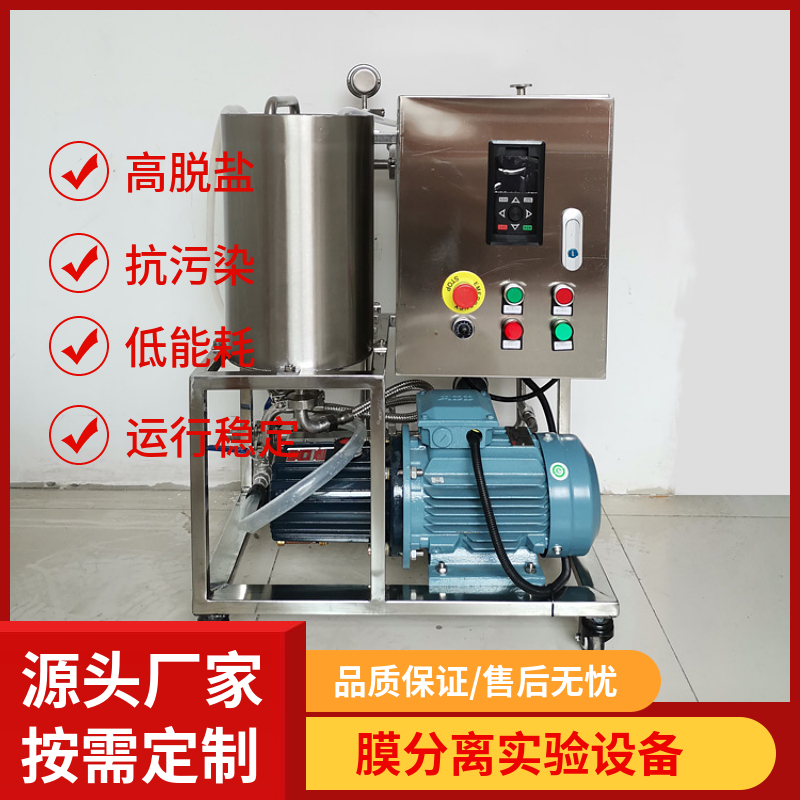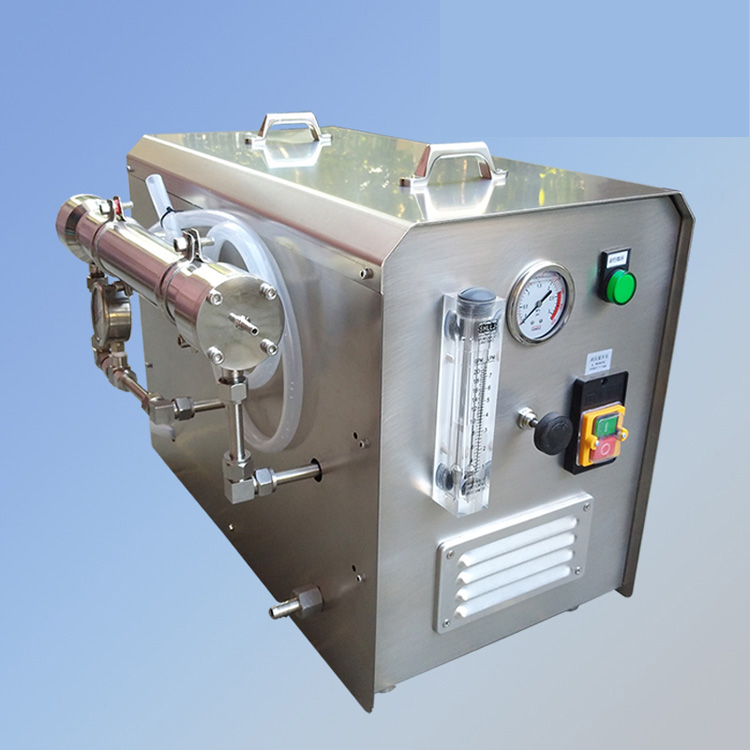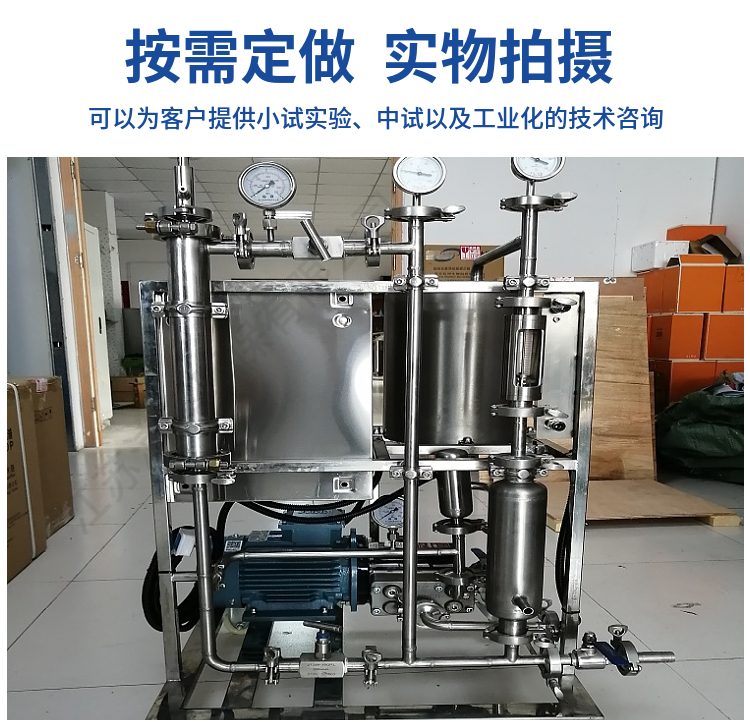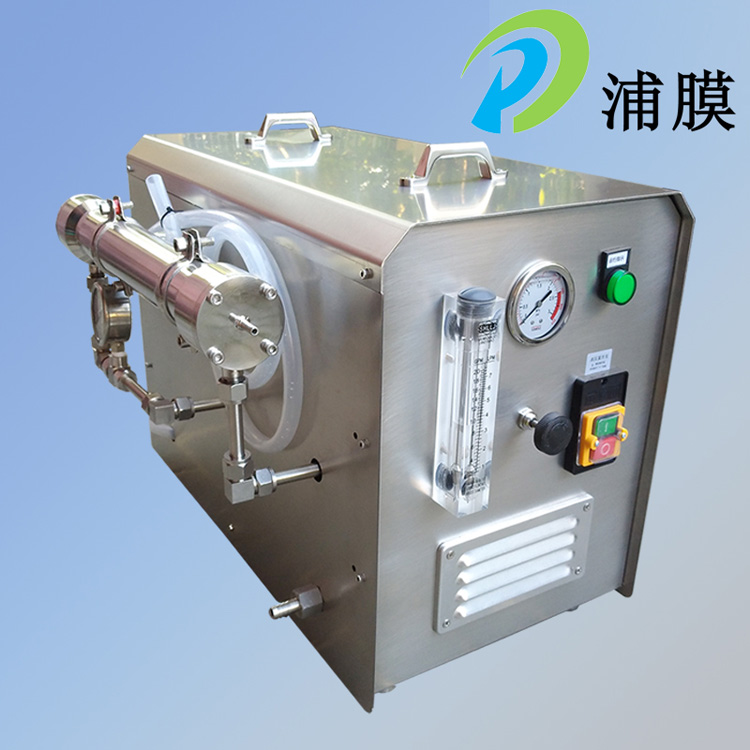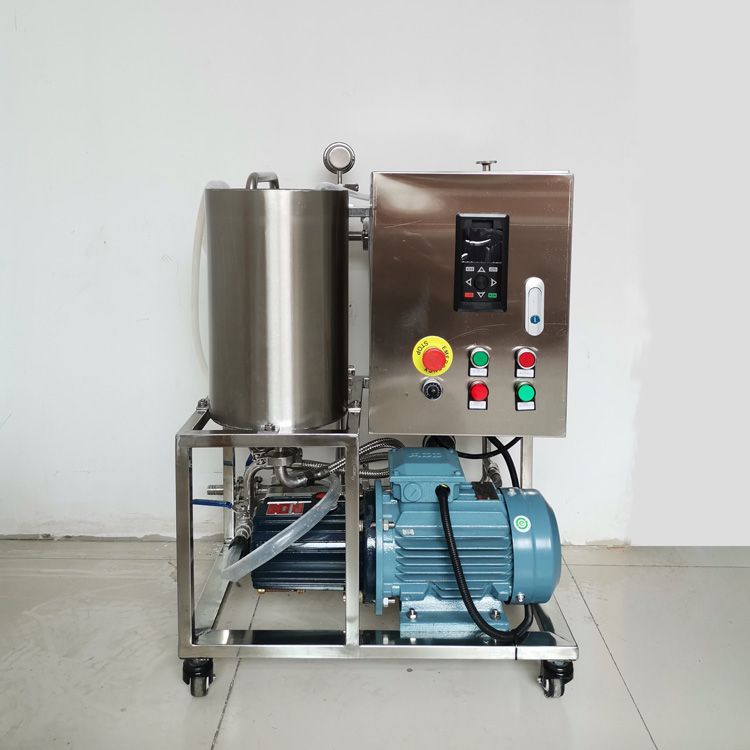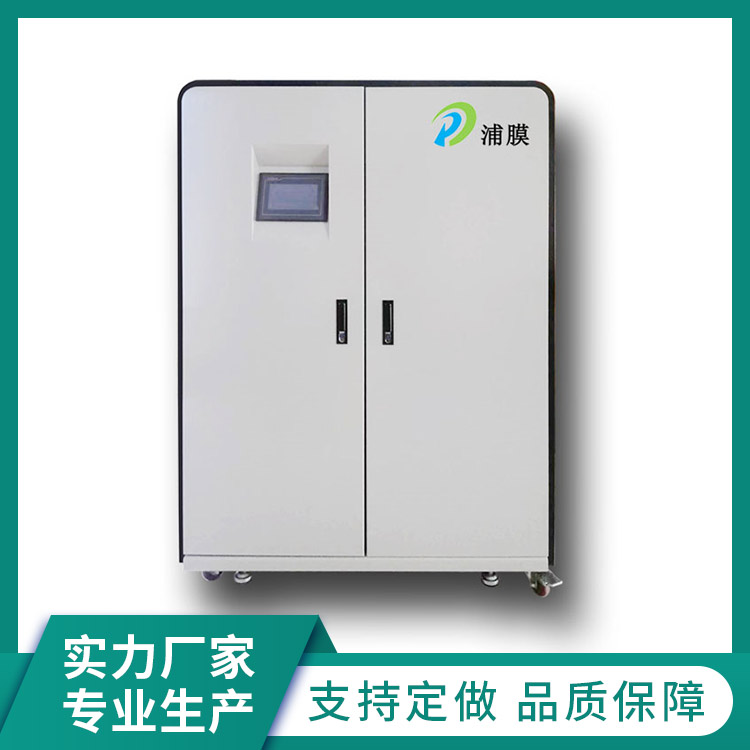

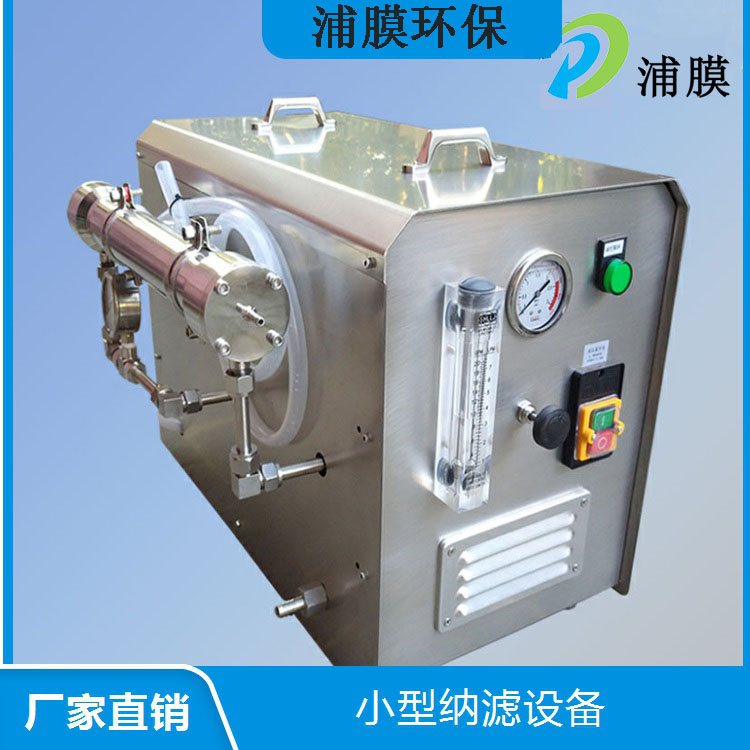

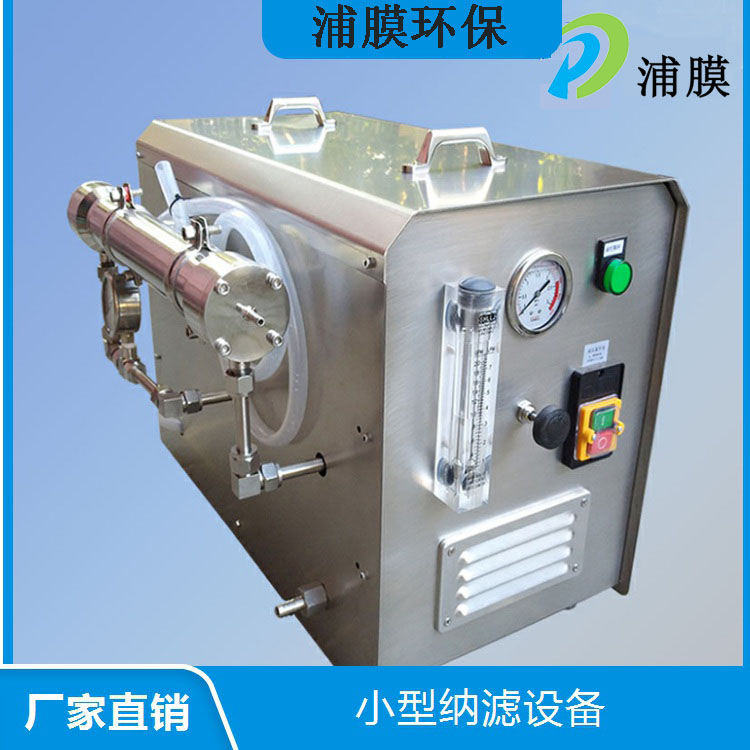
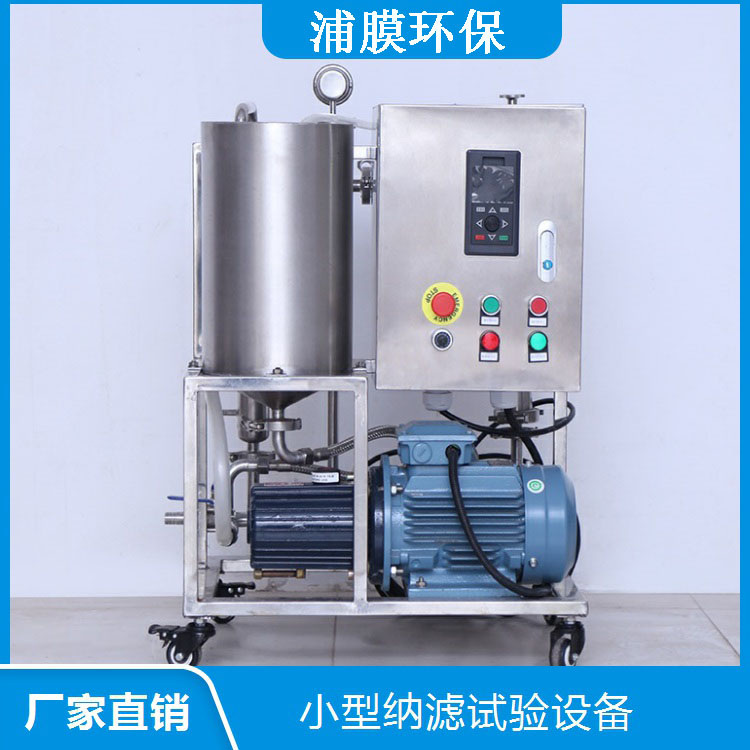
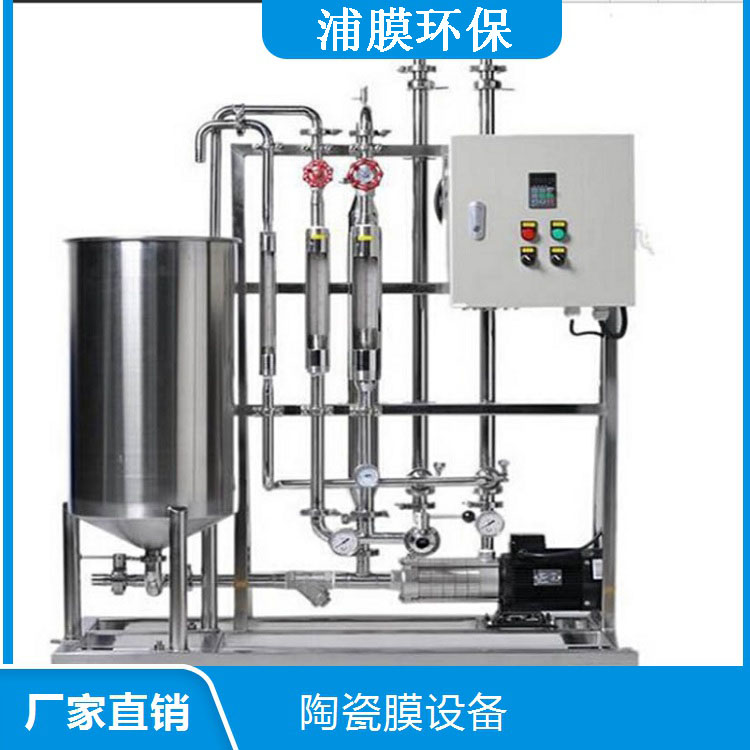


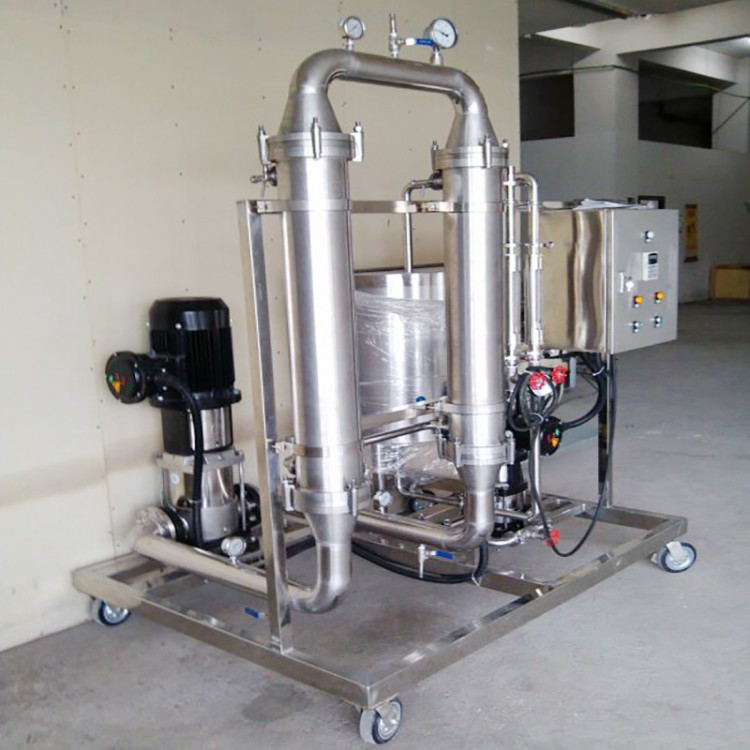







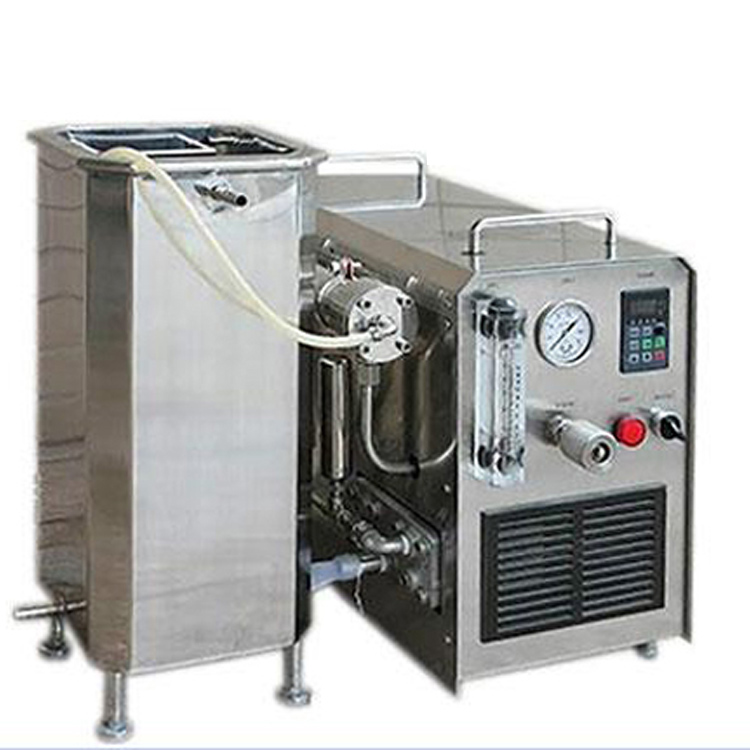
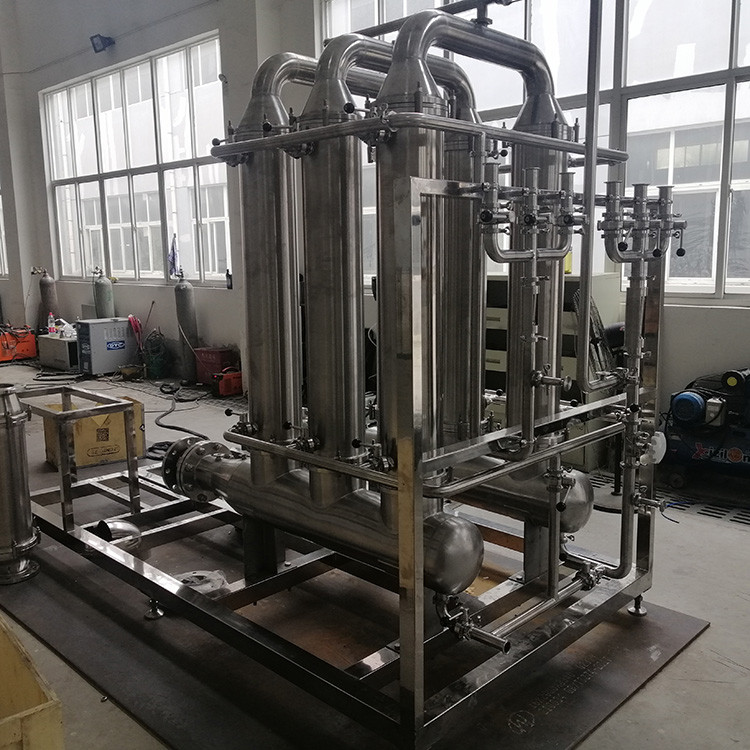
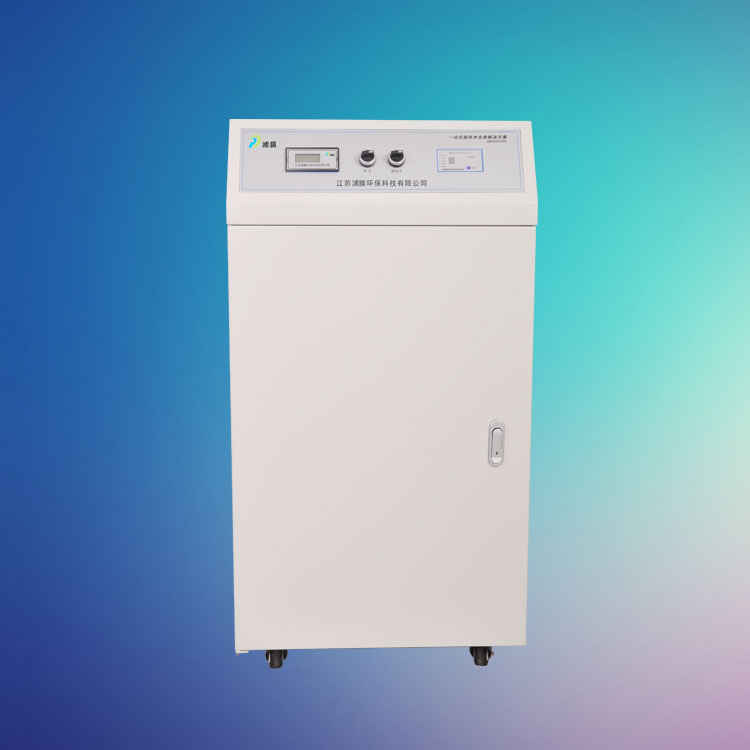
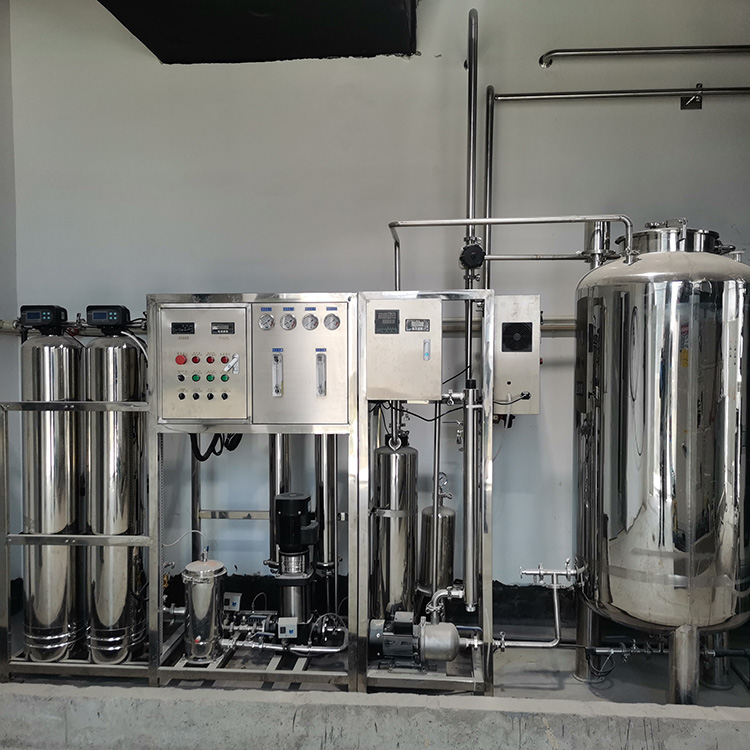
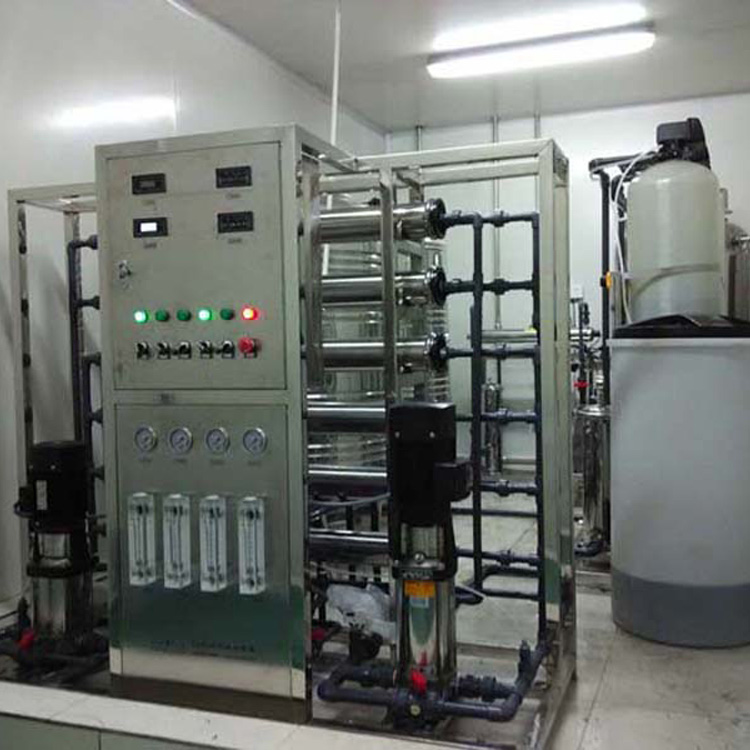
Ceramic membrane equipment consists of membrane components made from ceramic materials, characterized by their microporous structure and chemical stability, enabling efficient separation and purification. By subjecting solutions to pressure-driven processes, ceramic membrane equipment separates substances based on their molecular size or other properties, thereby purifying and concentrating liquids or gases. The varying pore sizes and shapes of ceramic materials cater to different application scenarios, such as ultrafiltration, microfiltration, and nanofiltration, among others.
Features of Ceramic Membrane Laboratory Equipment:
1. Employing crossflow filtration, with a higher membrane face velocity (3-5 m/s), it reduces the accumulation of pollutants on the membrane surface, enhancing membrane flux.
2. Utilizing imported centrifugal pumps, featuring low noise, high lift, stable pressure, and reliable performance.
3. Excellent chemical stability, acid and alkali resistance, and resistance to organic solvents.
3. Overall, it boasts an attractive and elegant design, excellent stability, easy operation, and a compact operational volume.
4. High separation efficiency, simple separation process, minimal auxiliary equipment, low energy consumption, and easy operation.
5. Strong antimicrobial capability; does not react with microorganisms.
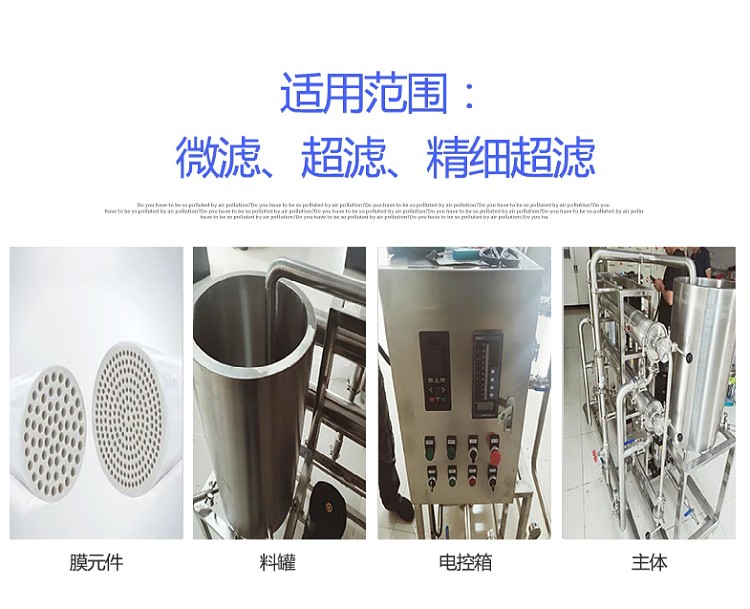
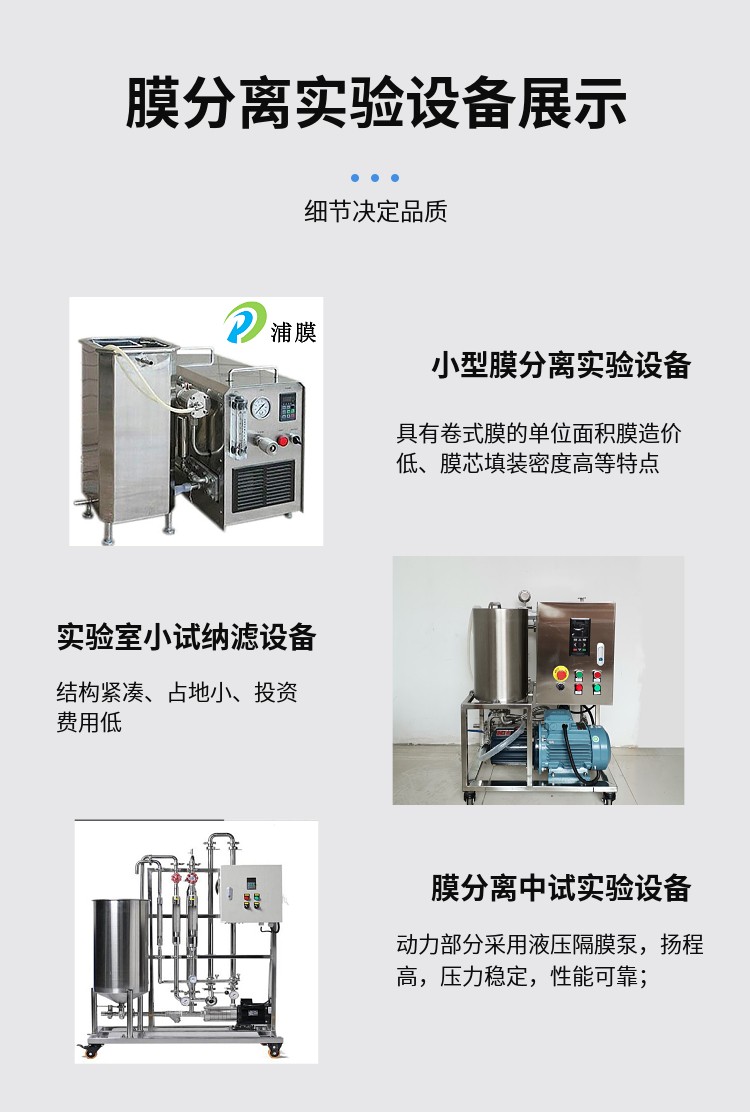
Ceramic Membrane Lab Equipment Applications:
Ceramic membrane equipment finds extensive applications in the industrial sector. Firstly, it is widely used in water treatment, particularly for seawater desalination, drinking water purification, and wastewater treatment. Secondly, in biotechnology, food and beverage, and chemical industries, ceramic membrane equipment is employed for processes such as impurity removal, oligomer separation, and wastewater recovery. Additionally, ceramic membrane equipment can also be utilized in the production processes of electronics, textiles, coatings, and other industries to enhance product purity and quality.
Ceramic Membrane Lab Equipment Specifications and Model:
Our series of equipment comes in dozens of specifications and models, catering to various filtration precision, types of membrane tubes (ceramic or ceramic composite), and can meet the needs of different customers, systems, technical requirements, and treatment volumes.