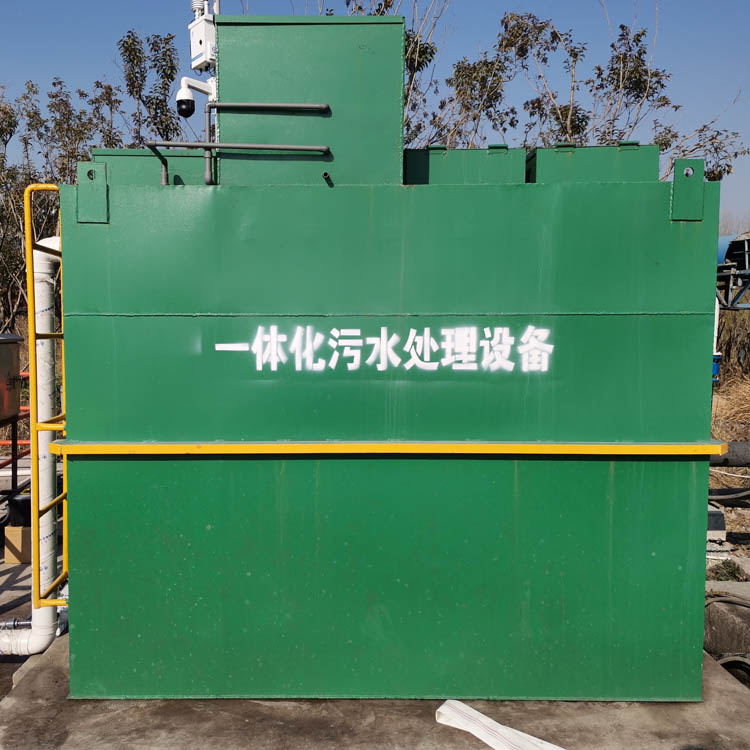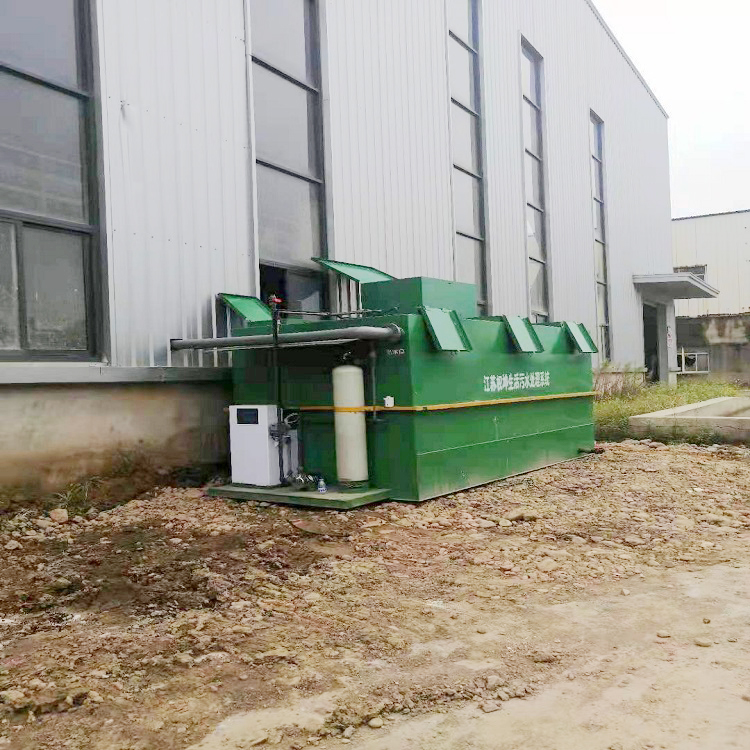

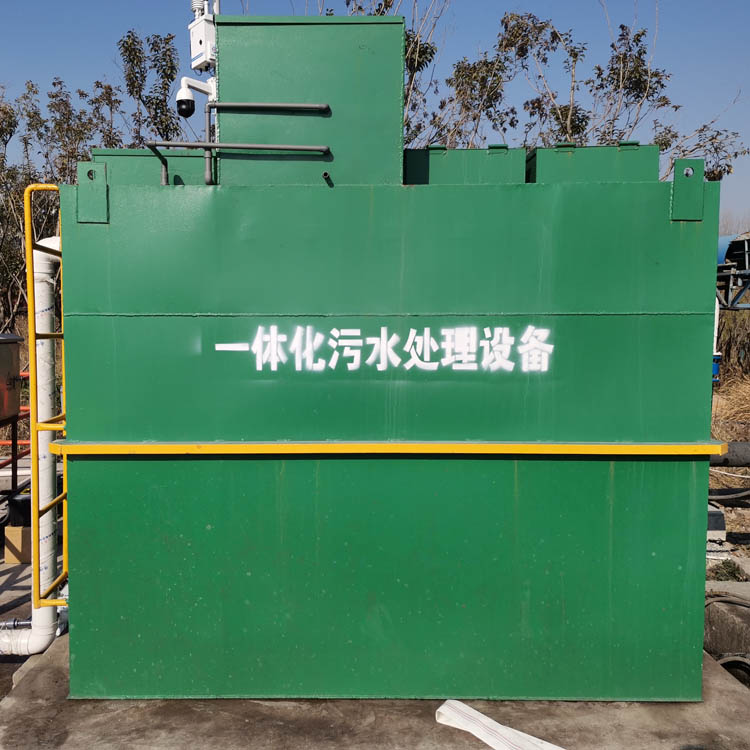

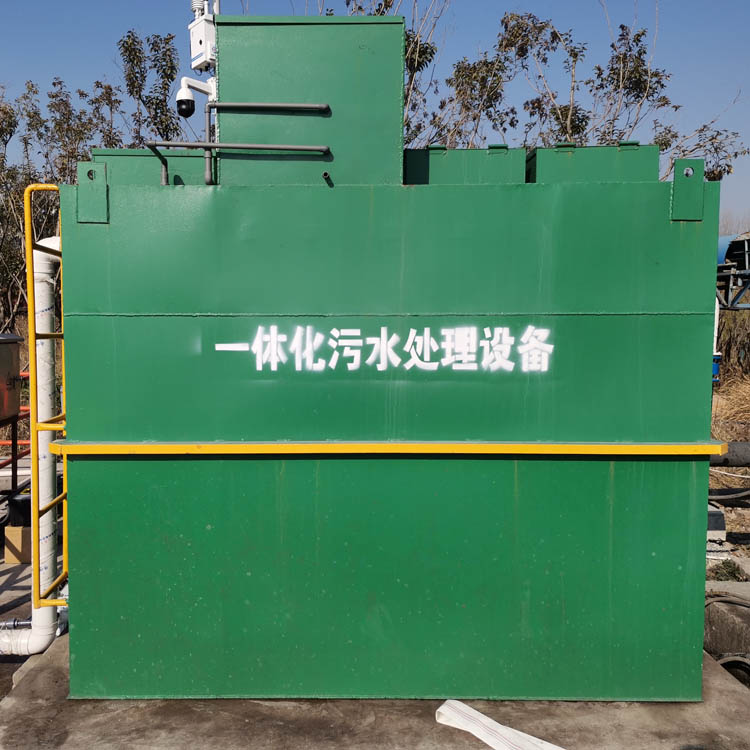
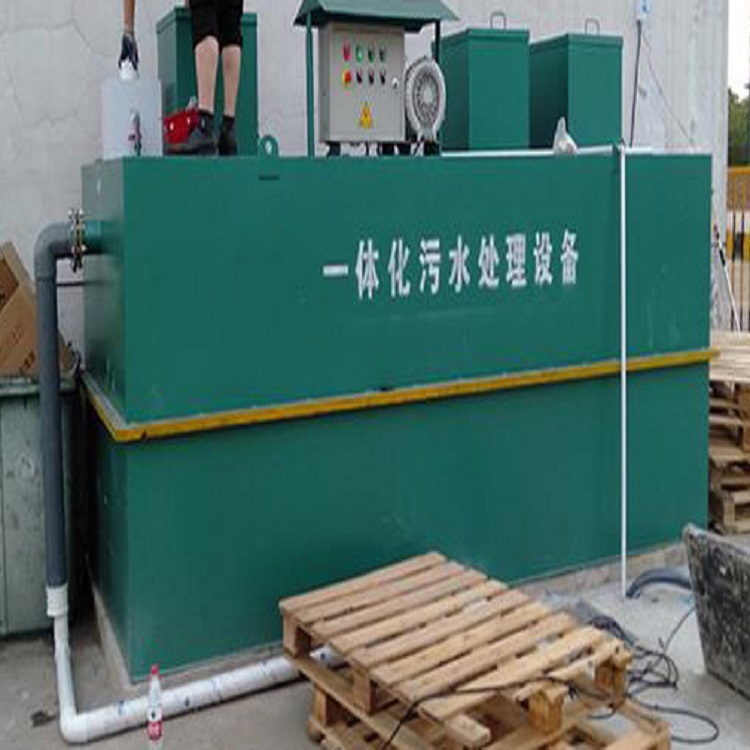
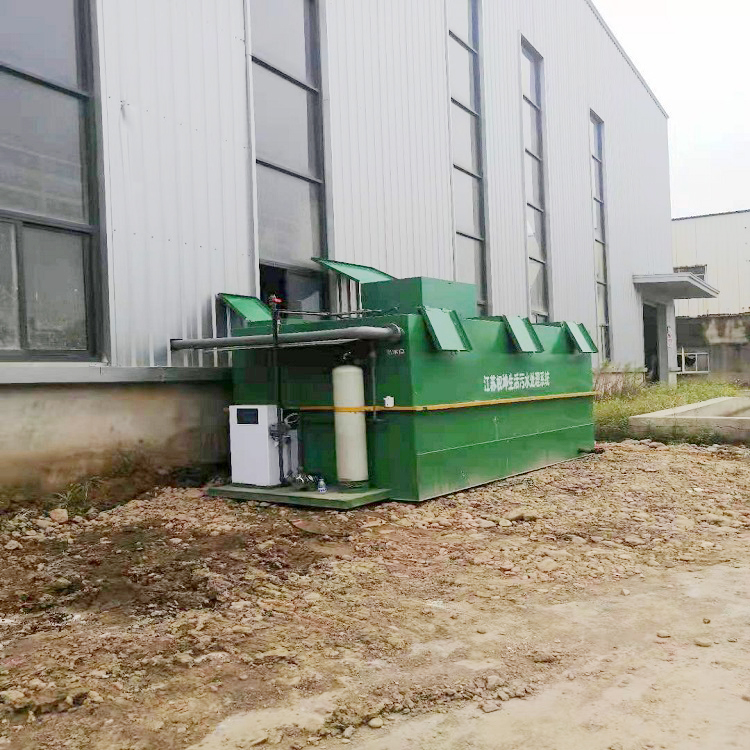







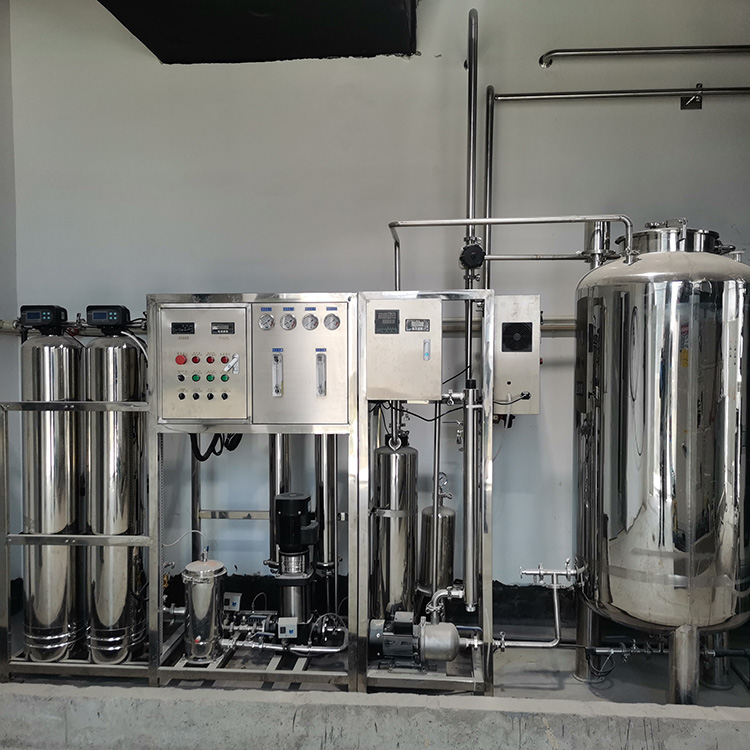
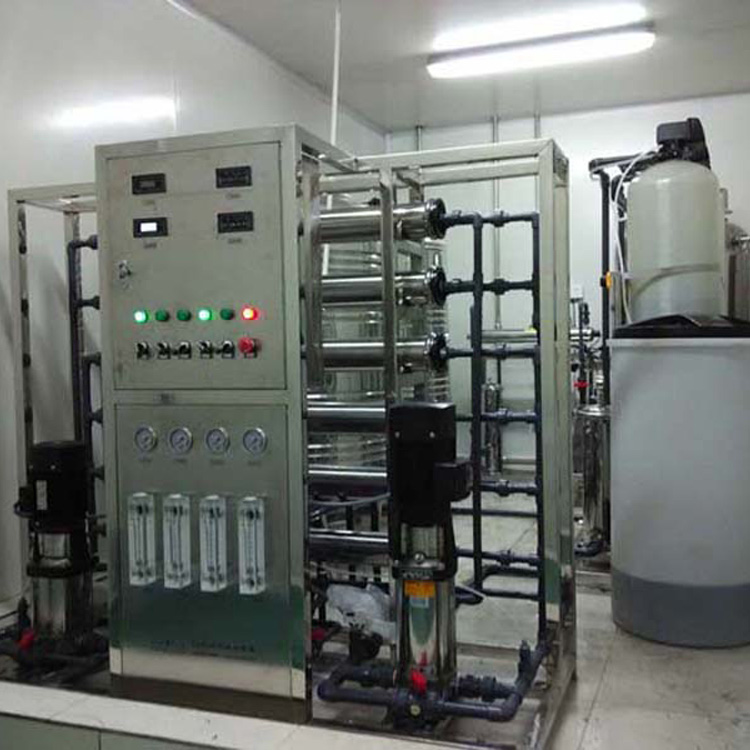
The dyeing and finishing industry is a major water consumer and one of China's key polluting industries. Dyeing and finishing wastewater has long been a focus and challenge in wastewater treatment technology research due to its high volume and difficulty in treatment. At the same time, with the rapid economic development in China, water scarcity has become a limiting factor制约ing the further development of the dyeing and finishing industry. To achieve sustainable development in the industry, the resource recycling and reuse of dyeing and finishing wastewater is a key to reaching this goal.
Operation Principle: The equipment achieves wastewater purification by utilizing the activated sludge process. The principle involves anaerobic and aerobic bacteria consuming organic pollutants in the wastewater through their own life activities. Simultaneously, the biological flocs formed by the microorganisms destabilize and flocculate the suspended and colloidal organic pollutants, adsorbing them onto the surface of the activated sludge, degrading the organic matter, and thus achieving wastewater purification.
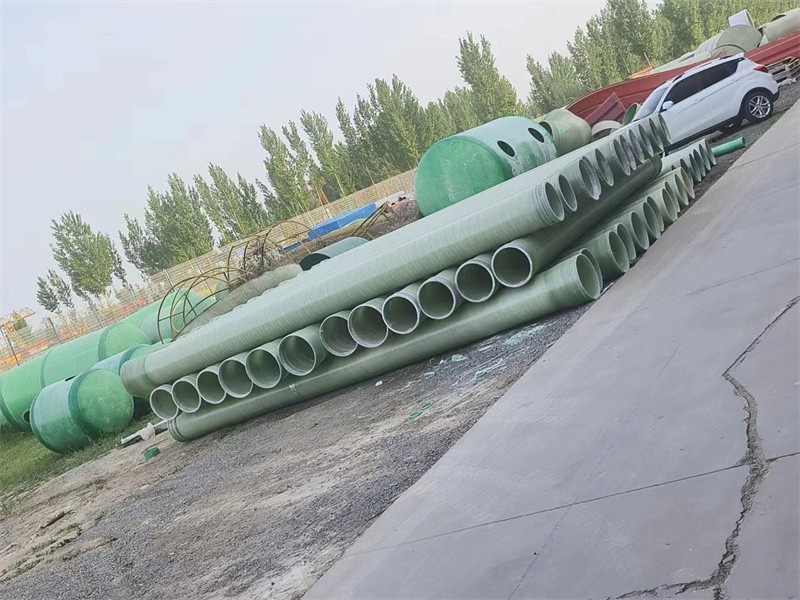
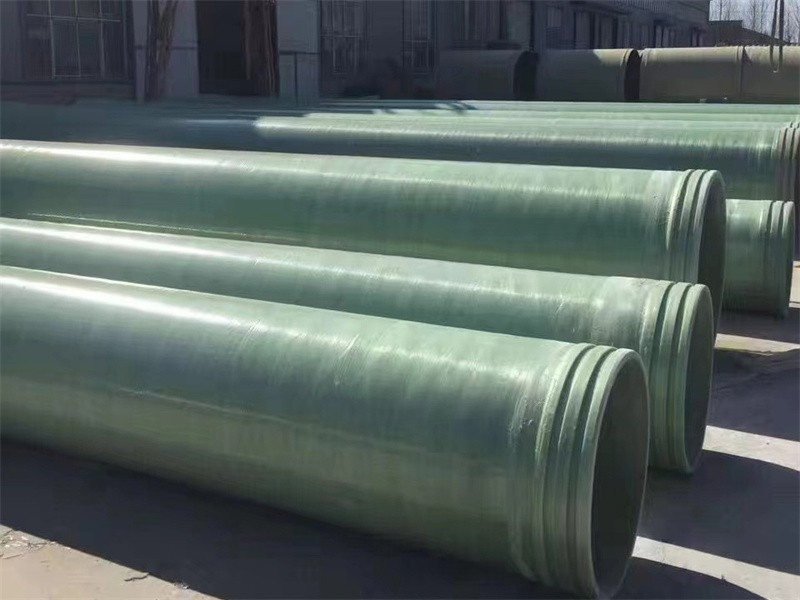
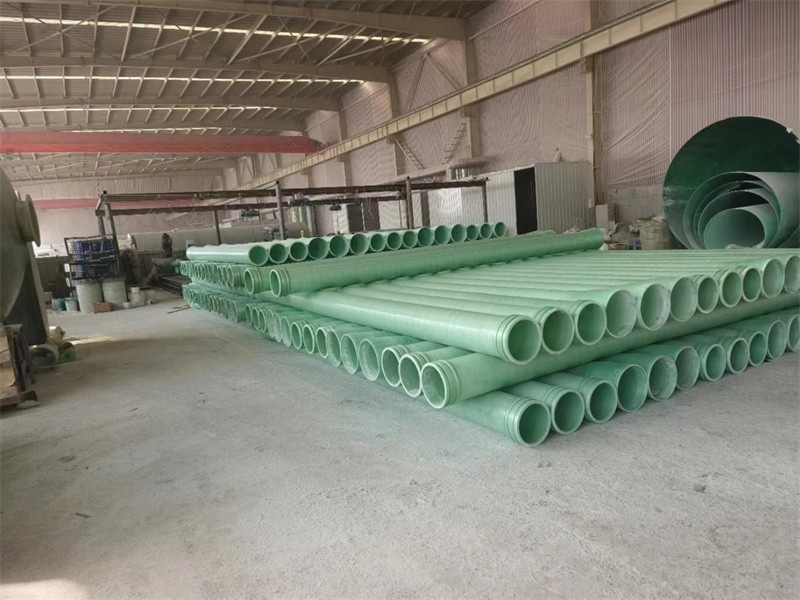
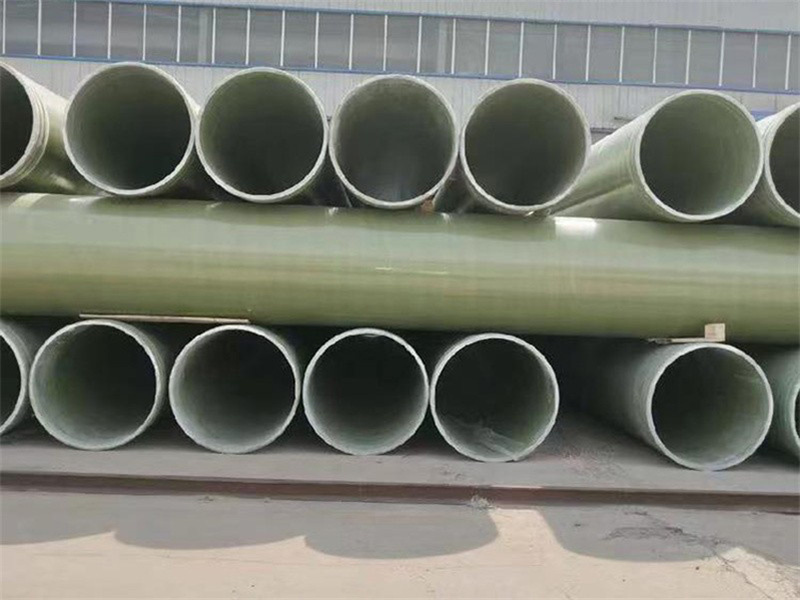
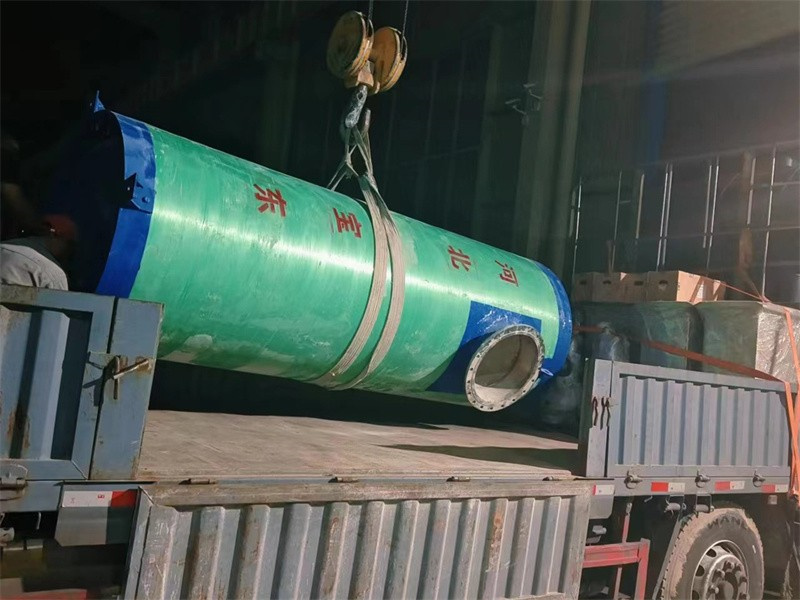
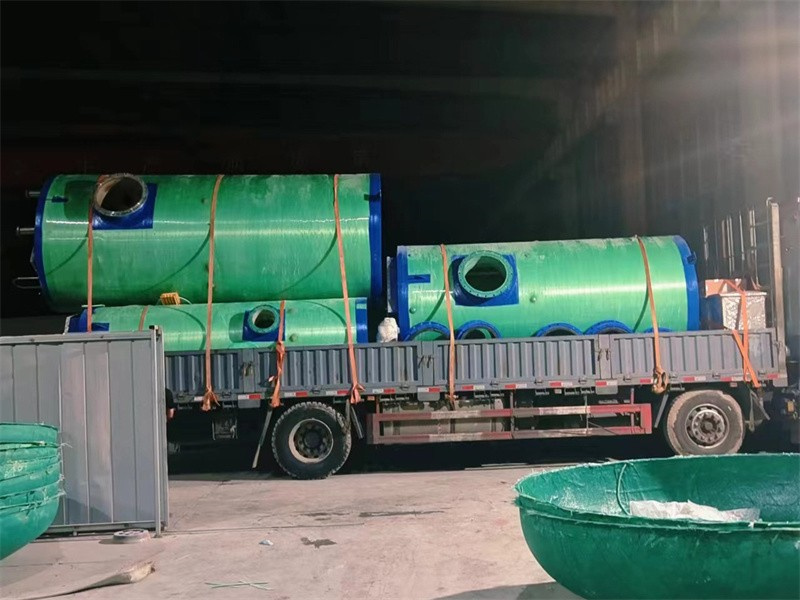
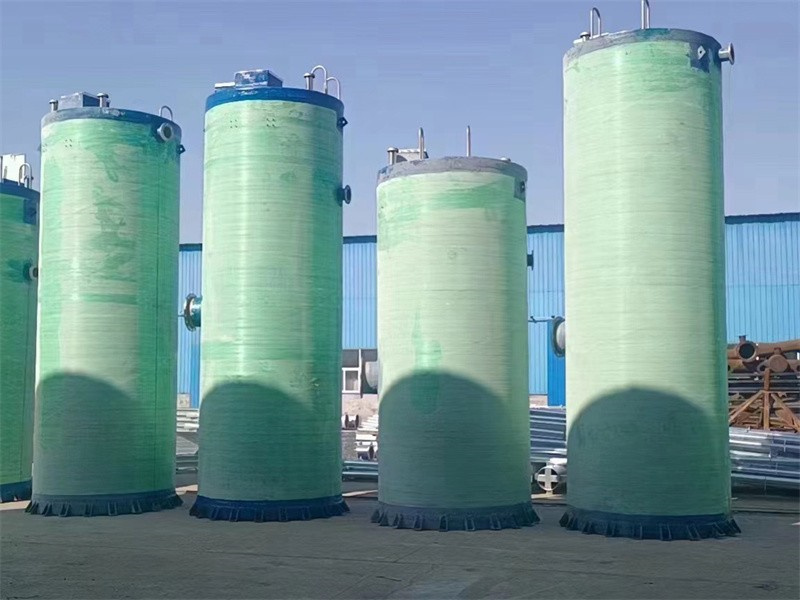
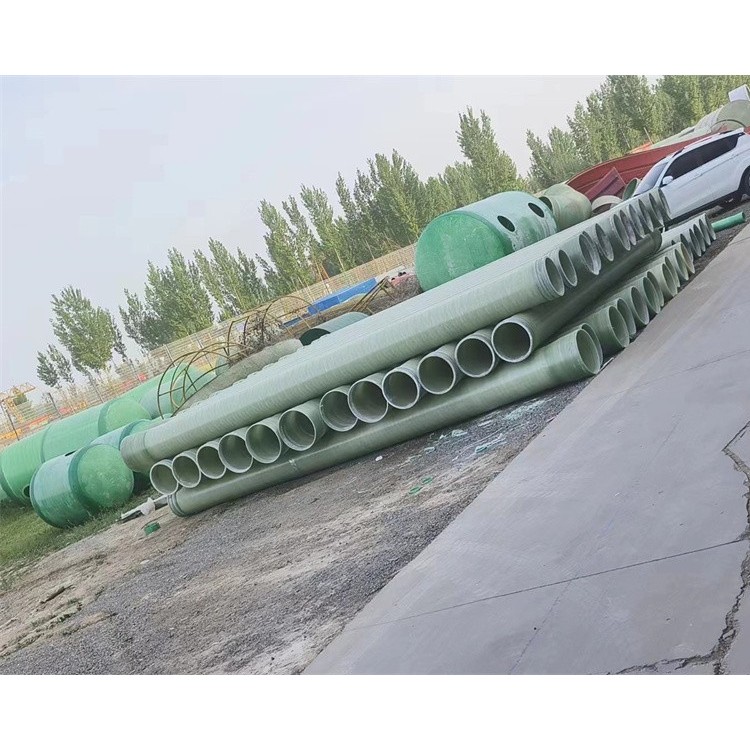
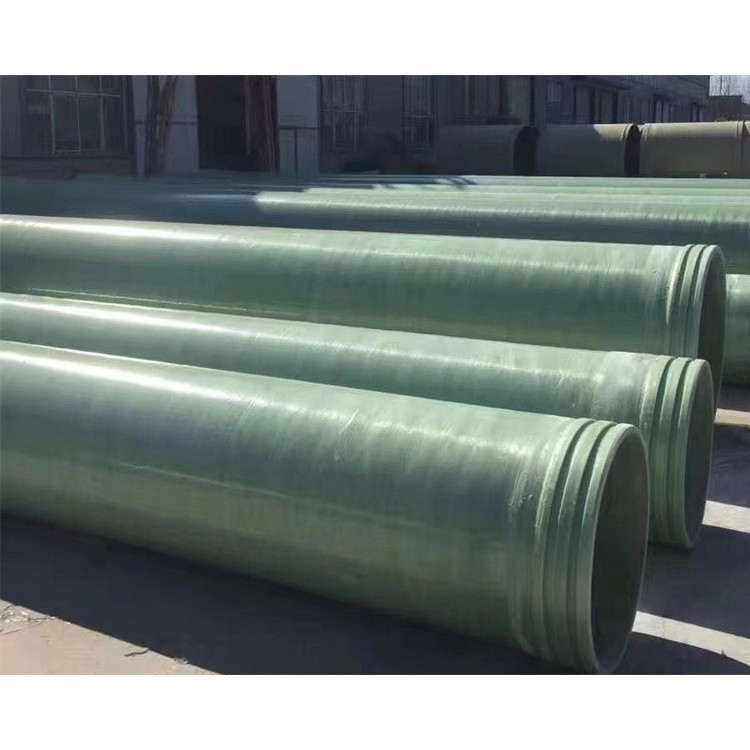
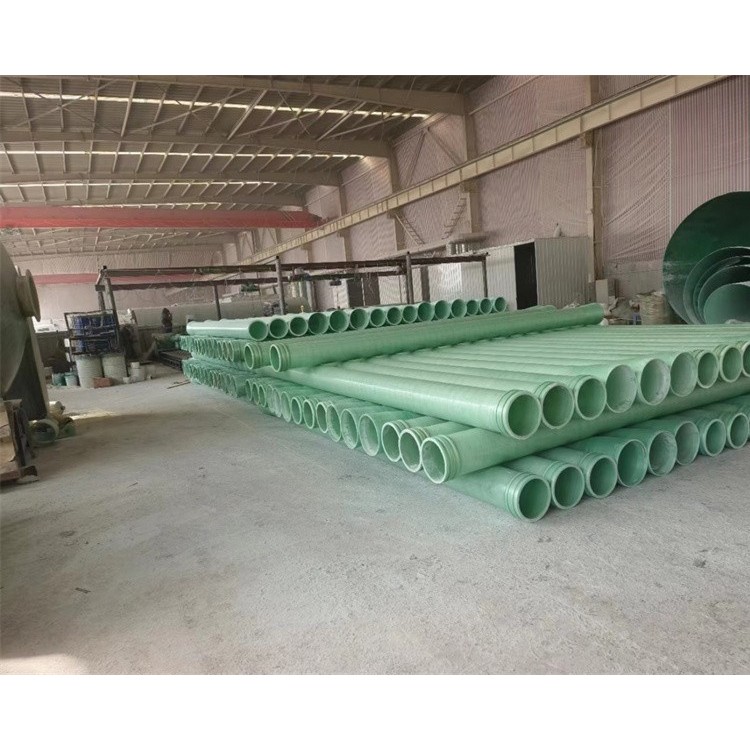
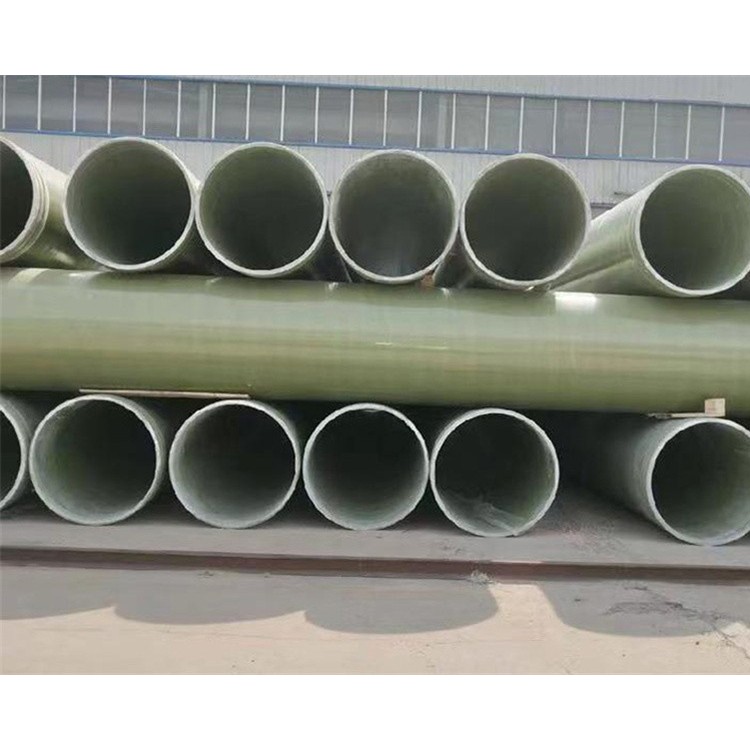
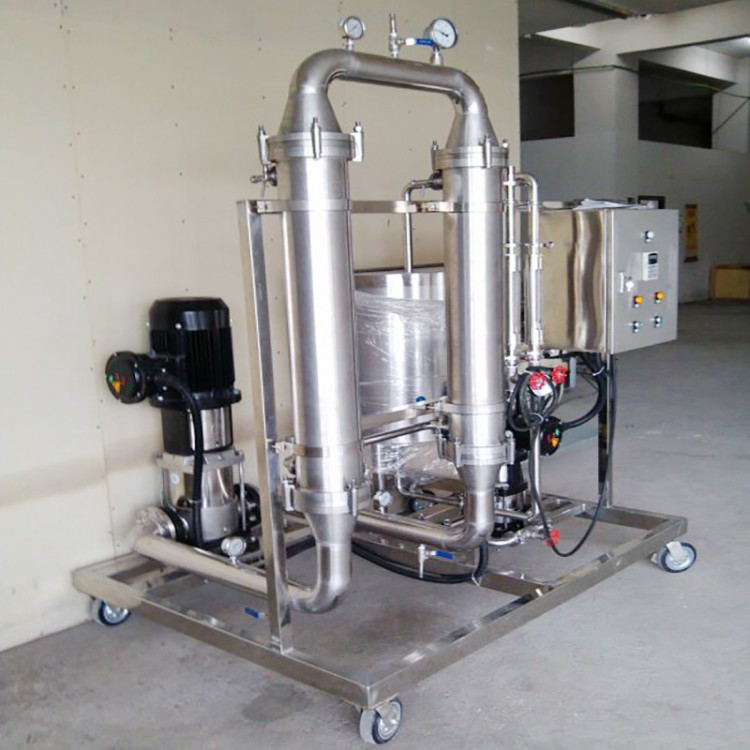
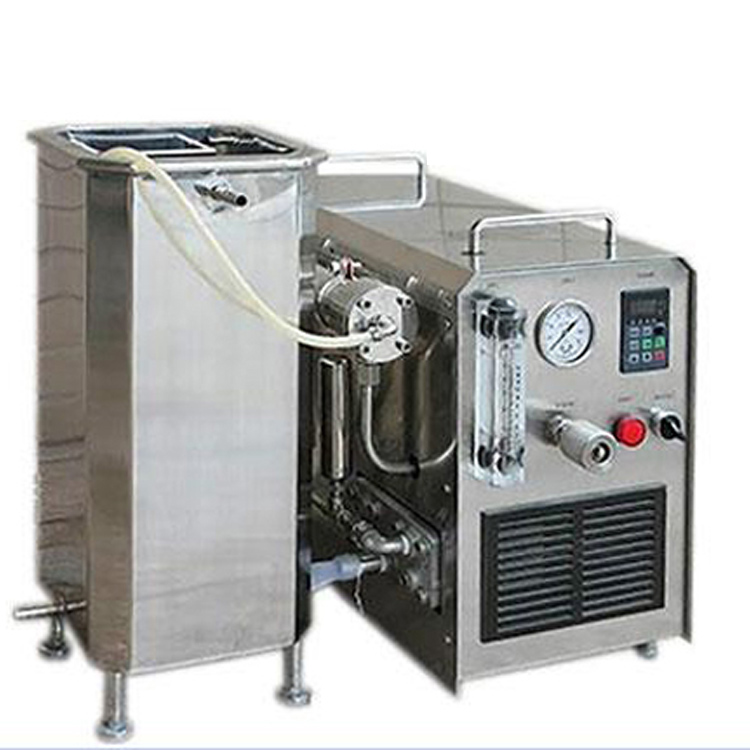
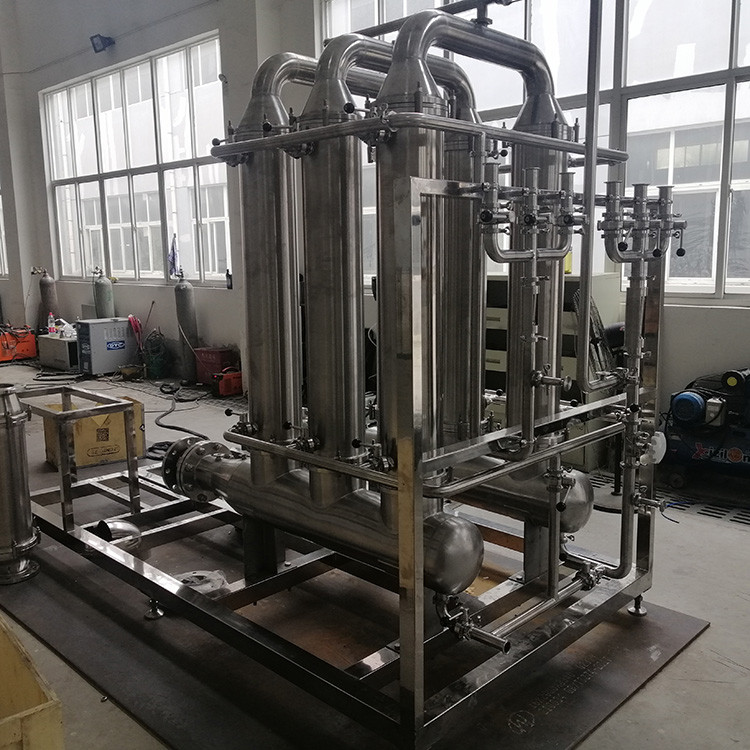
Basic Structure: Composed of corrosion-resistant glass fiber or carbon steel components, the equipment is equipped with underwater aeration, which is propelled by water flow to form a dual-function aeration system. During wastewater treatment, the wastewater flows into the aeration zone from the top of the unit, where the aeration pump underwater aerates and stirs the wastewater. The incoming wastewater quickly mixes thoroughly with the existing mixed liquid, adapting to changes in incoming water quality to a great extent. The aeration pump, through its dual function of water propulsion and underwater aeration, ensures regular circulation of wastewater in the aeration zone, enhancing the dissolved oxygen content. As the wastewater continuously circulates in the aeration zone, the water quality across the zone remains relatively uniform, with similar quantities and characteristics of microorganisms. This ensures that the working conditions of all parts of the aeration zone are nearly identical, controlling the entire biochemical reaction under optimal and consistent conditions. Organic matter is gradually degraded by microorganisms, resulting in the purification of wastewater. High purification efficiency: COD removal rate is between 85% to 90%, and the effluent meets the national "Emission Standard for Pollutants from Textile and Dyeing and Finishing Industry" (GB 4267-92). The effluent can also be further treated to meet the "Water Quality Standard for Recycled Water Used in Landscape and Environmental Water" (GB/T 18921—2002) upon customer request for reuse.
Process Features:
1. The equipment utilizes a biological contact oxidation treatment process, which is smaller in volume than an activated sludge pool, highly adaptable to water quality, excellent in withstanding shock loads, and ensures stable effluent water quality without causing sludge bulking.
2. The filling material has a large specific surface area, which facilitates easy colonization and sloughing off of microorganisms. Under the same organic load conditions, it achieves a high removal rate of organic matter, offering stability and reliability. Additionally, no chemicals need to be added, saving subsequent costs and reducing operating expenses.
3. Hydrolysis and acidification can effectively reduce the color intensity of wastewater, enhance its biodegradability, decrease the subsequent treatment burden, and significantly reduce the amount of decolorizing agents required for later addition, thereby saving investment.
4. Ideal sedimentation effect, resulting in better water quality output.
5. Decolorization treatment, with a decolorization rate exceeding 99.4%, meeting colorimetric emission standards.
6. Properly handle excess sludge to ensure stable and reliable system operation, facilitate sludge discharge, and reduce manual operation.
7. UtilizeThe construction method minimizes odor dispersion to a great extent.
8. Simple operation management, allowing for adjustments to the operational status based on actual conditions for better performance.
9. High purification efficiency with BOD removal rate of 85% to 90%, high chromaticity removal rate, and effluent quality meeting national Grade II or Grade I discharge standards.
10. Capable of treating industrial wastewater from dyeing and finishing processes, as well as similar organic industrial wastewater.
Equipment Advantages:
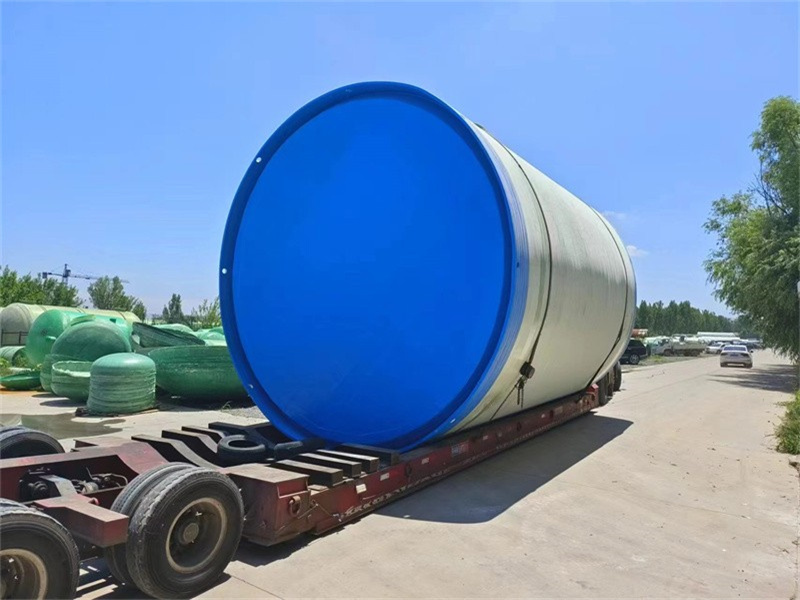
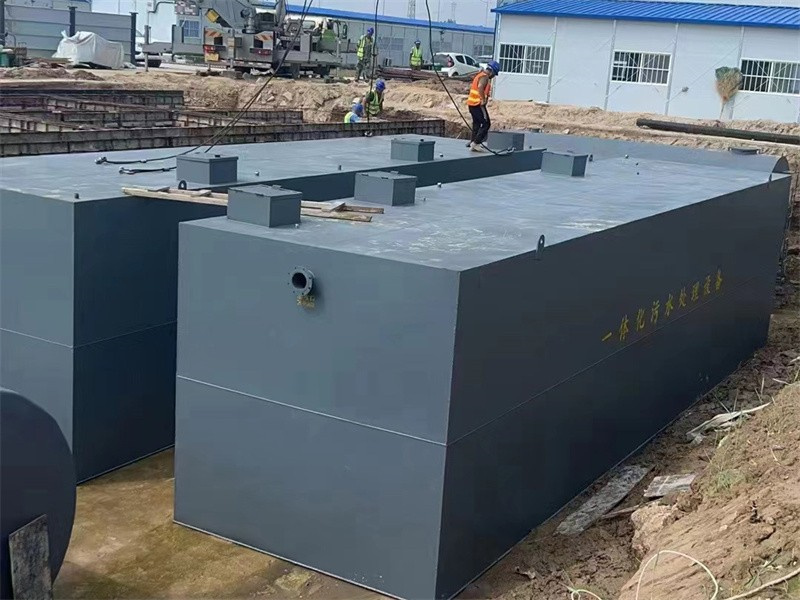
1. Our processing equipment is either coated with carbon steel for corrosion resistance or assembled from stainless steel components, offering lightweight construction for easy transportation and convenient installation.
2. Constructed with glass fiber reinforced plastic, carbon steel, and stainless steel for corrosion resistance, featuring excellent properties like aging resistance, with a service life of over 30 years.
3. Placed below ground level, the surface above the equipment can be used for landscaping or other purposes, without the need for construction or heating/insulation. This maximizes system integration and minimizes land occupation.
4. Pollution-free, noise-free, odor-free, reducing secondary pollution.
5. Unlimited by wastewater volume, flexible and adaptable, can be used individually or in combination with multiple units.
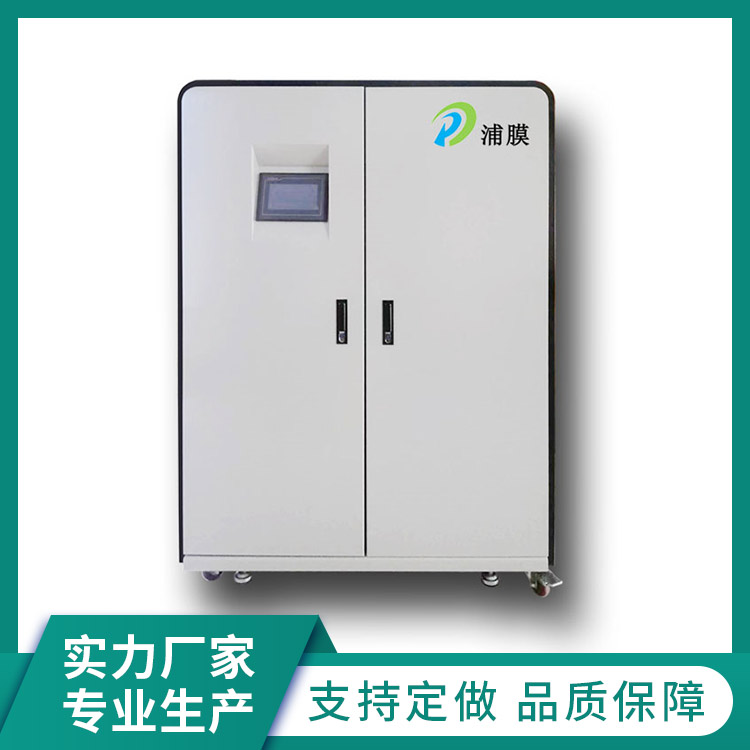
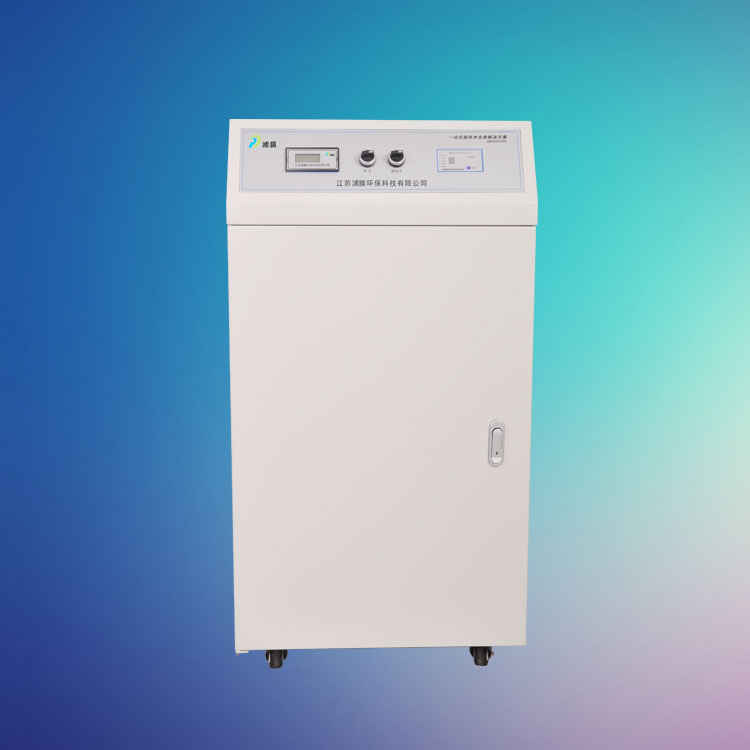
6. The entire equipment processing system is equipped with a fully automatic electrical control system and a device fault alarm system, ensuring safe and reliable operation. Generally, no dedicated personnel management is required, with only timely maintenance and care for the equipment necessary, keeping management costs low.
7. The feature is that the wastewater treatment project can be designed as a landscape. The integrated equipment buried underground not only ensures excellent effluent quality but also achieves a surface green coverage rate of over 90%. By using cold-resistant, moisture-loving special species or lawns, a water treatment landscape integrating streams, fountains, ponds, and fish ponds can be created, transforming polluted water into clear springs. This not only treats wastewater but also beautifies the environment, fulfilling people's desire to live by the mountains and waters.
Application Range
1. Hotels, restaurants, schools, shopping malls;
2. Residential communities, villages, and townships
3. Train stations, airports, seaport terminals, vessels;
4. factories, mines, tourist attractions, scenic spots;
5. Various industrial organic wastewater similar to domestic sewage.