









Earth's water volume2% is trapped in icebergs, 97% is seawater, and the remaining 1% forms the freshwater supply for humanity. This 1% of freshwater supply must cover daily usage and consumption, as well as meet industrial, municipal, and agricultural demands. Agricultural water usage consumes up to 69% of freshwater, with municipal and industrial water usage accounting for 21% and 10%, respectively. With the rapid growth of the world's population, there is a significantly increased demand for freshwater. Experts say that by 2025, 5.3 billion people will be affected by freshwater scarcity.Faced with the issue of water resource scarcity, research teams worldwide are exploring solutions, with desalination technology being considered one of the more promising methods. Desalination involves removing most of the salt from seawater to produce fresh water, which is water treated to meet standards for drinking or industrial use. It is a technique for increasing the availability of fresh water.
The vast ocean reserves offer almost zero cost for extraction. Desalination production is highly stable, minimally affected by raw material supply and natural climate conditions. The purified desalinated water ensures a stable supply for both industrial and domestic use, contributing to the sustainable development of human society.
China has made significant breakthroughs in key technologies for seawater utilization, such as desalination and direct use of seawater. The technical and economic aspects are becoming increasingly rational, and technological advancements have promoted the scale of China's seawater desalination projects. In terms of production methods, seawater desalination is primarily divided into thermal and membrane processes. Commercially applied technologies internationally include reverse osmosis, multi-stage flash, and low-temperature multi-effect, with their proportions of total capacity being, respectively:65%, 21%, and 7%. It is evident that reverse osmosis is the primary method for obtaining fresh water from seawater.
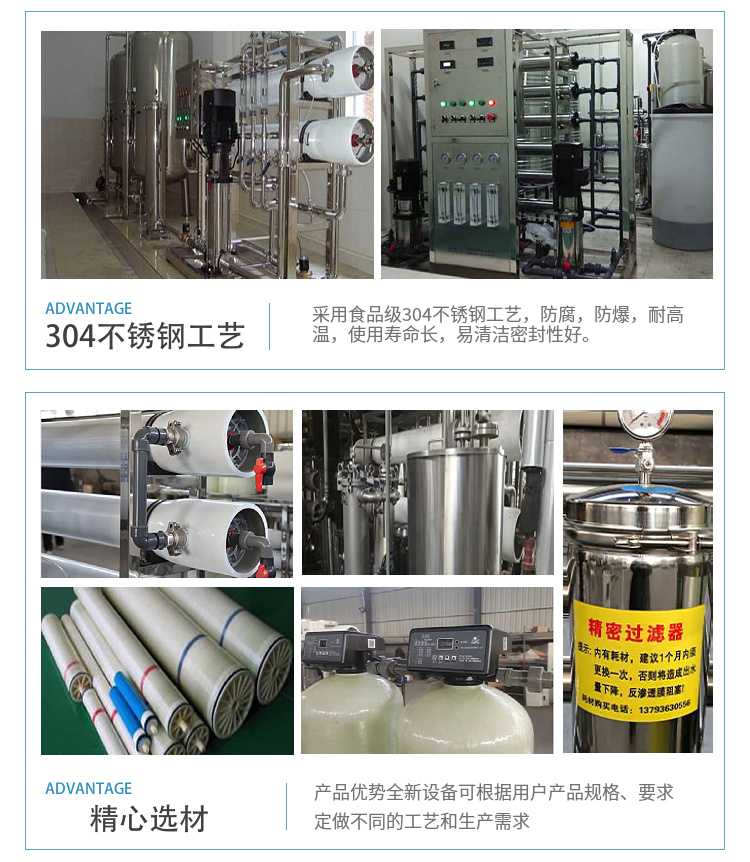
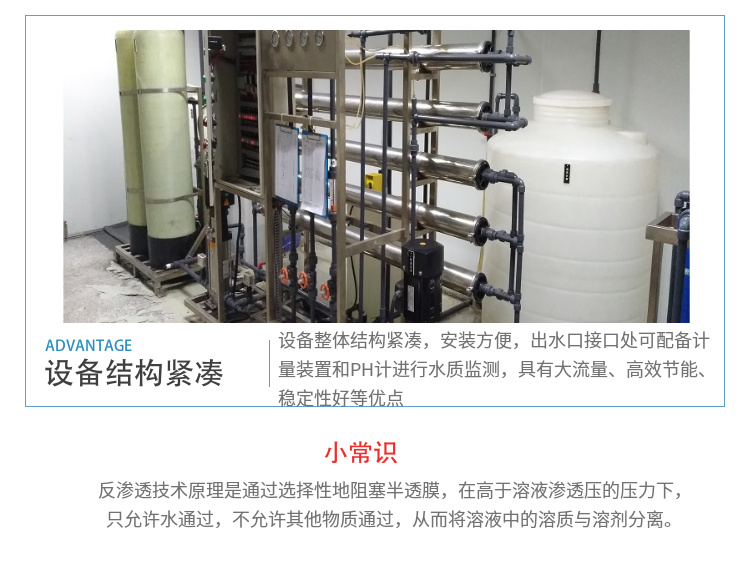
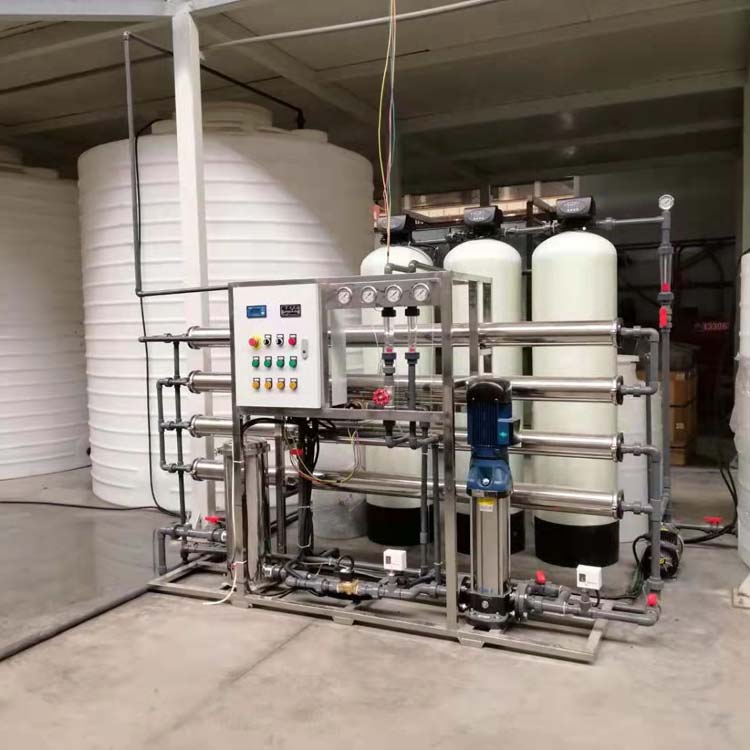
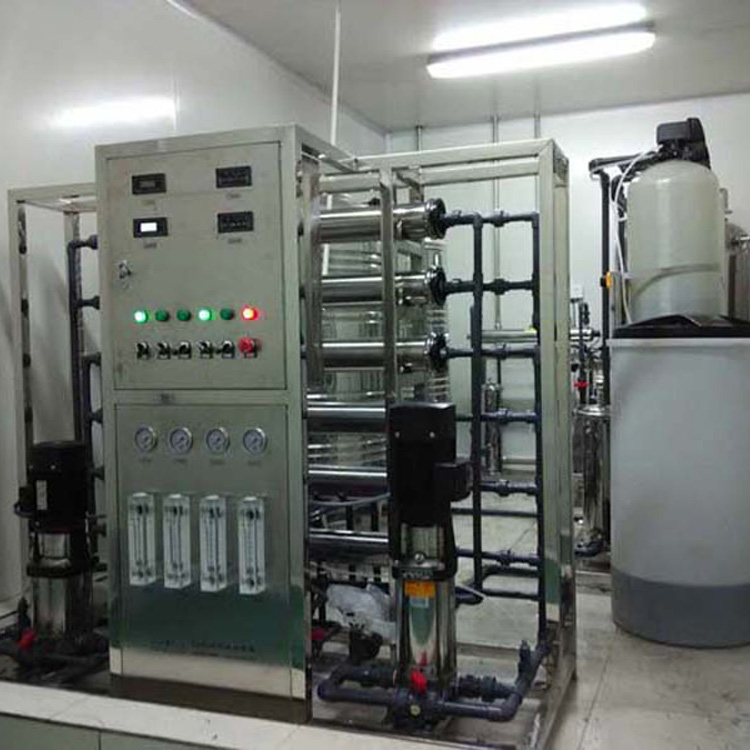
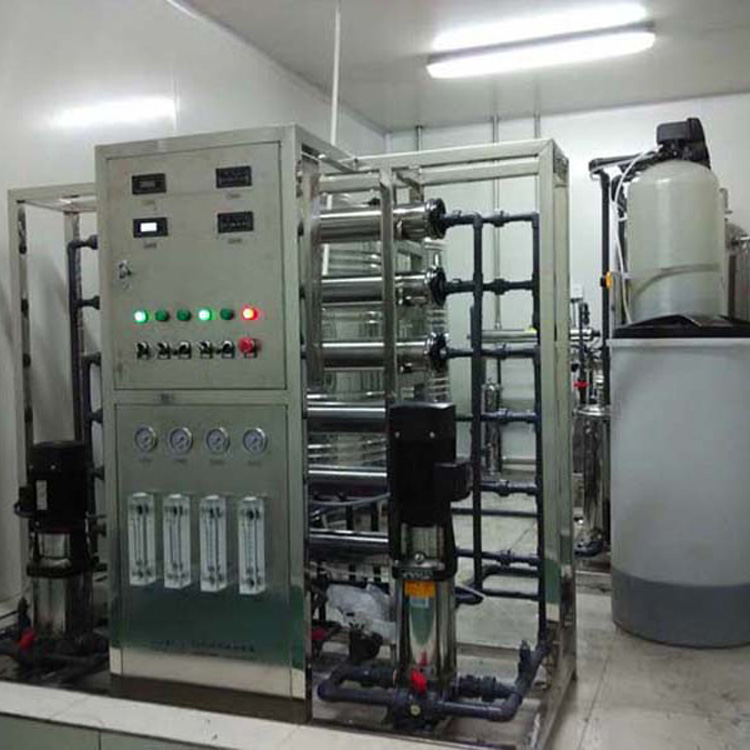
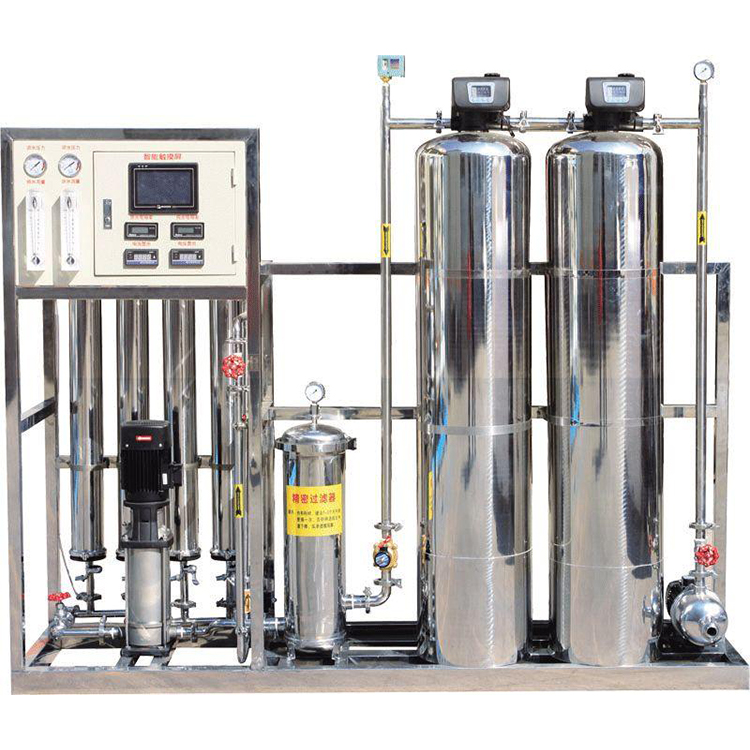
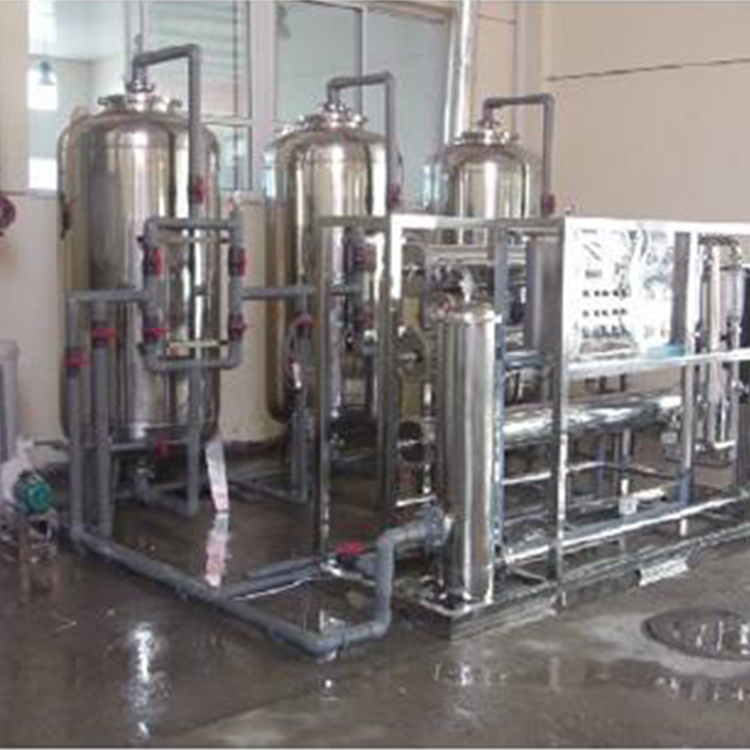
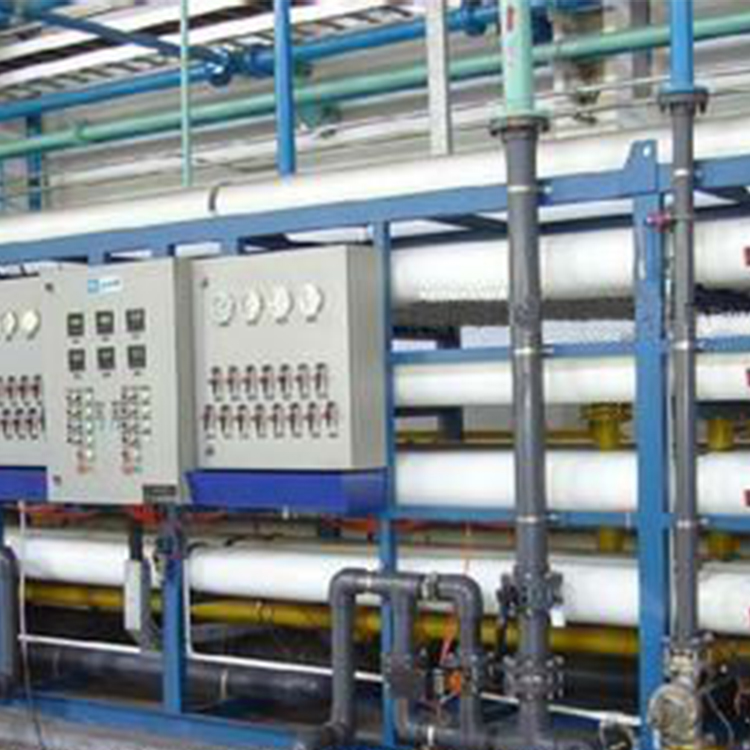
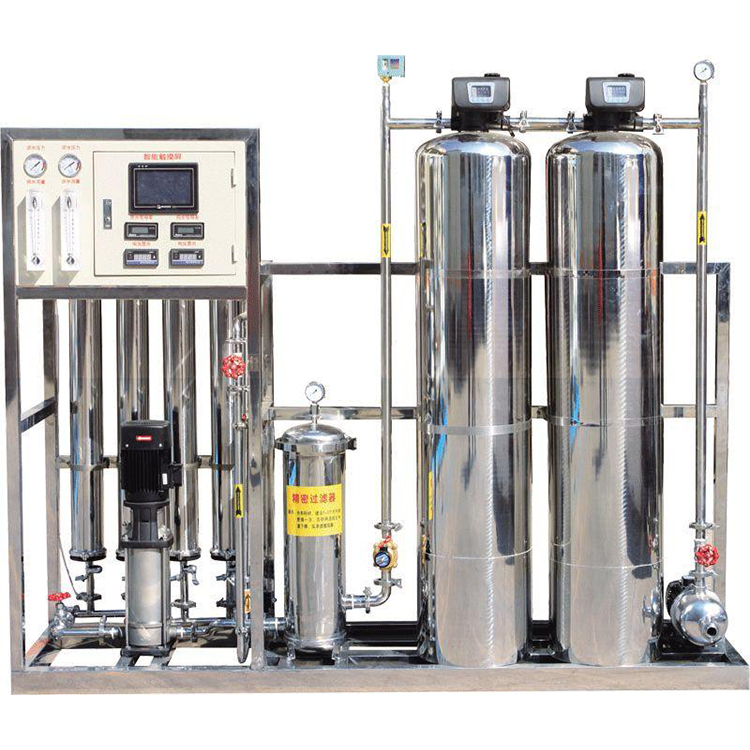
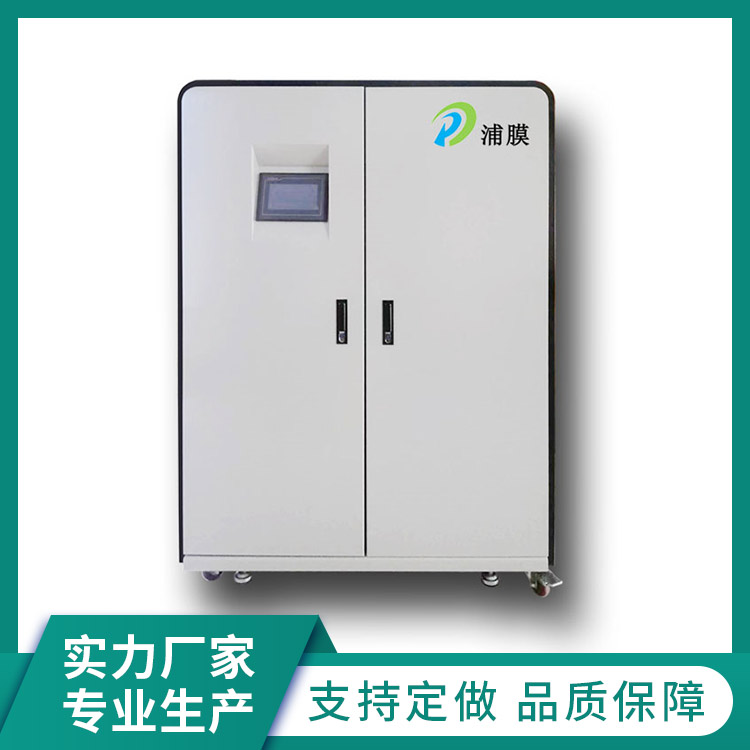
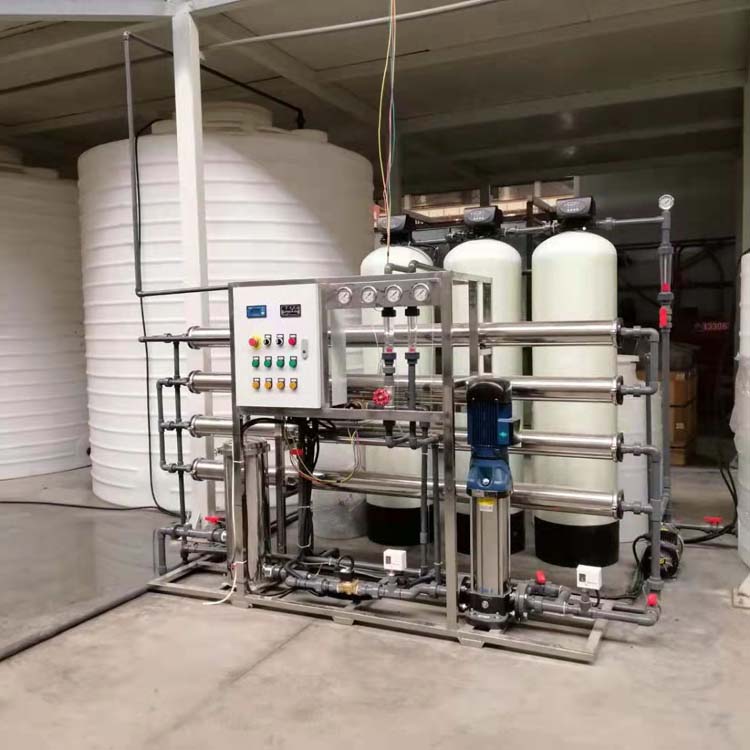
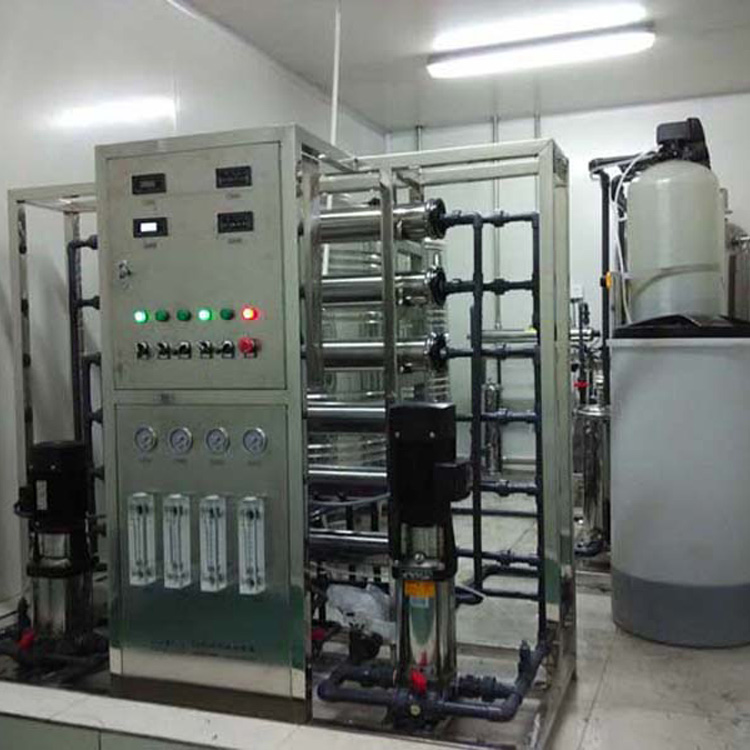
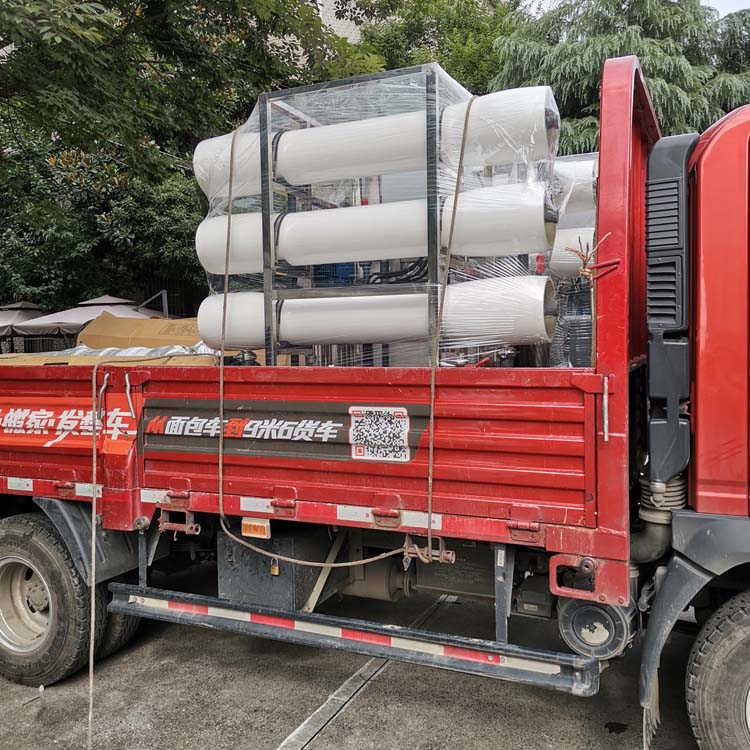
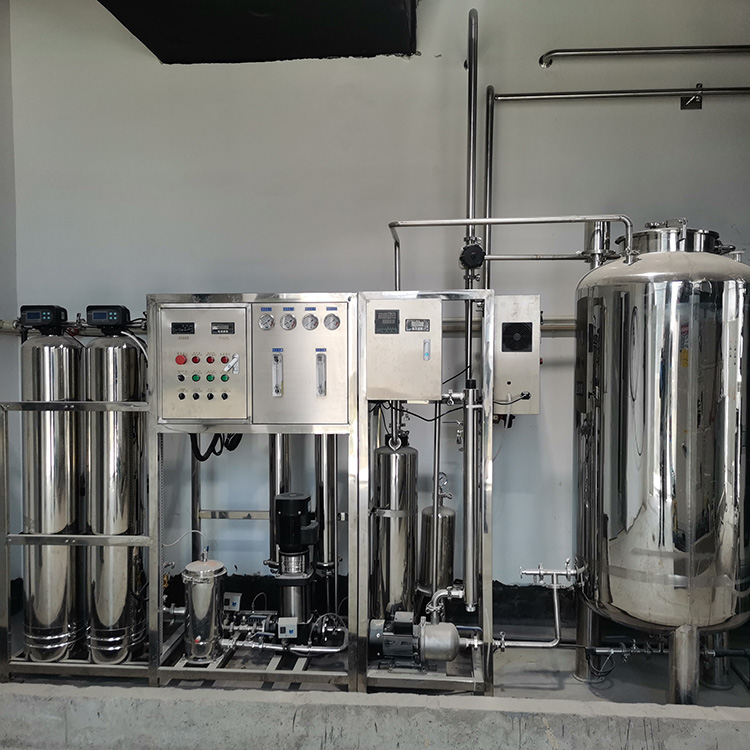
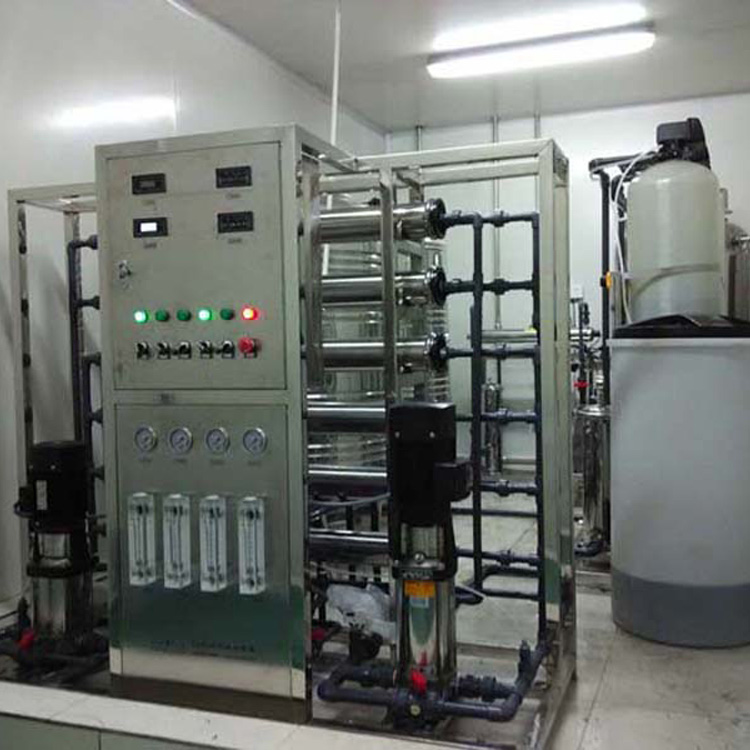
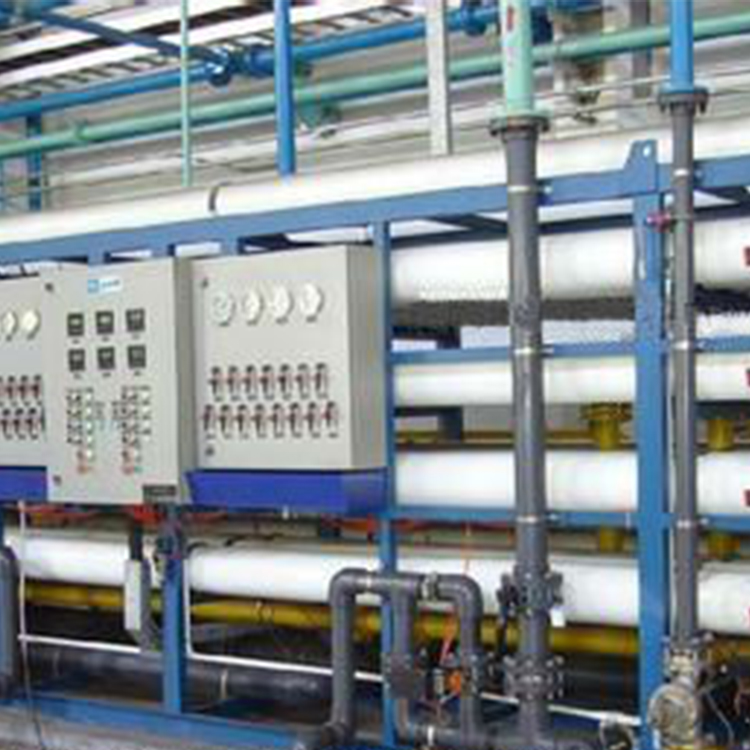
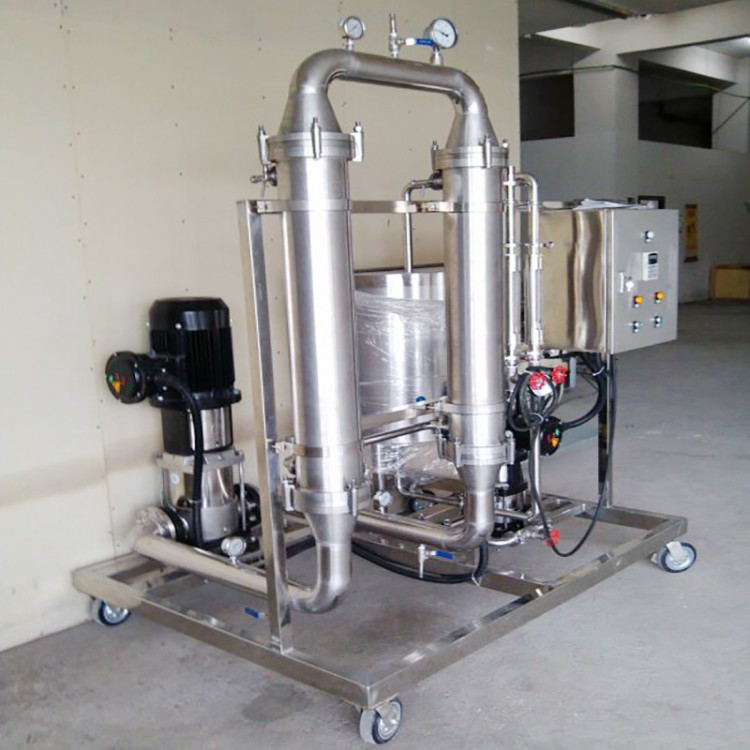
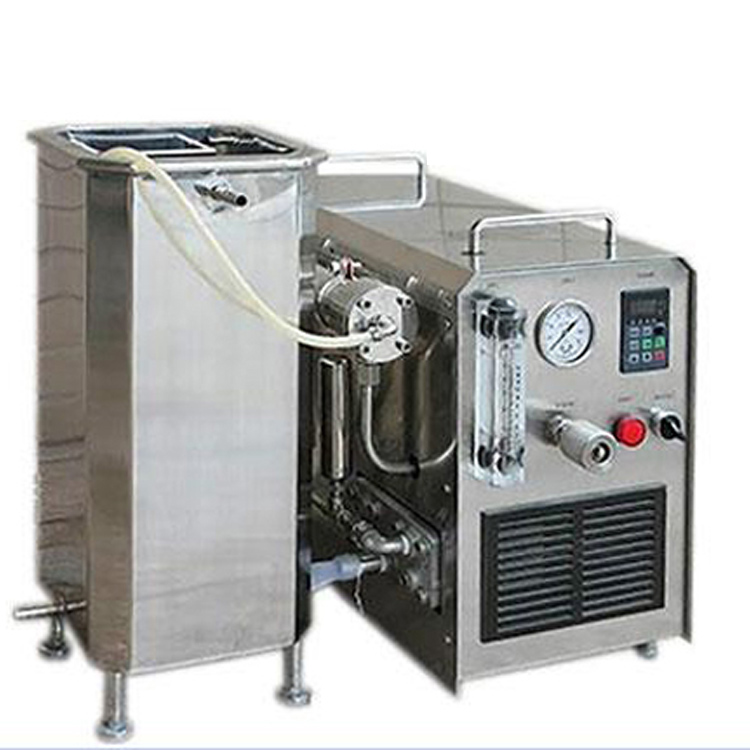
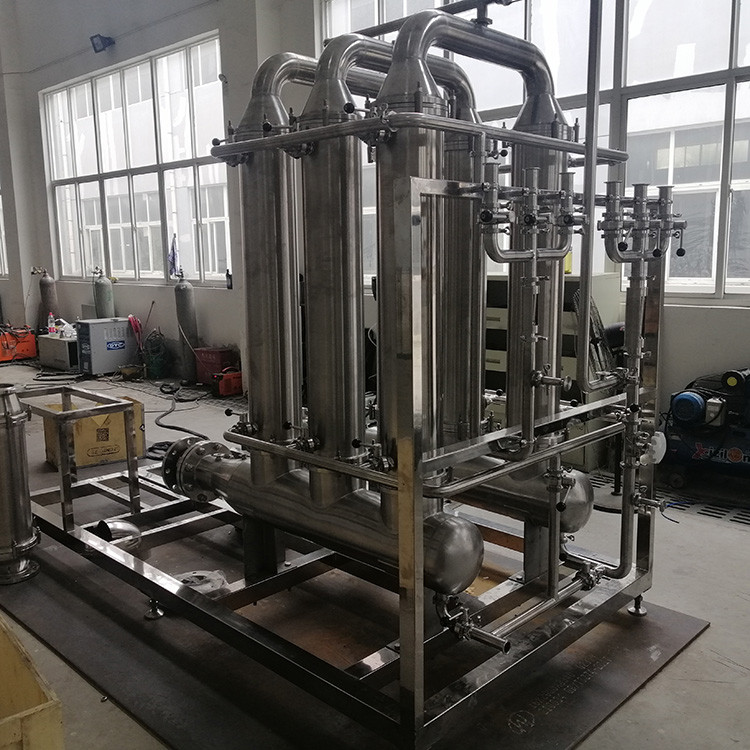
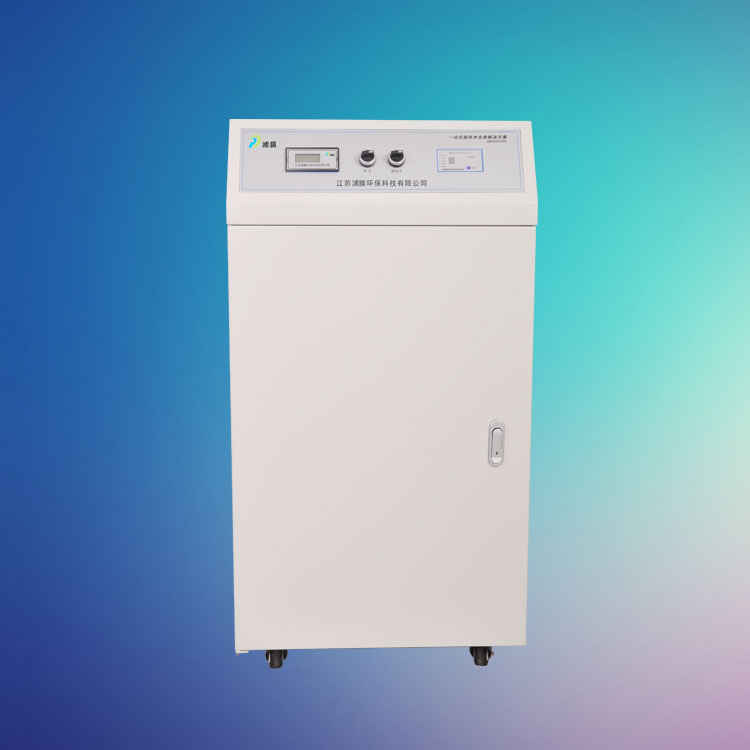
Features of Reverse Osmosis Seawater Desalination Treatment Equipment:
1) This product utilizes reverse osmosis separation technology for desalination of seawater, with the technology being the core component of the HTSW-RO series marine products, which are matched with foreign products. The process flow and operating parameters are optimized through computer design.
2) The reverse osmosis desalination process does not require heating seawater, operates at room temperature, and has no phase change, thus consuming less energy and reducing the cost of water production.
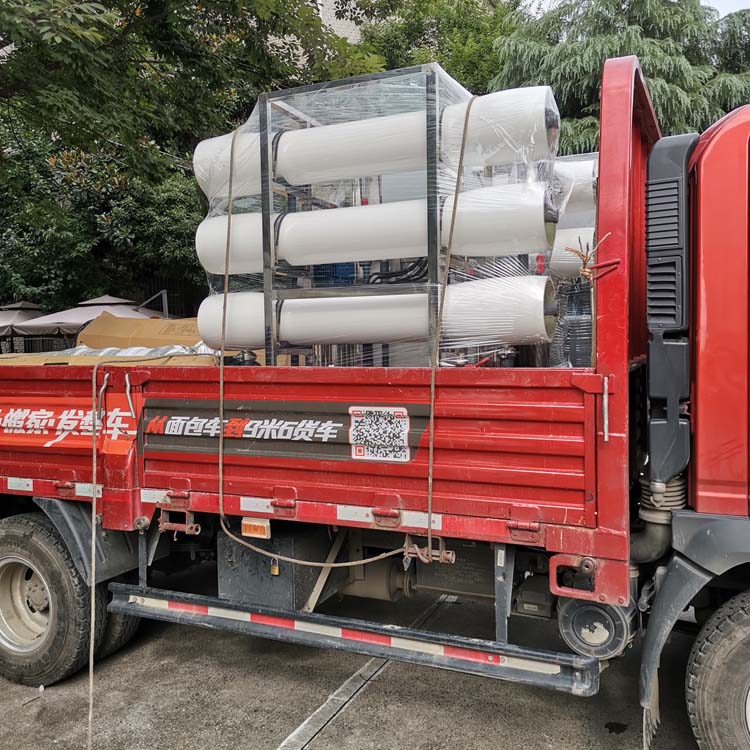
3) The product is designed with the specific characteristics of ships in mind, featuring a small size, light weight, space-saving design, easy installation, and strong adaptability. The frame, piping, and fittings are all made of 316 stainless steel and corrosion-resistant materials, with a wide range of power supply compatibility.
4) The product is easy to operate, convenient to maintain, and can supply fresh water immediately after startup with electricity and seawater available.
5) Extracted from the water intake, the design is tailored to meet customer requirements and specifically engineered for ship applications. It is compact, lightweight, space-saving, easy to install, and highly adaptable, suitable for cramped spaces like cabins, decks, crew quarters, and corridors. The equipment operates simply and is easy to maintain, providing fresh water immediately upon startup with just sea water and electricity.