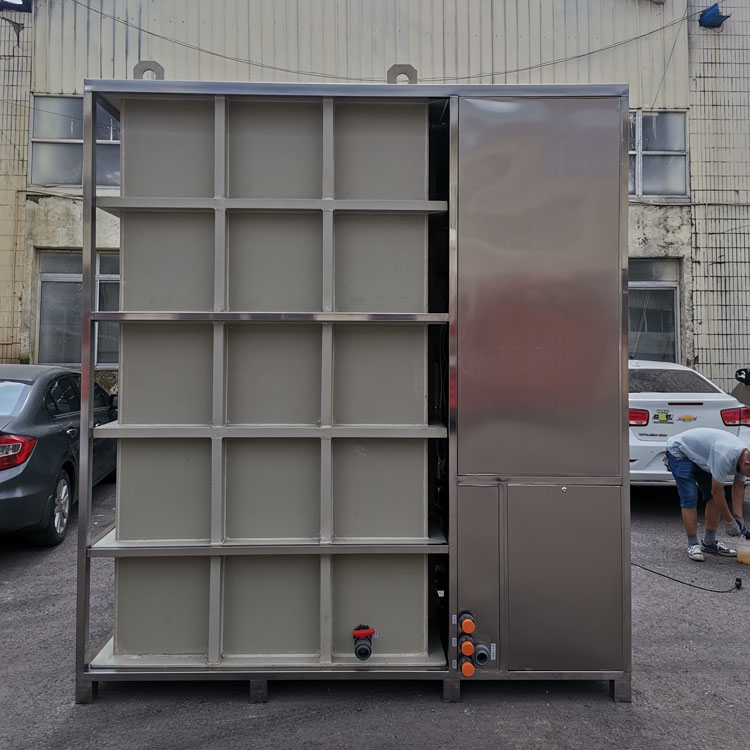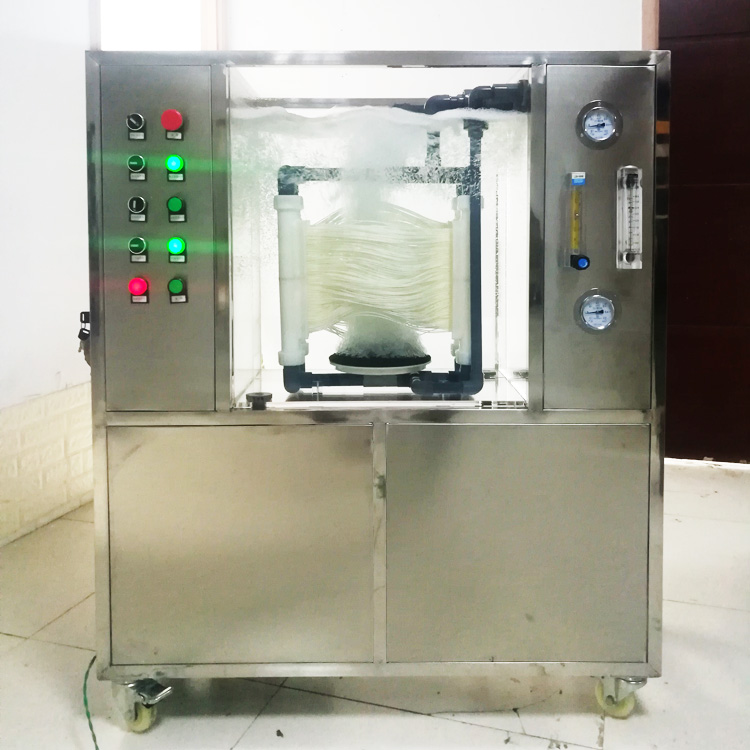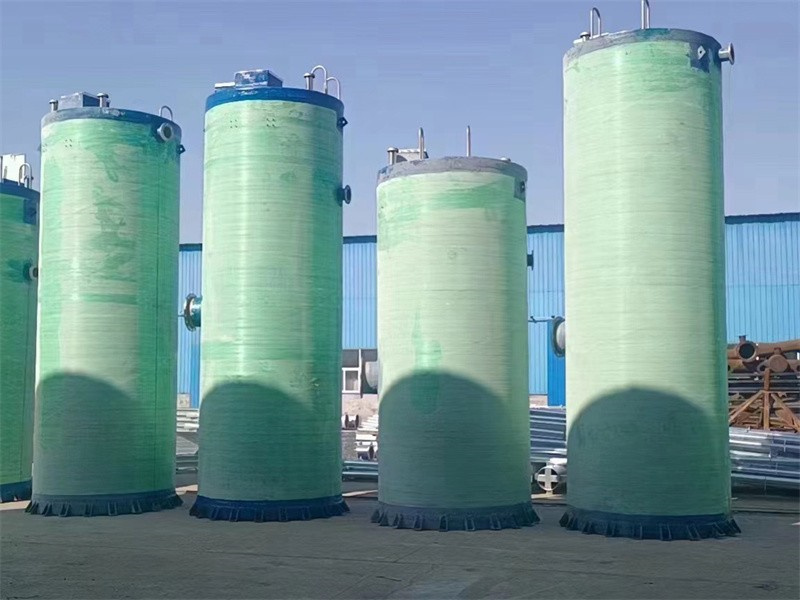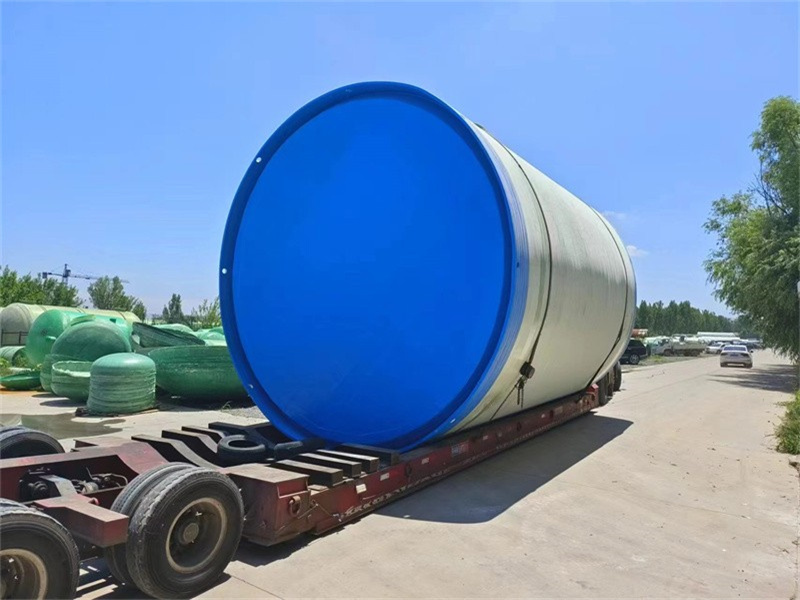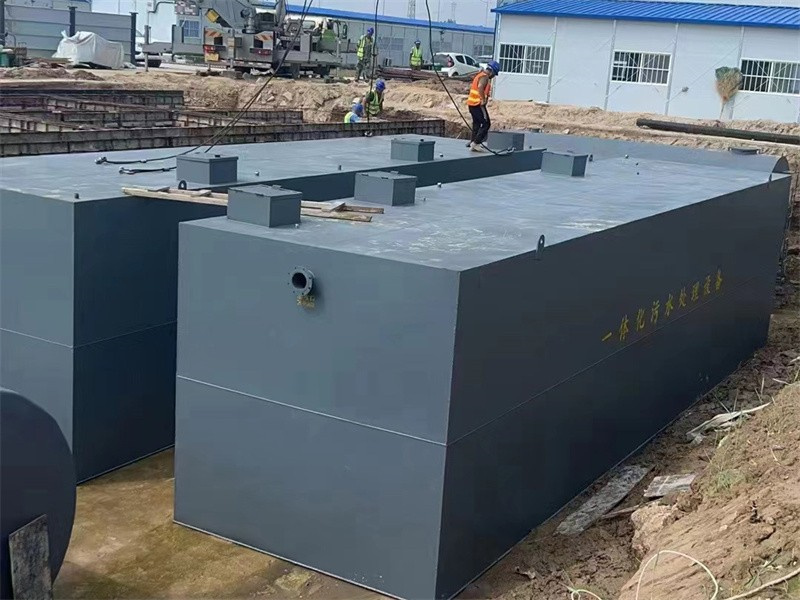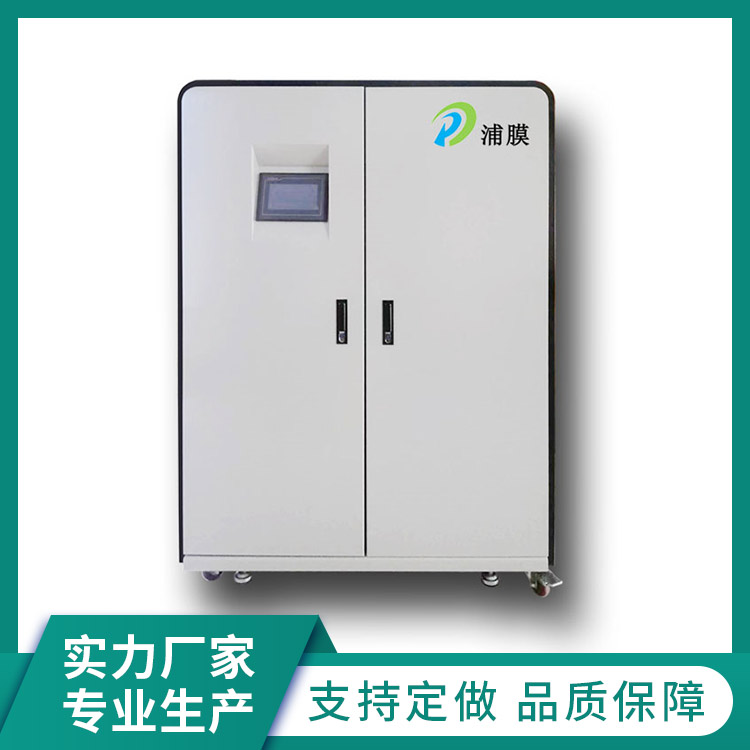

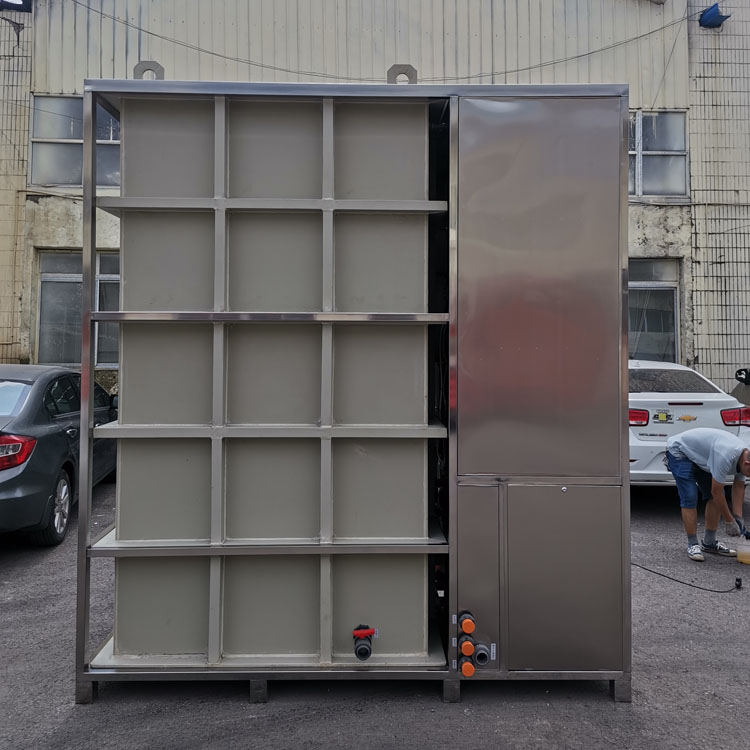

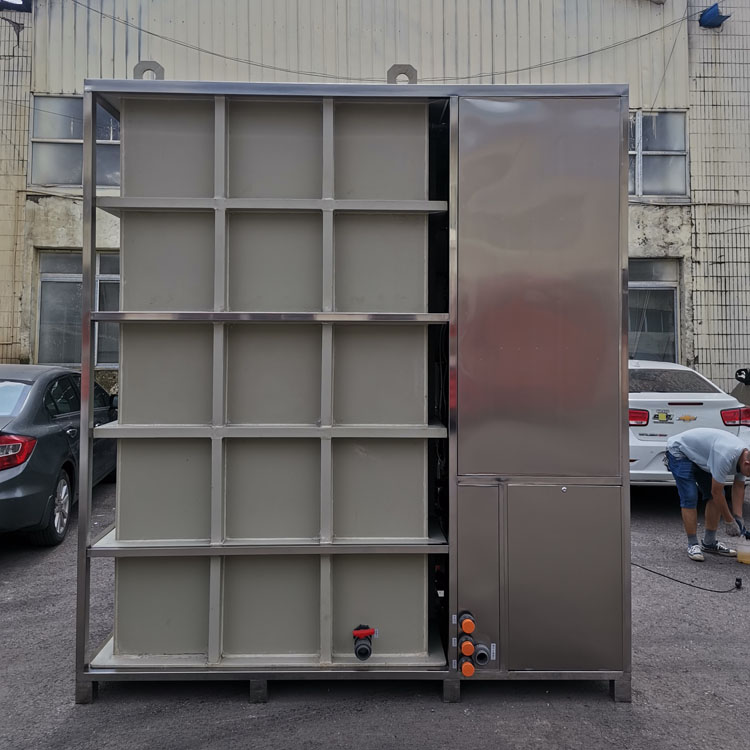
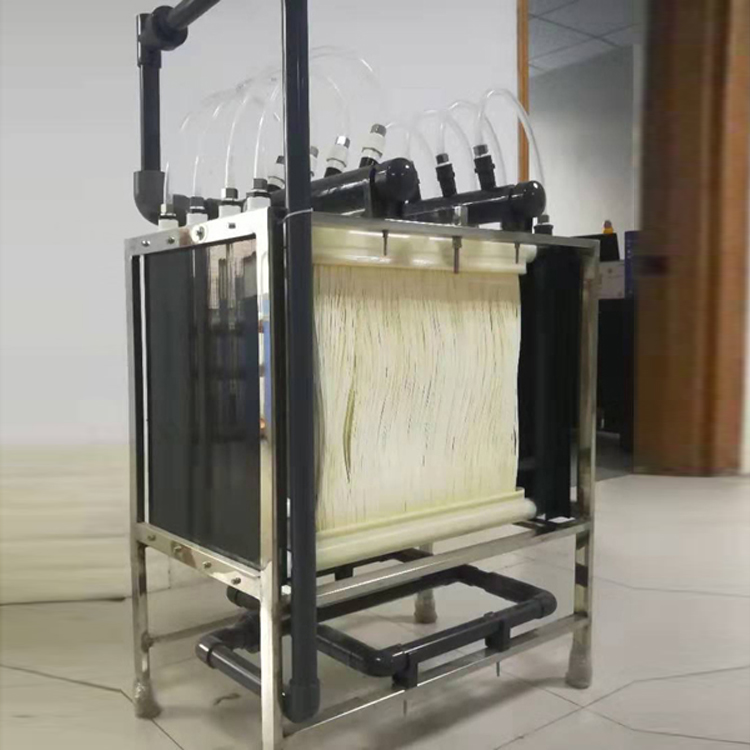
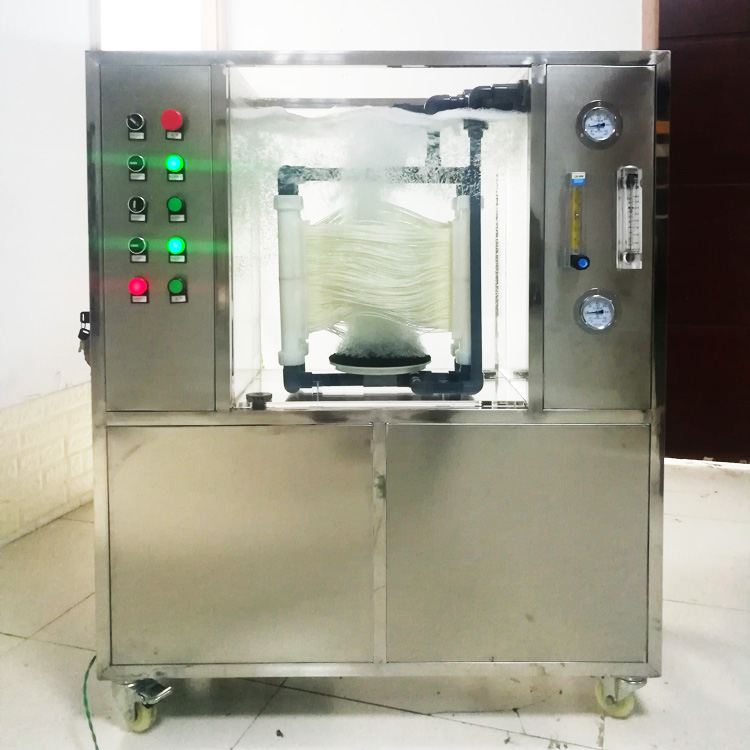







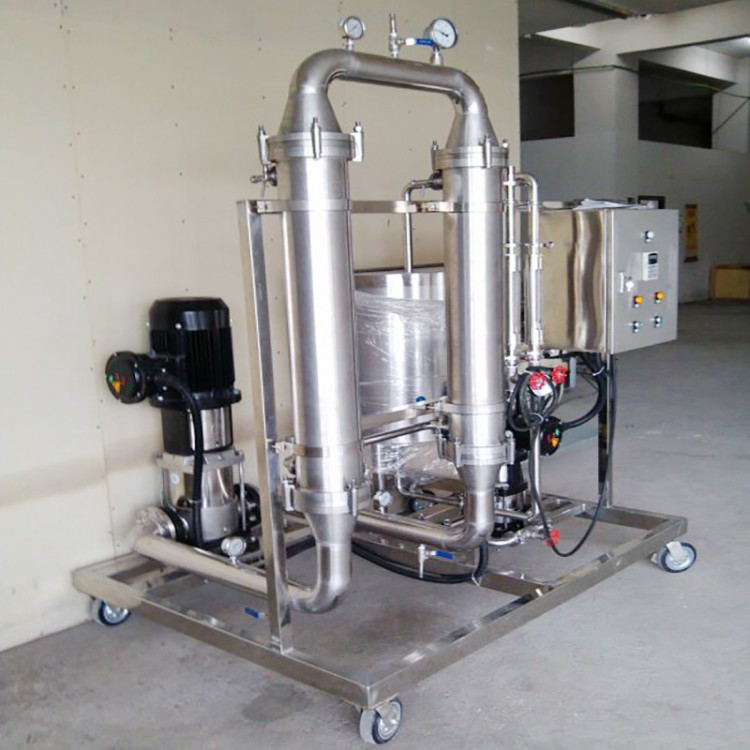
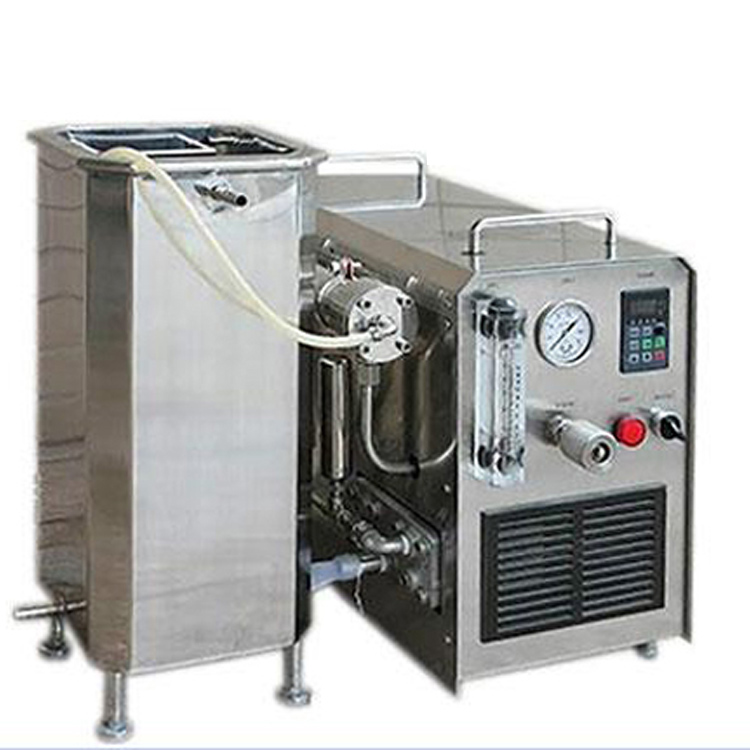
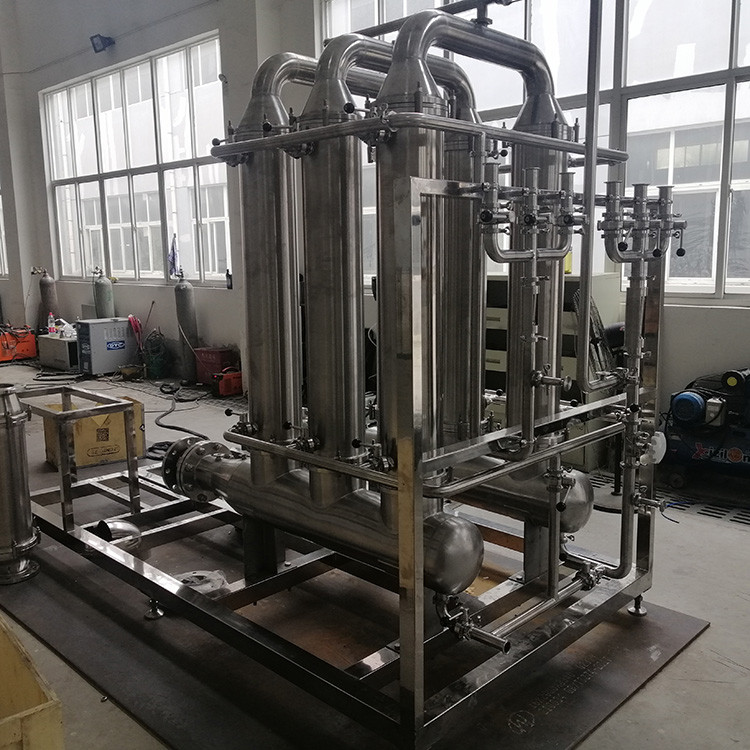
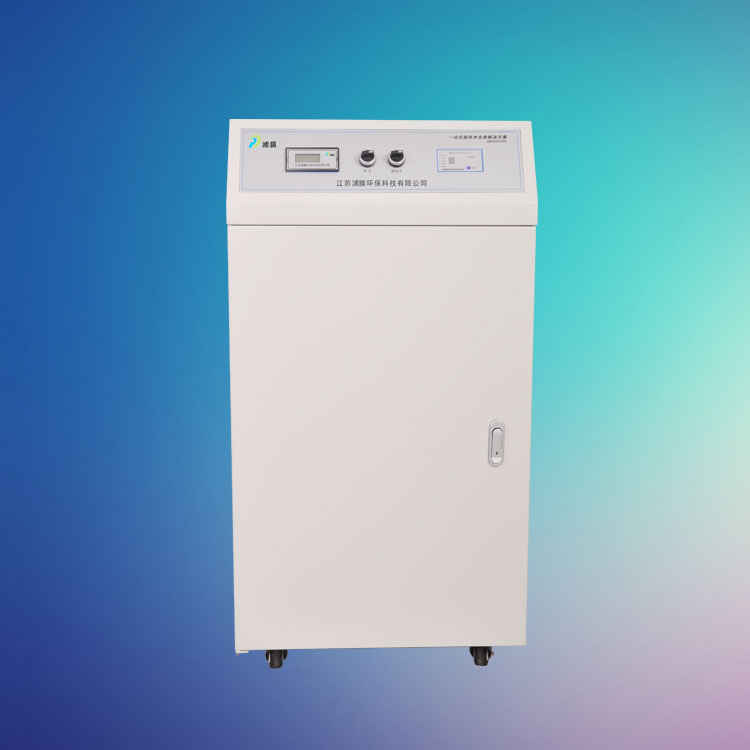
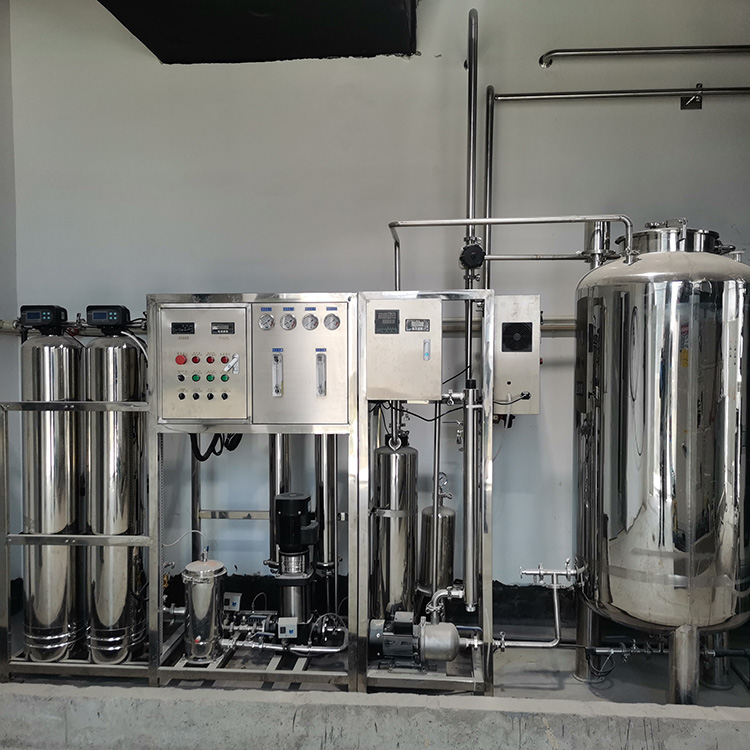
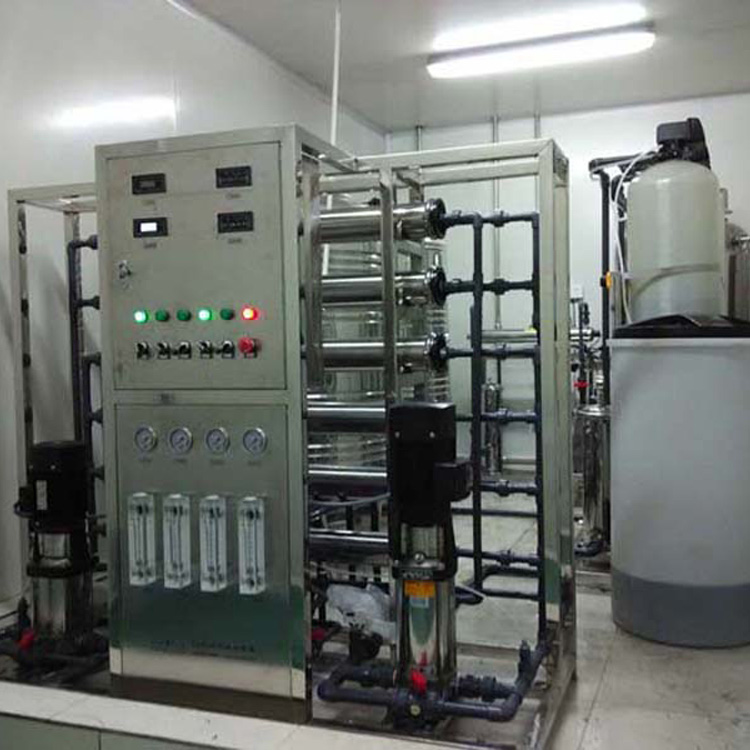
MBRA membrane process is a new, highly efficient wastewater treatment technology that combines advanced membrane separation technology with traditional complete activated sludge process. It replaces the secondary sedimentation tank in the traditional activated sludge process with a membrane module, retaining a large biomass microbial flora in the biological system....
MBRFilm--Bioreactor(Membrane Bioreactor MBR)A novel high-efficiency wastewater treatment process that combines advanced membrane separation technology with traditional complete activated sludge process. It replaces the secondary sedimentation tank in the traditional activated sludge process with a membrane module, retaining a large biomass microbial flora. This promotes a significant increase in the quantity of microbial flora and diversity of species, enhancing the treatment capacity and efficiency of wastewater. Consequently, the quality and volume load of the effluent are substantially improved, making it suitable for reclaimed water reuse.
MBR Advantages of Process Technology:
MBR Compared to traditional activated sludge process, our technology boasts numerous significant advantages, such as:
Please provide the Chinese content you would like translated into American English. MBR In the process, the concentration of activated sludge is generally maintained at7000To18000mg/LThis is equivalent to five times the sludge concentration of traditional sludge systems. Therefore,MBR The bio-chemical treatment efficiency of the process has been significantly improved, with the land area required for the reaction pool being saved.60%Additionally, as the membrane components replace deep processing technologies such as clarification and filtration, these devices can be eliminated, thereby saving the land area for the entire wastewater treatment plant.
Generally speaking, usually MBR Wastewater treated by the process has almost undetectable suspended solids, turbidity less than1Biochemical treatment process combined with membrane separation technology.MBR Water production can be applied almost to all non-potable reuse fields – agricultural landscaping irrigation, boiler make-up water(RO Pre-treatment)And industrial process water supply, etc.MBR Process can effectively reduce the presence of pathogenic bacteria, such as Escherichia coli and Cryptosporidium.
By removing the initial sedimentation tank and clarification tank, etc.MBR Integrated into a unified process for operation. No sludge sedimentation required, nor the addition of chemical agents.(Floculants and coagulants)Therefore, the chemical dosing system required under traditional circumstances has also been eliminated. Moreover, by removing the sludge sedimentation tank, which is significantly affected by sludge concentration and characteristics, the frequency of sampling and analysis can be reduced. Overall,MBR The process can effectively reduce the workload, whileMBR The process is easy to operate and runs stably, hence manyMBR Projects are handled by part-time technical service personnel through remote and on-site control systems.MBR Automated by the system. 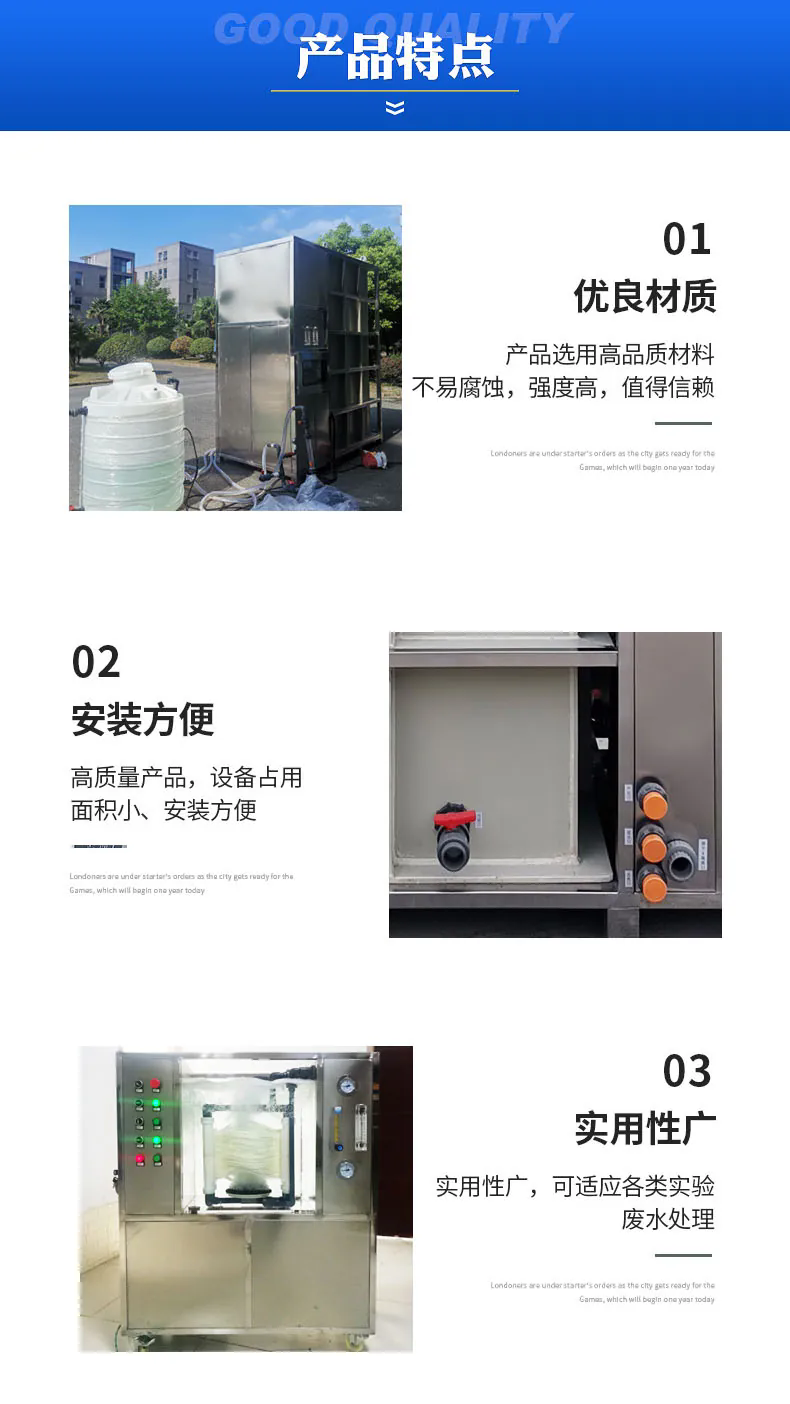
Application Scope:
1Municipal wastewater treatment and recycled water reuse.
2Wastewater treatment and recycled water reuse for domestic purposes.
3Wastewater treatment for construction and reclaimed water reuse.
4Residential communities, scenic tourism areas, highway service areas, and domestic wastewater treatment.
5Chemical, petrochemical, and synthetic fiber wastewater treatment; Brewing and beer industry wastewater treatment.