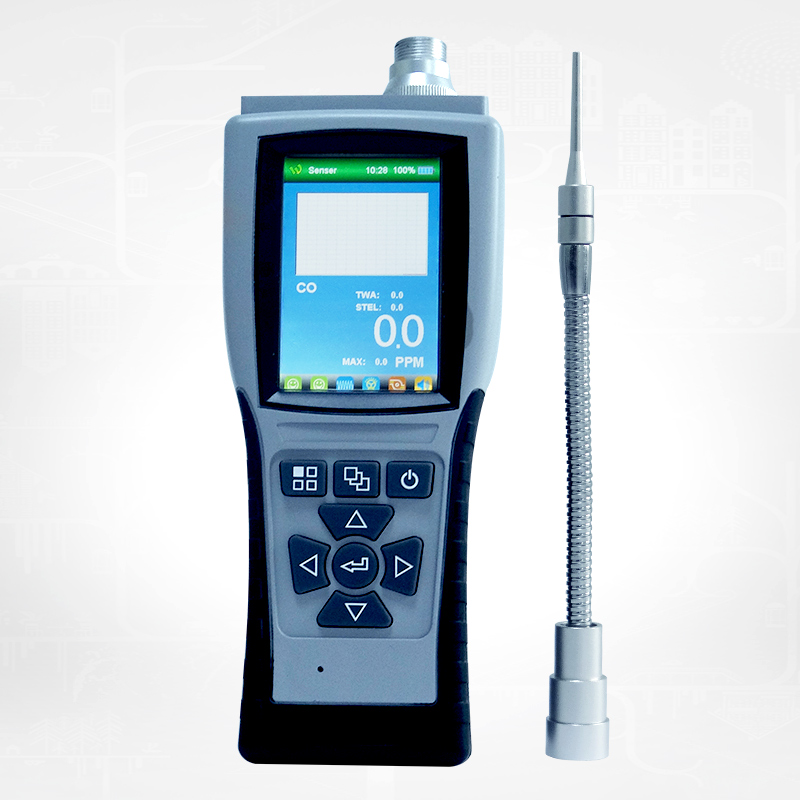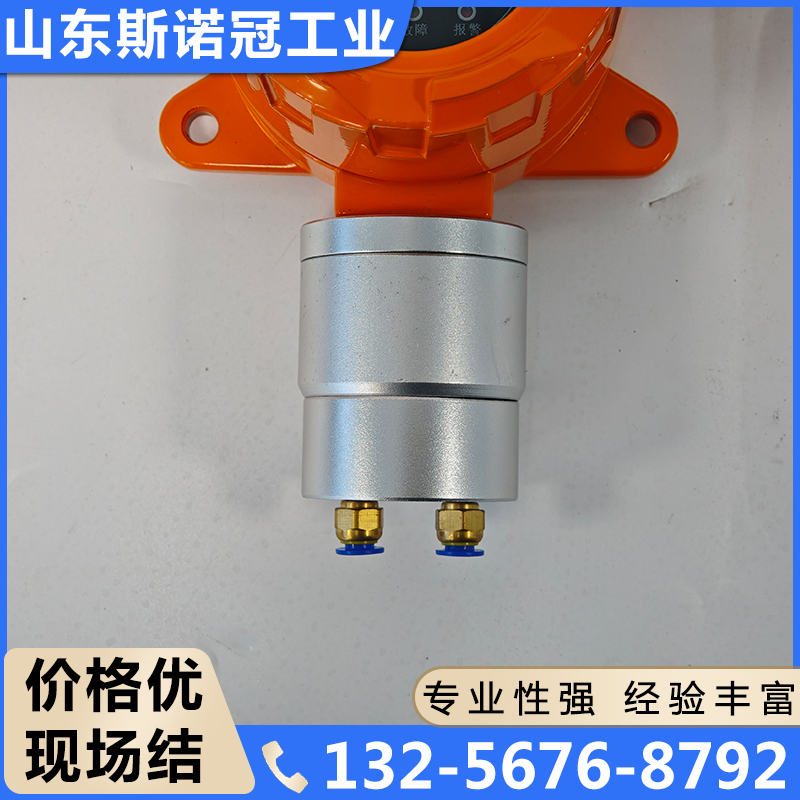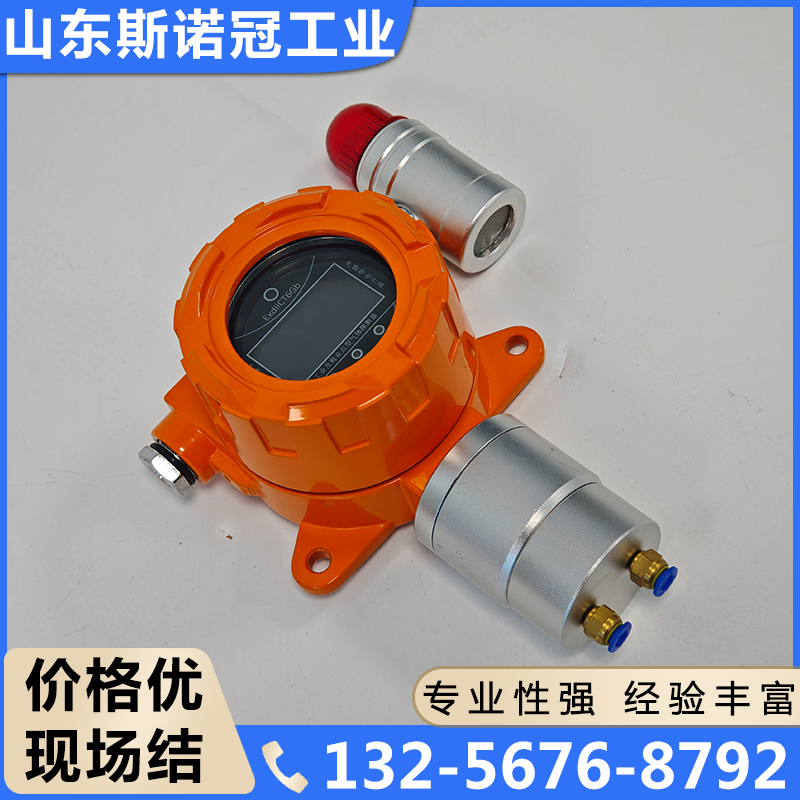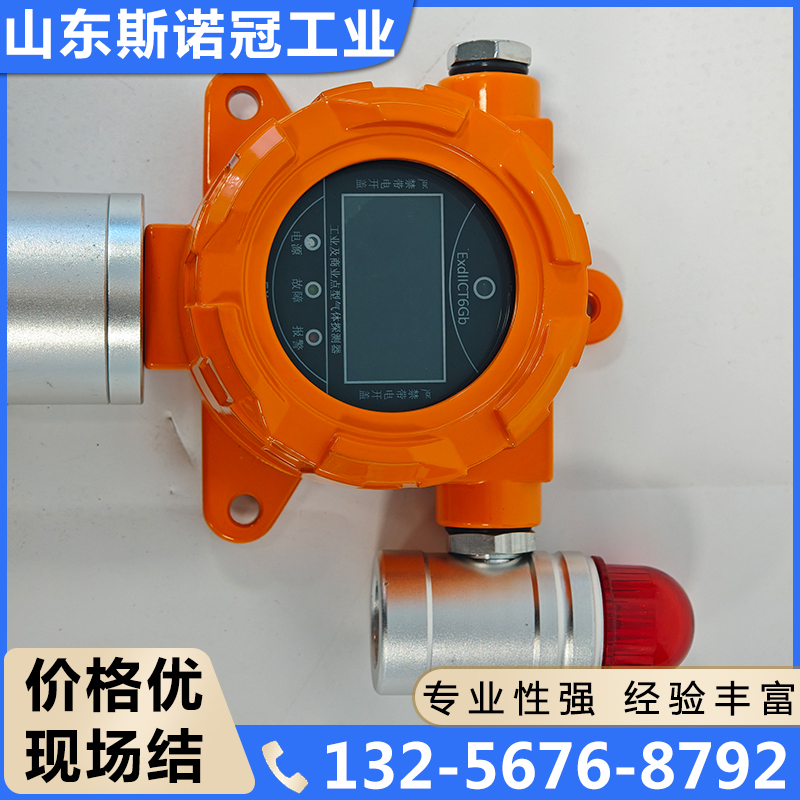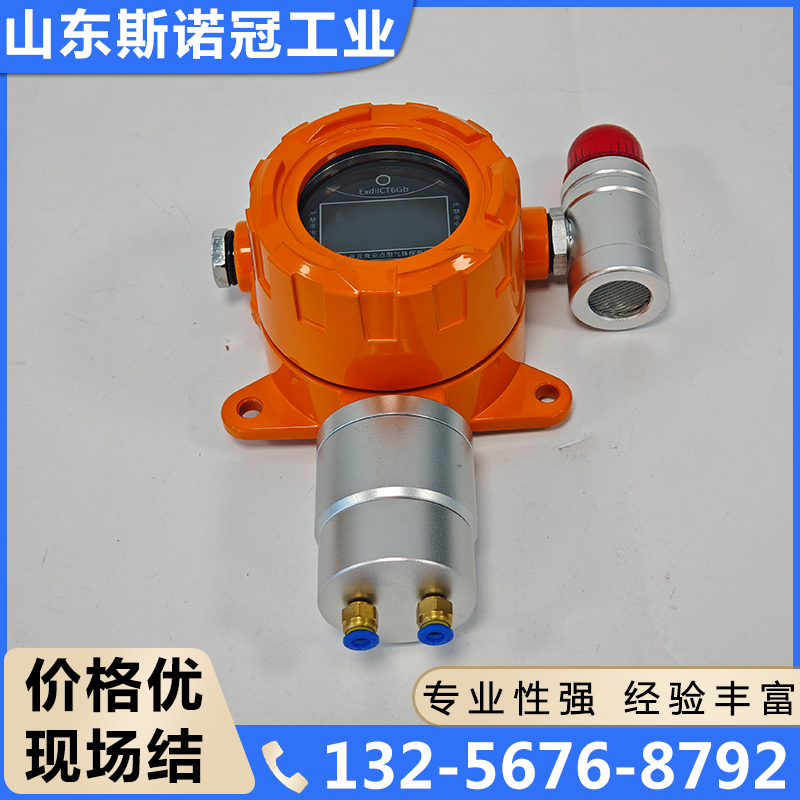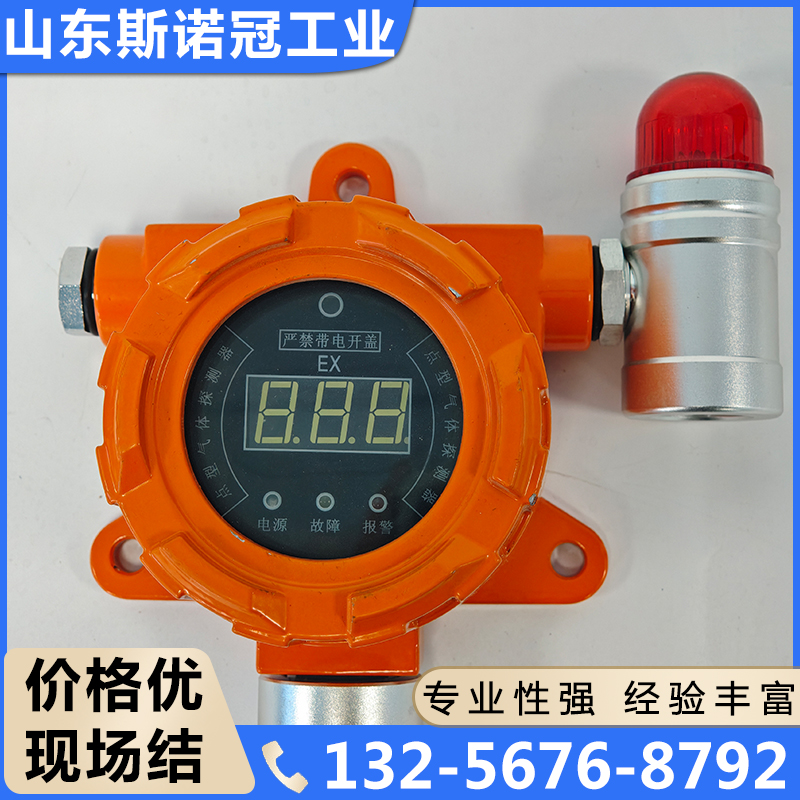
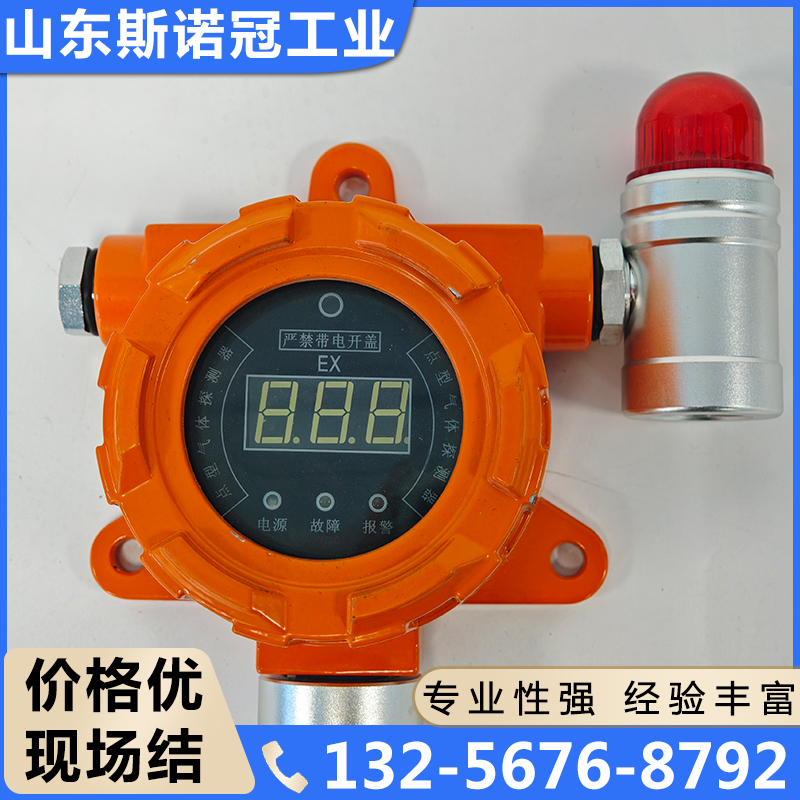
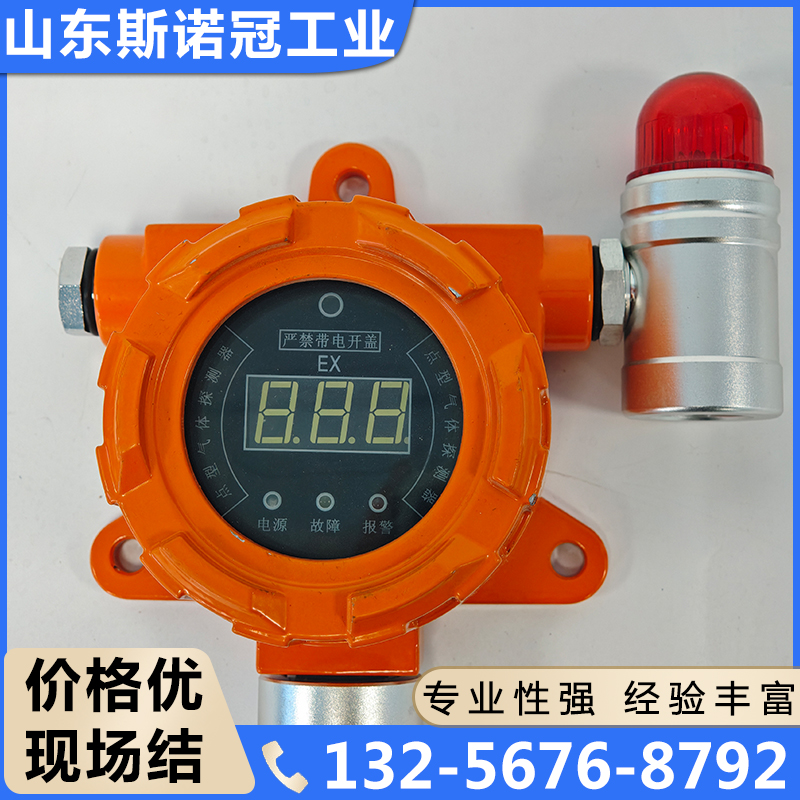
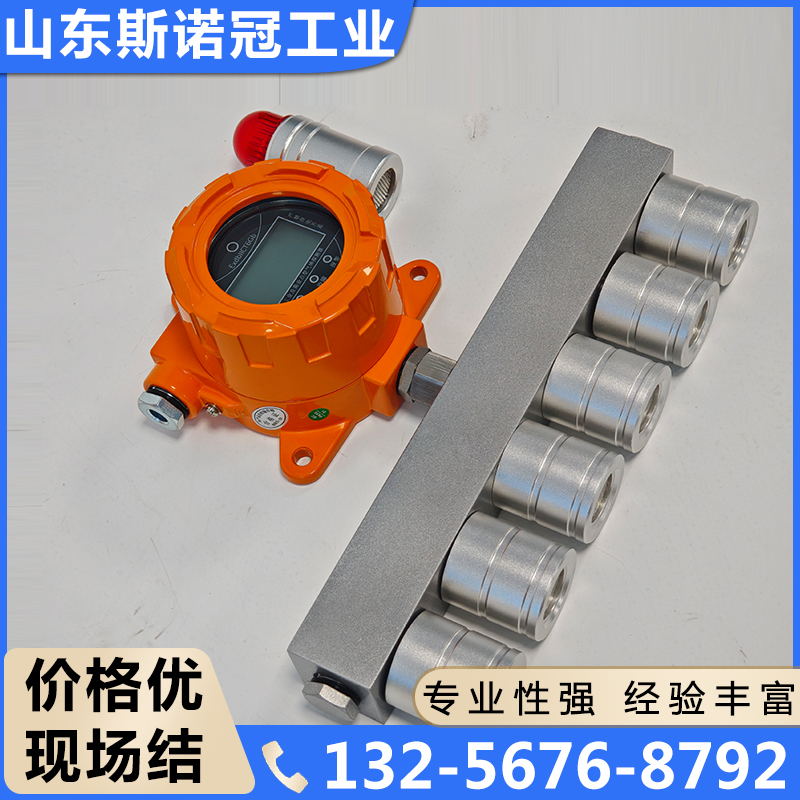
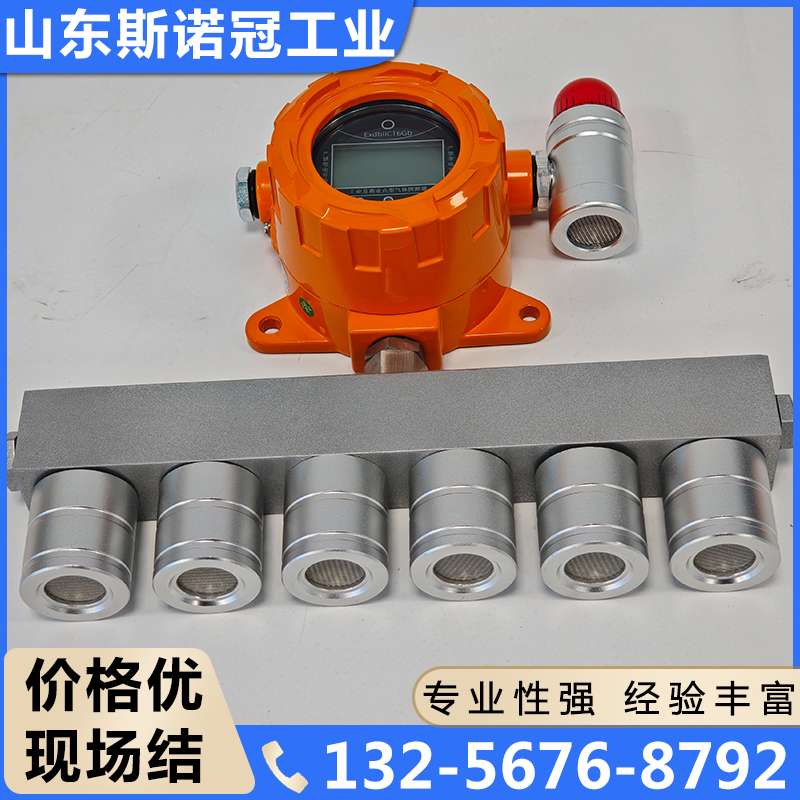







A gas detector is a device used to measure various gas concentrations in the air, widely applied in industries such as industrial, chemical, petrochemical, maritime, and mining sectors. Its role is to promptly monitor the concentration of toxic and harmful gases in the air to ensure workplace safety. This article will provide a detailed introduction to the principles, classifications, working principles, application areas, and usage methods of gas detectors.
Firstly, gas detectors can be categorized into electrochemical, infrared, semiconductor, PID, and others. Electrochemical gas detectors utilize electrochemical sensors for gas detection, commonly used for toxic gas detection. Infrared gas detectors employ the absorption characteristics of infrared light to measure gas concentration. Semiconductor gas detectors use semiconductor sensors for gas detection, often used for detecting flammable gases. PID gas detectors rely on photoionization principles to detect volatile organic compounds.
When using a gas detector, keep the following in mind: first, calibrate it before use to ensure accuracy of the test results; second, perform regular maintenance and care to keep it functioning properly; third, select a suitable gas detector based on the workplace and type of gas; during use, follow the instructions strictly to avoid accidents caused by misuse.
In summary, gas detectors play a crucial role in industrial production and various other fields. They help people promptly detect harmful gas concentrations, ensuring workplace safety. In our future endeavors, we should place greater emphasis on safe production, enhance the use and maintenance of gas detectors, and guarantee workplace safety.