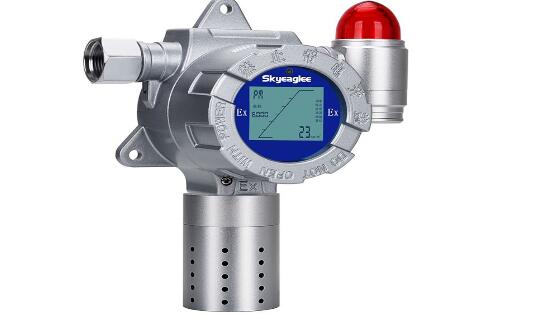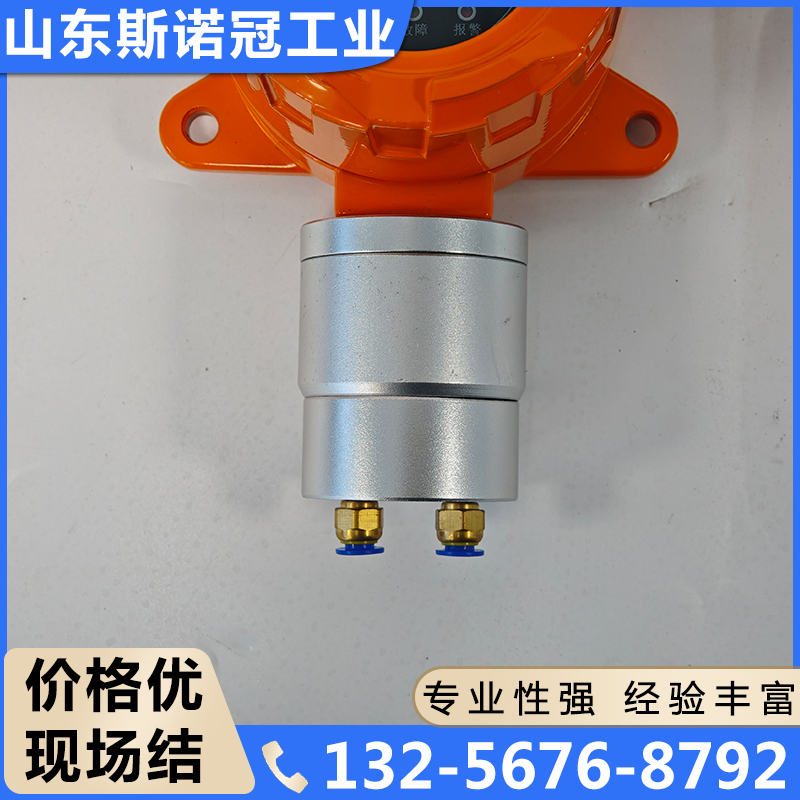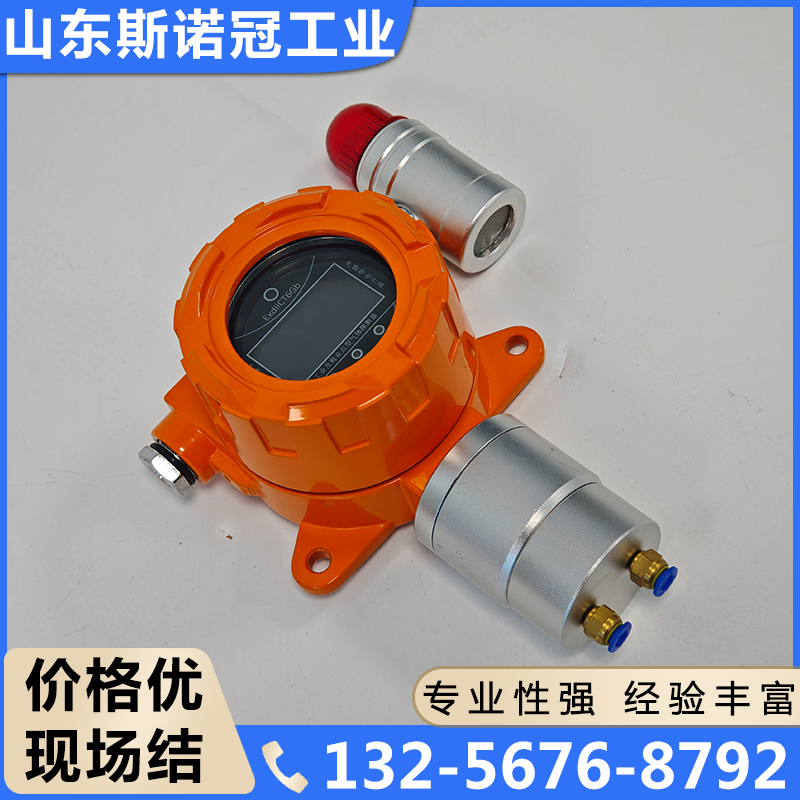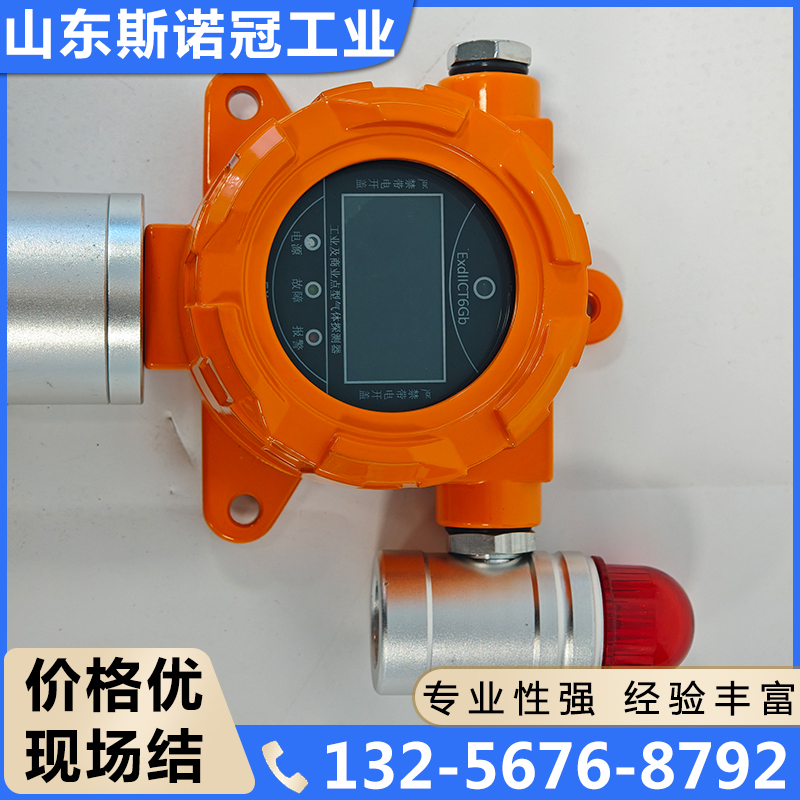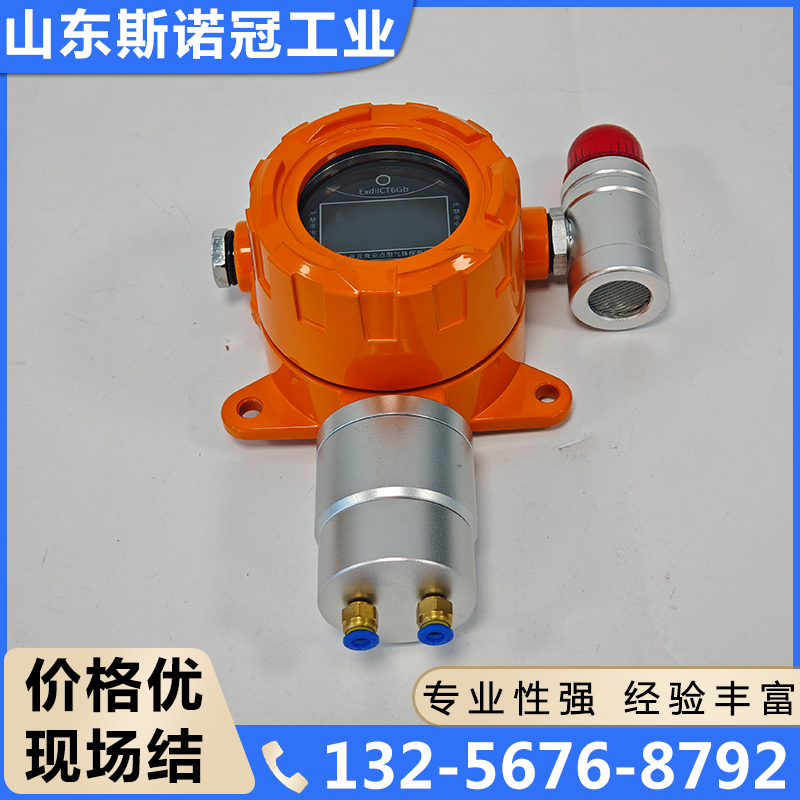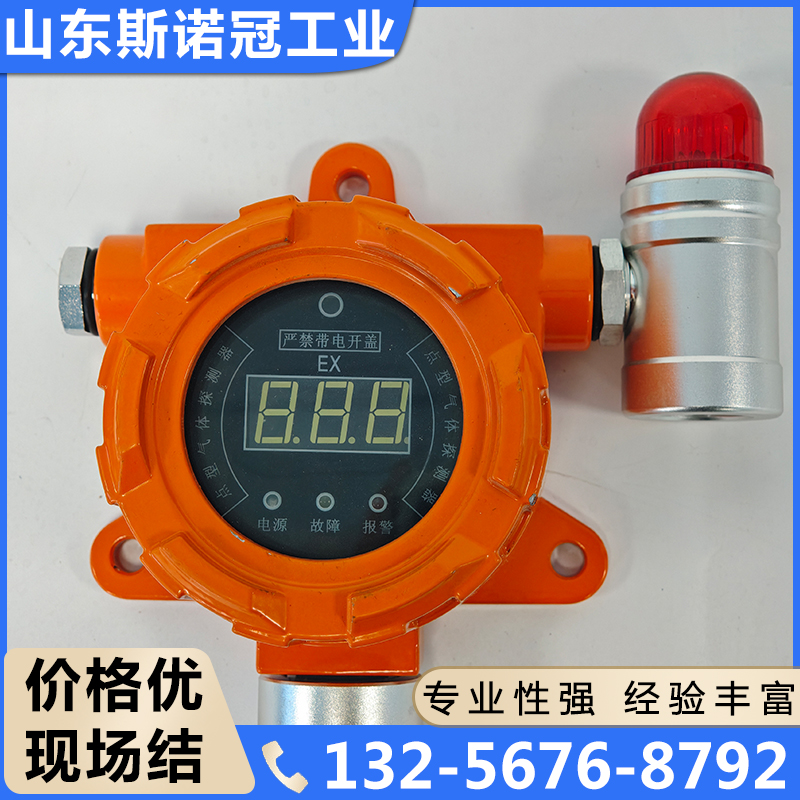
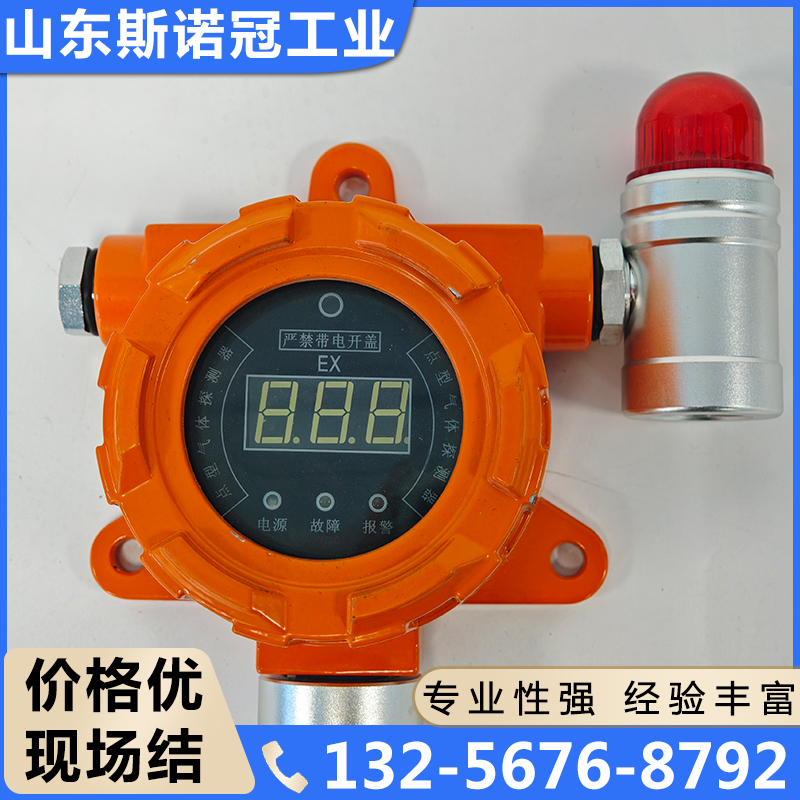
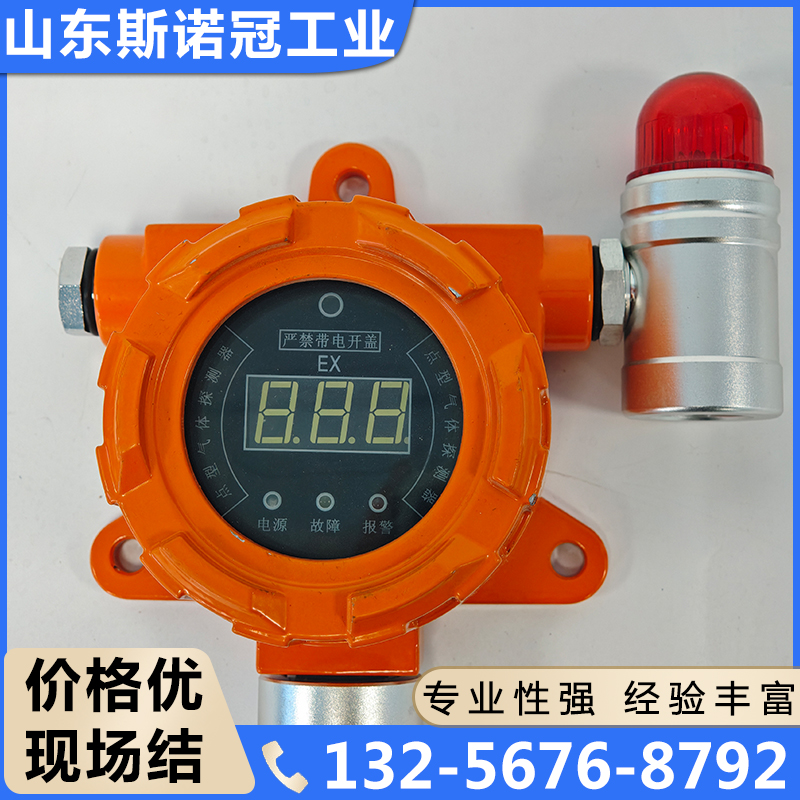
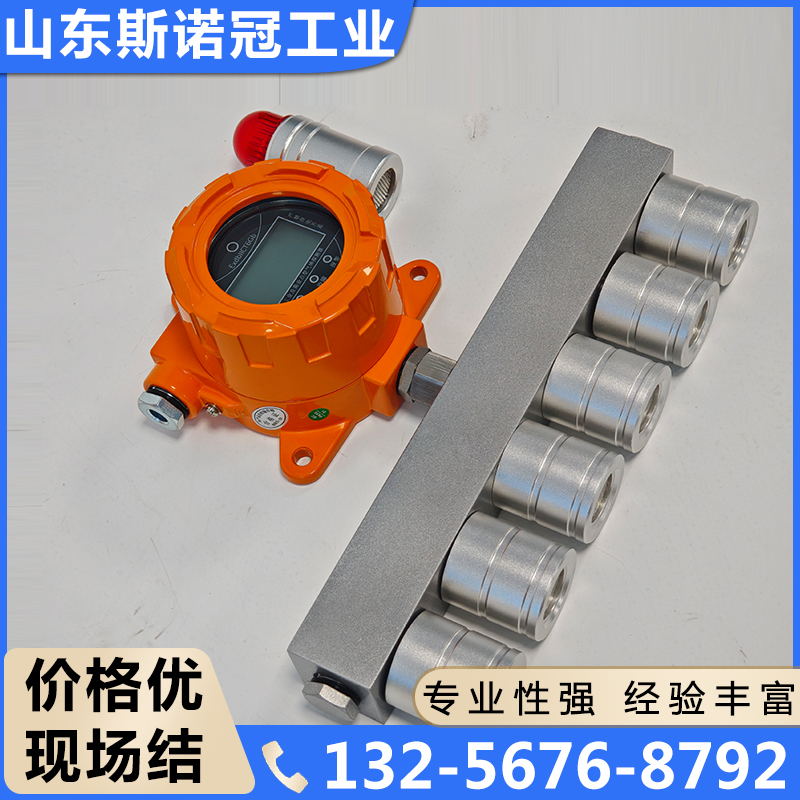
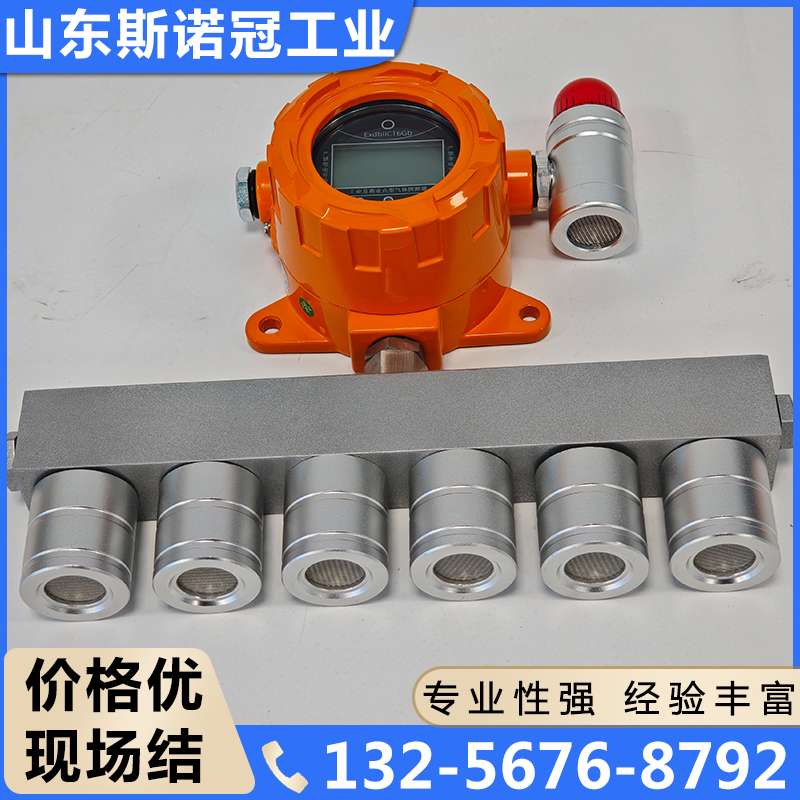







Gas detectors can be categorized by their detection principles into electrochemical, infrared, semiconductor, and PID types, among others. Electrochemical gas detectors use electrochemical sensors to detect gases, commonly employed for toxic gas detection. Infrared gas detectors utilize the absorption characteristics of infrared light to measure gas concentrations. Semiconductor gas detectors employ semiconductor sensors for gas detection, often used for detecting flammable gases. PID gas detectors use photoionization principles to detect volatile organic compounds.
Next, the working principle of the gas detector is to detect gases in the air through built-in sensors. When the concentration of the detected gas exceeds the set safety range, it emits an alarm signal to remind staff to take appropriate actions. Gas detectors can detect a wide variety of gases. They help staff promptly identify gas leaks and prevent accidents.
Again, gas detectors are widely used in industrial production, chemical factories, mines, ships, petrochemicals, metallurgy, and environmental protection sectors. In these fields, gas detectors help workers promptly detect the concentration of harmful gases in the air, ensuring workplace safety. For instance, in chemical factories, gas detectors can be used to measure toxic gas concentrations, ensuring the safety of workers; in mines, they can detect flammable gas concentrations, preventing mine accidents.
When using a gas detector, be mindful of the following points: Firstly, calibration is required before use to ensure the accuracy of the detection results; secondly, regular maintenance and care are necessary to keep the detector functioning properly; thirdly, select a suitable gas detector based on the specific work environment and gas type; during use, strictly follow the instructions to avoid accidents caused by misuse.